Tag Archive for: sarangani earthquake

When Challenges Collide, Collective Care Rallies Around an Ailing Child

GLANSarangani ─ When two-month-old Zane Gabriel developed severe pneumonia, his family was already struggling to make ends meet. Then a powerful earthquake struck their home, adding to their financial pressures and disrupting access to healthcare. Through it all, parents, grandparents, non-governmental organizations, health workers, and community members rallied around one small child.  

At just two months old, Zane Gabriel was fighting for every breath. 

His family knew he needed medical care, but reaching it was not simple. His parents relied on the support of grandparents already facing financial difficulties. Then, before they could fully respond to his worsening condition, a powerful earthquake struck southern Mindanao.

Suddenly, the family was facing two emergencies at once. 

“The earthquake happened so fast, the stress doubled, and we had to face both the quake and the child’s illness, shares his grandmother.

The infant’s condition worsened. Every breath became more difficult. The family had no choice but to bring him to the nearest health facility in the municipality of Glan.  

Health facilities were already operating under strain after the earthquake injured many people and damaged critical medical infrastructure. From their home in Barangay Cablalan, the journey there is costly. Damage to roads and landslides made travel even more difficult for many communities. 

Once there, the family learned that the nearest facility lacked the breathing apparatus Zane Gabriel urgently required. From Glan, he was transferred to the Municipality of Alabel and later to a hospital in General Santos City, where he would spend more than a month in intensive care. 

While Zane’s grandmother worried about mounting expenses at home, his mother, Regane, faced a different reality over an hour and a half away, spending day after day beside her son in the hospital.
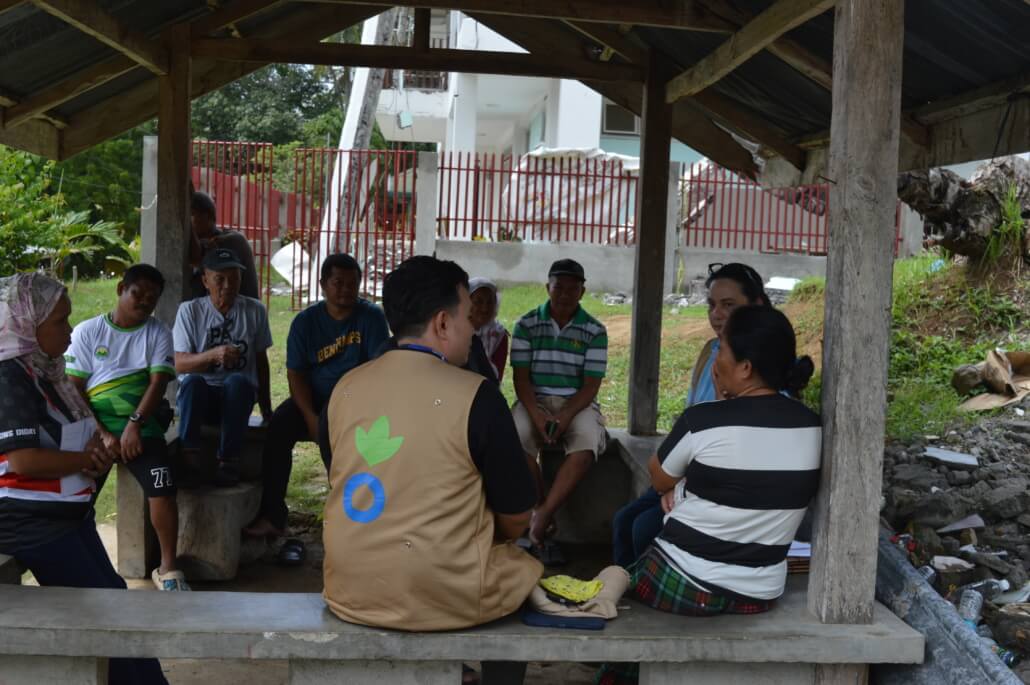
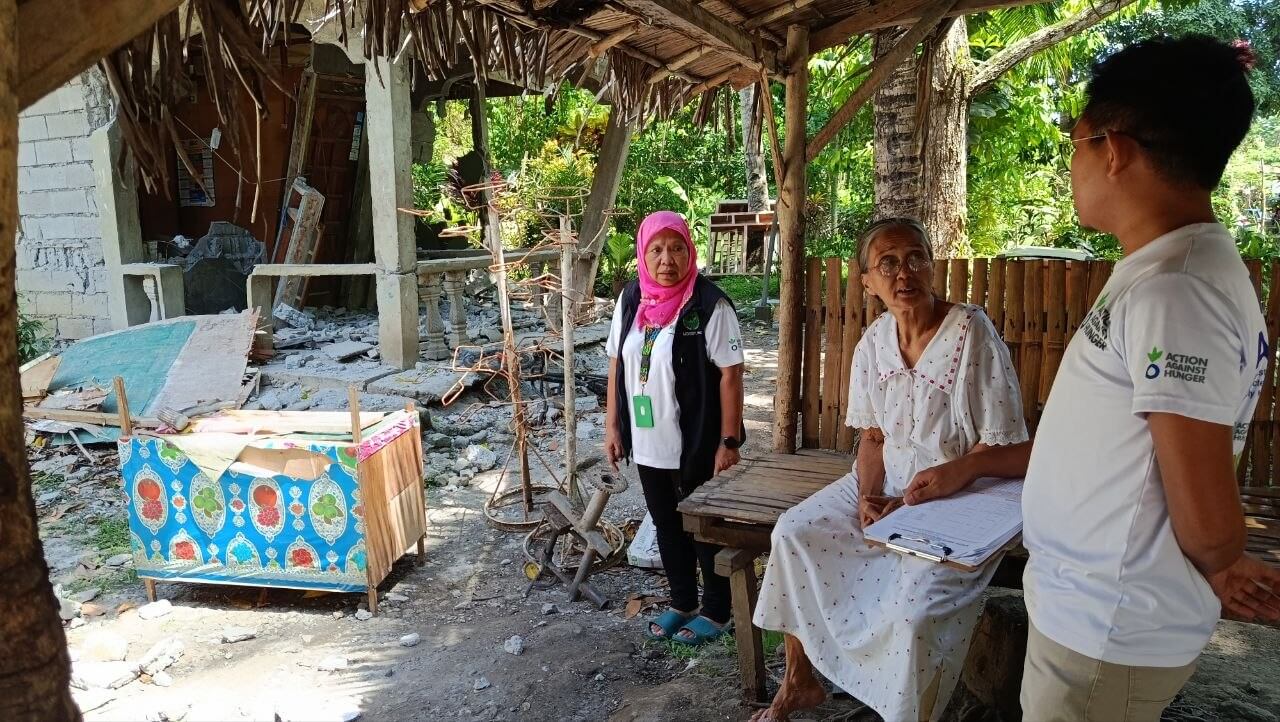
In photo: Jermilyn (grandmother) speaks with the Field Health Officer of Action Against Hunger in front of the now destroyed barangay hall in Cablalan, Glan. (Photo by Ana Nico Clement for Action Against Hunger)

Field Officers from Action Against Hunger met Zane Gabriel’s grandmother, Jermilyn, during this uncertain time. She was consumed by concern for the infant and about the growing medical bill her family could not afford.  

“My husband, the grandfather, is a tricycle driver, so he is not earning much. We have received a prescription being released on a daily basis.

 So far, we could not keep up with the bills, let alone with the medical ones. It’s very hard, and that is why I’m so emotional right now, shares Jermilyn. 

The grandparents were earning less than before the earthquake. Fewer people were commuting as families across the community faced their own struggles recovering from the damage and interruptions.
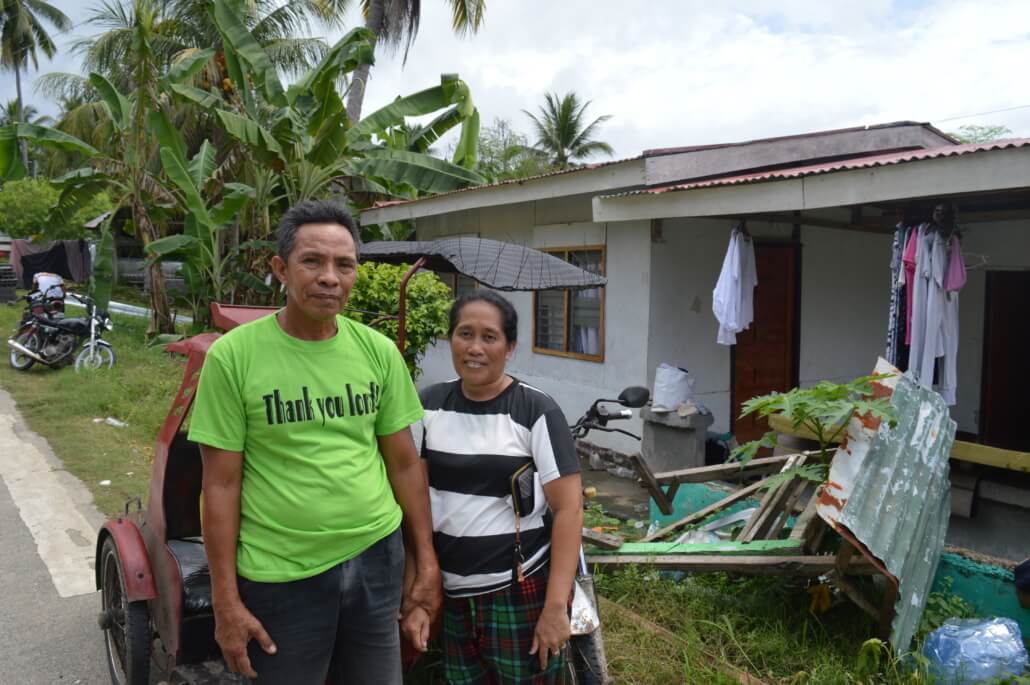
In photo: Zane Gabriel’s grandparents, Jermilyn and her husband, pictured in front of the tricycle he uses for work. Since the earthquake, less people have been asking for his services, and their income has consequently suffered (Photo by Ana Nico Clement for Action Against Hunger)

At just 18 years old, Jermilyn’s daughter, Regane, had hoped to complete senior high school before pursuing college. Those plans are now temporarily on hold as she focuses on her son’s recovery. Her partner, Gerald, 22, is an incoming fourth-year college student. While he continues working toward completing his studies, the young couple continues to rely on their families for financial support. 

The uncertainty surrounding Zane Gabriel’s condition has also delayed Regane’s plans to return to school. 

“Both Gerald, the father of our child, and I have temporarily put our studies on hold because our priority right now is taking care of Zane while he is hospitalized,” Regane mentions. 

With limited resources, they are doing their best to meet both their daily needs and afford the medical expenses associated with caring for their infant. Their son’s hospitalization has become the family’s immediate priority, requiring them to focus their time, energy, and resources on his recovery. 

Meanwhile, the medical bill kept growing. Regane spent weeks in Glan close to her son, while Jermilyn was often unable to afford the journey to visit her grandson. 

“I have not seen him in a long time.  I could not go before for financial reasons. The commute expense and the food also need to be secured for my daughter,” explained Grandmother Jermilyn. 

In Barangay Cablalan, Jermilyn shared her case with friends and organizations like Action Against Hunger, present on the ground, in the hope of finding support. She shares, “I am praying but it is still very difficult. I am asking for assistance from everyone I know, including my friends. Even my friends and family need help but still I am relying on them. This is what keeps my spirit up.”

Indeed, the magnitude 7.8 earthquake severely hit her barangay, and the entire community was affected by this new reality. Like many others in Cablalan, their family has also had to recover from the earthquake. Their home sustained damage, but the primary concern remained her grandson’s health. 
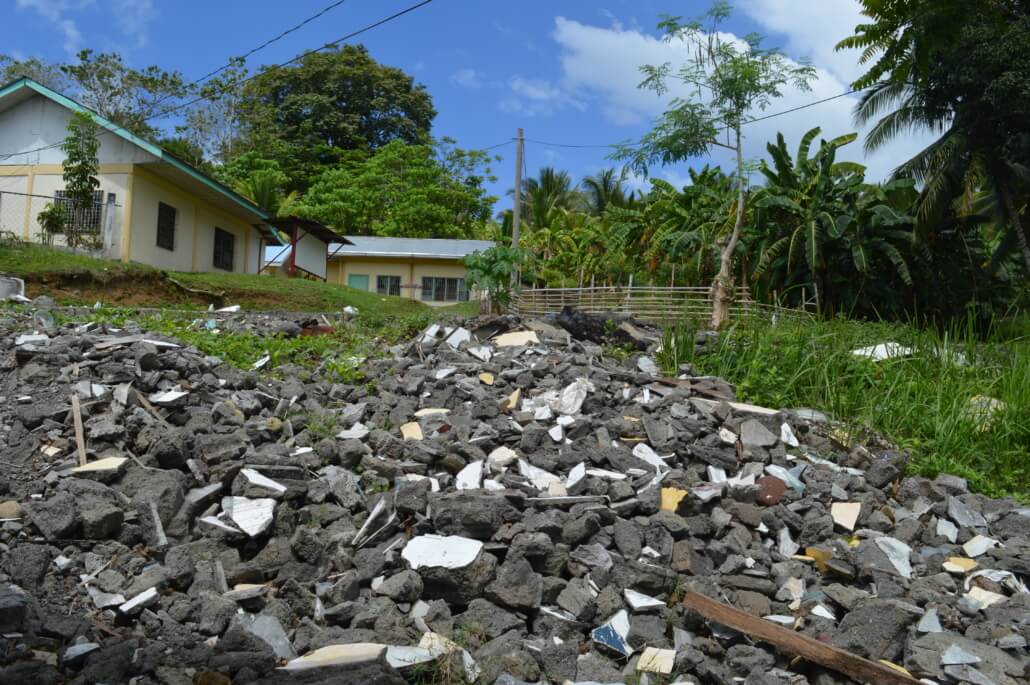
In Photo: Destruction in the city centre of Cablalan (Photo by Ana Nico Clement for Action Against Hunger)

As medical bills continued to grow and the family struggled to balance hospital visits with daily expenses, Action Against Hunger’s emergency response team identified the household as needing additional health support. Through funding from the Swedish International Development Cooperation Agency (Sida), the family received financial assistance to help ease some of the immediate hardships while Zane Gabriel remained hospitalised. Regane extends gratitude for the response, 

“Your support eased some of the burden we were carrying and allowed us to focus more on caring for our son during this difficult time.

It reminded us that we were not facing this challenge alone, and for that, we are deeply appreciative.” 

As first-time parents navigating a prolonged hospitalization, Regane and Gerald often found the process overwhelming. Beyond financial support, Action Against Hunger’s team helped connect the family with hospital social workers and available assistance programs they did not know existed.  

“Beyond the financial assistance, what truly made a difference was the guidance you provided throughout our journey.

Helping us process our hospital billing by referring us to the hospital social worker opened opportunities for additional assistance that we did not know were available.” 

Over a month later, with time and continuous care, Zane Gabriel’s health has improved. 

Today, Zane Gabriel is still recovering from pneumonia. Although the doctors have advised that he can already be discharged, they encouraged both his parents, to continue closely monitoring his condition at home for any signs that his illness may return.  

“Since he is still very young and has not yet received his routine vaccinations, they recommended bringing him home as soon as it is safe to do so to reduce his risk of exposure to other communicable diseases in the hospital,” explained Regane. “We remain hopeful that he will continue to recover and grow stronger each day.”
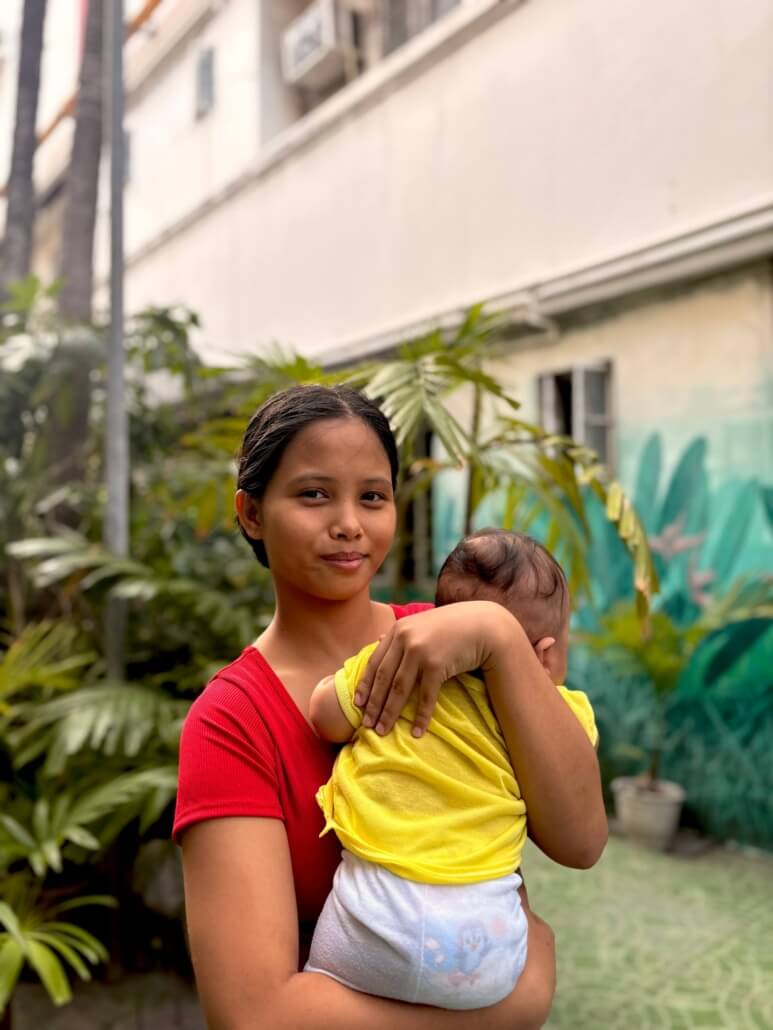
More than a month after entering intensive care, Zane Gabriel’s health is finally improving. However, the baby has yet to be officially discharged from the hospital due to pending billing. Action Against Hunger facilitated the referral with social services to support the process and assist with the necessary arrangements.  

Still, for the first time in weeks, they are beginning to imagine the future again.

For grandmother Jermilyn, that future includes seeing both her daughter and grandson thrive. “I want my daughter Regane to finish school, to get a nice degree and a great job. I hope Zane Gabriel gets better and that we can put him through school.”

Regane shares similar aspirations for her son,  

“My greatest hope is to see my son, Zane, grow up healthy and have the bright future I have always dreamed for him.

To my baby, I want you to keep fighting because your father and I are here beside you, doing everything we can to help you recover.”  

Grandparents, parents, medical workers, friends, and community members each play a role in supporting children like Zane Gabriel. Action Against Hunger helped strengthen this network of care by connecting the family to available services and resources while supporting their immediate financial needs.  

Throughout months of uncertainty, Zane Gabriel’s parents and grandparents carried him through every setback. In return, the infant’s determination inspired them to keep going.  

“Throughout this journey, we have learned just how strong he truly is. Despite the many injections, medical procedures, and the discomfort he has gone through, he continues to smile,” his mother expresses with pride.

“Seeing his cheerful spirit, even during difficult days in the hospital, gives us strength and reminds us to stay hopeful. He has taught us that resilience can come even from someone so small.”


ABOUT THE RESPONSE 

As part of its emergency response to the Sarangani earthquake, Action Against Hunger, through support from the Swedish International Development Cooperation Agency (Sida), is helping affected communities access essential health services despite disruptions caused by damaged infrastructure, displacement, and financial hardship. 

The response includes logistical and financial support for vulnerable individuals requiring healthcare, including transportation assistance, referrals, and support for health-related expenses. Action Against Hunger also works closely with Rural Health Units, Local Government Units, and referral hospitals to strengthen continuity of care and ensure vulnerable populations can access appropriate services. 

In addition, the organization is supporting frontline health workers through training, mentoring, and on-the-job supervision on mental health and psychosocial support, psychological first aid, protection-sensitive approaches, and safe referral pathways. These efforts help strengthen local health systems and improve access to timely, coordinated, and quality care for earthquake-affected populations.


Interview by: Raphael Emperio and Ana Nico Clement
Written by: Ana Nico Clement
Read more

One Month Later: Humanitarian Response Continues as Communities Face the Challenges of Early Recovery

Family Navigates Loss, Fear, and Recovery in Sarangani 

The last time she experienced an earthquake of this scale was in the early years of her marriage. Today, Domana Sagli is 83 years old and the eldest in a household shared by four families, including many of her grandchildren. Since the earthquake struck Sarangani, she has not been able to sleep. With limited mobility, she is confined to her home, overcome by dizziness and fear each time the ground begins to shake. 

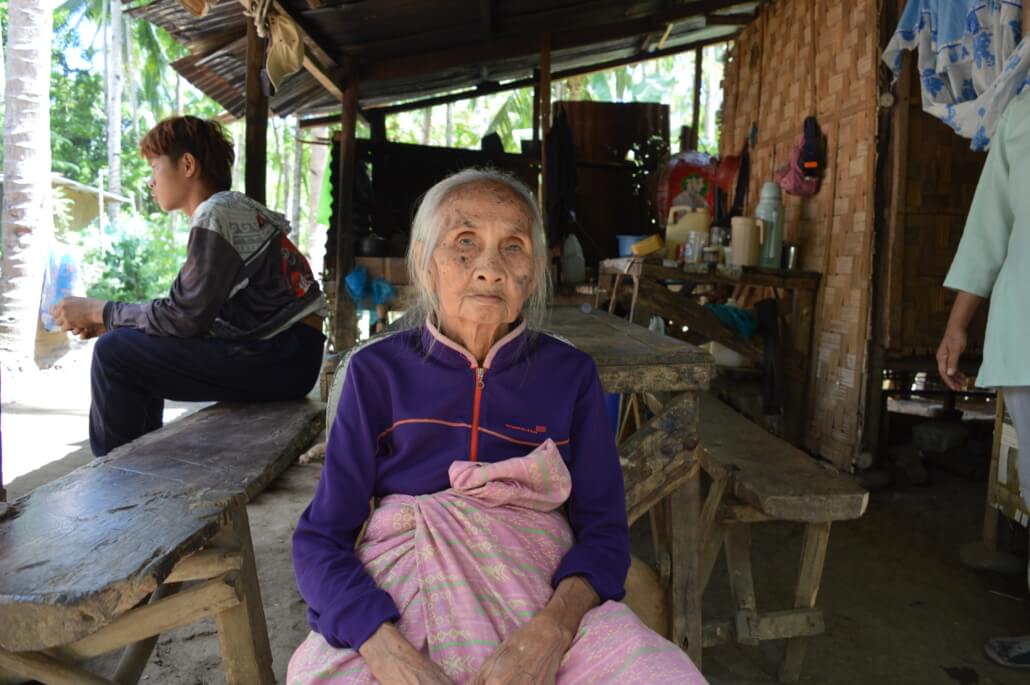
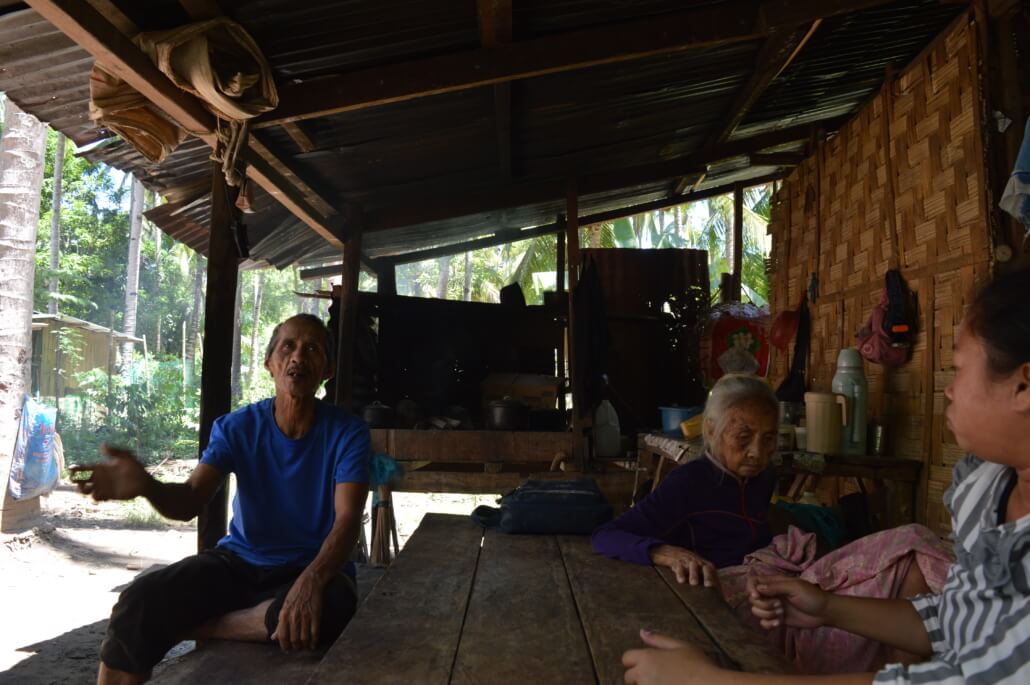
In photo: Domana Sagli, 83 years-old, sits in front of the house she has lived in for 30 years (Photo by Ana Nico Clement for Action Against Hunger)

The 7.8-magnitude earthquake that struck Sarangani and nearby areas on the 8th of June 2026 in Mindanao caused widespread destruction, damaging homes, triggering landslides, and cutting off entire communities. Continuous aftershocks and heavy rains have further compounded risks, particularly for remote and already vulnerable populations.  

Her son, Nalio, was tending to his farm when the earth, so familiar to him, began to tremble. Putting aside his own fear, he rushed down the mountain to reach his family. Together, they watched as the hill in front of their home crumbled in a landslide that has permanently altered the landscape. Even now, aftershocks and rains continue to trigger soil erosion, making the land increasingly unstable. For families like the Saglis, years of increasing flooding and environmental degradation had already made their surroundings more fragile, amplifying the impact of the disaster. 


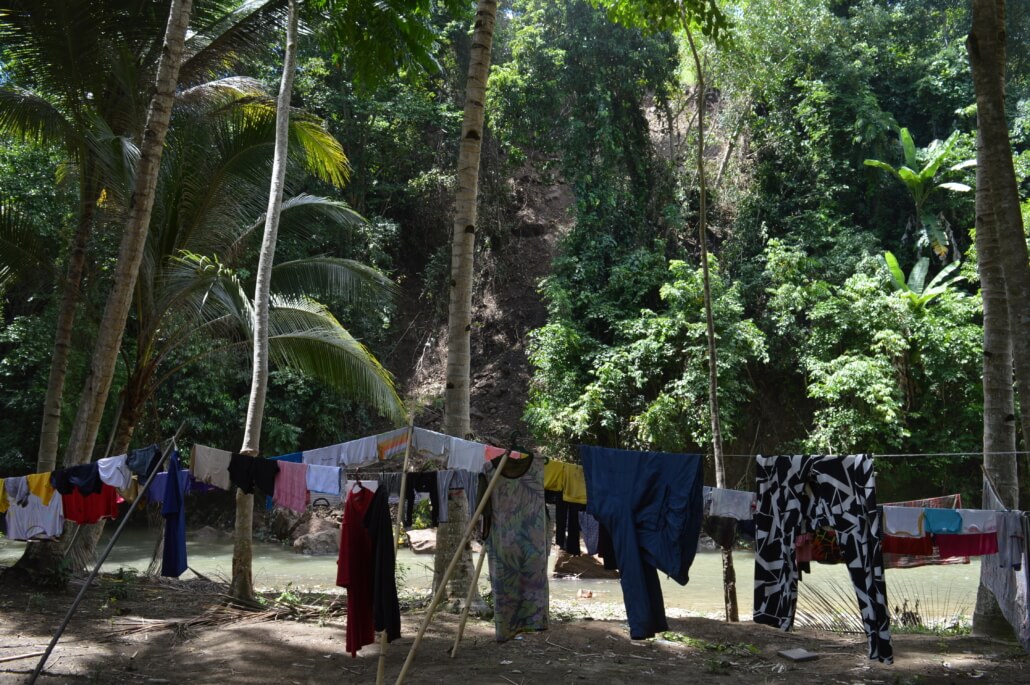
In photo: View from the Sagli family’s settlement where the landslide has taken away parts of their farming land. (Photo by Ana Nico Clement for Action Against Hunger)

The family has lived on this land for 30 years but over time, the risks have grown. Each year, the water level rises higher, sometimes reaching their home. 

 “Last year, the water level reached our knees. Our comfort room was washed away,” Nalio recalls. “This time, most of the damage was to our trees.” 

When he returned to check on his crops, the losses were clear. 

 “The crops are damaged. I lost about 200 banana trees. We don’t know how we will keep working. Our livelihood is what will suffer the most.” 

With crops destroyed and income disrupted, accessing sufficient food has become increasingly difficult. 

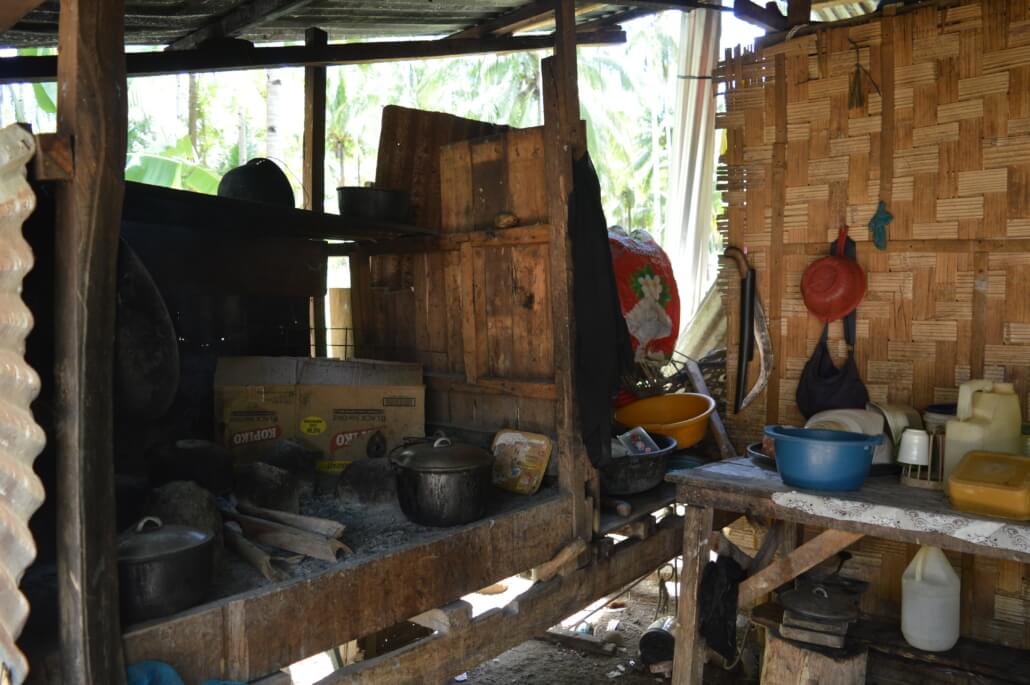
In photo: Inside the kitchen of the Sagli family home. (Photo by Ana Nico Clement for Action Against Hunger)


“We have not received any food so far, so we buy at the store and ask to pay later on,” the family shares.


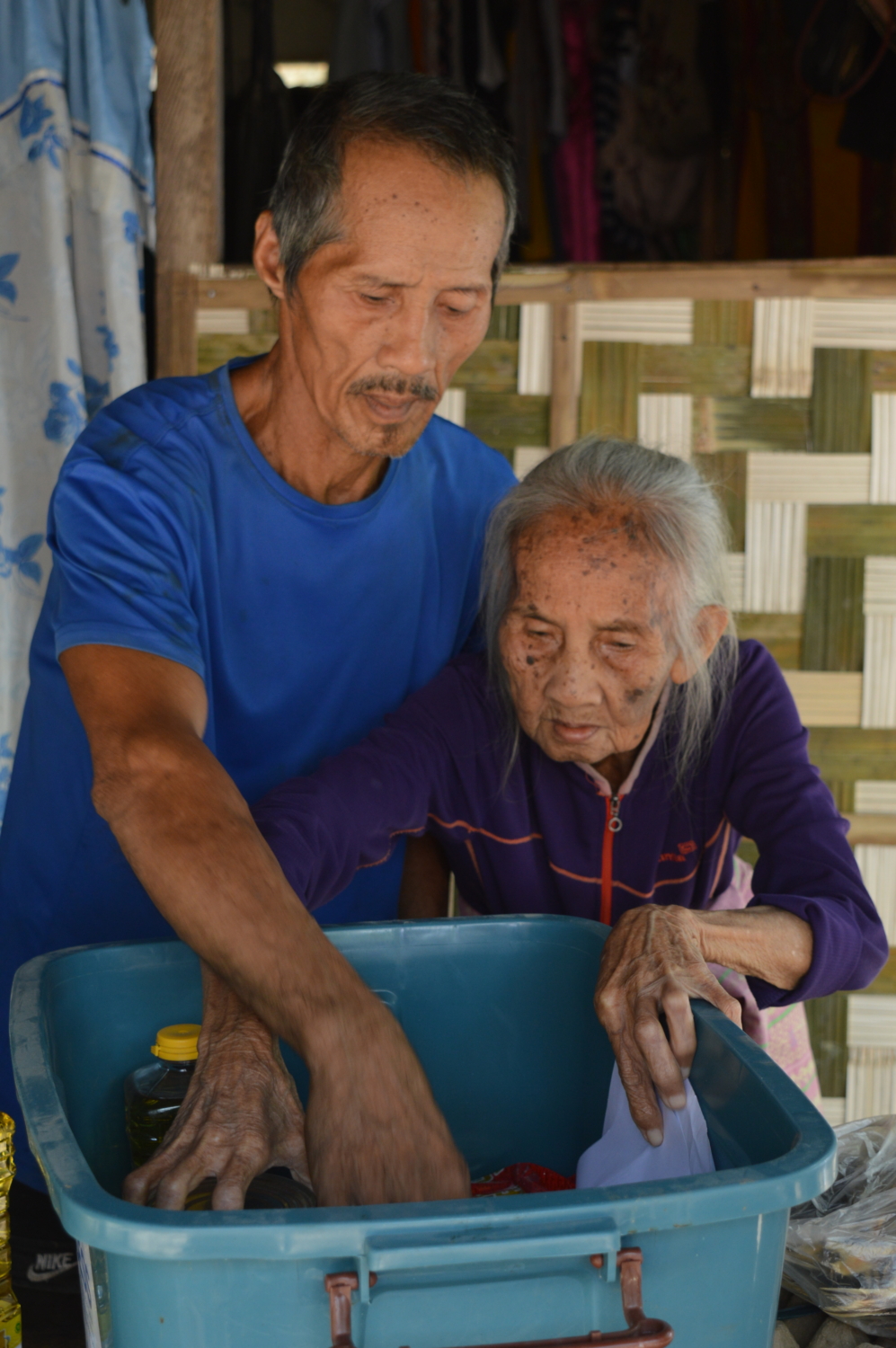
In photo: Domana (right) and Nalio (left) Sagli, mother and son, around a table in their home in Purok Malaygang, Barangay Sapu Masla, Malapatan, Sarangani. (Photo by Ana Nico Clement for Action Against Hunger)

Their situation is further complicated by the isolation of Purok Malaygang, home to the Blaan indigenous community. Normally accessible by crossing a bridge, the area has been cut off since the earthquake destroyed this vital connection. For several days, the passage was not possible, and the few nearby markets remained closed. It has been difficult for families to move and for humanitarian assistance to reach them. 

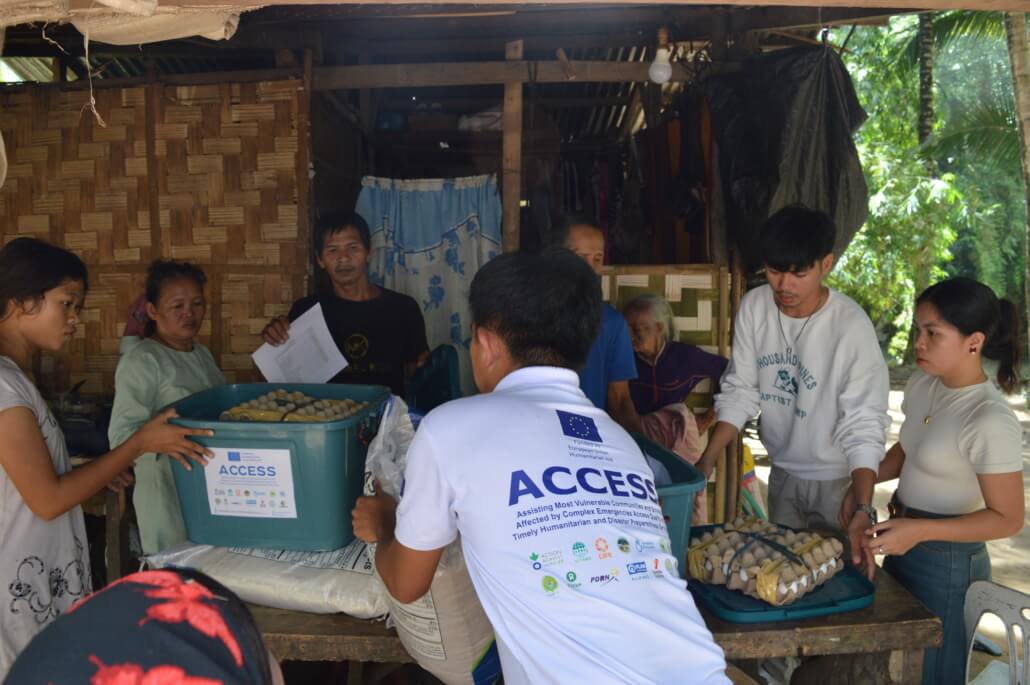
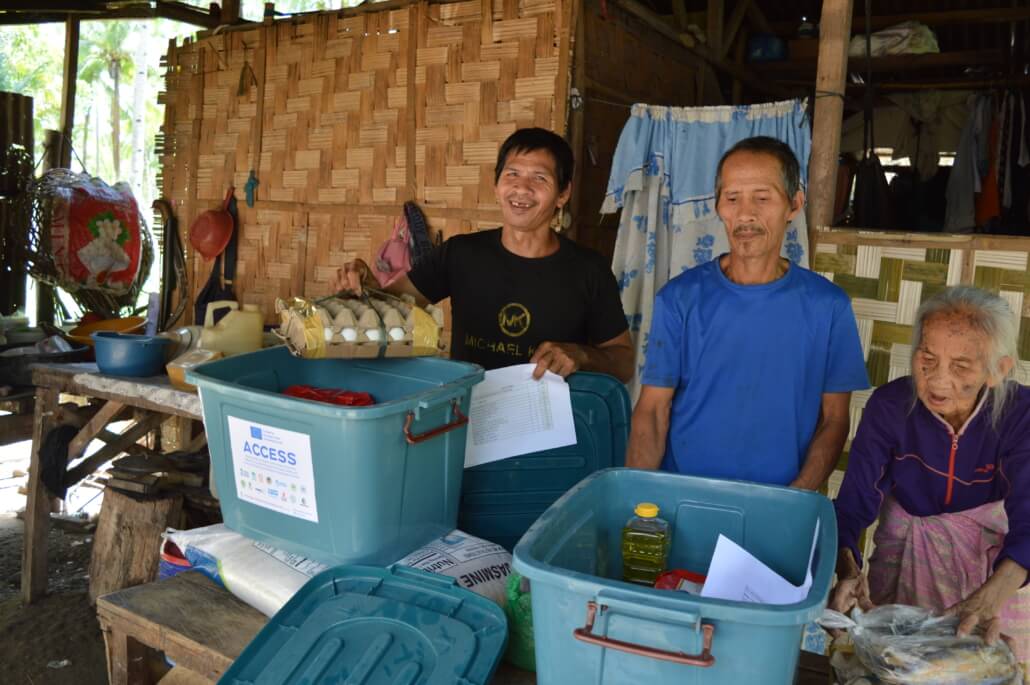
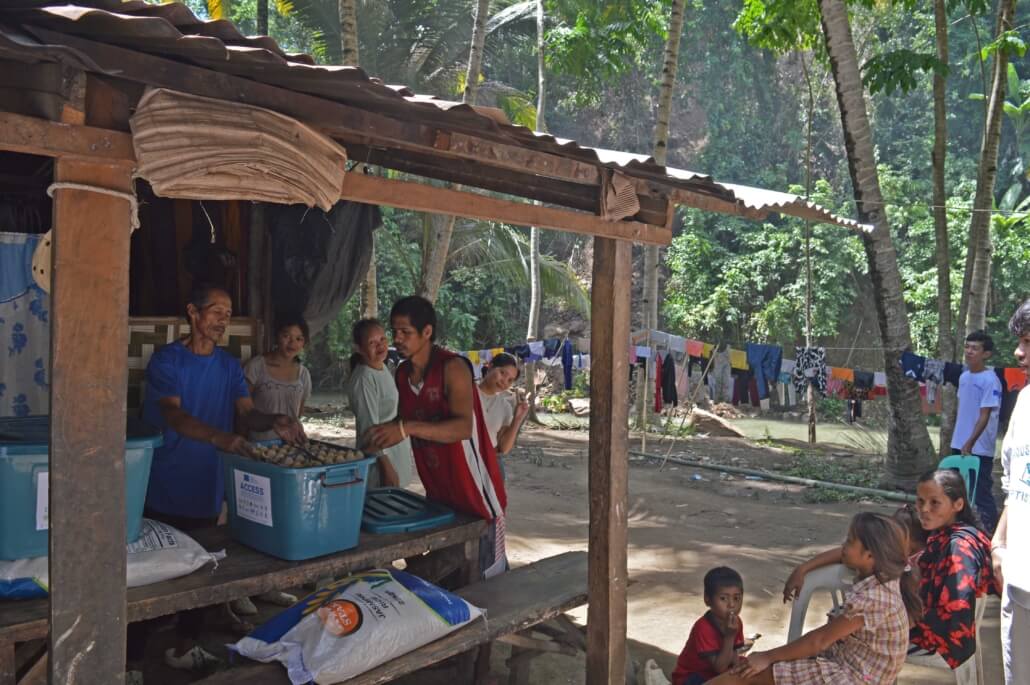
With funding from the EU Civil Protection and Humanitarian Aid through the ACCESS consortium’s rapid response mechanism, Action Against Hunger and the Mindanao Organization for Social and Economic Progress (MOSEP) are reaching communities to deliver food kits to the Sagli family and other affected households. Designed to provide immediate life-saving assistance during crises, ACCESS enables rapid support to communities facing sudden shocks, while laying out the groundwork for continued recovery assistance. 

In photo: Action Against Hunger’s ACCESS Emergency Response team member presents the food kit to the family. (Photo by Ana Nico Clement for Action Against Hunger)

The delivery of food brings a moment of relief and hope to a family doing its best to cope with compounding shocks. But recovery will take time. For the Sagli family, it is not only about rebuilding what was lost but learning to live with the uncertainty of a landscape that continues to shift beneath them. 

Nalio describes the psychological toll: 

“Yesterday, there was a big aftershock when I went back. I almost jumped from the trauma. I am still terrified every time I feel it again.” 

Children are also struggling to cope. 

“When they experience aftershocks, they don’t know where to go and run away.” 

These reactions highlight the urgent need for mental health and psychosocial support, particularly for children and older people who are among the most affected. Action Against Hunger is prepared to respond to these needs and support affected communities in their recovery. 

Their experience reflects that of many families across affected areas, where loss, fear, and uncertainty continue in the days following the quake. Beyond immediate food shortages, communities face compounded challenges, including loss of livelihoods, unsafe living conditions, limited access to markets and safe drinking water, and increasing psychosocial distress. 

As aftershocks persist and access remains fragile, sustained support will be critical. Action Against Hunger remains on the ground in Sarangani, working alongside communities to ensure that recovery reaches even the most isolated, supporting those like the Sagli family, not only to meet immediate needs, but to regain a sense of security. 

In photo: Sagli family opening the contents of their food kits. The landslide can be observed in the background (Photo by Ana Nico Clement for Action Against Hunger).


About the response: 

ACCESS is a European Union Humanitarian Aid-funded project serving the most affected and underserved communities in the Philippines, where chronic armed conflict, natural hazards, recurrent displacement, and intensifying climate-related risks continue to threaten lives and livelihoods. It is implemented by a consortium of 14 local and international organizations: ACCORD, Action Against Hunger Philippines, CARE Philippines, Community Organizers Multiversity (COM), Humanity & Inclusion Philippines, Integrated Mindanaons Association for Natives (IMAN), Kadtabanga Foundation for Peace and Development Advocates, Mindanao Organization for Social and Economic Progress (MOSEP), Oxfam Pilipinas, People’s Disaster Risk Reduction Network (PDRRN), Plan International Pilipinas, Save the Children Philippines, United Youth for Peace and Development (UNYPAD), and United Youth of the Philippines – Women (UnYPhil-Women).  


Written by: Ana Nico Clement
Edited by: Joyce Sandajan

Thousands Displaced as 7.8 Magnitude Earthquake Strikes Mindanao; Safe Water and Emergency Support Urgently Needed

Mindanao, Philippines — Communities across Mindanao are struggling to recover after a powerful magnitude 7.8 earthquake struck off the coast of Sarangani Province on the 8th of June, causing widespread destruction, displacing thousands of families, and disrupting access to essential services.

The earthquake, one of the strongest to hit the region in recent years, was felt across several regions in Mindanao. In the hardest-hit areas of Sarangani, South Cotabato, Sultan Kudarat, Davao Occidental, and General Santos City, homes, schools, roads, bridges, and water systems sustained significant damagefamilies seek safety in evacuation centers, open spaces, and temporary shelters according to latest report of the Department of Social Welfare and Development (DSWD) as of June 10.

For many communities, the crisis did not end when the ground stopped shaking from the earthquake.

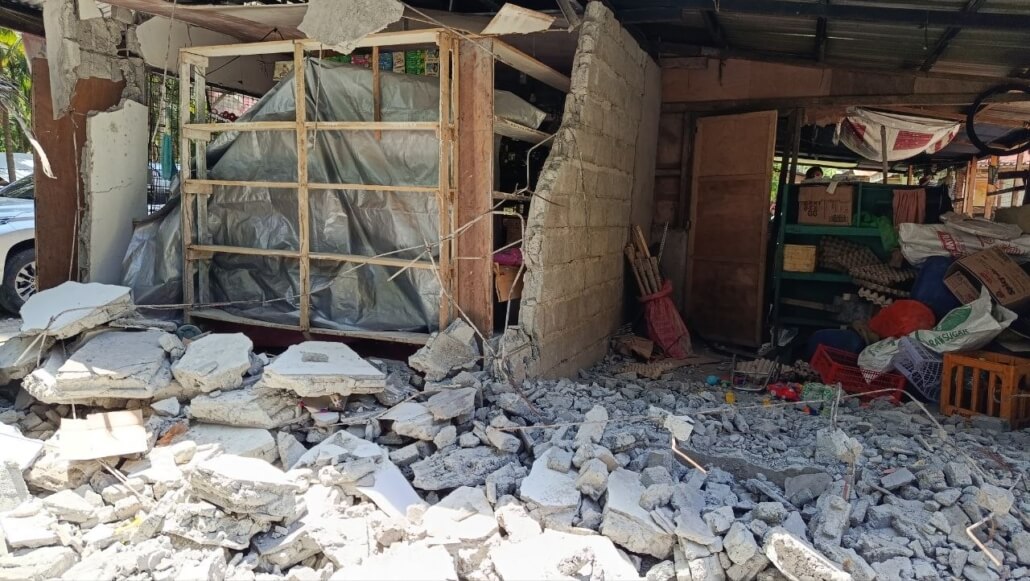
In photo: Debris surrounding a damaged house in Barangay Sapu Masla, Malapatan. Its residents are forced to evacuate since the structure of the home is no longer safe. (Photo by Yasraf Gayao for Action Against Hunger)

The Philippine Institute of Volcanology and Seismology (PHIVOLCS) records that more than 2,000 aftershocks have been recorded since the main earthquake, forcing families to remain outdoors and heightening fears of returning to damaged homes and buildings. In several municipalities, residents continue to sleep in makeshift shelters or along roadsides, uncertain whether their homes are safe. Aftershocks have also compounded the damage to infrastructure, triggering landslides and destroying roads, leaving some areas isolated and inaccessible to first responders.

Water systems damaged, communities face growing risks

Among the most urgent concerns identified by emergency response team of Action Against Hunger and our partners, is access to safe water.

In the municipality of Glan, which is one of the areas most severely affected by the earthquake, critical water infrastructure has been heavily damaged, leaving communities without reliable access to potable water. In Malapatan, families are relying on untreated spring water sources while local authorities struggle to meet growing demand through limited water rationing efforts.

“After the earthquake destroyed our home, we had nowhere to go,” shares Evelyn, 43, living in Barangay Poblacion in Malapatan.

She shares that when the earthquake struck, they could not leave because she was recovering from a  post-cesarean operation. Her family decided to build a makeshift shack as their temporary shelter.

“Now we survive in our small shack, I stay afloat by sharing the only clean water source I have with others for a small fee, so I can provide for my children.”

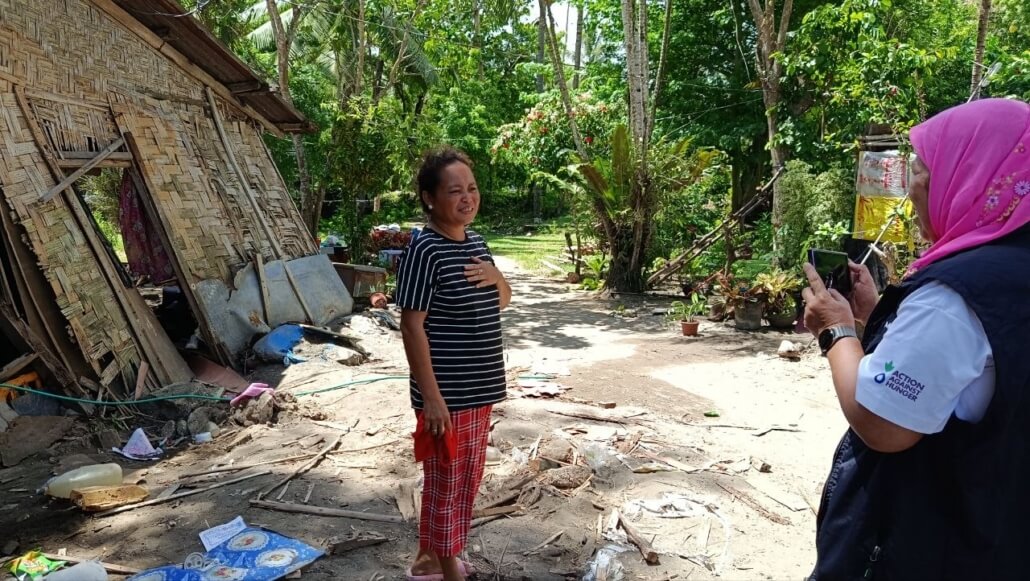
In photo: Evelyn, one of the residents whose house in Barangay Poblacion, Malapatan was completely destroyed following the 7.8 magnitude earthquake in Sarangi Province, shows Action Against Hunger and MOSEP emergency response team what’s left o her old home. (Photo by Yasraf Gayao for Action Against Hunger)

In evacuation sites across affected municipalities, water supply remains insufficient and sanitation facilities are stretched beyond capacity.

“Safe water is emerging as one of the most immediate humanitarian needs,” says Action Against Hunger Country Director, Suresh Murugesu.

“Without urgent support, communities face increased risks of waterborne diseases, particularly among children, older people, and vulnerable households.”

Communities remain displaced amid ongoing aftershocks

The earthquake has caused extensive displacement across coastal, urban, and upland communities.

In Sarangani Province, many families are choosing to stay in open spaces rather than enter buildings due to concerns about structural damage and continuing aftershocks. In some municipalities, damaged roads and collapsed bridges have made it difficult for responders to reach isolated communities and fully assess the scale of the damage.

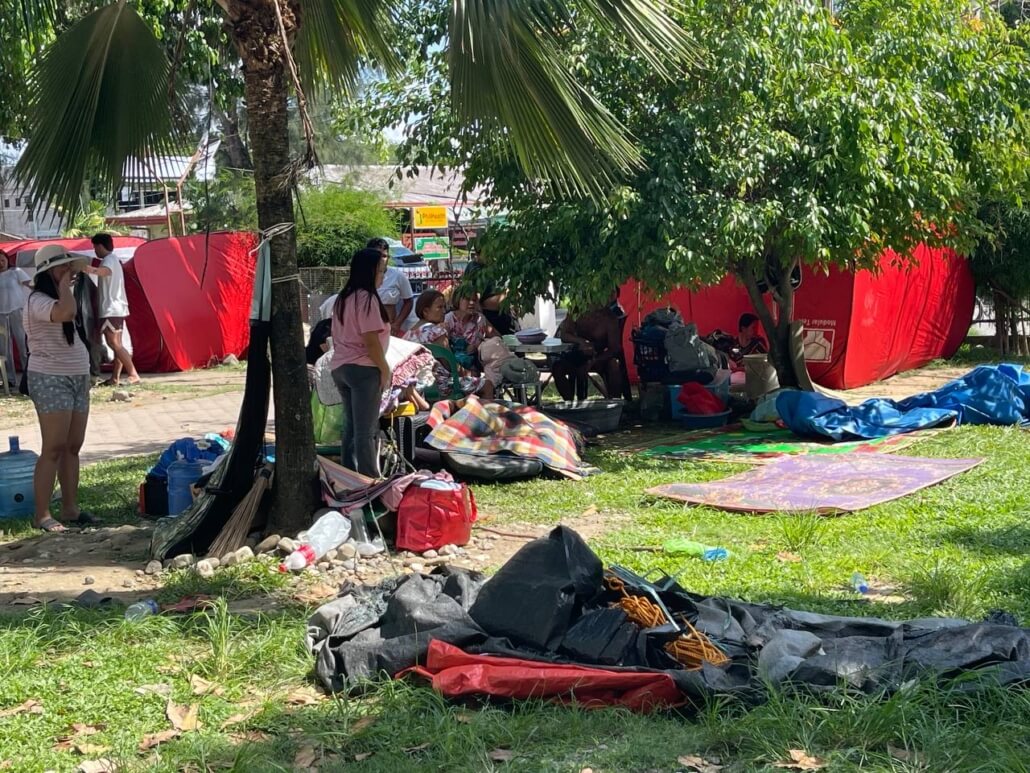
In photo: Evacuees sheltering in modular tents provided by the Department of Social Welfare and Development (DSWD) in Población, Municipality of Glan (Photo by Macy Daproza for Action Against Hunger).

Schools have also been heavily affected, with more than 1,000 classrooms reported major damaged across Mindanao as reported by the Department of Education. Since the earthquake struck on the first day of school, classes remain suspended as safety concerns and infrastructure damage have disrupted normal operations. Health services remain under pressure as hospitals and medical facilities continue treating injured individuals while facing shortages of medical supplies.

Beyond the visible damage, many affected families are experiencing fear, uncertainty, and trauma. Children, women, older persons, and people with disabilities are particularly vulnerable as displacement continues and access to support services remains limited.


Action Against Hunger Deploys Emergency Teams

Within hours of the earthquake, we mobilized our Mission Emergency Response Team (MERT) and deployed staff to Sarangani Province and General Santos City to conduct rapid needs assessments and coordinate with local authorities, humanitarian partners, and community leaders.

Working alongside members of the ACCESS Consortium and local partners such as the Mindanao Organization for Social and Economic Progress (MOSEP), Action Against Hunger is assessing the situation in affected municipalities, identifying priority needs, and supporting coordination efforts to ensure assistance reaches the most vulnerable communities.

We are also coordinating closely with government agencies, humanitarian partners, health authorities, and WASH stakeholders to support information sharing and preparedness planning as the situation evolves.

To enable a rapid response, Action Against Hunger is in the process of commencing initial and small-scale life-saving multi-sectoral emergency interventions in affected areas. As assessments continue and needs become clearer, we are seeking additional support to expand the emergency response capacity, with priority multi-sectoral interventions including multi-purpose cash assistance and health support, with hopes of enabling affected households to address their most pressing needs with dignity.

Priority needs continue to emerge

While assessments are ongoing and access remains challenging in some locations, several urgent needs have already been identified:

  • Safe drinking water and emergency water supply
  • Hygiene kits and sanitation support
  • Emergency shelter materials and essential household items
  • Food assistance for displaced and isolated communities
  • Medical supplies and support to health facilities
  • Psychosocial support for affected families and children

Humanitarian needs are expected to become clearer in the coming days as assessment teams gain access to more communities and authorities continue validating damage reports.

Standing with communities in their recovery

As aftershocks continue and communities begin the difficult process of recovery, Action Against Hunger remains committed to supporting affected families and working alongside local authorities, agencies, and partners to address immediate needs and help communities rebuild safely.

We continue to monitor the evolving situation and stand ready to scale up our response as the needs increase.

Action Against Hunger is calling for continued support to ensure that families affected by the earthquake have access to safe water, food, shelter, healthcare, and protection as they recover from this devastating disaster.

Read our latest Situation Report on the

SitRep #5: Magnitude 7.8 Earthquake in Mindanao (SOCCSKSARGEN)

SitRep #4: Magnitude 7.8 Earthquake in Mindanao (SOCCSKSARGEN)

SitRep #3: Magnitude 7.8 Earthquake in Mindanao (SOCCSKSARGEN)

SitRep #2: Magnitude 7.8 Earthquake in Mindanao (SOCCSKSARGEN)

SitRep #1: Magnitude 7.8 Earthquake in Mindanao (SOCCSKSARGEN)