
One Month Later:
Humanitarian Response Continues as Communities Face the Challenges of Early Recovery
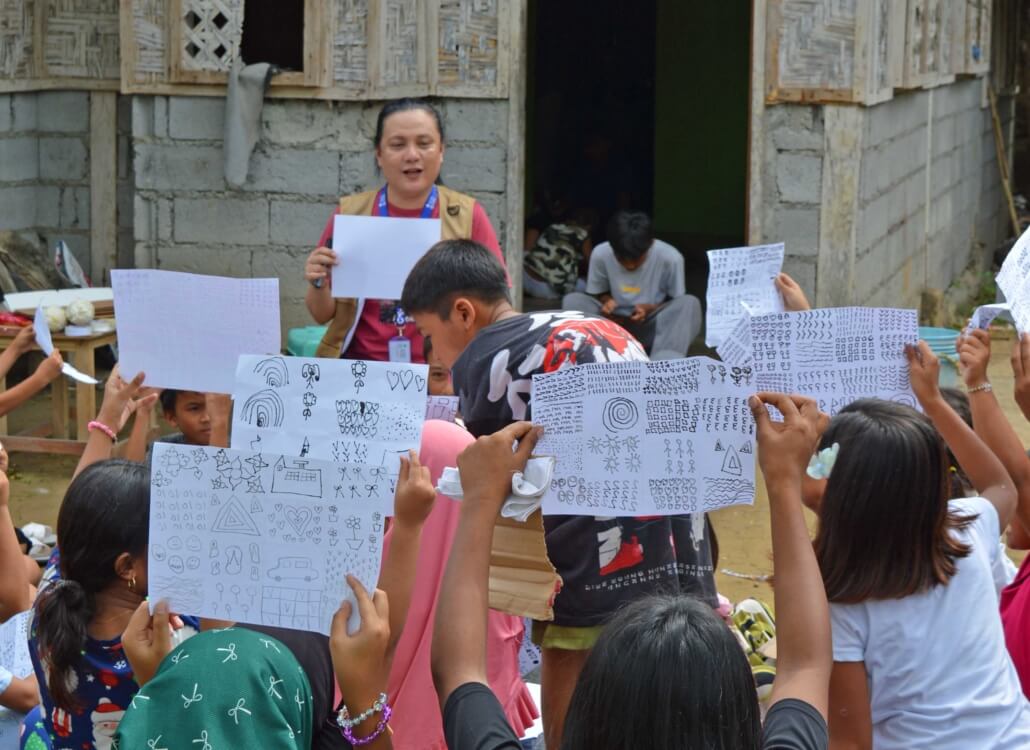
SARANGANI PROVINCE, Mindanao – More than a month after a magnitude 7.8 earthquake struck off the coast of Maasim, Sarangani Province, thousands of families across Mindanao are still rebuilding their lives.
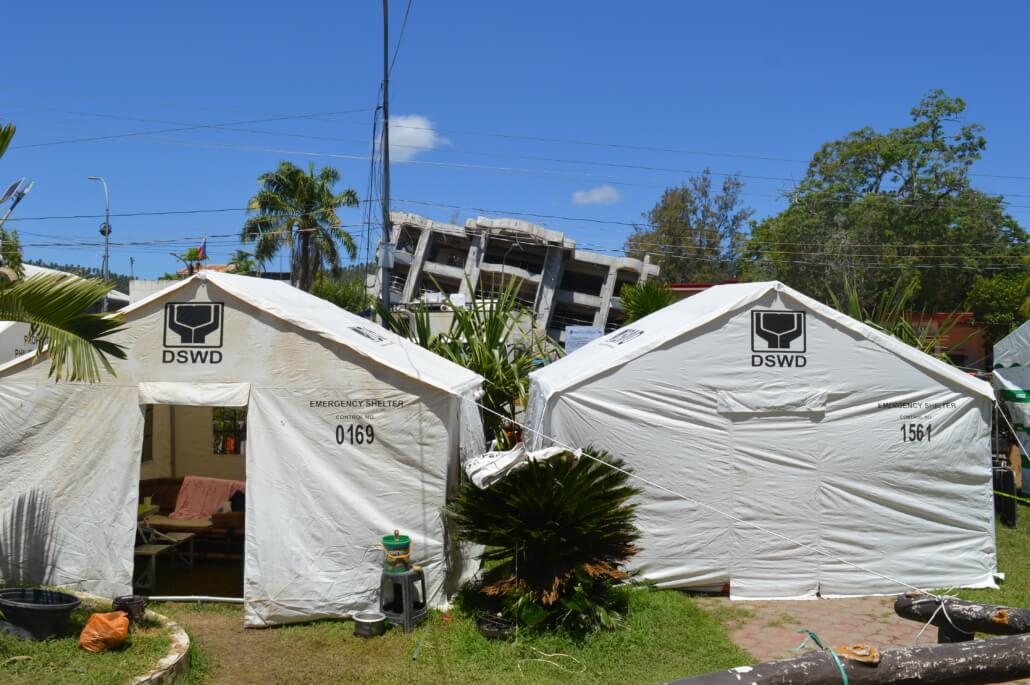
Although the immediate emergency has passed, the crisis is far from over. More than 1.6 million people were affected by the earthquake, while over 121,000 homes were damaged. Across Sarangani province, where the impacts were most severe, more than 90,000 people remain displaced, with many having no choice but to stay outdoors or at informal evacuation sites because they fear returning, or are still unable to rebuild or return to their damaged homes. Recent aftershocks and heavy rains have only added to the challenges, increasing the risk of flooding and landslides in already fragile communities.
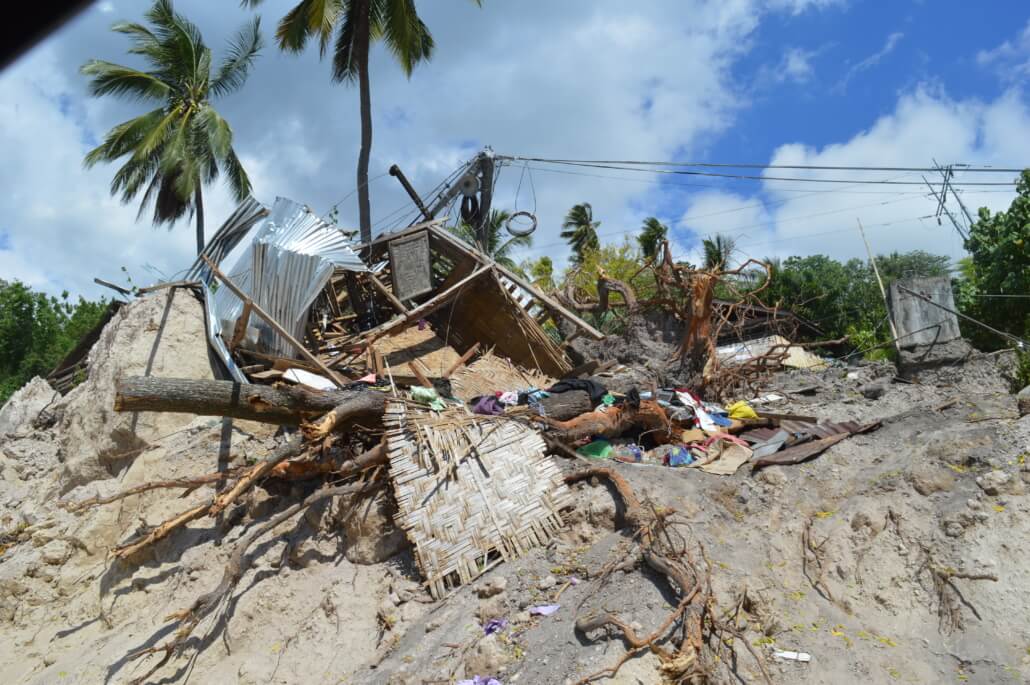
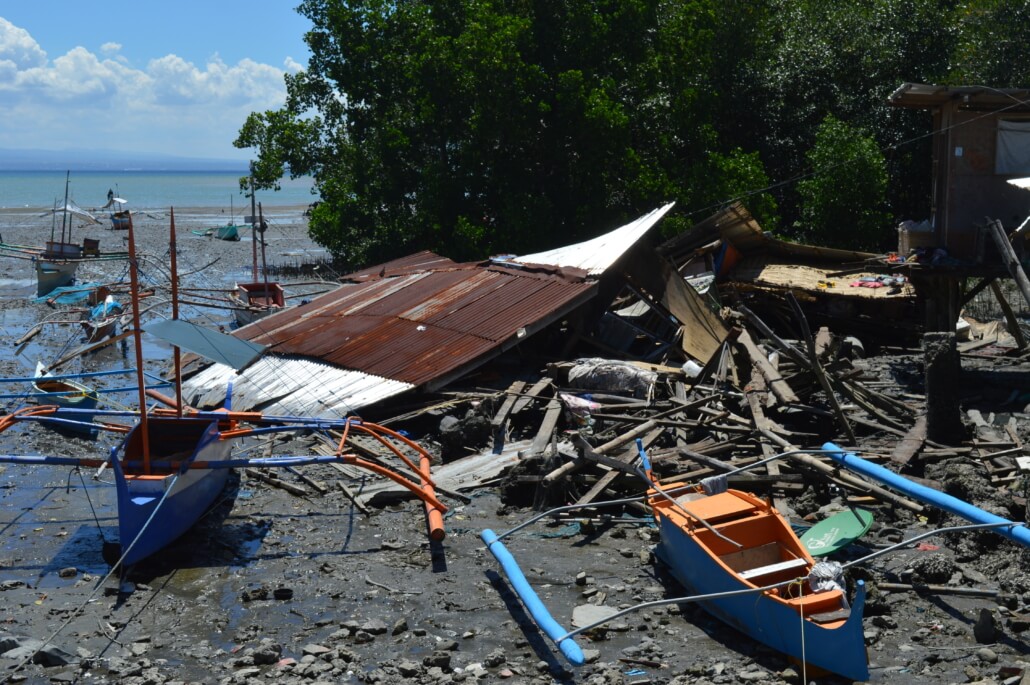
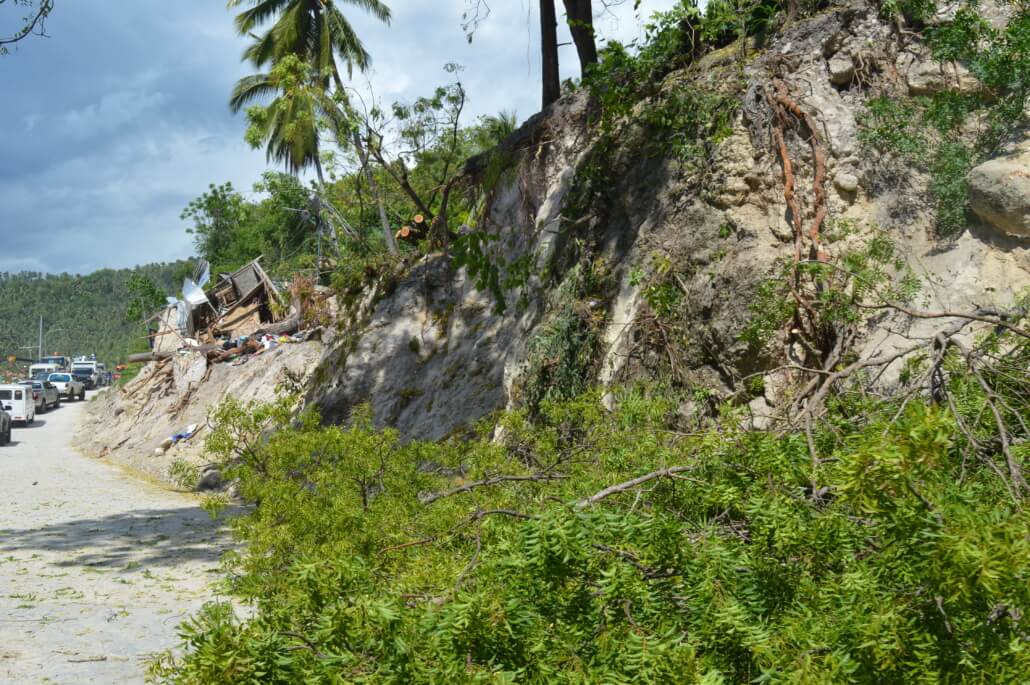
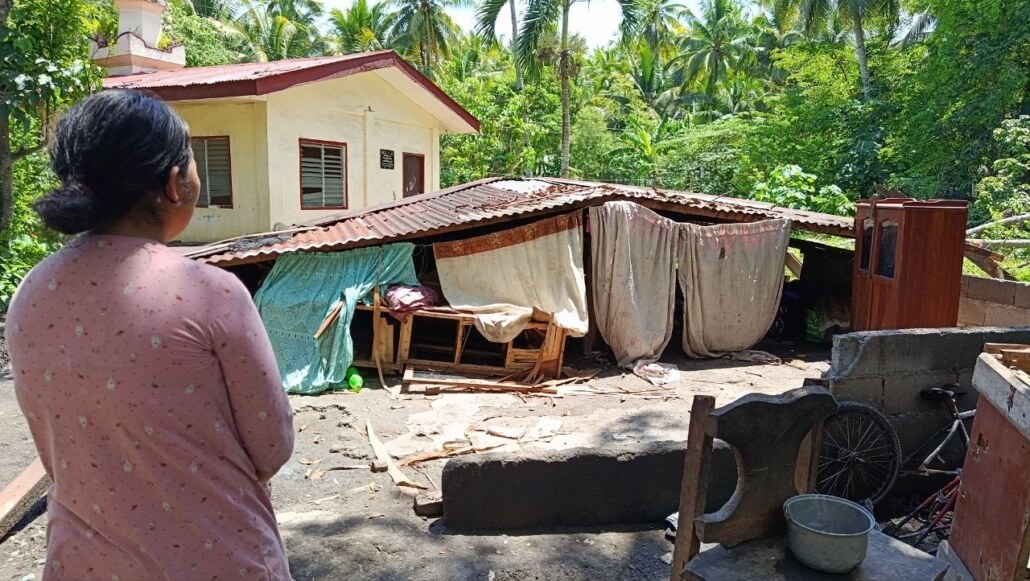
Behind these numbers are families still trying to regain a sense of normalcy.
For Nalio, 60, who lives in the remote indigenous B’laan community of Purok Malaygang in Malapatan, the earthquake changed daily life overnight. Landslides damaged their coconut and banana farms, cutting off both their water supply and their livelihood. Even a month later, aftershocks continue to bring back fear.
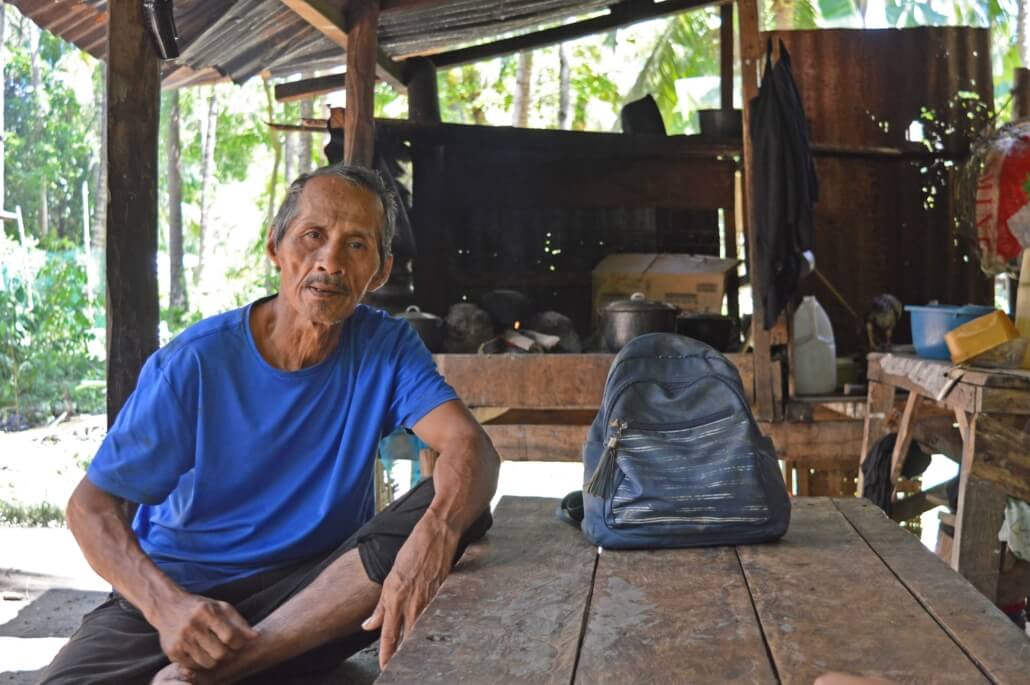
In photo: Nalio sitting outside his home in Purok Malaygang, Barangay Sapu Masla, Malapatan, Sarangani. (Photo by Ana Nico Clement for Action Against Hunger)
“We still get nervous because there are still aftershocks. We all feel traumatized,” Nalio shared.
Like many farming families, they worry not only about recovering their homes, but also about how they will earn enough to support themselves in the months ahead.
In nearby evacuation sites, families continue to face uncertainty.
Myradia Javier, 46, has been living with her family in an evacuation center since their community was devastated by the earthquake.
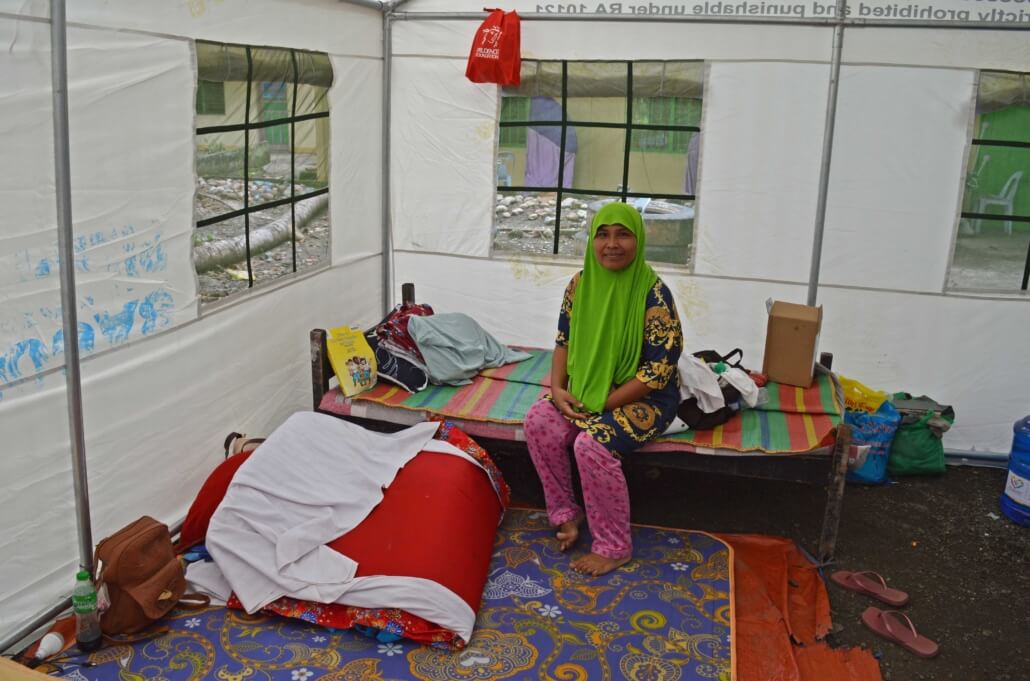
In photo: Myradia inside her room in the evacuation center. She is currently staying here with her entire family, which includes her husband, six children, and a grandchild. (Photo by Ana Nico Clement for Action Against Hunger)
“We have food and water now, but we also need long-term help. We need a safe place where we can rebuild our lives.”
For parents like Myradia, the uncertainty weighs heavily on their children. Her youngest daughter still asks when the earthquake will finally stop.
For fisherfolk, farmers, older persons, pregnant women, and young children, recovery means more than rebuilding homes. It means restoring livelihoods, accessing healthcare, returning safely to school, and finding the confidence to move forward after weeks of repeated aftershocks.
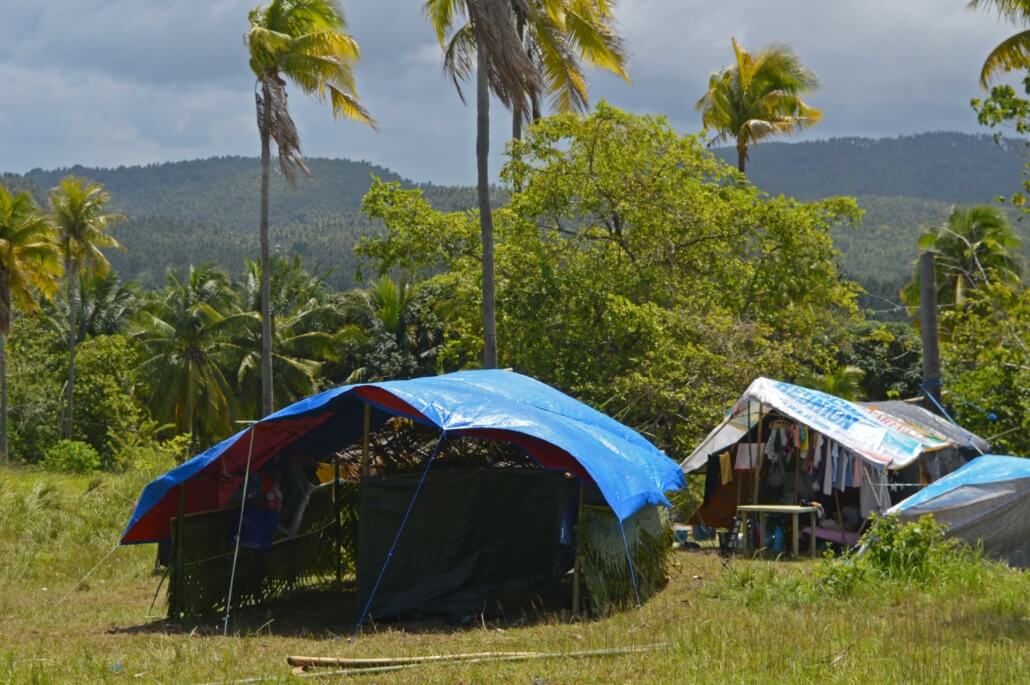
In photo: Makeshift shelters in the evacuation site of Barangay Cablalan, Municipality of Glan. (Photo by Ana Nico Clement for Action Against Hunger)
Responding where needs are greatest
Since the first days following the earthquake, Action Against Hunger has worked alongside local authorities, humanitarian partners, and affected communities to deliver life-saving assistance in some of the hardest-hit and hardest-to-reach areas of Sarangani, particularly the municipalities of Malapatan and Glan.
Working closely with local partner Mindanao Organization for Social and Economic Progress (MOSEP), local government units, humanitarian clusters, and consortium partners, Action Against Hunger has provided multi-sectoral support while continuously assessing emerging needs as communities transition from emergency response toward early recovery.
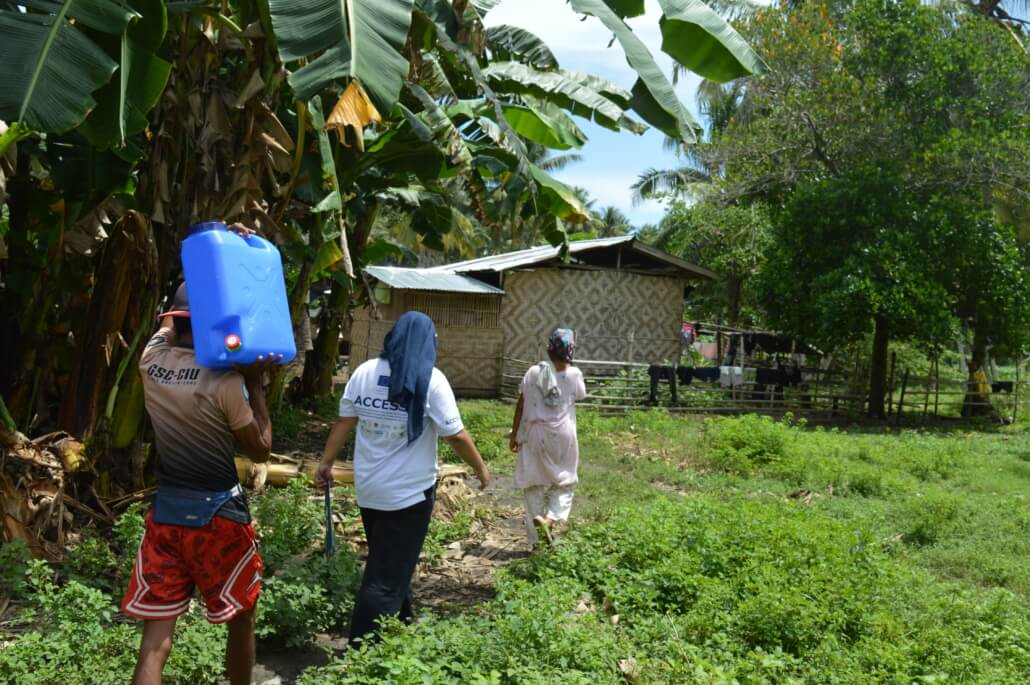
In photo: Our ACCESS team member and a community member assist an older woman to carry the jerrycan from a water distribution back to her home in Barangay Tuyan, Malapatan. (Photo by Ana Nico Clement for Action Against Hunger)
Response at a glance
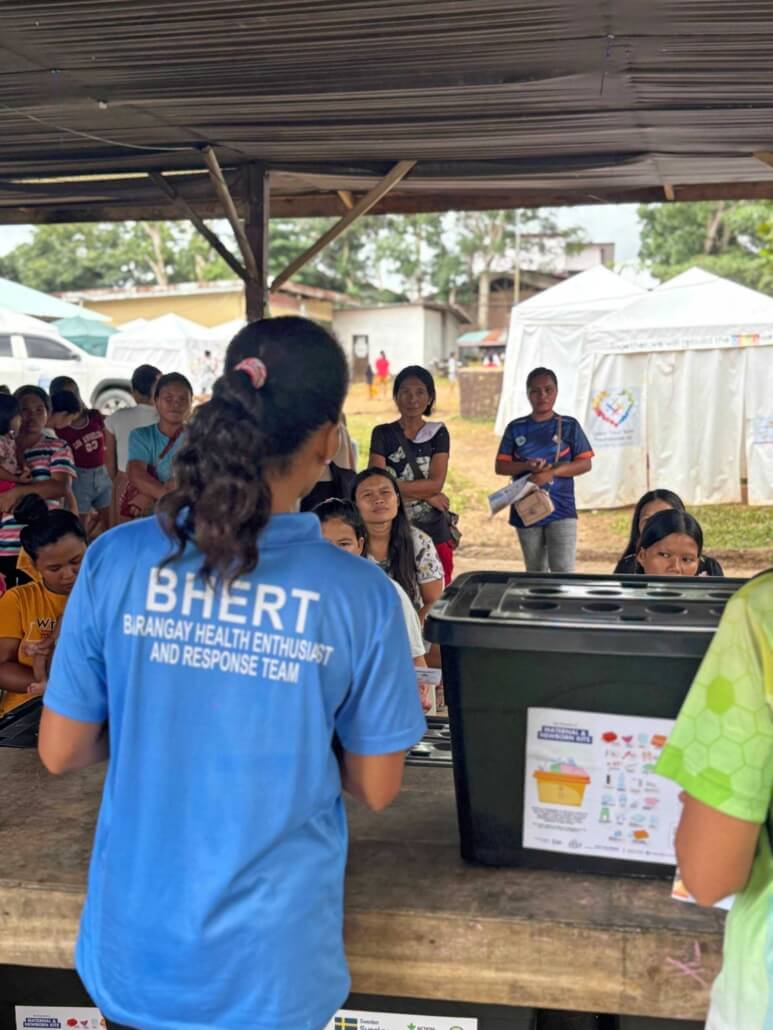
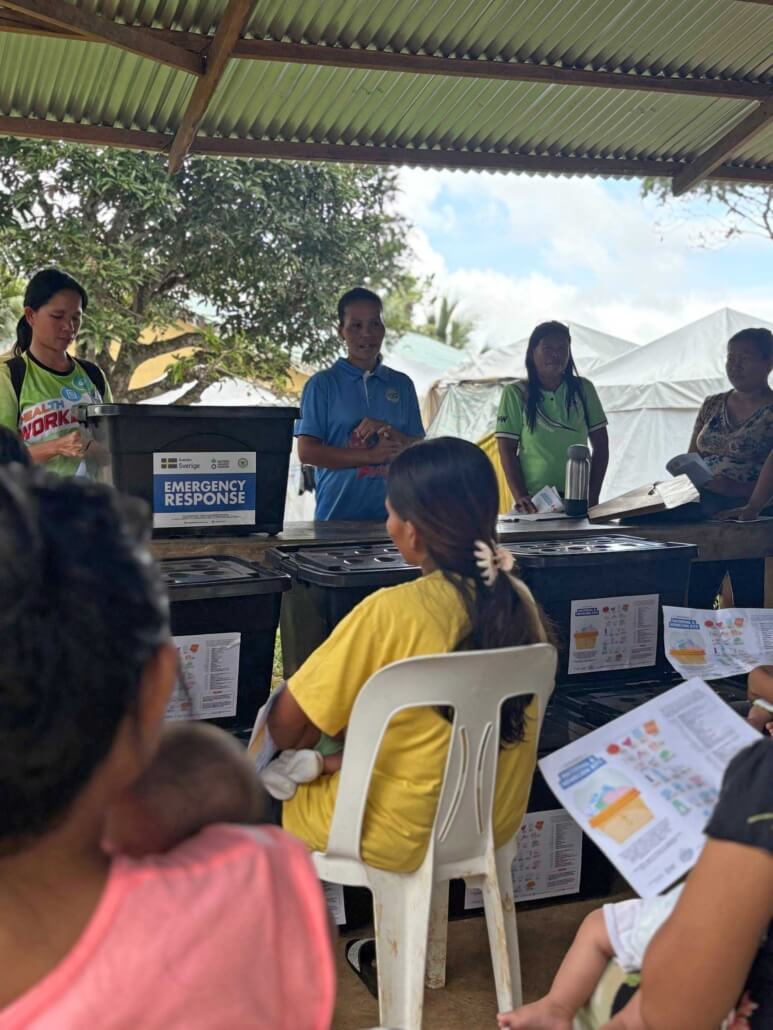
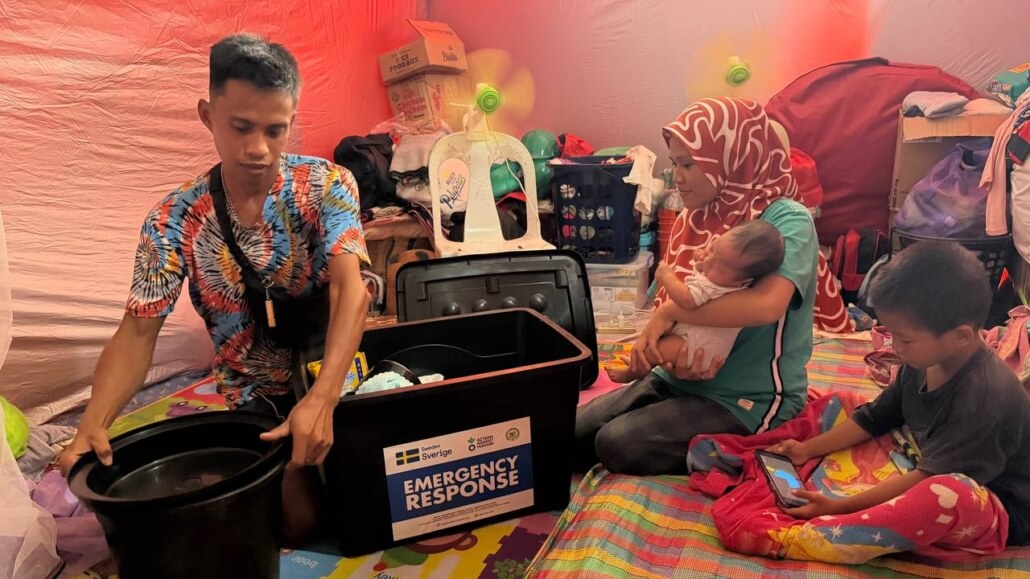
Over the past month, Action Against Hunger has provided assistance to more than 10,400 people* with our multi-sectoral emergency response, reaching approximately:
*All figures may have sectoral overlaps across all funded interventions and may not reflect actual individual beneficiaries reached. Source: Action Against Hunger Project Database as of 14 July, 2026.
While these interventions have helped address urgent humanitarian needs, many communities continue to require sustained support as recovery progresses.
Recovery will take time
One month in, across Sarangani, many families remain unable to return home. Some are living in evacuation sites, while others have built temporary shelters beside damaged houses or on safer ground.
Livelihoods remain disrupted, health facilities continue to operate under strain, and damaged water systems limit access to safe drinking water in several communities.
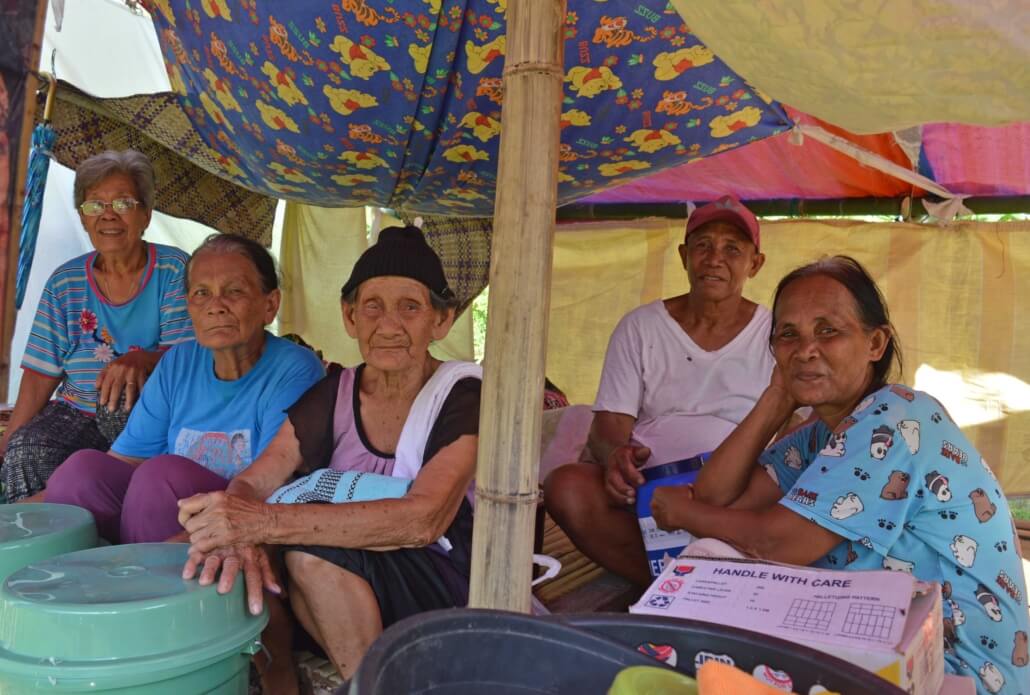
In photo: Friends now living through displacement together in the evacuation center of Purok Islam, Barangay Big Margus, Municipality of Glan. (Photo by Ana Nico Clement for Action Against Hunger)
For Janaria Marin, a young mother living in an evacuation site in Glan, providing for her children, which has become her primary concern. Through MHPSS activities specifically targeted towards women in evacuation sites, Janaria was given a space to focus on her own needs.
“We feel better after the psychosocial support session. Emotionally, I feel lighter.”
But despite finding emotional support, her family’s daily reality remains difficult.
“When it rains, water gets inside our tent,” she shared. “We really want to work again because fishing is still prohibited. Our children are what keep us going.”
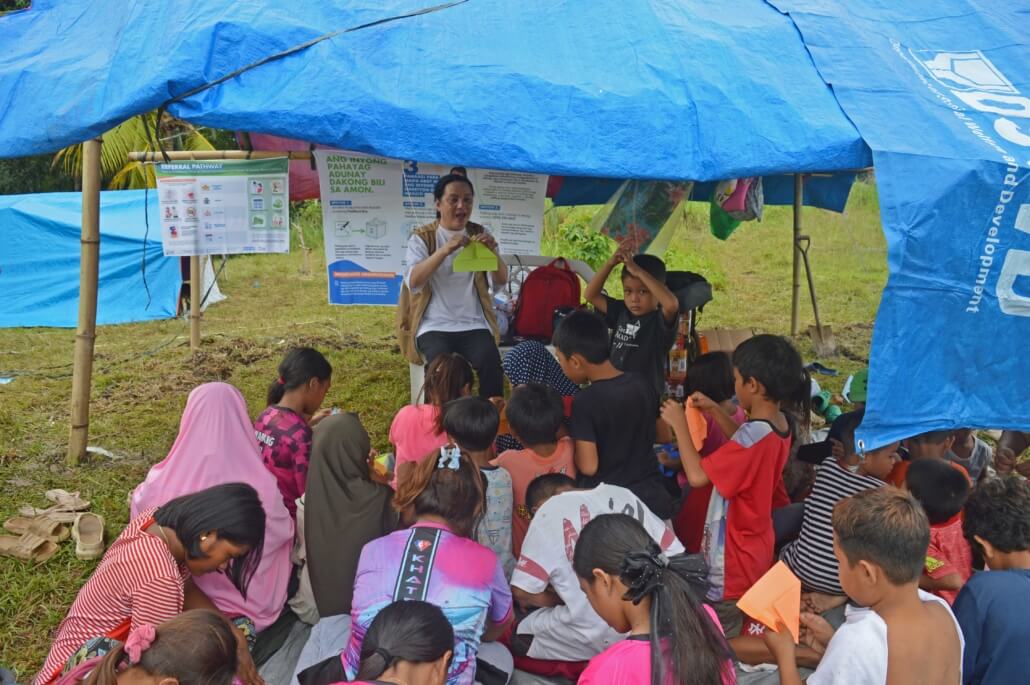
In photo: MHPSS session focused on reigniting aspirations for young children in the evacuation site of Barangay Cablalan in the municipality of Glan. (Photo by Ana Nico Clement for Action Against Hunger)
Others, like farmer Rasul Libas, continue to hope they will one day return home.
“When there are no more earthquakes, we will make a living again and rebuild. We have hope.”
For now, however, his family remains in a makeshift shelter, worried about their children’s health and waiting for the opportunity to rebuild.
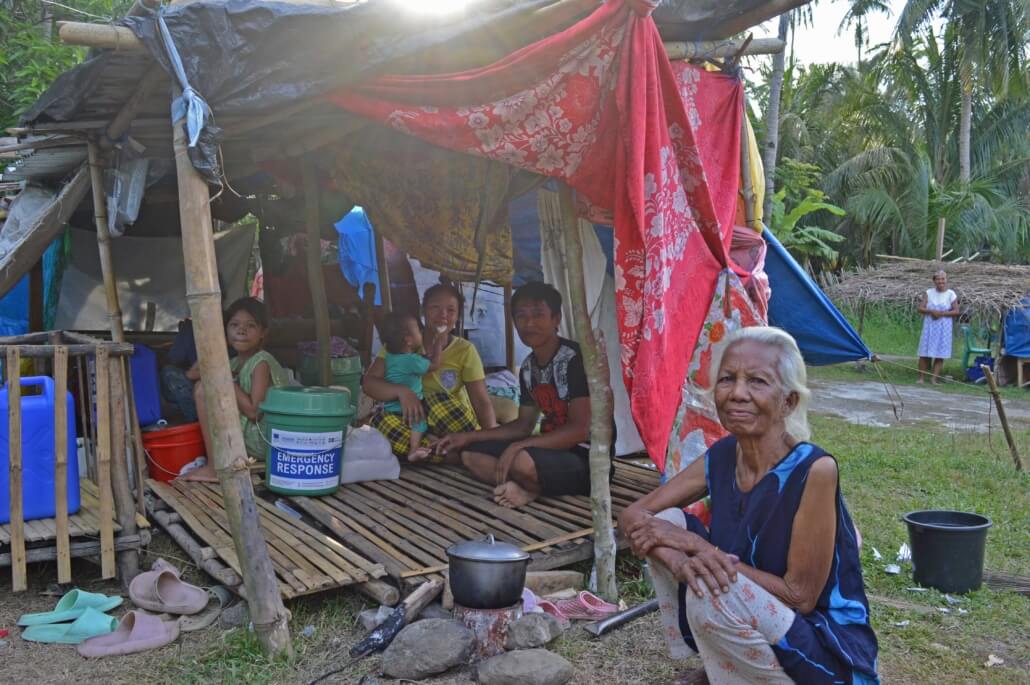
In photo: The Libas family members live together in displacement in purok Islam, barangay Big Margus, Glan (Photo by Ana Nico Clement for Action Against Hunger)
After the rapid response, what’s next?
As humanitarian needs evolve, Action Against Hunger is expanding its response to help communities move beyond immediate relief and into early recovery.
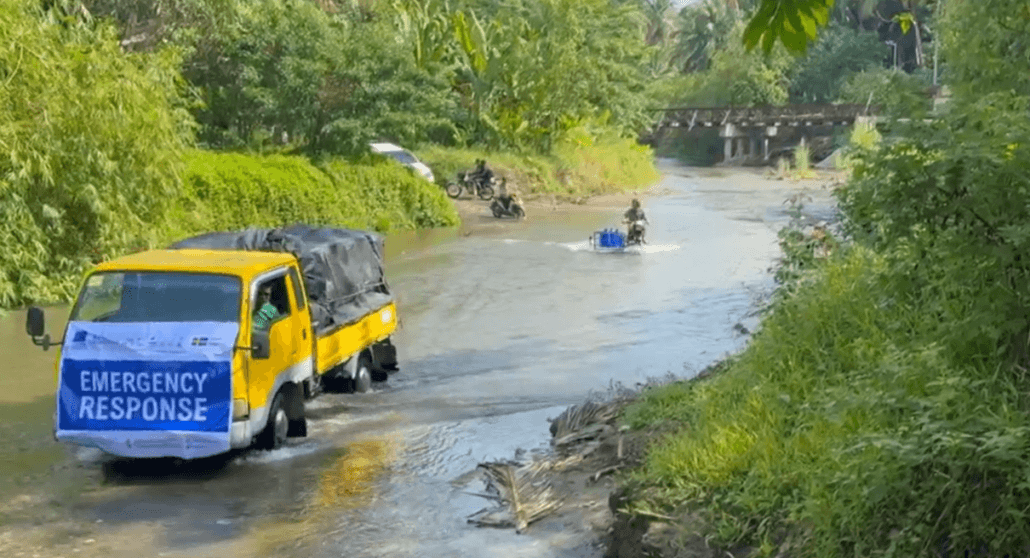
In photo: Truck carrying aid for Action Against Hunger and MOSEP distribution braves river to access remote and underserved areas around purok Malaygang, barangay Sapu Masla, Malapatan (Photo by Brian Kae Enriquez for Action Against Hunger)
Recovery is about more than rebuilding infrastructure. It is about helping families regain stability, restore their livelihoods, and recover with dignity after one of the strongest earthquakes to hit Mindanao in years.
But one month after the earthquake, the road ahead remains long.
As the rainy season begins, families living in tents and makeshift shelters face new risks from heavy rains, flooding, and strong winds that could further delay their recovery. While relief assistance has helped meet urgent needs and essential services are gradually being restored, many people are still without homes, reliable livelihoods, or a stable source of income. For these families, rebuilding will not happen in weeks, but over months, and for some, even years. Continued humanitarian support and sustained investment in recovery will be essential to help communities rebuild their lives safely and hopefully be more resilient to future shocks.
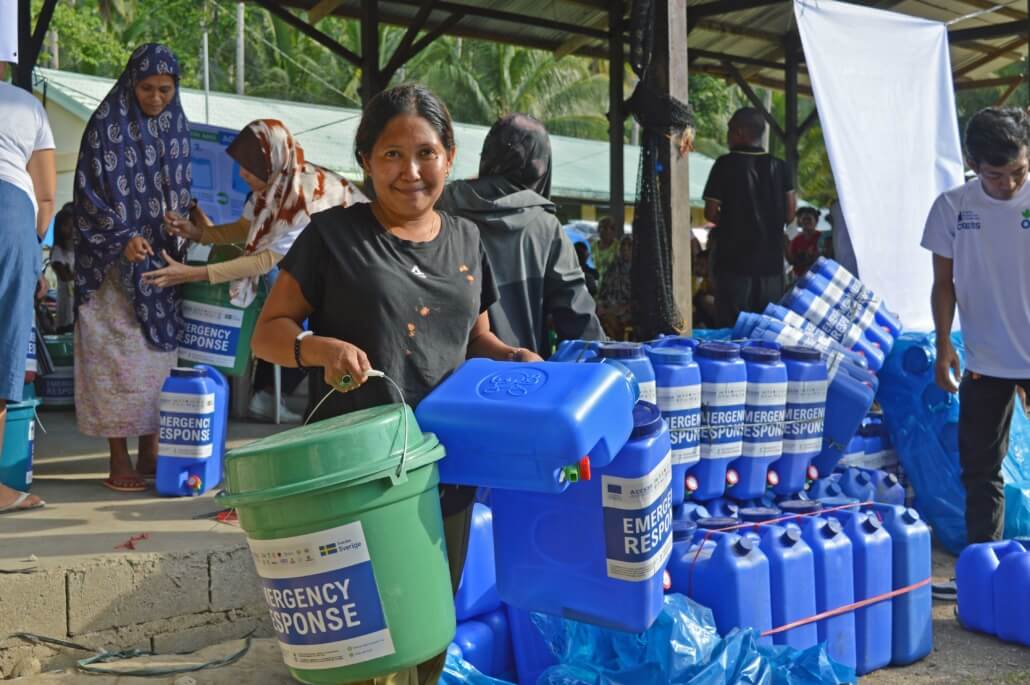
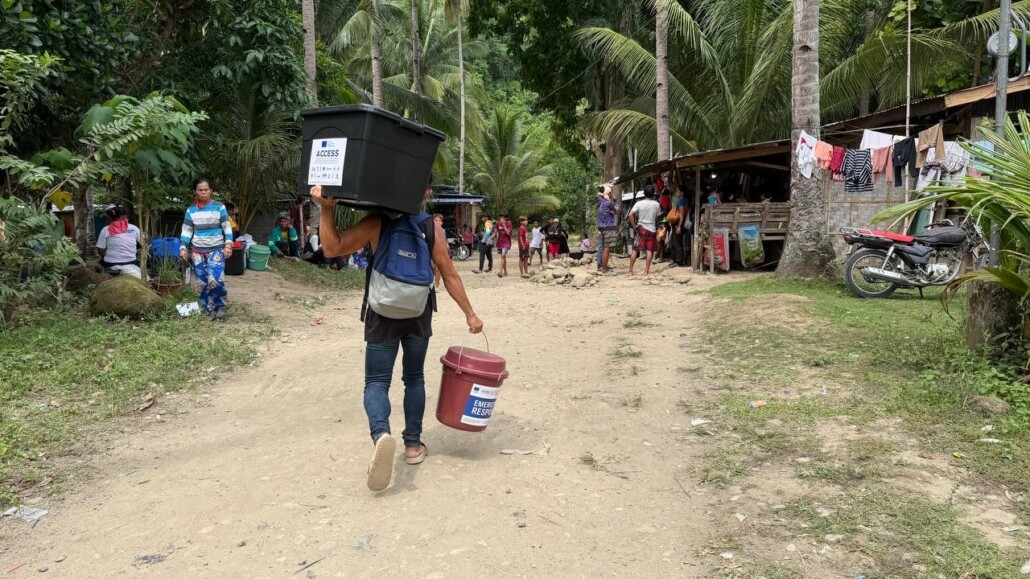
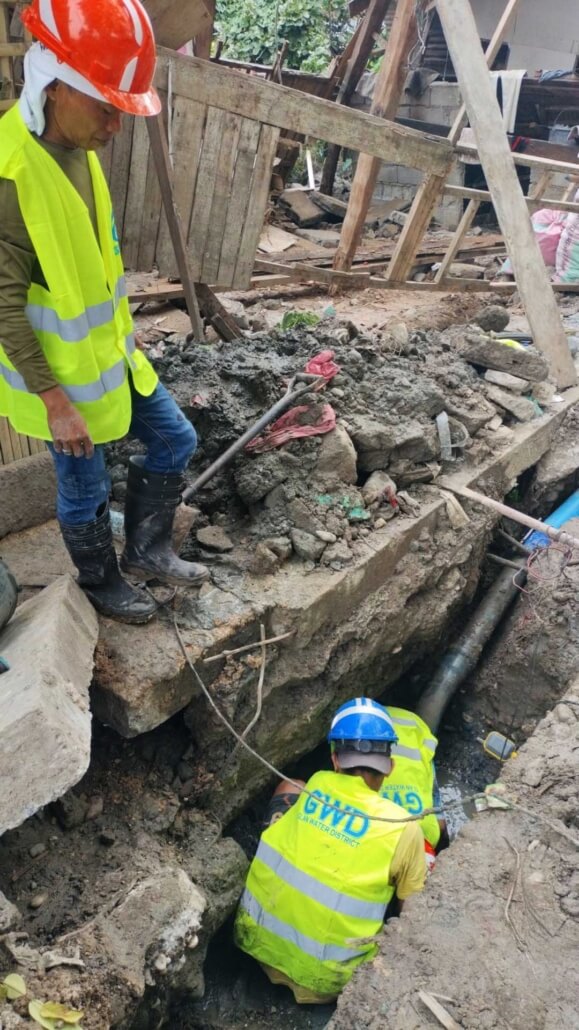
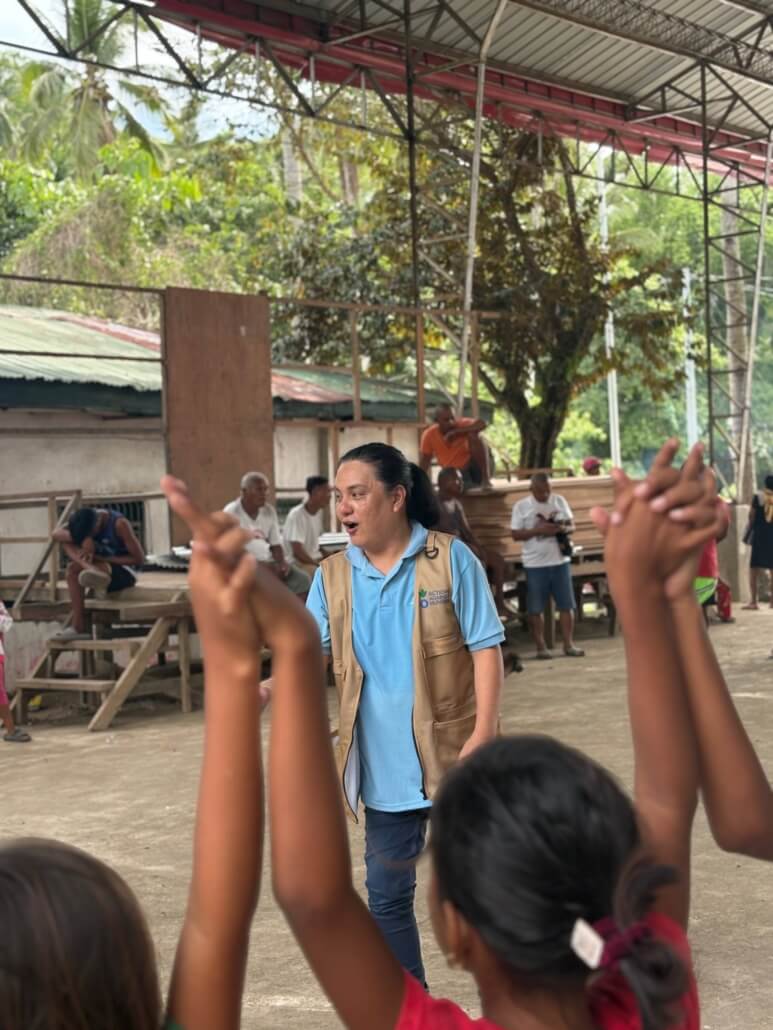
Over the coming weeks, Action Against Hunger will continue rehabilitating damaged water systems, expanding multi-purpose cash assistance, strengthening community-based mental health and psychosocial support through local capacity building, completing health referral assistance to identified target beneficiaries, and working closely with government agencies and humanitarian partners to restore essential services.
Our emergency response efforts have been made possible through the generous funding support of the EU Civil Protection and Humanitarian Aid through the ACCESS Rapid Response Mechanism, the Swedish International Development Cooperation Agency, and the dedication of our local partner MOSEP, whose strong community presence has helped ensure assistance reaches some of the most remote and earthquake-affected communities in Sarangani.
Written by: Joyce Sandajan | Edited by: Ana Nico Clement | Contributor/s: Shiena Base, Brian Kae Enriquez, Philipp Danao
Read our latest Humanitarian Snapshot
Magnitude 7.8 Earthquake in Mindanao, Philippines – Humanitarian Snapshot No. 4

