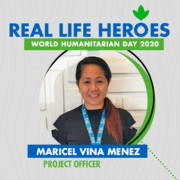
Humanitarians in Action: Meet Sonie
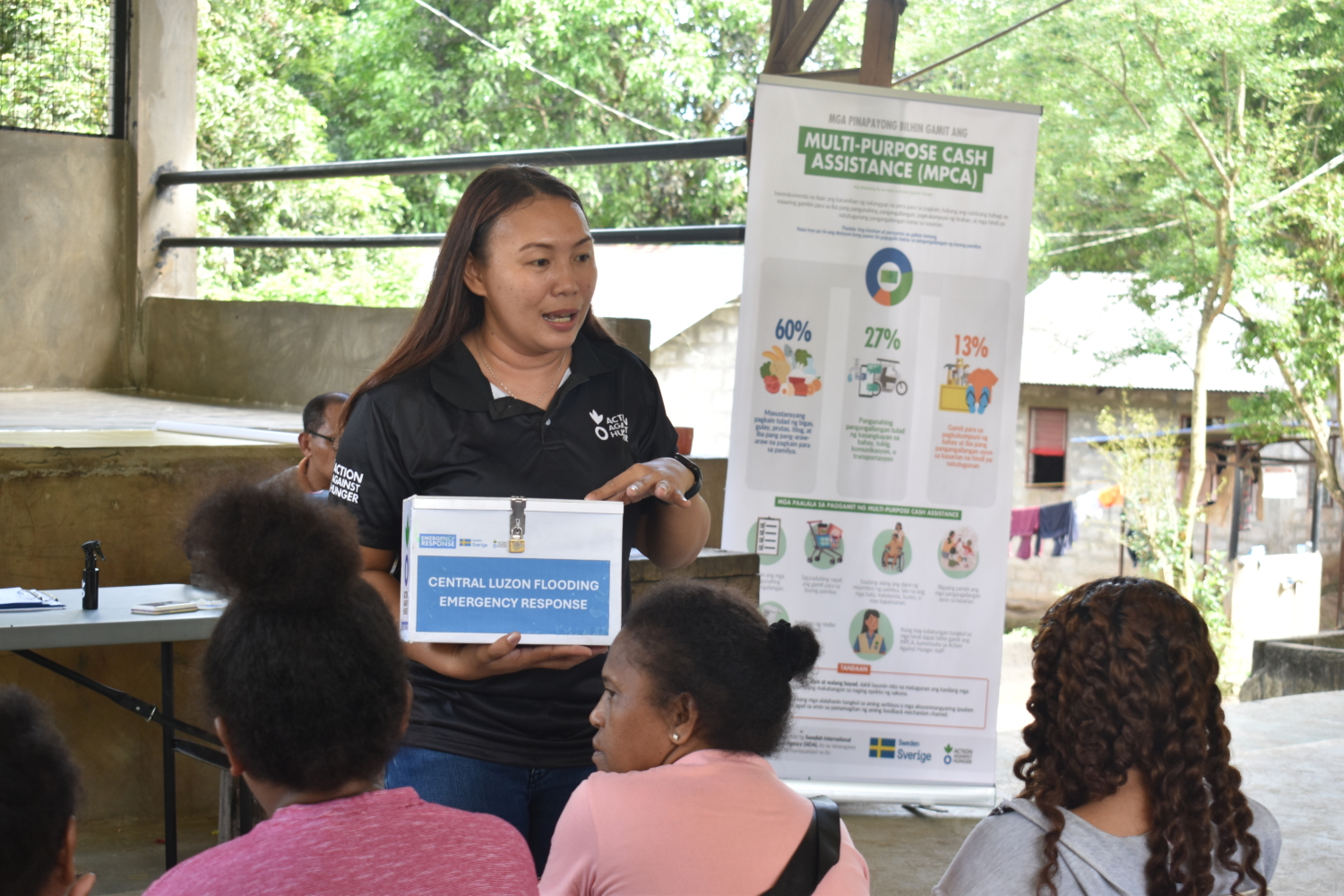
For the past two and a half years, Sonie has been deployed to multiple emergency responses each year, often leaving at short notice to support communities affected by disasters.
But beyond the emergencies she has responded to, it is the connections she builds along the way that make Sonie a familiar face to many of her colleagues and the communities she works with.
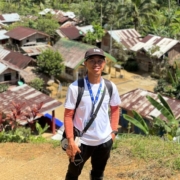
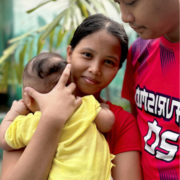
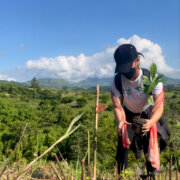
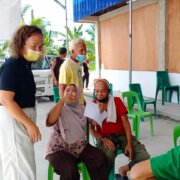
In the early days of an emergency response, her cheerful energy helps bring warmth to long and demanding days, especially when reuniting with colleagues she has worked alongside in previous responses. On the field, she is often quickly recognized by the communities and partners she works with, not only for the work she delivers, but also for the kindness and approachability she brings to every interaction.
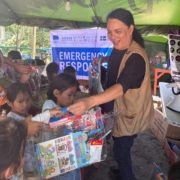
Currently deployed in the Sarangani earthquake response, Sonie is working tirelessly to roll out the profiling and distribution of multipurpose cash assistance, helping affected families meet their most urgent needs.
Get to know Sonie and what keeps her coming back to humanitarian work, response after response.
Why did you choose to become a humanitarian worker?
I chose to become a humanitarian worker because I have a deep desire to stand with vulnerable communities during their hardest moments, when disaster or crisis strikes and they need urgent, life-saving support most.
What keeps you motivated to serve communities affected by crises?
Knowing my work matters in critical moments. Crises leave people vulnerable and alone; being able to step in quickly, deliver life-saving support, and restore basic dignity gives me deep fulfillment.
Serving with Action Against Hunger for 2.6 years has shown me that no act of urgent help is too small. Every successful response, every stabilized family, and every community starting to heal keeps me committed to this mission.
What has been your most meaningful experience as a humanitarian worker?
The most meaningful change I have observed is better community engagement and coordination with partners. We are able to provide assistance and reach affected communities more quickly, effectively, and with greater respect.
What motivates you to continue being a humanitarian worker?
I keep showing up because I believe humanitarianism is about more than delivering aid. It is about restoring dignity, standing alongside communities in their moments of hardship, and helping create opportunities for recovery.
Every response reminds me why I chose this path. I continue to aspire to serve with commitment, compassion, and purpose.
How have local communities inspired your work?
The people I have met during emergencies have taught me that resilience is not just about surviving. It is about finding hope, supporting one another, and rebuilding despite difficult circumstances.