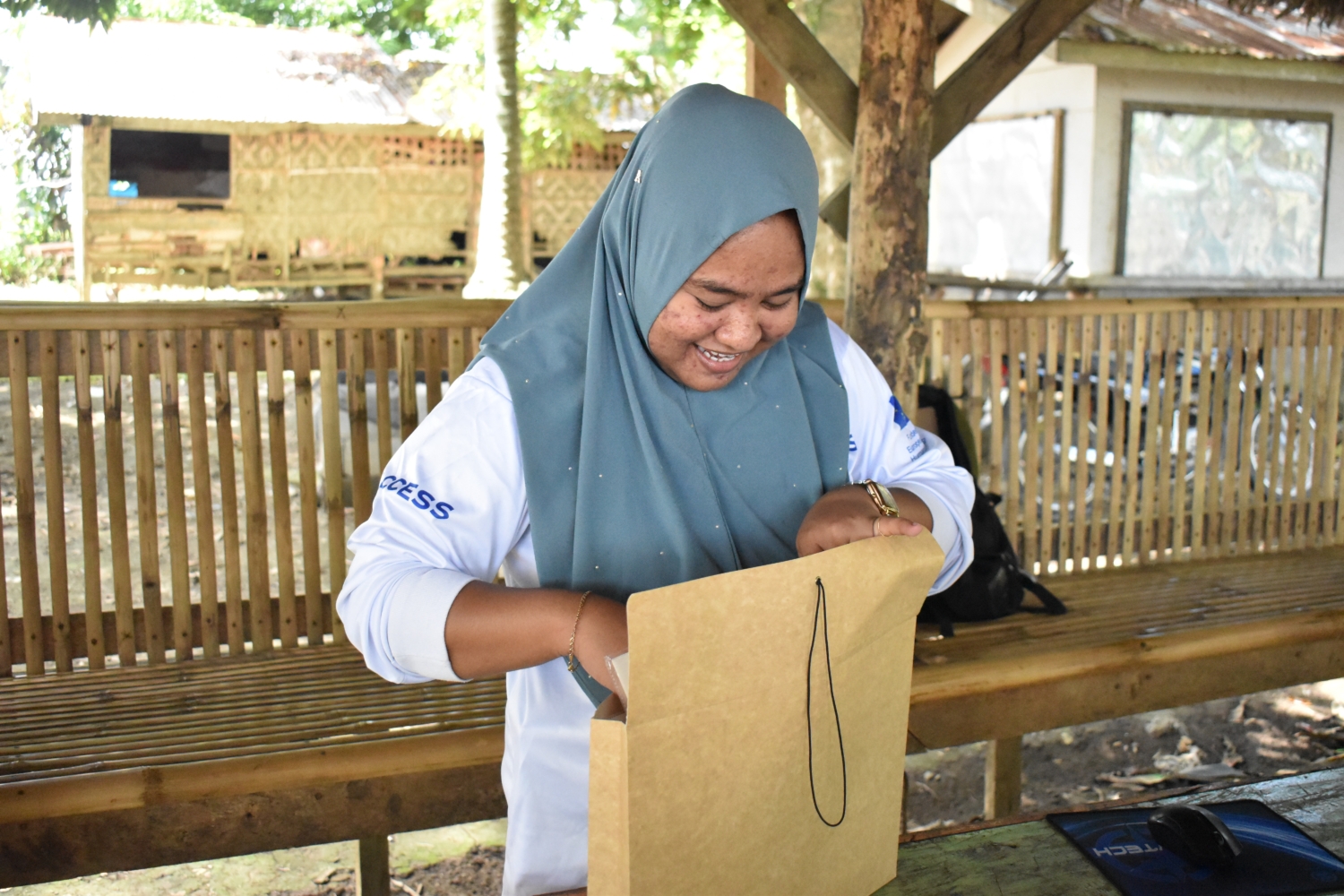
Humanitarians in Action: Meet Ain
For Nor-Ain, becoming a humanitarian worker was not part of the original plan. Growing up in a conflict-affected community, she witnessed firsthand how displacement, lost livelihoods, and limited access to basic services affected families. Her journey began through youth training, peacebuilding, and gender advocacy, where working directly with communities helped her discover a deeper sense of purpose in serving others.
Her connection with Action Against Hunger is especially meaningful. She first encountered the organization as a participant in one of its community trainings. Years later, she found herself on the other side, facilitating trainings and supporting communities through programs in food security, livelihoods, WASH, and emergency response.
Today, Nor-Ain continues to work alongside communities, particularly those in remote and hard-to-reach areas where access to assistance can be challenging. For her, the most rewarding part of humanitarian work is seeing how timely support can make a difference, whether through food, clean water, or livelihood assistance.
Her journey from participant to humanitarian worker has kept her grounded in empathy and reminds her why she chose this path: to stand with communities in their most vulnerable moments and help ensure no one is left behind.
Get to know Nor-Ain, her journey into humanitarian work, and what continues to inspire her to serve.
How did you become a Humanitarian Worker?
I did not originally plan to become a humanitarian worker. Growing up in a conflict-affected community, I witnessed how families were displaced, how livelihoods were lost, and how basic services became difficult to access. Those experiences shaped my understanding of vulnerability at a young age. I saw how assistance from humanitarian organizations brought not only relief but also a hope.
When I was in college, I initially pursued my degree with a strong interest in governance, community development, and public service. At that time, I simply knew that I wanted to serve and contribute to something meaningful. However, it was not until I accidentally become part of youth training and began working directly with communities that I truly understood what that calling meant for me.
My journey into humanitarian work began when I became involved in peacebuilding and gender advocacy programs. Working closely with communities especially those affected by conflict and disaster prone area opened my eyes to the quiet struggles, resilience, and strength of many families.
Listening to their stories and witnessing both their pain and hope deeply moved me. It was in those moments that I realized that humanitarian work is not just about projects or reports it is about people, dignity, and restoring hope.
Later, I had the opportunity to work in programs focused on food security, livelihoods, and WASH. Being directly involved in community assessments, cash transfer programming, and emergency response operations allowed me to see the tangible impact of our work. I saw how timely assistance could ease a mother’s worry about feeding her children, how livelihood support could restore confidence, and how access to clean water could protect health and dignity.
Through these experiences, I discovered that this is where I truly belong working alongside of the communities, not just as a professional, but as someone who genuinely cares about their recovery and rebuilding. Humanitarian work, for me, is more than a career it is a commitment to stand with people in their most vulnerable moments and to walk with them toward hope and resilience.
Do you recall a particular moment in your career with Action Against Hunger that stuck with you?
One particular moment in my career with Action Against Hunger that has always stayed with me is when I realized how my journey had come full circle.
I got to know Action Against Hunger when I joined one of the trainings they conducted in our community. At that time, I was simply a participant eager to learn, guided, and supported by the organization. Interestingly, it was the same type of program that we are implementing now.
I never imagined that one day, I would be on the other side of that experience no longer a participant, but someone helping deliver the same support to others.
As time passed, opportunities opened, and I eventually became part of the organization as a staff. What made the moment truly meaningful was when I found myself facilitating trainings and working directly with communities doing the same work that once helped me. I saw myself in the participants their curiosity, their hope, and sometimes their struggles.
It was deeply fulfilling to realize that I was no longer just a recipient of support, but now a provider of knowledge and assistance. From being the one taught and helped, I had become someone teaching and helping others.
That transition from participant to humanitarian worker is a moment I carry with pride. It reminds me why I do this work and keeps me grounded in empathy, knowing exactly how it feels to be in the shoes of the people we serve.
What motivates you to continue being a humanitarian worker?
What keeps me going is knowing that our work creates real impact, even in small ways.
In humanitarian settings, challenges are constant conflict, disasters, poverty but so are opportunities to make a difference. Seeing communities gradually regain stability, rebuild livelihoods, and strengthen their resilience motivates me to continue.
I am also driven by the belief that everyone deserves access to basic service and needs like food, water, safety, and dignity. Being part of that effort gives meaning to my work.
What is the best part of your job, and what is the most challenging?
The best part of my job is working directly with communities listening to their stories, understanding their needs, and collaborating to find solutions. I also value the teamwork within humanitarian organizations, where everyone shares a common purpose of helping those in need.
The most challenging part is reaching remote and isolated communities that are frequently affected by conflict or disasters and have not yet received any assistance from the government and private sectors.
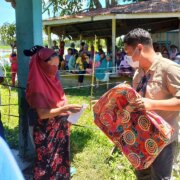
Poor infrastructure, rough terrain, and security issues make access difficult. Despite these challenges, it is also the most rewarding seeing the impact of our support whether food, clean water, or livelihood assistance on people who have long been overlooked.
These experiences remind me why I chose this path, to stand with communities in their most vulnerable moments and ensure no one is left behind.
What is a typical day at work like for you?
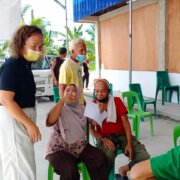
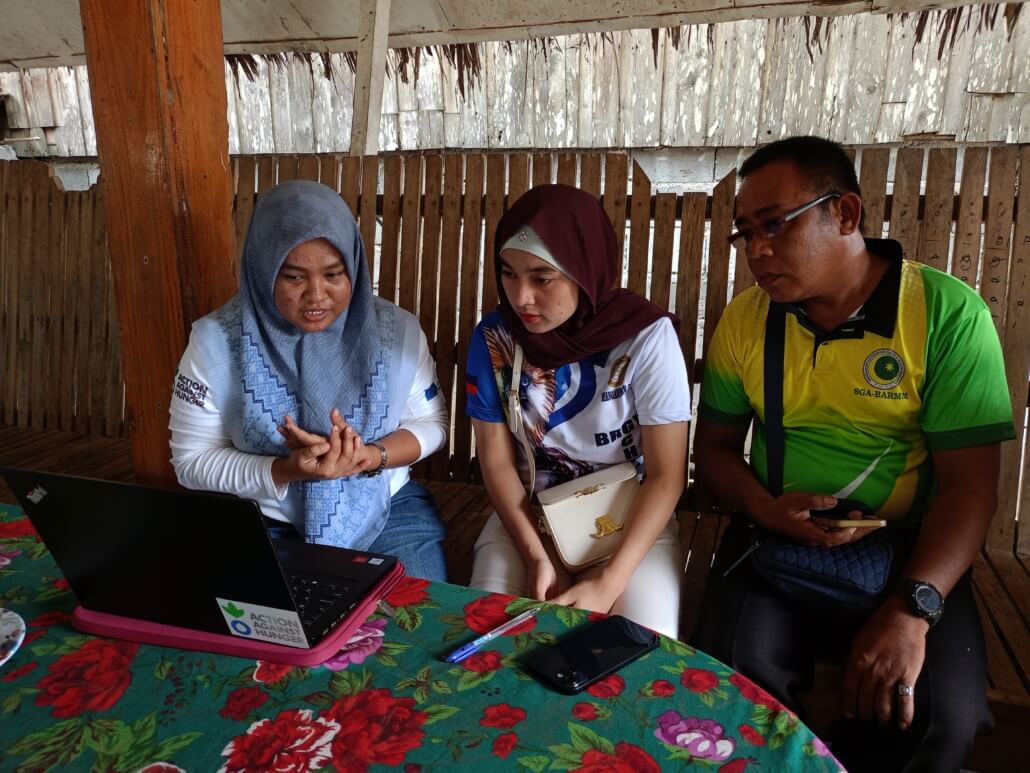
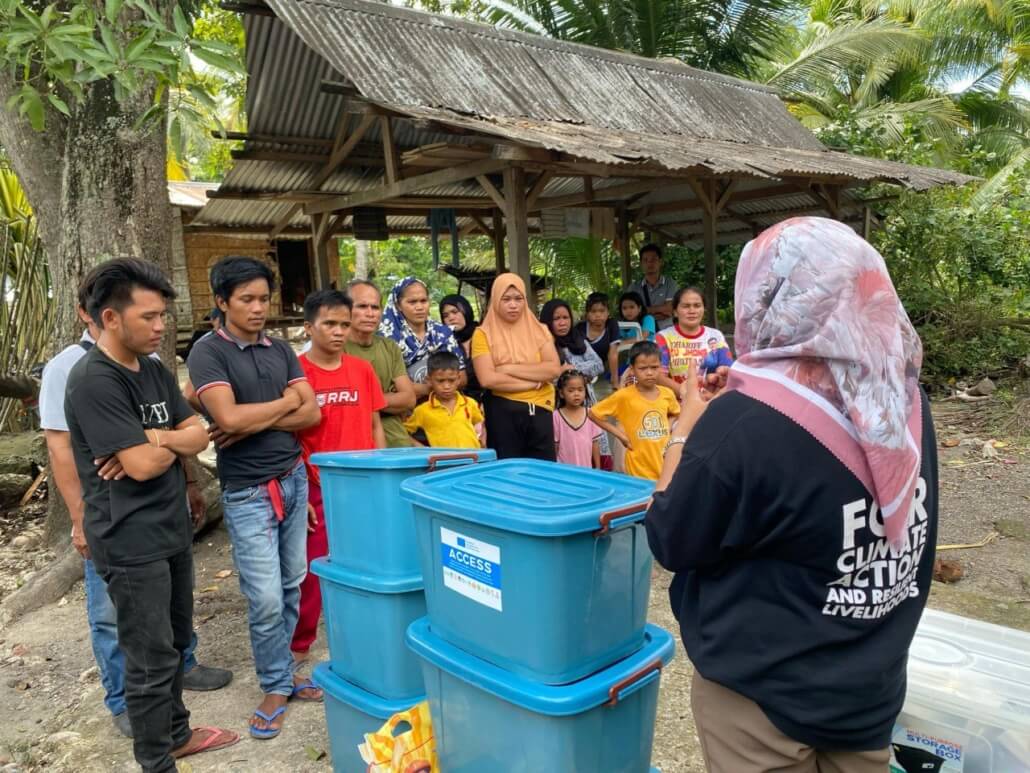
A typical day in the field often starts early with travel to project sites. Conduct monitoring visits, facilitate community consultations, or support training sessions for local partners. Sometimes we conduct needs assessments or gather feedback from beneficiaries to ensure accountability.
Fieldwork requires flexibility. Plans can change due to weather, security situations, or community schedules. Throughout the day, we closely coordinate with LGUs, community leaders, and partner. Documentation and reporting are also important parts of the day to ensure transparency and proper tracking of progress.
While every day is different, the core of my work remains the same engaging with communities and ensuring that assistance is delivered effectively and respectfully.
What advice would you give to someone who would like to pursue a career in the humanitarian field?
First, develop a genuine heart for service. Humanitarian work is not just a job it requires empathy, patience, and commitment.
Second, build strong technical skills, whether in project management, assessments, coordination and training are important, but so is field experience.
Be ready to adapt, because humanitarian contexts are unpredictable. Learn to work with diverse people and respect cultural differences. Most importantly, always remember why you started. And When challenges come, your purpose will keep you grounded.
Humanitarian work is not always easy, but it is deeply meaningful. If you are passionate about helping others and creating positive change, it is a path worth pursuing.