Humanitarians in Action: Meet Aries
Over the past four years, Aries has worked across emergency responses in Bohol, Abra, Davao de Oro, and most recently Sarangani, bringing his experience in mental health and psychosocial support to communities affected by disasters and displacement.
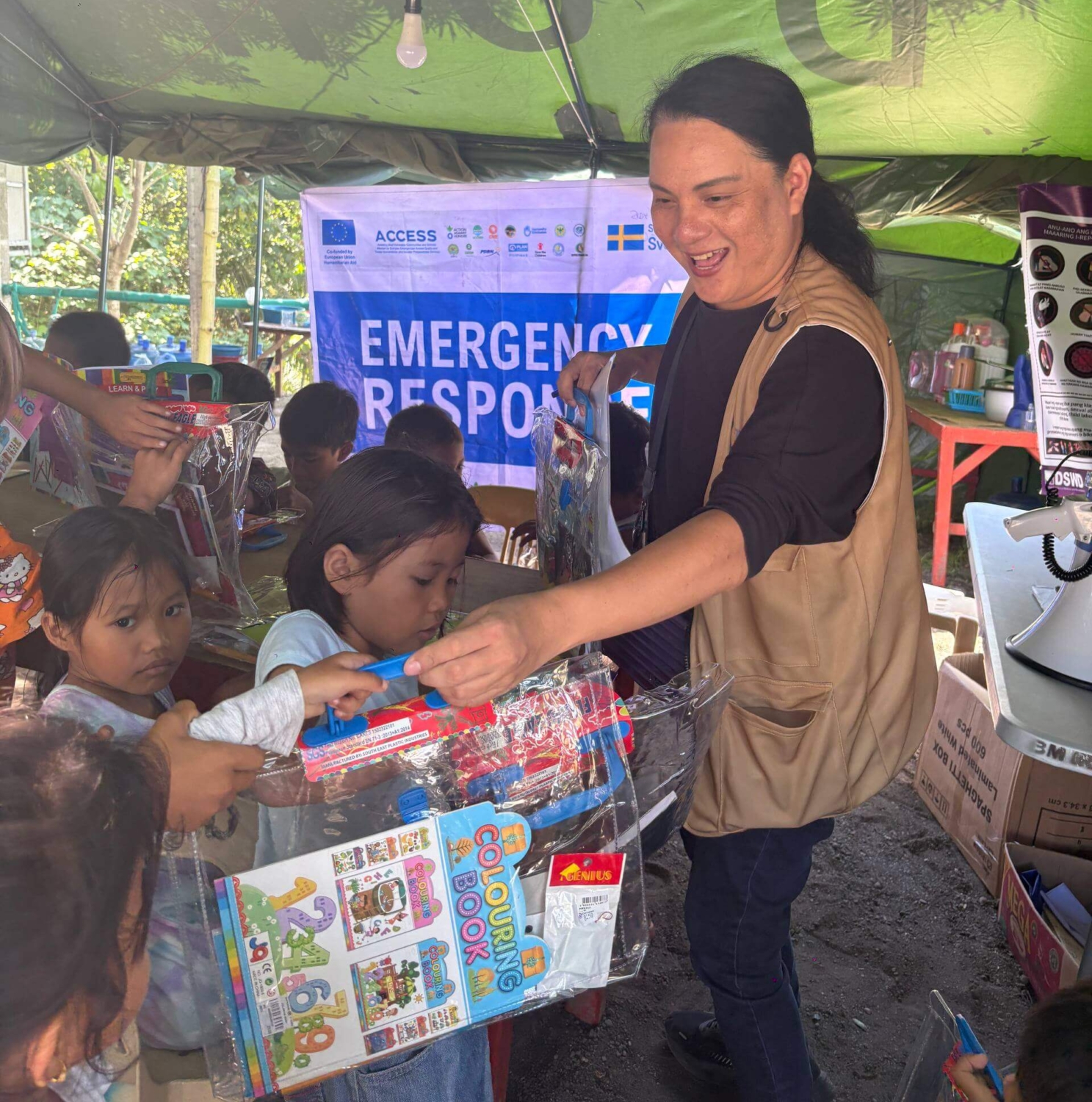
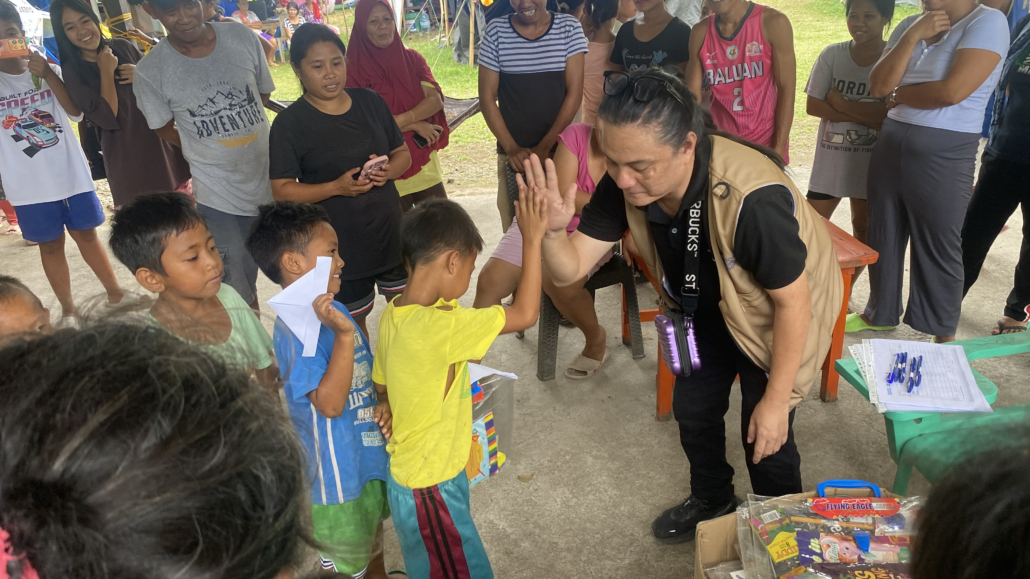
As an MHPSS Field Officer with Action Against Hunger, Aries works with children, young people, families, and communities to create spaces where people can process difficult experiences, reconnect with others, and find practical ways to cope. For him, the impact of this work can sometimes be found in the simplest moments: a child running up to greet him at an evacuation centre, a mother laughing during a session, or a community member saying that it was the first time someone had asked how they were feeling.
These moments have become a meaningful part of Aries’ work. Across different emergencies and communities, he has seen how listening, empathy, and simply being present can help people feel heard and supported during difficult times.
With 10 years of experience in the development and humanitarian sector, Aries continues to bring this people-centred approach to his work, with a particular passion for supporting children and young people.
Get to know Aries and the experiences that continue to shape his commitment to humanitarian work.
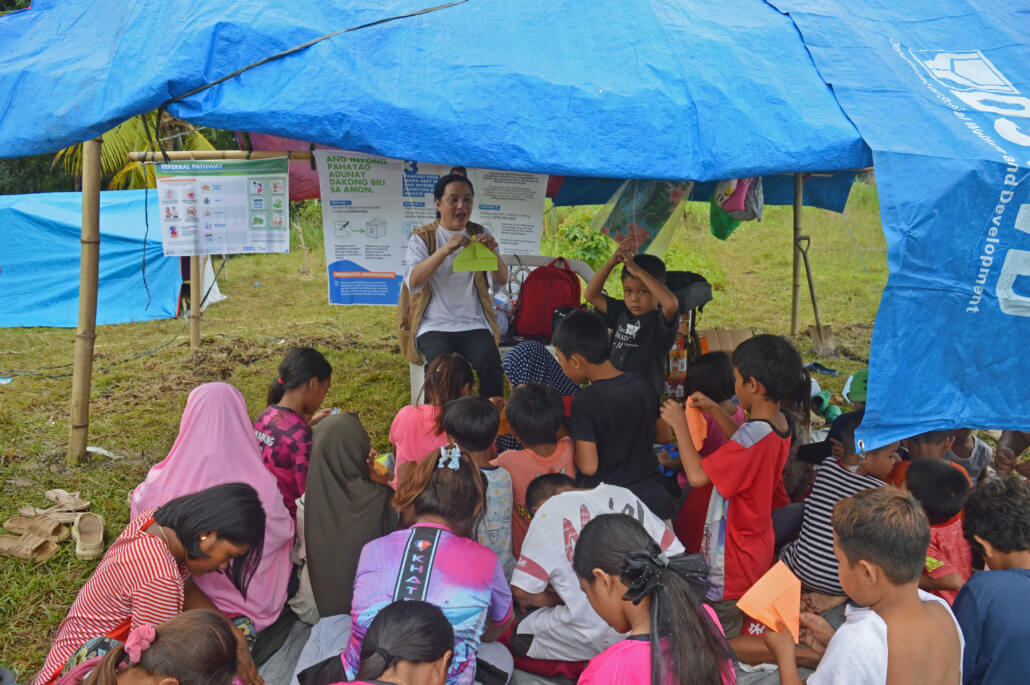
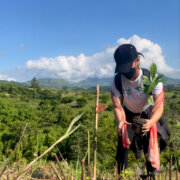
Photo by Ana Nico Clement
Why did you choose to become a humanitarian worker?
I chose to become a humanitarian worker because I have always believed that every person deserves dignity, support, and hope, especially during difficult times. Growing up and witnessing the challenges faced by vulnerable communities inspired me to pursue a career where I could make a meaningful difference in people’s lives.
A defining moment for me was realizing how crises, displacement, conflict, and poverty affect not only people’s physical needs but also their emotional and mental well-being. This deepened my commitment to helping individuals and communities recover, rebuild, and regain their sense of resilience.
My educational background and professional experiences further shaped this path. Through my studies and fieldwork, I gained a better understanding of human behavior, community needs, and the importance of providing compassionate, people-centered support. These experiences strengthened my desire to work directly with communities, particularly those affected by emergencies and adversity.
Today, as a Mental Health and Psychosocial Support (MHPSS) Field Officer, I have the privilege of working closely with children (which is my passion), youth and their families facing difficult circumstances.
What motivates me most is seeing people regain confidence, reconnect with their communities, and finding hope despite the challenges they have experienced. Knowing that even small interventions (PSS session, play or just plainly listening to children) can have a positive impact on someone’s life continues to inspire me every day.
Humanitarian work is more than a profession for me; it is a commitment to service. It allows me to contribute to creating safer, stronger, and more resilient communities, and that sense of purpose is what keeps me dedicated to this path.
Do you recall a particular moment in your career with Action Against Hunger that stuck with you?
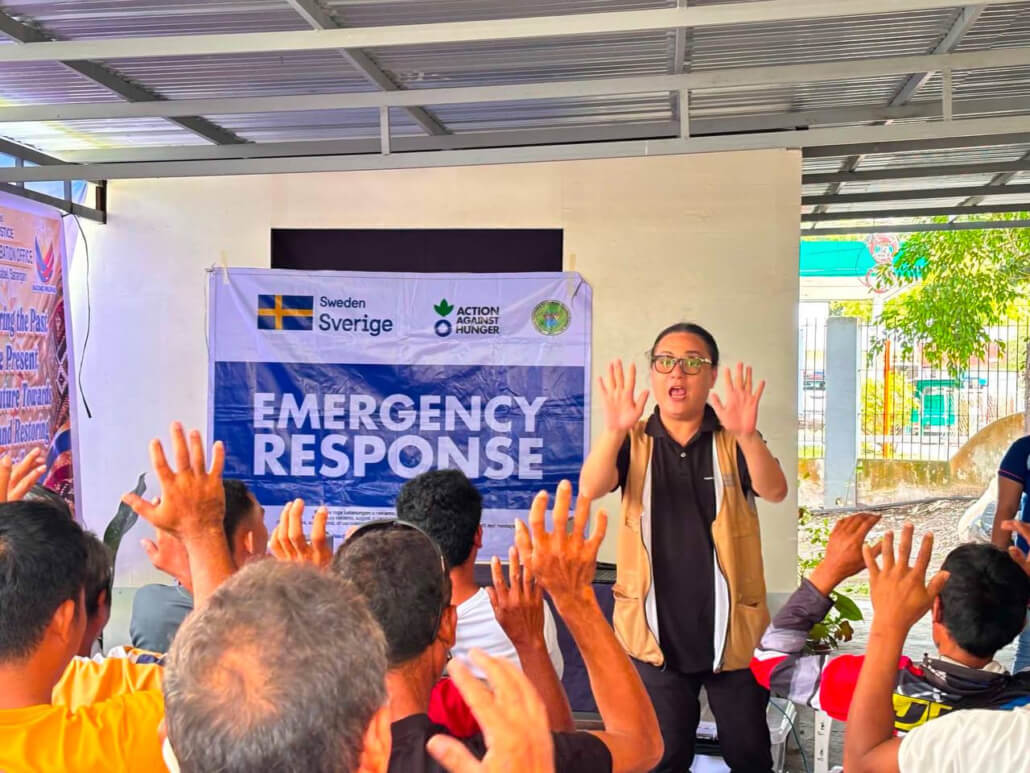
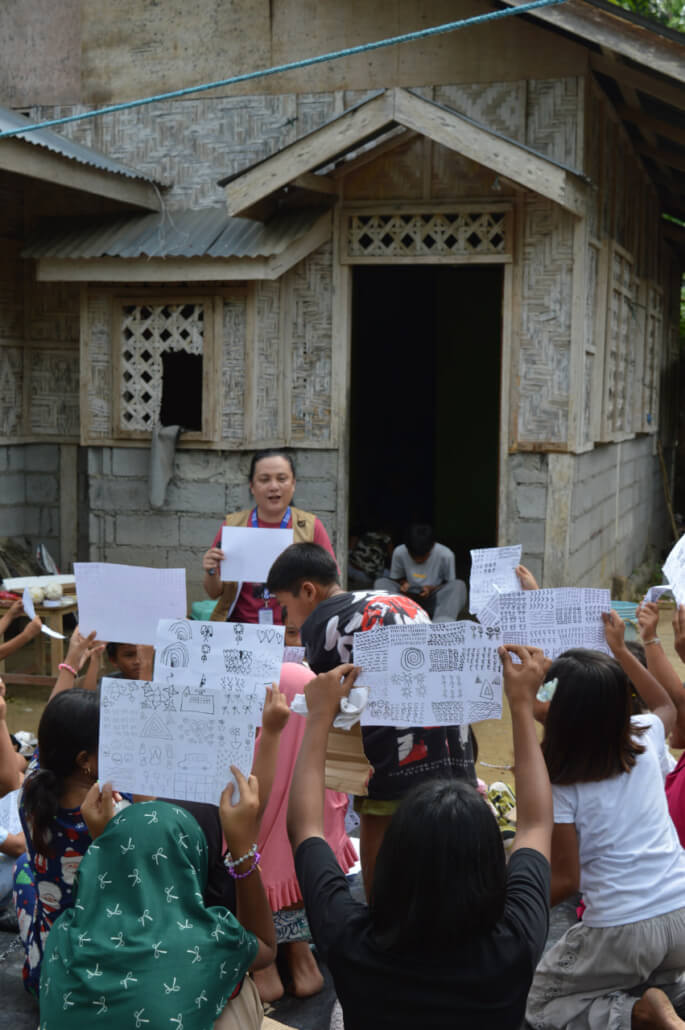
One particular moment that has stayed with me during my time with Action Against Hunger was when I facilitated a psychosocial support activity for children and youth who had been affected by conflict and displacement. Many participants arrived feeling withdrawn, anxious, and hesitant to engage. As the session progressed, I witnessed they gradually open up, share their experiences, enjoy the activities with their friends and support one another in ways they had not done before.
What struck me most was a participant who initially remained silent throughout the activities. Toward the end of the session, he expressed gratitude for having a safe space where he felt heard and understood.
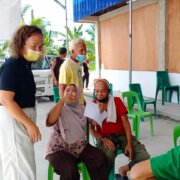
In New Bataan, Davao de Oro, I asked a group of fathers, “Kumusta po kayo?” (“How are you?”). They told me it was the first time someone had asked them how they felt.
In Lagangilang, Abra, the MSWDO shared, “We have been waiting for an organization that could train and support us in our MHPSS programme. Thank you for sharing your expertise and the modules, Sir Aries.”
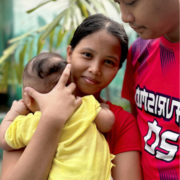
And in Sapu Masla, Malapatan, and Pangyan and Cablalan in Glan, Sarangani, there were children who would run up to me and ask for a mano po whenever I arrived at the evacuation centre. Before I could even settle in, they would ask, “Kelan ka po babalik, Kuya Aries?” (“When will you come back, Kuya Aries?”)
These moments reminded me that humanitarian work is not only about providing services but also about restoring dignity, human connection, and a sense of hope.
The experience stirred strong emotions in me because it highlighted both the resilience and vulnerability of the people we serve. It taught me that meaningful change does not always come from large interventions. Sometimes, simply listening, showing empathy, and creating opportunities for people to support one another can have a lasting impact.
This moment deepened my understanding of the importance of mental health and psychosocial support in humanitarian settings. It reinforced my commitment to this work and reminded me why I chose this path: to stand alongside communities during difficult times and help create spaces where healing, resilience, and recovery can begin.
What did you learn from it?
What I learned from that experience is that humanitarian work is not always about providing solutions to people’s problems. Sometimes, the most meaningful impact comes from being present, listening without judgment, and creating a safe space where people feel seen and heard.
That moment taught me the importance of empathy and human connection. I realized that recovery and resilience often begin when people feel supported and understood. Even small actions, such as listening to someone’s story or encouraging them to participate in a group activity, can help restore hope and confidence.
It also deepened my understanding of the strength and resilience of the communities we serve. Despite experiencing conflict, displacement, and other hardships, many individuals continue to show remarkable courage and determination. Witnessing this reminded me not to see people only through the challenges they face, but also through their capacities, strengths, and potential.
Most importantly, I learned that meaningful change does not always happen immediately or visibly. Sometimes, the seeds of recovery are planted through simple interactions, and their impact becomes evident only over time. This lesson continues to guide my work as an MHPSS Field Officer and reinforces my commitment to supporting communities with compassion, respect, and dignity.
What motivates you to continue being a humanitarian worker?
The acceptance and the relationship created after my PSS sessions are the ones that motivate me. To go back and do another session with them. The smiles in the faces during and after the sessions.
The laughter of the mothers during the session. The children running when they see me arrive and the waves of their hands, not to say goodbye but a message saying, “please come back again.”
What has been your most meaningful experience as a humanitarian worker?
My most meaningful experience as a humanitarian worker was working with individuals and families affected by displacement and witnessing their journey toward recovery and resilience.
One experience that stands out was facilitating MHPSS activities for community members who had experienced significant stress, loss, and uncertainty.
At the beginning, many participants were quiet and hesitant to engage. Over time, through regular sessions (three sessions) and supportive conversations, I saw them gradually become more confident, open, and connected with one another.
One participant shared that the activities helped them feel less alone and gave them hope for the future. Hearing those words was incredibly meaningful because it showed that the support we provided, even through simple interactions, was making a difference.
What made this experience especially impactful was realizing that humanitarian work goes beyond addressing immediate needs. It is also about strengthening resilience and helping people recognize their own strengths despite the challenges they face. Seeing individuals regain confidence and beginning to support others in their community was both inspiring and rewarding.
This experience reinforced my belief in the importance of mental health and psychosocial support in humanitarian settings.
It reminded me that meaningful change often starts with empathy, trust, and human connection. More than anything, it strengthened my commitment to continue serving vulnerable communities and supporting them in building hope and resilience for the future.
How have local communities inspired you?
In my work, I have met individuals and families who have experienced displacement, and hardship, yet they continue to show hope, determination, and compassion for others.
What inspires me most is how communities come together during difficult times. I have seen neighbors help one another; parents make sacrifices for their children, and community leaders work tirelessly to support vulnerable individuals.
These acts of kindness and solidarity remind me that resilience is often built through collective support and shared responsibility.
Local communities have also taught me the importance of humility and listening. Every community has its own strengths, knowledge, and ways of coping with challenges. As a humanitarian worker, I have learned that effective support comes not only from what we bring but also from recognizing and building on the capacities that already exist within the community.
Their stories, perseverance, and ability to find hope despite adversity continue to motivate me. They remind me that humanitarian work is not just about helping people; it is about working alongside them, learning from them, and supporting their efforts to create a better future. Through their resilience and courage, local communities have inspired me to remain committed to serving with empathy, respect, and dignity.
What is the best part of your job, and what is the most challenging?
The best part of my job is the opportunity to make a positive difference in people’s lives and witness their resilience firsthand.
As an MHPSS Field Officer, I find it incredibly rewarding to see individuals regain confidence, the smiles of the children, the laughter of the mothers; people reconnect with their communities and discover hope after experiencing difficult circumstances.
Knowing that my work can help create a safe space for people to heal, express themselves, and feel supported gives me a strong sense of purpose and fulfillment.
Another aspect I value is building relationships with communities. Every interaction is an opportunity to learn from people’s experiences, strengths, and perspectives. Seeing communities come together to support one another despite adversity is both inspiring and motivating.
The most challenging part of my job is witnessing the hardships that many individuals and families face, especially those affected by displacement, and uncertainty. Listening to their stories can be emotionally difficult, and there are times when the needs are greater than the resources available.
In those moments, it can be challenging to know that not every problem can be solved immediately.
However, these challenges have taught me the importance of patience, empathy, and perseverance. They remind me that humanitarian work is often about taking small but meaningful steps toward recovery and resilience. Even when progress seems slow, seeing positive changes in the people and communities we serve makes the challenges worthwhile and strengthens my commitment to this work.
What is a typical day at work like for you?
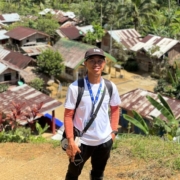
A typical day in the field starts early. I usually wake up at 5:00 a.m. to prepare for the day and leave for the office around 7:00 a.m. From there, I travel to the communities where we conduct our activities. Travel often takes a significant amount of time, especially when working in remote areas, so a large part of the day is spent on the road.
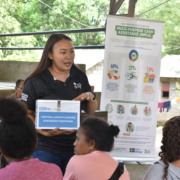
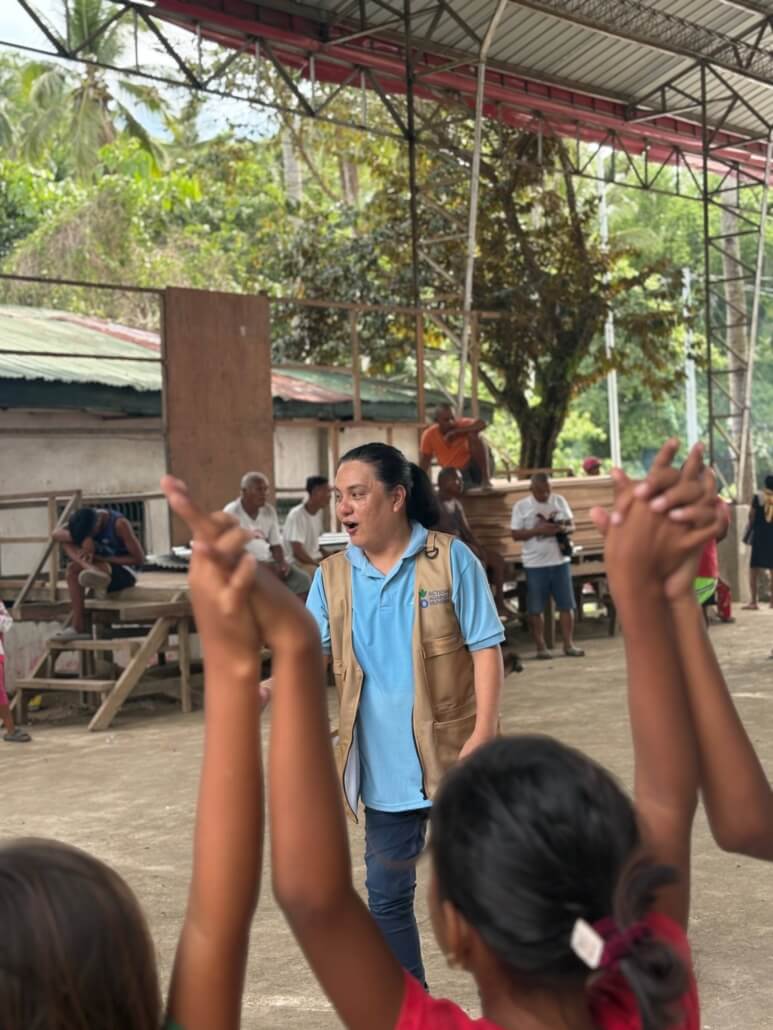
Once in the field, I facilitate Mental Health and Psychosocial Support (MHPSS) activities, including psychosocial support sessions and community engagements. One of the most important parts of my work is listening to people’s stories, understanding their experiences, and providing a safe space where they feel heard and supported. These conversations help me better understand the challenges they face and how we can respond to their needs.
After the field activities, there is usually another long journey back to the office. The workday often continues with coordination meetings, planning discussions, and reporting. Depending on operational needs, meetings can end around 7:00 or 8:00 p.m., and sometimes even later.
By the time I have dinner and travel home, it is often around 9:00 or 10:00 p.m. I usually go to sleep between 11:00 p.m. and midnight before preparing to do it all again the next day.
The days can be long and demanding, but they are also meaningful. Despite the challenges, what keeps me motivated is the opportunity to connect with people, listen to their stories, and contribute in some way to their well-being and resilience. Every day reminds me why humanitarian work matters.
In addition to field activities, I spend time documenting sessions, preparing reports, monitoring progress, and coordinating with colleagues from other sectors to ensure that support is delivered effectively. While administrative tasks are essential, the most meaningful part of my day is interacting directly with people and seeing the positive impact of our work.
No two days are exactly the same, but what remains constant is the opportunity to learn from communities and support them in overcoming challenges. Whether facilitating a group activity, conducting community outreach, or simply listening to someone’s story, each day reinforces the importance of empathy, resilience, and human connection in humanitarian work.
What advice would you give to someone who would like to pursue a career in the humanitarian field?
My advice to someone who wants to pursue a career in the humanitarian field is to start with a genuine desire to serve others.
Humanitarian work is not always easy. It often involves long days, challenging environments, and exposure to difficult situations. Having a strong sense of purpose will help you stay committed during those moments.
I would also encourage them to be open to learning from the communities they serve. Humanitarian work is not about having all the answers. It is about listening, understanding people’s needs, respecting their experiences, and working alongside them to find solutions. Humility and empathy are just as important as technical skills.
Another important lesson is to be patient and resilient. The impact of our work is not always immediate, and there will be challenges and setbacks along the way. Sometimes progress is seen in small changes, such as a person feeling heard, regaining confidence, or becoming more connected to their community. Those moments matter.
I would also recommend gaining relevant education, training, and volunteer experience whenever possible. These opportunities help build the skills needed to work effectively in humanitarian settings while deepening your understanding of the realities faced by vulnerable populations.
Most importantly, take care of yourself. Humanitarian work can be emotionally and physically demanding.
Maintaining your own well-being allows you to better support others and sustain your commitment to the work over the long term.
Humanitarian work is more than a career. It is a journey of service, learning, and solidarity. If you are passionate about helping others and are willing to learn from the people you serve, it can be one of the most meaningful and rewarding paths you can choose.