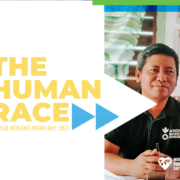
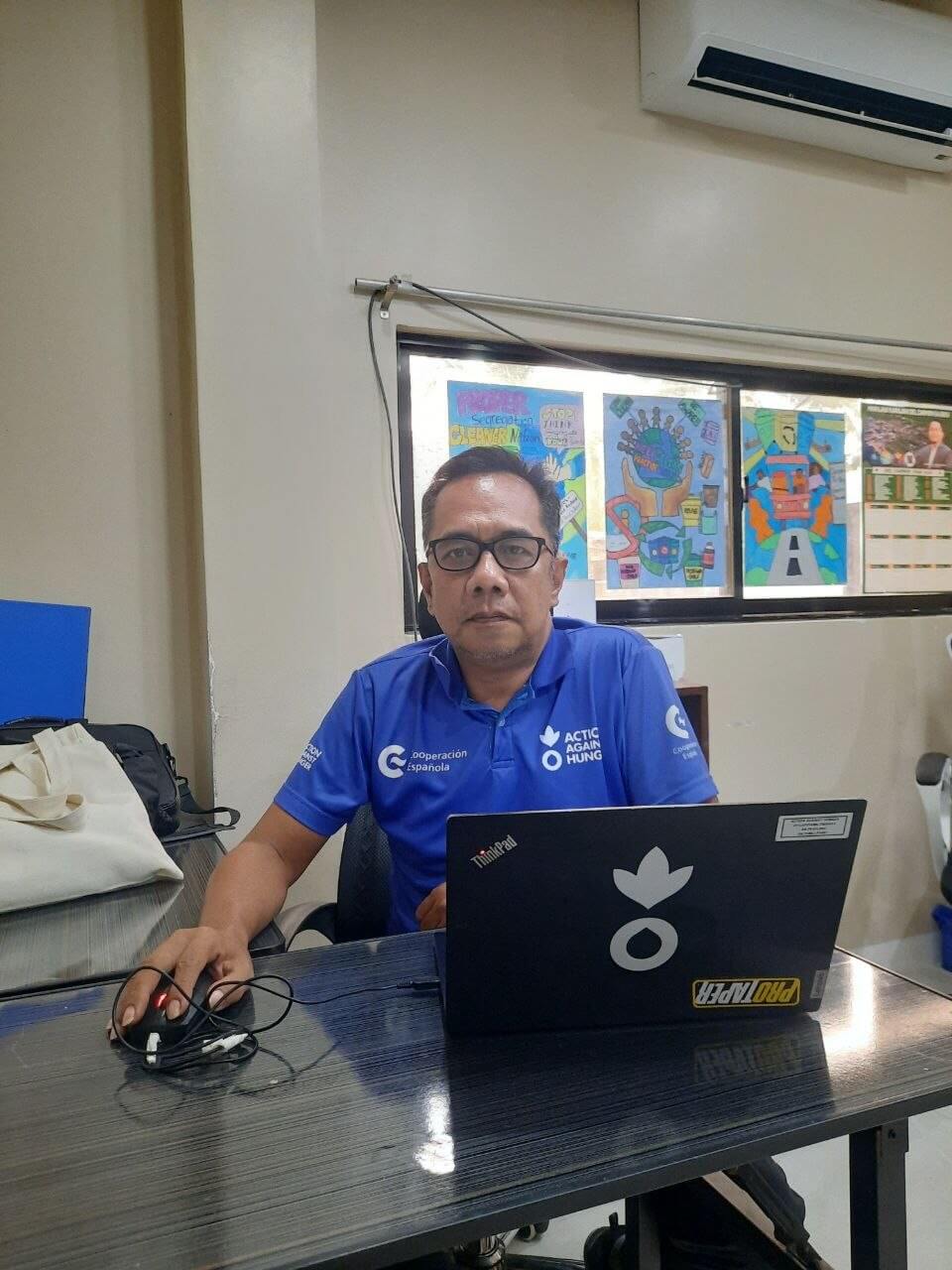
Humanitarians in Action: Meet Poly
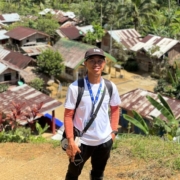
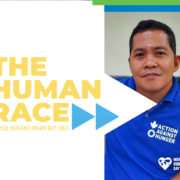
For Poly, humanitarian work began from the ground up. Starting as a volunteer in a conflict-affected area, he was introduced to peacebuilding, WASH, and emergency response, experiences that showed him the power of standing alongside communities as they recover from crisis. What started as volunteer service eventually became a lifelong commitment to helping people rebuild their lives with dignity.
Today, as a WASH Field Officer with Action Against Hunger in Siargao, Poly works closely with local governments, Barangay Health Workers, and communities to improve water, sanitation, hygiene, and disaster preparedness systems. His work focuses not only on delivering services but also on empowering communities to take ownership of solutions that will last long after projects end.
What continues to motivate him after 18 years in the humanitarian and development sector is the resilience of the communities he serves. Even in the most remote areas and difficult circumstances, he sees hope, determination, and a desire for self-reliance. Those moments, especially when people who have endured hardship still greet others with warmth and optimism, remind him why he continues to choose this work every day.
Get to know Poly and his journey as a humanitarian.
Why did you choose to become a humanitarian worker?
I chose this career because I lived it from the ground up. I started as a volunteer in a conflict area, which opened my eyes to peacebuilding, WASH, and eventually emergency response across different regions. Walking alongside families as they recover from crises taught me that humanitarian work is fundamentally about human connection. Helping communities rebuild isn’t just inspiring—it’s deeply fulfilling, and that’s why I chose to make it my life’s work.
Do you recall a particular moment in your career with Action Against Hunger that stuck with you?
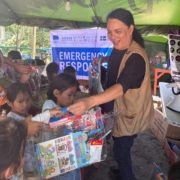
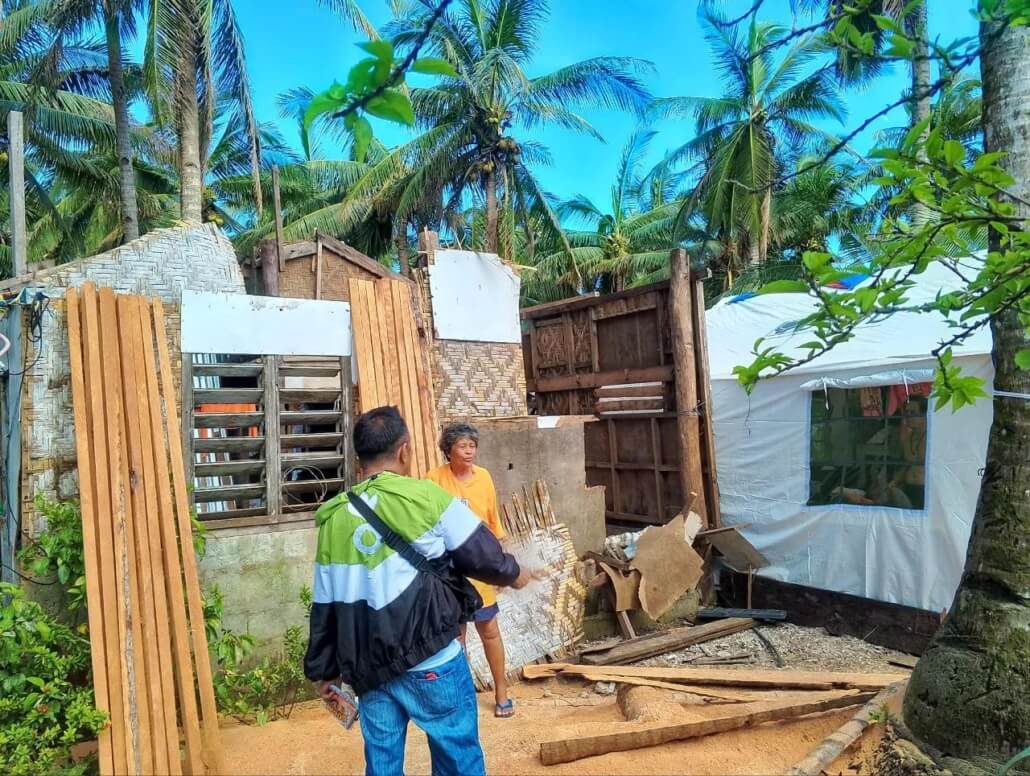
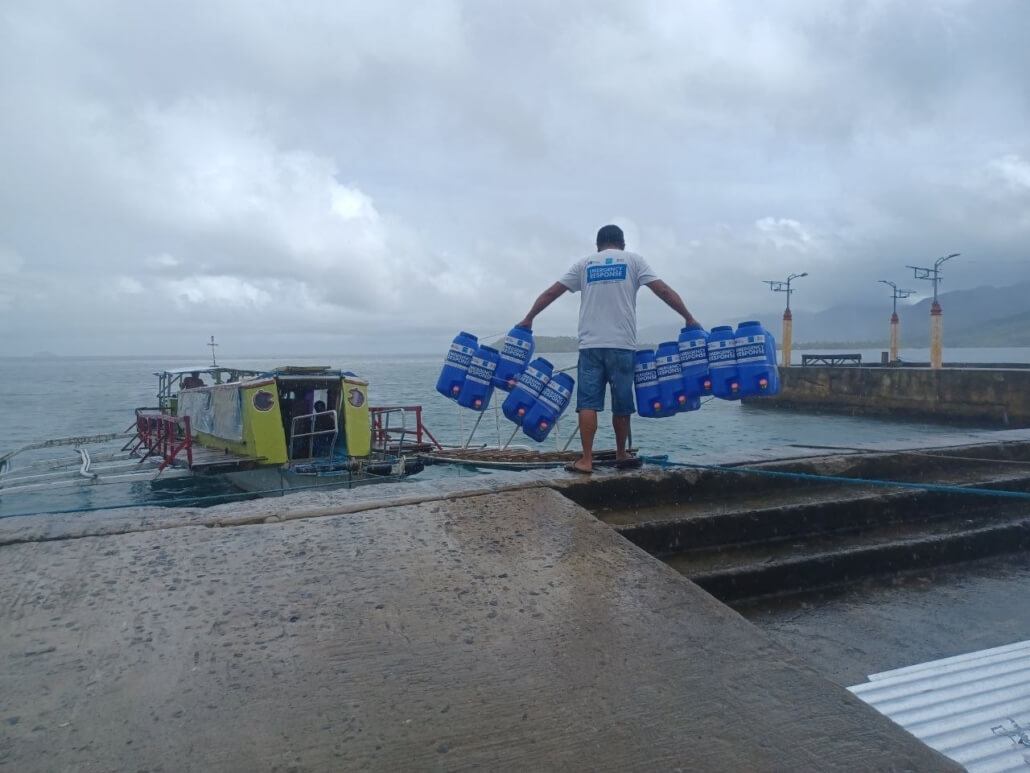
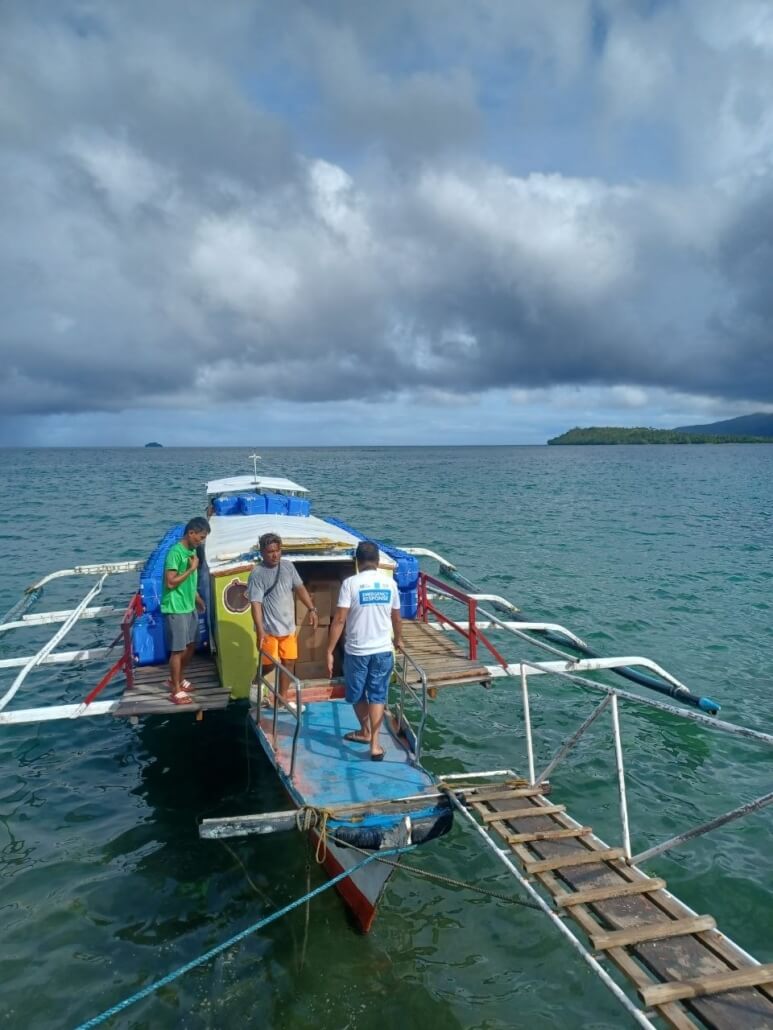
One moment with Action Against Hunger that will always stay with me was reaching a remote, geographically isolated and disadvantaged area (GIDA) during an emergency response. Reaching those communities isn’t just part of the job—it is the core of who we are. Standing alongside people in places that feel completely forgotten showed me Action Against Hunger’s true commitment: prioritizing those who need help the most, no matter how hard they are to reach. Experiencing that firsthand taught me what being a humanitarian really means.
What did you learn from it?
When you arrive in a remote community with aid, the initial reaction isn’t just relief—it’s pure, undeniable joy. Even when families know the support is short-term, seeing help arrive sends a message that they haven’t been forgotten. They welcome you with warm smiles and open arms, grateful not just for the resources, but for the dignity and hope brought to their doorstep. Knowing that a brief intervention can lift such a heavy burden, even temporarily, is both humbling and deeply heartbreaking. It’s a powerful reminder of why we do this work.
What motivates you to continue being a humanitarian worker?
Being a humanitarian worker is all about balancing three big loves: the people we serve who need us so much, our own need to rest and breathe, and the family waiting for us at home.
It is not always easy, but nothing beats that moment—when someone who has lost so much still manages to smile at you. You feel every bit of their pain, yet you also see how they refuse to give up. That hope? It pulls you forward. It is exactly why I keep showing up, why I keep choosing this work, every single day.
What has been your most meaningful experience as a humanitarian worker?
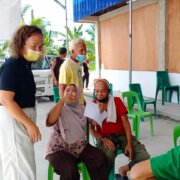
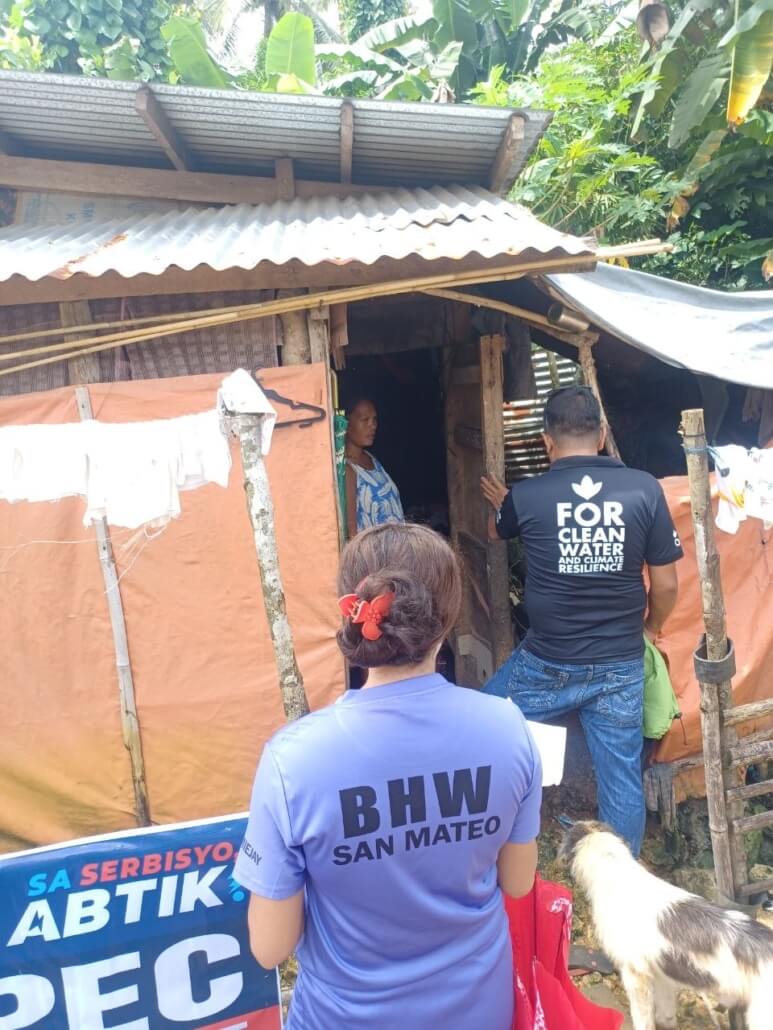
For me, the most meaningful part of humanitarian work is seeing sustainable behavior change in action. Achieving a Zero Open Defecation (ZOD) certification isn’t just about building toilets; it’s about shifting mindsets. Working closely with dedicated Barangay Health Workers to help their own communities embrace and maintain healthy habits showed me what true empowerment looks like. Seeing a community sustain that progress on their own is the ultimate reward.
How have local communities inspired you?
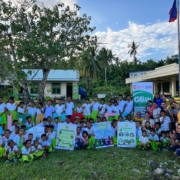
What inspires me most about local communities is their resilience and drive for self-reliance. Even in the hardest-hit, most isolated GIDA areas, families meet hardship with warmth, hope, and generosity. Beyond their strength during a crisis, it is their determination to lead their own long-term transformation that truly motivates my work.
What is the best part of your job, and what is the most challenging?
The best part of my job is knowing that our team can overcome incredible odds to reach the communities that need us most. There is immense satisfaction in pushing through extreme weather or navigating impassable roads during an emergency response, knowing that every obstacle cleared brings us one step closer to delivering vital aid to a family in need.
The most challenging part comes from those exact same obstacles—facing unpredictable severe weather, treacherous terrain, and logistics delays when time is critical. It can be physically and mentally exhausting to battle those conditions, but seeing the relief on people’s faces when assistance finally arrives makes every challenge entirely worth it.
What is a typical day at work like for you?
A typical day in the field for me is all about connection, planning, and community action.
My day usually evolves with meeting local Barangay officials to fine-tune community plans and policies—especially around Solid Waste Management and local sanitation ordinances. Once those plans are set, I spend time in the village talking directly with community members to cascade information, hear their concerns, and build support. A major part of my work also involves helping the community organize and refine their disaster management plans, ensuring families are prepared, equipped, and resilient before the next disaster hits.
What advice would you give to someone who would like to pursue a career in the humanitarian field?
My biggest advice for anyone wanting to enter the humanitarian field is to keep a heart built for service, backed by deep dedication and commitment. You have to learn to live alongside the community—to walk in their shoes and truly listen.
Remember that as humanitarians, we don’t hold a magic wand to fix things overnight. True progress isn’t about instant results; it’s a continuous, patient effort focused on igniting real, lasting change from within the community itself.