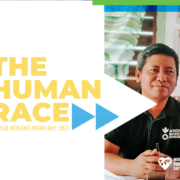
Humanitarians in Action: Meet Engel
For Engel, the path to humanitarian work began in college, when he helped vulnerable families repair their homes as a Civil Engineering student. The experience showed him how he could use his profession to directly help people in need.
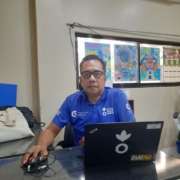
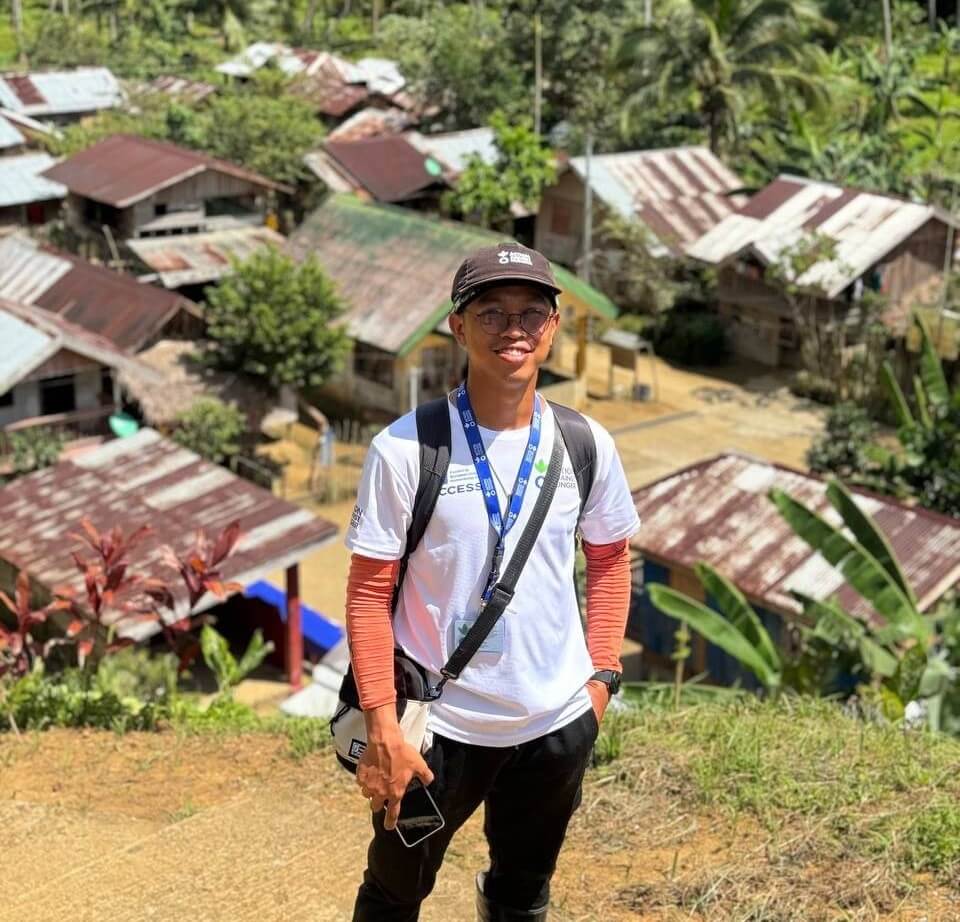
Today, as a WASH Engineer with Action Against Hunger, Engel works with communities affected by disasters to restore access to safe water and other essential services. From assessing damaged systems to overseeing repairs, his work takes him from the drawing board to the field.
One of his most meaningful experiences was the Visayas Flooding Response in Samar, where challenging conditions tested his skills and decision-making. But seeing water systems restored and assistance reach communities reminded him why the work matters.
For Engel, engineering is more than infrastructure. It is a way to help people regain access to the essentials and move forward after a crisis.
Get to know Engel and his journey as a humanitarian.
Why did you choose to become a humanitarian worker?
During my college years as a Civil Engineering student, I participated in a program that involved serving vulnerable communities. We helped families repair their homes and worked together through the spirit of bayanihan. I found this experience meaningful because it allowed me to use what I was learning not only for technical work, but also to directly help people and communities in need.
After graduating, I worked with the Department of the Interior and Local Government (DILG) for almost two years. During this time, I had the opportunity to work with Geographically Isolated and Disadvantaged Areas (GIDAs), including communities affected by the presence of non-state armed actors. These experiences gave me a better understanding of the challenges faced by underserved and hard-to-reach communities. I saw how meaningful even basic assistance could be to communities that had limited access to government programs and essential services.
These experiences eventually led me to humanitarian work. I realized that this field suited both my profession and my personal commitment to serving vulnerable communities, particularly those affected by disasters and armed conflict.
When I started working with Action Against Hunger, transitioning from government work to a non-government humanitarian organization was challenging.
I had to learn to be more flexible, adaptable, and responsive because humanitarian work often requires us to act quickly and find practical solutions to reach communities that urgently need assistance.
Despite the challenges, completing each humanitarian response gives me a strong sense of fulfillment. Seeing communities regain access to basic needs and essential services, recover from a disaster, and gradually return to their normal lives reminds me why I chose this path. Hearing people express their gratitude is also meaningful, especially when we reach communities that have been underserved or have not yet received assistance.
For me, humanitarian work is more than completing a project.
Communities may eventually forget the specific activities we implemented, but I believe they will remember that, during one of the most difficult moments of their lives, there were people and organizations who came to their communities, stood with them, and helped them recover.
That is what continues to motivate me to work in the humanitarian sector.
Do you recall a particular moment in your career with Action Against Hunger that stuck with you?
One particular experience that has stayed with me was the Visayas Flooding Response in Samar from December 2023 to February 2024. It was one of the most challenging responses I have experienced with Action Against Hunger, but it was also one of the most meaningful because it tested my capabilities, strengthened my decision-making, and deepened my understanding of humanitarian work.
The response was difficult both professionally and personally. We had limited personnel, there was no Head of Project physically present in the field, and much of the management and technical support was provided remotely by the capital office. There were moments when the pressure, workload, and responsibility became overwhelming. I questioned my capabilities and some of the decisions I had to make, and there were times when the stress brought me to tears.
Because of communication challenges and time constraints, there were also situations when we had to make immediate field-level decisions on our own.
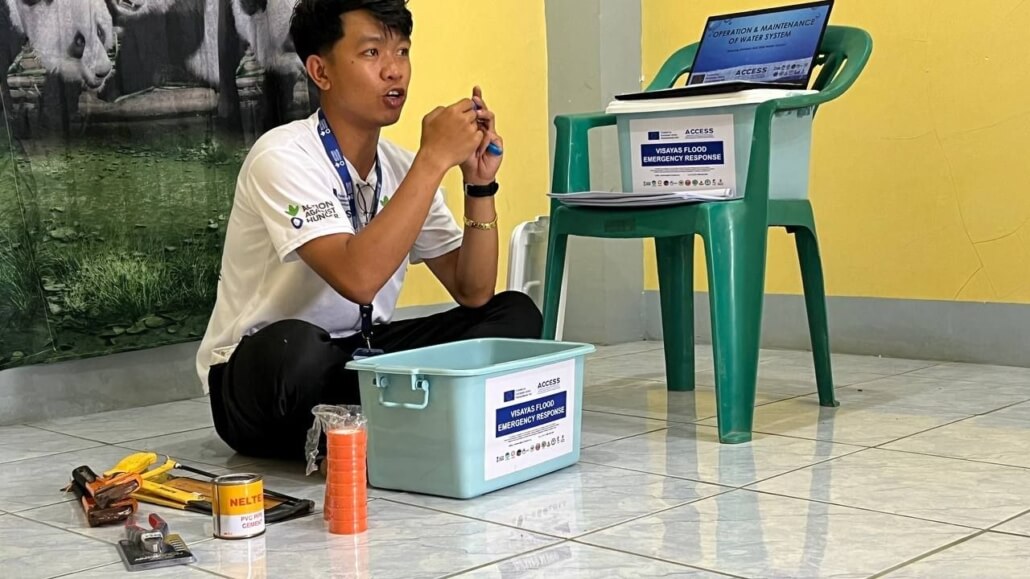
These decisions were not always easy, but we knew that affected communities could not wait.
Despite all the challenges, seeing the assistance reach the communities made the experience worthwhile. We were able to provide WASH kits, shelter kits, Education in Emergencies (EiE) kits, and support the repair of damaged water systems. I was particularly fulfilled by the comprehensive approach of the response because we were not addressing only one problem—we were helping communities restore several of their most immediate and essential needs.
Seeing positive results at the community level and receiving encouraging feedback from partners, key stakeholders, and the donor gave me a strong sense of fulfillment despite the heavy workload, logistical difficulties, and communication challenges we experienced.
This response taught me one of my most important lessons as a humanitarian worker: we must remain flexible and accountable while keeping the needs of affected people at the center of our decisions. When resources, personnel, and time are limited, we have to prioritize carefully, make responsible decisions, and find ways to deliver assistance where it is needed most. The experience was difficult, but it strengthened me both professionally and personally and helped me better understand the real meaning of humanitarian service.
What did you learn from it?
I learned that humanitarian work requires more than technical knowledge. It requires flexibility, sound decision-making, teamwork, accountability, and the ability to remain focused under pressure.
The Visayas Flooding Response taught me that field situations can change quickly, and sometimes decisions need to be made immediately based on the actual needs and conditions of affected communities.
I also learned the importance of balancing organizational procedures with the urgency of humanitarian response. Good communication and coordination between field teams and management are essential, but when challenges arise, we must still be able to assess the situation, prioritize the most urgent needs, and make responsible decisions while remaining accountable for them.
Most importantly, the experience taught me to become more resilient and confident in my capabilities. Despite limited staff, heavy workloads, logistical challenges, and stressful situations, seeing communities regain access to safe water, shelter, education materials, and other basic needs reminded me of the purpose of our work. It strengthened my understanding that humanitarian service is ultimately about putting affected people at the center of our actions and doing our best to help them recover with dignity.
What motivates you to continue being a humanitarian worker?
What motivates me to continue working in the humanitarian sector is the opportunity to use my profession as a Civil Engineer to make a meaningful difference in the lives of people affected by disasters and crises. Seeing communities regain access to basic needs—especially safe water, sanitation, shelter, and other essential services—gives me a strong sense of purpose and fulfillment.
There are many challenges in humanitarian work, including long working hours, difficult field conditions, limited resources, and the need to respond quickly under pressure.
However, seeing the actual impact of our interventions makes these challenges worthwhile.
Something as basic as restoring a damaged water system can mean that families no longer have to travel long distances to collect water and can begin returning to their normal daily lives.
What keeps me going is knowing that our presence and assistance can make a difference during some of the most difficult moments in people’s lives.Being able to contribute my technical knowledge while serving vulnerable and underserved communities reminds me that engineering is not only about building infrastructure—it is also about helping restore people’s access to essential services, dignity, and hope after a crisis.
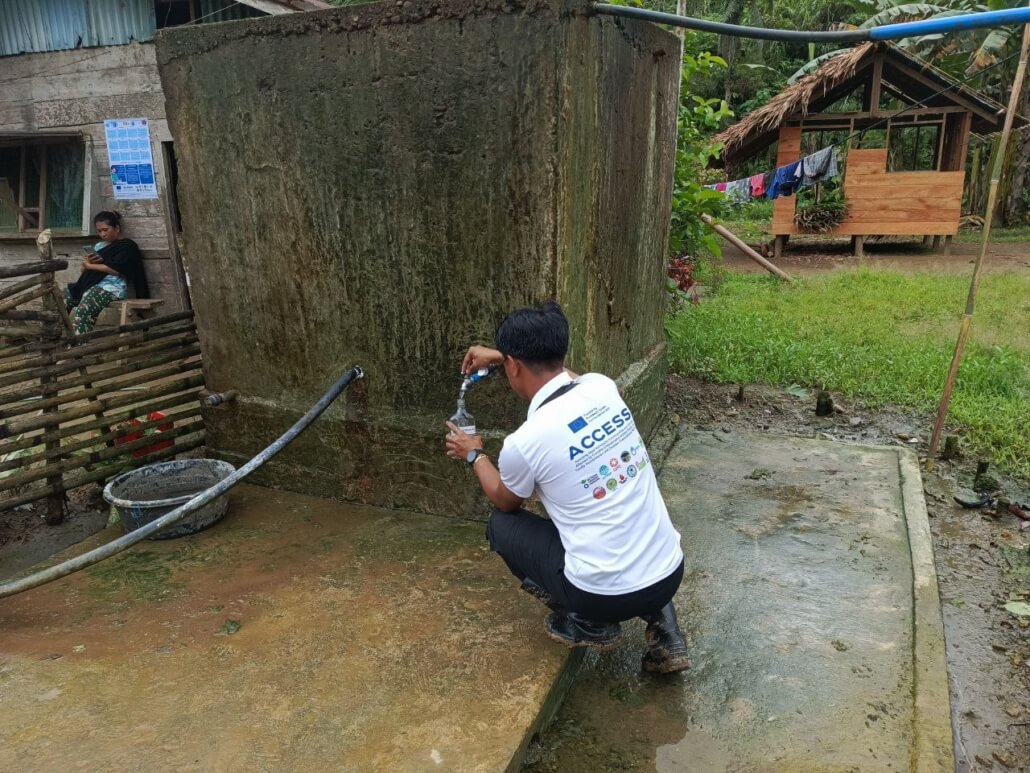
Every response also gives me an opportunity to learn, grow professionally, and become a better humanitarian worker. Knowing that there are still communities that need assistance continues to motivate me to serve and remain in the humanitarian sector.
What has been your most meaningful experience as a humanitarian worker?
My most meaningful experience as a humanitarian worker has been seeing communities recover after a disaster and knowing that I contributed to restoring the basic services they depend on.
As a WASH Engineer, I have had opportunities to work in different emergency responses, but restoring access to safe water has always been particularly meaningful to me.
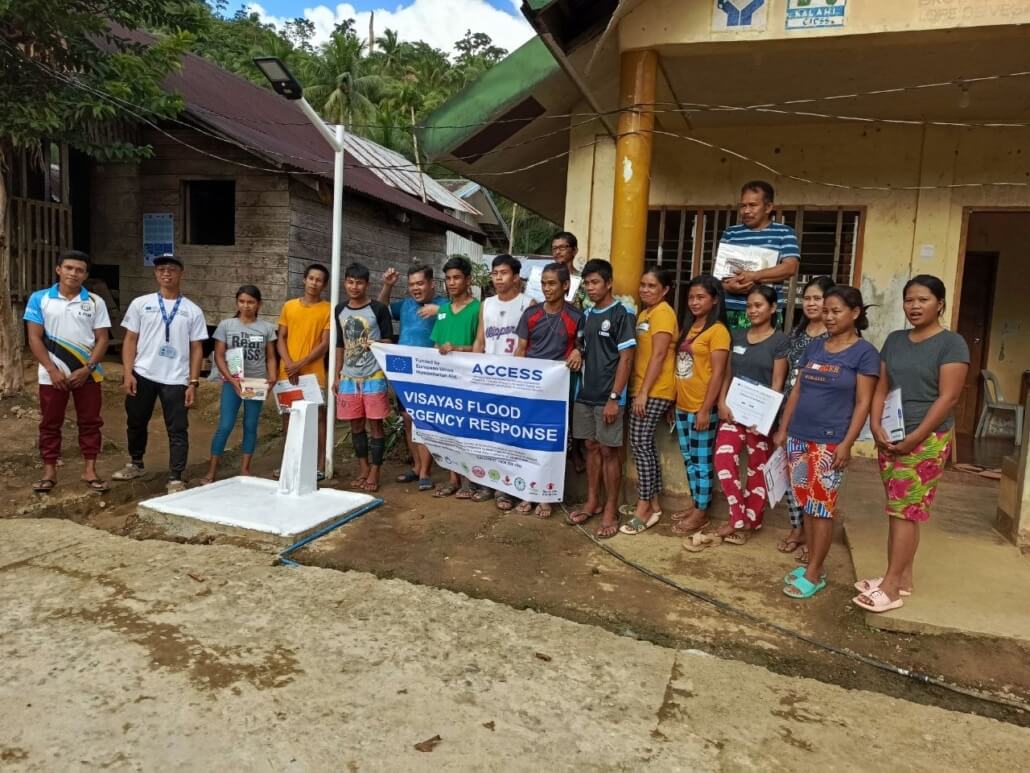
One experience that stands out is working with communities whose water systems were damaged or disrupted by disasters.
During assessments, I have seen families struggling to access safe water and communities depending on temporary solutions such as water trucking or distant water sources.
Being involved from the initial assessment and technical design to the actual repair, monitoring, and restoration of the water system allowed me to see the entire process of recovery.
The most meaningful moment is when water finally flows again and families regain access to it within their communities. Seeing people’s relief and appreciation makes all the challenges—long working hours, difficult field conditions, logistical constraints, and pressure—worthwhile.
These experiences have made me realize that the infrastructure we repair is more than pipes, pumps, tanks, or water facilities. Restoring a water system means helping families regain a basic necessity, reducing their daily burden, protecting their health, and supporting the community’s return to normal life.
Knowing that my skills as an engineer can directly contribute to people’s recovery and dignity is one of the main reasons humanitarian work remains meaningful to me.
How have local communities inspired you?
Local communities have inspired me through their resilience, cooperation, and willingness to help one another despite the challenges they face.
In many of the disaster-affected communities where I have worked, I have seen people who have lost their homes, livelihoods, or access to basic services still find ways to support their neighbors and participate actively in their own recovery.
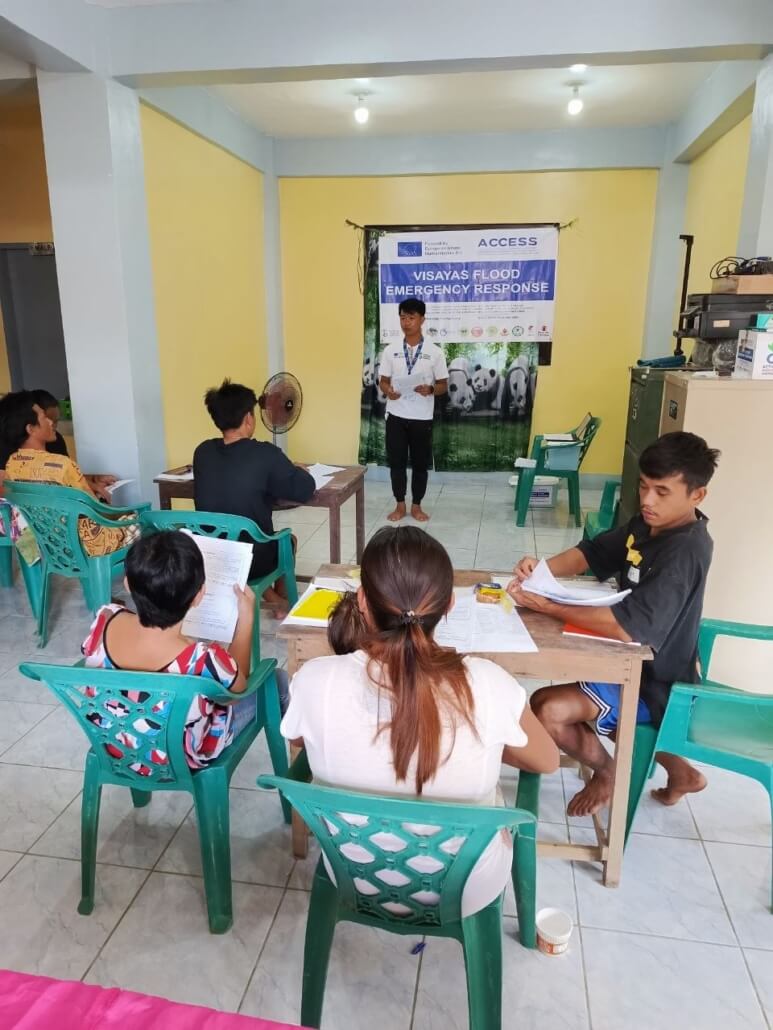
As an engineer, I have also learned a lot from the communities themselves. Technical knowledge is important, but local people understand their community, environment, and needs better than anyone. Listening to them and involving them in assessments, planning, implementation, and decision-making often leads to more practical and sustainable solutions.
What inspires me most is seeing the spirit of bayanihan during difficult times.
Community members volunteer their time and effort, share available resources, and work alongside humanitarian teams to restore water systems and other essential services. They are not simply beneficiaries of assistance; they are important partners in the response and recovery process.
Their resilience reminds me why humanitarian work must always put people at the center. Seeing communities stand again, recover, and gradually return to normal life motivates me to continue using my profession to serve people who need assistance the most.
What is the best part of your job, and what is the most challenging?
The best part of my job is seeing the direct impact of our work on communities affected by disasters and crises. As a WASH Engineer, it is very fulfilling to see a damaged water system repaired and water flowing again, knowing that families can regain access to safe water and an essential part of their daily lives.
Seeing communities recover and hearing their appreciation makes the long hours and difficult field conditions worthwhile.
The most challenging part is working under pressure with limited time, staff, and resources while responding to urgent community needs. Humanitarian situations can change quickly, so we need to be flexible and make timely decisions while still following technical standards, organizational procedures, and accountability requirements. Coordination, logistics, and extensive documentation can also be challenging, especially when several activities need to be implemented at the same time.
Despite these challenges, they have helped me become more adaptable, patient, and confident in making decisions. At the end of each response, seeing that our work has contributed to helping communities recover reminds me why the challenges are worth facing.
What is a typical day at work like for you?
A typical day at work can vary depending on the stage of the humanitarian response. As a WASH Engineer, I am involved in rapid and scoping assessments in affected communities, particularly technical assessments related to water, sanitation, and hygiene. These assessments help us identify priority needs and determine the most appropriate interventions for the communities.
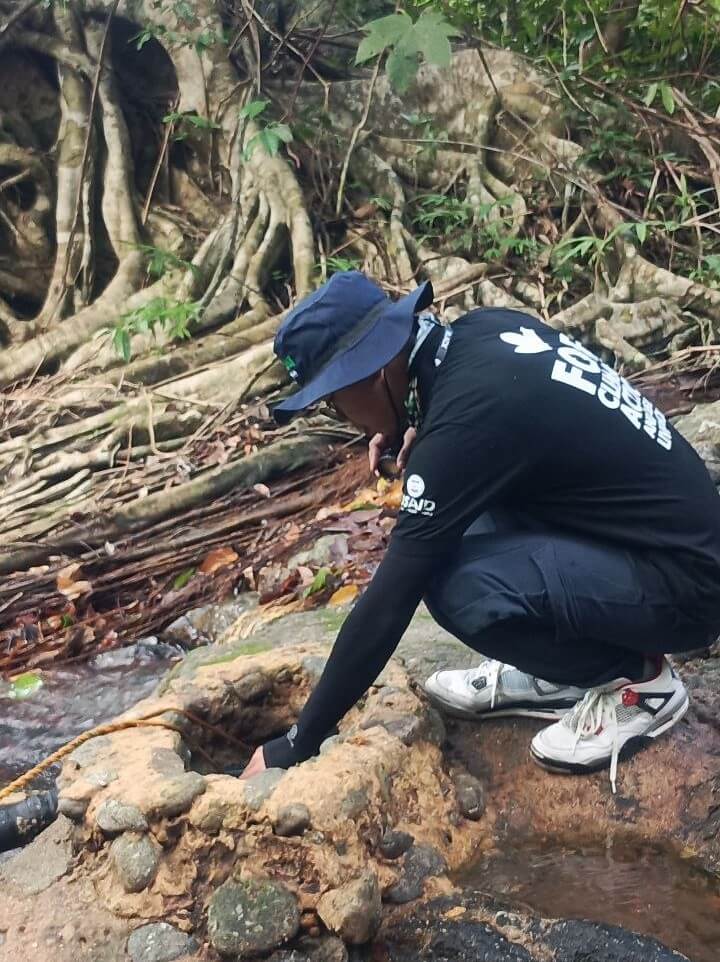
Fieldwork is a significant part of my role. I conduct scheduled water quality monitoring and collect water samples from different sources. In some areas, reaching a spring source can require walking for one to two hours through difficult terrain. I also conduct in-situ water quality testing and review and analyze laboratory results. What I particularly enjoy is discussing the findings with partners and communities, identifying appropriate action points, and working together to address any water quality concerns.
As a Civil Engineer, my work also involves the technical design, repair, and rehabilitation of water supply systems. This includes assessing and prioritizing damaged facilities, preparing designs and technical requirements, supporting procurement and the delivery of construction materials, monitoring construction activities, conducting inspections and testing, and overseeing the completion and handover of repaired or constructed facilities to communities and local partners.
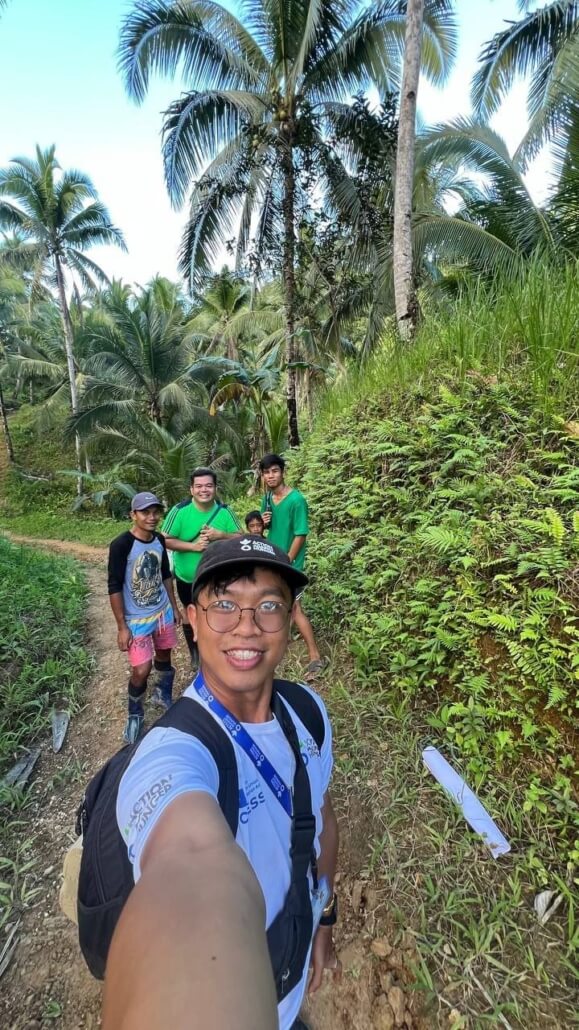
Another important part of my work is community engagement and capacity building. I conduct orientations with communities and workers before activities begin, provide technical guidance during implementation, facilitate operation and maintenance training, and support the reorientation and strengthening of Barangay Water and Sanitation Associations (BAWASAs).
While every day is different, my work generally combines field assessments, engineering and water quality activities, coordination, construction monitoring, documentation, and community engagement. This variety is something I enjoy because it allows me to apply my technical skills while working directly with communities and partners to restore and sustain essential WASH services.
What advice would you give to someone who would like to pursue a career in the humanitarian field?
My advice to someone who wants to pursue a career in the humanitarian field is to be flexible, adaptable, and genuinely willing to serve people in need. Humanitarian work is very different from a typical office-based job. You may work in remote and disaster-affected areas, face limited resources, long working hours, difficult living conditions, and situations where you need to make timely decisions under pressure.
Technical knowledge is important, but having the right attitude is equally important. Be willing to listen to communities, learn from your colleagues and partners, accept feedback, and adapt your approach based on the situation on the ground. Always remember that affected communities are not simply beneficiaries, they are partners who understand their own needs, capacities, and environment.
You should also be prepared to work beyond your usual area of expertise. In humanitarian response, teamwork and flexibility are essential, and sometimes you need to take on additional responsibilities to ensure that assistance reaches people on time.
Most importantly, always remember why you are there.
Put the needs, safety, and dignity of affected people at the center of your work. Humanitarian work can be physically and emotionally challenging, but seeing communities recover and knowing that you contributed to helping them during a difficult time makes the work deeply meaningful and fulfilling.