Humanitarians in Action: Meet Marlon
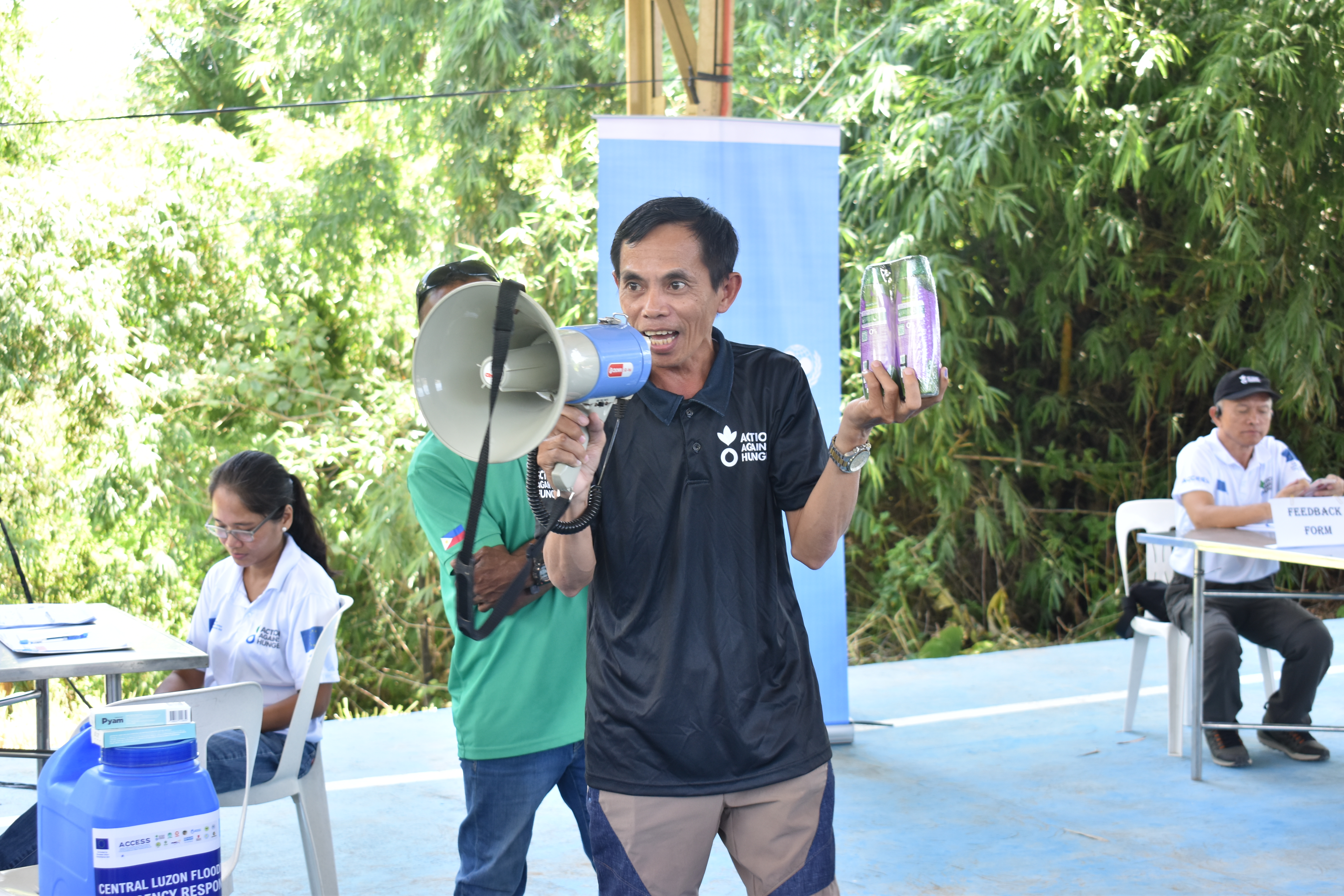
For Marlou “Marlon” Nacaytuna, humanitarian work is rooted in service, compassion, and a steadfast commitment to helping others through difficult times. Over the past 14 years in the humanitarian and development sector, he has worked alongside communities affected by crises and disasters, offering support where it is needed most.
Having spent a total of two and a half years with Action Against Hunger, now as a WASH Field Officer in our Cotabato Base, Marlon has contributed to emergency response efforts and worked closely with communities and partners on the ground. Shaped by his own experiences of hardship, he approaches his work with empathy, understanding, and a deep sense of purpose.
Guided by strong faith and personal values, Marlon remains committed to bringing hope and encouragement to people facing adversity. Whether responding to emergencies, engaging with community members, or supporting project implementation, he believes in the importance of standing alongside people in their most challenging moments and helping them navigate the path toward recovery.
Get to know Marlon and his journey as a humanitarian.
Why did you choose to become a humanitarian worker?
Bigla ko lng kini naramdaman na hindi ko nalamalayan n asa tuwing nay mga tawong sa tan aw nako nag kinahanglan sa tabang pinansiyal man kini o moral. Siguro sa pagiging releheyuso ko sa akong pagtuo sa labawong makakagagahum mao si Kristo ang Ginoo.
Nahimong passion og advocacy ko na kin isa akong kinabuhi nga magtabang sigon sa akong Makaya nga idalit sa mga tawo. Usa pod nga naaghat ako maong sa tumong kay siguro nagdako ako sa pamilya nga daghan kami og na experience ko ang subrang kalisod sa kinabuhi pero dili kini hadlang para maningkamot og dala sa pagtabang sa mga
I never realized I was being drawn toward humanitarian work. I simply found myself wanting to help whenever I met people who needed financial assistance or moral support.
My faith has greatly influenced this desire to serve others. Over the years, helping people has become both my passion and my advocacy. Having grown up in a large family and faced many hardships in life, I know what it feels like to struggle.
Those experiences did not become obstacles for me. Instead, they inspired me to work harder and help others who are going through difficult times.
Do you recall a particular moment in your career with Action Against Hunger that stuck with you?
Siguro sa sinugdanan pa sa panahon nga na deploy na ako sa layong lugar nga nalayo sa akong mahal nga pamilya dili sanay nga mawalay pero sa ngadto ngadto naanad na ako sap ag adjust og ang akong nahuna huna na lang sa matag adlaw sa akong trabaho sa field ay ang akong inspiration nga nagkaroon sa panahon nga naapil sa team para maghatag sa tabang in kind man o in cash base kin isa programa ng organisasyon mao ang Action Against Hunger.
At the start of my work with Action Against Hunger, one of the biggest challenges was being assigned far from my family. Being away from them was difficult, especially in the beginning, but I gradually adjusted to my new environment.
What helped me through that period was focusing on the impact of our work.
Each day in the field, I was reminded that I was part of a team bringing much-needed support to communities, and that became a source of inspiration and strength for me.
What did you learn from it?
Daghan kaayo akong nahibal an pag abot sa implimentasyon og paki coordinate sa mga partners sa ground og ang pagpabilin nga mahinahon og nagsunod sa patakaran sa organisasyon nga moa ang utok og lawas sa maong organisasyon para pirme og dala pirme ang polisiya nga zero tolerance sa tanang butang nga lambigit sa seguridad ma bata man og matigulang, ma babae man o lalaki, nagpabilin ang respeto.
I learned a lot about implementing projects and coordinating with partners on the ground. It also taught me the importance of staying calm, following organizational policies, and treating everyone with respect.
Upholding our zero-tolerance policy and ensuring the safety and dignity of all people, regardless of age or gender, are lessons that continue to guide me in my work every day.
What motivates you to continue being a humanitarian worker?
Ang pagiging passion og advocacy ko na kini sa pang adlaw adlaw s akong kinabuhi, nagpadayon ang akong gugma og panghinaot nga bisan sa ing ani lng nga ako isa sa instrumento nga makatabang sa mga nanginahanglan sa mg biktima sa kalamidad, kini ang kong kalipay nga nagpadayon og mapadayon pa sa kong mission sa kinabuhi nga kauban pirme og nakaambit sa kasulbaran sa mga nanginahanglan sa tabang sa mga tawo nga biktima og nakasinati sa kalisod tungod sa kalamidad.
Humanitarian work has become both my passion and my advocacy. What keeps me going is knowing that, in my own way, I can be an instrument of hope for people facing hardship and recovering from disasters.
Being able to support those in need brings me a deep sense of fulfillment and purpose. It inspires me to continue my life’s mission of serving others, standing alongside communities in difficult times, and contributing to solutions that help them move forward.
What has been your most meaningful experience as a humanitarian worker?
Sa tuwing nakikita ko ang saya og subrang saya sa mga mukha sa mga tawo nga natagaan sa tabang in kind man o cash nga nahatag sa action against hunger og not only nga si Action Against Hunger lang ang maong organisasyon nay pai mga uang pang organisasyon nga kasali sa consorsium nga mission ang pagtabang sa tawo sa kumonidad.
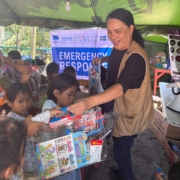
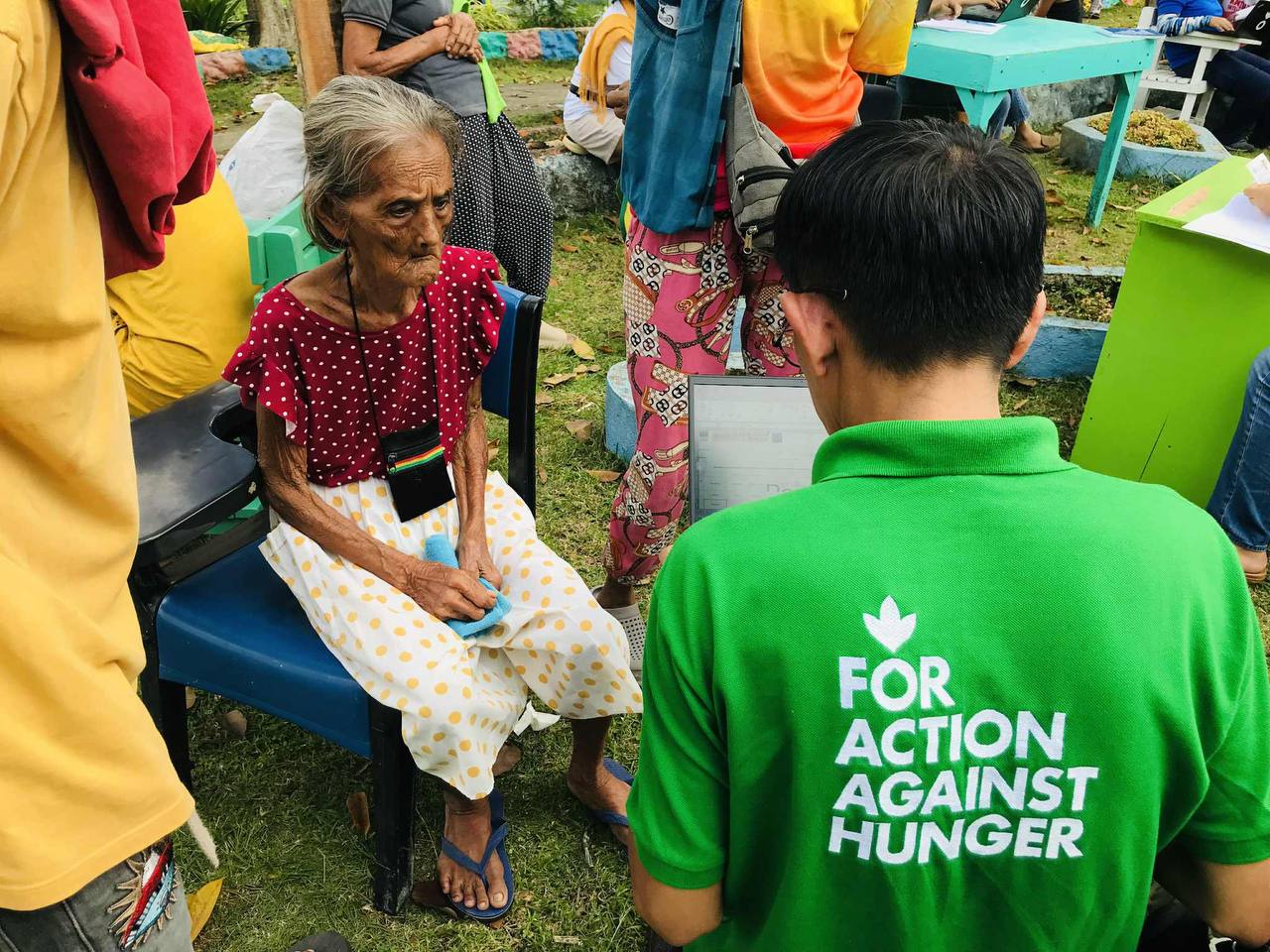
Every time I see the happiness on the faces of people who receive assistance, whether in cash or in kind, I am reminded of the purpose of our work. It is especially meaningful to know that this support is made possible through the collective efforts of Action Against Hunger and our consortium partners, all working toward the same goal of helping communities in need.
How have local communities inspired you?
Katulad ko sa tuwing nasa field work ako, dala dala ko parati ang ngiti, ang pag-asa og ang gugma nga despite sa mga pait nga karanasan dili nato wad-on ang pag asa nga luyo sa mga dag om sa kinabuhi nga naranasan dili nato limtan nga adunay kahayag og pag sa sa tanang butang nga atong naranasan.
The communities I work with inspire me to always carry a smile, hope, and love.
Despite the bitter experiences, we should not lose hope. Amidst the clouds in life, we should not forget that there is light and love in everything we experience.
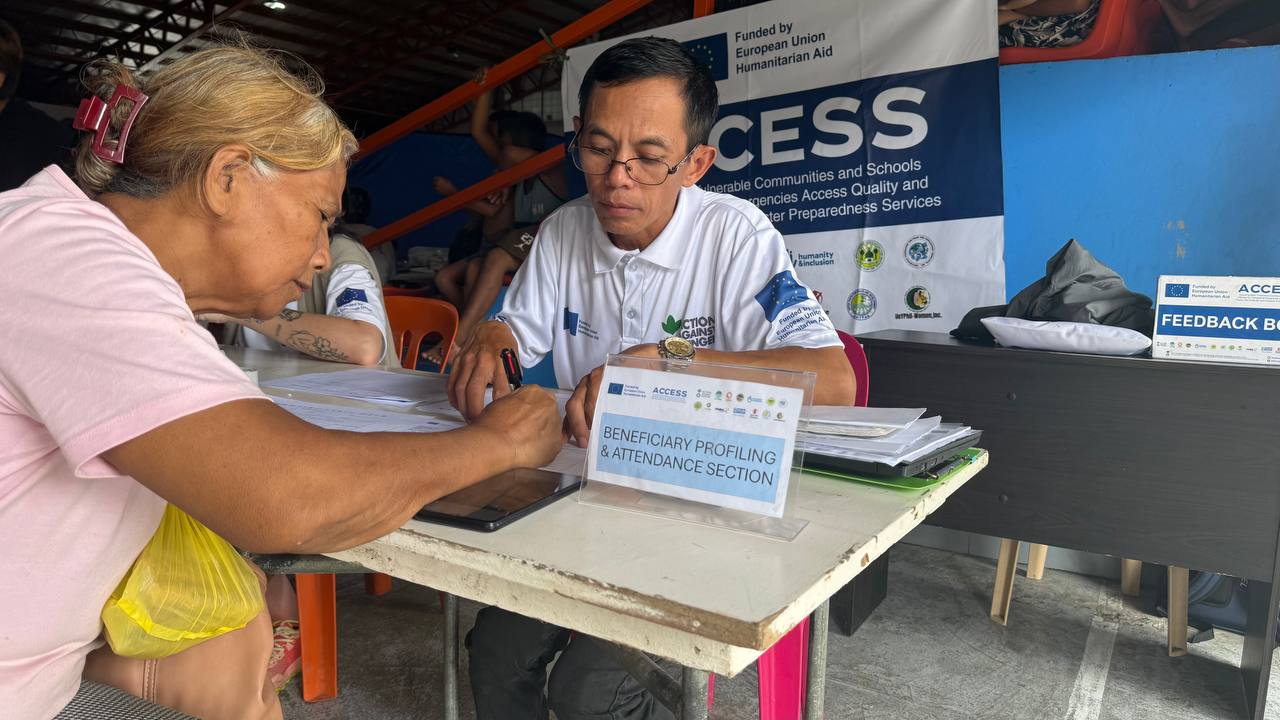
What is the best part of your job, and what is the most challenging?
Ang best part sa akong trabaho mao ang sa tuwing magkaroon na naman ng profiling sa mga magiging binipisyaryo sa proyekto.
Ang most challenging ang makita og maramdaman mo ang sakit at hinagpis sa mga tawong nabiktima ng kalamidad og ma feel mo rin kong anu ang naramdaman nila sa tuwing mag interview ka sa kanila.
The best part of my job is meeting and profiling potential beneficiaries for our projects. It gives me the chance to interact with communities, understand their situations, and be part of the process of connecting them to much-needed support.
The most challenging part is seeing and feeling the struggles of people who have been affected by disasters. Every interview is a reminder of the hardships they have faced, and it is impossible not to be moved by their experiences.

What is a typical day at work like for you?
Siguro ang pagiging parating involved at konektado lalo na sa mga target areas at s amga partners na meron tayo sa ground. At sa pigging responsibly base sa job description na nakapatung sa balikat ko.
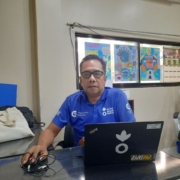
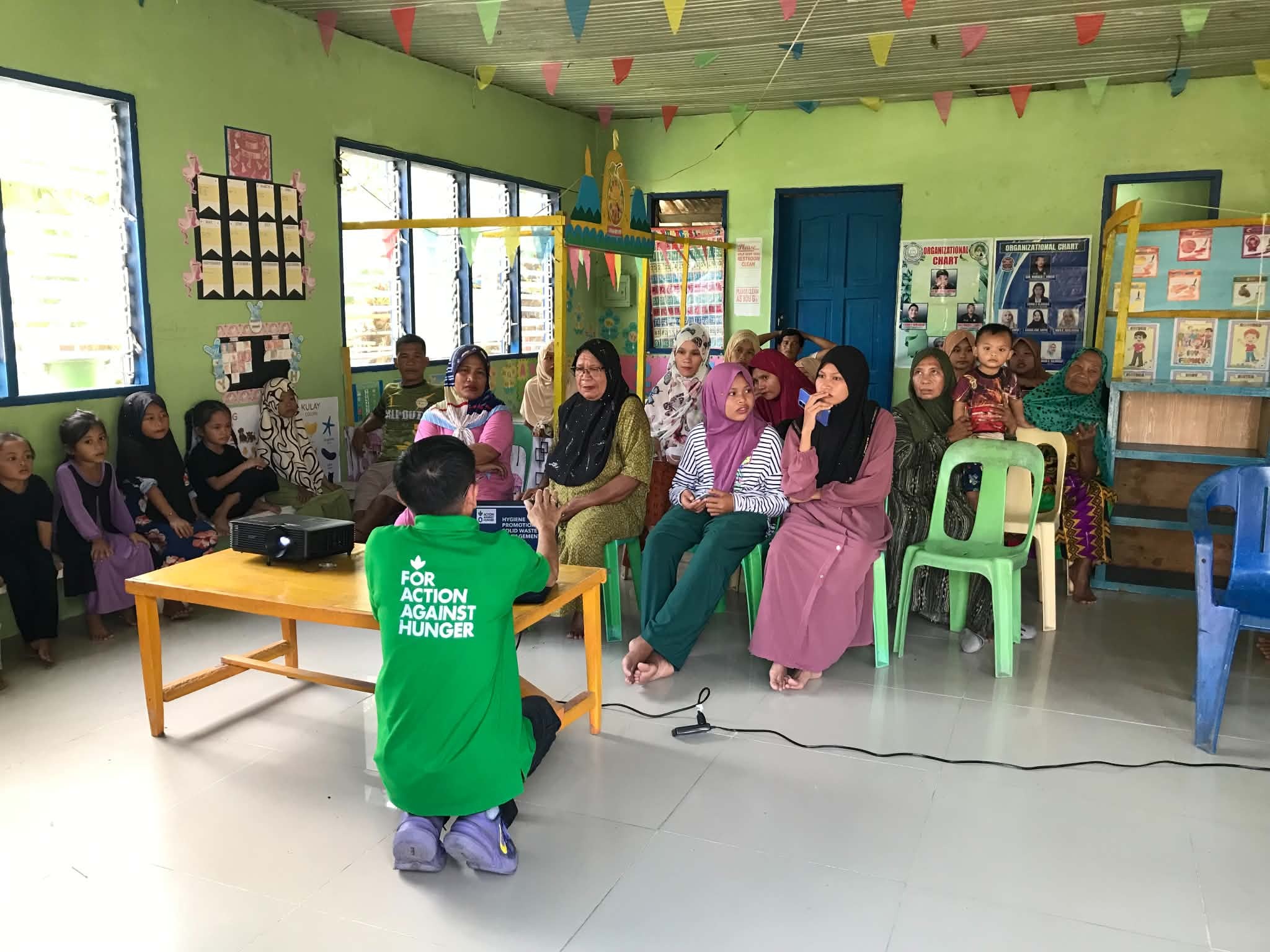
A typical day at work involves staying closely connected with our target communities and collaborating with partners on the ground. I spend much of my time supporting field activities and ensuring that my responsibilities are carried out effectively.
What advice would you give to someone who would like to pursue a career in the humanitarian field?
Ang isa sa magiging motivation ay ang salitang “ Gibilin nako ang akong kasingkasing sa kumonidad nga dala ko ang pag asa og tabang sa ilang immediate nga need. Ganyan din dapat gawin nila.
One of the motivations I carry with me is the phrase: “I left my heart in the community, bringing hope and help for their immediate needs.” This is the same mindset I would encourage others to adopt.