El Niño in the Philippines:
Monitoring Impacts and Emerging Needs
Across parts of the Philippines, communities are experiencing less rain and more heat, declining water levels and growing pressure on farms and livelihoods. Action Against Hunger is monitoring these changes in areas where we work to understand how conditions are affecting communities and where early action may be needed.
Water is one of the first signs of an intensified dry season. When rivers, wells and handpumps begin to run lower, households may have to travel farther, spend more to buy drinking water, or find other ways to meet their daily needs. For farmers and fisherfolk, less water can also delay planting, drying crops and decreasing catches. Over time, these changes can affect how families earn an income and put pressure on the food they are able to put on the table.
This is why the current El Niño situation matters.
El Niño is a climate pattern that can bring less rainfall and hotter-than-normal temperatures to parts of the Philippines. While its effects vary from one area to another, prolonged periods of heat and below-normal rainfall can increase the risk of dry conditions, affecting water supplies, agriculture, livelihoods, food security and health.
The Philippines is currently experiencing strong to very strong El Niño conditions, following the end of La Niña in March 2026. According to the Department of Science and Technology’s Philippine Atmospheric, Geophysical and Astronomical Services Administration (DOST-PAGASA), the country’s weather and climate agency, El Niño may become stronger toward the end of 2026 and is expected to continue through the first half of 2027.
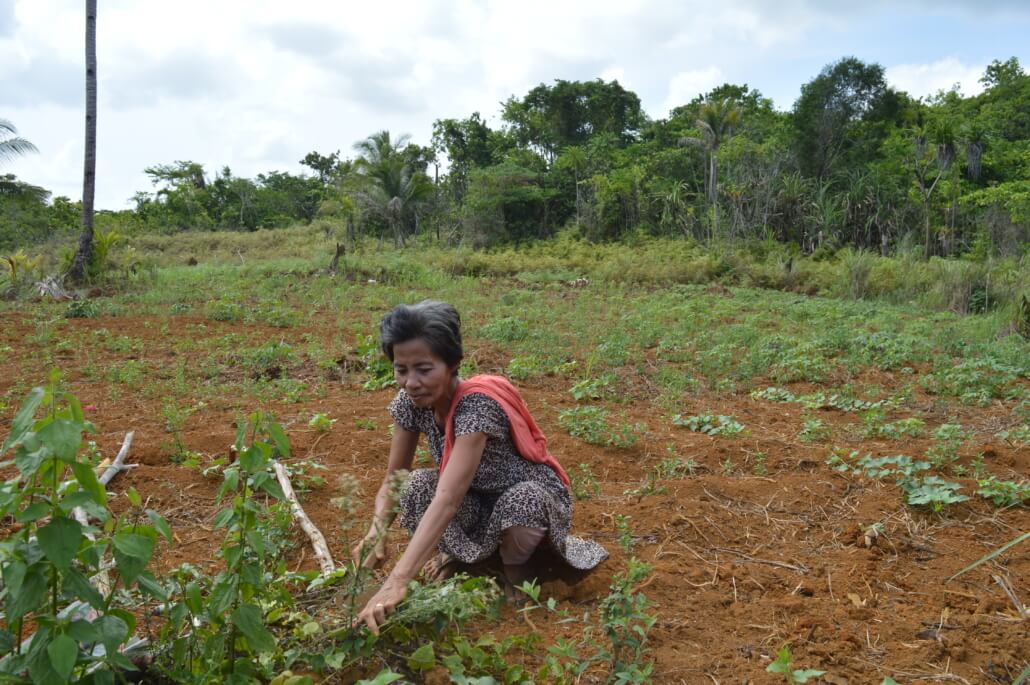
In photo: One of the JOFFAI farmers of San Isidro in Siargao harvests chili peppers, one of the few crops that overcame the heat and water stress. (Photo by Ana Nico Clement for Action Against Hunger)
As of October, several monitored areas of Action Against Hunger continue to experience below-normal rainfall. According to DOST-PAGASA’s September 2026 assessment released on 9 October, monitored areas in Maguindanao del Norte, Maguindanao del Sur, Surigao del Norte and Zamboanga del Sur recorded only 51–100 millimetres of rainfall, equivalent to 41–80% of normal rainfall levels for the period. Temperatures were also above normal, with 1.01–2.00°C warmer-than-normal conditions recorded in Surigao del Norte and Zamboanga City.
According to the latest DOST-PAGASA dry spell and drought assessment issued on 30 September 2026, all monitored areas are now classified under dry conditions. Dry conditions are forecast to re-emerge in Maguindanao del Norte, Maguindanao del Sur and Surigao del Norte by December 2026, potentially worsening to dry spell conditions in January 2027 and drought in February 2027. In Zamboanga, conditions are expected to deteriorate earlier, with dry spell conditions forecast from October to November 2026 and drought projected from December 2026 to March 2027.
As of 15 October 2026, 218 local government units nationwide had declared a State of Calamity due to El Niño, the majority of them located in the Bangsamoro Autonomous Region in Muslim Mindanao (BARMM).
What are communities experiencing?
Action Against Hunger has been monitoring the situation through field observations, community interviews and consultations with local government units in selected areas of the Bangsamoro Autonomous Region in Muslim Mindanao (BARMM), Siargao Island and Zamboanga City. The monitoring looks at changes in water availability, agriculture and livelihoods, food security, nutrition and health, as well as other emerging risks.
Water sources are declining
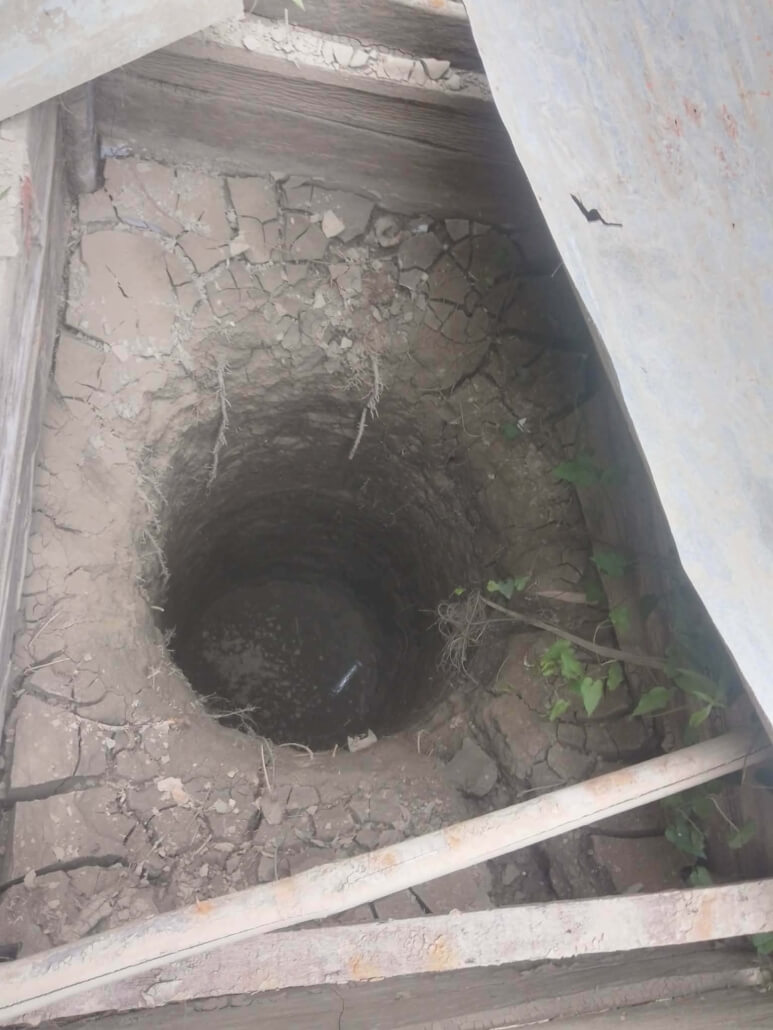
In several communities in BARMM, water levels in rivers, wells and handpumps are already declining.
In Pagalungan and Datu Montawal, communities report declining water availability, reduced domestic water supply, lower well production and visibly reduced volumes in local water sources. Households have been advised to conserve water and many are increasingly relying on water purchased from refilling stations, while some continue to depend on deep wells and water-sharing arrangements with neighbours.
The situation is also being observed in Siargao. In contrast, water conditions remain generally stable across the monitored municipalities of General Luna, San Isidro and Burgos in Siargao. Approximately 95–100% of water sources remain functional, supported by communal systems, springs, deep wells and Level III water supply systems. Occasional rainfall has helped maintain water availability despite generally dry conditions
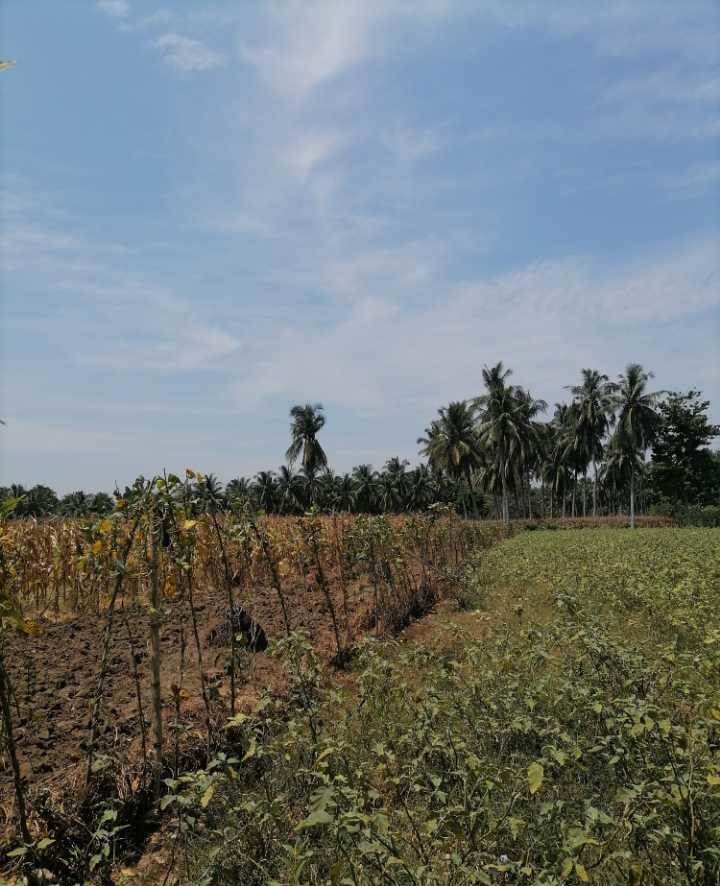
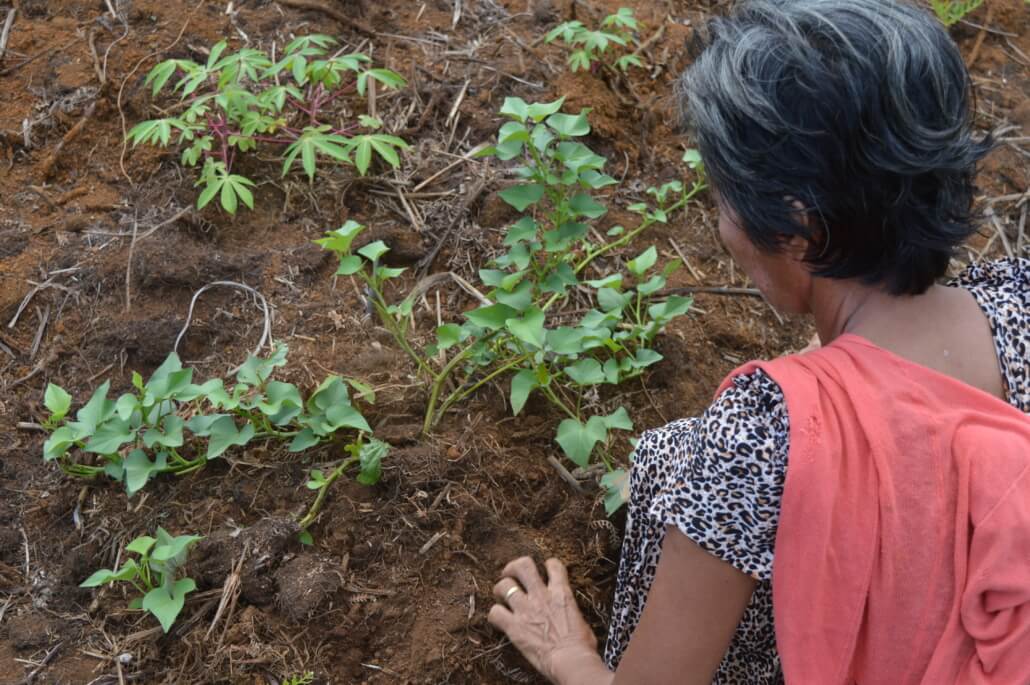
“Our biggest problem here is the water source. We do not have a proper source, just a rainwater catcher.
Without rain, during drought season, it is very hard for us to get any water for our plants. Normally, the rain has already begun by now, but it’s been two months already.”
Joy said this El Niño has been particularly difficult for the farmers. While they have experienced El Niño before, she described the current conditions as the hardest they have felt so far, with extreme heat and little rain making it difficult to keep crops alive.
In Zamboanga City, water supply remains relatively stable for now, but local authorities anticipate that conditions could worsen if limited rainfall continues. Water shortages are already being experienced in parts of Kasanyangan and Rio Hondo, where some households are purchasing water by the gallon.
Farms and livelihoods are feeling the pressure
Decreasing water supply is already affecting agricultural production.
In Pagalungan and Datu Montawal, reduced water availability continues to affect agricultural production, resulting in lower yields and damage to agricultural land. In Datu Montawal, crop yields reportedly declined from 32.69 metric tons per hectare (mt/ha) to 23.49 mt/ha, with 14.5 hectares totally damaged and 135.9 hectares partially damaged.
In the Special Geographic Areas, thousands of hectares could potentially be affected if dry conditions persist. Farmers in several other monitored areas have reported drying and cracking soils and crops showing signs of heat and water stress.
In Zamboanga City, the Office of the City Agriculturist reported crop damage and production losses amounting to approximately ₱1.02 million, particularly among rice farmers.
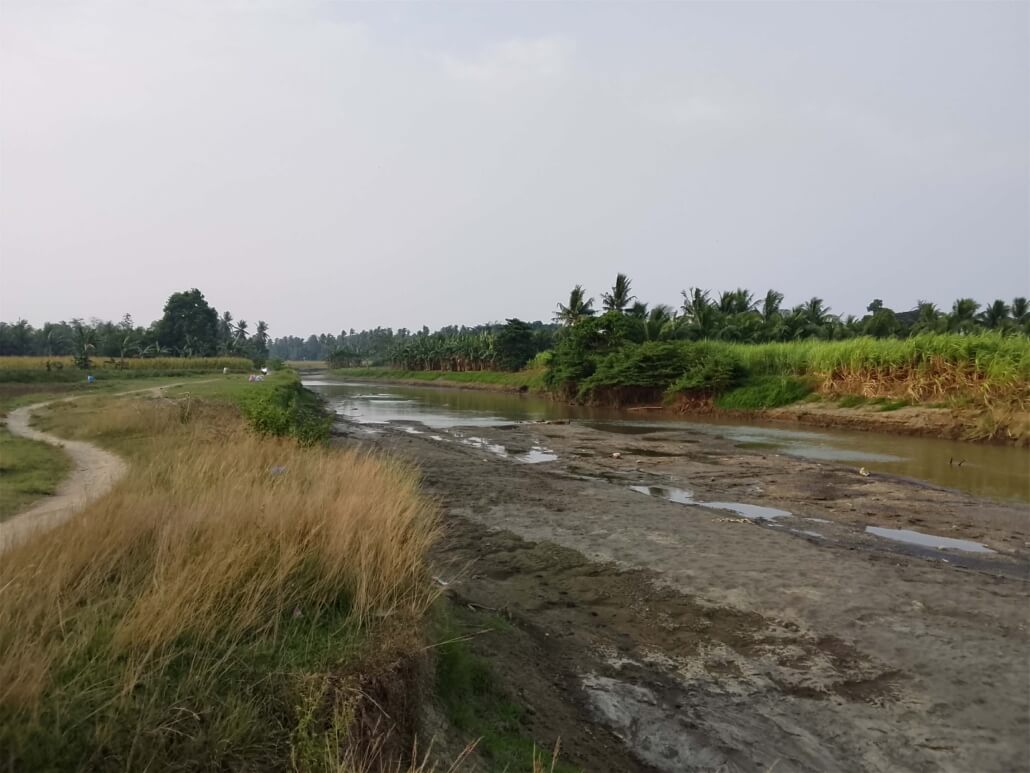
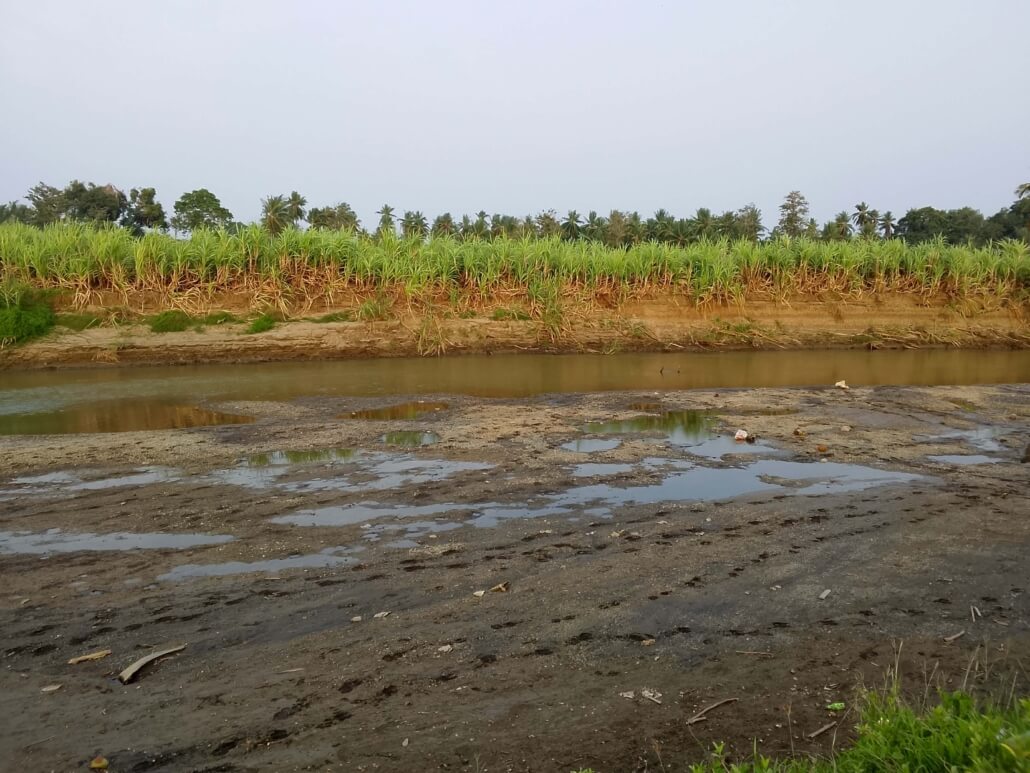
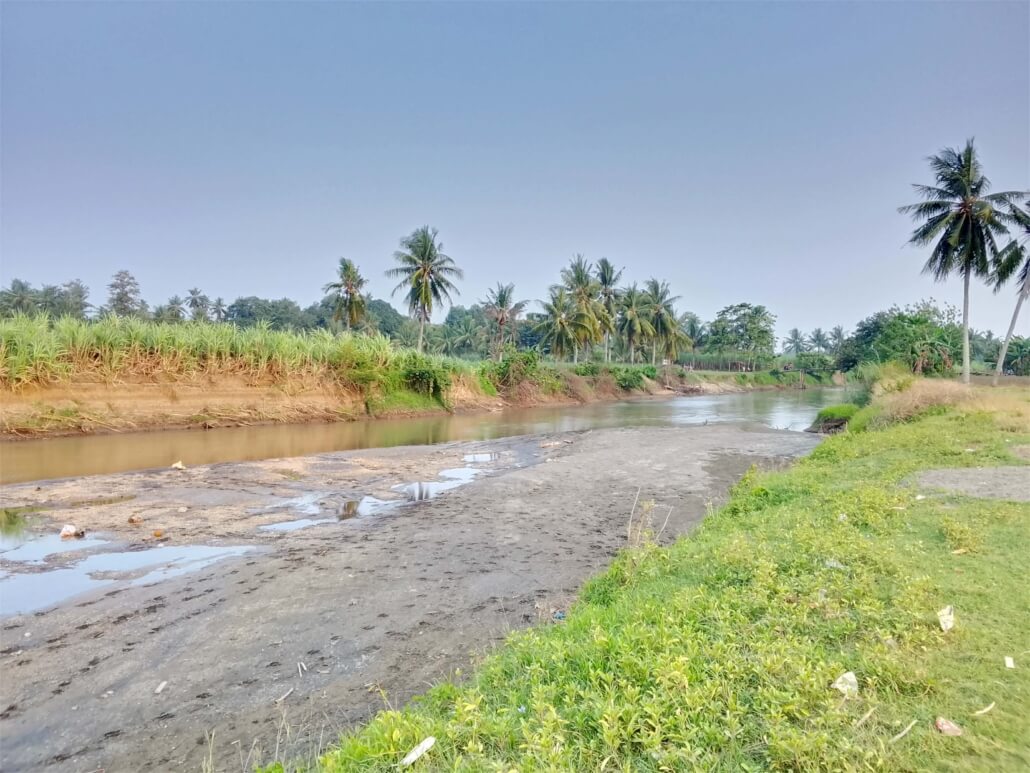
In photo: The river’s water level has receded significantly, exposing the riverbed to the extent that an individual can stand in the middle of the channel. (Photo source: Maresa Batua; and Datoal Mangadad)
The effects are not limited to farming. Lower water levels are affecting fishing areas, with communities reporting declining catches and income. Some farmers and fisherfolk have started looking for alternative sources of income, including transport, domestic work and construction.
While the local government units of General Luna, San Isidro, and Burgos in Siargao have not reported significant drought-related impacts on agriculture or livelihoods on a broader scale, some farmers have indicated that the prevailing weather conditions are already affecting crop productivity and harvest outcomes.
For Joy and the other members of her farmers and fisherfolk association in Siargao, the lack of water has already changed what they are able to plant. The group is shifting towards crops that can better tolerate the heat, including cassava, sweet potato and sago, while continuing to look for ways to adapt their farming practices.
But adapting crops does not remove the financial pressure created by a poor harvest. Joy said many members depend on farming for their income, including her own, which has seen its lifestyle shift as a consequence of fewer returns.
Food and health concerns are emerging
When agricultural production and fishing are affected, the impact can eventually reach household food security.
In some monitored communities, families report eating two meals a day instead of three, choosing less expensive food, or borrowing or receiving food from other households. Basic commodity prices in monitored areas of Maguindanao and the Special Geographic Areas have also increased by approximately 1–2% in Pagalungan, driven by fuel price increases, reduced agricultural production and lower fish catches.
In parts of Kasanyangan and Rio Hondo in Zamboanga City, households reported shifting to cheaper food options, borrowing food, or purchasing food on credit. Some parents reported reducing their own food consumption to prioritise meals for children.
The effects of reduced income are already being felt by some farming families in Siargao. For Joy, the lack of income from the farm means her household has had to stretch its food budget further.
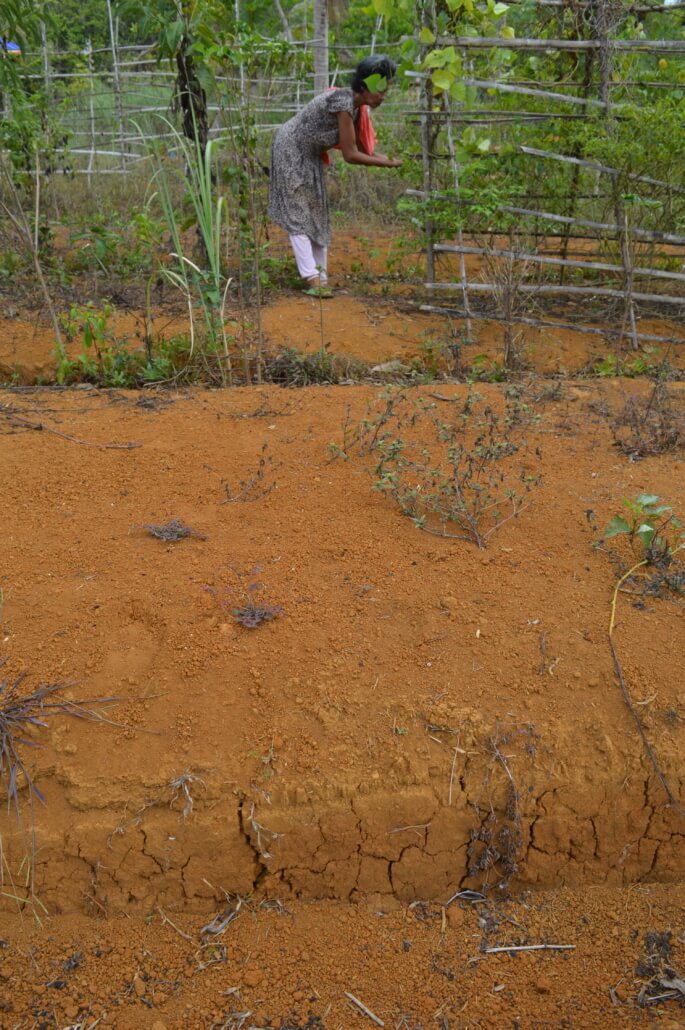
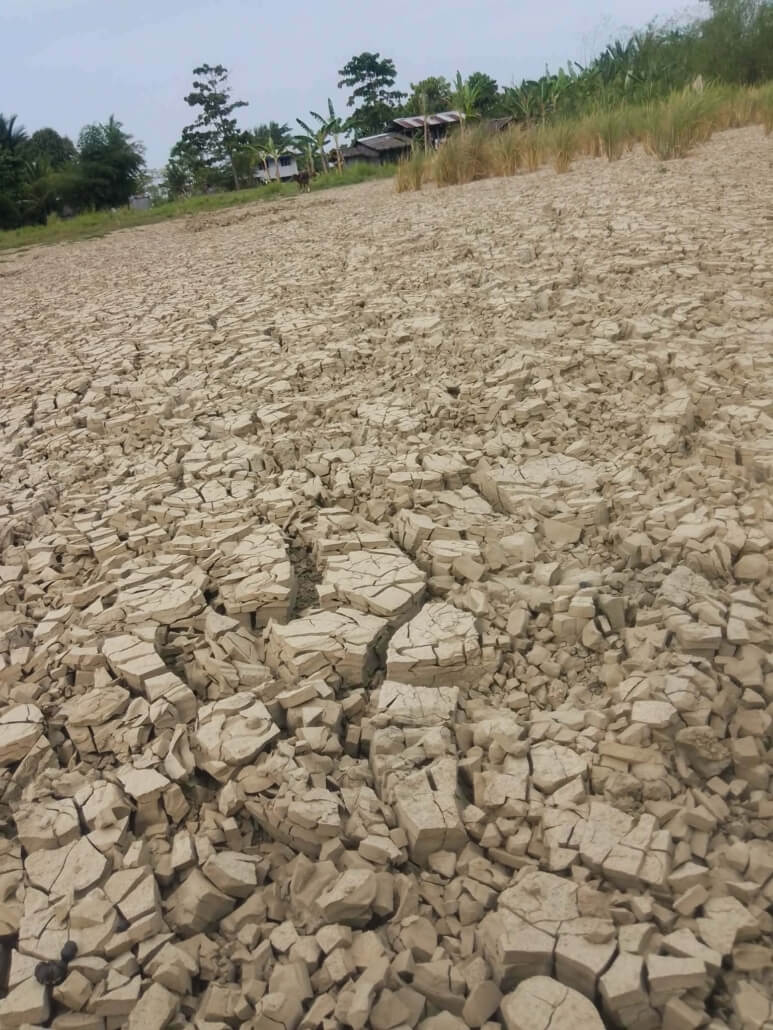
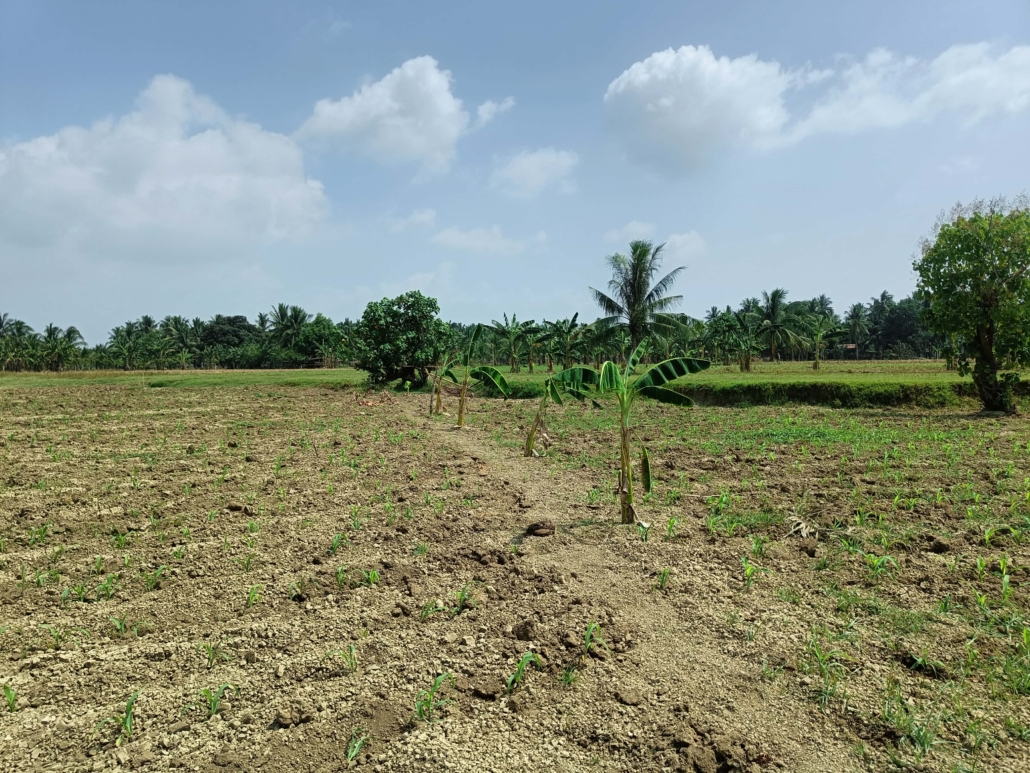
In photo: The agricultural land appears dry with pronounced deep cracks running across the soil surface. The ground is compacted, dusty, and lacks visible moisture, indicating a prolonged period of drought and a significant reduction in its water-retention capacity, which may adversely affect crop growth and agricultural productivity. (Photo by Ana Nico Clement for Action Against Hunger)
“We are stretching our budget like rubber. Before, we could eat canned sardines but now, we can only afford shrimp paste.”
For households that depend on farming for both food and income, a poor harvest can therefore affect not only what families earn, but also what they are able to eat.
Health risks are also being monitored. Health impacts associated with prolonged dry and hot conditions remain limited across most monitored areas.
Communities in Datu Montawal and Pagalungan reported cases of heat stroke and common colds, while communities in General Luna reported acute respiratory infections, diarrhoea and occasional heat-related illnesses, although no unusual increase was observed. In Zamboanga City, no major El Niño-related health impacts have been reported to date, and dengue cases have declined according to local health authorities.
No increase in acute malnutrition has been reported across monitored locations so far, although Action Against Hunger continues to monitor nutrition outcomes in communities where reduced meal frequency and changes in food consumption have been observed.
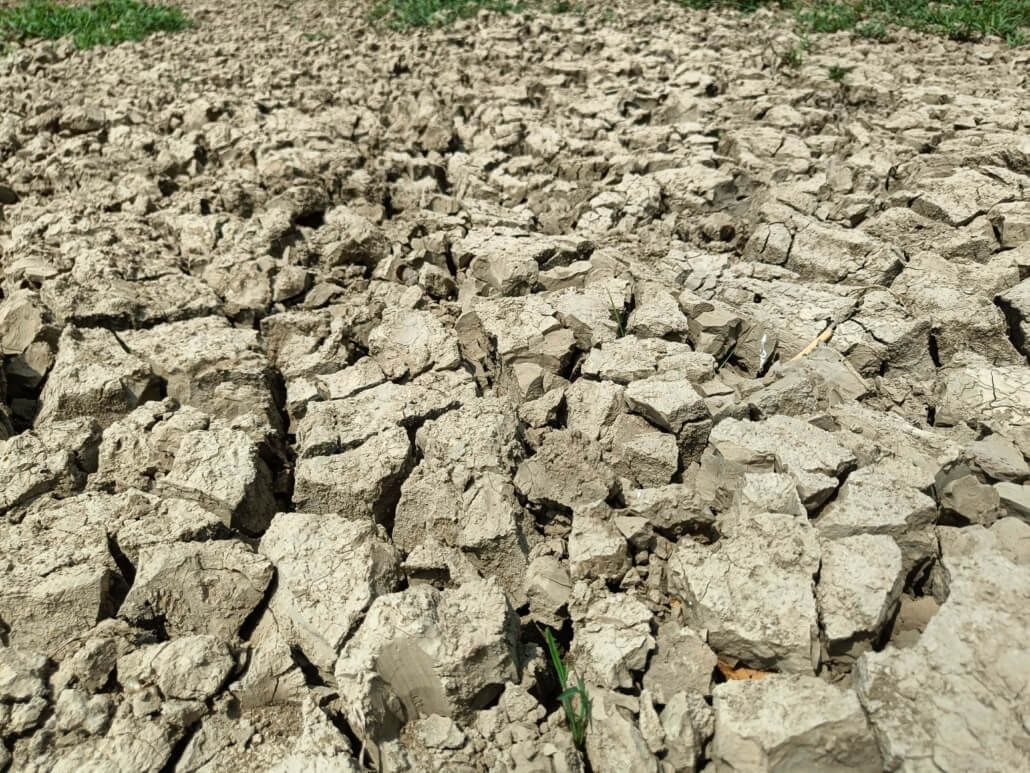
In photo: In Baranggay Dungguan, Datu Montawal, the farmland’s topsoil is almost dried up, with extensive surface cracking indicative of prolonged moisture deficiency; existing crops are exhibiting visible signs of water stress, including wilting and drying, with an increased risk of reduced yields or crop failure if dry conditions persist; water volume visibly decreasing, and showing siltation; and the continued lack of soil moisture is likely to adversely affect agricultural productivity and the livelihoods of farming households. (Photo by Norhan Masdal for Action Against Hunger)
Why monitoring matters
The situation is still developing. For Action Against Hunger, monitoring helps provide a clearer picture of how changing weather conditions are affecting people at community level, while identifying where needs may be emerging.
Teams are continuing to track water availability, rainfall, agricultural production, livelihoods, food security and health across monitored areas. This information is being gathered through field observations, community discussions and coordination with local government units and other stakeholders.
The findings can also help identify when early action may be needed. For example, continued declines in water sources, increasing agricultural losses, or households adopting more severe coping strategies may indicate a need to strengthen support or activate anticipatory action and rapid response measures.
For now, the focus is on understanding the situation, strengthening preparedness and staying connected with the communities and local authorities who are seeing these changes firsthand.
Action Against Hunger will continue monitoring the El Niño situation and updating its assessment as conditions evolve.
Our latest report provides a more detailed look at the situation in monitored areas, including findings on water availability, agriculture and livelihoods, food security, nutrition and health, emerging needs, and recommended next steps.
This article is based on Action Against Hunger Philippines’ El Niño Impact Monitoring Report as of 16 October 2026, together with information from DOST-PAGASA and local government units and disaster risk reduction offices. The situation is evolving and the monitoring report will be updated regularly.
