Clean water, caring hands: Two women working for children’s health in Mindanao
In the quiet mornings of Barangay Adaon in the Municipality of Datu Anggal Midtimbang, life begins before sunrise. For many parents in the community, every day begins with the same hope: that their children will grow up healthy, strong, and able to pursue brighter futures.
For Alima “Lengs” Zacaria, a 36-year-old mother of three, that hope shapes every part of her day.
But in the Rural Health Unit (RHU) located in their community, another woman begins her day with the same purpose. Sujahani “Sujan” Amander, a 41-year-old nurse serving the municipality, spends her days ensuring families like Lengs’ can access the health services they need.
Together—one as a parent, the other as a health worker—they are part of a quiet but powerful effort to protect children’s health in their community.
A family’s daily routine
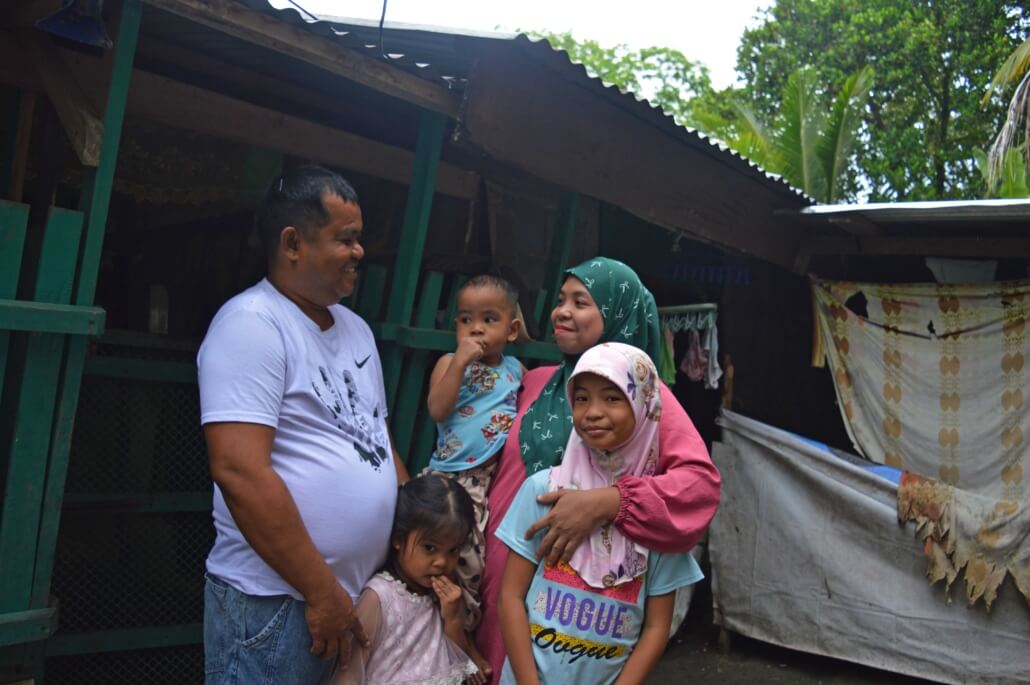
Image 2. In photo: The Zacaria family from, left to right, outside their home in Barangay Adaon, Datu Anggal Midtimbang: Azmi, Radzia (4), Rajib (3), Alima “Lengs” (36), and Rayhana (9) | Photo by Joyce Sandajan for Action Against Hunger, 2026
At 4:30 in the morning, Lengs’ husband, Azmi, quietly leaves the house to attend the first Salah prayer at the mosque. By the time he returns around five o’clock, he begins preparing breakfast for the family. Azmi wakes Lengs and the children. Soon their small home fills with the sounds of spoons clinking against plates and children preparing for school.
Their days begin early—and rarely slow down.
After breakfast, Azmi heads to the farm to work while Lengs takes her children to their classes. After this, she opens the small printing and lamination shop she runs from their house. Some days, business is slow, and she earns around 300 to 400 pesos.
When schools have many requirements, however, customers come steadily, and she can earn as much as 1,000 pesos. Between assisting customers and managing household tasks, her morning passes quickly. Later in the day, she tutors some neighborhood children, patiently teaching them how to read and write and helping them learn basic subjects like colors and math.
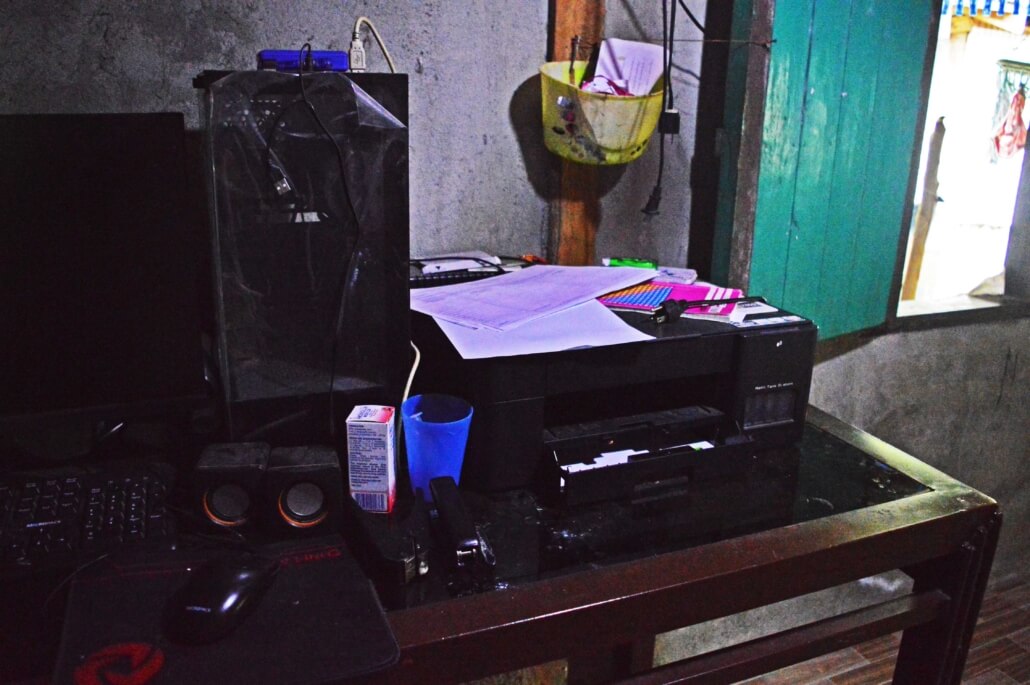
Image 3. In photo: Leng’s workstation at home, which consists of a computer, a printer, and a laminating machine for the printing services she provides. | Photo by Joyce Sandajan for Action Against Hunger, 2026
By noon, Azmi finishes his farm work and immediately begins another job—driving a payong-payong, a small local transport like a tricycle—looking for passengers around the neighborhood to earn extra income for the family.
From early morning prayers to late afternoon tutoring sessions, the couple spends nearly the entire day working to support their family, balancing farm labor, transport services, a small business, childcare, and education.
Despite the long hours and responsibilities, Lengs says her efforts give her a sense of fulfillment.
“Nararamdaman ko naman yung hirap kasi minsan nakakapagod mag-alaga ng bata tapos nagtuturo pa ako. Pero sa kabila ng lahat ng pagod, nagiging masaya rin ako kasi pag nakikita ko yung pinaghirapan kong kita, nabibili ko yung mga gusto kong bilhin para sa mga anak ko na hindi na rin ako humihingi sa asawa ko (I do feel the exhaustion sometimes because caring for children and teaching can be tiring. But despite the fatigue, I feel happy when I see the income I worked hard for, and I can buy things my children need without asking my husband,” Lengs shared
A parent’s sacrifice
Years earlier, Lengs made a difficult decision that many parents in her community understand all too well. When her first child was only nine months old, she left home to work overseas in Saudi Arabia. She spent six years abroad, saving money to support her family and build a more stable future.
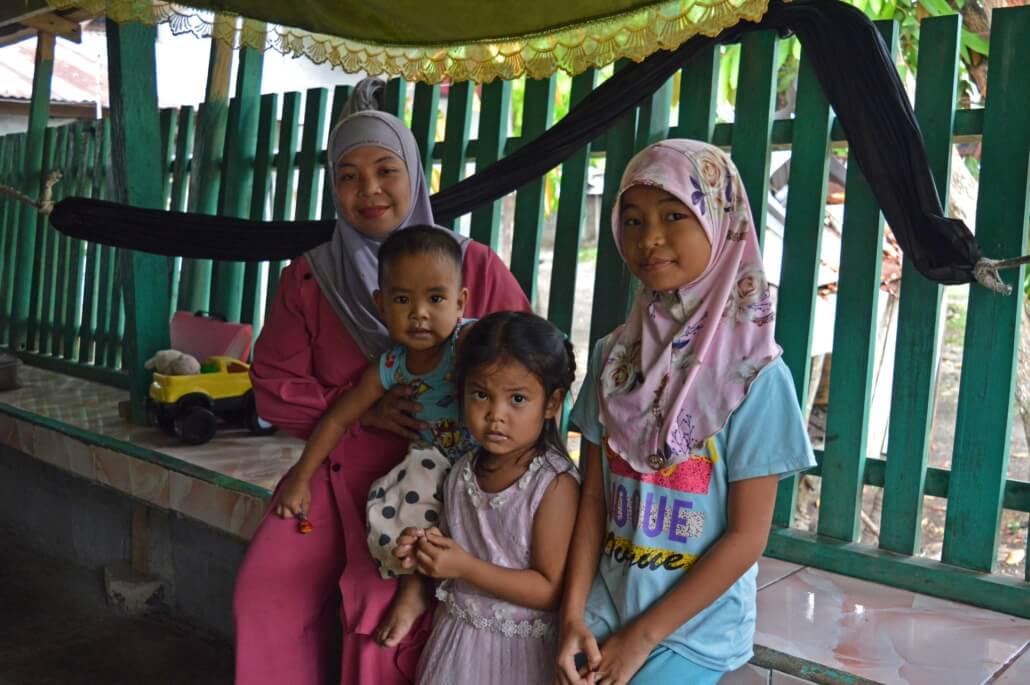
Image 4. In photo: Lengs with her children inside their home. | Photo by Joyce Sandajan for Action Against Hunger, 2026
“Sobrang sakit kasi pag malayo ka sa pamilya mo parang araw-araw gusto mo silang makita kahit picture lang (It is very painful when you are far from your family. Every day you want to see them, even if only through pictures),” Lengs recalls.
Now her focus is raising them, guiding them in their studies, and helping them pursue their dreams.
Lengs hopes: “Ang pangarap ko lang naman sa kanila ay yung makapagtapos silang lahat mag-aral kasi ‘yun lang talaga ‘yung pamana na hindi talaga mananakaw sa kanila. Tapos, sana maging malusog sila, hindi magkakasakit at lumaki silang maging mabuting tao.”
“My dream for them is that they all finish their education, because that is the one inheritance that can never truly be taken away from them. And I hope they grow up healthy, free from illness, and become good people.”
Sujan’s sacrifice takes a similar form.
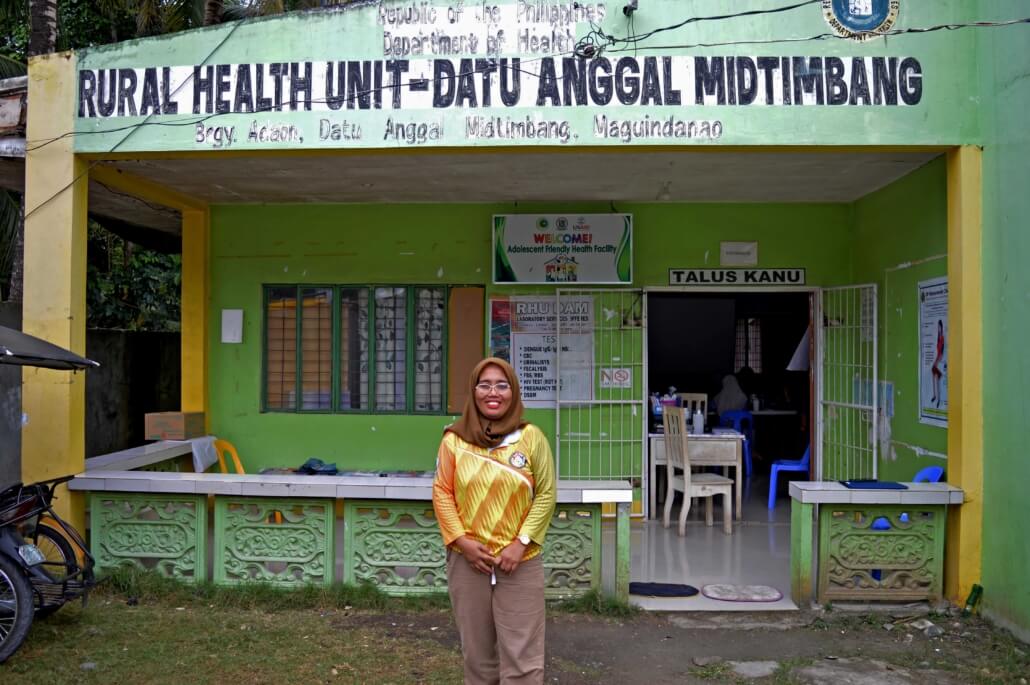
Image 5. In photo: Sujan stands outside the rural health unit of Datu Anggal Midtimbang. | Photo by Joyce Sandajan for Action Against Hunger, 2026
As a nurse serving the RHU, her days begin early and often end late. The work requires traveling long distances, responding to community needs, and spending long hours in barangays conducting consultations and health education.
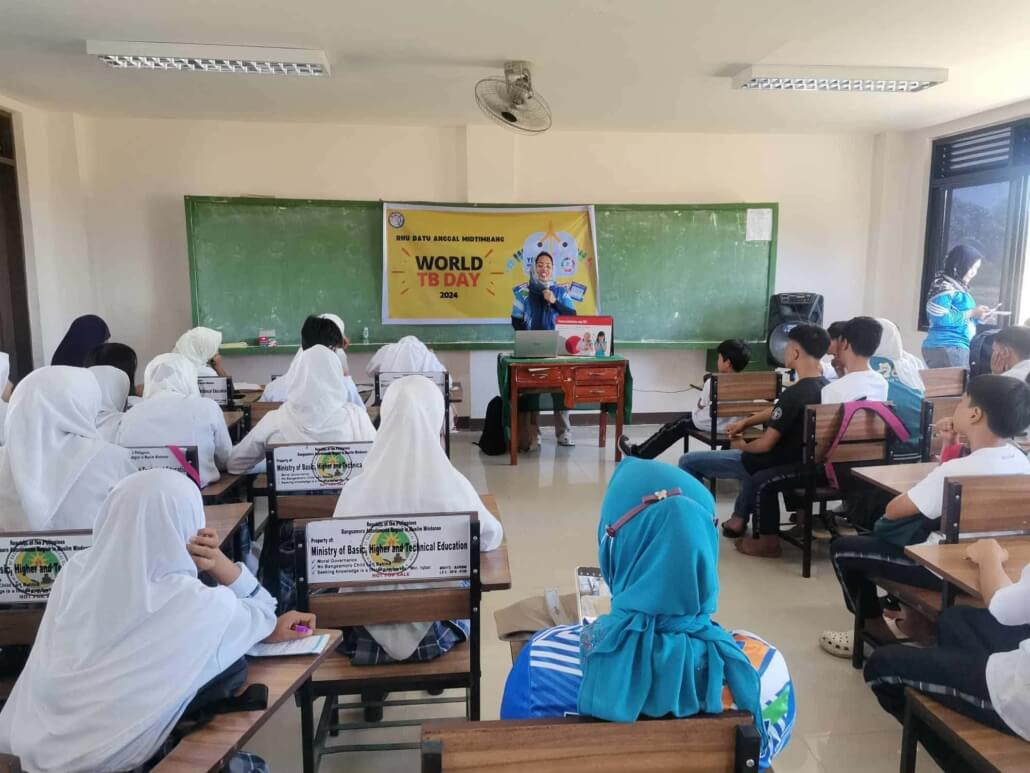
Image 6. In photo: In a classroom, Sujan speaks in front of students as she conducts a health awareness session for World Tuberculosis Day. | Photo courtesy of RHU Datu Anggal Midtimbang / Sujan Amander
Like many parents working in public service, balancing work and family life is not always easy.
Sometimes, the demands of her work mean missing important moments with her children.
“Minsan hindi ko na nasasabayan kumain ang mga anak ko, basta may pagkain na sila sa bahay (Sometimes I cannot even eat breakfast with my children anymore, as long as I know they already have food prepared at home),” she shares. There are also school activities she cannot attend because of scheduled visits to communities.
“May mga events sila sa school na hindi ko naa-attendan kasi may schedule kami sa barangay. Yun ang isa sa mga sakripisyo ng trabaho ko. (There are school events I cannot attend because we have schedules in the barangays. That is one of the sacrifices of this job.”
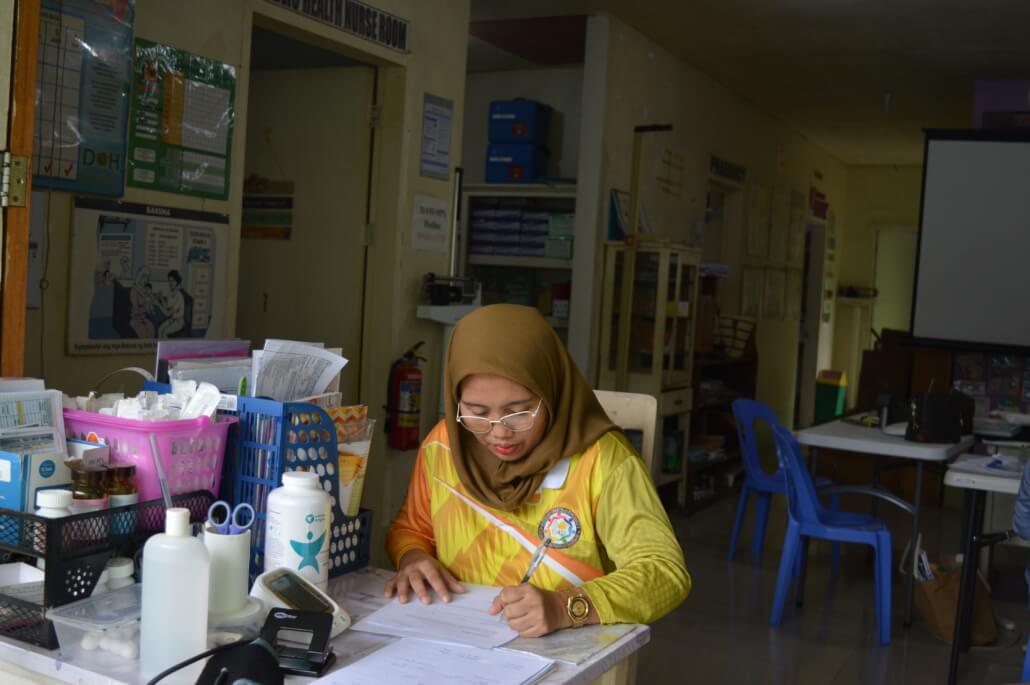
Image 7. In photo: Sujan at the receiving desk of the rural health unit of Datu Anggal Midtimbang, preparing documents for her work day ahead. | Photo by Joyce Sandajan for Action Against Hunger, 2026
Yet despite the challenges, Sujan continues her work with dedication—knowing that the care she provides helps protect the health of many families in the community.
Seeking care at the Rural Health Unit
Ensuring her children remain healthy is one of Leng’s biggest priorities. With that, the rural health unit has become an important part of her family’s life.
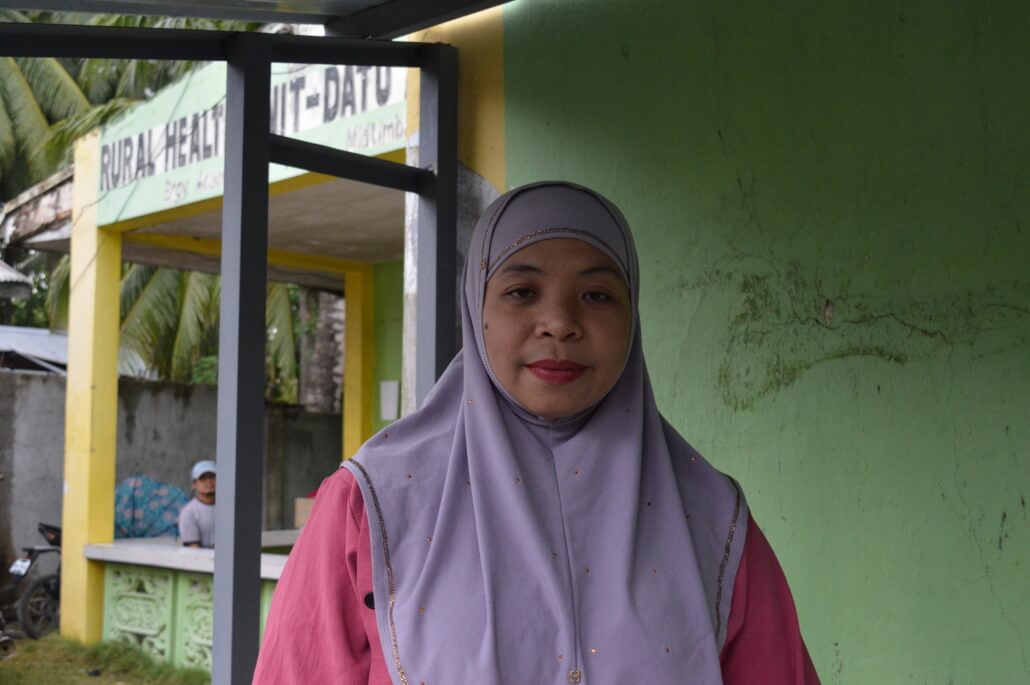
Image 8. In photo: Lengs at the rural health unit of Datu Anggal Midtimbang. | Photo by Joyce Sandajan for Action Against Hunger, 2026
“Simula po sa panganay ko, lahat sila napacheck-up at napabakunahan ko sa RHU. Kahit noong buntis ako, lagi ako pumupunta doon para sa check-up,” shares Lengs.
“From my first child until now, all of them have been checked and vaccinated at the RHU. Even when I was pregnant, I regularly went there for check-ups.”
The health unit is not close to their barangay. Lengs estimates it is a thirty-minute walk to reach the RHU from her sitio. While she is able to drive a small motorbike to get there, many parents in the community make the journey on foot. Even for her family, the cost of fuel adds another expense they must carefully consider whenever they need to travel for health services.
Still, for Lengs and many other parents in the community, the health center remains the most accessible place to seek care when their children fall ill.
“Kapag nagkakasakit yung mga anak ko, dito agad kami pumupunta. Mabilis ang tulong nila at libre pa yung gamot (When my children get sick, we go there immediately. Their help is fast, and the medicines are free),” she says.
She remembers a moment when one of her children developed severe allergies.
“Nagpantal yung anak ko at namaga yung tenga niya. Agad-agad pumunta ako sa RHU. Sobrang bilis nilang tumulong at may gamot agad para mawala yung allergy (“My child developed rashes and his ears became swollen. I rushed to the RHU. They helped immediately and gave medicine to treat the allergy), Lengs recalls.
Health workers are going the extra mile.
While some parents travel distances to seek care, Sujan—being a nurse and nutrition focal person at the RHU—travels every day to make sure those services remain within reach for families who might otherwise struggle to access them.
Sujan lives in the neighboring municipality of Datu Odin Sinsuat, which means commuting daily to the RHU. The journey costs her around 300 pesos each day—a significant amount for a public health worker. “Gumigising ako ng 5:30 ng umaga kasi kailangan kong humabol sa van papunta sa trabaho (I wake up at 5:30 in the morning because I need to catch transportation going to work),” she mentions.
Still, she makes the trip without hesitation. The expense and long commute are simply part of her commitment to the communities she serves.
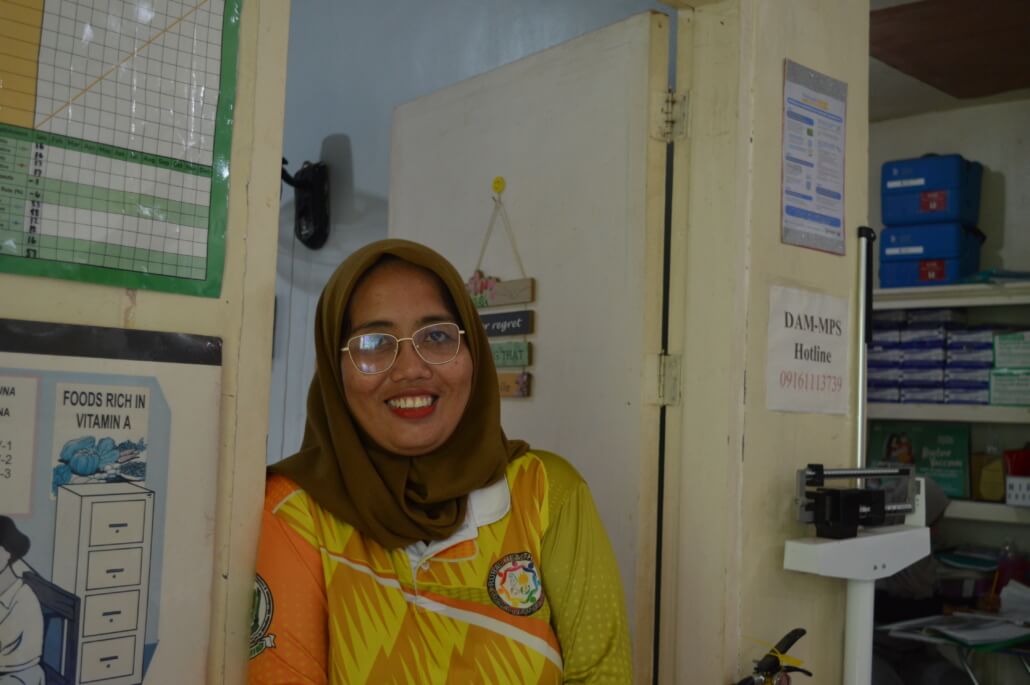
Image 9. In photo: Sujan stands outside the public health nurse room of the RHU of Datu Anggal Midtimbang. | Photo by Joyce Sandajan for Action Against Hunger, 2026
Earlier in her career, she worked in a hospital, where patients who received a prescription could usually obtain their medicines immediately. But in rural communities like Barangay Adaon, the reality is often different.
“Sa hospital kasi pag nagbigay ka ng reseta alam mong makukuha agad ng pasyente ang gamot. Dito sa community iba. Kahit sabihin mong dalhin na sa hospital, minsan sasabihin nila wala silang pera,” Sujan explains.
“In the hospital, when you give a prescription, you know the patient can get the medicine right away. Here in the community, it’s different. Even if you advise them to go to the hospital, sometimes they say they do not have money.”
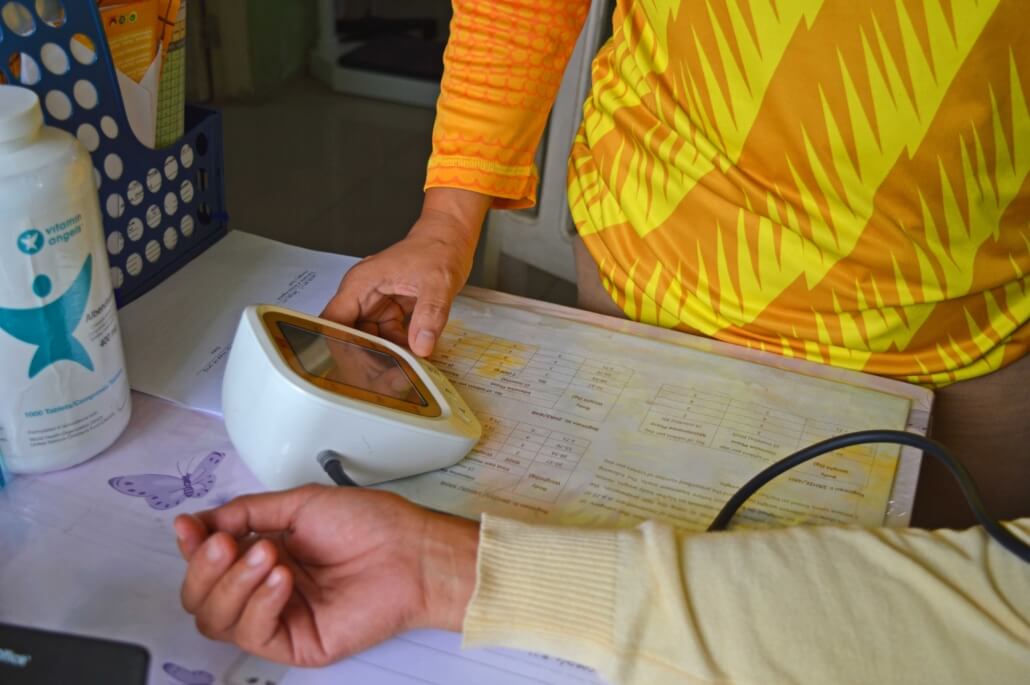
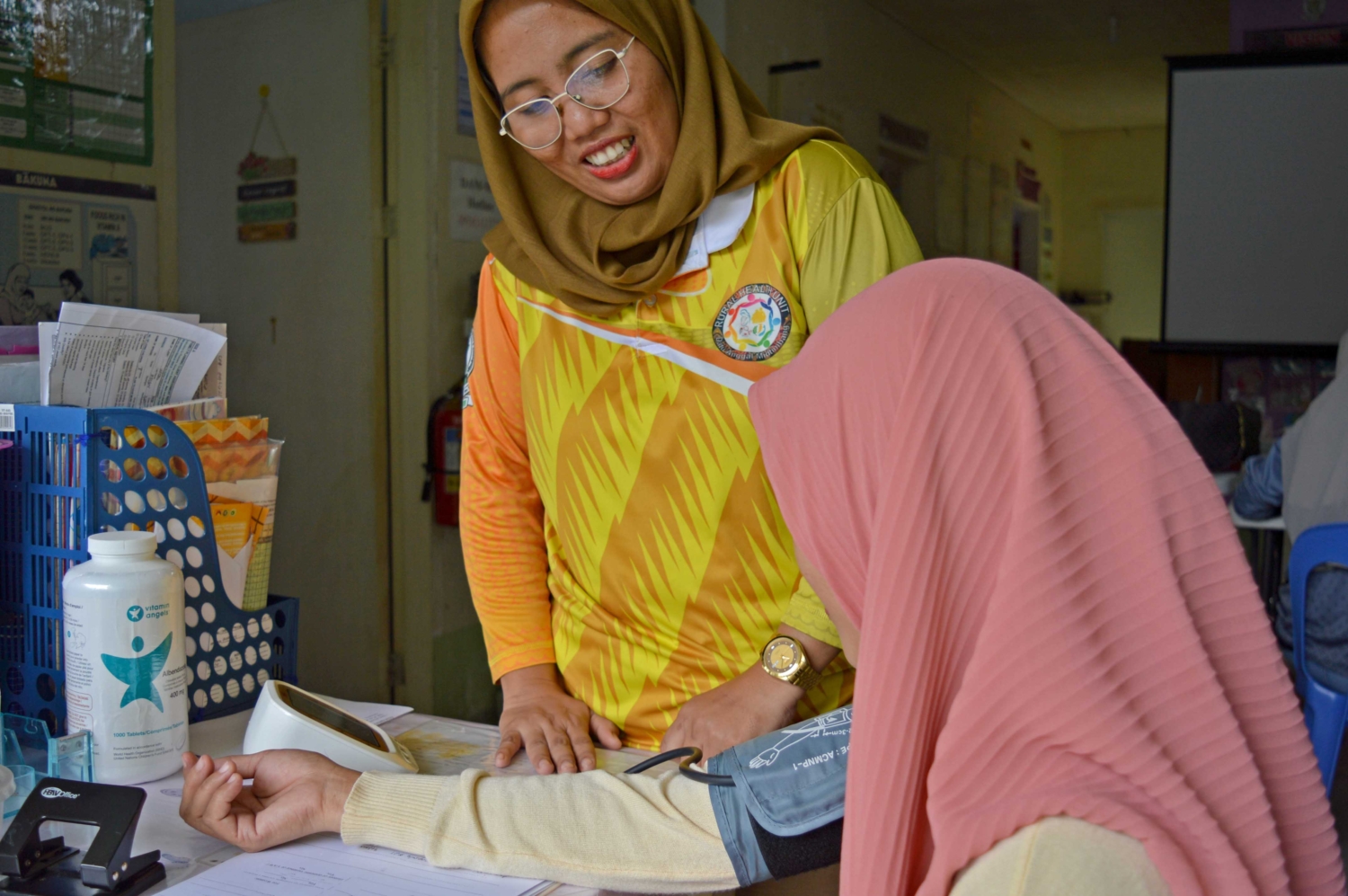
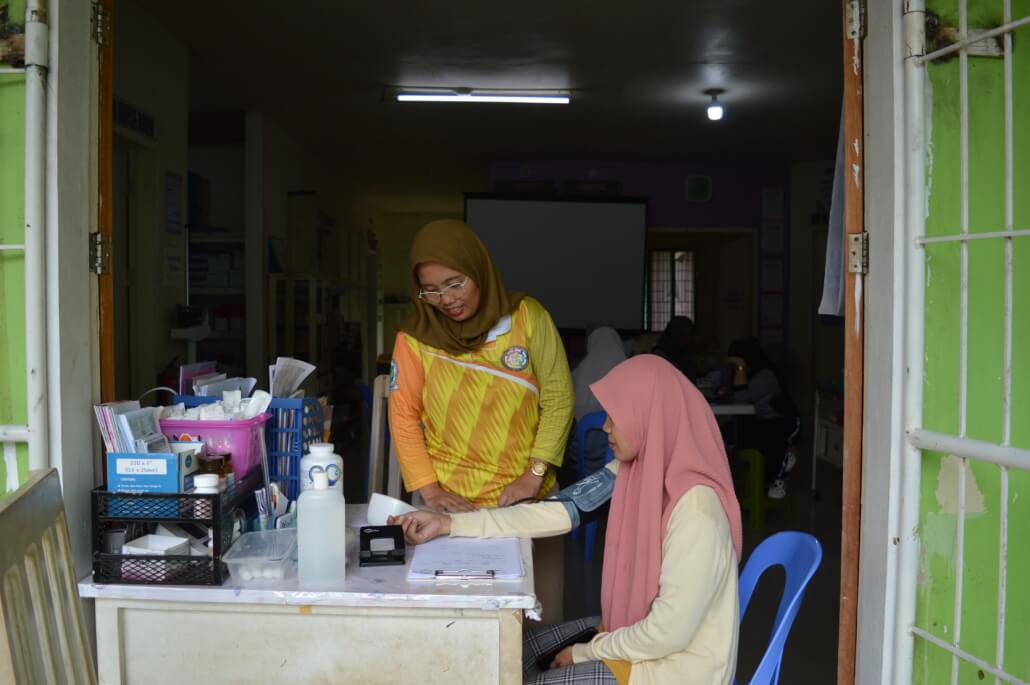
Image 10. In photo: Sujan measures the blood pressure of a patient in the rural health unit. | Photo by Joyce Sandajan for Action Against Hunger, 2026
This means that providing care requires more than clinical knowledge. It requires understanding people’s realities and finding ways to support families who face financial and logistical barriers to accessing health services.
Over time, this experience reshaped her perspective on healthcare. “Ngayon mas gusto ko na dito sa community. Dito kasi naiintindihan mo ang buhay ng mga tao. Nakikita mo kung paano ka nakakatulong sa kanila. Parang nagagamit mo talaga ang passion mo bilang nurse.”
“Now I actually prefer working in the community. Here, you understand people’s lives. You see how you can help them. It feels like you truly use your passion as a nurse.”
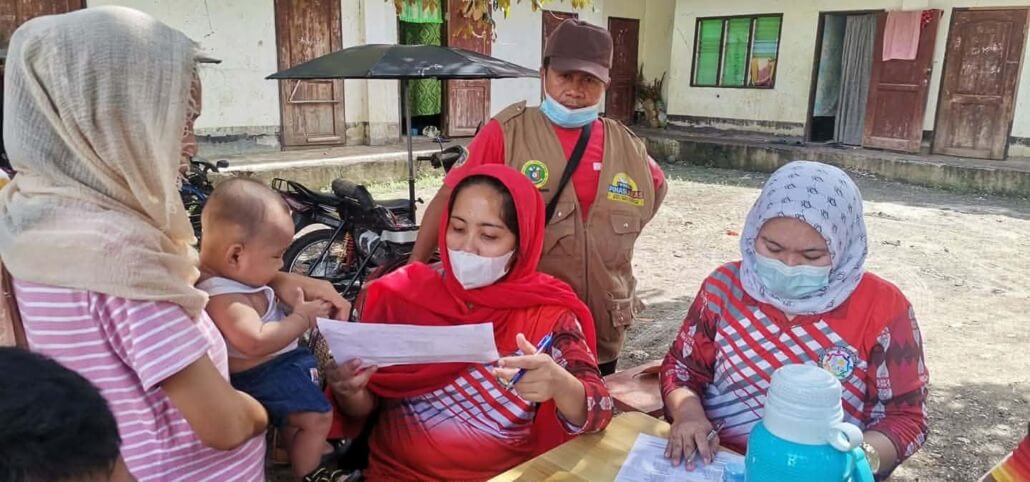
Image 11. In photo: Sujan (center) talks to one of the parents in the community during one of their daily barangay health visits. | Photo courtesy of RHU Midtimbang / Sujan Amander
Her work has also inspired her own family. One of her children has even shared a dream of becoming a nurse one day after seeing the impact of her work.
Clean water, stronger community health
For Sujan and other health workers, treating illness is only one part of their work. Preventing disease is just as important—and that begins with access to clean water and proper hygiene.
In several barangays across Datu Anggal Midtimbang, reliable water supply remains a challenge. Not all households are connected to a formal water system, and many families rely on wells or manual water pumps.
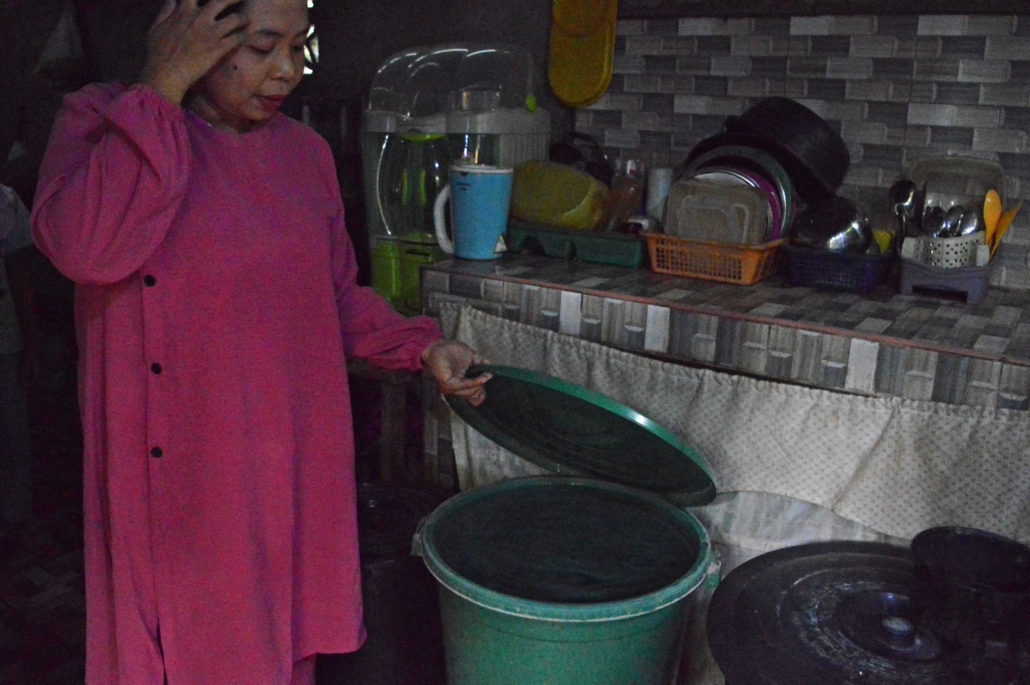
Image 12. In photo: Lengs inside their kitchen shows where they store their household water which they fetch from a deep-well or underground pump. | Photo by Joyce Sandajan for Action Against Hunger, 2026
“Sa ibang lugar lalo na sa looban, kumukuha sila ng tubig sa balon o manual water pump (In some areas, especially in interior communities, people collect water from wells or manual pumps),” Sujan explains.
While these sources provide water for daily use, they also raise concerns about water safety.
“Yun ang kinakatakutan namin na baka magkaroon ng outbreak ng cholera o ibang sakit (That is what we worry about—that it could lead to outbreaks of cholera or other diseases),” she says.
Although respiratory infections remain the most common illnesses in the municipality, health workers remain vigilant, especially during the rainy season when cases of diarrhea can increase.
Safe water and proper hygiene practices are among the most effective ways to prevent such illnesses—particularly among children.
Recognizing these challenges, improvements were made to the hygiene facilities at the RHU.
Before the intervention of Action Against Hunger and UNICEF, the health center did not have a proper handwashing station for patients and visitors. Now, the facility has its own water tank supplying a newly installed handwashing station outside the building, making it easier for families to practice proper hygiene while visiting the center.
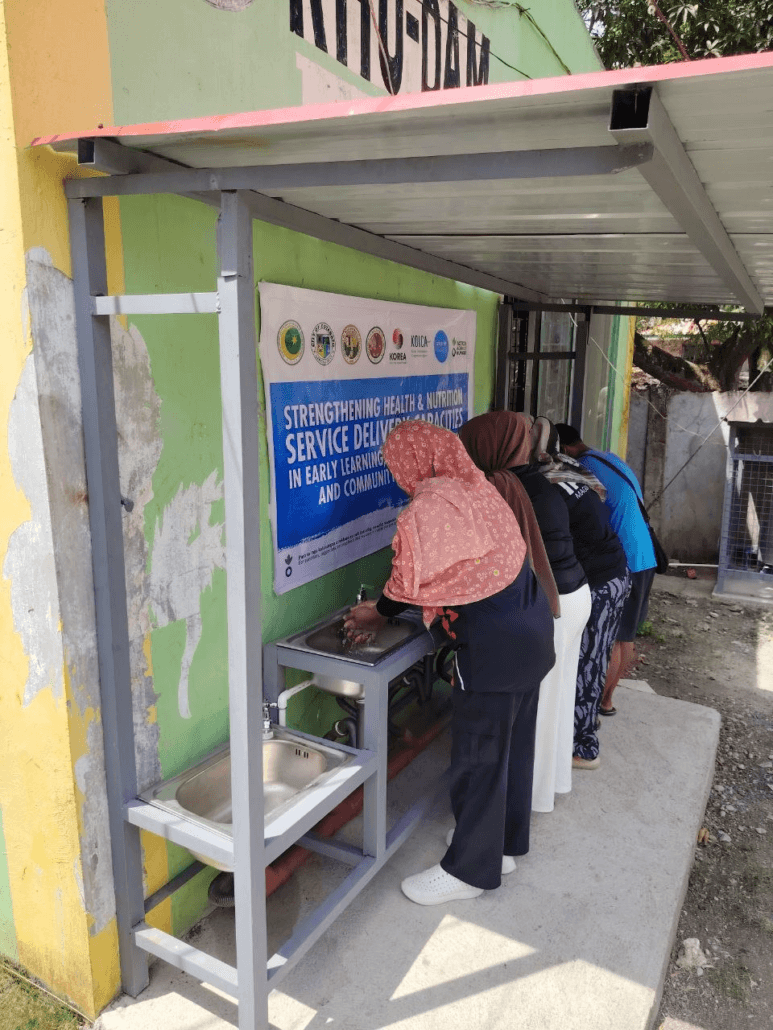
Image 13. In photo: Health workers of the rural health unit of Datu Anggal Midtimbang wash their hands at the handwashing station built by Action Against Hunger and UNICEF. | Photo by Marlou Nacaytuna for Action Against Hunger, 2026
These improvements were made through the joint efforts of Action Against Hunger and UNICEF, with support from the Government of the Republic of Korea through the Korea International Cooperation Agency (KOICA).
Together, the goal is to improve access to essential health, nutrition, and WASH services for more than 20,900 people across the Bangsamoro Autonomous Region in Muslim Mindanao, particularly children, adolescents, and other vulnerable groups.
According to Lengs, these changes make a real difference, especially for parents like her.
“Sobrang nagpapasalamat po kami sa naibigay na handwashing station ng UNICEF at Action Against Hunger. Matuturuan na talaga ang mga bata kung paano maghugas ng kamay nang tama habang nasa center kami,” she says.
“We are very grateful for the handwashing station provided by UNICEF and Action Against Hunger. Children can now truly learn how to wash their hands properly when we are at the center.”
Lengs also shared that health workers often conduct health education sessions at the center. Having a dedicated handwashing station allows parents and children to immediately practice what they are taught—turning lessons about hygiene into everyday practices.
In the case of her family, those lessons continue long after leaving the health center. At home, she teaches her children how and when to wash their hands.
“Yung maliliit pa, yung three at four years old, tinuturuan ko sila kung paano maghugas ng kamay (My younger children, who are three and four years old, are still learning how to wash their hands properly),” Lengs explained.
She shows them how to clean their hands using a dipper of water and reminds them to wash before eating and after using the toilet.
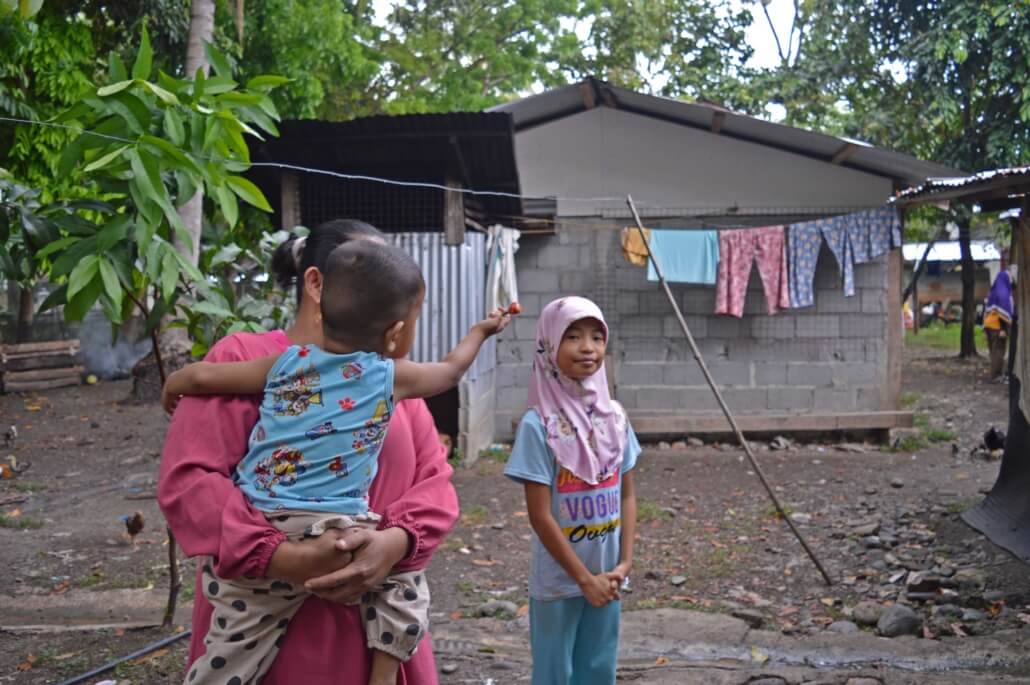
Image 14. In photo: At their backyard, Lengs carries her youngest child, Rajib. Behind them is her eldest daughter, Rayhana. | Photo by Joyce Sandajan for Action Against Hunger, 2026
“Sinasabi ko sa kanila na kapag hindi sila naghuhugas ng kamay, magkakaroon sila ng germs, (I tell them that if they don’t wash their hands, they can get germs),” she explains.
Her eldest daughter also helps reinforce these lessons, encouraging her younger siblings to wash their hands and sometimes teaching them good hygiene habits.
These small routines help protect children from illness and build lifelong habits.
Supporting community health through improved WASH facilities
For Nurse Sujan, the improvements to the RHU represent more than infrastructure—they strengthen the ability of health workers to serve their communities.
“Sa UNICEF at Action Against Hunger at sa lahat ng NGOs na tumutulong sa community, sana ipagpatuloy ninyo ang inyong ginagawa,” she says.
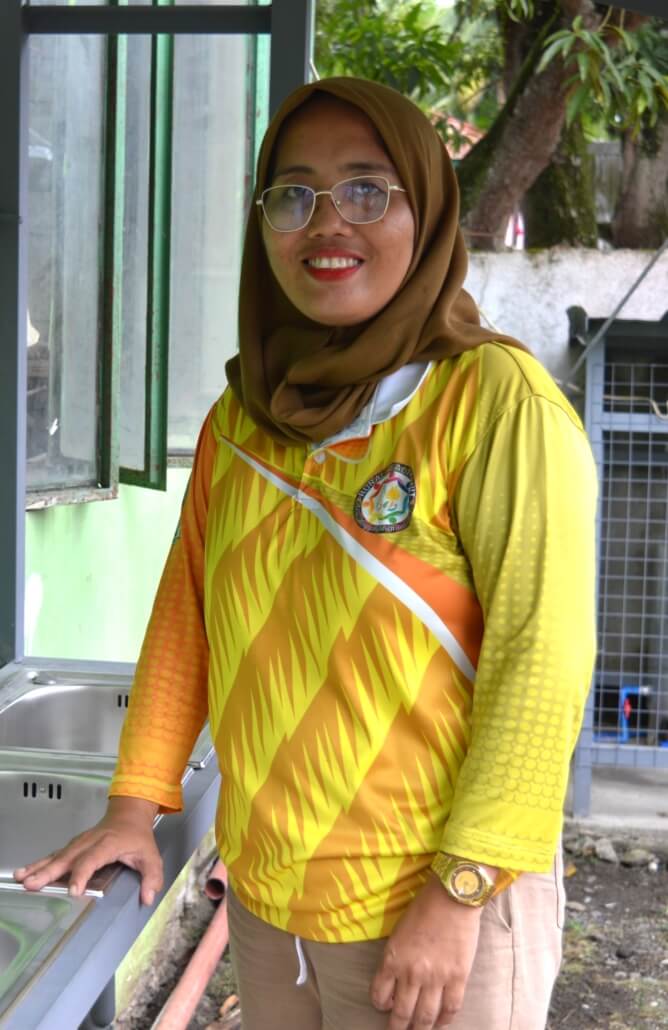
Image 15. In photo: Sujan stands next to the newly constructed handwashing station at the rural health unit of Datu Anggal Midtimbang. | Photo by Joyce Sandajan for Action Against Hunger, 2026
“To UNICEF, Action Against Hunger, and all the organizations helping communities, I hope you continue your work.”
She emphasizes that support from humanitarian and development partners makes it possible for local health workers to deliver better services.
“Malaking tulong po sa amin ang mga resources at support na binibigay ninyo. Hindi namin kakayanin na kami lang ang magbigay ng lahat ng serbisyo sa community.”
“The resources and support you provide help us greatly. We cannot deliver all these services to the community on our own.”
From traveling long distances to patiently convincing families about the importance of preventive care, working in the community comes with many challenges, explained Sujan. But it is also deeply rewarding.
“Masaya ang trabaho sa community kahit mahirap (Working in the community is challenging, but it is also fulfilling),” she says. “Dito naiintindihan mo ang buhay ng mga tao. Nakikita mo kung paano sila nagbabago at kung paano sila natutulungan (Here you understand people’s lives. You see how they change and how they are helped.”
Over time, she has witnessed families who once refused health services eventually return to the center to seek care.
“Kapag nakikita mo na dati ayaw nila pero ngayon sila na ang lumalapit sa health center, parang fulfillment na rin sa sarili mo bilang health worker.”
“When you see that people who once refused services are now the ones coming to the health center, it gives you a deep sense of fulfillment as a health worker.”
Looking ahead, Sujan hopes that communities will continue to receive the resources they need—especially reliable water supply and health services that reach every barangay.
“Sana magkaroon ng mas maayos at safe na water source sa bawat barangay,” she says.
“I hope every barangay can have a safe and reliable water source.”
In Datu Anggal Midtimbang, the health of children depends on many quiet efforts: parents like Lengs who nurture and protect their families, and health workers like Sujan who travel long distances to serve their communities.
Together, their dedication shows how access to clean water, healthcare, and community support can help in building healthier futures for children across Mindanao.
The Strengthening Health and Nutrition Service Delivery Capacities in Early Learning, Alternative Learning, and Community Health project is implemented by Action Against Hunger together with UNICEF, with funding support from the Government of the Republic of Korea through the Korea International Cooperation Agency (KOICA).
Written by Joyce Sandajan

