No More Long and Dark Walks to the Bathroom for Magpet Beneficiaries

Written by Joayra Gem Balagtas for Action Against Hunger

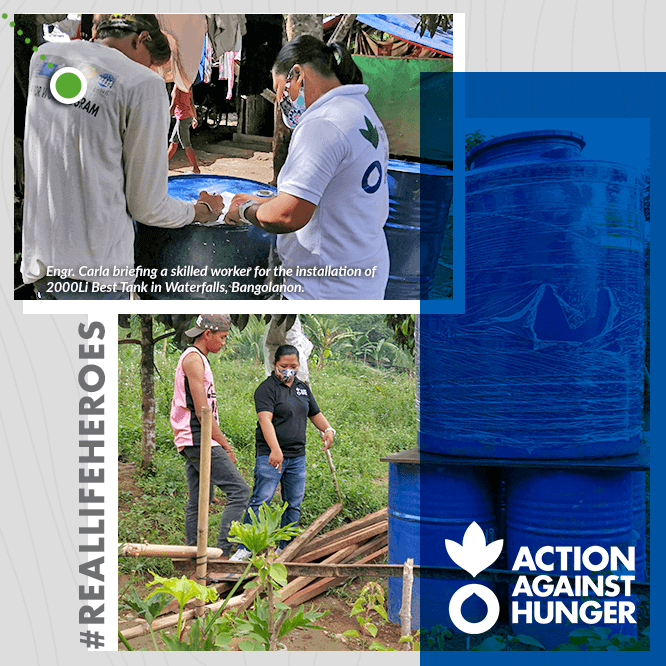
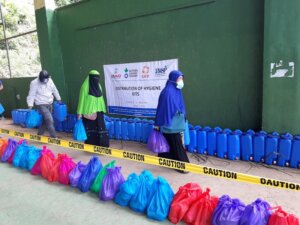
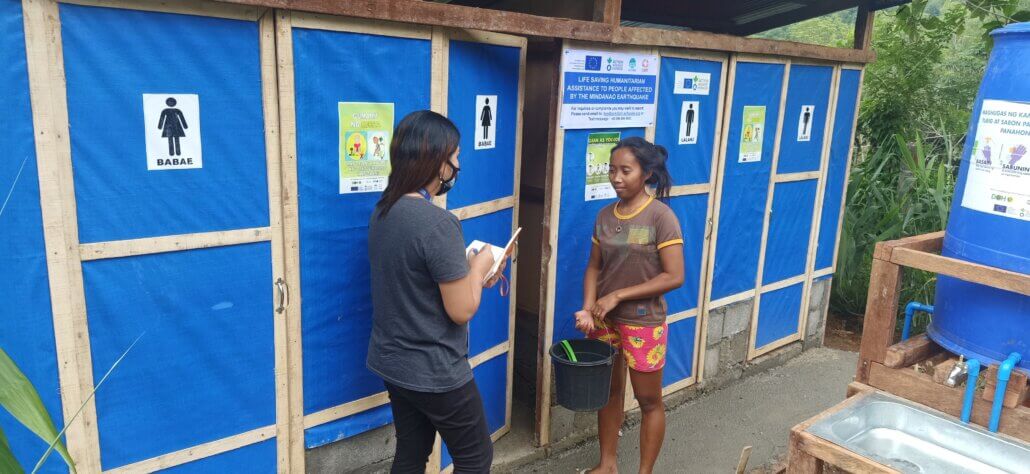
Jessa Ampoy used to walk 500 meters to go to the nearest comfort room in the evacuation site which is dark and water wasn’t always available. Because of this, she and her fellow evacuees prefer to take a bath in the nearby stream instead.

Jessa is one of the 560 people who are now able to practice proper hygiene habits because of the newly constructed hygiene facilities in Sitio Waterfalls at Bongolanon, Magpet as part of our ‘???? ?????? ???????????? ?????????? ?? ?????? ???????? ?? ???????? ??????????’ together with CARE Philippines and ACCORD Incorporated, and funding from EU Civil Protection & Humanitarian Aid – ECHO.

“?? ?? ???? ????????? ??? ??. ????? ?? ??? ????? ?? ???? ??? ??? ????? ???? ??? ????? ???? ???? ?? ??????? ?????… ?? ??? ???????? ??? ??? ??? ??????? ???? ??????? ?? ?? ??????. ?? ?? ?????? ???? ?? ????? ??? ???????? ?? ????? ??????? ????? ??? ??????? ?????? ????????? ??? ????. ? ???? ?? ?????? ?? ?????? ?? ??? ??? ?????? ?? ?????,” said Jessa.

(Photos by Joayra Gem Balagtas for Action Against Hunger)

Moving Urban Poor in Mindanao Towards Resilience (MOVE UP 4) Project in Kidapawan, North Cotabato
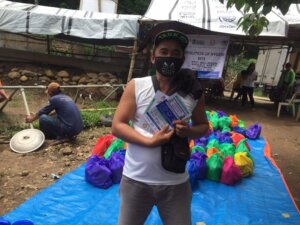
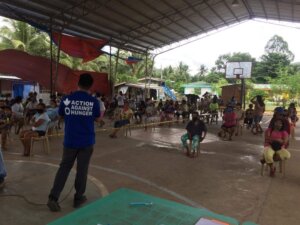
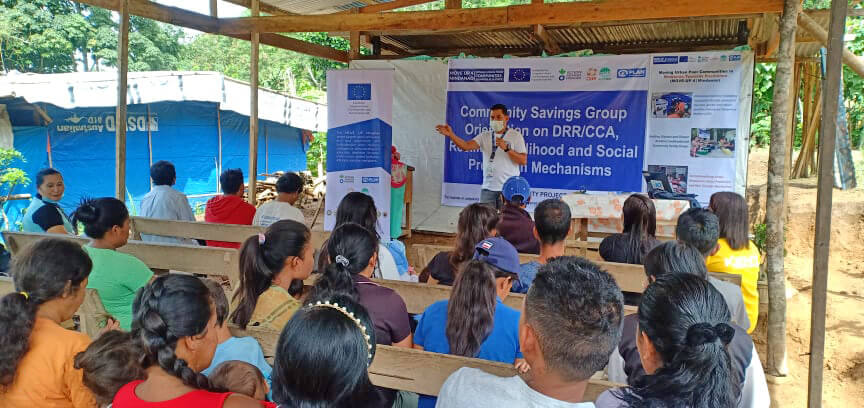
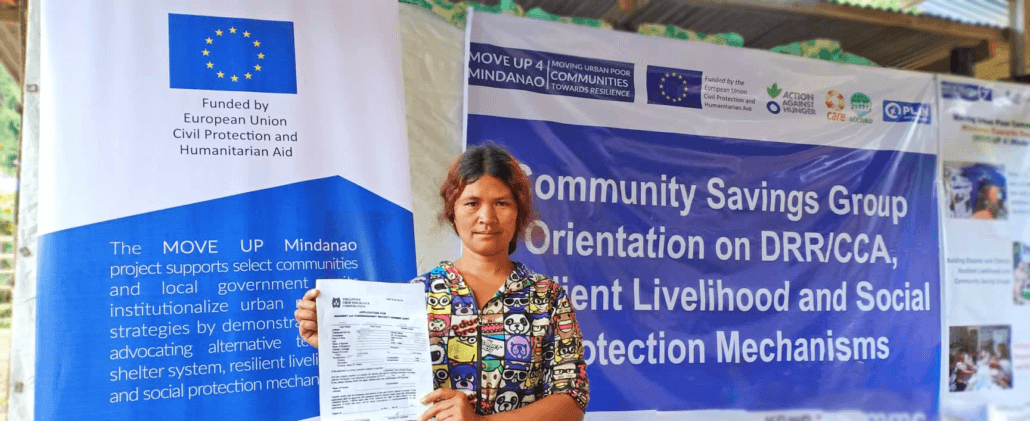
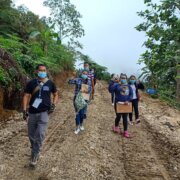
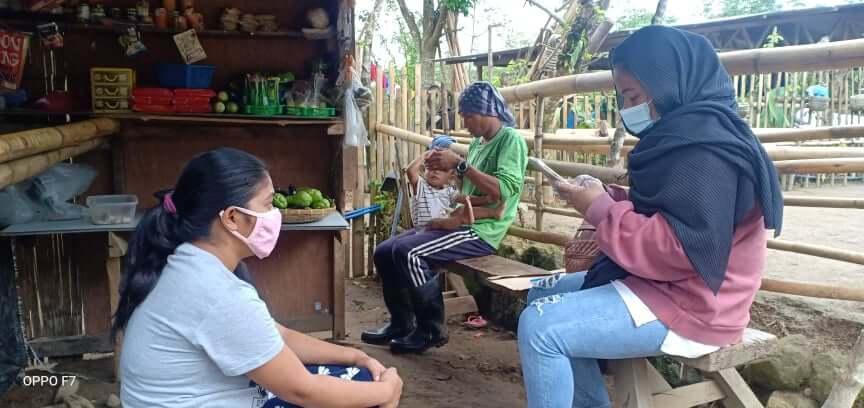
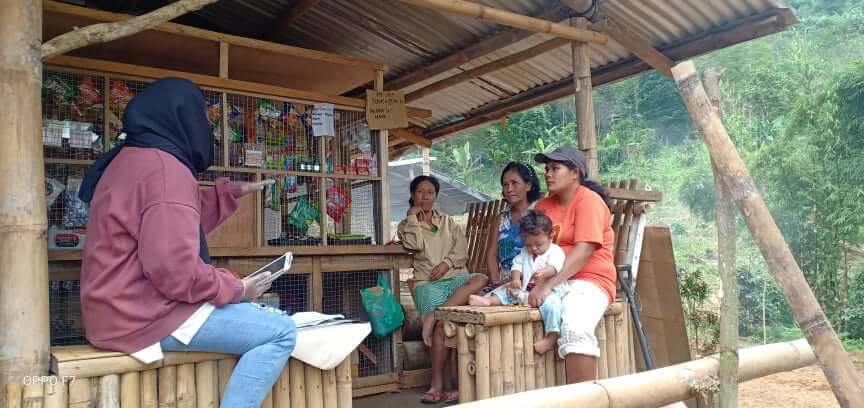
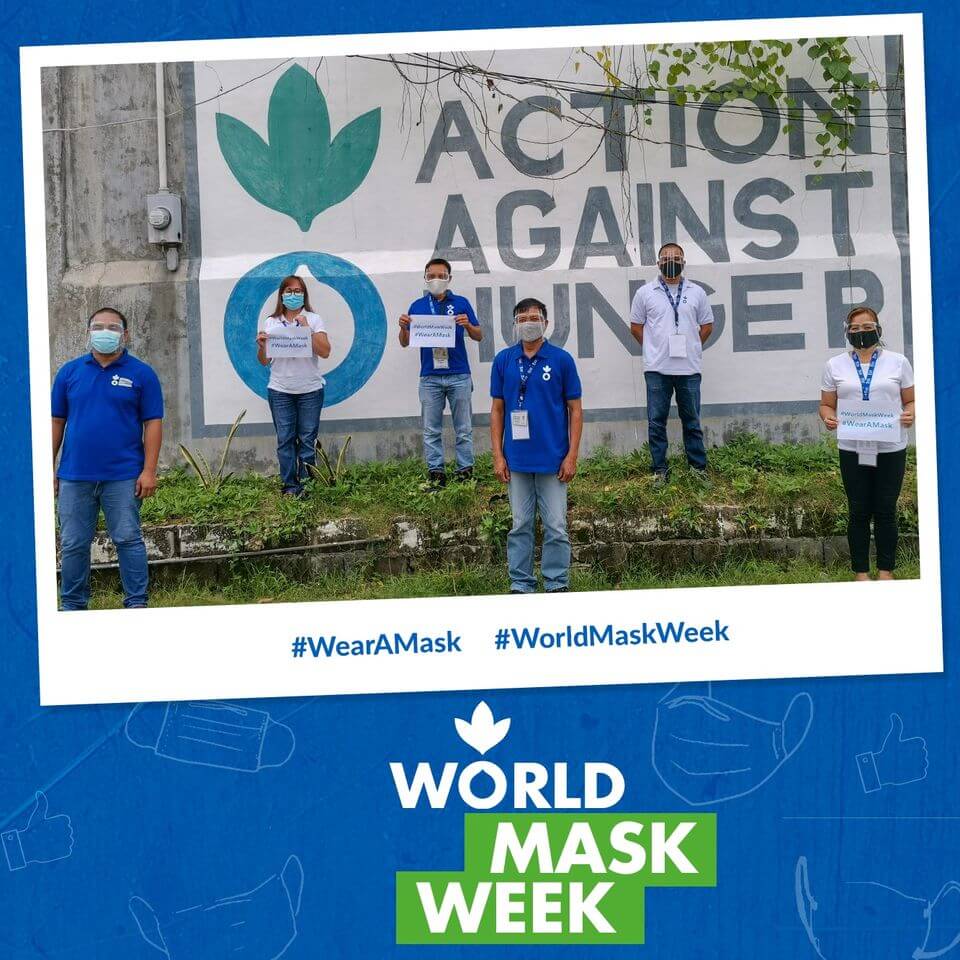
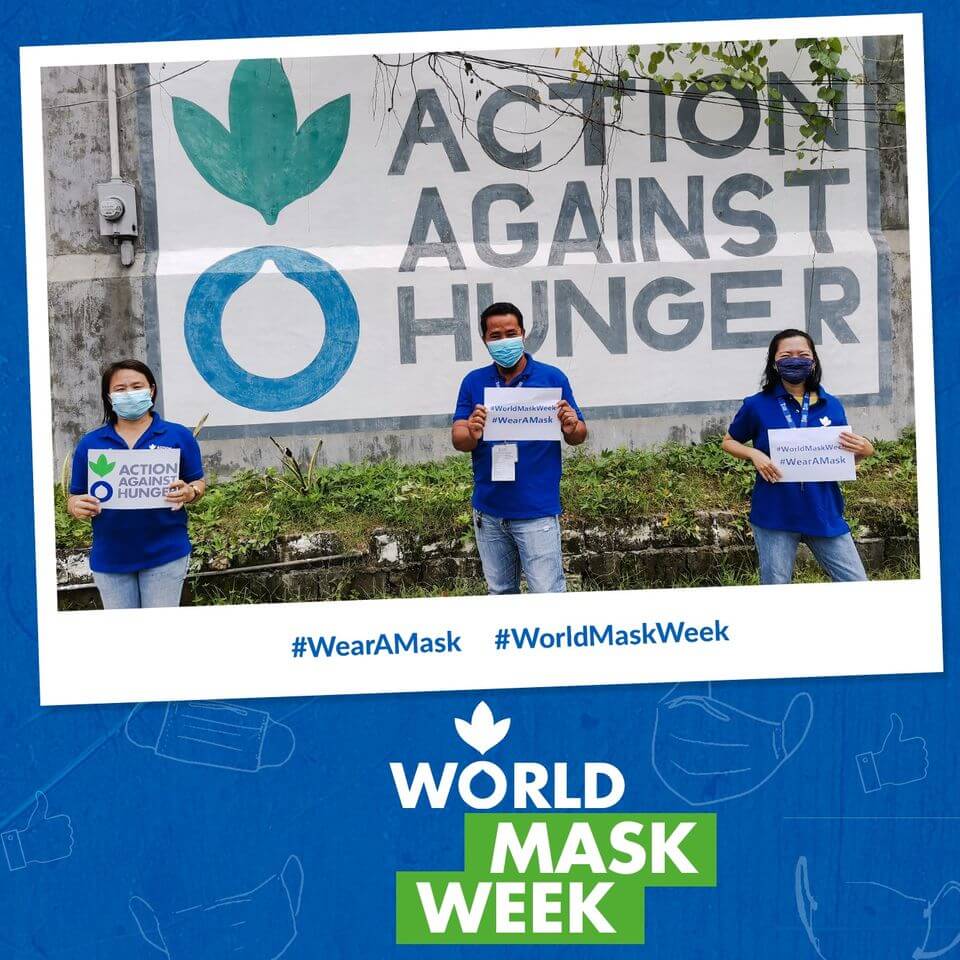
Our MOVE UP 4 Team conducted a household survey as part of the Community Risk Assessment (CRA) activity from July 20 – 31, 2021 in Kidapawan, North Cotabato. The survey aims to assess disaster awareness and preparedness, access to government social protection program,s and resilient livelihoods among others.

Photo by Lyndon Arbes / Louie Bullanday for Action Against Hunger

The information gathered will be used in designing appropriate urban DRR resilient intervention of the project in the city as well as will serve as the project baseline for impact evaluation at the end of the project.

Photo by Lyndon Arbes / Louie Bullanday for Action Against Hunger


Moving Urban Poor Communities Toward Resilience (MOVE UP 4) is funded by the European Union and implemented by a consortium of partners consisting of Action Against Hunger PhilippinesPlan International PhilippinesCARE Philippines, and ACCORD Incorporated.

Read more

Action Against Hunger Unites Local Resilience Efforts with Ministry of Agriculture Fisheries and Agrarian Reform in BARMM

Photo courtesy of MAFAR-BARMM

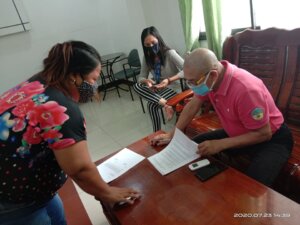
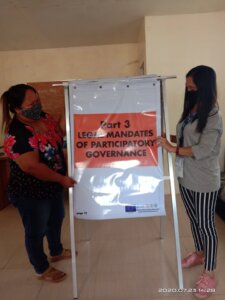
Action Against Hunger Philippines signed a memorandum of understanding (MOU) with the Ministry of Agriculture, Fisheries and Agrarian Reform in the Bangsamoro Autonomous Region of Muslim Mindanao (MAFAR-BARMM) on July 23, 2020, at the MAFAR Regional Office in Cotabato City, Maguindanao. The objective of the collaboration is to unite efforts in strengthening local resilience and within areas in the region that are greatly susceptible to natural hazards.


“Action Against Hunger’s mandate is to fight and to address food insecurity and nutrition insecurity, so I do believe that this MOU with MAFAR is key for us to jointly address issues that are affecting the most vulnerable in the BARMM Region in a collaborative and coordinated manner”
Thierry Laurent-Badin, Action Against Hunger Philippines Country Director


During the online ceremonial signing, Thierry Laurent-Badin, Country Director of Action Against Hunger Philippines, talked about the importance of the established partnership in promoting the organization’s advocacy. “Action Against Hunger’s mandate is to fight and to address food insecurity and nutrition insecurity, so I do believe that this MOU with MAFAR is key for us to jointly address issues that are affecting the most vulnerable in the BARMM Region in a collaborative and coordinated manner,” said the country director.
 
Dr. Mohammad S. Yacob, Minister of MAFAR-BARMM, on the other hand, expressed his enthusiasm for the collaboration, stating “I am happy to see this partnership, for me, it is a process of long engagement in the community and I am very grateful to continue the aspirations. I express my thanks to Action Against Hunger and we hope and pray that this is the beginning of a fruitful partnership.”

“I am happy to see this partnership, for me it is a process of long engagement in the community and I am very grateful to continue the aspirations. I express my thanks to Action Against Hunger and we hope and pray that this is the beginning of a fruitful partnership.”Dr. Mohammad S. Yacob, Minister of MAFAR-BARMM


Delilah Chua (Head of Cotabato Base) hosted the ceremony alongside Genaro Sanchez (Head of Project) and Gay Marie Aban (Human Resources Officer). Virtually present to witness the signing were Melinda Buensuceso (Operations Coordinator) and Jasper Llanderal (Head of Iligan Base).

Photo by Rhea Poliquin for Action Against Hunger

‘Strengthening Local Resilience and Building Capacities in Areas at High Risk of Natural Hazards in BARMM, Mindanao’ is a disaster risk reduction (DRR) project funded by the United States Agency for International Development’s Bureau for Humanitarian Assistance (USAID-BHA) and implemented by Action Against Hunger Philippines with the support of local government units.

Read more

STALLED BUSINESS MODEL TRANSFORMED INTO RESILIENT GROWTH

In 2015, MATATAG, a 98-member women-led community savings group Cluster Level Association (CLA) in Hugom, San Jose, Batangas started a mushroom production business after attending a Mushroom Production Training conducted by the Southern Tagalog Integrated Agricultural Research Center (STIARC) and the Municipal Agriculture Office (MAO) of San Juan, Batangas. Full of eagerness, they were able to start their first mushroom house using light materials. The former barangay captain lent them a space where they constructed the grow house. They started with 250 fruiting bags producing weekly harvest of at least seven kilos of fresh oyster mushrooms. Even with minimal produce, they were eager to introduce their products to the barangay.

By 2016, they needed to relocate and construct a new mushroom house in Sitio Biga since the owner needed the original space lent to them. Here, they were able to produce 800 grow bags in 6 months. In February 2016, STIARC introduced four varieties of oyster mushrooms and provided additional 2000 fruiting bags as assistance to the group. The following year, another 1,500 fruiting bags were provided. STIARC continued to support the group until 2018, providing materials that were unable in San Juan, in addition to technical assistance.

In November 2018, MATATAG began constructing a new mushroom house with their share of ₱50,000 and a grant amounting to ₱456,000 from STIARC. The house was finished in February 2019 and they were able to grow 5,000 fruiting bags but only 3,000 were harvested due to the hot temperature inside the house. In the original building plan from STIARC, the mushroom house did not include the needed insulation system which caused low production. Because of this, the business slowed down and was no longer growing. The low revenue, profit, and remuneration for working members of the group took its toll and manifested in the members’ low morale, lack of motivation to put more hours in the business, and lesser cooperation among each other.

By September 2019, the CLA participated in Action Against Hunger’s Resilient Livelihood Workshop, a component of the ‘Improving Resilience of the KNH NGO Partners to Natural Disasters Phase 2’ (I-Respond 2). The workshop proved to be the turning point for the group. They learned how to improve their business to become resilient amidst existing risks and impending hazards. They saw that all is not lost in the business that they started four years prior. The workshop further strengthened the connection between the disasters and livelihood in the context of resilience. Disaster and business were not new to the organization, as workshops were conducted prior to the livelihood workshop; however, the knowledge how to make their business more resilient towards disasters was the missing link. The realization that the negative effects of disasters especially on their livelihood are primarily due to human choices, the lack of understanding of their risks, and the lack of preparedness fueled their motivation to integrate resilience strategies in their business plan. The knowledge and tools they acquired from the training have therefore been used to implement different mitigation efforts to enhance their resilience.

Furthermore, the Resilient Livelihood Training allowed them to analyze their business and manage it efficiently. This made them realize the potential of their business, and if effectively managed, can provide a livelihood for all the members. The training also made the women members aware of the importance of working together and in the process increase the level of motivation amongst them. Experiencing the training had the working members stepping up and putting more effort into making the business flourish again as manifested by the members more active participation in the governance and operations of the business after the training

The CLA members were excited about the newly regained growth of the mushroom production business, which now allows them to start paying salaries for the 30 members working in the production of the mushrooms. The additional seed capital of ₱50,000 received from Action Against Hunger helped exponentially in regaining their growth by enabling them to buy essential to the business inputs and supporting administrative and labor costs.

Now, the CLA is motivated towards creating a more resilient and sustainable livelihood. Through the mushroom business, the CLA is optimistic that it will be able to provide support to the needs of its 98 women strong membership in the following years. They planned to expand from fresh mushrooms production to other product derivatives and they now understand that the increase in supply and demand in mushroom and its derivatives are key in doing so. The then CLA started to expand their production capacity by advocating mushroom as a viable livelihood option and teaching other barangays how to grow mushrooms. They continued this as an effort to involve more communities in their journey to create a resilient livelihood and better life for all.
The group was able to restart with 2,500 fruiting bags and started to expand their mushroom products to crispy mushroom chicharron with different flavors. By March 2020, they harvested 65 kilos with 1,200 bags worth ₱20,000.

Rowena Villarin, the Treasurer of MATATAG, in reflection to their group’s experiences shared, “when handling a business, you have to be focused and be prepared for any struggles that may come along. Never give up.”

GENERATION NUTRITION: ACTION AGAINST HUNGER JOINS THE NATION IN MAKING SURE ALL CITIZENS OF OUR NATION HAVE THE SAME OPPORTUNITIES TO BE HEALTHY AND SAFE

Every year, the Philippines commemorates National ‪‎Nutrition Month and National ‪‎Disaster Consciousness Month in August under the auspices of Department of Health’s National Nutrition Council and the National Risk Reduction and Management Council’s Office of Civil Defense respectively.‬‬
On this occasion, Action Against Hunger joins the nation in making sure individuals, communities, and all citizens of our nation have the same opportunities to be healthy and safe from external shocks through resilience and nutrition security approaches.
The Philippines is one of the most vulnerable countries in the world, ranking third among countries most prone to calamities, according to the 2015 World Risk Index report. While the level of child malnutrition in the Philippines is declining due to significant nutrition initiatives, malnutrition remains an important public health concern among children aged 0-5. In the 2016 Global Nutrition Report, the Philippines tops the countries in Southeast Asian region with the prevalence of wasted children (underweight) at 7.9% and critical levels of stunting (short for their age) at 30.3%.
Following a disaster, the poor, marginalized and disadvantaged groups, particularly the women and young children, are the most vulnerable social groups to the impacts of hazard events including climate change. Action Against Hunger Philippines believes that it is crucial to build the resilience of the Filipino people, by supporting initiatives that ensure food security and livelihoods through programs, which aim to increase people’s resilience to food crises and prevent undernutrition during and after emergency interventions. Action Against Hunger Philippines’ nutrition and health interventions contribute to reducing the vulnerability to climate related hazards. Children with good food, health and nutritional status are better equipped to face climate-related hazards compared to undernourished children.
Action Against Hunger Philippines implements programs in increasing the resiliency of the vulnerable communities in different parts of the country, providing life-saving interventions to the poorest communities through risk reduction (emergency preparedness and response planning); support adaptation strategies (resilient livelihoods approach); mitigation (social protection mechanism; cash transfer and promoting micro-insurances); and boost community and household capacities through water, sanitation, and hygiene (WASH) programs; capacity-building; disaster risk reduction and management and climate change adaptation planning and advocacy.
The increasing impact and threats of climate change and natural disasters calls for concerted efforts now. The expected increase in natural hazards related to climate change will further amplify the vulnerabilities of millions of Filipinos, especially the most vulnerable groups. Action Against Hunger Philippines calls on President Rodrigo Duterte and his administration to prioritize a multiple-track approach:
• Address the drivers of climate change though climate change mitigation and adaptation in order to minimize the extent of future negative and potentially disastrous impacts induced by climate change.
• Scale-up coverage of and increase access to interventions to treat and prevent malnutrition adopting a multi-sectoral approach.
• Mainstream climate sensitive nutrition initiatives and nutrition objectives into national and local Disaster Risk Reduction and Climate Change Adaptation Plans.
• Secure dedicated funds from both the local government unit development fund and local DRRM fund to ensure institutionalization of nutrition-specific and nutrition-sensitive interventions to effectively address wasting and stunting among Filipino children.

ACTION AGAINST HUNGER STRONGLY CONDEMNS THE KIDNAPPING OF ITS EMPLOYEE ISHAIKU YAKUBU AND CALLS FOR HIS IMMEDIATE RELEASE

Last June, Ishaiku Yakubu was abducted along with 4 other aid workers from different organizations by a non-state armed group.

Action Against Hunger is extremely concerned and fully mobilized so that the hostage can quickly find his family, safe and sound.

Action Against Hunger provides neutral, impartial and independent humanitarian aid in the state of Borno by providing basic services to the most vulnerable, in particular women and children.

Action Against Hunger asks the public and journalists to respect the dignity and privacy of the person by refraining from sharing images or videos that may circulate on the Internet.

Action Against Hunger has no further comments at this stage.

STORIES FROM THE FIELD: A WOMAN’S INITIATIVE TO SUPPORT FELLOW EVACUEES

Malou Mendoza-Mamerto is an evacuee residing in the improvised evacuation center at Barangay Poblacion in Talisay, Batangas. She stepped up and volunteered to manage the 150 families staying in their camp. As a volunteer camp manager, Malou posted a call for help on social media to raise awareness on their current situation to potential donors. Because of her initiative, their camp received several donations and even temporary shelters built to house pregnant and lactating women, children, senior citizens, and differently-abled individuals. As the camp leader, Malou takes initiative in referring her fellow evacuees to nearby health centers and clinics in case they need medical assistance.

Malou used to live in Pulo, Talisay, Batangas with her husband and three kids prior to the eruption of the Taal Volcano. She worked as a vendor and often made a living out of the thriving tourism in the area. Now, they are living in an improvised evacuation center in Poblacion, Talisay, Batangas with no stable source of income. She mentions that their current situation in the camp is quite difficult especially for the women in terms of privacy in sanitation facilities, but she says that everyone eventually helps each other out.

As a mother, Malou also worries that she cannot give the same amount of time and attention she gives to her children prior their evacuation especially since the situation has urged Malou to have two of her children stay with their relatives for the mean time. “As much as I would like to look for a job so that we can have some income and I could provide my children’s needs, it’s hard,” she said, explaining that the entire camp’s needs have kept her preoccupied.

Malou’s family is one of the 2,697 families who received emergency humanitarian WASH assistance from Action Against Hunger through the funding of the Spanish Agency for International Development (AECID). Food packs and hygiene kits were also provided to 801 individuals through the support of Grab Philippines.

The Taal Volcano is the second most active volcano in the Philippines. On the afternoon of January 12, 2020, the Philippine Institute of Volcanology and Seismology (PHIVOLCS) detected increasing activity of the Taal Volcano causing heavy ashfall, volcanic tremors and lightning, and lava fountains. This affected approximately 468,000 people. Our Mission Emergency Response Team (MERT) was immediately on the ground on January 15 to conduct an assessment in Batangas province to assess the immediate needs of evacuees.

MOVE UP HEADSTRAINING FOR COMMUNITY LEADERS

QUEZON CITY – Resilience through Financial Freedom and Preparedness: The Moving Urban Poor Communities towards Resilience Project (MOVE UP) holds its Training of Trainers on Financial Literacy and Community Savings Groups, Torre Venezia, Quezon City, March 6-9, 2018. Attended by around 60 participants representing barangays from MOVE UP target cities Malabon, Quezon City, Valenzuela, Caloocan and Navotas, the training aims to boost the understanding and skills of target communities on financial planning, insurance and investments while linking it to disaster risk reduction and management.

As an outcome, a pool of trainers is formed to deliver financial literacy sessions and form community savings groups in barangays.

The training is one of the series of projects of MOVE UP which seeks to demonstrate systems and models of Alternative Temporary Shelter, resilient livelihoods and risk transfer modalities to improve the disaster risk reduction and management in MOVE UP target cities in Metro Manila. Funded by the European Union Civil Protection and Humanitarian Aid (ECHO) under its Humanitarian Action Plan for Southeast Asia and the Pacific, MOVE UP is an urban disaster risk reduction project implemented by a consortium composed of Action Against Hunger Philippines, Plan International Philippines and CARE Nederland with its local partner, ACCORD Inc. ●

Turning struggles into opportunities: A community’s response to the damaging effects of flood water and access to life-sustaining potable water

The community of Barangay Caimpugan in San Francisco, Agusan del Sur sits along the Gibong River—a  source of irrigation for some 6,000 hectares of rice fields in three municipalities of the province. Because of its close proximity to the river, its residents often experience floods during the rainy season, especially with heavy rains induced by tropical storms causing the river to overflow.

This particular characteristic makes the community reliant on agriculture, the majority of their arable lands are dedicated to rice farming. The river provides water for their crops and sustains the irrigation even in dry months. Although this also poses a threat of flooding when the river overflows damaging crops that are not yet harvested. Those who do not have lands to till are earning as farmhands s, mostly the men, being paid a daily wage. Others find work in nearby palm oil tree plantations. The earnings would always almost barely suffice for the family’s needs attributable to the impacts of the floods on their crops. Hence, they already learned to live with it and coping with the insufficiency.

Despite being a low-lying land, clean and safe drinking water source is a recurring challenge. The barangay is not covered by the public water utility services of San Francisco. Rainwater is collected and used by households for cooking, washing their dirty dishes and clothes, and even for drinking. Others buy drinking water from small business owners retailing water in limited quantities or from refilling stations in Barangay Lapinigan.

For the Caimpugan Women for Strength (CAWOFS) Cluster Level Association, a federation of 6 self-help groups (SHGs) composed of women, this reality does not deter them from aspiring for a better future.

What they needed was a sustainable source of livelihood to be able to contribute to their families’ income while striving to learn more about the ways they can reduce the impacts of flooding to their community.

An opportunity came with the contingency planning and resilient livelihood workshop through the I-RESPOND 2, a project funded by Kindernothilfe (KNH) and implemented by Action Against Hunger aimed at improving the capacities of partner barangays on disaster preparedness and resiliency. CAWOFS actively shared their ideas and together with their barangay, local government unit (BLGU) leaders learned how they can best prepare for and mitigate the impacts of disasters. The Barangay Disaster Risk Reduction and Management Council (BDRMC) was strengthened with the inclusion of the officers and members of the CLA into the different committees. Together with the BLGU, they were able to develop a contingency plan on floods.

The Resilient Livelihood discussion also helped them craft a plan to provide earning opportunities for their members while helping to solve one of the community’s problems – clean water supply. They developed a business plan around the distribution of safe drinking water to households. Their business will sell water in 20-liter containers supplied by a partner water refilling station from Barangay Bayugan, roughly 9 kilometers away from their barangay. Based on the contingency plan and working on the scenario of recurring flooding, the CLA will utilize the early warning system they installed to ensure that the water will be potable and not contaminated. These efforts are complemented by the BLGUs commitment to provide them a space to use as their store and the Municipal LGU contribution for the construction of a building. This would serve as the group’s warehouse to stock water containers, and distribution point.


On January 28, 2020, the group received the seed capital worth fifty thousand pesos (PhP50,000.00) from the I-Respond 2 through a local KNH NGO partner, the Foundation for the Development of Agusanons, Inc. (FDAI) based in San Francisco. With the seed capital, the CLA leaders conducted preparatory activities including promotion and orientations to the Self Help Groups about the business venture. Originally, the plan was for the CLA to manage the business. But as discussions went on, they decided that Volunteer SHG, one of the self-help groups of the CLA, will handle the business with the supervision of the CLA and FDAI. A profit-sharing approach was identified and agreed to remunerate efforts at both levels. Volunteer SHG will then assign its store manager and storekeeper as laid out in the business operation plan for its operation.

“This business will help us a lot. Everyday people need clean drinking water. And every day is a challenge for most households. We know that the rainwater is not as clean anymore. But we have no choice but to use it”, said Lilibeth Lalangan, the CAWOFS President.

Now, with the operation of the water refilling business, members of the Volunteer SHG will have another source of income while providing access to clean drinking water for the community.

“With the increased knowledge of the CLA officers and members, combined with that of the BLGU leaders, Caimpugan is now more prepared to minimize or prevent the disastrous effect of flooding in our barangay”, said Barangay Councilor Annabelle Semana.

For Barangay Councilor Vilma Malinao who is also a CLA leader, “the water refilling business is CAWOFS’ way to help the community have access to safe drinking water at an affordable price. Water can sustain us even when flooding occurs. This also means additional income for our members. We are thankful for the I Respond 2 Project, to KNH, Action Against Hunger and FDAI”.


Written by Genaro Sanchez for Action Against Hunger. Edited by Joyce Sandajan.

TRAILBLAZING WASH IN ARAKAN

Arakan, a first-class municipality in the province of North Cotabato and home to many indigenous people in Mindanao. Despite the diversity of its culture, Arakan is faced with daily struggles as poverty and impacts of natural disaster and conflict are day to day realities of the population. People struggle with limited income opportunities and scarce food production. More importantly, insufficient access to clean and safe drinking water and sanitation materials and facilities plays a crucial problem in the area.
Since 2012, Action Against Hunger and the United Children’s Fund (UNICEF) have been working together to provide necessary interventions in Arakan, giving people a chance to hope for change and transformation in the community despite the many challenges they are dealing with. While change is a gradual and cumulative process, Action Against Hunger and UNICEF cannot solve everything with their programs alone. Strong leadership in the community must propel change as a personal statement to allow hope to break through the hearts and minds of the people.

One man has become a champion for change and is trailblazing the work on Water, Sanitation and Hygiene (WASH). Elmer S. Montales works as the Municipal Planning and Development Coordinator of Arakan. In early 2010, he had a personal experience which forever changed the way he deals with WASH issues.

His team was in Kulaman Valley, a remote mountainous area the Matigsalog tribe called home, conducting a standard Barangay survey.  A desperate mother approached them for medicines since her child was not recuperating from diarrhea. “We only had emergency medicine for simple stomach bugs,” he recounted, “early the next morning, we found out that the child died due to dehydration.” It was a tragic experience that led Elmer to rethink his work.

“It is a complicated situation. The local health office reported that water-borne diseases, like diarrhea, are caused by poor sanitation and hygiene practices – some leading to death,” he explained. “Malnutrition is another outcome when people don’t have access to clean water and sanitation.  The children become wasted and stunted during a critical moment of growth whose effects will last a lifetime.”

In his resolve, he could not do it alone.  Elmer needed to influence local leaders of the realities of children dying of diarrhea and that the solution would not come easy. The goal of reversing health outcomes of several barangays seemed daunting and ambitious, but Elmer welcomed the challenge.

Without wasting time, Elmer immediately worked and coordinated with Action Against Hunger and UNICEF to spearhead activities in Arakan by facilitating policy and technical work to ensure that WASH is prioritized in the executive and legislative agenda of the government and included in the Barangay Development Plan.

The journey towards change has not been easy for Elmer. Municipal and barangay officials were indifferent at first, but this changed when the Zero Open Defecation (ZOD) program was implemented and health outcomes began to improve. Cases of Diarrhea and malnutrition have drastically dropped from a prevalence rate of 18% in 2013 to 4.7% in 2018. In 2015, Arakan was able to achieve municipal-wide ZOD out of 11 LGUs in the Philippines, a model that is being followed by other LGUs in North Cotabato and neighboring provinces.  Elmer realized that, as a result of his experience, the journey towards a new reality was slowly taking shape and is impacting the lives of the people.
“The backbone of success is hard work, determination, good planning and perseverance,” Elmer quotes famous soccer icon Mia Hamm, “institutionalizing WASH as a way of life is best realized at the grassroots level of every family, purok and sitio, especially among Indigenous People and far-flung marginalized communities.”  He continues to dream big for his town to improve the lives of the people through the WASH program, to bring in fresh ideas and new ways of working. From the perspective of a planner, contexts are always changing and the quest for new knowledge and experience is constantly evolving.
 

A WASH CHAMPION’S STORY

Kinawayan is a remote barangay situated in the mountainous area of Arakan Valley. 70% of the 238 households living in the barangay are from the Manobo group. Grace Fordan-Rivera was stationed in Barangay Kinawayan from 2010 to 2015 as midwife, under the supervision of the municipal health officer. She championed Action Against Hunger and UNICEF’s WASH programs in the area that emphasized Zero Open Defecation (ZOD).


Why did you personally choose to be a champion for WASH?

  • As a community health worker, seeing young children suffering and dying because of diarrhea is frustrating. I want to help the community, and finding solutions for their problems in WASH is one way.


What were the challenges that you experienced in trying to change social norms in terms of sanitation and hygiene?

  • Most of the people lacked awareness on proper hygiene practices. Changing the behavior of the community, especially in an indigenous people’s (IP) community, was very challenging.


What did you do to address this?

  • To gain their trust and support, I did regular home visits, sometimes walking for 10 kilometers to reach the farthest household to ensure that no one gets left behind. Until now, I constantly meet their community leaders and promote the importance of WASH.


What was the situation regarding hygiene in your barangay before the program began?

  • Prior to Action Against Hunger’s interventions, only 103 out of 238 households were using toilets; the remaining were practicing open defecation. People collected their drinking water from the open spring. Kinawayan has 23.80% malnutrition prevalence rate (MPR), recurring diarrheal cases (12 cases a month), and 2 cases of child death due to diarrhea or dehydration in 2011. They were unaware of the importance of handwashing with soap during critical times.


What were the changes that occurred after the program was implemented?

  • Now, with the WASH intervention, there is a sudden decrease of health-related diseases. Most importantly, from 2013 to current, no child has died because of diarrhea and MPR was reduced to 4.06%. I want Kinawayan to be the role model for other IPs in Arakan to follow.