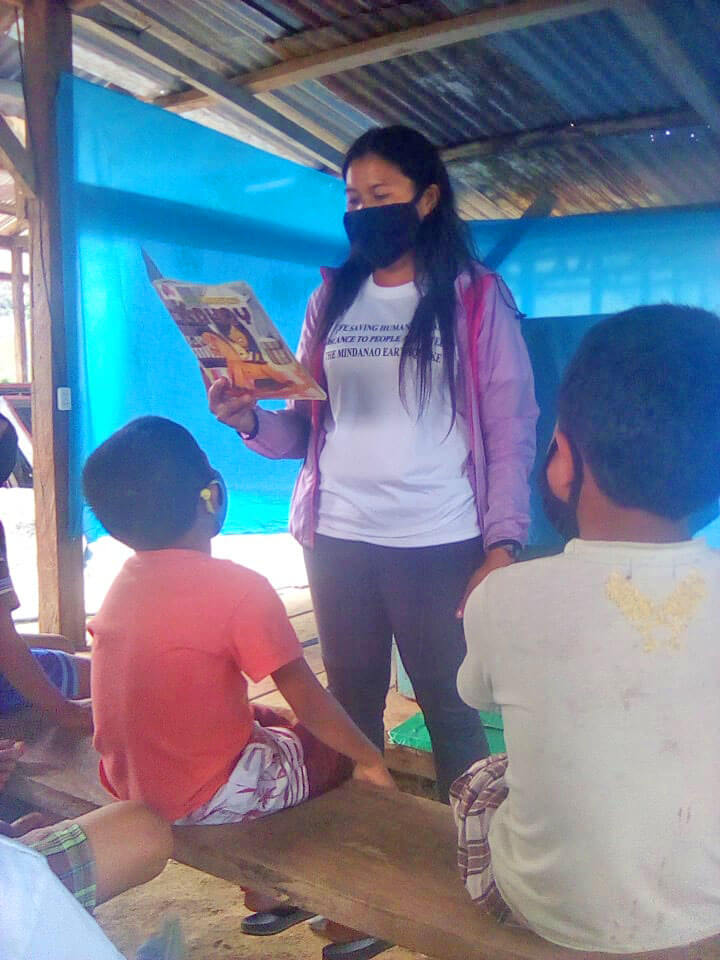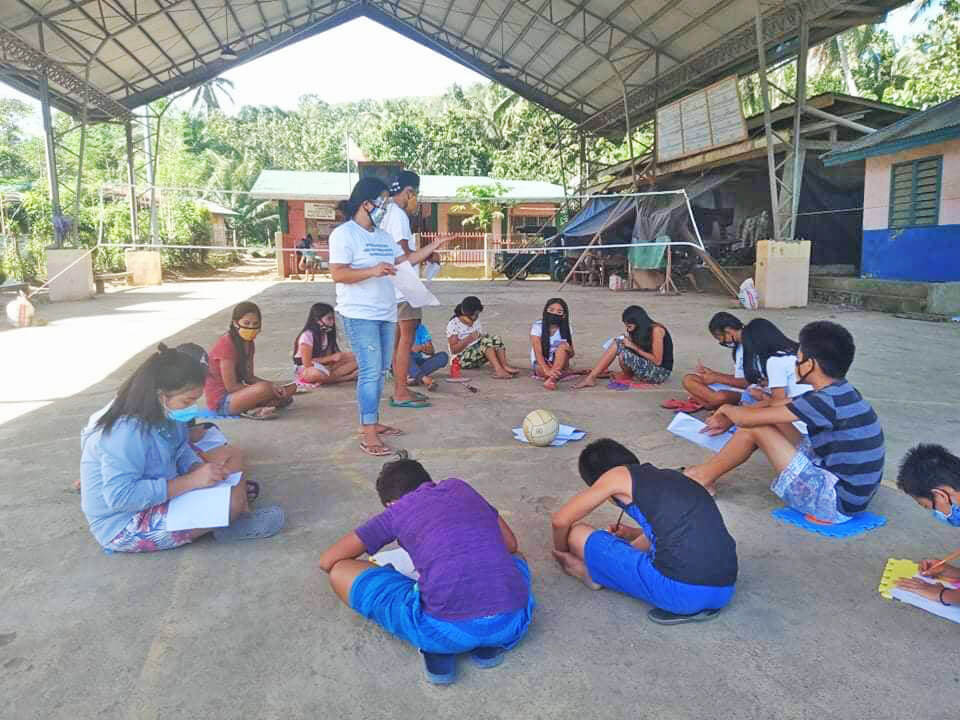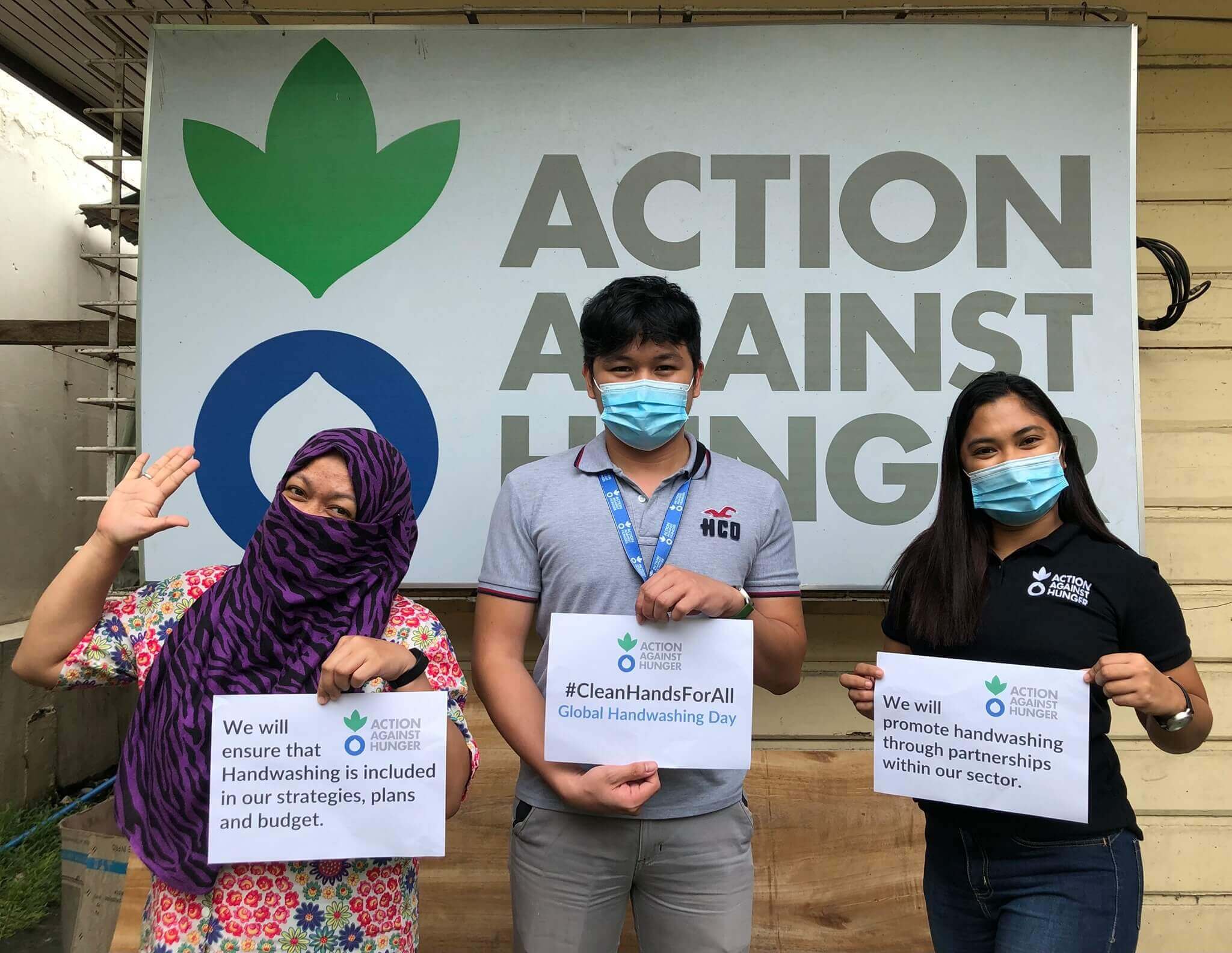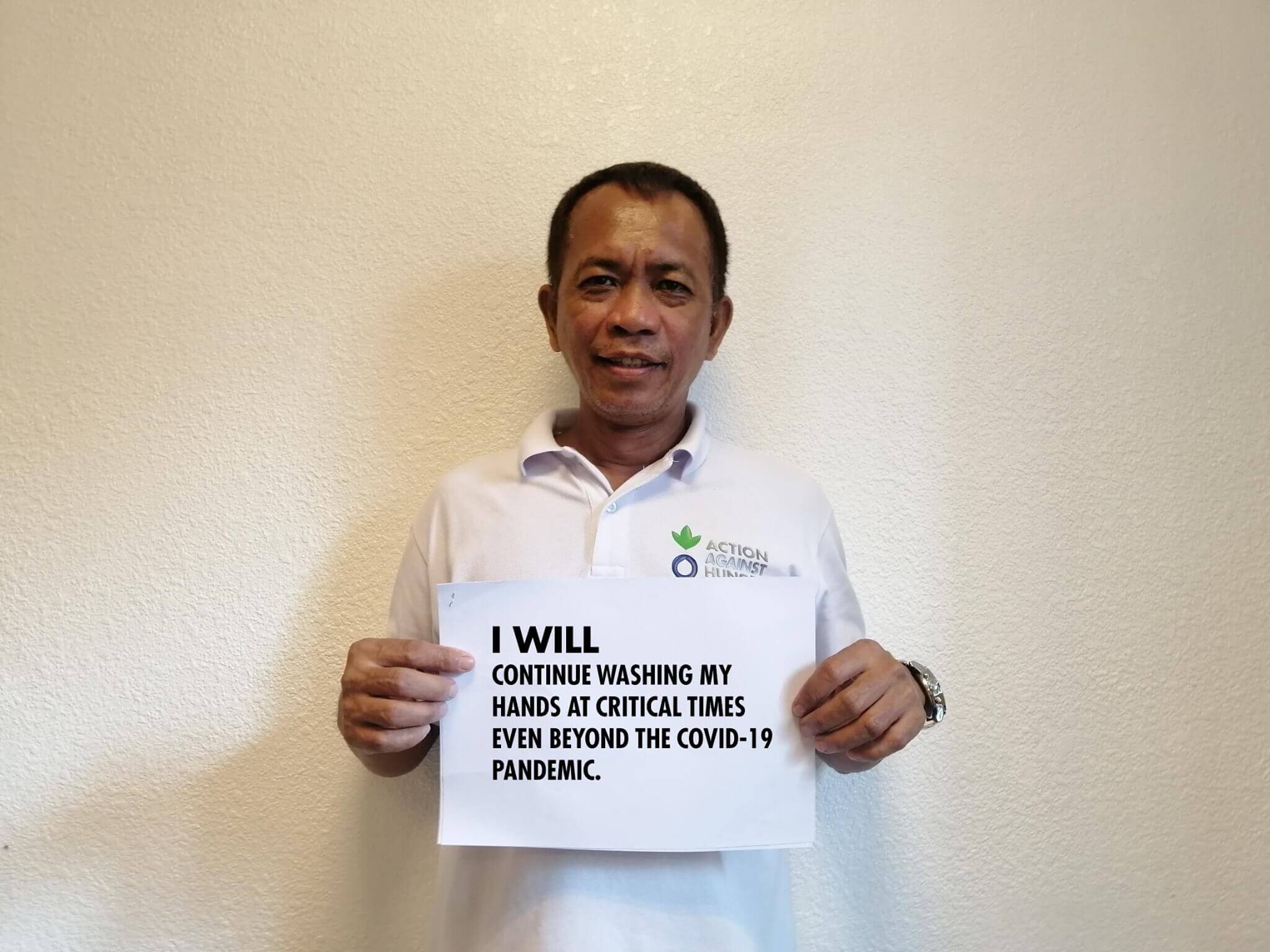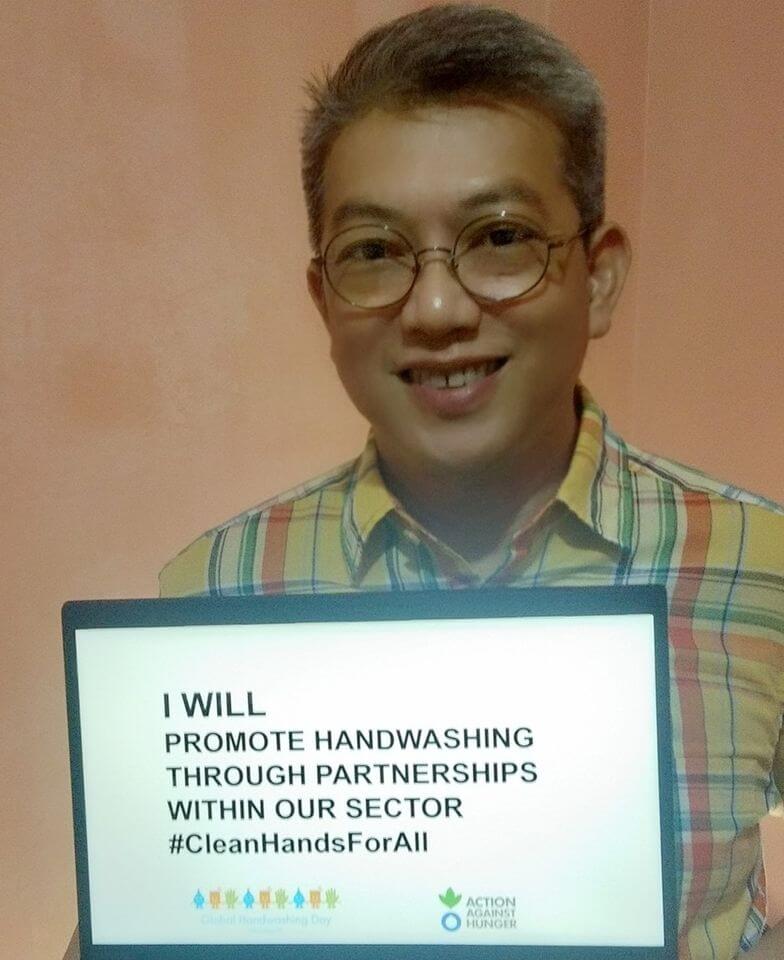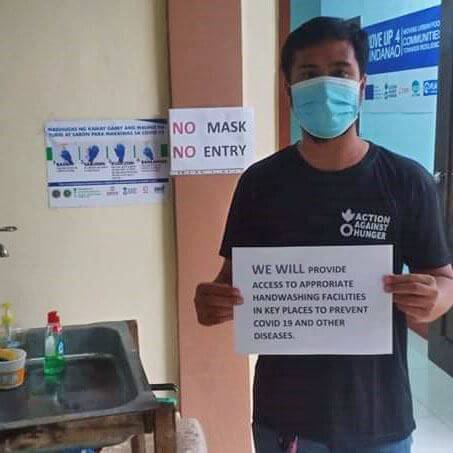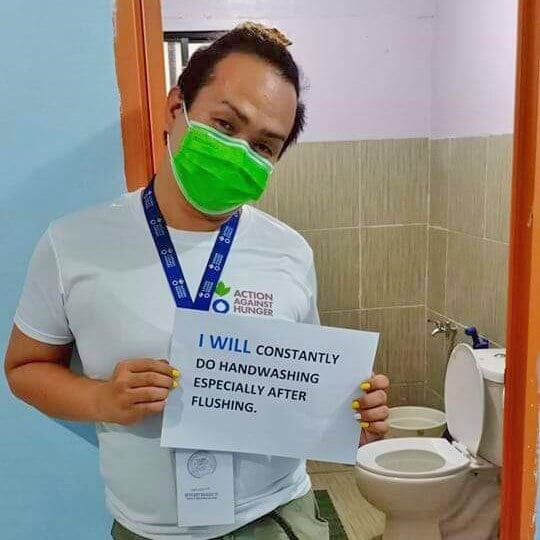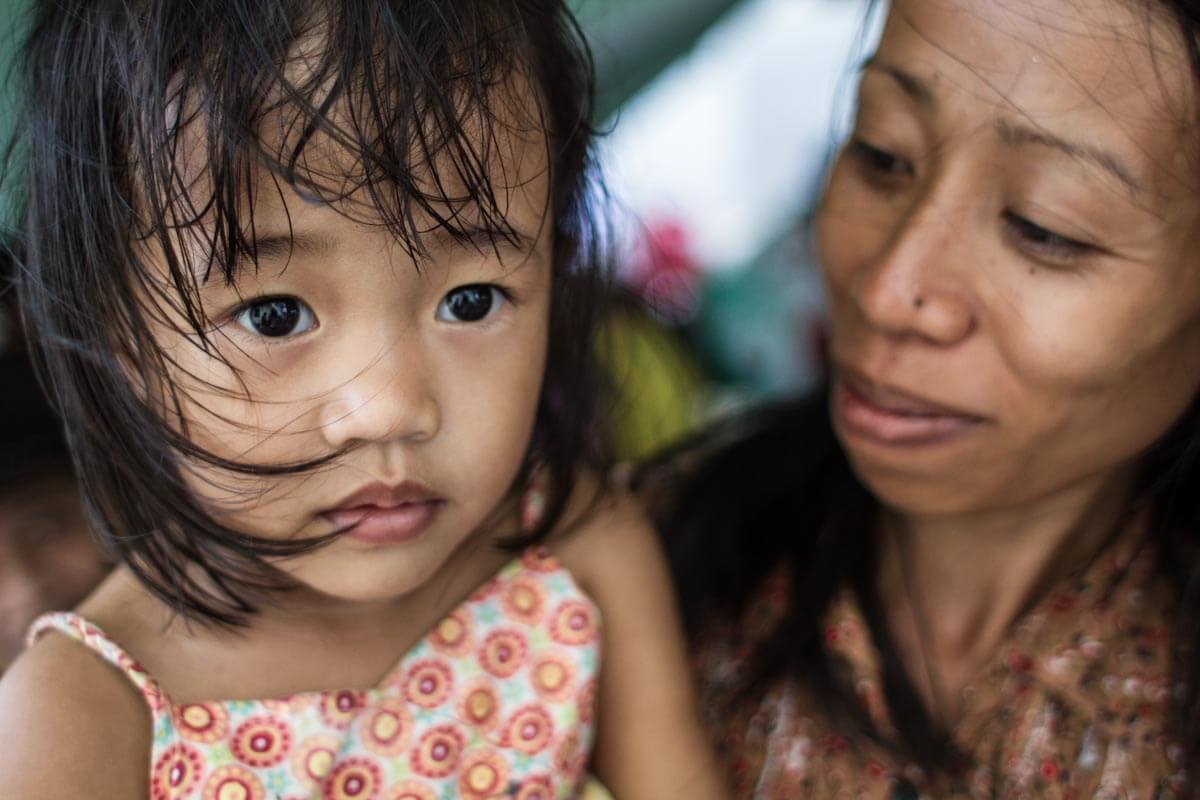
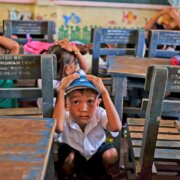
The COVID-19 pandemic has affected all of us, some more so than others.
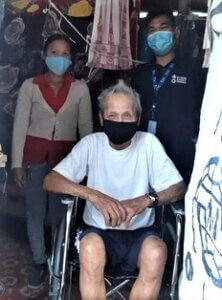
The unemployment rate of 17.7% for April 2020 is the highest ever recorded. As of September 24, we have reached 454,125 Filipinos with our projects, providing families with essential goods and services. But, In the face of this unprecedented crisis, we need to act fast and do more to help those who need it the most. ?? ???? ???? ????.
https://actionagainsthunger.ph/wp-content/uploads/2020/11/rsz_sep_27_p1.jpg625756Anthony Reyeshttps://actionagainsthunger.ph/wp-content/uploads/2020/04/logo_text_orig.pngAnthony Reyes2020-09-27 05:46:072024-09-11 14:32:05A Helping Hand To All Our Filipino Citizen Who Were Affected By The COVID-19
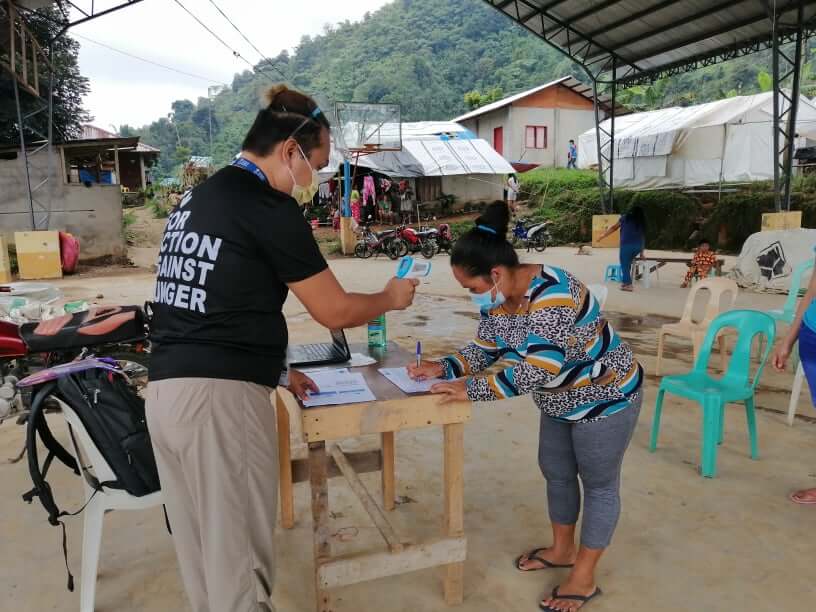
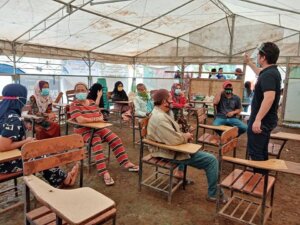
“How I can help maintain the health of my child?” asked one of the fathers at Rorogagus East Transitory Site in Marawi City yesterday during a Nutrition Sensitization Orientation conducted by our Iligan team.
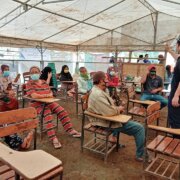
Both mothers and fathers actively participated in the discussions. Since the facilitator highlighted men’s contribution and influence in ensuring the proper health of their children, the fathers volunteered to practice taking MUAC measurements of children and pregnant & lactating women (PLWs).
Funded by Sida – Styrelsen för Internationellt Utvecklingssamarbete, the activity focused on detecting malnutrition through the use of Mid-Upper Arm Circumference (MUAC) tape. The attendees were enlightened of the fact that through this simple assessment, a child can be saved from the negative consequences of malnutrition through early detection.
https://actionagainsthunger.ph/wp-content/uploads/2020/12/AAH1.jpg720960Adminhttps://actionagainsthunger.ph/wp-content/uploads/2020/04/logo_text_orig.pngAdmin2020-09-25 18:30:502024-09-11 14:32:05Nutrition Sensitization Orientation in Rorogagus East Transitory Site, Marawi City
The future looks uncertain for 7.3 Million Filipinos who now find themselves without a job.
One vital part of our projects is livelihood training, making sure that our beneficiaries adapt to the situation and develop new skills to continue providing for their families.
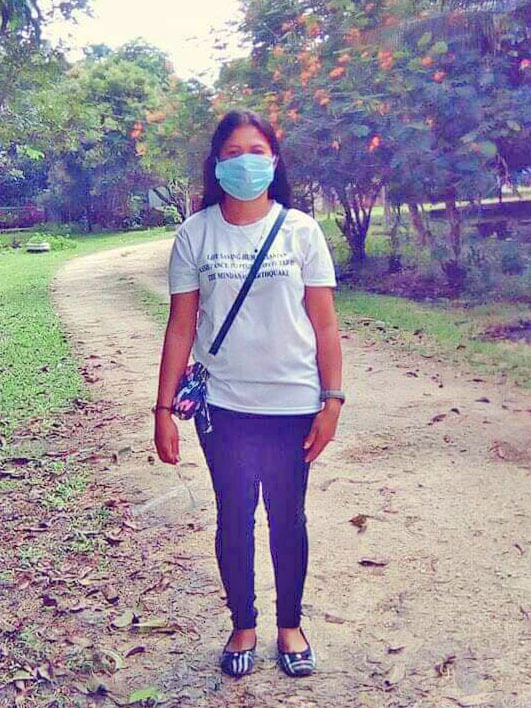
Aldin Beta-A is more than a DRR Supervisor for our MOVE UP 3 Project, he is one of our Real-Life Heroes.
After spearheading the Resilient Livelihood Support turnover for 50 families in Marikina last September 18, he shares his experience as a humanitarian worker and working tirelessly to help others amidst the pandemic.
When did you start being involved in development work? My initial employment was focused on ancestral domain management after I graduated back in 2000. After that, I was mostly involved in the agricultural field and was also part of an earthquake rehabilitation program. In 2006, I was deployed in Southern Luzon, in Aurora, for a community disaster risk reduction program. Thereafter, I was more involved on humanitarian responses during in 2013 until now.
What were your struggles as a humanitarian worker, especially now during the pandemic? Well, the normal struggle is how to expedite the process given that time is limited, and especially now that transportation between areas have become challenging. The common way we communicate now is through non-face-to-face interactions which can be challenging when it comes to decision-making.
What motivates you to continue a career in humanitarian work? As a humanitarian worker, it is common in our DNA to help others and doing no harm, so that motivates me to help others even if it needs more patience or innovative ways of getting things done.
What are your hopes and dreams for the future? My hope for the future is for us to continuously adapt. I see that we constantly change as a society, even though we experience many hazards or risks. I see that as we can adapt to these different disasters and emergencies, and cope as human beings.
Humanitarian crises create devastating impacts to the communities affected, but what is most scarring is the psychological trauma and stress that these emergency situations leave behind.
We are steadfast in mitigating these impacts and work closely with several conflict-affected communities in Mindanao.
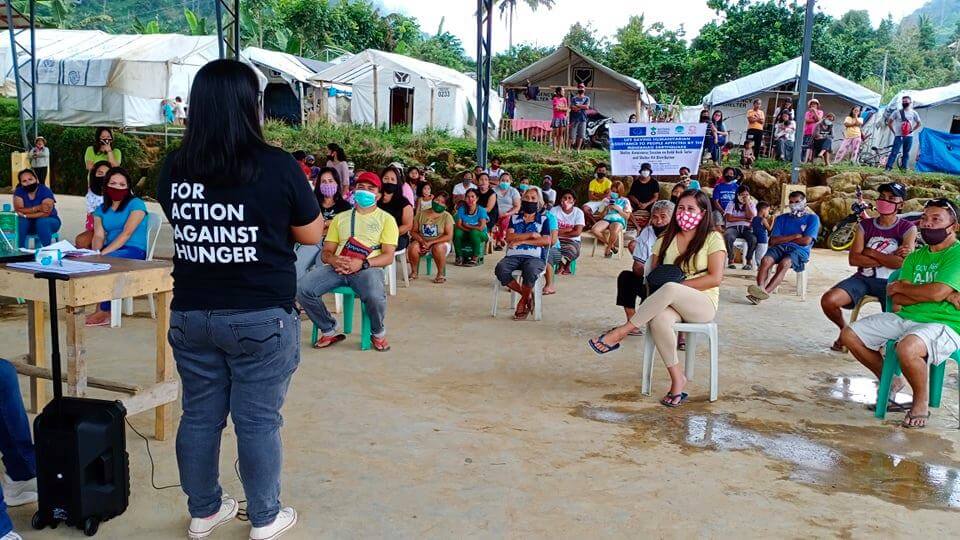
Thus, last August, we facilitated an ????????? ???????? ?? ?????? ?????? ??? ???????????? ??????? ???? ??? ??????????? ?? ?????? ??? ????????? for 60 community volunteers, leaders and LGU health staff members from the municipalities of Saguiaran, Kapai, Balindong and Madamba in Lanao del Sur, and Municipality of Pantao Ragat in Lanao Del Sur.
Funded by EU Civil Protection & Humanitarian Aid – ECHO, the training was part of our ‘Response to the Unmet Humanitarian Needs of the Most Vulnerable Conflict-Affected Populations in Mindanao’ (REACH) Project in partnership with CARE Philippines and Oxfam Pilipinas.
https://actionagainsthunger.ph/wp-content/uploads/2020/10/Sep-21-P3-cropped.jpg257486Anthony Reyeshttps://actionagainsthunger.ph/wp-content/uploads/2020/04/logo_text_orig.pngAnthony Reyes2020-09-21 07:23:452024-09-11 14:32:06Awareness Training on Mental Health and Psychosocial Support in the Community and Municipalities of Mindanao City
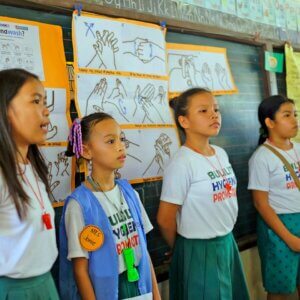
?????? ?? ???? ????? ?? ??????? ?? ?????????? ?????????? ???????? ???? ?????-??. However, around 7 million Filipinos are dependent on unsafe and unsustainable water sources.
In fact, even before the pandemic, those residing in congested dwellings in informal settlements, transitory sites, and evacuation areas were already facing problems with inadequate water, poor sanitation and waste management, and limited access to health care facilities. Now, these vulnerable areas are more prone to widespread virus infection.
Photo by Jasper Llanderal for Action Against Hunger
We help these communities through our programs on ?????, ??????????, & ???????.
https://actionagainsthunger.ph/wp-content/uploads/2020/09/AAH11.jpg427640Adminhttps://actionagainsthunger.ph/wp-content/uploads/2020/04/logo_text_orig.pngAdmin2020-09-20 09:00:222024-09-11 14:32:06The Cruciality of Safe Water Access in Infectious Diseases Prevention like COVID. Around 7 million Filipinos are dependent on unsafe and unsustainable water sources.
“I am more afraid that my family will suffer from hunger, than the actual virus,” is a sentiment shared by many Filipinos.
The country is facing an unprecedented hunger crisis as a result of the pandemic. Aside from the immediate impact on people’s health, COVID-19 could create more devastation to more than 13 million poor families in the Philippines.
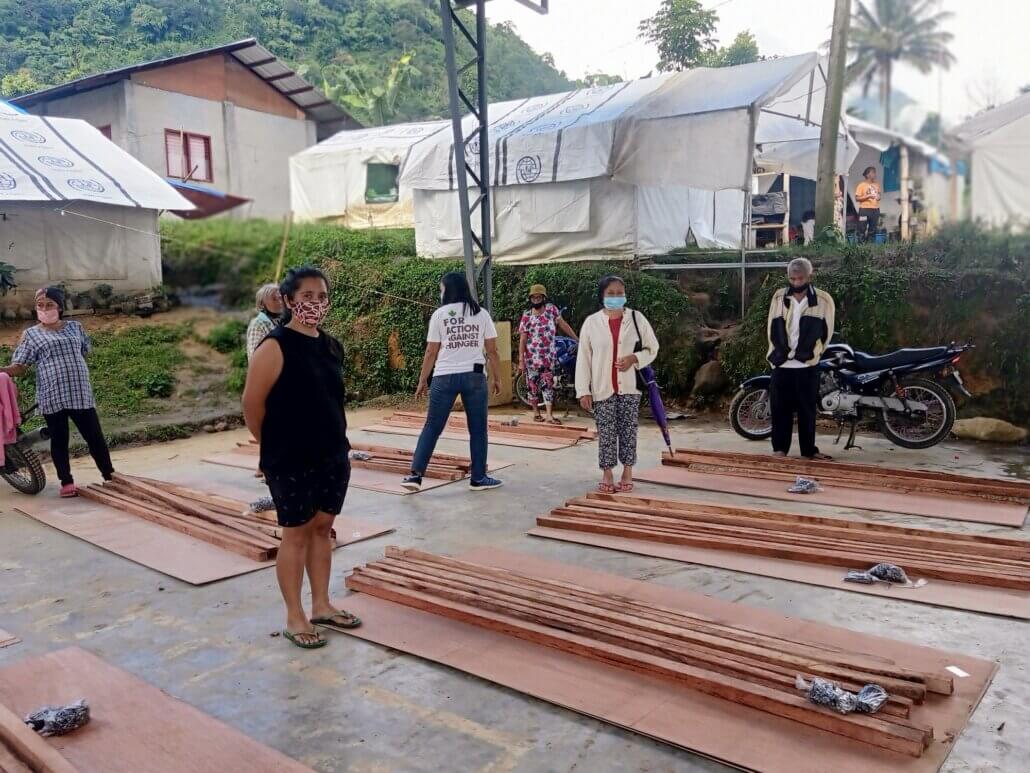
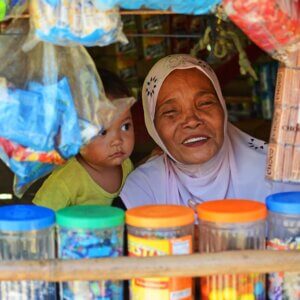
Faced with this situation, we have provided ???? ???????? ??? ?????????? ?????????? to 23,686 people as part of our COVID-19 response in the country.
https://actionagainsthunger.ph/wp-content/uploads/2020/10/Sep-18-P1-cropped.jpg309423Adminhttps://actionagainsthunger.ph/wp-content/uploads/2020/04/logo_text_orig.pngAdmin2020-09-18 07:01:182024-09-11 14:32:06Providing Food Security and Livelihood assistance to Our Country
“Mother, why are we different from other kids?” asks 6-year old John Rey to his mother, Janisa. John Rey and his two older brothers Christian and Gary Jr., have not been able to walk and run like other children because of a bone condition that started when each of them turned six years old.
Janisa looks at John Rey and finds it difficult to answer his question. Even the doctors that they consulted could not determine the reason why her sons’ bones in their lower bodies were shrinking. All the doctors could recommend was to conduct more medical examinations to determine the cause of the boys’ conditions and how to treat it.
The eldest, Gary Jr. who is now 13 years old, has trouble sitting down and usually spends days lying on the sleeping mat. The father, Gary Sr., earns just enough to get by their daily needs as an on-call carpenter. Janisa stays at home and takes care of the children. As much as they want to have their sons treated, they have limited financial capabilities to do so.
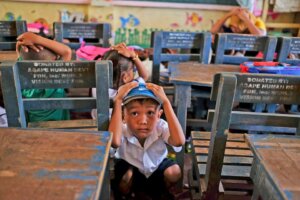
To make matters worse, their community in Balabag, Kidapawan was affected by the series of earthquakes that struck Mindanao during the last quarter of 2019. The disaster affected more than 300,000 people, almost half of them displaced, including Gary Sr. and Janisa’s family.
Despite their struggles, the Lopez family continues to move forward especially after our Earthquake Response Protection Team, together with the Integrated Provincial Health Office – IPHO and the City Social Welfare and Development Office (CSWDO), referred and assisted the Lopez brothers to Kidapawan City Public Hospital and other private hospitals in the area for more extensive check-ups and medical examinations. John Rey, Christian, and Gary Jr. each received wheelchairs courtesy of the IPHO, and the CSWD provided financial assistance for their family. Action Against Hunger continues to monitor the condition of the three children.
Prior to the referral, the Lopezes also received humanitarian support forms of multi-purpose cash transfer, hygiene and shelter kits. Inside their evacuation tent, Janisa watches her two youngest sons play, the eldest brother lies in his back beside them. The boys may not be able to use their legs like other children, but Janisa is hopeful that at least her sons will now be able to walk and run in their own special way with the help of their new wheelchairs.
https://actionagainsthunger.ph/wp-content/uploads/2020/10/rsz_sep_17_p1.jpg344612Adminhttps://actionagainsthunger.ph/wp-content/uploads/2020/04/logo_text_orig.pngAdmin2020-09-17 06:41:422024-09-11 14:32:06Life After The Mindanao Earthquake: Wheels of Hope
A rise in cases of psychological distress and gender-based violence is one of the unfortunate impacts of humanitarian emergencies. This is why we are committed in building the capacities of our partners in the areas where we work.
One way of doing this is by training barangay health workers, community volunteers, camp managers and other frontliners on ”???????????? ???????, ?????? ????? ???????? ??? ??????????,’ which was recently rolled out last September 3 and 4 in Marawi City, Lanao del Sur.
Funded by the ??????? ????????????? ??????????? ??????????? ?????? (????), the training was implemented under our ?????-???????? ?????????? ?? ????????-???????? ??????????? ?? ??? ?????? ?????.
By empowering our partners, these #RealLifeHeroes will continue to serve using their knowledge and experiences, even when we are no longer present in their communities.
https://actionagainsthunger.ph/wp-content/uploads/2020/09/AAH1.jpg640960Adminhttps://actionagainsthunger.ph/wp-content/uploads/2020/04/logo_text_orig.pngAdmin2020-09-14 09:00:192024-09-11 14:32:06Psychosocial Support, Gender Based Violence and Protection Training in Marawi City, Lanao del Sur.
Prior to the pandemic, the Philippines was already one of the top 10 countries worldwide with the highest number of stunted children. This is alarming since the risk of mortality among undernourished children, increases 15-fold if they develop pneumonia.
Because of this, we rolled out nutrition-sensitization trainings for our local government partners and health volunteers who are our allies in ensuring the health and safety of the communities we work with.
Learn more about our programs on nutrition & health: https://actionagainsthunger.ph/what-we-do/#nutrition-and-health
https://actionagainsthunger.ph/wp-content/uploads/2020/11/AAH11-1.jpg960960Adminhttps://actionagainsthunger.ph/wp-content/uploads/2020/04/logo_text_orig.pngAdmin2020-09-12 09:00:322024-09-11 14:32:06Ensuring the Health and Safety of the Communities We Work with Through Nutrition-sensitization Trainings