Tag Archive for: International Women’s Day

Give to Gain: A Woman’s Commitment to Multiplying Impact

On Women’s Day, we highlight, through Wendie’s story, the power of reciprocity among women working to empower individuals toward change. When societies invest in women, opportunities expand, systems strengthen, and everyone benefits. Giving is not a loss when working with communities, but rather an intentional and powerful multiplication of impact.

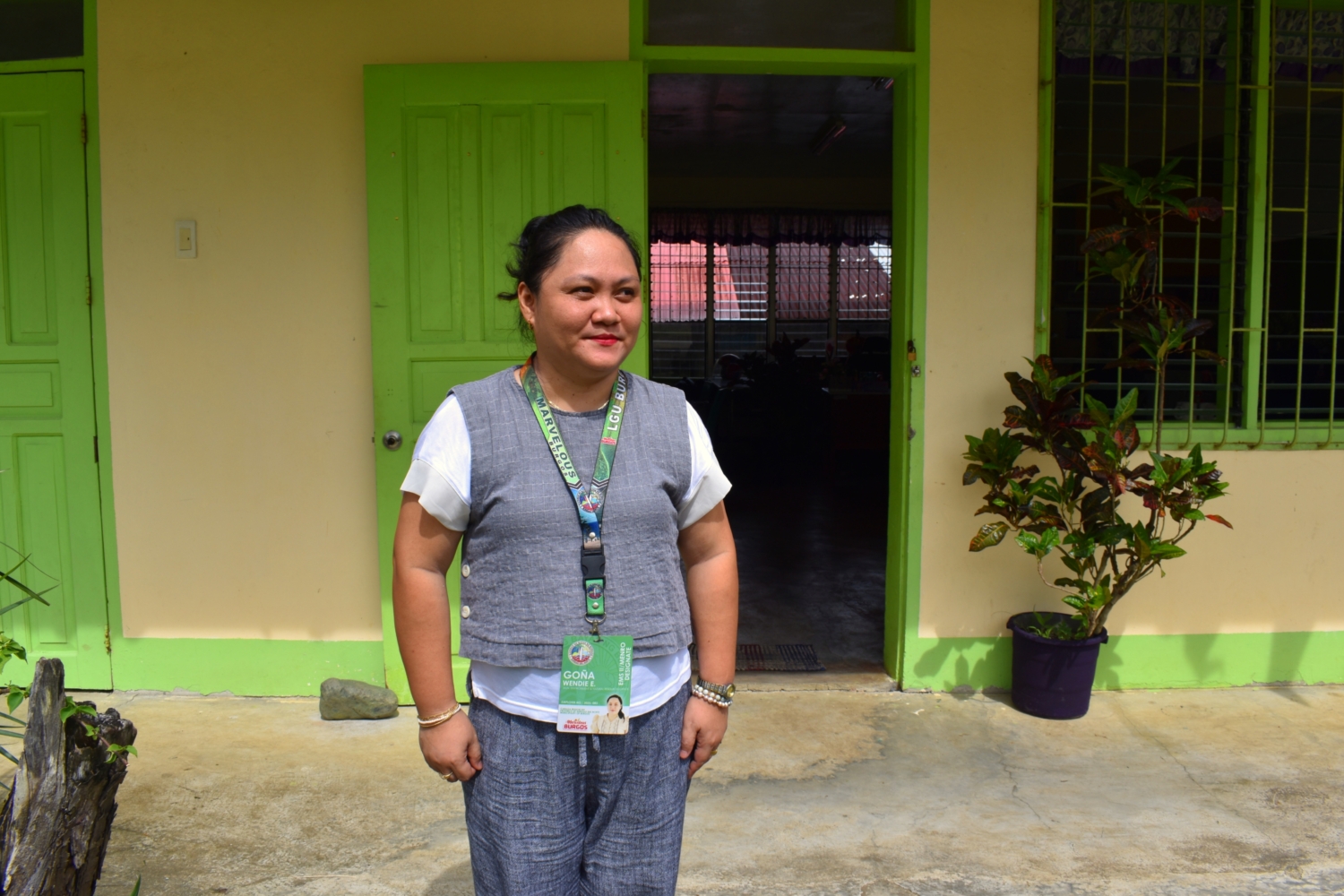
BURGOS, SURIGAO DEL NORTE – Wendie Goña, 38, is a dedicated champion of community-driven environmental protection in her municipality. Working as the Municipal Environmental Officer in Burgos,  Wendie has provided crucial support to Action Against Hunger initiatives in Siargao, such as the Siargao Green Economy Project, funded by the Spanish Agency for International Development Cooperation (AECID) and the Typhoon Odette WASH Recovery and Rehabilitation Towards Climate Resilience Programme together with UNICEF.

Wendie contributes to advancing programs at the local level, that protect forests, coasts, and marine ecosystems while empowering local communities, particularly women, to take an active role in safeguarding their environment.

Raised in Barangay Danawan, a small island community in Surigao City, Wendie experienced firsthand the challenges fishing families face during monsoon months. As the daughter of a teacher and a fisherman, she developed a deep respect for education and the natural environment, which inspired her to pursue a degree in Fisheries at Mindanao State University in Marawi City.

Over the years, she has worked tirelessly to organize self-help groups, lead mangrove rehabilitation projects, improve solid waste management, and implement climate adaptation initiatives.

Now living in Barangay Baybay, Burgos, Wendie works within a fifth-class municipality facing financial and logistical limitations, yet she continues to lead programs that integrate environmental responsibility, community engagement, and sustainable practices.

In this interview, she shares her journey, the lessons she has learned, her vision for empowering people within the community, and what it means to #GivetoGain in her daily life:

What inspired you to work on environmental protection?

I grew up on a small island, Barangay Danawan in Surigao City, as the daughter of a teacher and a fisherfolk. Life was not easy. During the monsoon, when fisherfolks could not go to sea and fishing was our main livelihood, many families struggled.

I soon realized how deeply we depend on the environment and that I had the power to create positive change in my community. From a young age, I knew I could use my voice and knowledge to empower others toward change. I have always been the type of student who speaks up when she realizes that something is not fair.

Many people have never experienced these challenging situations firsthand, so they often do not understand the difficulties involved. But if you are directly impacted, you know exactly what those struggles mean and how they can impact your daily life.
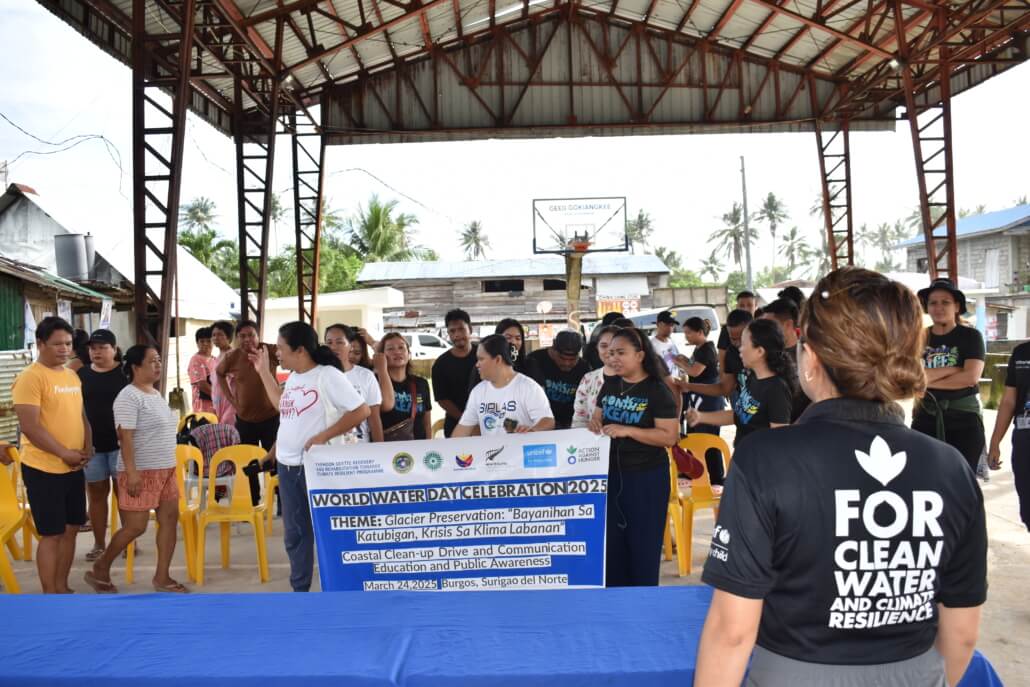
In photo: Wendie participates in the coastal clean-up organized by Action Against Hunger in 2025. Photo by Alexane Simon for Action Against Hunger


What is a typical day at work like for you?

My work involves implementing municipal environmental programs using a ridge-to-reef approach. This means we take care of the whole environment, from the mountains and forests down to the rivers, coast, and sea. What happens in the upland areas affects the water and life downstream.

For example, protecting forests helps prevent soil and dirt from going into rivers, keeping the water clean, and supporting healthy coastal and marine ecosystems.

I focus on forest management, solid waste management, protecting biodiversity, and adapting to and reducing the impacts of climate change.

Every day is different and challenging. I am not always in the office; sometimes I join community activities, such as awareness sessions on solid waste management. For example, I recently participated in an awareness campaign at Burgos National School under the Siargao Green Economy Project of Action Against Hunger.


What values do you bring every day on the job?

I am guided by the principles of change, integrity, accountability and  empathy. My advocacy extends beyond my job because protecting the environment is a shared responsibility.

I strive daily to create a positive impact across different communities, take responsibility for how my actions affect others, and let the experiences that have shaped me guide me to act with heart, both at work and in everyday life.
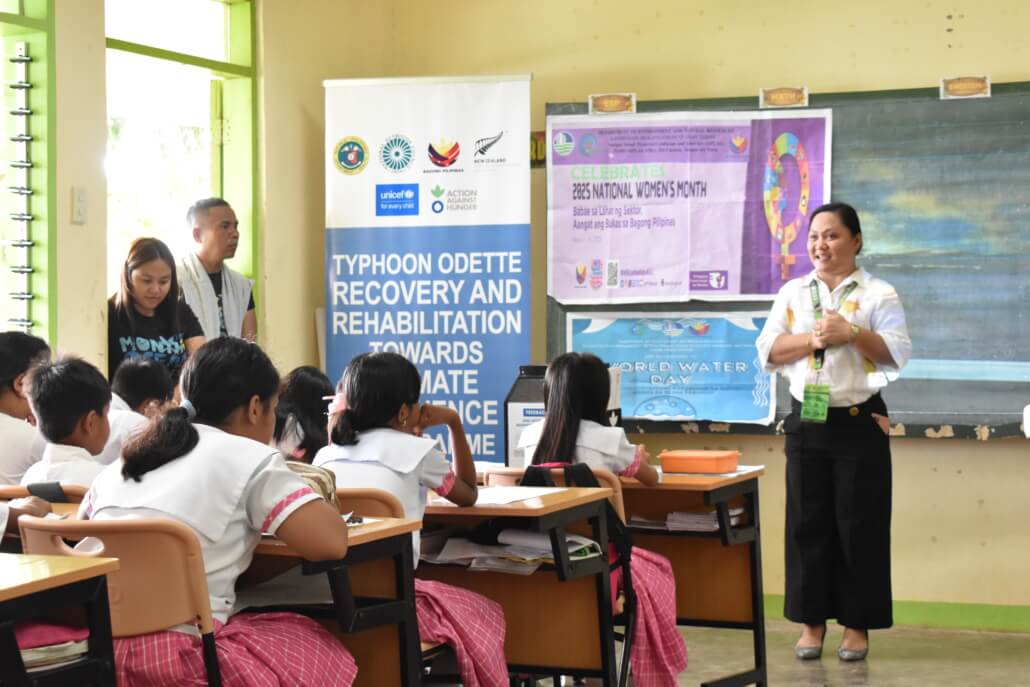
In photo: Wendie during a raising awareness session on environmental practices with students. Photo by Alexane Simon for Action Against Hunger.


Why is empowerment important in environmental work?

Empowerment is essential in environmental work because real, lasting change happens when communities have the knowledge, skills, and confidence to take action for themselves.

What I like most about working with my community is empowering women. Historically, women have had little voice in planning and decision-making, yet they are crucial for analyzing situations, understanding community needs, and providing unique perspectives. Women are natural and great leaders who guide, inspire, and take initiative they provide guidance, perspectives, and can inspire real change in their communities.

I support women in my office and community by sharing knowledge, building networks, and advocating for their representation in local governance. Women’s participation contributes to stronger  community efforts, especially in coastal cleanups, showing that when women are empowered, entire communities benefit.


What is something you wish could improve in your community?

One area I wish could improve in my community is solid waste management.

One of the most common issues among locals is improper waste segregation at the household level. To address this, I am proposing to the [local administration] the establishment of a new residual containment area, although this is challenging because the municipality is located within a protected area, so there are legal and environmental restrictions.

Nevertheless, the local administration is highly supportive of solid waste management initiatives.

One major challenge occurs when garbage trucks cannot operate for extended periods due to repairs. When waste is not collected on time, garbage accumulates, and some residents resort to dumping trash along roads. This is also why I promote social behavioral change initiatives, especially among young people or through door-to-door sensitization and actively participate in information and communication campaigns.

For me, the key is to focus on both soft enforcements, such as education and awareness, and hard enforcement, like penalties, to ensure there are no repeat violators. So far, I have seen that this approach works effectively within our community.


What challenges have you faced as a woman in your field, and how did you overcome them?

One challenge I have faced is gender bias. Back in college, many female fisheries students were sidelined from fieldwork because we were considered too fragile. I made it a point that we take part fully, recognizing that equal practical experience was essential for our professional growth.

Luckily, my family has been very supportive throughout my education and career. My father, a fisherfolk, has always been proud of my accomplishments and the challenges I have overcome, and his encouragement has been a constant source of strength for me.


What does “Give to Gain” mean to you in your work?

Give to gain” clearly reflects my approach to work. When you give your time, knowledge, and effort sincerely to the community, you gain trust, engagement, and lasting impact in return. By mentoring, educating, and empowering others, especially women who are often hesitant to speak up, you help communities develop the capacity to sustain change themselves.

Environmental conservation is a shared responsibility, and embracing a give to gain mindset creates a win-win situation, ensuring growth and benefits for both the community and the programs we implement.
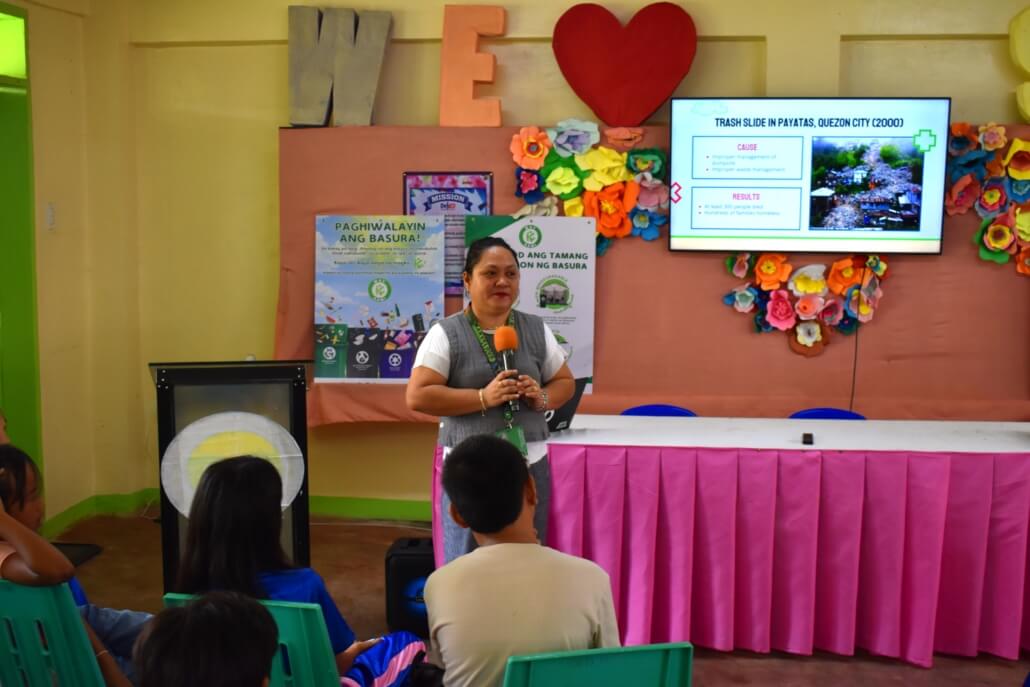
In photo: Wendie during a raising awareness session on waste management with students in Burgos. Photo by Martina Vercoli for Action Against Hunger.


What have you gained personally and professionally by working with the communities?

By working with the communities for many years now, I have gained resilience, patience, and stronger leadership skills. By resilience, I mean the ability to keep going despite challenges, limitations, or difficulties in my work and community projects.


Can you share a specific moment when giving made a difference?

It was not a single moment but an ongoing process. Through advocacy and enforcing local ordinances on solid waste management, we saw people follow the rules more consistently. In the Philippines, many environmental laws exist, but the struggle is in ensuring that we are strongly enforcing them.

Even more inspiring was when communities became proactive and took action on their own, showing that giving guidance truly makes a difference.

I work closely with my team and the community to empower change. For example, seeing women in my team take leadership in enforcing local ordinances or participate actively in cleanups is very heartwarming. It shows that our efforts are influencing the next generation of environmental accountability.
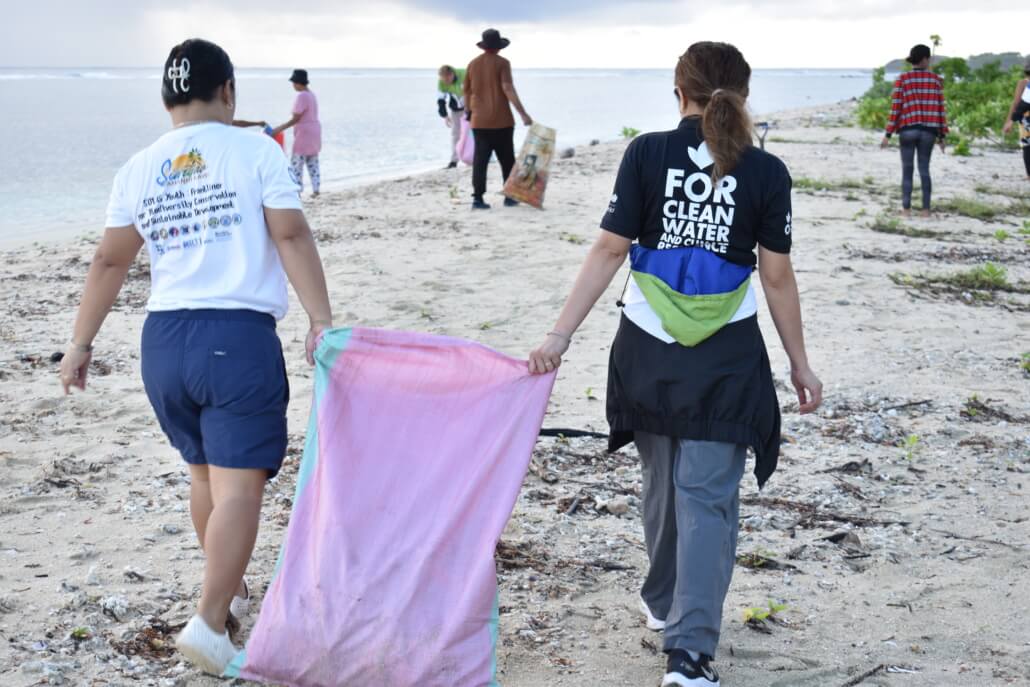
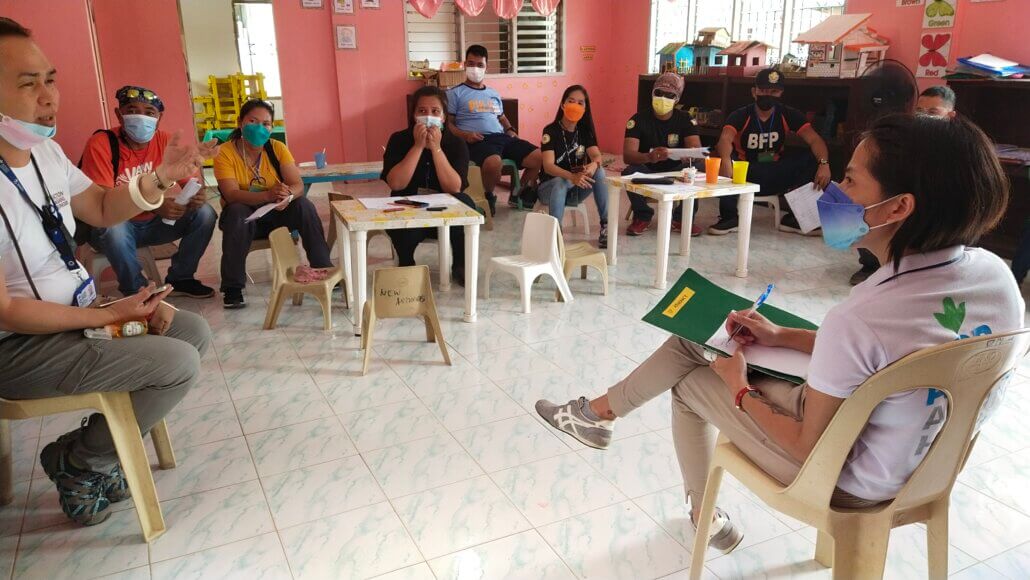
In photo: Wendie (left) and Action Against Hunger staff work together in collecting trash during the World Water Day 2025. Photo by Alexane Simon for Action Against Hunger


What is something a woman or girl has taught you?

Women who have crossed my path have taught me that leadership does not always require formal titles. Even without official recognition, women’s groups at the community level can be highly organized and effective.

In Burgos, they lead cleanups, mobilize neighbors, and sustain environmental initiatives quietly and powerfully.

Wendie’s story reminds us that true impact is not measured by individual accolades but by the ripple effects of giving. By investing her time, knowledge, and energy in her community, especially in empowering women, she multiplies change in ways that endure beyond her daily work.


On this International Women’s Day, her example inspires us to recognize that when women lead, support, and mentor others, the gains extend far beyond themselves, shaping stronger, more resilient communities for everyone.
Real Life Heroes: Juhaina Ebus

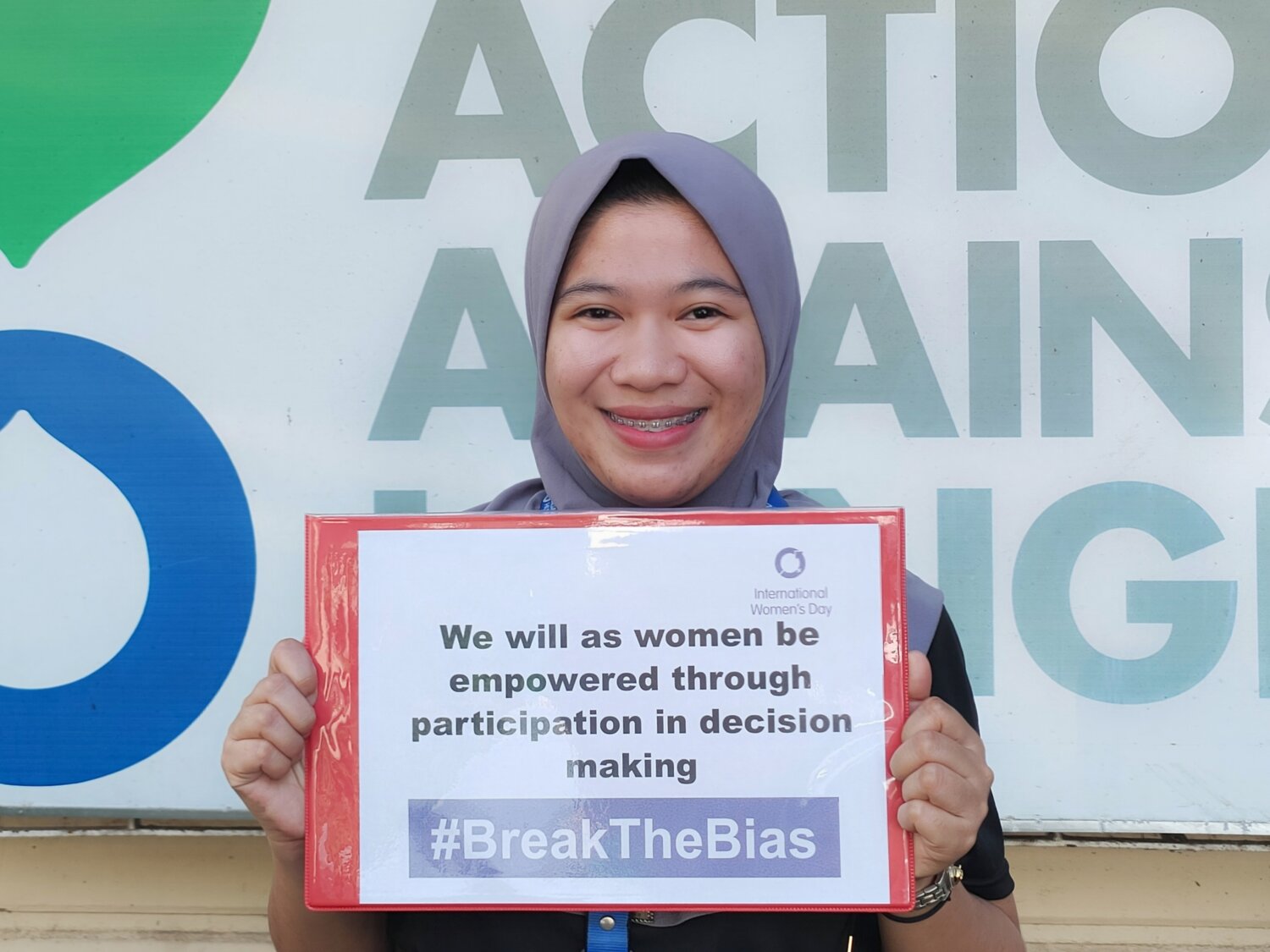
Juhaina Ebus, our Protection Assistant for the REACH Project, chooses to #BreaktheBias through empowering women in vulnerable communities. She does this by engaging them to participate in active decision-making.  Her passion is advocating for people’s rights and giving help to those who need it the most. This is one of the many reasons why she’s certainly one of our Real Life Heroes.

Get to know Juhaina and her inspiring take on being a humanitarian worker:


What is your role in Action Against Hunger?

I conduct assessments on the protection needs or gaps in the communities I serve and advocate for their rights. I’ve also been raising awareness on how to live a safe and healthy life during this COVID-19 pandemic while providing emergency humanitarian assistance when needed.

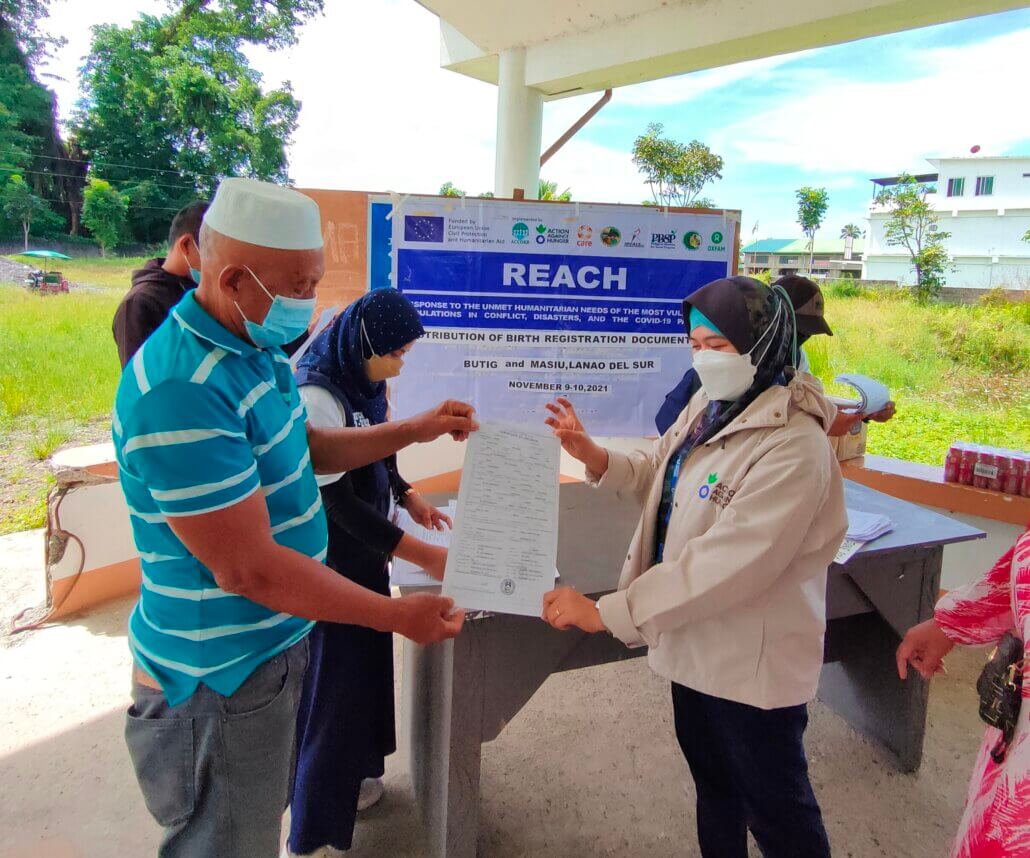
Juhaina in one of the Legal Mission activities of REACH in Lanao del Sur. (Photo courtesy of Juhaina Ebus)

How long have you been working as a humanitarian worker?

I have been in this industry for more than 3 years. My first job with Action against Hunger was as a Psychosocial Support Assistant under the Marawi Siege Emergency Response project funded by the USAID’s Office of U.S. Foreign Disaster Assistance (OFDA) in Cotabato City back in 2018.

From then on, I have responded to different emergency interventions such as Maguindanao Armed Conflict Response in 2019 as WASH Assistant; COVID-19 Response in Kidapawan in 2020 as a Hygiene Promotion Assistant. Since last year, I’ve been working as the Protection Assistant for the ‘Response to the Unmet Humanitarian Needs of the Most Vulnerable Populations in Conflict, Disasters, and the COVID-19 Pandemic’ project or REACH.

What motivates you to become a humanitarian worker?

Seeing smiles on their faces, having to hear different stories, and helping without expecting anything in return are some of the reasons why I find my work with the vulnerable population to be fulfilling.

My main motivation has always been my passion-driven attitude towards them—to contribute good lasting changes in terms of their behavioral, spiritual, & emotional aspect in looking at life. I also learned to be more patient and understanding of the fact that each of us has our own capacities.

Photo courtesy of Juhaina Ebus

Why are you making this sacrifice?

I pursued this path because it is my passion. As a registered social worker, I made sure to expose myself to the realities on the ground and further improve my skills depending on the evolving needs of the community. Life is never simple but helping improve the lives of others day by day is a work that I passionately enjoy.

What have been the challenges to your work?

Being away from my family is challenging but I always remind myself that sometimes independence means pursuing your passion by helping those in need and gradually contributing to making the world a better place.

What motivates you to keep doing your work even with these challenges?

To be able to really feel and see the lasting change on the overall social development of the beneficiaries and the underserved communities.

In photo: Juhaina (wearing black) conducts an orientation for the participants of the legal mission activity in Lanao del Sur. (Photo courtesy of Juhaina Ebus)

What are you most proud of?

Being a part of Action Against Hunger is a blessing because I can really say that there is an improvement in the fight against hunger & malnutrition within vulnerable communities.

How do you #BreaktheBias in your line of work and/or on a daily basis?

I will equally treat everyone with respect regardless of gender preference and will always be open to working collaboratively without prejudice.

Imagine a gender-equal world. What do you see?

A gender-equal world is a world wherein everyone is treated fairly, regardless of gender or religion; a gender-equal world equates to a healthy society.

In photo: Juhaina (wearing black) conducts an orientation for the participants of the legal mission activity in Lanao del Sur. (Photo courtesy of Juhaina Ebus)


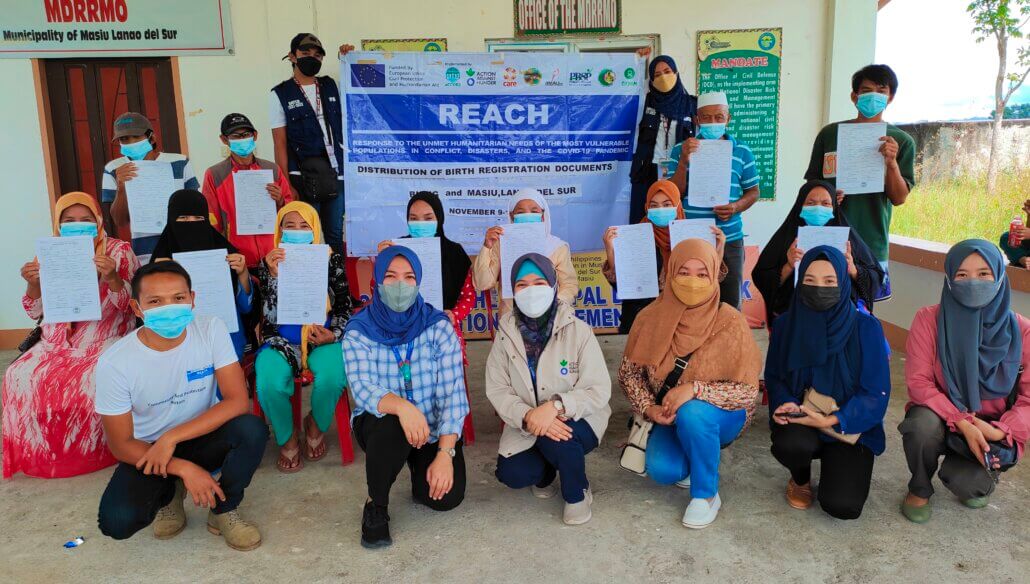
The ‘Response to the Unmet Humanitarian Needs of the Most Vulnerable Populations in Mindanao and the Visayas Affected by Conflict, Disasters, and the COVID-19 Pandemic’ (REACH) Project is funded by the European Civil Protection and Humanitarian Aid (ECHO) and is implemented by ACCORD IncorporatedAction Against Hunger PhilippinesCARE PhilippinesCommunity Organizers MultiversityInitiatives for Dialogue and Empowerment through Alternative Legal Services (IDEALS) Inc.Philippine Business for Social Progress (PBSP)United Youth of the Philippines-Women and Oxfam Pilipinas.

Read more

Real Life Heroes: Lea Añora

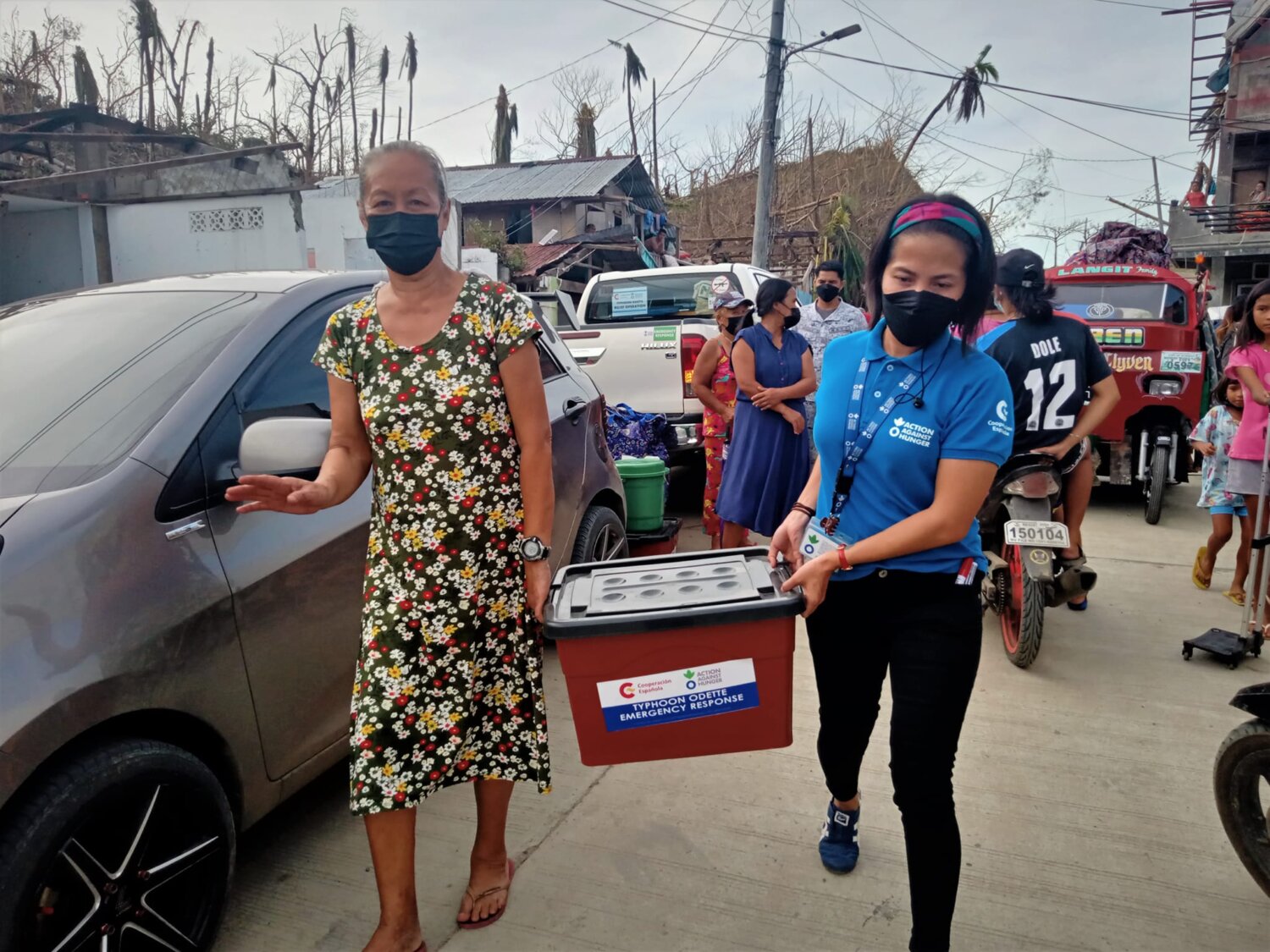
Last December, Lea Añora and the rest of our Tandag Field team were immediately deployed to Surigao City mere hours after Typhoon Odette made landfall—an experience that made her feel the proudest in being part of the most “hardworking humanitarian force of Action Against Hunger.”
On a regular day, Lea dedicates her time as a Disaster Risk Reduction (DRR) Supervisor in our AECID-funded PROact Project while empowering women in her field to break free from stereotypes.
Get to know Lea and what makes her one of our Real Life Heroes.

What is your role in Action Against Hunger?

I am part of the PROAct Project that aims to improve disaster and climate change resilience in communities. As DRR Supervisor, I lead in facilitating skills and capacity training, spearheading community drills, provision of DRR Equipment and Early Warning Devices, facilitating, assisting our partner local government units in crafting and enhancing their DRR-CCA and Development plans, implementing Alternative Resilient livelihoods including the provision of technical support to partner Peoples Organization and conducting emergency response to disaster-affected areas, especially within the AOR of the base and neighboring provinces.

How long have you been working as a humanitarian worker?

It’ll be my 5th year in the organization this coming March 2022

What motivates you to become a humanitarian worker?

The trust and confidence of our partners, believing us and the organization that we WILL and CAN make significant changes in their lives and into their communities.

Photo by Dale Divinagracia for Action Against Hunger

Why are you making this sacrifice?

To see more faces of hope and joy, encouraging others to be an instrument of positive change despite the cruelty of the world.

In photo: Lea (third from the right) in one of the activities of ProACT.

What have been the challenges to your work?

Engaging in a diverse environment, with people having different beliefs, stand-points, and characters.

What motivates you to keep doing your work even with these challenges?

Having the experience of being genuinely appreciated by the people that we are helping fuels me every day to do more beyond what is expected from me to accomplish.

What are you most proud of?

Recently, during our Typhoon Odette Emergency Response, I was part of the team that was deployed to Surigao City immediately after the aftermath of the typhoon. Everyone in our team, including our drivers, worked so hard that a 4-hour sleep and eating a full day’s meal was a luxury. There were times when we were all drenched in rain and in sweat during the first wave of our assessment and relief distribution. These challenges never stopped us.

Everyone extended an extra mile of heartful labor to aid the immediate needs of the typhoon survivors. This experience made me the PROUDEST – to be part of the most hardworking humanitarian force of Action Against Hunger.

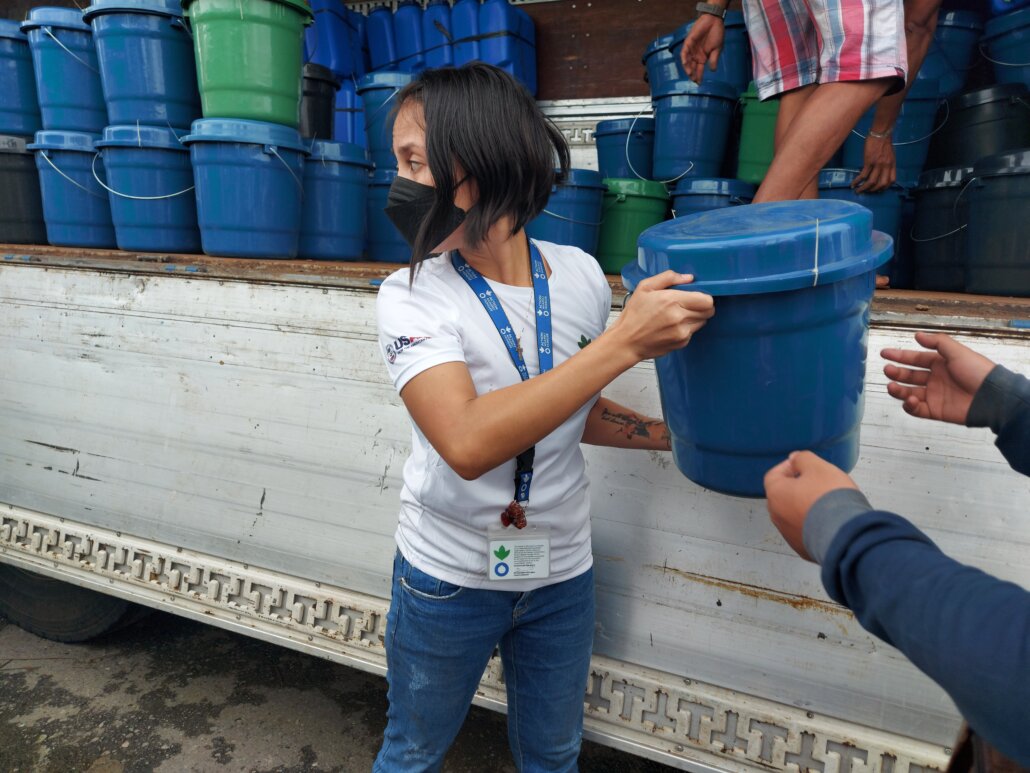
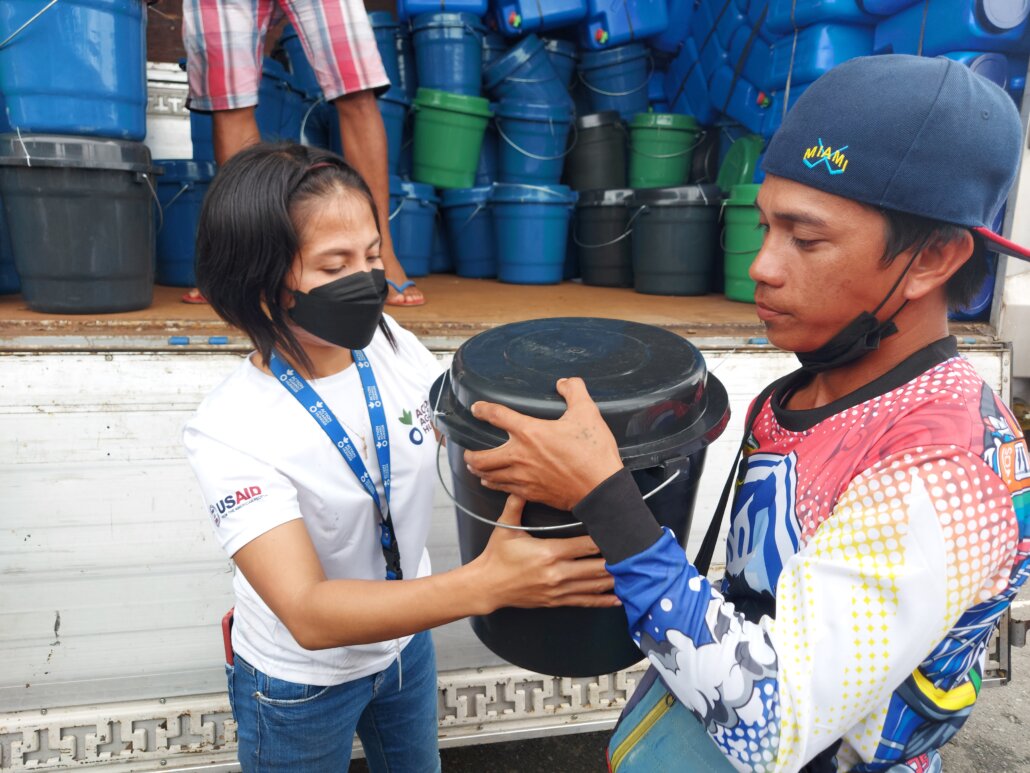
In photo: Lea hands over a hygiene kit during one of the Typhoon Odette Emergency Response distributions in Surigao City. (Photo by Dale Divinagracia for Action Against Hunger)

As a DRR Supervisor, what climate change impact have you seen with your own eyes?

Taking to countless farmers and fisherfolks through the years, the common lament is that their yield has been dwindling.  This is due to the extreme weather conditions that we are all experiencing today; change of weather pattern, severe heavy rainfall, long periods of the dry season, and rising sea level.  These not only directly affect the livelihood of the farmers and fisherfolks, but also of the average customer because of rising prices for food.


Photo by Nino Kim Diez for Action Against Hunger

How do you help in combating climate change?

It is a challenge fighting against climate change. We can’t stop it.  But, we can mitigate its impact. Strengthened advocacies on DRR-CCA, people’s increased resiliency, and capacities, and strong support from our local government units, concerned national government agencies, and non-government agencies or organizations are one of the most important keys in executing projects, programs, and activities that directly address the adverse impact of climate change in our communities.

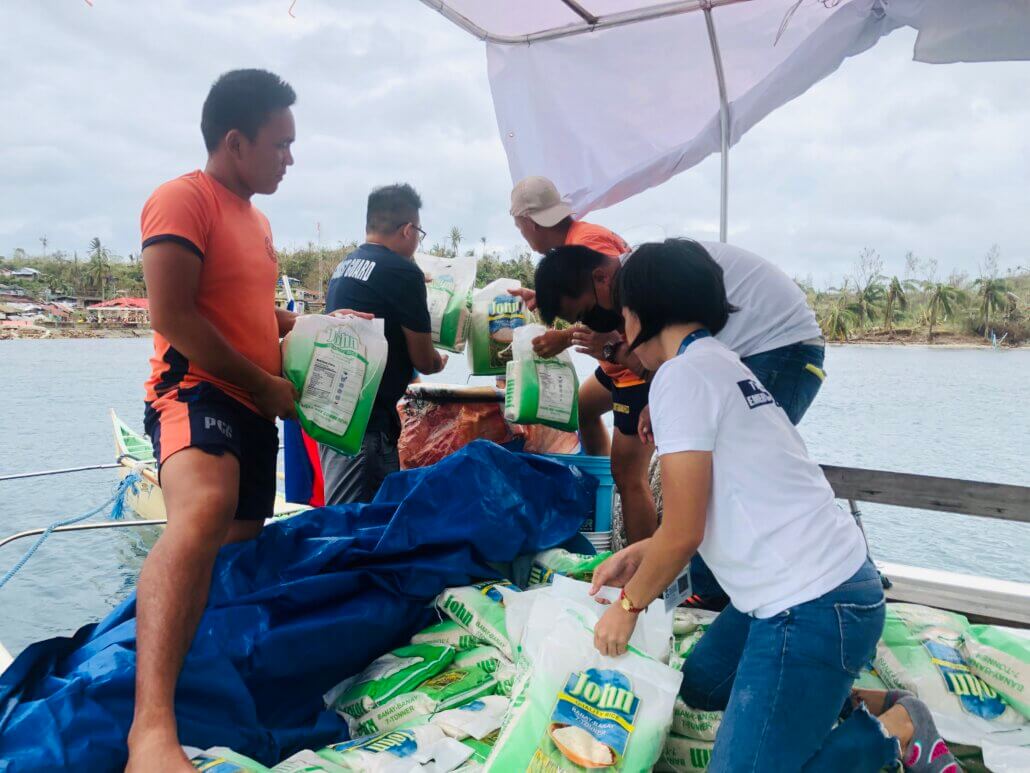
In photo: Lea helps load the sacks of rice for distribution to Typhoon Odette survivors in Surigao City (Photo by Nino Kim Diez for Action Against Hunger)

How do you #BreaktheBias in your line of work or day-to-day activities?

In the humanitarian world, there is no room for discrimination. Each of us is given the opportunity and responsibility in helping the needs of the people, especially in times of crisis. I myself work without any bias towards my gender, for my attitude and passion define my work ethic which radiates to the people that I am working with.

How do you envision a gender-equal world?

A gender-equal world is a world that gives rights, independence, power, and responsibilities to both women and men without discrimination and segregation.

Photo courtesy of Lea Anora


Advancing Climate and Disaster Resilience Transformation in the Provinces of Agusan Del Sur, Surigao Del Sur, and Davao de Oro’ (ProACT) is a consortium project funded by the Spanish Agency for International Development Cooperation (AECID) and implemented by Action Against Hunger & Fundacion CODESPA.

In Celebration of International Women’s Day, Our Finance Manager #ChooseToChallenge Gender Inequality

This International Women’s Month 2021, we asked some of our mission’s women leaders on what gender issue they #ChooseToChallenge, and how they use their voices to empower women around them.

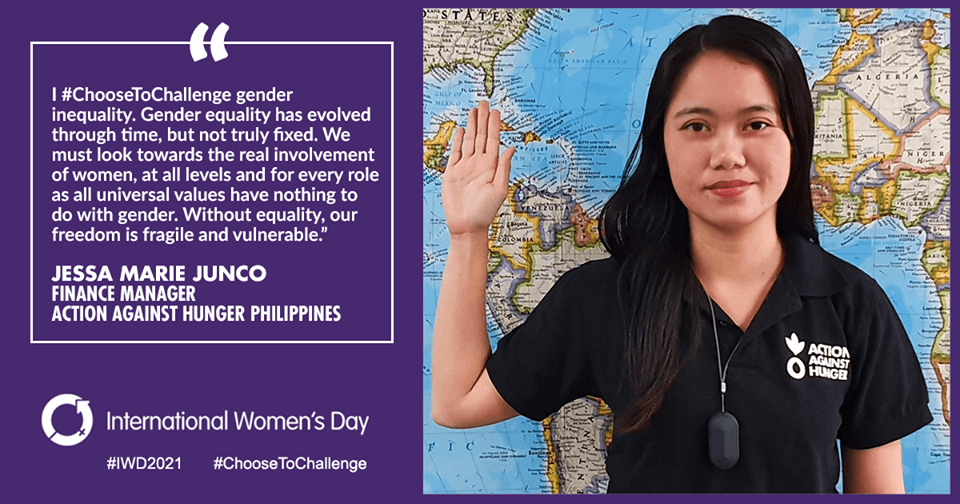
Our Finance Manager, Ms. Jessa Marie Junco, chose to challenge gender inequality.

“Gender equality has evolved through time, but not truly fixed. We must look towards the real involvement of women, at all levels and for every role as all universal values have nothing to do with gender. Without equality, our freedom is fragile and vulnerable.” – Jessa Marie

How about you, what do you #ChooseToChallenge?

Read more

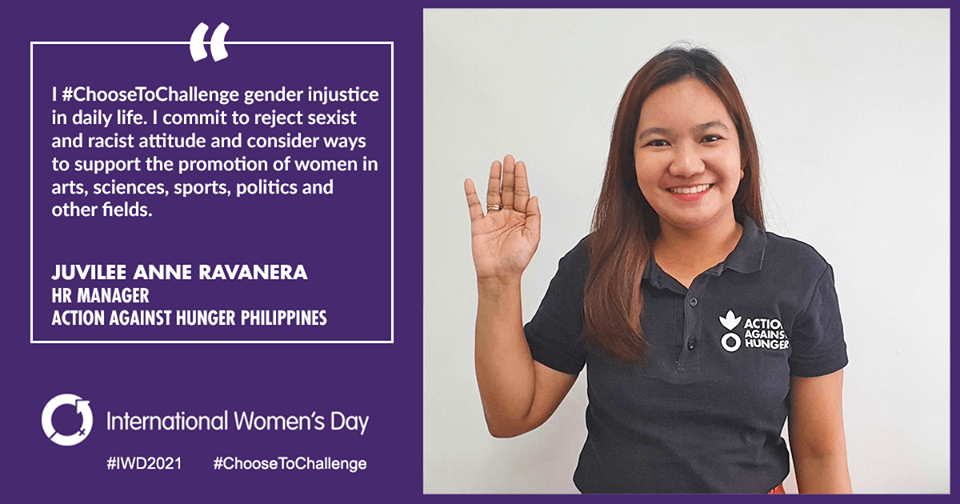
In Celebration of International Women’s Day, Our HR Manager #ChooseToChallenge Gender Injustice

This International Women’s Month 2021, we asked some of our mission’s women leaders on what gender issue they #ChooseToChallenge, and how they use their voices to empower women around them.

Our HR Manager, Ms. Juvilee “Juvi” Anne Ravanera, chose to challenge gender injustice in daily life and commits to reject sexist and racist attitudes and consider ways to support the promotion of women in arts, sciences, sports, politics, and other fields.

“As a leader, I help make the organization an inclusive place to work by hiring the best person available for every open position without having any assumptions or prejudices about it being a man or a woman’s job, train and compensate team members based on position and contribution regardless of gender, and implement policies that are fair enough, gender-sensitive and against any type of discrimination and harassment,” shares Juvi.

How about you, what do you #ChooseToChallenge?

Read more