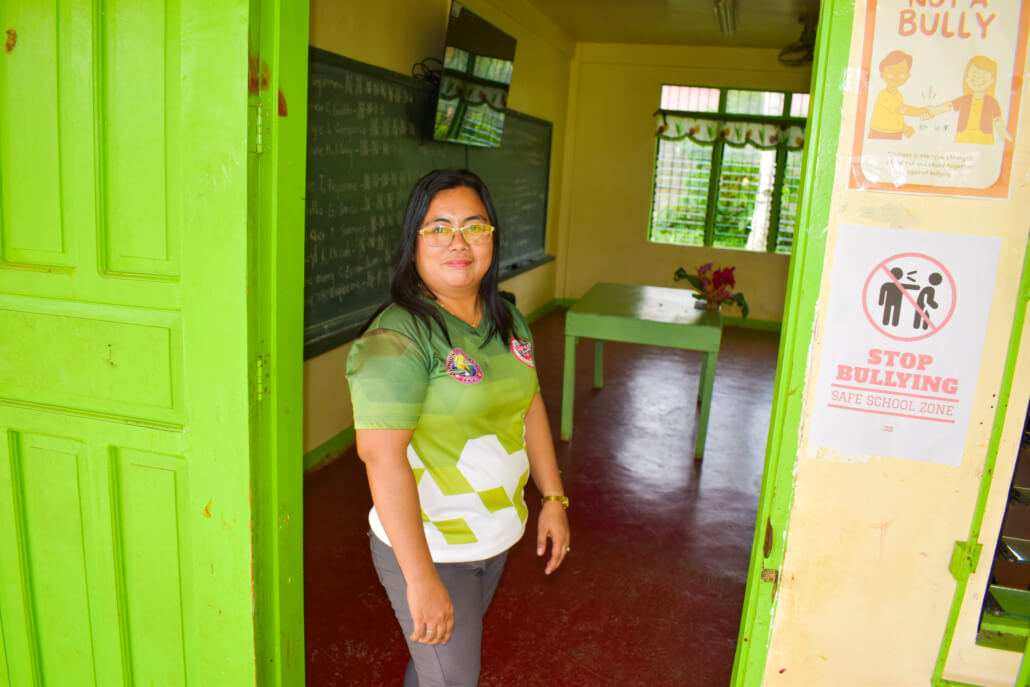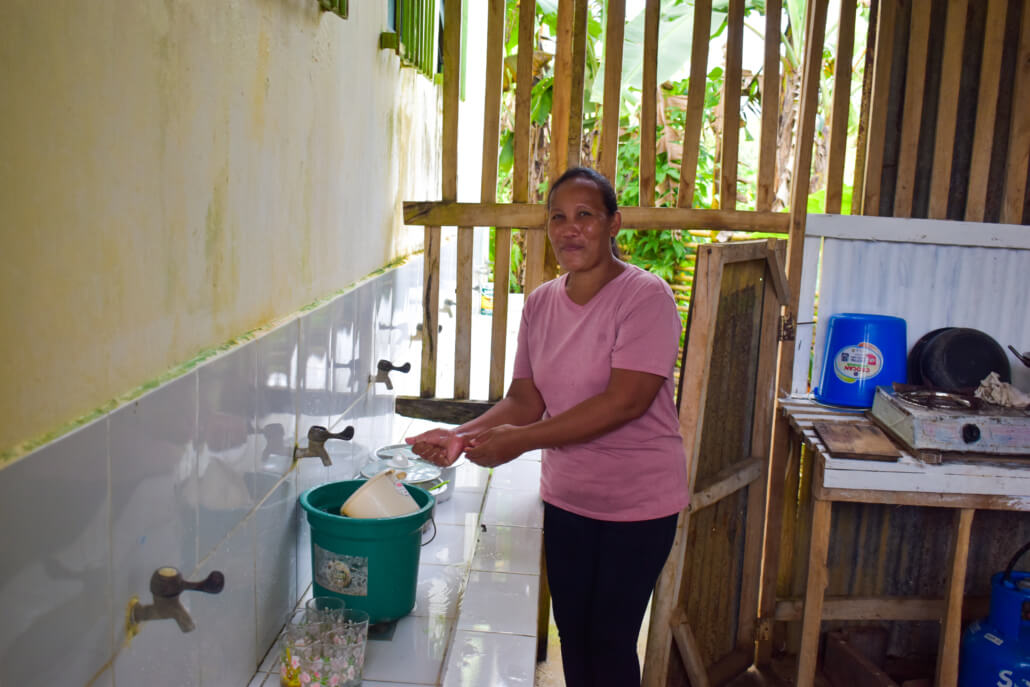
Clean water, caring hands: Two women working for children’s health in Mindanao

In the quiet mornings of Barangay Adaon in the Municipality of Datu Anggal Midtimbang, life begins before sunrise. For many parents in the community, every day begins with the same hope: that their children will grow up healthy, strong, and able to pursue brighter futures.

For Alima “Lengs” Zacaria, a 36-year-old mother of three, that hope shapes every part of her day.

But in the Rural Health Unit (RHU) located in their community, another woman begins her day with the same purpose. Sujahani “Sujan” Amander, a 41-year-old nurse serving the municipality, spends her days ensuring families like Lengs’ can access the health services they need.

Together—one as a parent, the other as a health worker—they are part of a quiet but powerful effort to protect children’s health in their community.

A family’s daily routine
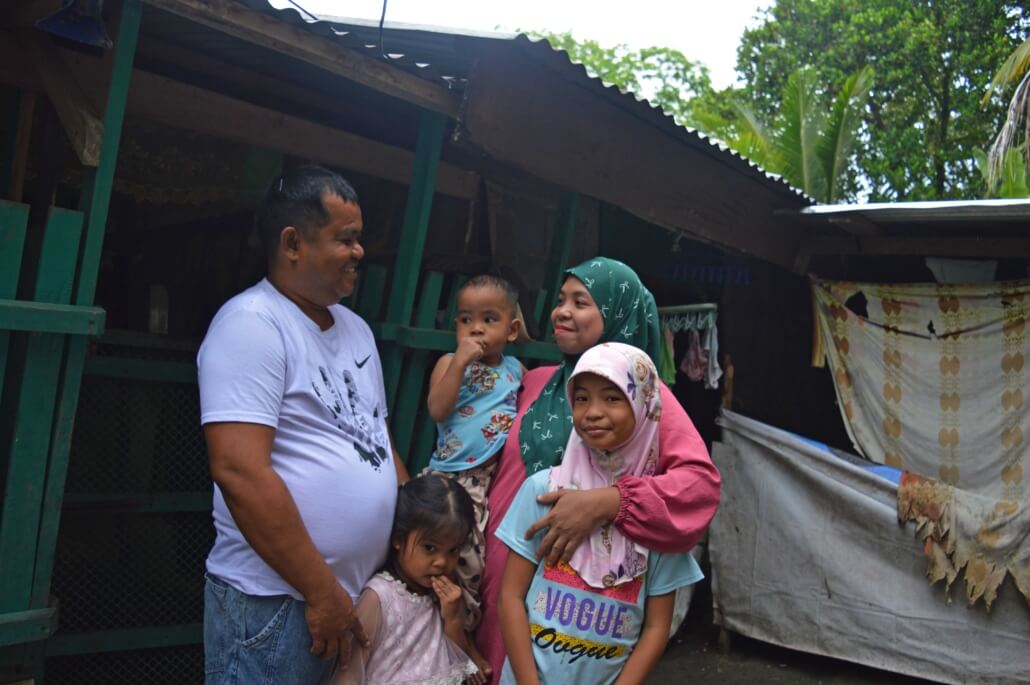
Image 2. In photo: The Zacaria family from, left to right, outside their home in Barangay Adaon, Datu Anggal Midtimbang: Azmi, Radzia (4), Rajib (3), Alima “Lengs” (36), and Rayhana (9) | Photo by Joyce Sandajan for Action Against Hunger, 2026


At 4:30 in the morning, Lengs’ husband, Azmi, quietly leaves the house to attend the first Salah prayer at the mosque. By the time he returns around five o’clock, he begins preparing breakfast for the family. Azmi wakes Lengs and the children. Soon their small home fills with the sounds of spoons clinking against plates and children preparing for school.

Their days begin early—and rarely slow down.

After breakfast, Azmi heads to the farm to work while Lengs takes her children to their classes. After this, she opens the small printing and lamination shop she runs from their house. Some days, business is slow, and she earns around 300 to 400 pesos.

When schools have many requirements, however, customers come steadily, and she can earn as much as 1,000 pesos. Between assisting customers and managing household tasks, her morning passes quickly. Later in the day, she tutors some neighborhood children, patiently teaching them how to read and write and helping them learn basic subjects like colors and math.
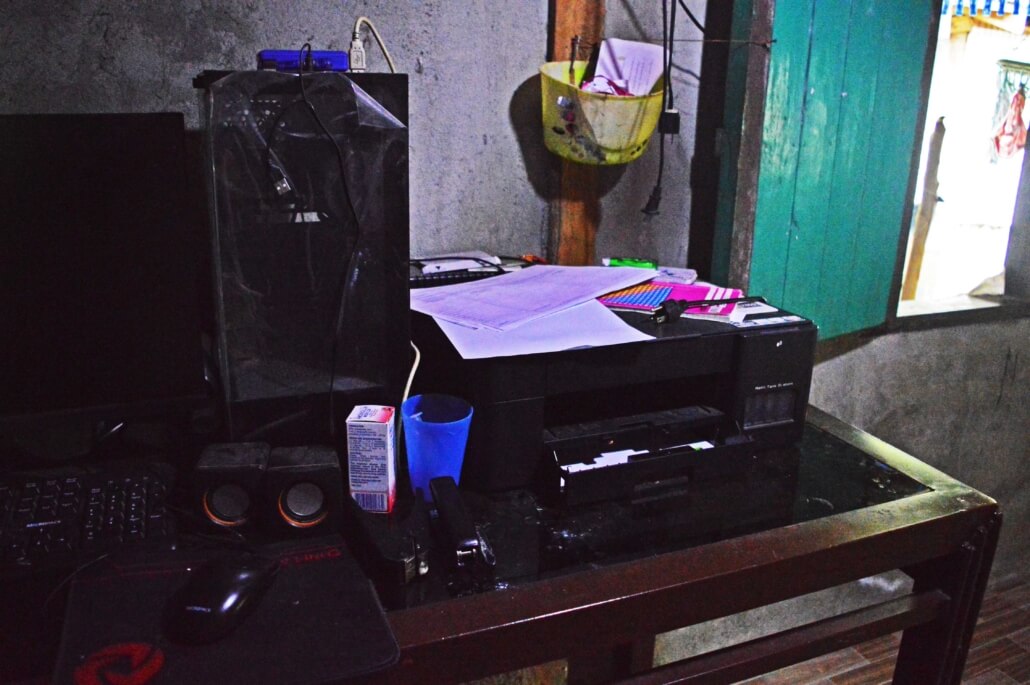
Image 3. In photo: Leng’s workstation at home, which consists of a computer, a printer, and a laminating machine for the printing services she provides. | Photo by Joyce Sandajan for Action Against Hunger, 2026

By noon, Azmi finishes his farm work and immediately begins another job—driving a payong-payong, a small local transport like a tricycle—looking for passengers around the neighborhood to earn extra income for the family.

From early morning prayers to late afternoon tutoring sessions, the couple spends nearly the entire day working to support their family, balancing farm labor, transport services, a small business, childcare, and education.

Despite the long hours and responsibilities, Lengs says her efforts give her a sense of fulfillment.

Nararamdaman ko naman yung hirap kasi minsan nakakapagod mag-alaga ng bata tapos nagtuturo pa ako. Pero sa kabila ng lahat ng pagod, nagiging masaya rin ako kasi pag nakikita ko yung pinaghirapan kong kita, nabibili ko yung mga gusto kong bilhin para sa mga anak ko na hindi na rin ako humihingi sa asawa ko (I do feel the exhaustion sometimes because caring for children and teaching can be tiring. But despite the fatigue, I feel happy when I see the income I worked hard for, and I can buy things my children need without asking my husband,” Lengs shared


A parent’s sacrifice

Years earlier, Lengs made a difficult decision that many parents in her community understand all too well. When her first child was only nine months old, she left home to work overseas in Saudi Arabia. She spent six years abroad, saving money to support her family and build a more stable future.
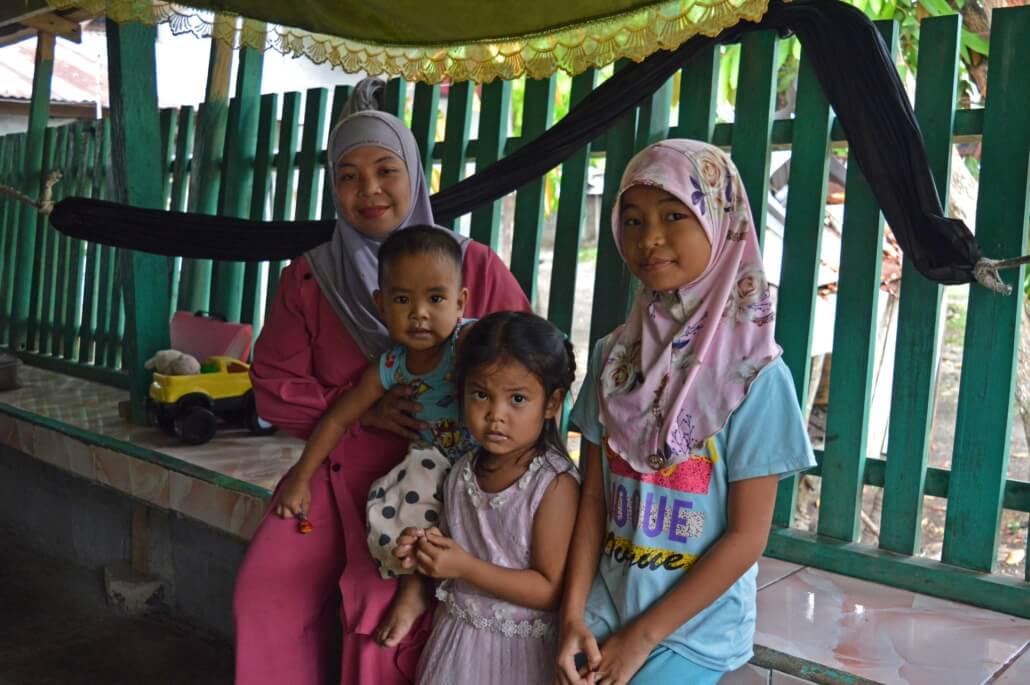
Image 4. In photo: Lengs with her children inside their home. | Photo by Joyce Sandajan for Action Against Hunger, 2026

Sobrang sakit kasi pag malayo ka sa pamilya mo parang araw-araw gusto mo silang makita kahit picture lang (It is very painful when you are far from your family. Every day you want to see them, even if only through pictures),” Lengs recalls.

Now her focus is raising them, guiding them in their studies, and helping them pursue their dreams.

Lengs hopes: “Ang pangarap ko lang naman sa kanila ay yung makapagtapos silang lahat mag-aral kasi ‘yun lang talaga ‘yung pamana na hindi talaga mananakaw sa kanila. Tapos, sana maging malusog sila, hindi magkakasakit at lumaki silang maging mabuting tao.

“My dream for them is that they all finish their education, because that is the one inheritance that can never truly be taken away from them. And I hope they grow up healthy, free from illness, and become good people.”

Sujan’s sacrifice takes a similar form.
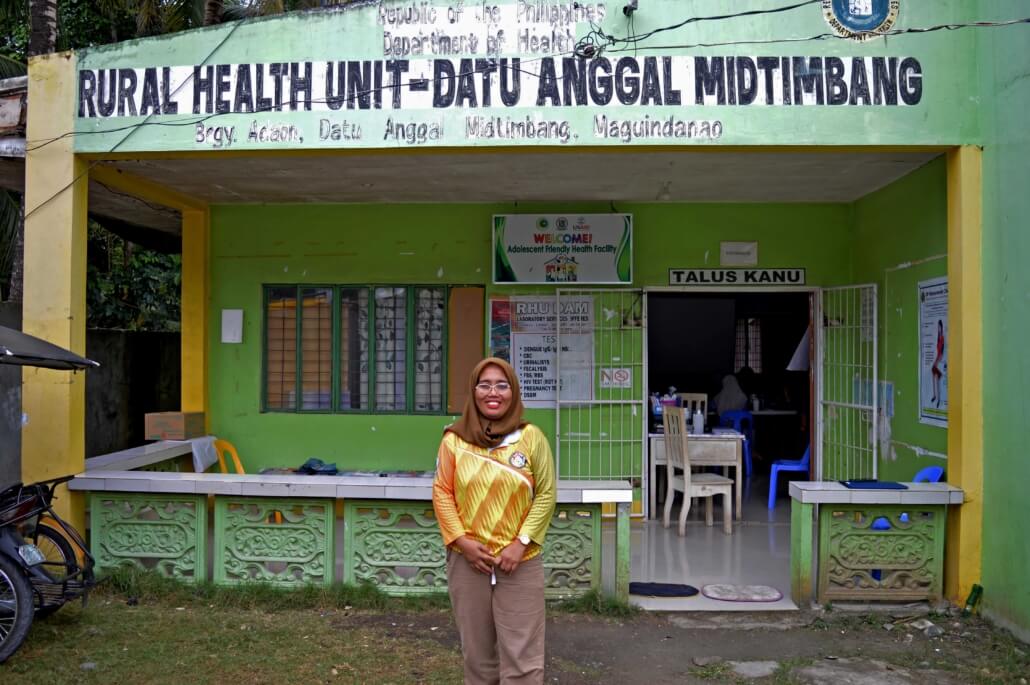
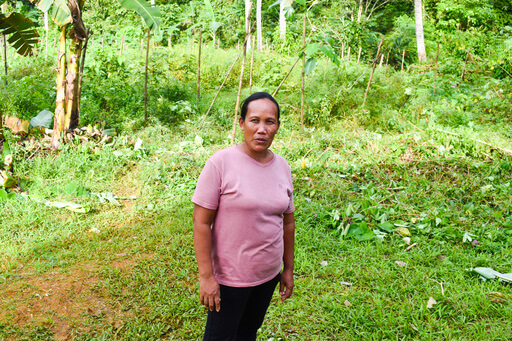
Image 5. In photo: Sujan stands outside the rural health unit of Datu Anggal Midtimbang. | Photo by Joyce Sandajan for Action Against Hunger, 2026

As a nurse serving the RHU, her days begin early and often end late. The work requires traveling long distances, responding to community needs, and spending long hours in barangays conducting consultations and health education.
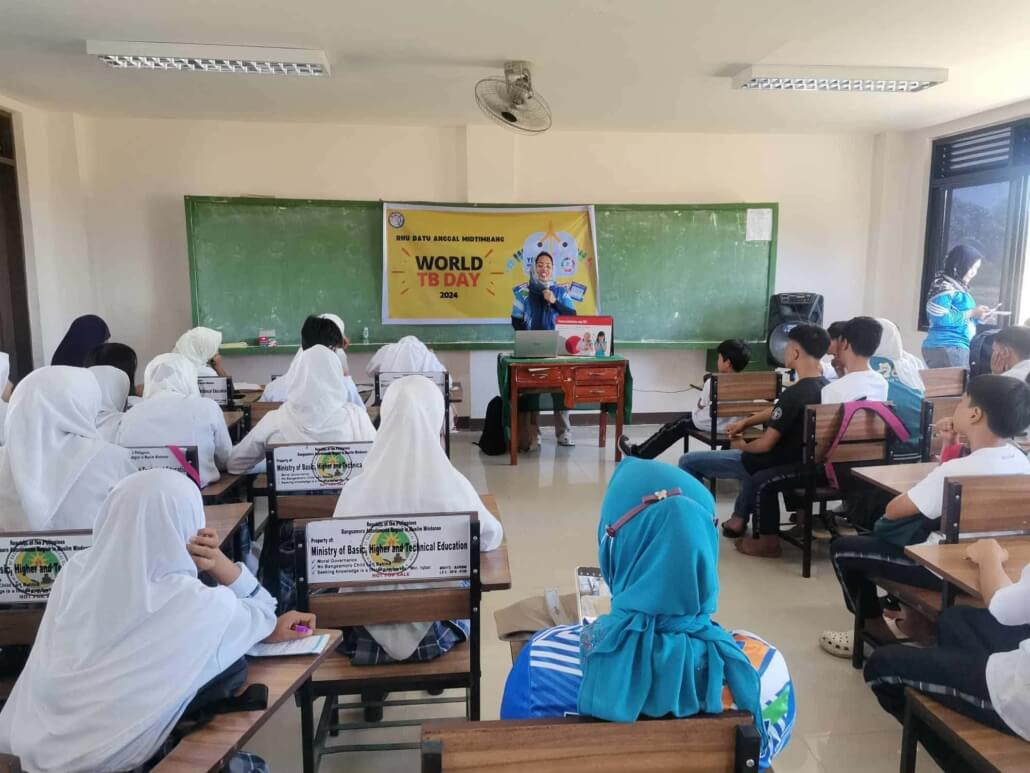
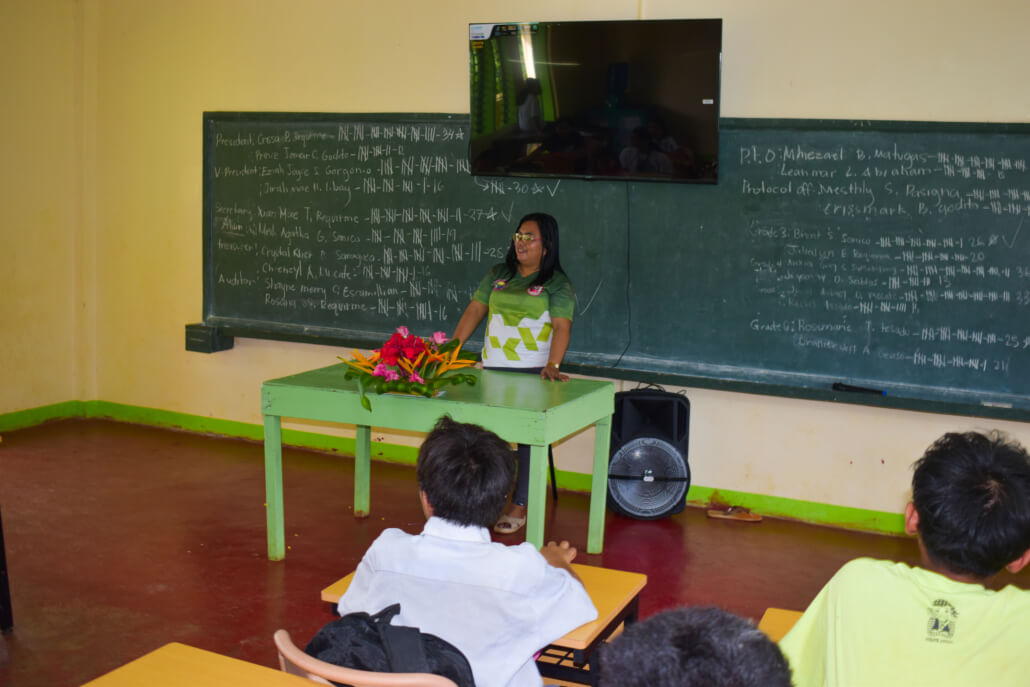
Image 6. In photo: In a classroom, Sujan speaks in front of students as she conducts a health awareness session for World Tuberculosis Day. | Photo courtesy of RHU Datu Anggal Midtimbang / Sujan Amander

Like many parents working in public service, balancing work and family life is not always easy.

Sometimes, the demands of her work mean missing important moments with her children.

Minsan hindi ko na nasasabayan kumain ang mga anak ko, basta may pagkain na sila sa bahay (Sometimes I cannot even eat breakfast with my children anymore, as long as I know they already have food prepared at home),” she shares. There are also school activities she cannot attend because of scheduled visits to communities.

May mga events sila sa school na hindi ko naa-attendan kasi may schedule kami sa barangay. Yun ang isa sa mga sakripisyo ng trabaho ko. (There are school events I cannot attend because we have schedules in the barangays. That is one of the sacrifices of this job.”
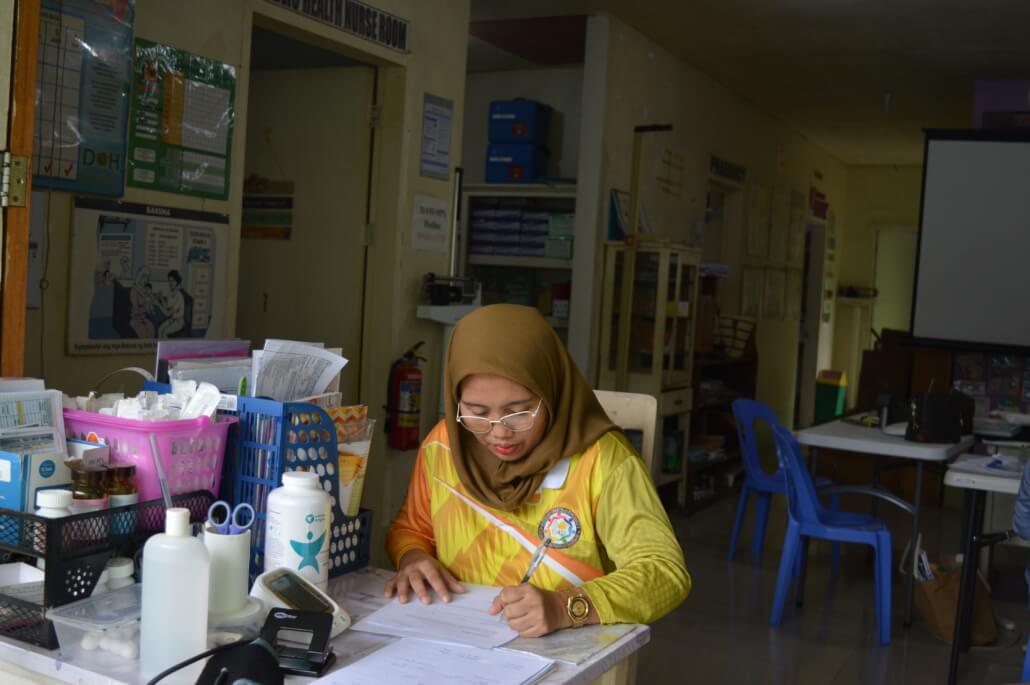
Image 7. In photo: Sujan at the receiving desk of the rural health unit of Datu Anggal Midtimbang, preparing documents for her work day ahead. | Photo by Joyce Sandajan for Action Against Hunger, 2026

Yet despite the challenges, Sujan continues her work with dedication—knowing that the care she provides helps protect the health of many families in the community.


Seeking care at the Rural Health Unit

Ensuring her children remain healthy is one of Leng’s biggest priorities. With that, the rural health unit has become an important part of her family’s life.
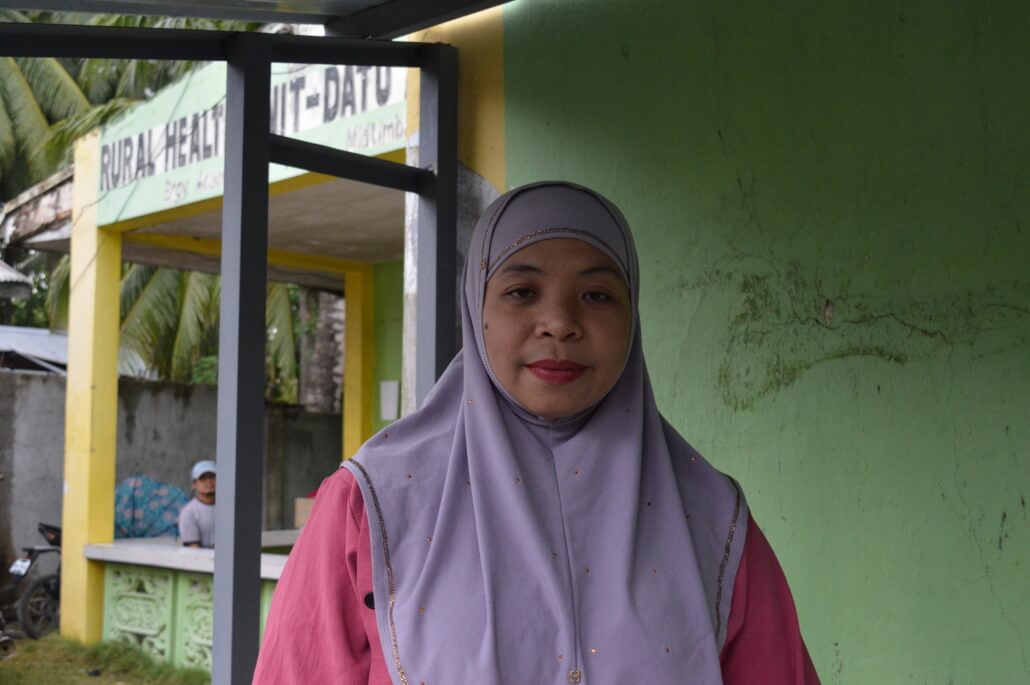
Image 8. In photo: Lengs at the rural health unit of Datu Anggal Midtimbang. | Photo by Joyce Sandajan for Action Against Hunger, 2026

Simula po sa panganay ko, lahat sila napacheck-up at napabakunahan ko sa RHU. Kahit noong buntis ako, lagi ako pumupunta doon para sa check-up,” shares Lengs.

“From my first child until now, all of them have been checked and vaccinated at the RHU. Even when I was pregnant, I regularly went there for check-ups.”

The health unit is not close to their barangay. Lengs estimates it is a thirty-minute walk to reach the RHU from her sitio. While she is able to drive a small motorbike to get there, many parents in the community make the journey on foot. Even for her family, the cost of fuel adds another expense they must carefully consider whenever they need to travel for health services.

Still, for Lengs and many other parents in the community, the health center remains the most accessible place to seek care when their children fall ill.

Kapag nagkakasakit yung mga anak ko, dito agad kami pumupunta. Mabilis ang tulong nila at libre pa yung gamot (When my children get sick, we go there immediately. Their help is fast, and the medicines are free),” she says.

She remembers a moment when one of her children developed severe allergies.

Nagpantal yung anak ko at namaga yung tenga niya. Agad-agad pumunta ako sa RHU. Sobrang bilis nilang tumulong at may gamot agad para mawala yung allergy (“My child developed rashes and his ears became swollen. I rushed to the RHU. They helped immediately and gave medicine to treat the allergy), Lengs recalls.


Health workers are going the extra mile.

While some parents travel distances to seek care, Sujan—being a nurse and nutrition focal person at the RHU—travels every day to make sure those services remain within reach for families who might otherwise struggle to access them.

Sujan lives in the neighboring municipality of Datu Odin Sinsuat, which means commuting daily to the RHU. The journey costs her around 300 pesos each day—a significant amount for a public health worker. “Gumigising ako ng 5:30 ng umaga kasi kailangan kong humabol sa van papunta sa trabaho (I wake up at 5:30 in the morning because I need to catch transportation going to work),” she mentions.

Still, she makes the trip without hesitation. The expense and long commute are simply part of her commitment to the communities she serves.
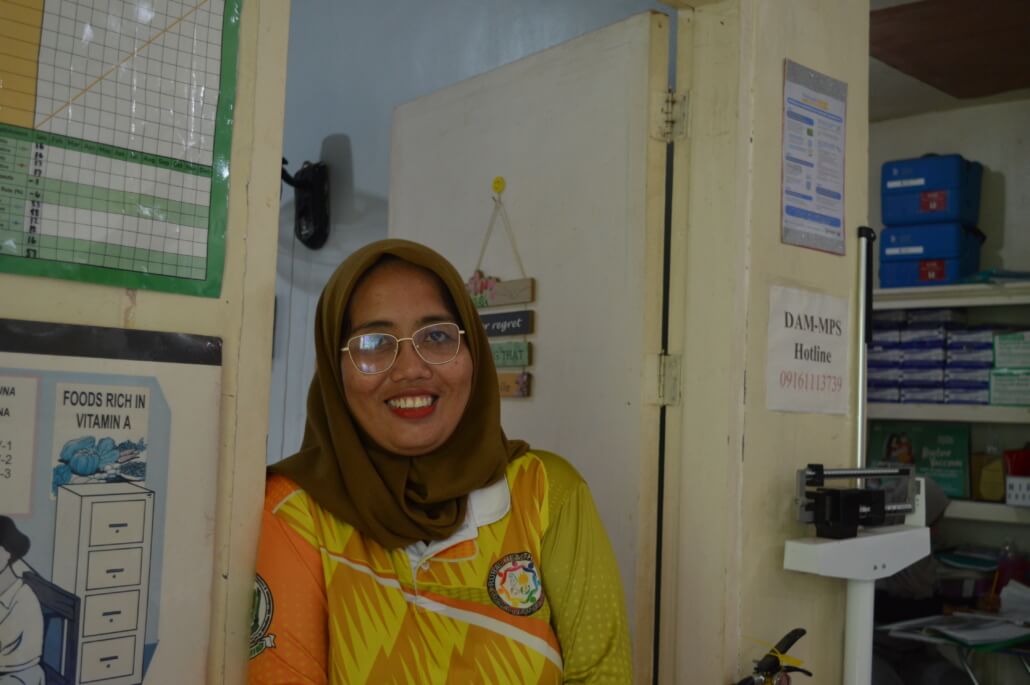
Image 9. In photo: Sujan stands outside the public health nurse room of the RHU of Datu Anggal Midtimbang. | Photo by Joyce Sandajan for Action Against Hunger, 2026

Earlier in her career, she worked in a hospital, where patients who received a prescription could usually obtain their medicines immediately. But in rural communities like Barangay Adaon, the reality is often different.

Sa hospital kasi pag nagbigay ka ng reseta alam mong makukuha agad ng pasyente ang gamot. Dito sa community iba. Kahit sabihin mong dalhin na sa hospital, minsan sasabihin nila wala silang pera,” Sujan explains.

“In the hospital, when you give a prescription, you know the patient can get the medicine right away. Here in the community, it’s different. Even if you advise them to go to the hospital, sometimes they say they do not have money.”
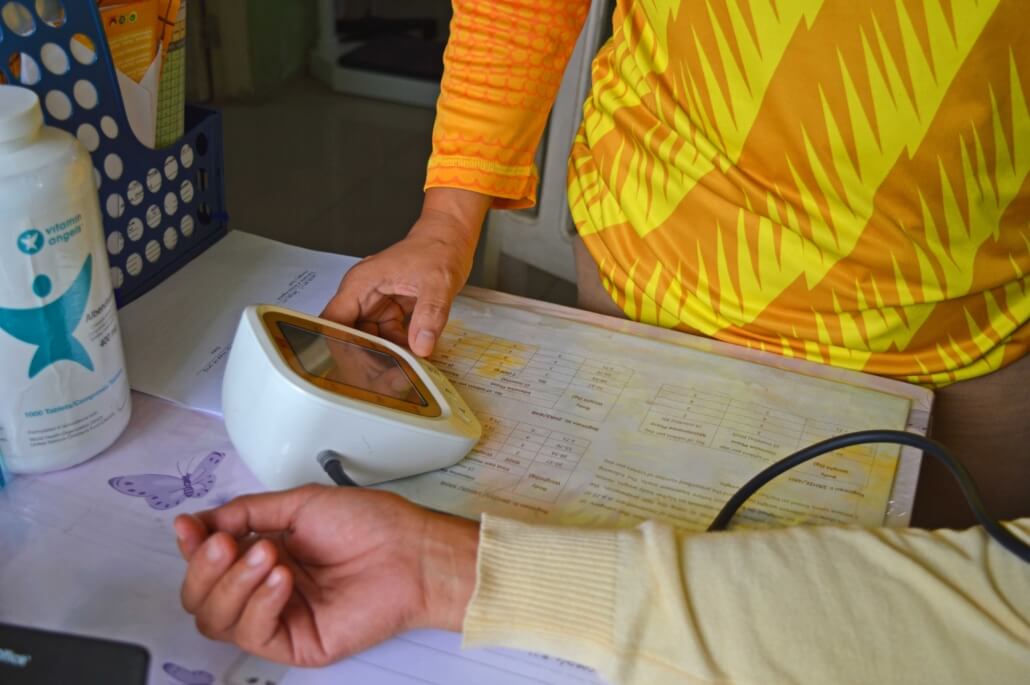
 

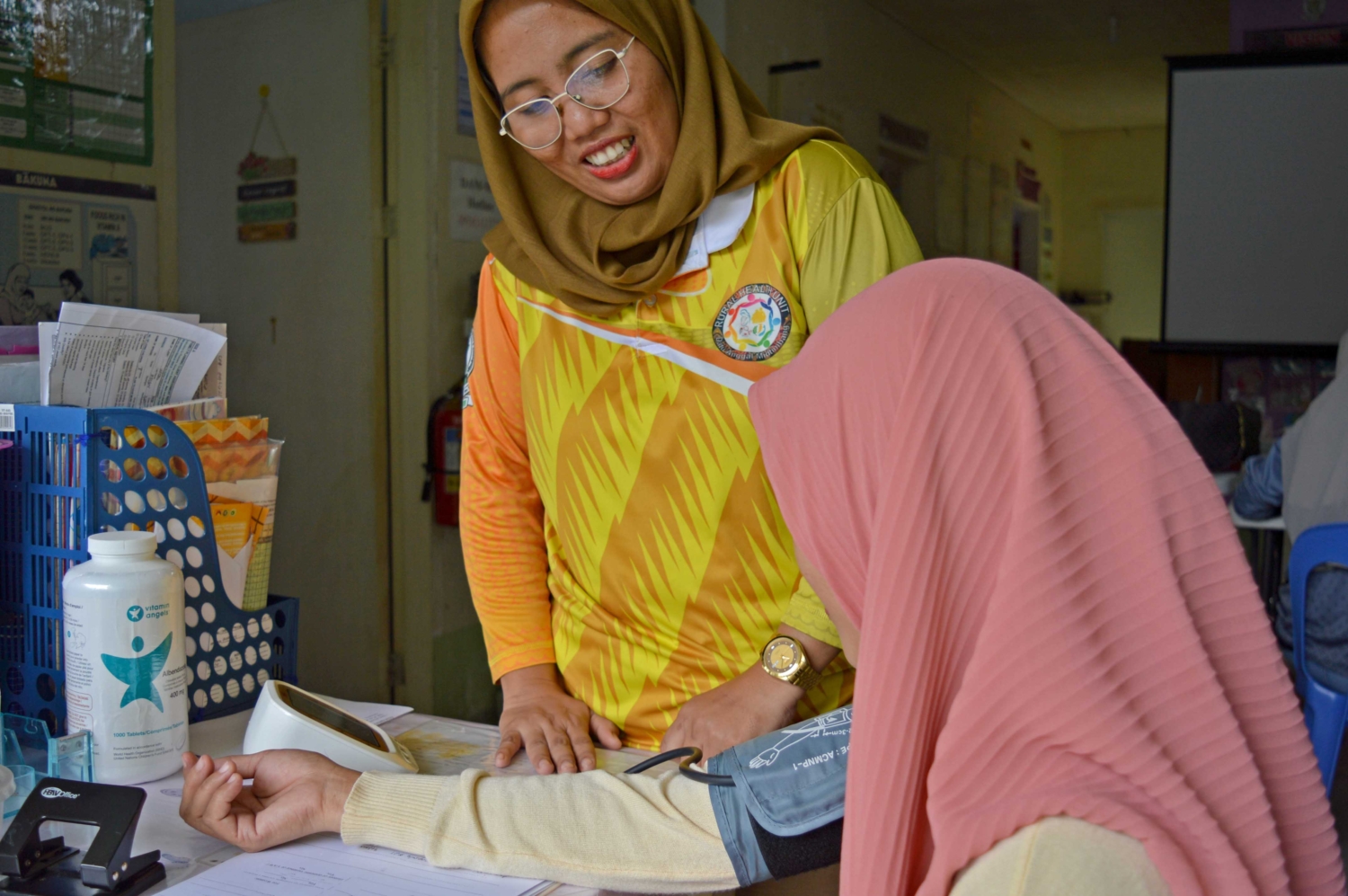
Image 10. In photo: Sujan measures the blood pressure of a patient in the rural health unit. | Photo by Joyce Sandajan for Action Against Hunger, 2026

This means that providing care requires more than clinical knowledge. It requires understanding people’s realities and finding ways to support families who face financial and logistical barriers to accessing health services.

Over time, this experience reshaped her perspective on healthcare. “Ngayon mas gusto ko na dito sa community. Dito kasi naiintindihan mo ang buhay ng mga tao. Nakikita mo kung paano ka nakakatulong sa kanila. Parang nagagamit mo talaga ang passion mo bilang nurse.”

“Now I actually prefer working in the community. Here, you understand people’s lives. You see how you can help them. It feels like you truly use your passion as a nurse.”
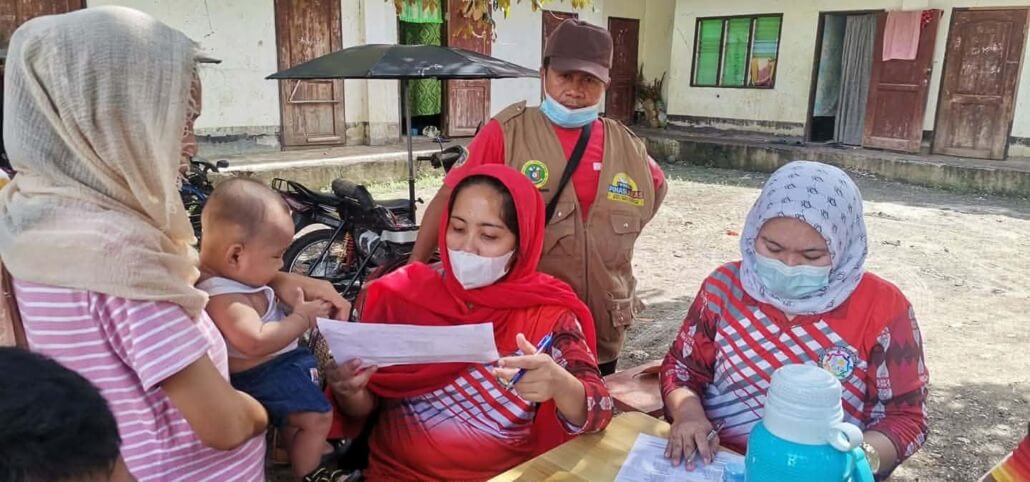
Image 11. In photo: Sujan (center) talks to one of the parents in the community during one of their daily barangay health visits. | Photo courtesy of RHU Midtimbang / Sujan Amander

Her work has also inspired her own family. One of her children has even shared a dream of becoming a nurse one day after seeing the impact of her work.


Clean water, stronger community health

For Sujan and other health workers, treating illness is only one part of their work. Preventing disease is just as important—and that begins with access to clean water and proper hygiene.

In several barangays across Datu Anggal Midtimbang, reliable water supply remains a challenge. Not all households are connected to a formal water system, and many families rely on wells or manual water pumps.
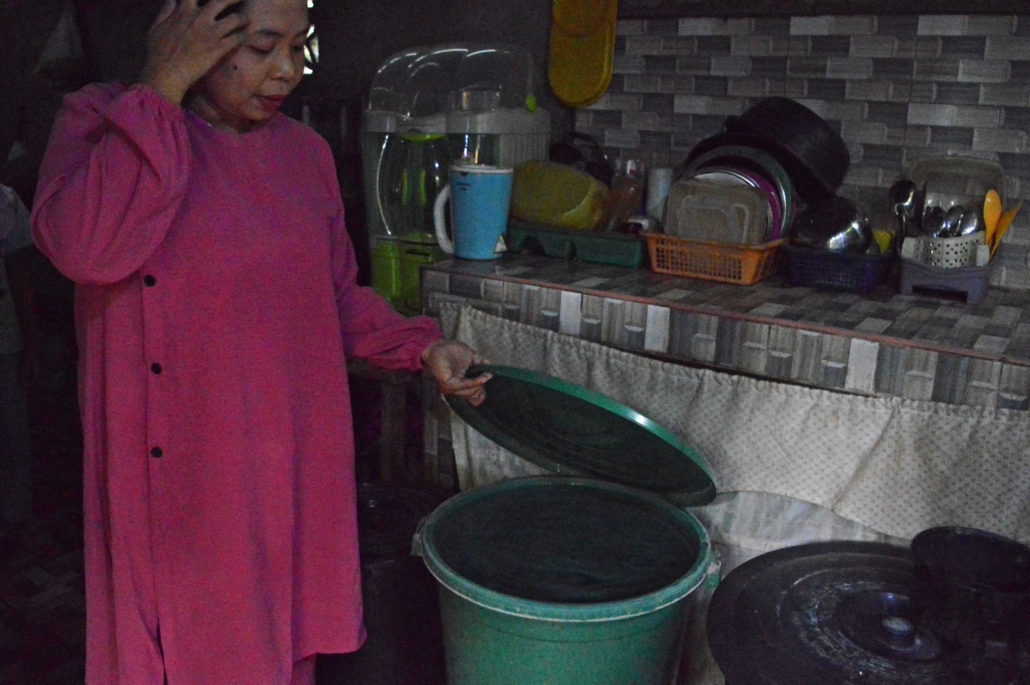
Image 12. In photo: Lengs inside their kitchen shows where they store their household water which they fetch from a deep-well or underground pump. | Photo by Joyce Sandajan for Action Against Hunger, 2026

Sa ibang lugar lalo na sa looban, kumukuha sila ng tubig sa balon o manual water pump (In some areas, especially in interior communities, people collect water from wells or manual pumps),” Sujan explains.

While these sources provide water for daily use, they also raise concerns about water safety.

Yun ang kinakatakutan namin na baka magkaroon ng outbreak ng cholera o ibang sakit (That is what we worry about—that it could lead to outbreaks of cholera or other diseases),” she says.

Although respiratory infections remain the most common illnesses in the municipality, health workers remain vigilant, especially during the rainy season when cases of diarrhea can increase.

Safe water and proper hygiene practices are among the most effective ways to prevent such illnesses—particularly among children.

Recognizing these challenges, improvements were made to the hygiene facilities at the RHU.

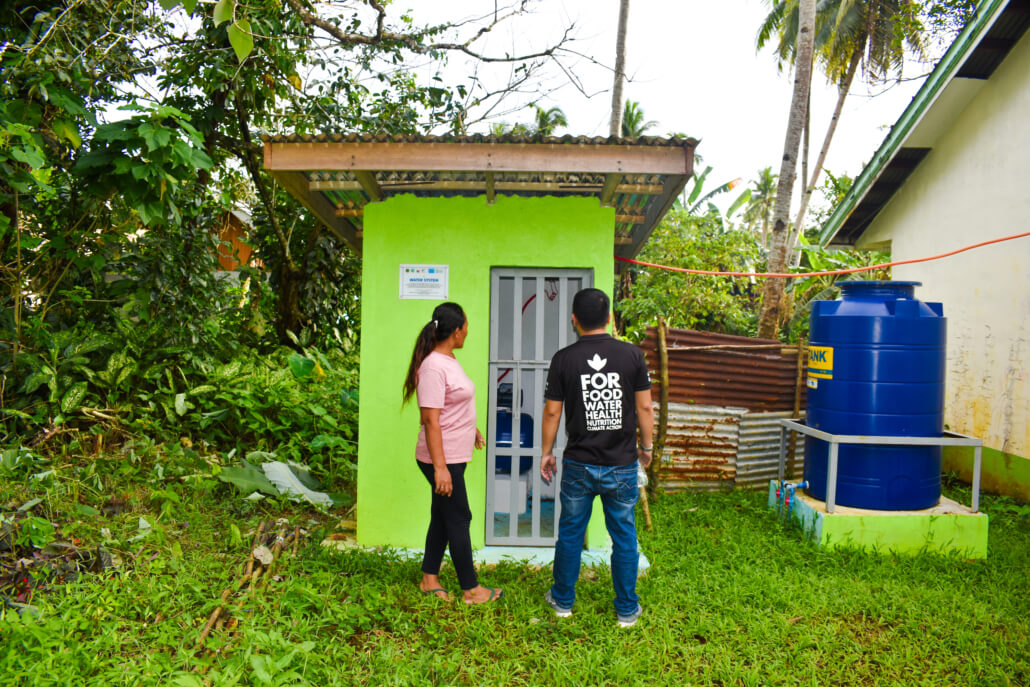
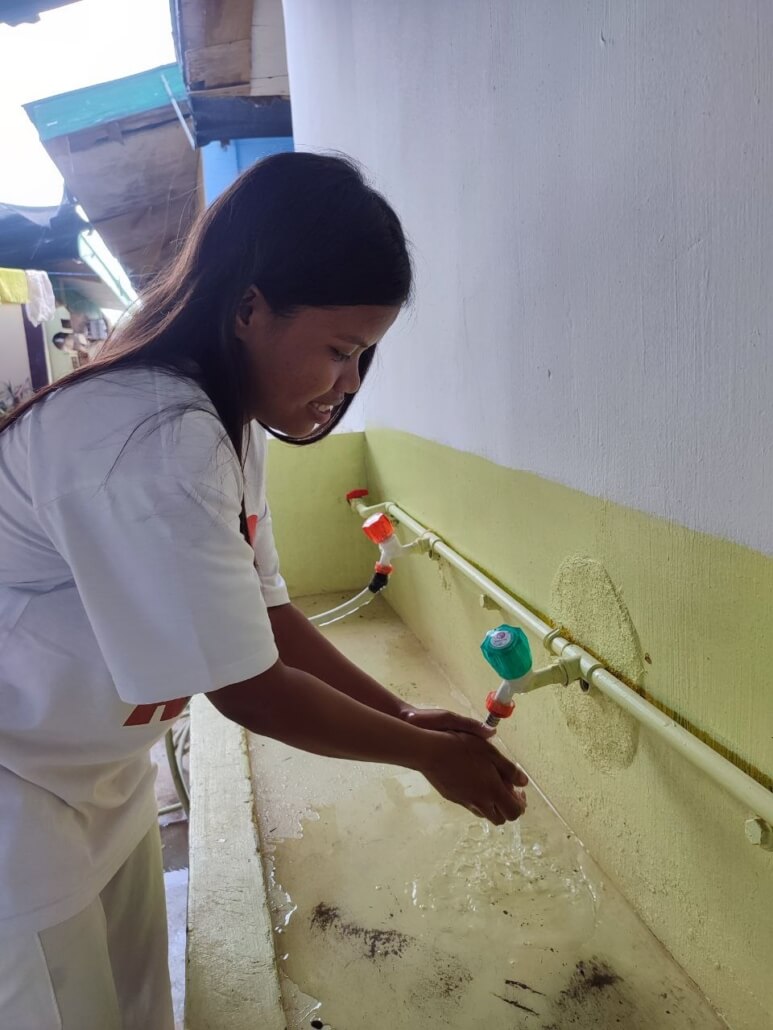
Before the intervention of Action Against Hunger and UNICEF, the health center did not have a proper handwashing station for patients and visitors. Now, the facility has its own water tank supplying a newly installed handwashing station outside the building, making it easier for families to practice proper hygiene while visiting the center.
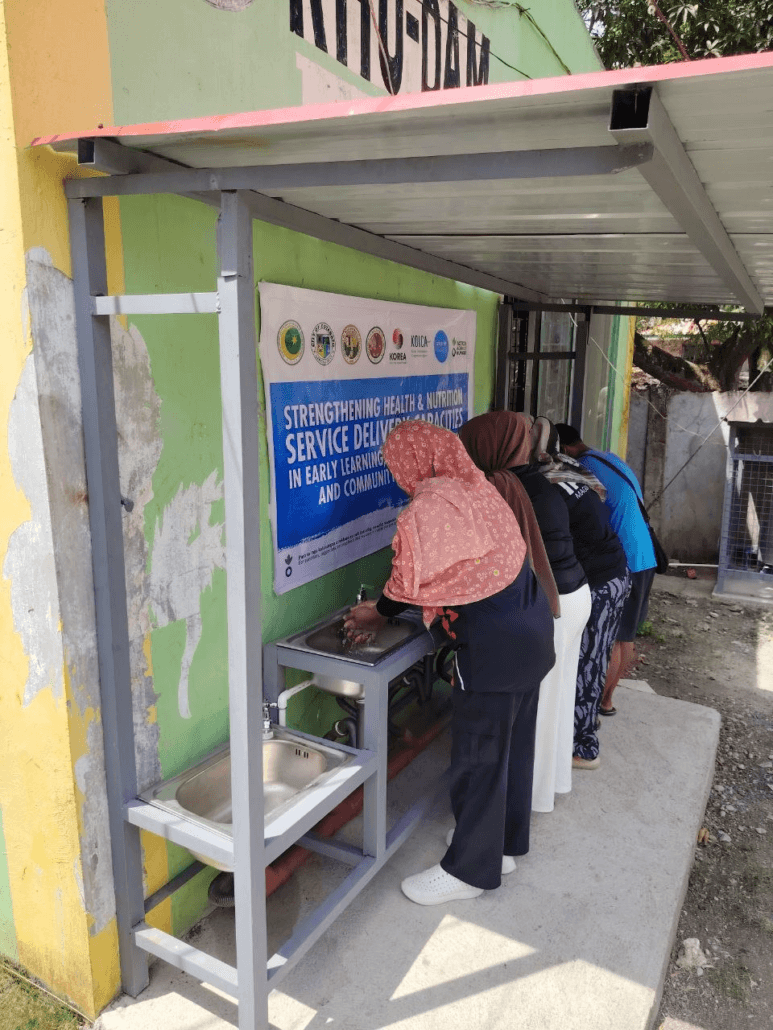
Image 13. In photo: Health workers of the rural health unit of Datu Anggal Midtimbang wash their hands at the handwashing station built by Action Against Hunger and UNICEF. | Photo by Marlou Nacaytuna for Action Against Hunger, 2026

These improvements were made through the joint efforts of Action Against Hunger and UNICEF, with support from the Government of the Republic of Korea through the Korea International Cooperation Agency (KOICA).

Together, the goal is to improve access to essential health, nutrition, and WASH services for more than 20,900 people across the Bangsamoro Autonomous Region in Muslim Mindanao, particularly children, adolescents, and other vulnerable groups.

According to Lengs, these changes make a real difference, especially for parents like her.

Sobrang nagpapasalamat po kami sa naibigay na handwashing station ng UNICEF at Action Against Hunger. Matuturuan na talaga ang mga bata kung paano maghugas ng kamay nang tama habang nasa center kami,” she says.

“We are very grateful for the handwashing station provided by UNICEF and Action Against Hunger. Children can now truly learn how to wash their hands properly when we are at the center.”

Lengs also shared that health workers often conduct health education sessions at the center. Having a dedicated handwashing station allows parents and children to immediately practice what they are taught—turning lessons about hygiene into everyday practices.

In the case of her family, those lessons continue long after leaving the health center. At home, she teaches her children how and when to wash their hands.

Yung maliliit pa, yung three at four years old, tinuturuan ko sila kung paano maghugas ng kamay (My younger children, who are three and four years old, are still learning how to wash their hands properly),” Lengs explained.

She shows them how to clean their hands using a dipper of water and reminds them to wash before eating and after using the toilet.
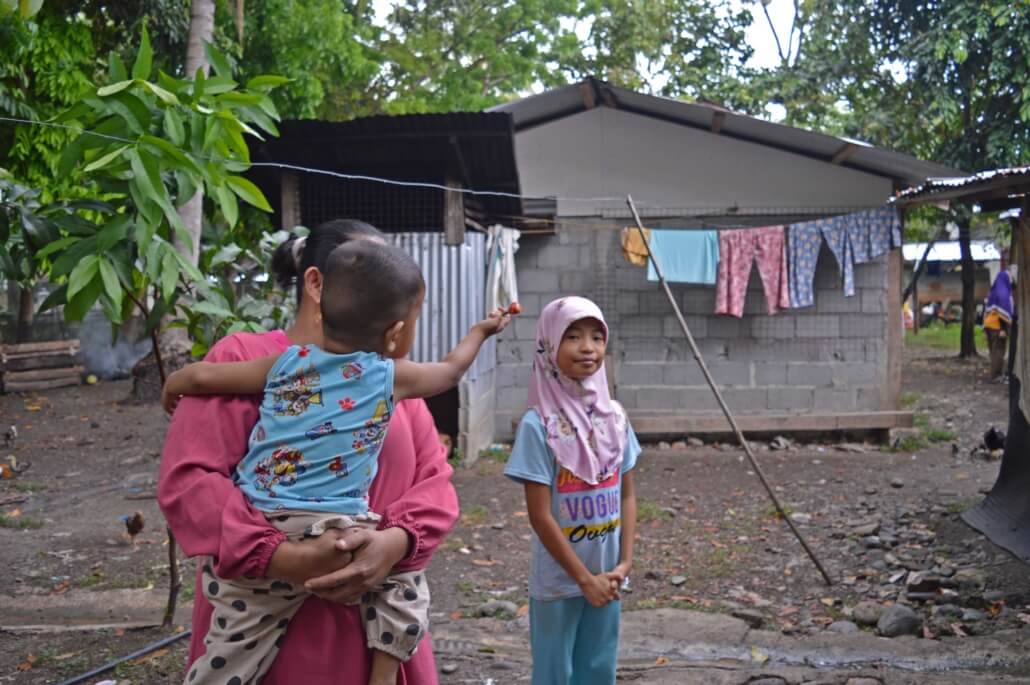
Image 14. In photo: At their backyard, Lengs carries her youngest child, Rajib. Behind them is her eldest daughter, Rayhana. | Photo by Joyce Sandajan for Action Against Hunger, 2026

Sinasabi ko sa kanila na kapag hindi sila naghuhugas ng kamay, magkakaroon sila ng germs, (I tell them that if they don’t wash their hands, they can get germs), she explains.

Her eldest daughter also helps reinforce these lessons, encouraging her younger siblings to wash their hands and sometimes teaching them good hygiene habits.

These small routines help protect children from illness and build lifelong habits.


Supporting community health through improved WASH facilities

For Nurse Sujan, the improvements to the RHU represent more than infrastructure—they strengthen the ability of health workers to serve their communities.

Sa UNICEF at Action Against Hunger at sa lahat ng NGOs na tumutulong sa community, sana ipagpatuloy ninyo ang inyong ginagawa,” she says.
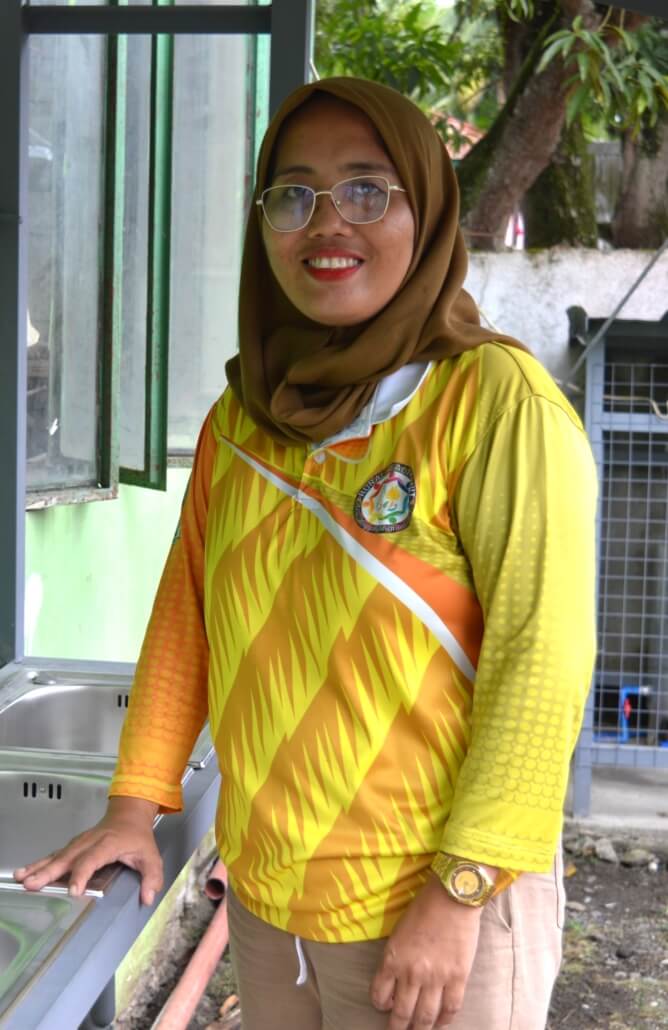
Image 15. In photo: Sujan stands next to the newly constructed handwashing station at the rural health unit of Datu Anggal Midtimbang. | Photo by Joyce Sandajan for Action Against Hunger, 2026

“To UNICEF, Action Against Hunger, and all the organizations helping communities, I hope you continue your work.”

She emphasizes that support from humanitarian and development partners makes it possible for local health workers to deliver better services.

Malaking tulong po sa amin ang mga resources at support na binibigay ninyo. Hindi namin kakayanin na kami lang ang magbigay ng lahat ng serbisyo sa community.

“The resources and support you provide help us greatly. We cannot deliver all these services to the community on our own.”

From traveling long distances to patiently convincing families about the importance of preventive care, working in the community comes with many challenges, explained Sujan. But it is also deeply rewarding.

Masaya ang trabaho sa community kahit mahirap (Working in the community is challenging, but it is also fulfilling),” she says. “Dito naiintindihan mo ang buhay ng mga tao. Nakikita mo kung paano sila nagbabago at kung paano sila natutulungan (Here you understand people’s lives. You see how they change and how they are helped.”

Over time, she has witnessed families who once refused health services eventually return to the center to seek care.

Kapag nakikita mo na dati ayaw nila pero ngayon sila na ang lumalapit sa health center, parang fulfillment na rin sa sarili mo bilang health worker.

“When you see that people who once refused services are now the ones coming to the health center, it gives you a deep sense of fulfillment as a health worker.”

Looking ahead, Sujan hopes that communities will continue to receive the resources they need—especially reliable water supply and health services that reach every barangay.

Sana magkaroon ng mas maayos at safe na water source sa bawat barangay,” she says.
“I hope every barangay can have a safe and reliable water source.”
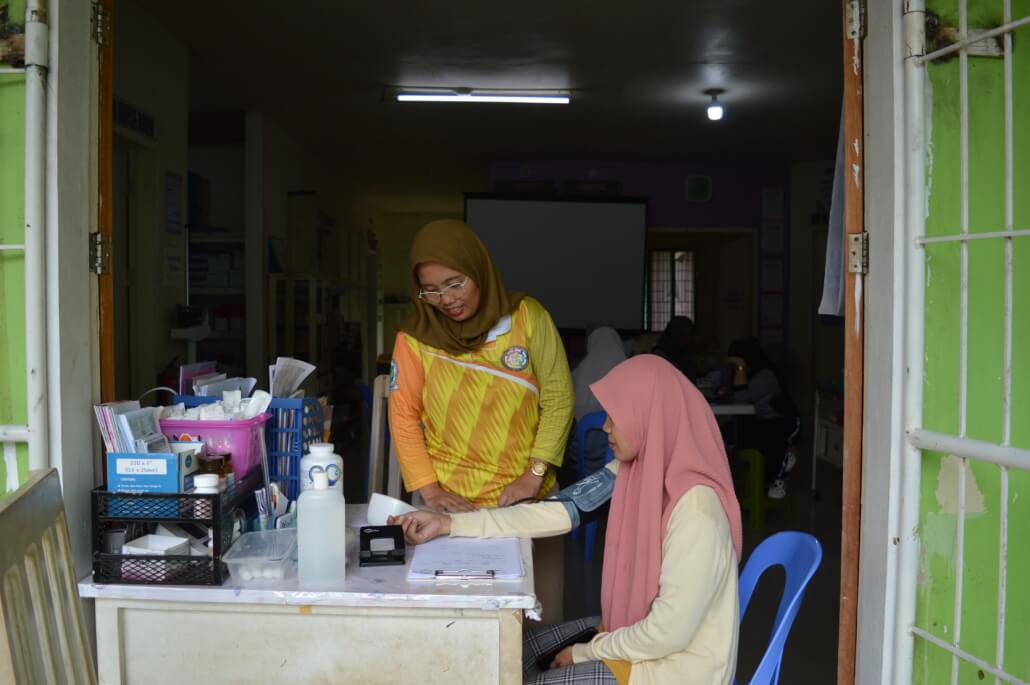
In Datu Anggal Midtimbang, the health of children depends on many quiet efforts: parents like Lengs who nurture and protect their families, and health workers like Sujan who travel long distances to serve their communities.

Together, their dedication shows how access to clean water, healthcare, and community support can help in building healthier futures for children across Mindanao.


The Strengthening Health and Nutrition Service Delivery Capacities in Early Learning, Alternative Learning, and Community Health project is implemented by Action Against Hunger together with UNICEF, with funding support from the Government of the Republic of Korea through the Korea International Cooperation Agency (KOICA).


Written by Joyce Sandajan
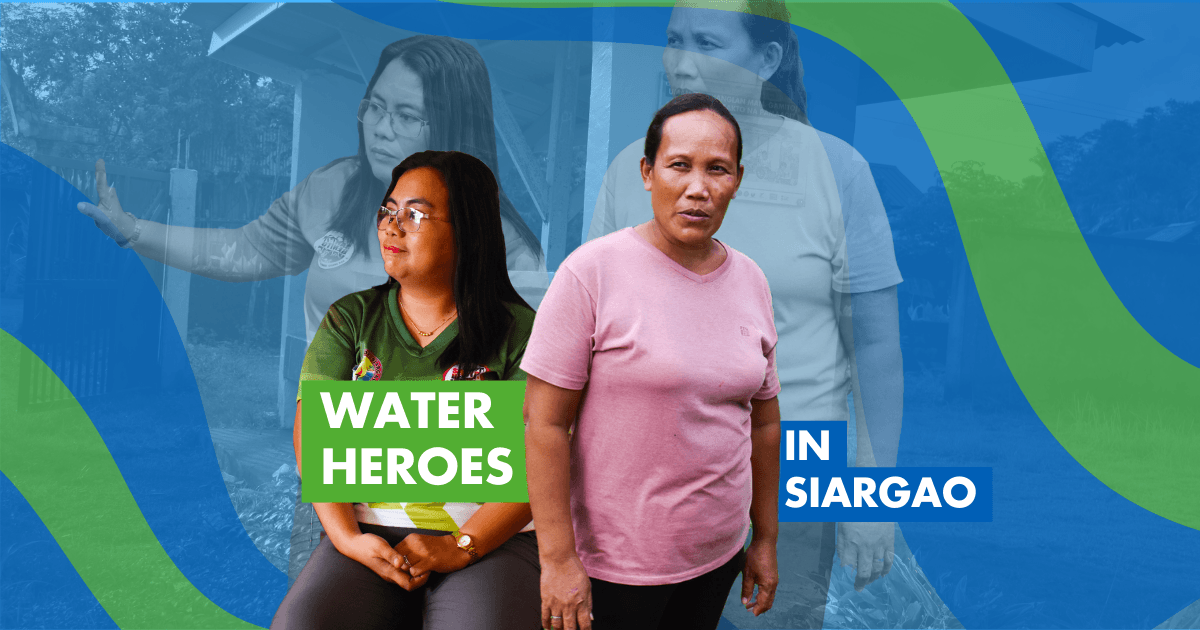
Water for Equality: A School Where Girls Can Learn with Dignity

March 22 marks World Water Day, a global moment to reflect on the essential role of water in our lives. This year, the theme “Water for Equality” reminds us that the water crisis affects everyone, but not equally. When safe water and sanitation are out of reach, inequalities deepen, and both women and young girls carry the heaviest burden. According to the United Nations, across the world, females spend more time collecting water, face greater health and safety risks, and are more likely to miss out on education and opportunities.

Where water flows, equality grows. And when water is absent, inequality flourishes.

For young female students, these challenges start early. In the Philippines, the World Bank states that 8% of girls have reported skipping classes due to their menstruation and the challenges it entails, including the lack of water and the difficulty of maintaining proper hygiene in schools. In Siargao, water shortages are common for young students, even though the island receives a lot of rain each year. Rapid tourism growth and changing weather patterns continue to put pressure on local water sources.


In the municipality of San Benito on Siargao Island stands Nuevo Campo Elementary School, a small public school serving 60 children from kindergarten to Grade 6. Each day, young learners fill their classrooms with energy and hope. For years, limited access to water affected the daily routines of both students and teachers.

In photo: Teacher Elisavil stands in front of the classroom where she teaches daily at Nuevo Campo Elementary School in the Municipality of San Benito. Photo by Martina Vercoli for Action Against Hunger.

While the lack of water affected all children, it had a particularly different impact on young female students.

“Without water in the restrooms, girls could not wash themselves properly or manage their hygiene with dignity,” says Elisavil, a grade six teacher  who has taught for 16 years. According to her, girls faced confusion and discomfort during their first menstruation. Having no water in the restrooms made the situation worse. Some delayed changing their sanitary pads, leading to stains on their clothes, and comments from male classmates often caused embarrassment and shame. In some cases, girls would go home to clean themselves at the expense of valuable learning time.

In the past, Elisavil recalls the frustration of being unable to fully support her students. “Many girls skipped classes to manage their periods at home, missing lessons and opportunities,” she shares.

In photo: Elisavil discusses in one of the classes of Nuevo Campo Elementary School in the Municipality of San Benito. Photo by Martina Vercoli for Action Against Hunger.

Today, she actively promotes hygiene and equality in her classroom, guiding proper handwashing and toothbrushing practices, and educating students about responsible water use.

Privacy concerns were also significant. Students sometimes entered bathrooms assigned to the opposite gender to find water, creating uncomfortable situations.


In photo: Jena, President of the Parents-Teachers Association at Nuevo Campo Elementary School in San Benito, Surigao del Norte. Photo by Martina Vercoli for Action Against Hunger.

Jena, 49, a parent and now president of the Parents and Teachers Association, confirmed these struggles. Having grown up in Nuevo Campo and attended the same elementary school, she now voluntarily manages school maintenance, ensures Water, Sanitation, and Hygiene facilities function properly, and oversees the safety and well-being of students. She is, in every sense, the guardian of the school’s water system.

In photo: Jena, President of the Parents-Teachers Association at Nuevo Campo Elementary School in San Benito, Surigao del Norte, washes her hands inside the school kitchen. Photo by Martina Vercoli for Action Against Hunger.

Jena’s day begins early by cleaning the surroundings, checking the water system, and turning on the pump when pressure is low to ensure water reaches all faucets. Before the rehabilitation of the WASH facilities, she would walk back and forth up to five times a day to nearby water sources to ensure students had access, especially girls needing privacy for menstrual hygiene. She also cooks for the students, distributes food, washes dishes, and helps maintain the school garden.

Amid the challenges they faced, figures like Elisavil and Jena, became pillars of support.

In photo: Jena and Action Against Hunger Engineer, Mark Alain Punzalan, stand in front of the new pump house and elevated water tank at Nuevo Campo Elementary School in San Benito, Surigao del Norte. This was implemented by Action Against Hunger together with UNICEF. Photo by Martina Vercoli for Action Against Hunger.

Through the Typhoon Odette Recovery and Rehabilitation towards Climate Resilience project, implemented by Action Against Hunger and UNICEF, with the funding support of the government of New Zealand through the Ministry of Foreign Affairs and Trade, the school received a pump house and an elevated water tank, ensuring a consistent water supply. Handwashing facilities were also repaired, providing students with safer and more reliable access to water.

Improved water access has made daily routines easier, particularly for young girls. They can manage hygiene more safely and privately, attend classes more comfortably, and focus better on their studies.

For Jena, “water for equality means that reliable access allows young girls to attend school with dignity, confidence, and equal opportunities to learn.” Elisavil echoes this, explaining that water for equality ensures every child has equal access to sanitation facilities, recognizing that the same problem, like lack of water, does not affect all students equally.

When communities put women and girls at the center of water solutions, everyone benefits.

Women like Elisavel and Jena, who support young female students during critical moments, are true water heroes—leaders, caretakers, and advocates for change.


Written by: Martina Vercoli
Editor: Joyce Sandajan
Read more

Finding space to learn: How a safe and dignified classroom is helping young mothers like Riza stay in school

For Riza Mae Basalan, a 16-year-old Alternative Learning System (ALS) learner at Campo Cuatro Elementary School in Datu Abdullah Sangki, Maguindanao del Sur, growing up in the remote community of Sitio Bisang meant dealing with distance and everyday challenges that made staying in school difficult.


After completing elementary school, she continued studying until Grade 8, but her family’s limited income from farming was barely enough to meet their daily food needs.

With no resources to support her schooling, Riza made the painful decision to stop studying and look for work at a young age.

“I stopped studying after Grade 8 because we could no longer afford the daily expenses of going to school. When I was in a regular school, I needed to bring money for food every day since school lasted the entire day,” she said.

Riza also shared that she had to walk to and from school to save money, but still, her financial situation forced her to stop studying. Despite these challenges, Riza held on to her dream of finishing school.

In June 2025, she enrolled in the ALS Center at her community as a Grade 9 learner, choosing an alternative pathway to continue her education.

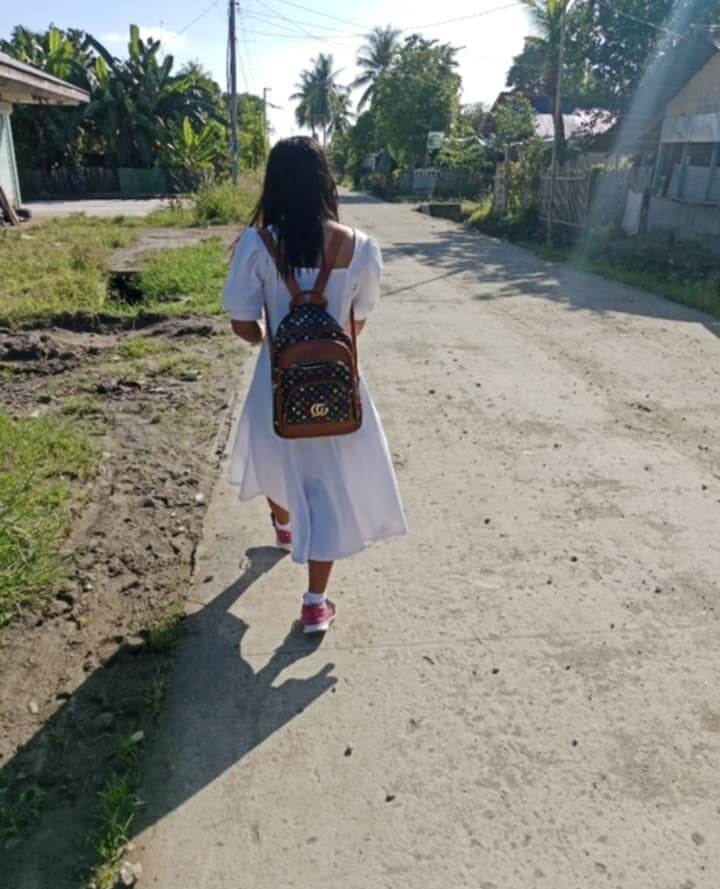
In photo: Riza on her way to school. (Photo courtesy of Riza Basalan)

Getting to class, however, remains a daily challenge. At her young age, Riza is also a single mother to a six-month-old baby.

“Now, my mother takes care of my child back at the farm when I have school so that I can work and attend my classes,” Riza explains.

As a working student and a single parent, Riza needs to balance her time well and make sacrifices.

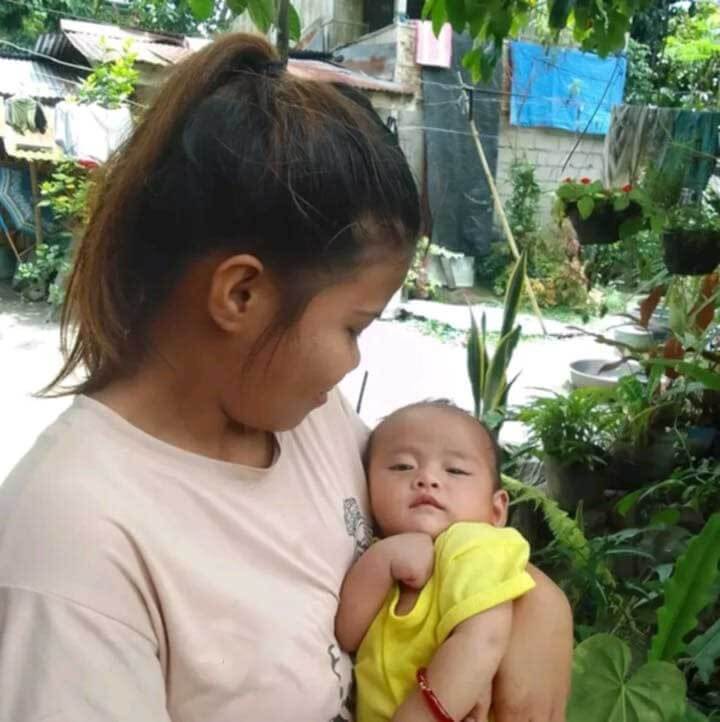
In photo: Riza and her child. (Photo courtesy of Riza Basalan)

During weekdays, she works, and then takes time off from work to attend her half-day classes about three to five times a week. She tries to save every peso she can.

“I prioritize my needs and my baby’s needs,” she shared, explaining why even basic school requirements, such as hygiene items, were often beyond her reach.

When the learning environment became a barrier

Unfortunately, for Riza, returning to school also meant learning in conditions that made studying even more difficult. When Riza began her ALS classes in June, the room had not yet been fully designated as a learning space.

“Before, our ALS center was just a storage room for supplies. When we would have our classes, there were different items piled up at the back sometimes, so the room looked messy and cramped,” Riza shares.

Teacher Ombai Piodena, the ALS Teacher at Campo Cuatro Elementary School noted that the space was only used for its intended purpose after she requested a designated room for ALS students.

“Lessons took place amid piled-up materials, making the space cramped and distracting. During heavy rains, water leaked through holes in the roof, forcing students to crowd into the few dry corners of the room,” she said Teacher Ombai.

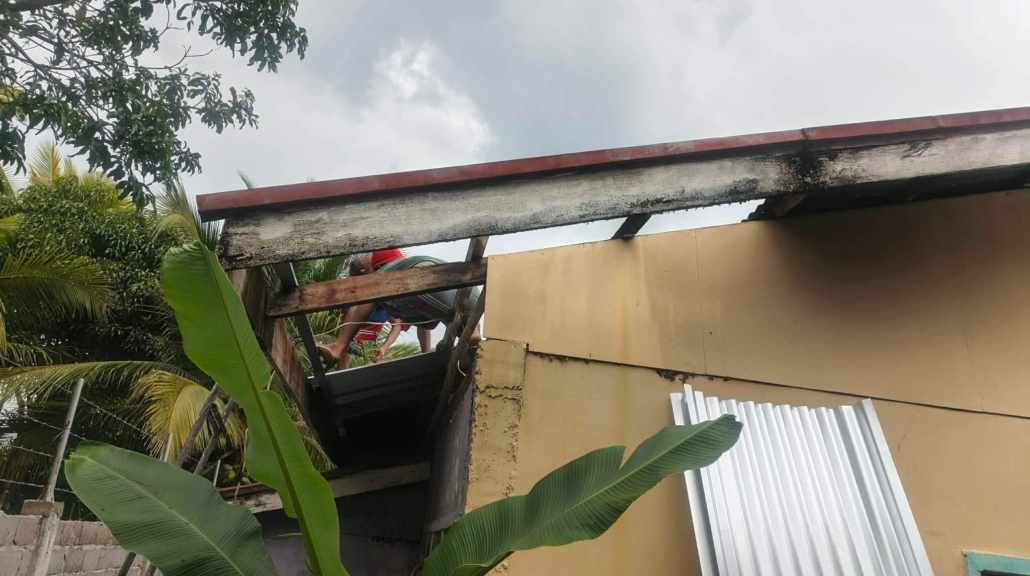
In photo: Damaged roof of the Alternative Learning System Center of Campo Cuatro Elementary School (Photo courtesy of Ombai Piodena)

The situation was especially challenging during hot afternoons, when the heat inside the small, poorly ventilated room made it hard for students to concentrate during lessons

“At noon, my students would often ask, ‘Ma’am, do we still have class this afternoon? It’s so hot, Ma’am.’ They were really uncomfortable because the room was humid and stuffy,” said Teacher Ombai.

In photo: Damaged roof of the Alternative Learning System Center of Campo Cuatro Elementary School (Photo courtesy of Ombai Piodena)

For many learners, especially those attending afternoon sessions, the physical discomfort added another layer of difficulty to staying focused and engaged in their lessons.

Access to proper sanitation and hygiene remained also a concern, with the toilets near the ALS Center rendered unusable due to structural damage, including gaps in the walls that raised safety concerns among students.

“Ma’am Ombai no longer allows us to use the toilet here before. It was blocked off with a cabinet because there was a hole at the back, and we were afraid snakes might enter. So, whenever we needed to use the toilet, we went to the regular students’ classrooms. The teachers also offered their office, but we felt shy going there, so we just used the toilets in the regular classrooms.” – Riza

Creating a safe, inclusive, and dignified learning space

With the support from UNICEF and with funding support from the Government of the Republic of Korea through the Korea International Cooperation Agency (KOICA), Action Against Hunger implemented the project Strengthening Health, Nutrition, and WASH Service Delivery Capacities in Early Learning, Alternative Learning, and Community Health Centers, which aims to improve access to essential services for more than 20,900 people across the Bangsamoro Autonomous Region in Muslim Mindanao, with a strong focus on children, adolescents, and other vulnerable groups.

At the Campo Cuatro ALS Center, this support is already making a visible difference.

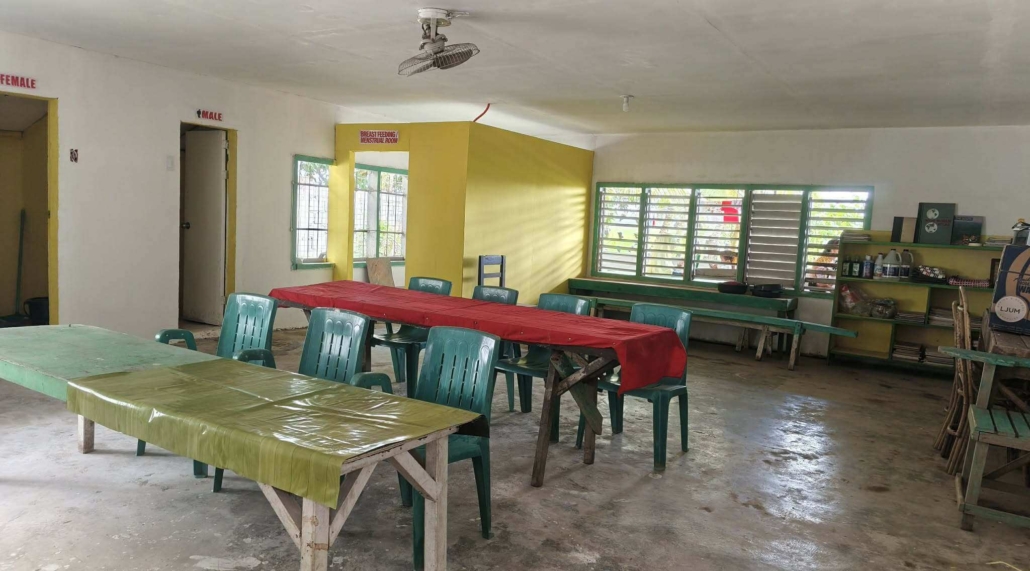
In photos: The Campo Cuatro ALS Center after the repairs done by UNICEF and Action Against Hunger. (Photo courtesy of Ombai Piodena)

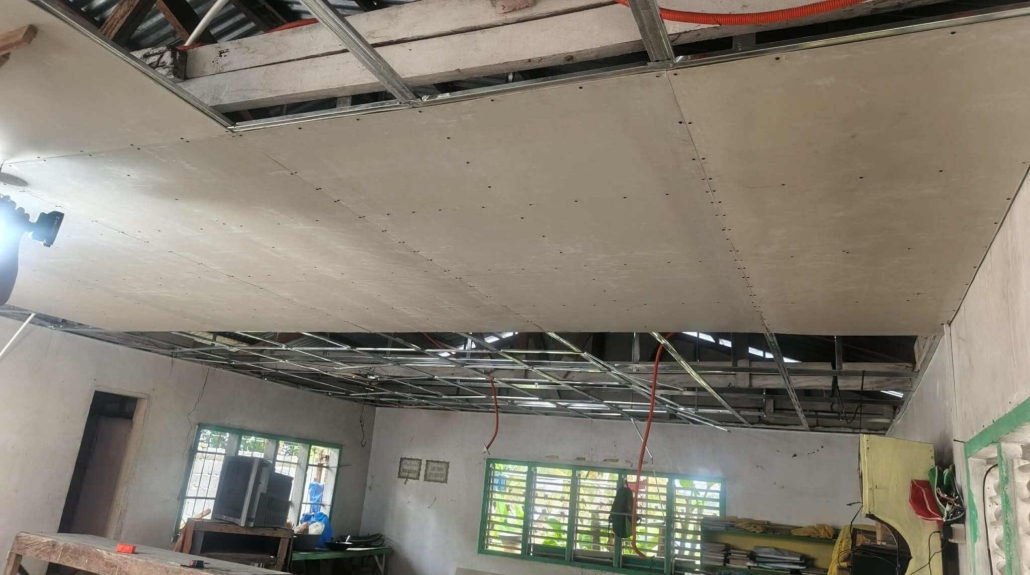
Repairs to the classroom roof and ceiling now protect the learning space from flooding, while newly installed lighting and ceiling fans have made the room cooler and more comfortable.

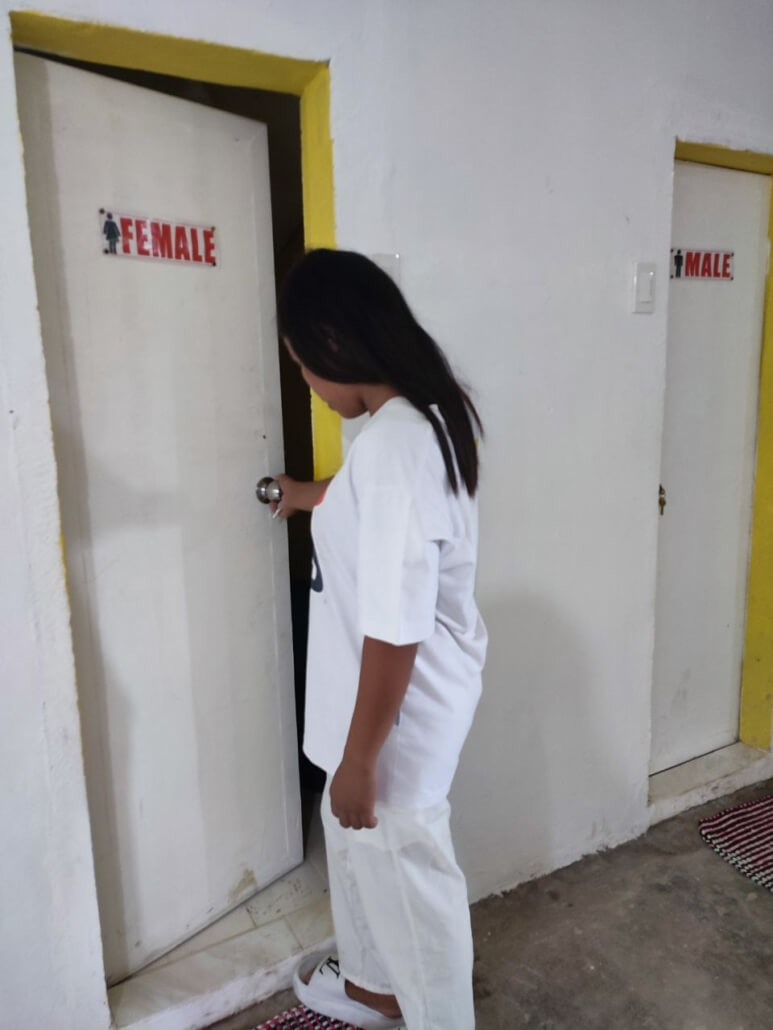
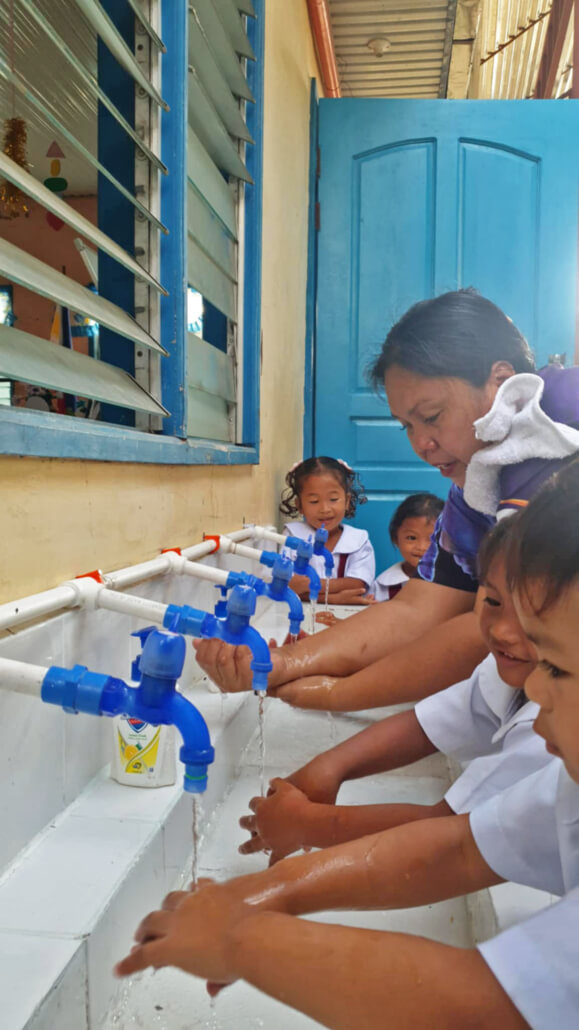
Gender-segregated toilets were rehabilitated and made safe and accessible, with proper lighting, water supply, and cleaning materials. A group handwashing station, waste bins, and hygiene supplies further support daily hygiene practices at the center.

“The classroom also looks better now, it’s clean, with ceiling fans installed. We don’t feel too hot anymore, especially in the afternoons.” – Riza

Menstrual Hygiene Management (MHM) corners were also placed to support the menstrual health needs of learners and to serve as a safe breastfeeding and resting space for young mothers like Riza.“Before, there were times I had to be absent because of the menstrual cramps and because I needed extra napkins. Now, we have a place to rest, and there are supplies available in the classroom, so it’s much easier,” Riza said.

In photo: Riza opens the door to the toilet for females, rehabilitated by the UNICEF and Action Against Hunger. (Photo by Debbie Alaban for Action Against Hunger.

The project also provided hygiene kits, easing the financial burden on learners who could not afford basic hygiene items.

Since the renovations, Teacher Ombai has observed increased attention and focus among learners, particularly during afternoon classes that were previously the most challenging. “The students have been more attentive after the improvements made to the ALS center,” she explained.

Enrollment at the center has since grown, reflecting a growing sense of confidence among learners and families that the ALS Center is a safe and supportive place to learn.

“Now, we even have more enrollees. Before, I only had 22 students, but now there are 35 ALS learners enrolled in the center.” – Teacher Ombai

“With a more conducive and responsive learning environment, I now feel confident inviting more out-of-school youth to enroll in ALS, knowing the center can better accommodate their needs,” said Teacher Ombai.

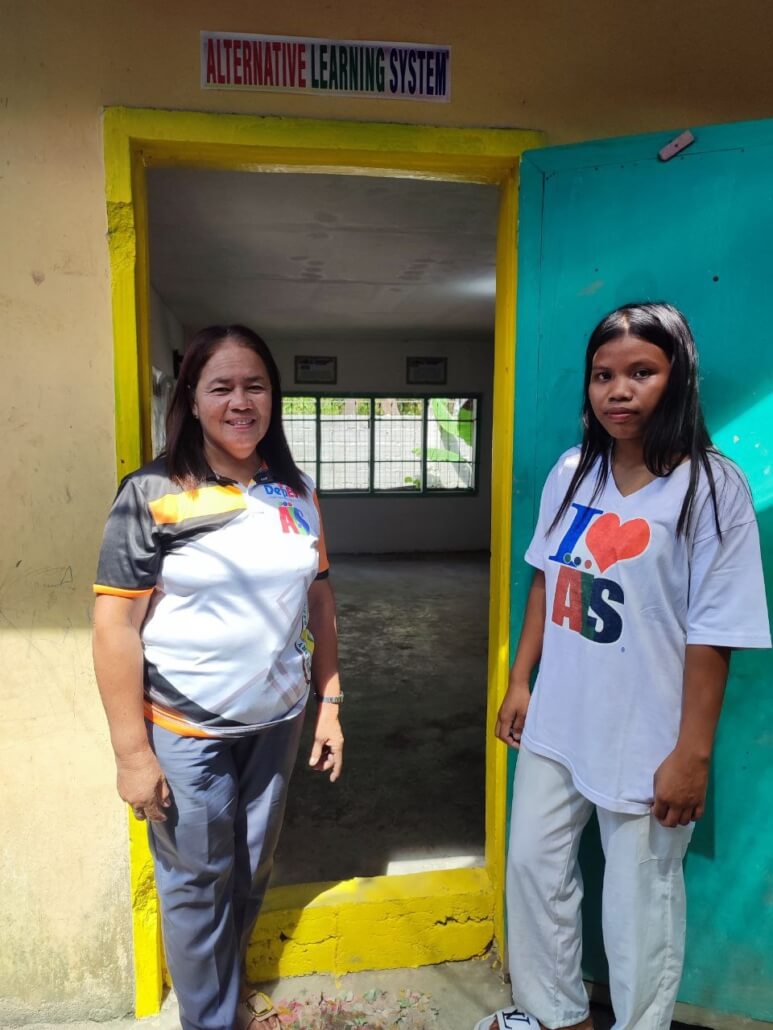
In photo: Teacher Ombai and Riza outside their ALS Center classroom. (Photo by Debbie Alaban for Action Against Hunger.

She also shared that the project has been a significant support for their center.

“Before, I would ask myself when we would ever have a proper ALS room, one that we didn’t just borrow. Then, in July 2025, Action Against Hunger and UNICEF visited, and now we finally have it,” she added

As an ALS educator, Teacher Ombai also expressed her appreciation to the training sessions they’ve participated in through the project, noting that ALS teachers are not often included in capacity-building activities of this kind

“We learned so much, and we felt that we are part of the program, that ALS is not neglected, and that we are included among the priorities,” she shared

As for the learners, Riza also shared how the changes have allowed her to learn more comfortably.

“The classroom looks better now. It’s clean, with ceiling fans installed. We don’t feel too hot anymore, especially in the afternoons,” she explained

She now feels safe and secure using the toilets, which are clean, enclosed, and free of the holes that once caused fear, with separate facilities for males and females.

In photo: Riza uses the handwashing station of Campo Cuatro ALS Center. (Photo by Debbie Alaban for Action Against Hunger. )

“The repairs were such a big help. We no longer worry about how to manage when heavy rain comes, and the room gets wet again,” Riza added

Beyond improving the physical condition of the classroom, the changes also affected how learners experienced their day-to-day schooling.

And for Riza, these changes mean more than comfort.

“The area you set up for us to rest is wonderful. If mothers like me bring their children, we can breastfeed and let the baby sleep there while we study,” she said.

Looking ahead, Riza hopes to finish her studies and pass, despite the many struggles she faces.

“Our wish as ALS students is to finish our studies and pass, despite all our struggles. I am also thankful for the help you have given, especially for the improvements made in our ALS center. Now we can truly say that we have a real classroom that is bright, clean, and with our own toilet.”

With continued support from UNICEF and Action Against Hunger, young learners like her are finding not only a place to learn, but the confidence to keep going—one step closer to a better future.

In photo: 16-year old ALS Student, Riza, shares her story with Action Against Hunger team. (Photo by Fahad Miro for Action Against Hunger)

The Strengthening Health and Nutrition Service Delivery Capacities in Early Learning, Alternative Learning, and Community Health project is implemented by Action Against Hunger together with UNICEF, with funding support from the Government of the Republic of Korea through the Korea International Cooperation Agency (KOICA).

Read Riza’s story offline


Written by: Joyce Sandajan
Edited by: Jezreel Salazar Ines, Reven Bryan Dela Pena
Contributors: Debbie Alaban

Read more

Lighting the way for health: A midwife’s journey to bring safer health services to mothers and children in Mapayag

DATU ANGGAL MIDTIMBANG, MAGUINDANAO DEL SUR — In Barangay Mapayag, where resources have long been scarce, midwife Zei has become a constant presence, ensuring mothers and children receive the care they need.

For more than a decade, Zei, 53, has walked the extra mile—literally and figuratively—for her community. A midwife at the health station in Barangay Mapayag, Zei travels two hours every day from her home in Sultan Kudarat just to open the small facility that caters to more than 3,700 residents.

In photo: Before assessing a child’s nutritional status, the Zei carefully gathers essential details such as medical history, appetite, and overall health condition.
Photo by Moner Dipatuan for Action Against Hunger

Her commitment to her work never wavered, yet the conditions she faced each day were far from ideal. For years, the barangay health station in Mapayag struggled without a reliable water supply. Maintaining basic sanitation and hygiene, which is a necessity in any health facility, became a constant uphill battle.

“I buy two big buckets from a water truck every week for fifty pesos. Sometimes, when it rains, we collect water just so we have something for cleaning.” – Zei, Midwife

Zei bore much of the cost herself, spending around fifty pesos a week from her modest salary to buy water from a truck, just to keep the health station clean. She claims, mula pa noong 2013, wala pong sariling tubig ang BHS. Ang ginagawa ko, bumibili ako ng tubig mula sa water truck—dalawang malaking balde, bale fifty pesos iyon bawat linggo. Minsan kapag umuulan, nag-iipon din po kami para may magamit panglinis(Since 2013, the BHS hasn’t had its own water supply. I buy two big buckets from a water truck every week for fifty pesos. Sometimes, when it rains, we collect water just so we have something for cleaning.)

n photo: A child’s weight, height, and MUAC are measured to
monitor nutritional status and check for signs of malnutrition.
Photo by Moner Dipatuan for Action Against Hunger

The strain was not hers alone to carry. Families who came to the health station also shared the burden, especially expectant mothers. Zei shares that kapag may naganganak, pinapadala ko ang husband or kamag-anak nung manganganak ng dalawa hanggang tatlong timba ng tubig para may malinis na magamit (Whenever someone is about to give birth, I would ask the husband or relatives to bring two to three buckets of water so we would have clean water to use.)

“Before, I had to close the BHS as early as 3PM. I worried about the lack of light, the lack of water, and my safety if I stayed longer. So when emergencies happened at night, people went straight to the hospital because the BHS was closed.”

By 2017, another challenge made the situation even more difficult: the health station lost electricity. Without power, the facility was plunged into darkness by late afternoon, forcing Zei to close as early as 3 PM.

The lack of lighting not only limited services but also raised safety concerns. Emergencies that occurred at night went unanswered, leaving families with no option but to travel far to the nearest hospital.

Dati maaga pa lang, mga 3PM, nagko-close na po ako ng BHS. Concern ko talaga yung walang ilaw, walang tubig, iniisip ko rin ang safety ko if mag-stay dito. Kaya pag gabi na may emergencies, diretso na ang mga tao sa hospital kasi sarado ang BHS (Before, I had to close the BHS as early as 3PM. I worried about the lack of light, the lack of water, and my safety if I stayed longer. So when emergencies happened at night, people went straight to the hospital because the BHS was closed,) she added.

Despite these hardships, Zei pressed on—often improvising with outdated or makeshift equipment, and carrying the weight of her community’s needs almost entirely on her own.

In 2025, UNICEF, together with Action Against Hunger, began formally working with the Ministry of Health in the Bangsamoro Autonomous Region in Muslim Mindanao (BARMM) through the project “Strengthening Health and Nutrition Service Delivery Capacities in Early Learning, Alternative Learning, and Community Health,” supported by funding from the Korea International Cooperation Agency (KOICA).

The project seeks to enhance the capacity of Early Childhood Care and Development facilities to deliver essential health, nutrition, and water, sanitation & hygiene services. Through this initiative, the BHS in Mapayag started experiencing long-awaited improvements in its facilities and services.

“This project by Action Against Hunger and UNICEF has been such a huge help. First of all, we now have water both inside and outside the BHS. I no longer need to buy or fetch it myself.”

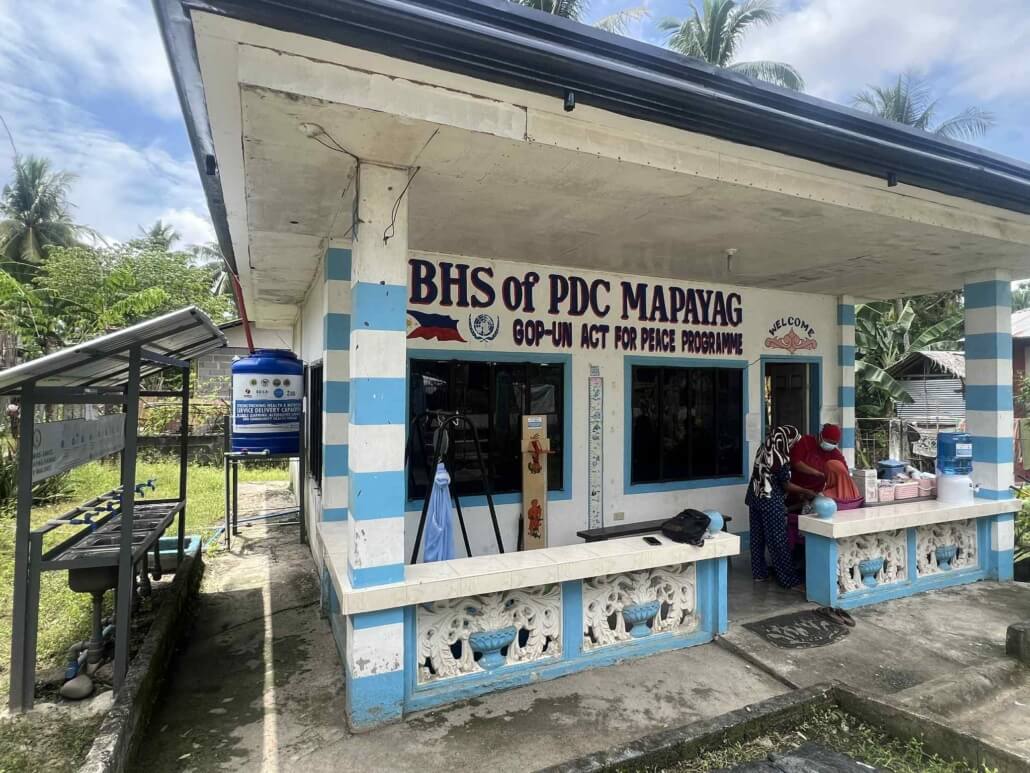
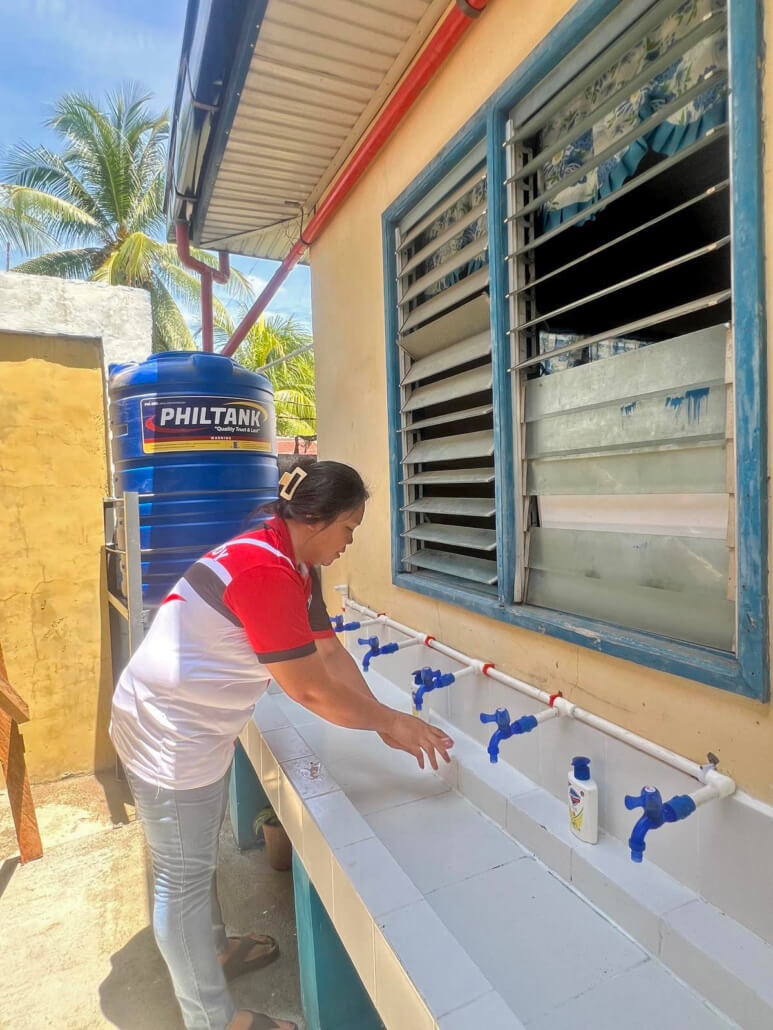
In Mapayag, one of the first major changes was access to water. A rainwater catchment system was installed and connected through piped water to the health station. Handwashing stations were also built—both inside and outside the facility—for the use of staff and patients alike. For the first time in more than a decade, Zei no longer had to buy or fetch water herself.

Families also felt the difference, as they no longer needed to bring buckets during childbirth. “Sa tulong po na ito, I hope na mas marami pa ang mga taong maserbisyuhan, makita nila ang kahalagahan ng kalusugan, lalo na sa mga bata (Because of this support, I truly hope that more people will be served and that they will come to recognize the importance of health, especially for their children,) said Zei.

Another long-awaited change came with the installation of solar power.

The provision of a solar panel system, complete with battery and inverter, meant that the health station could finally function even after dark.

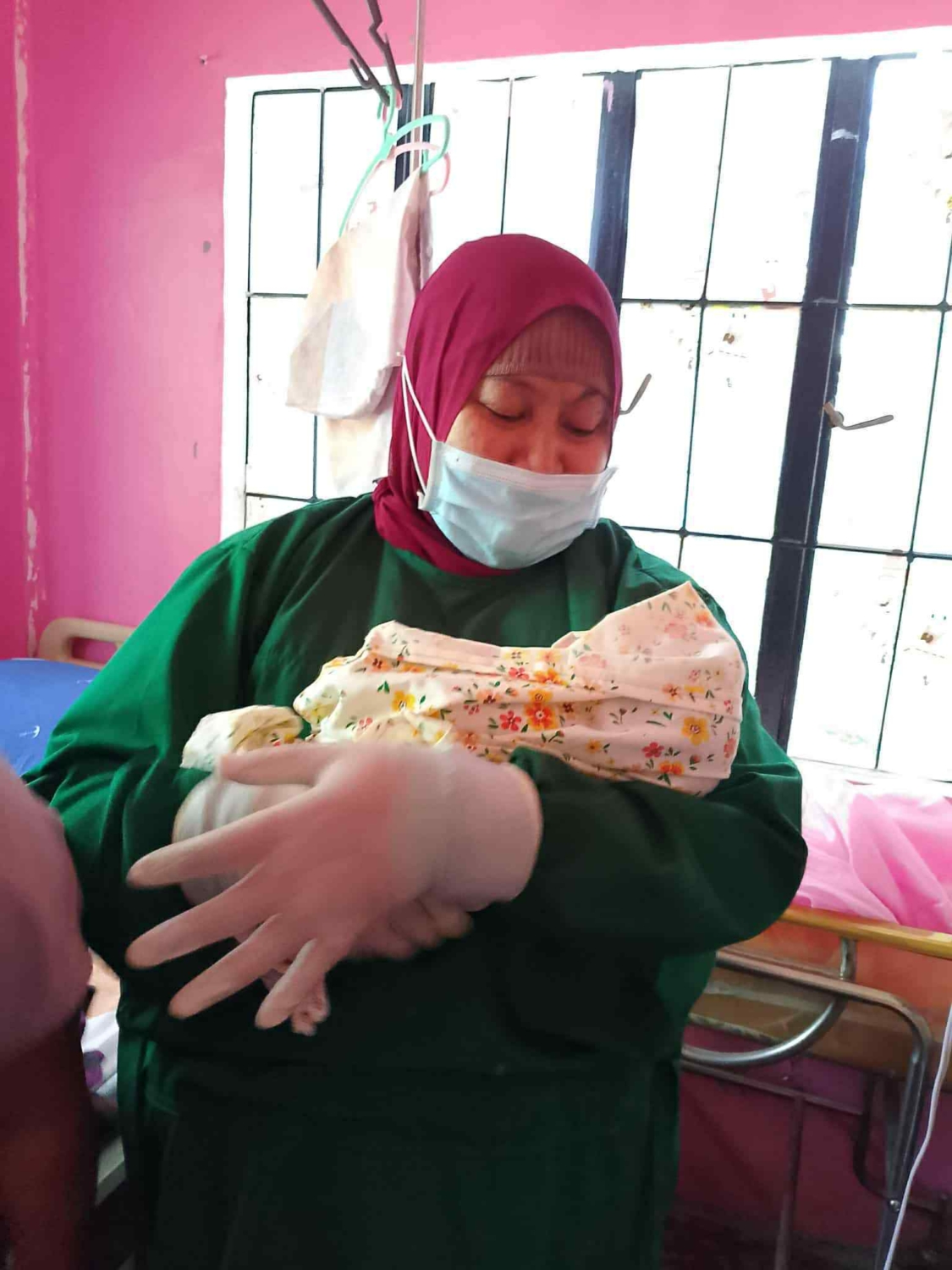
For Zei, this was a turning point—allowing her to stay at the BHS 24 hours a day from Monday to Friday. Emergencies at night could now be attended to within the community, rather than requiring long trips to distant hospitals.

She shares, ngayon, kahit may manganak ng gabi o madaling araw, andito ako. Open po ang BHS (Now, even if someone gives birth late at night or early in the morning, I’m here. The BHS is open.)

“Now, even if someone gives birth late at night or early in the morning, I’m here. The BHS is open [..] Since we were trained under PIMAM, I now know the proper way to check children. Even the barangay health workers and nutrition scholars are more confident now and I have more support.”

The project also addressed small but crucial details that affected daily health practices. Soap and cleaning materials were provided to help maintain hygiene standards. Drainage issues behind the facility, once a source of stagnant water and potential disease, were resolved through a proper soak pit system.

Patients visiting the BHS could now wash their hands easily, helping promote better hygiene behaviors such as frequent handwashing and safe waste disposal.

In photo: The rain water catchment system in the barangay health station of Mapayag. Hygiene advocacy materials were also placed near the handwashing station. Photo by Moner Dipatuan for Action Against Hunger

Equally important were the tools that made Zei and her colleagues’ work more accurate and effective.

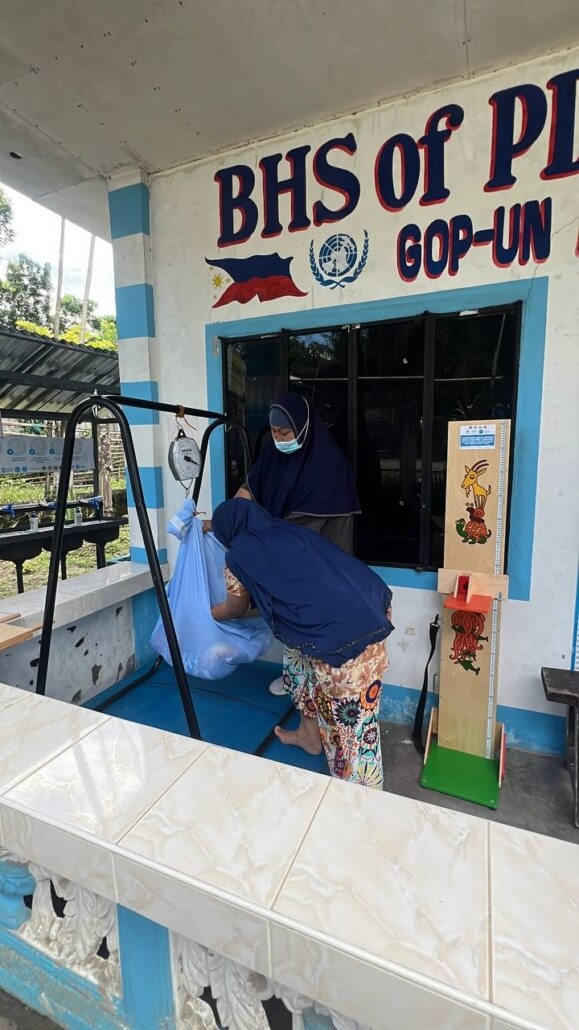
For years, they had been using improvised equipment—bathroom scales meant for adults to weigh children, and torn paper charts taped to the wall as makeshift height boards. With new anthropometric tools such as height boards, weighing scales, and MUAC tapes, health workers could now properly monitor children’s growth and detect malnutrition early.

Training and capacity building completed the transformation. Barangay health workers (BHWs) and barangay nutrition scholars (BNS) received guidance that gave them more confidence in assisting Zei.

“Since we were trained under PIMAM, alam ko na po ang proper way ng pag-check sa bata. Kahit ang mga BHW at BNS ngayon, confident na sila. Hindi na ako lahat ang gumagawa gaya ng dati” (Since we were trained under PIMAM, I now know the proper way to check children. Even the barangay health workers and nutrition scholars are more confident now and I have more support,) Zei added.

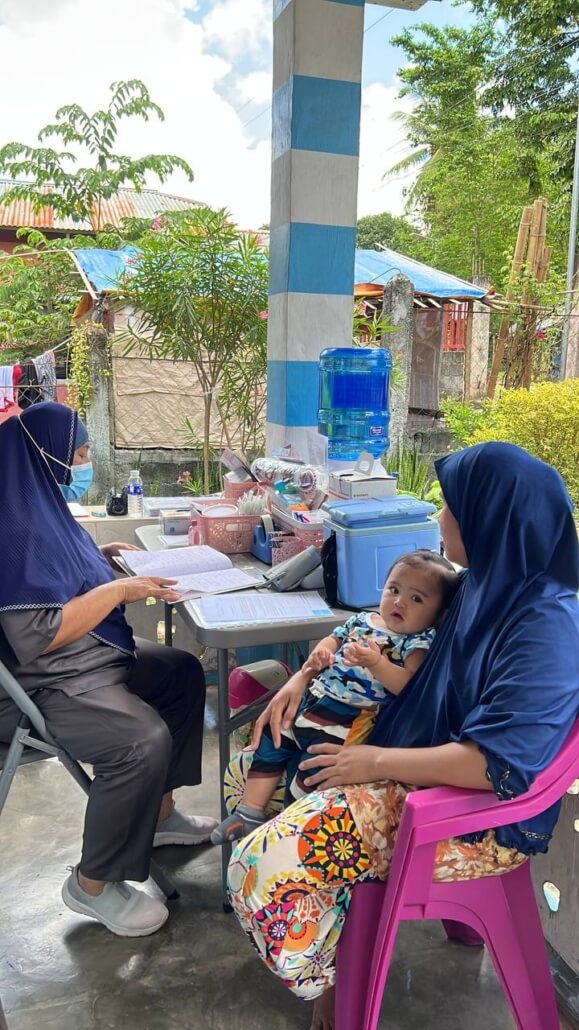
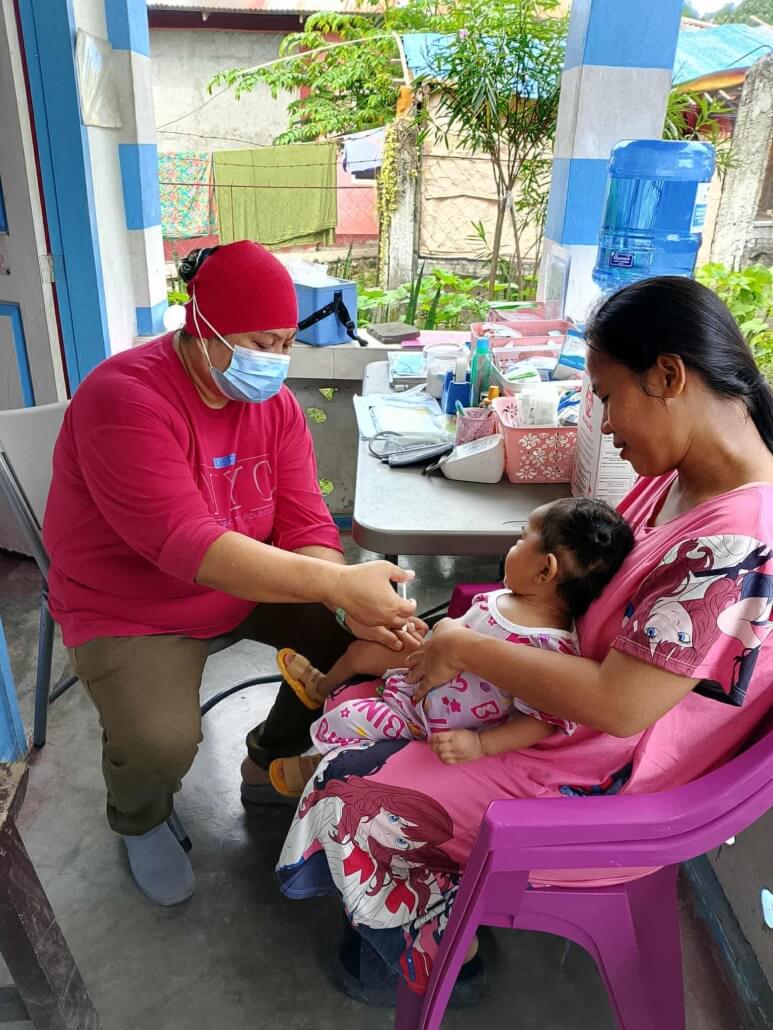
In photo: Zei administers routine immunizations, conducted every Wednesday at the BHS. Photo by Moner Dipatuan for Action Against Hunger

The results are clear in the numbers: immunization rates in Mapayag rose from 39 in July to 76 percent by August 2025, while the number of consultations nearly doubled within the same period. Mothers who previously resisted bringing their children now come voluntarily.

Zei explains, ngayon din po, ‘yong mga nanay ng mga batang mahirap papuntahin dito sa BHS at magpa immunize ng anak nila, ay pumupunta na po dito sa BHS at hindi na kailangan pilitin at balik-balikan. Siguro dahil narinig nila yung tulong na ginawa ng Action Against hunger at UNICEF, pati ang pagbabago dito sa BHS ay na-engganyo na silang pumunta dito na di na kailangan pilitin katulad dati (These days, even mothers from farther side of the barangay, those we usually struggle to convince, are now coming to the barangay health station to have their children immunized. We no longer need to convince them or follow up repeatedly. I think it’s because they’ve heard about the support provided by Action Against Hunger and UNICEF, and they’ve seen the improvements made to the BHS. The changes have encouraged them to come voluntarily—unlike before, when it was a struggle to get them here.)

Her colleagues in other barangays have also taken notice. Madalas sinasabi nila, blessed daw ako at ang BHS namin kasi kami ang napiling tulungan. Sana matulungan din ang ibang BHS na nangangailangan ng parehong support” (Other midwives often say how blessed I am, that our BHS was chosen to receive support. I hope other health stations in need will also be helped in the same way,) said Zei.

“We no longer need to convince them or follow up repeatedly. I think it’s because they’ve heard about the support provided by Action Against Hunger and UNICEF, and they’ve seen the improvements made to the BHS. The changes have encouraged them to come voluntarily—unlike before, when it was a struggle to get them here.”

For Zei, the transformation of the health station in Mapayag is more than just about infrastructure—it is about dignity, safety, and hope.

Families who once had to endure long travel for care now find reliable support close to home. And for the midwife who has walked this journey for over a decade, the changes have strengthened her resolve to keep serving.


*PIMAM – Philippine Integrated Management of Acute Malnutrition


The “Strengthening Health and Nutrition Service Delivery Capacities in Early Learning, Alternative Learning, and Community Health” project is implemented by Action Against Hunger together with UNICEF, thanks to the funding support of the Korean government through the Korea International Cooperation Agency (KOICA).

Read more

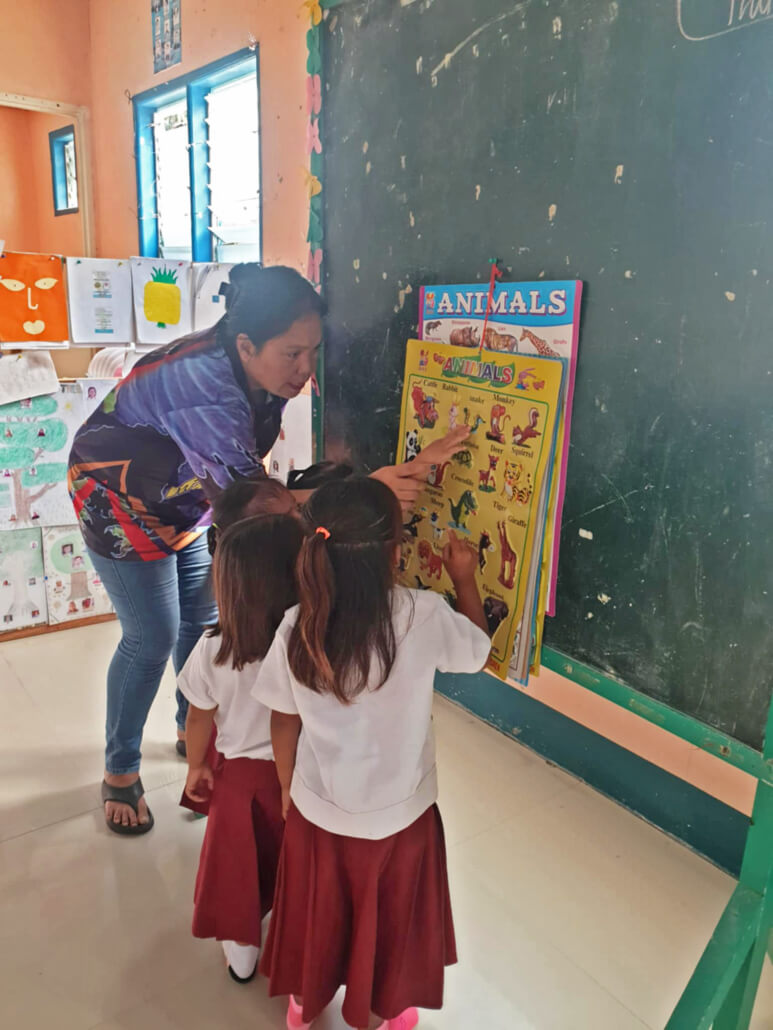
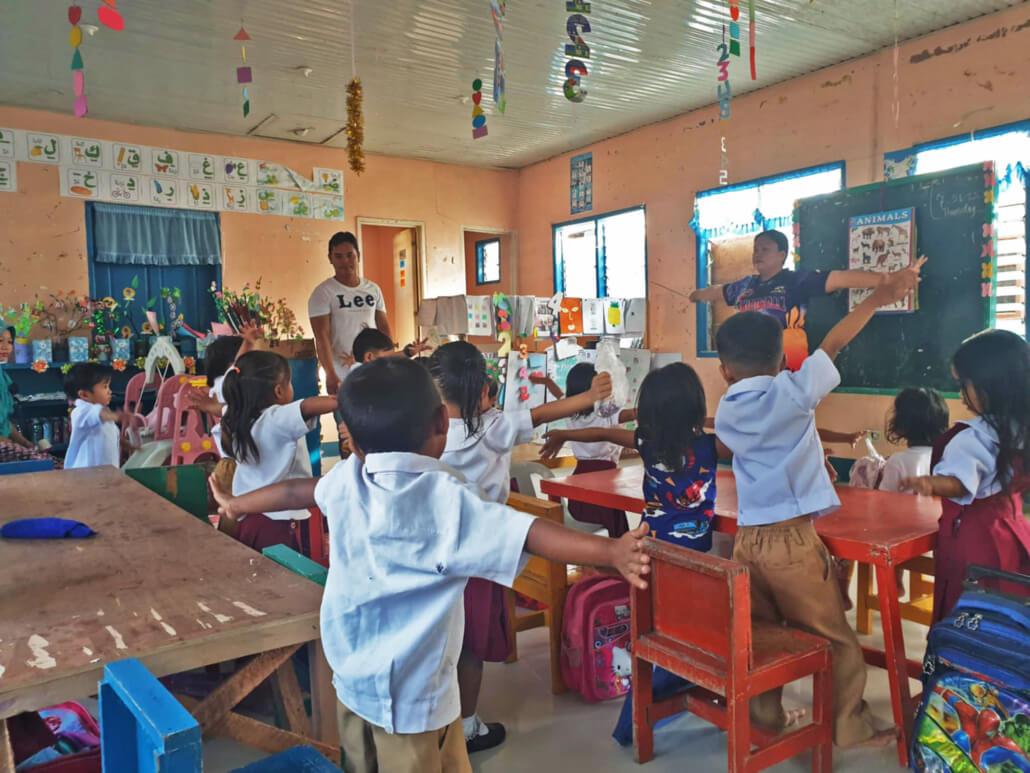
Washing Away Worries: How a Day Care Worker’s Persistence Helped Bring Water and Hope to a Remote Community

For eight years, Tarhata Watamama has served as the daycare worker in Barangay Mapayag with patience, commitment, and an unshakable belief in every child’s right to learn and grow in a safe and healthy environment. 

DATU ANGGAL MIDTIMBANG, MAGUINDANAO DEL SUR ─ At 40 years old, she currently teaches 32 students daycare learners (12 boys and 20 girls) in a small daycare center where limited resources services and structural gaps pose daily challenges. One of her long-standing struggles had been access to clean water.

“Mula po nung nasira ang aming handwashing [facility], hindi na po nakakapaghugas ng kamay ang mga bata tuwing may klase. Minsan po ang mga magulang ng mga bata ay nag-iigib ng tubig sa mga kapitbahay. (Ever since the handwashing facility broke down, the children could no longer wash their hands during classes. Sometimes, the parents would fetch water from neighbors,)” she explained.

While the barangay local government unit (BLGU) has been supportive in trying to meet the center’s needs, the lack of a functioning water supply system and adequate sanitation and hygiene facilities remained unresolved for a long time. Water had to be fetched from nearby homes and stored for use in washing and cleaning the daycare center, making daily hygiene activities difficult.

“Ever since the handwashing facility broke down, the children could no longer wash their hands during classes. Sometimes, the parents would fetch water from neighbors.” – Tarhata

Hindi talaga kami makapaghugas ng kamay nang maayos. Wala rin kaming mga gamit tulad ng sabon, panlinis, o kahit timba. (We really couldn’t carry out proper handwashing. We didn’t even have basic supplies like soap, cleaning materials, or even pails.”)

With no anthropometric tools of their own, growth monitoring, which is essential for tracking the physical development of young children, was also hampered. Tarhata had to borrow tools such as height boards and weighing scales from the nearby barangay health station (BHS), just to fulfill her responsibilities as an early childhood care and development (ECCD) worker.

But things started to change when the center was selected as one of the beneficiaries of the “Strengthening Health and Nutrition Service Delivery Capacities in Early Learning, Alternative Learning, and Community Health” project.

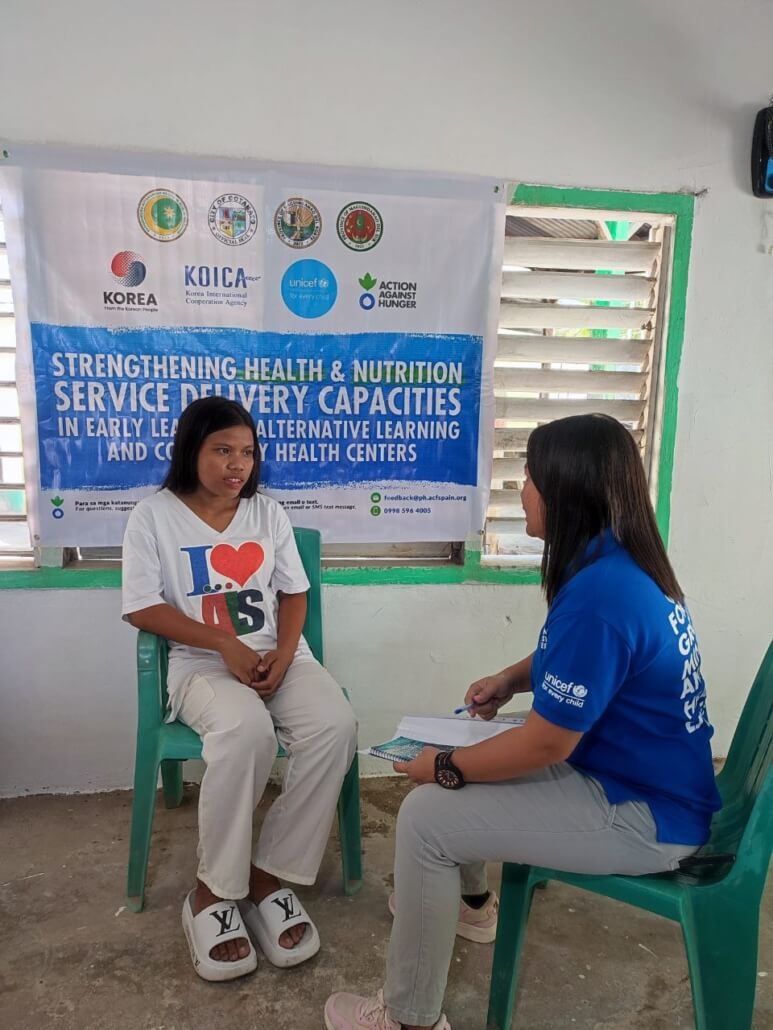
With funding from the Republic of Korea through the Korea International Cooperation Agency (KOICA), Action Against Hunger and UNICEF Philippines aim to improve access to health, nutrition, water, sanitation, hygiene (WASH), and education services for over 20,000 people in the Bangsamoro Autonomous Region in Muslim Mindanao (BARMM) through this project. With a special focus on young children, pregnant & lactating women, and persons with disabilities, the initiative is strengthening the capacity of 19 health and learning facilities across the region.

Following a series of consultations with the MSSD and the Municipal Government of Datu Anggal Midtimbang and joint technical assessments by Action Against Hunger and UNICEF, critical WASH and nutrition-related interventions were carried out at the daycare center. These included the repair of the water supply through the installation of a water pump, which was then piped directly to the daycare center’s toilet and a newly constructed handwashing station. A rainwater catchment system was also installed to further enhance water availability. In addition, the handwashing facility was improved, and the daycare center was provided with essential supplies and materials for hygiene, sanitation, and nutrition—including soap, pails, drinking water containers, cleaning materials, and growth monitoring tools such as a height board and weighing scale.

“Napakalaking tulong po talaga itong ginawa po ni UNICEF at Action Against Hungert sa aming daycare center. Ngayon, di na kami mahihirapan. May tubig na po, may hugasan ng kamay. Bago mag-recess pinapahugas ko na ang mga bata (This is such a big help. Thanks to UNICEF and Action Against Hunger, it’s no longer difficult for us. We now have water and a handwashing station. I let the children wash their hands before eating at recess.)” Tarhata shared with a smile.

With access to water restored, Tarhata immediately began integrating proper hygiene practices into daily routines. The children, she noted, were more than willing to embrace the change.

Thanks to UNICEF and Action Against Hunger, it’s no longer difficult for us. We now have water and a handwashing station. I let the children wash their hands before eating at recess. It’s wonderful to see the children enjoying handwashing now that there’s plenty of water, a proper station, and soap. They want to wash their hands all the time.”

“Nakakatuwa nga po dahil sa meron nang maraming tubig, handwashing area, at mga sabon, ang mga bata ay nag-eenjoy at gusto laging maghugas ng kamay, (It’s wonderful to see the children enjoying handwashing now that there’s plenty of water, a proper station, and soap. They want to wash their hands all the time.)” she added.

The impact goes beyond just hygiene. The daycare center also received height boards and weighing scales, allowing Tarhata to carry out growth monitoring on site. Parents no longer need to fetch water every morning. Children no longer need to leave the daycare premises just to wash up, which helps reduce potential risks and disruptions during class time.

“Isa din po sa pinasasalamatan po namin ay yung mga gamit tulad ng timba, lalagyan ng inuming tubig, sabon, at gamit panlinis. Lalo na po ang height board at timbangan. Wala po kaming kakayahan na bumili ng mga ito. May tulong po ang LGU, at suportado naman po ni Kapitan, pero kulang pa rin. Kaya salamat po talaga sa Action Against Hunger at UNICEF, (We’re really thankful for the supplies—pails, drinking water containers, soap, cleaning materials, and especially the height board and weighing scale. We could never afford these. Our LGU and Barangay Captain are supportive, but their resources are limited. That’s why we are truly grateful to Action Against Hunger and UNICEF.)” she emphasized.

For Tarhata, this is more than an improvement in infrastructure—it is an investment in dignity, safety, and opportunity.

“Sana po itong project ay marami pang matulungan na daycare centers at daycare workers, (I hope this project can reach more daycare centers and workers like me. Many still need help—especially when it comes to having access to water.)” she said hopefully. 

Her story is a powerful example of how the right support, provided at the right time, can uplift not just a center or a worker—but an entire community.


The “Strengthening Health and Nutrition Service Delivery Capacities in Early Learning, Alternative Learning, and Community Health” project is implemented by Action Against Hunger together with UNICEF, thanks to the funding support of the Korean government through the Korea International Cooperation Agency (KOICA).


Written by Joyce Sandajan.
Contributors: Debbie Alaban, Moner Dipatuan
Photos by Noraisa Labing Duton and Norkisa Ayob Musa for Action Against Hunger


Read more