
Action Against Hunger Philippines joins #TheHumanRace on World Humanitarian Day
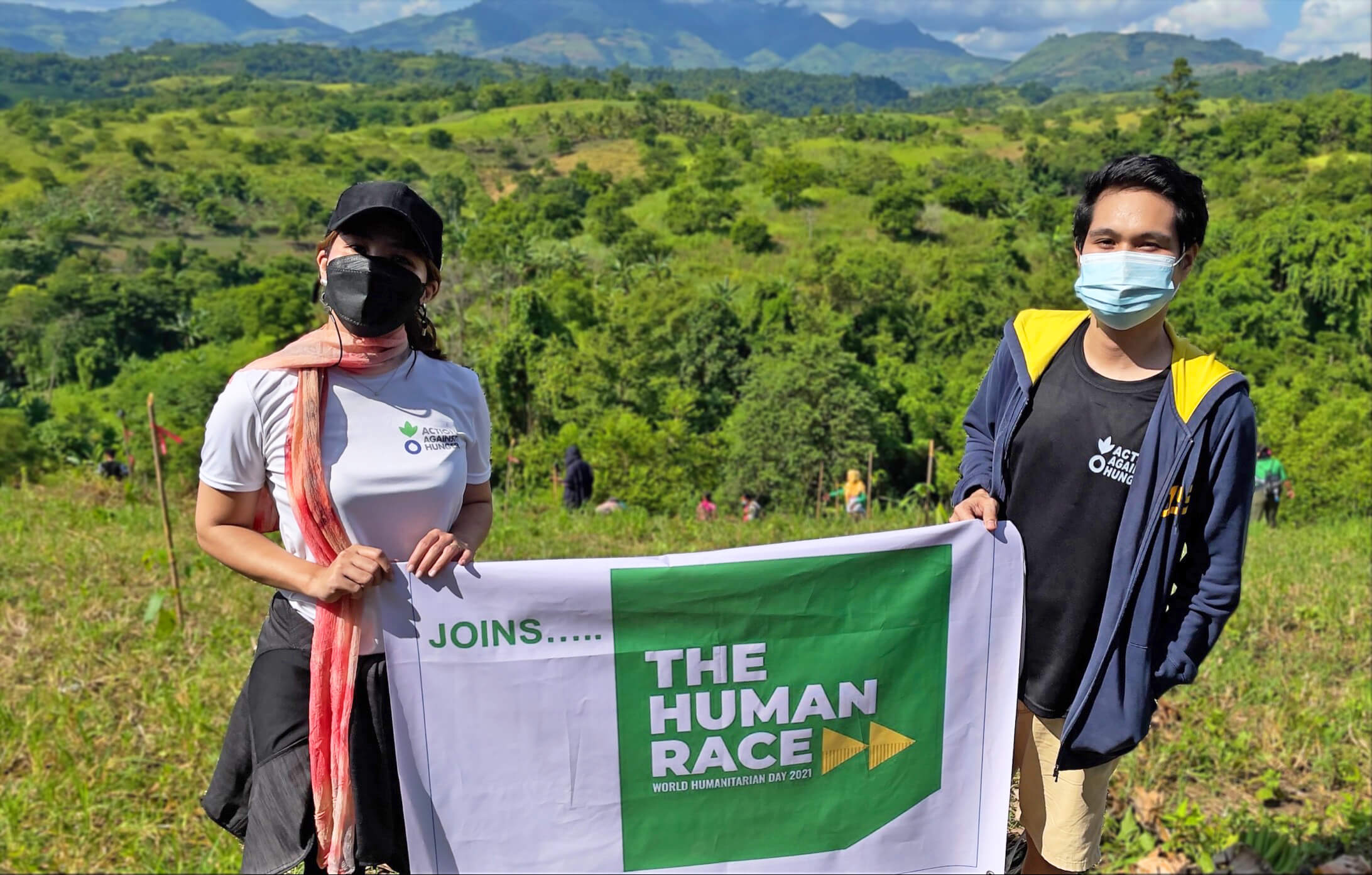
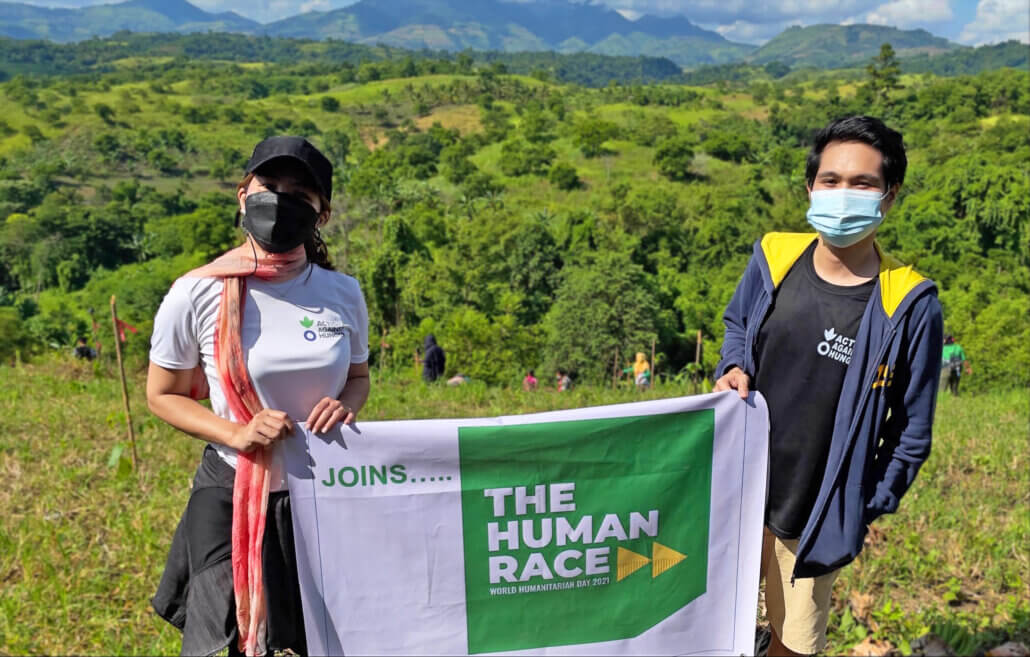
Sheryl Bejerano and Emlan Lilangan, representatives of Action Against Hunger, hold #TheHumanRace banner. | Photo courtesy of Shey Bejerano.
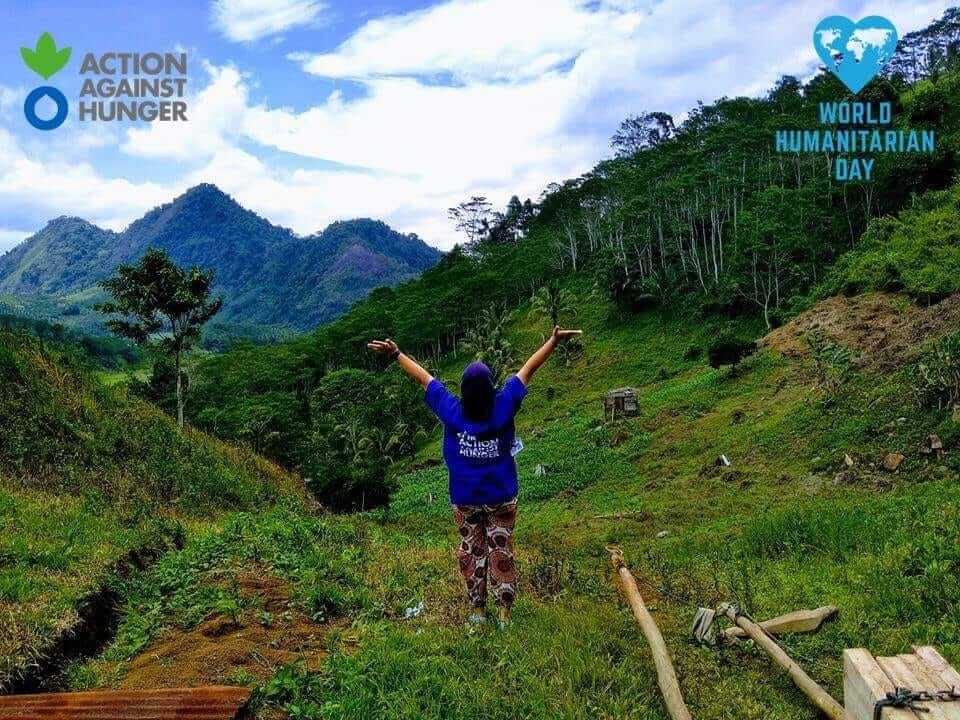
MAGUINDANAO — Our team members broke a sweat this World Humanitarian Day as Action Against Hunger Philippines took part in The Human Race campaign last August 19, 2021.
Represented by our Cotabato team, Sheryl Bejerano (HR Officer) and Emlan Lilangan (Finance Officer) joined the World Humanitarian Day (WHD) 2021 activity at Barangay Labungan in Datu Odin Sinsuat, Maguindanao.
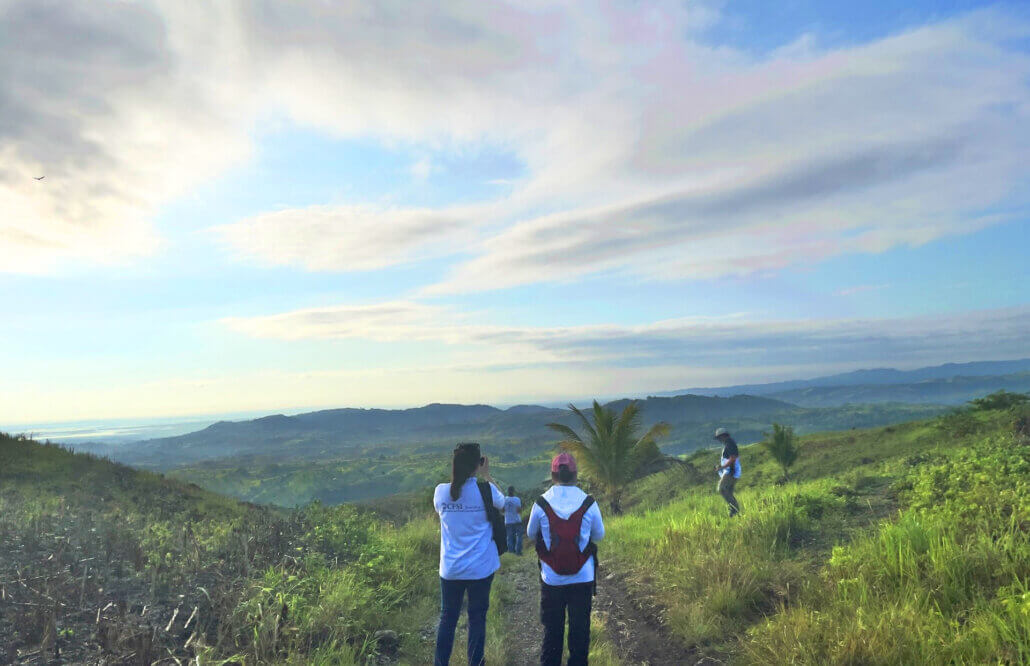
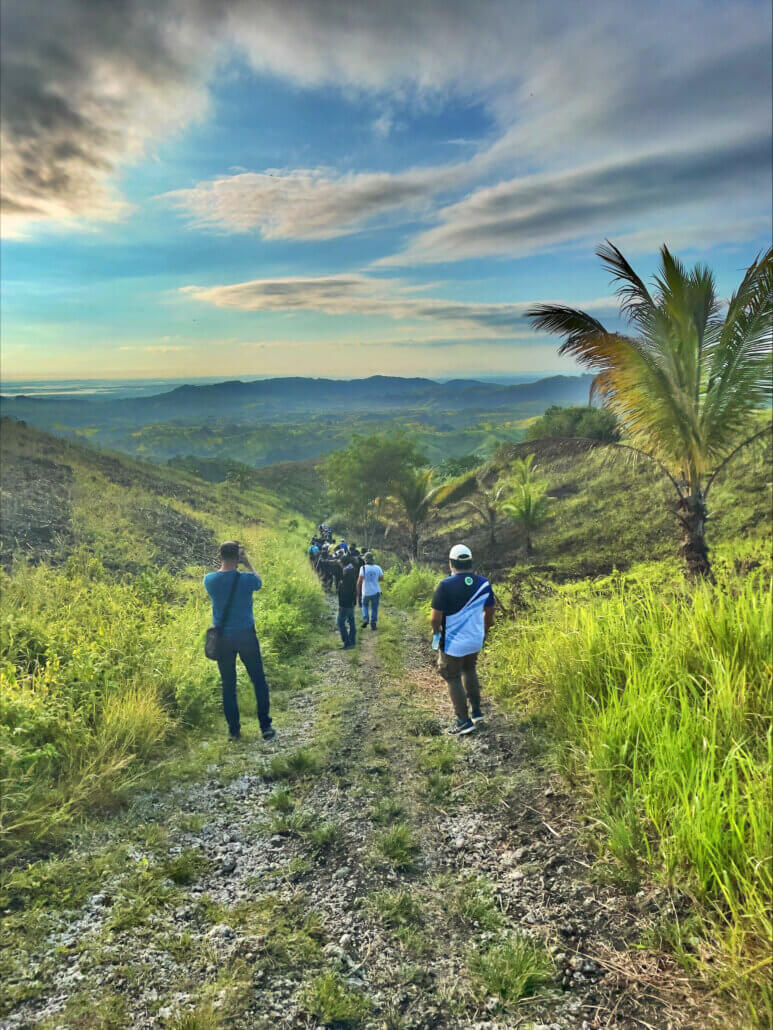
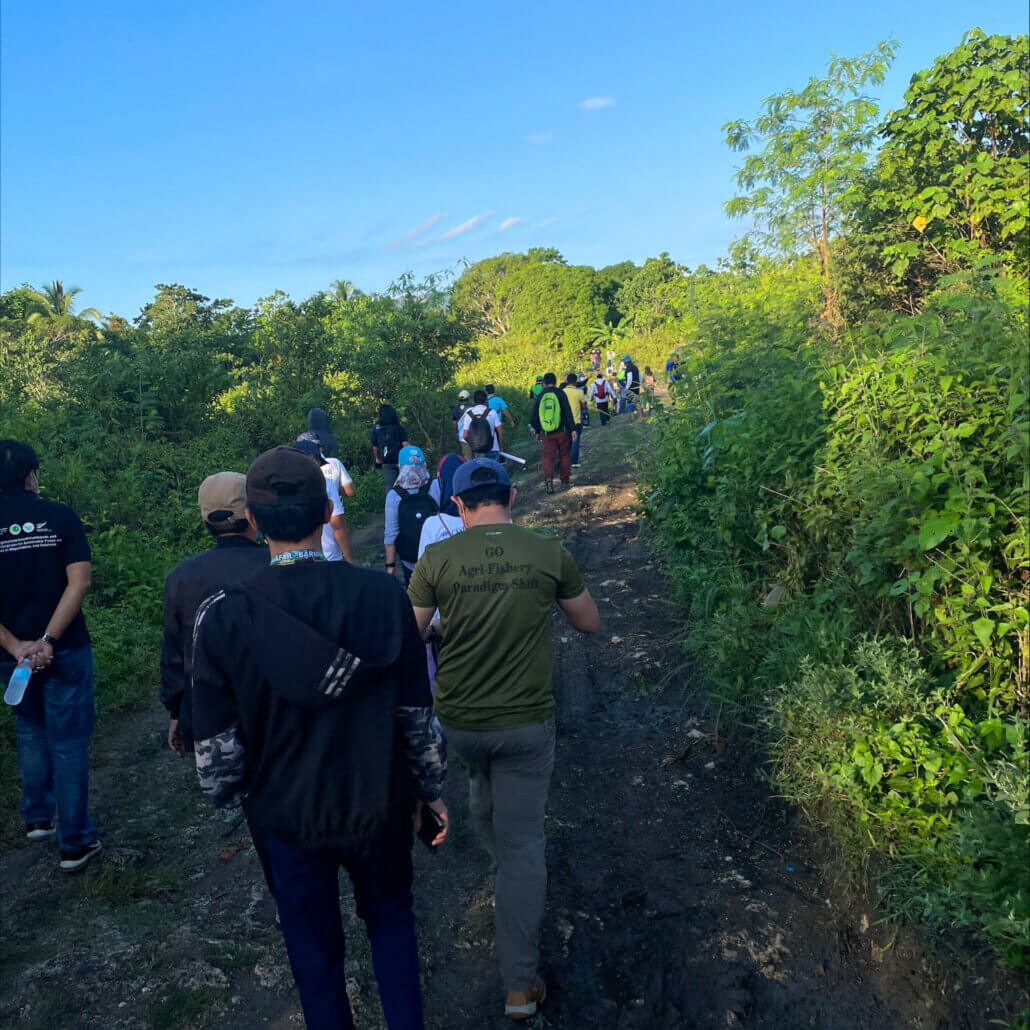
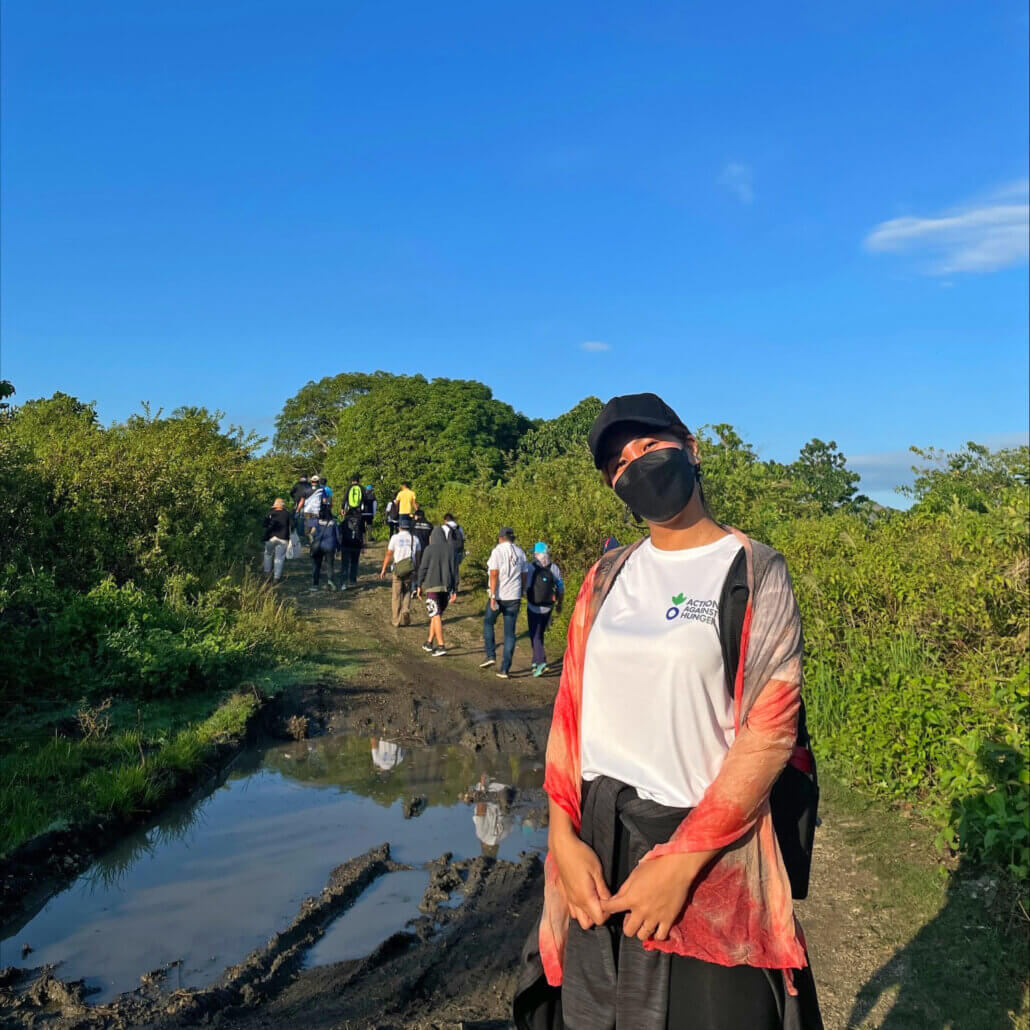
Along with other humanitarian organizations, our team members trekked about 6-8 kilometers in total, going to and fro Labungan School which hosted the program.
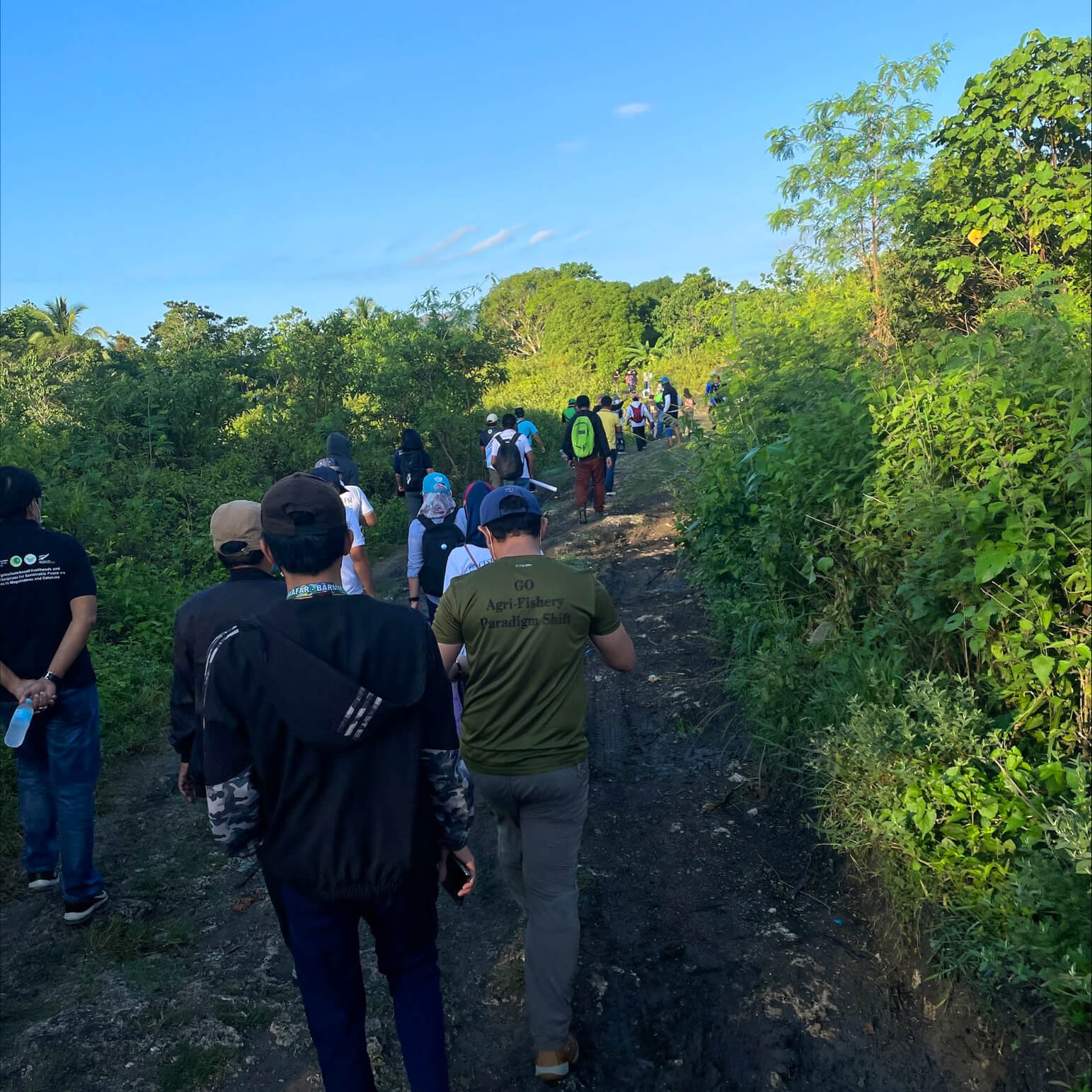
Members of different humanitarian organizations trek the dirt road going to Labungan School #TheHumanRace | Photo by Shey Bejerano for Action Against Hunger
A tree-planting activity and a quick photo session followed thereafter to commemorate the event.
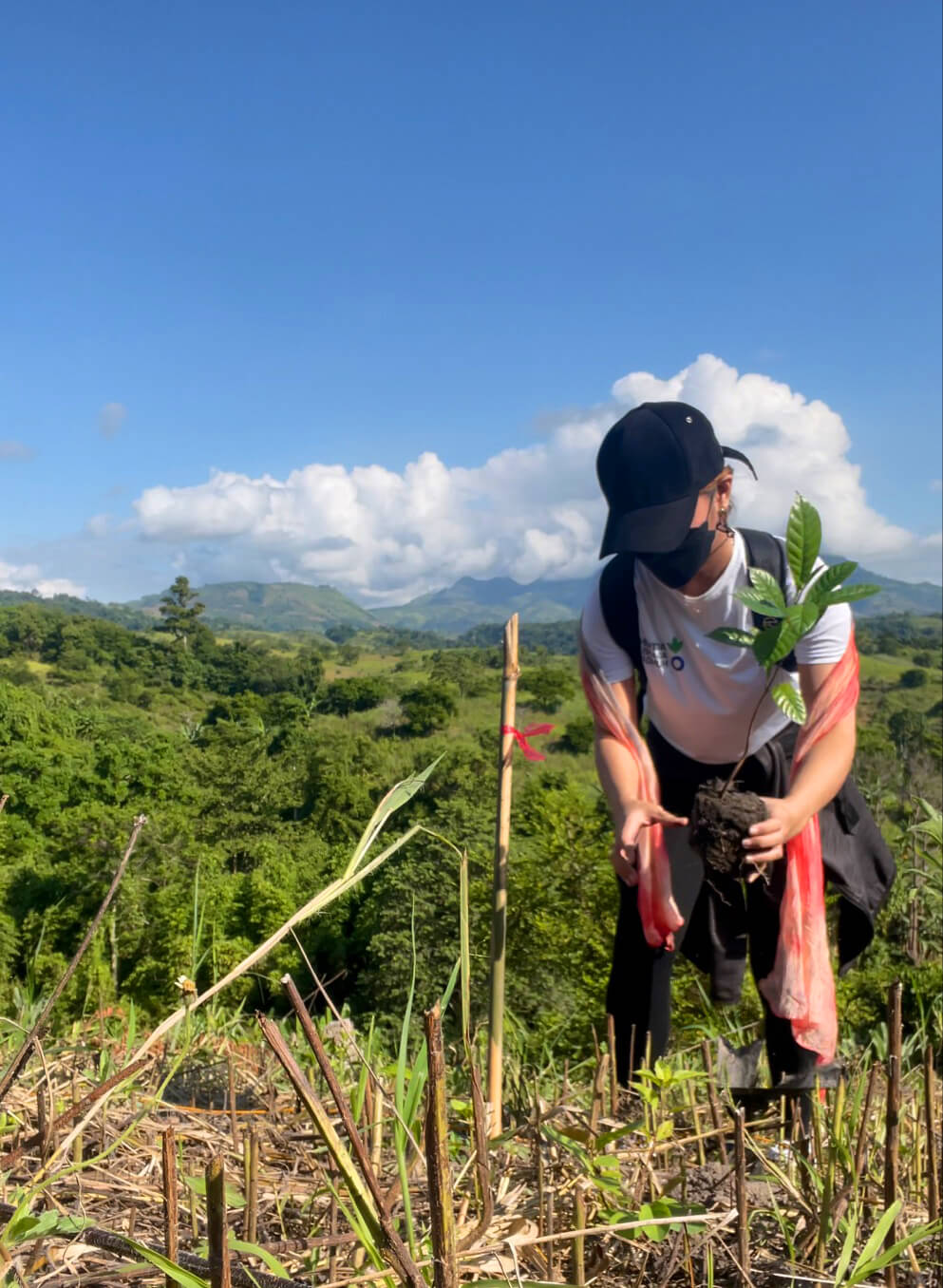
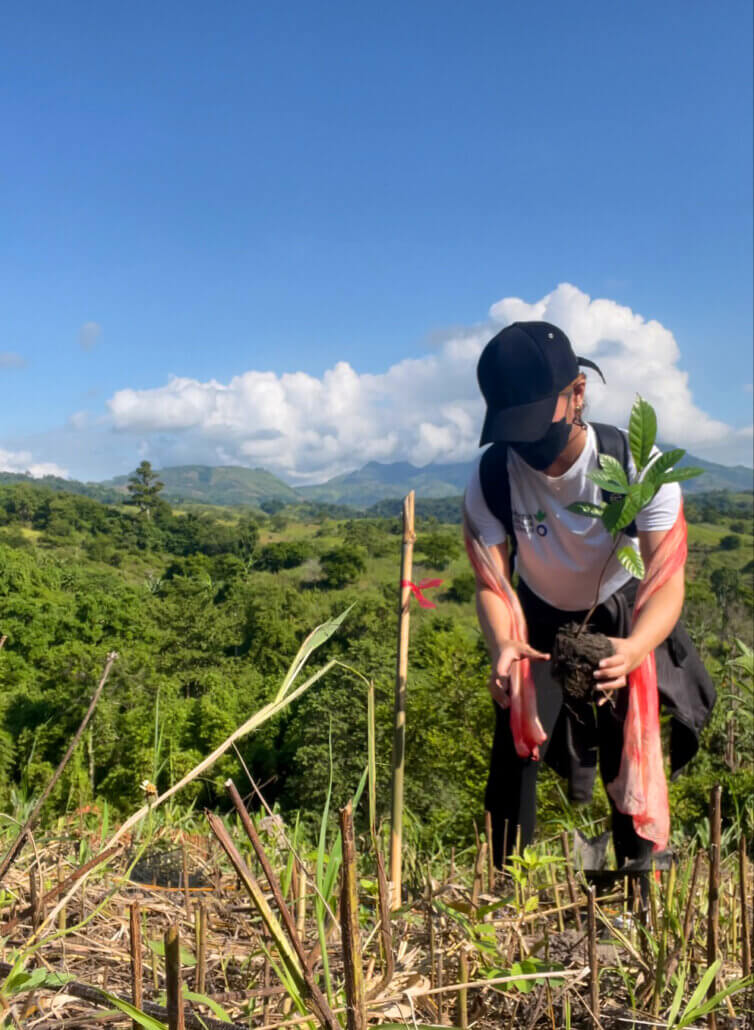
Shey, HR Officer for Action Against Hunger Cotabato Field Office, plants a tree sapling during the WHD 2021 event. #TheHumanRace | Photo by Emlan Lilangan for Action Against Hunger
“As we highlight the immediate human cost of climate crisis, the eight kilometer trek and tree planting activity had been a very challenging and joyful journey, paired with a fruitful contribution towards a greener future while we continue to take action against climate change – one of the main causes of hunger in the world’s most vulnerable communities.” – Sheryl Bejerano, Human Resources Officer for Action Against Hunger – Cotabato Field Office
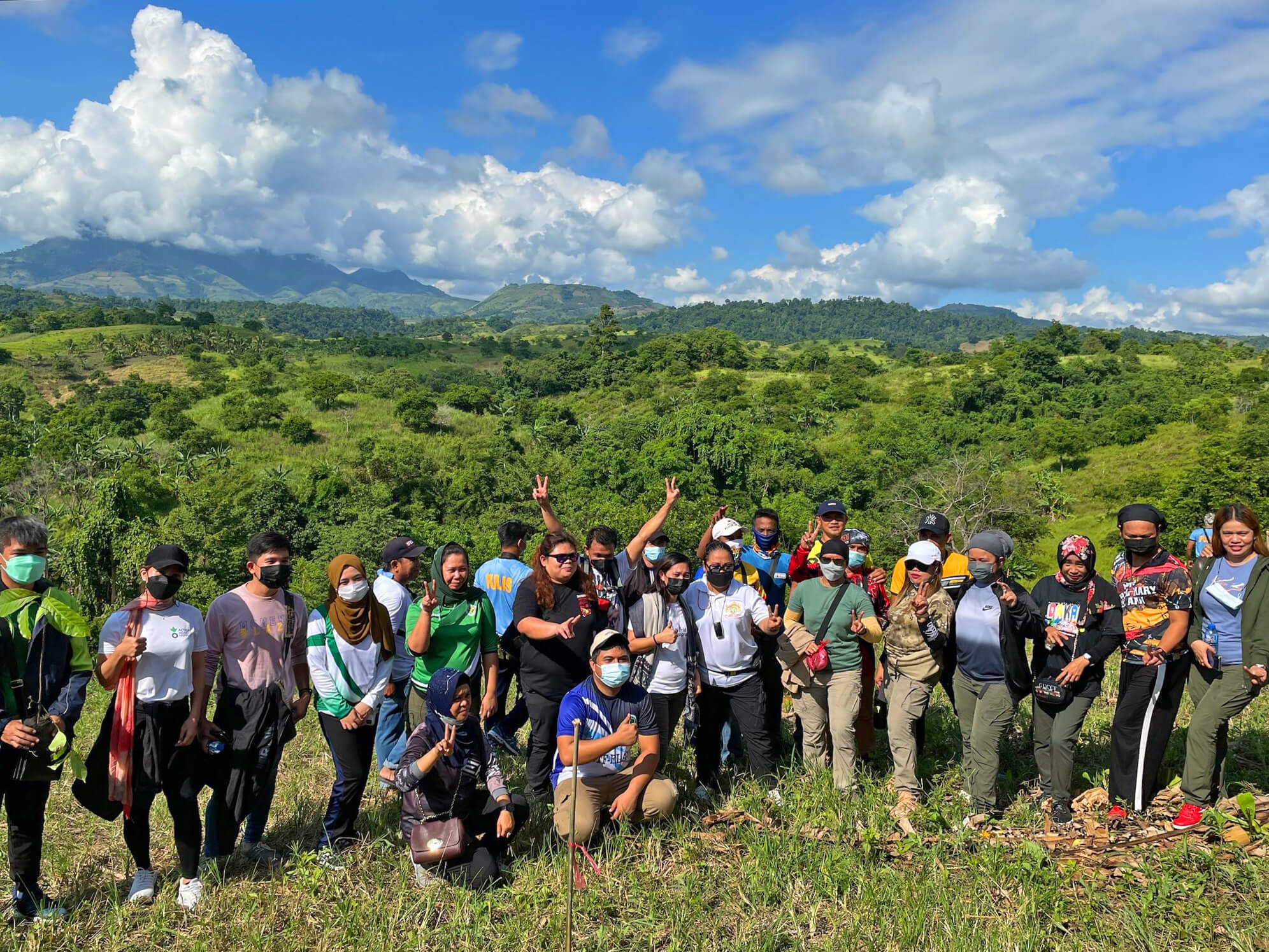
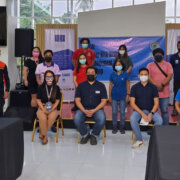
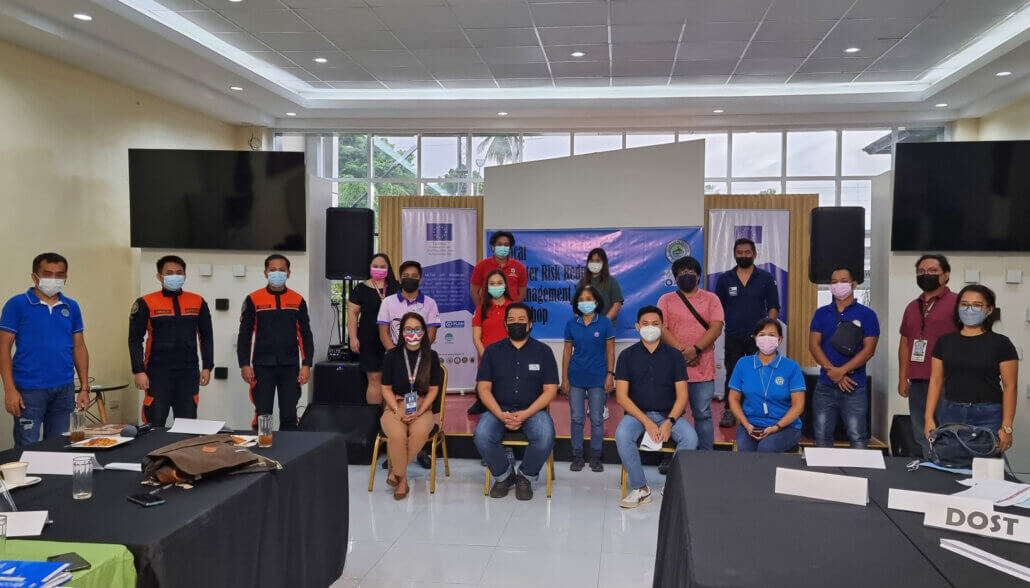
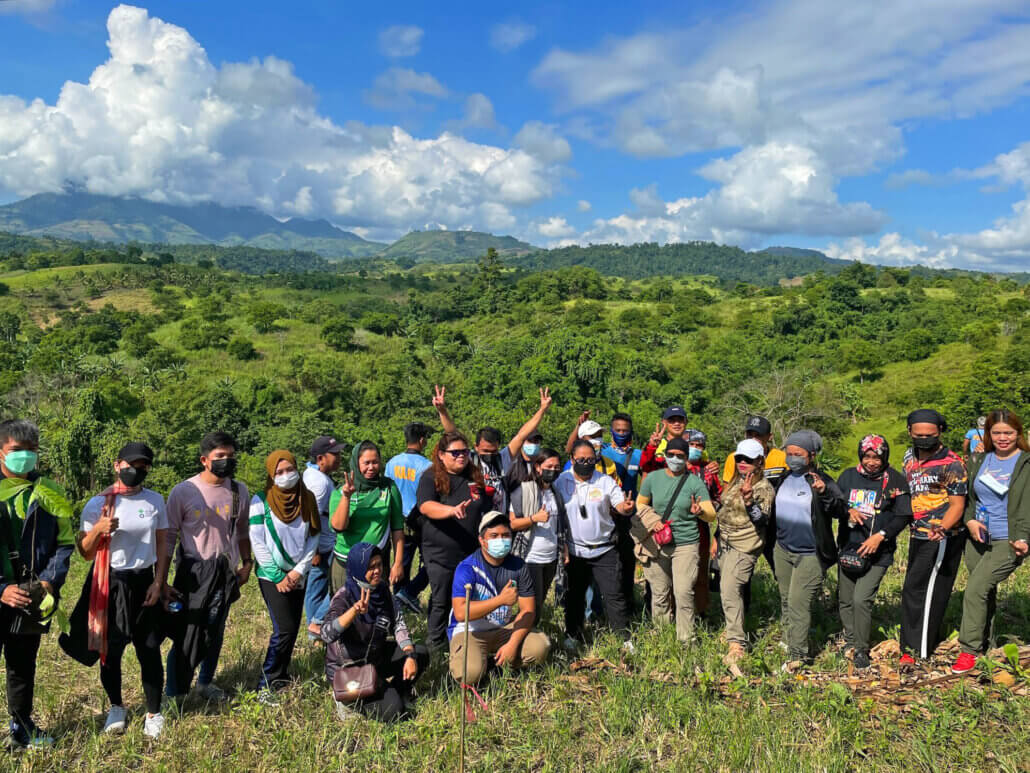
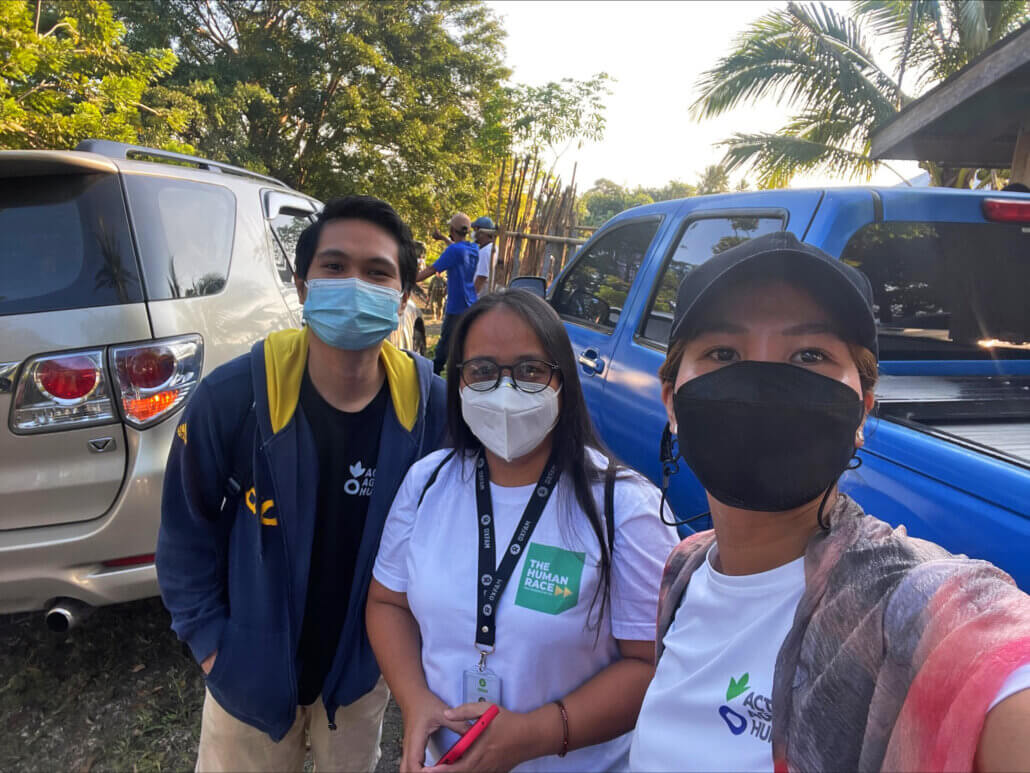
Representatives of different humanitarian organizations gather for a photo session after #TheHumanRace hike. | Photo courtesy of Shey Bejerano.
The United Nations Office for the Coordination of Humanitarian Affairs (UN-OCHA) organized the said event, which had attendees from the World Food Programme (WFP), United Nations High Commissioner for Refugees (UNHCR), International Organization for Migration (IOM), Plan International, Fondation Suisse de Déminage (FSD), Islamic Relief Worldwide, World Vision, Oxfam, Equal Access International (EQI), United Youth of the Philippines-Women, Inc., Mangunaya Mindanao Inc., Women’s Organization of Rajah Mamalu Descendants (WORMD), Save the Children, Community and Family Services International (CFSI), Food and Agriculture Organization of the United Nations (FAO), United Nations Development – Sustainable Development (UNDP), United Nations Department for Safety and Security (UNDSS), United Nations Office for Project Services (UNOPS), and United Nations Children’s Fund (UNICEF).
Several BARMM agencies also participated, including the Ministry of Environment, Natural Resources and Energy (MENRE), Ministry of the Interior and Local Government (MILG), Ministry of Agriculture Fisheries and Agrarian Reform (MAFAR), Bangsamoro Planning and Development Authority (BPDA), and the Ministry of Social Services and Development (MSSD).
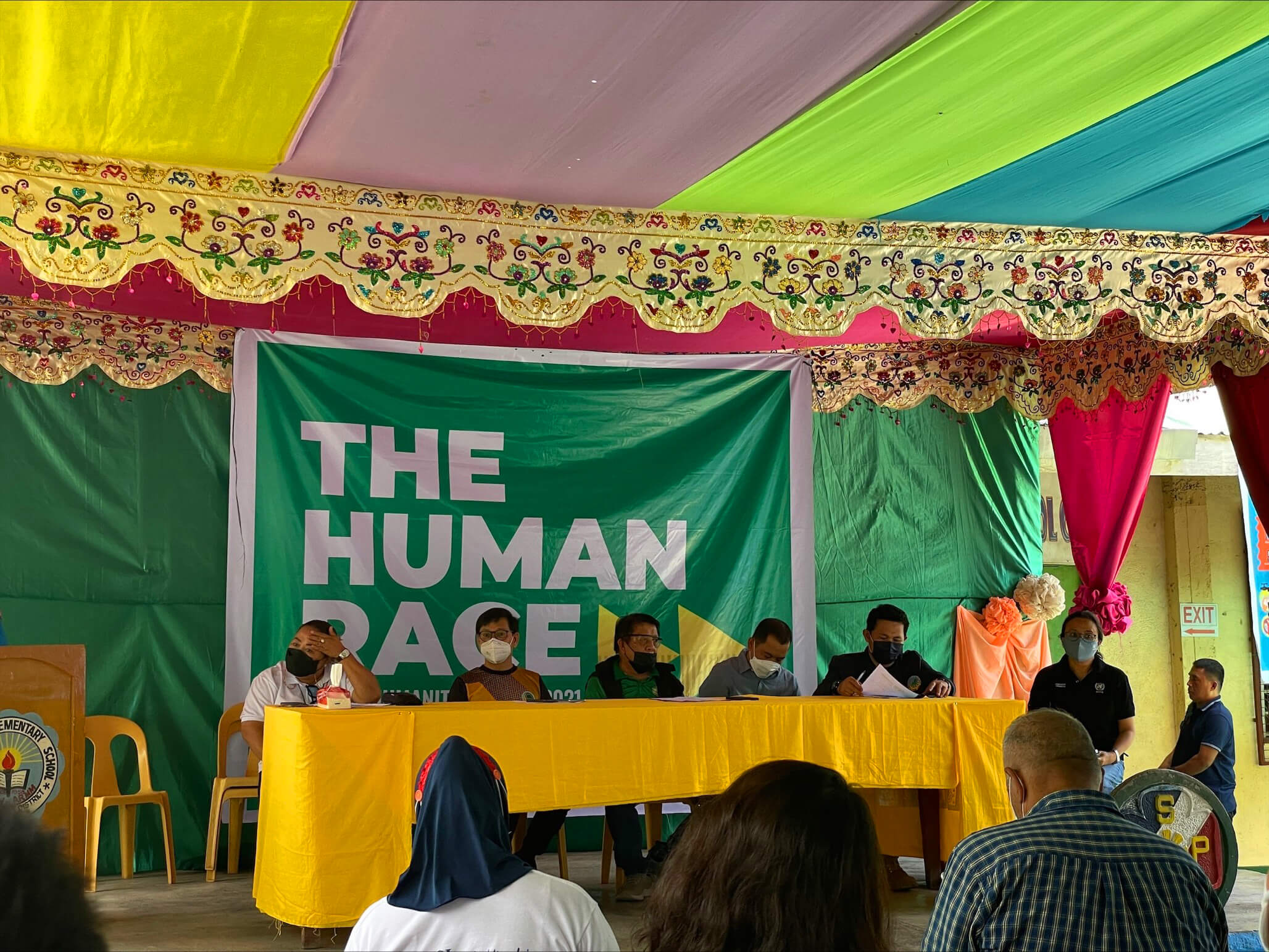
Photo by Shey Bejerano for Action Against Hunger
During the program, Melinda Malang, OCHA Head of Mindanao Sub Office, presented the rationale of the WHD 2021. The momentous event was held in solidarity with this year’s World Humanitarian Day campaign on climate action for the world’s most vulnerable people.
#TheHumanRace
The climate emergency is wreaking havoc across the world at a scale that people on the front lines and in the humanitarian community cannot
manage. Time is already running out for millions of the world’s most vulnerable people – those who have contributed least to the global climate emergency but are hit the hardest. Millions of people are already losing their homes, their livelihoods and their lives.
With most climate campaigns focused on slowing climate change and securing the planet’s future, World Humanitarian Day 2021 will highlight the immediate consequences for the world’s most vulnerable people. The campaign aims to ensure that their voices are heard and their needs top the agenda when world leaders meet at the UN Climate Change Conference (COP26) in November.
“The climate emergency is a race we are losing, but it is a race that we can win.” – António Guterres, United Nations Secretary-General
#TheHumanRace is a global challenge for climate action in solidarity with the .people who need it most. Hosted on the sports app Strava, anyone can join the campaign by logging 100 minutes of total activity—either run, roll, ride, walk, swim, kick or hit a ball—between August 16 to 31. People who don’t wish to take part physically can also virtually support #TheHumanRace via the campaign microsite.