
Zamboanga State College of Marine Sciences and Technology joins Action Against Hunger Philippines in advancing Nature-Based Solutions
Action Against Hunger and the Zamboanga State College of Marine Sciences and Technology (ZSCMST) formalized their partnership on January 15, 2026 through a Memorandum of Understanding (MoU) under the EARTH Project funded by the EU Civil Protection and Humanitarian Aid (ECHO). The collaboration aims to strengthen applied research, academic engagement, and community-based initiatives focused on sustainable coastal resource management and nature-based solutions.
ZSCMST serves as a nature-based solutions (NbS) test laboratory, piloting innovations such as mangrove phytoremediation, floating wetlands, and bamboo filter embankments for coastal and water ecosystem restoration. The site contributes to applied research and field-based learning aligned with the principles of the ECHO Greening Humanitarian Action, promoting environmentally responsible programming, ecosystem restoration, and climate-resilient approaches in humanitarian and development interventions.
The laboratory setting is intended to support evidence generation, community-based experimentation, and interdisciplinary learning, while also informing the development of future academic curricula and course offerings for students in environmental science, coastal resource management, and climate resilience programs. Through this initiative, ZSCMST aims to strengthen local capacities in nature-based solutions while contributing to sustainable environmental stewardship and climate-responsive humanitarian action.
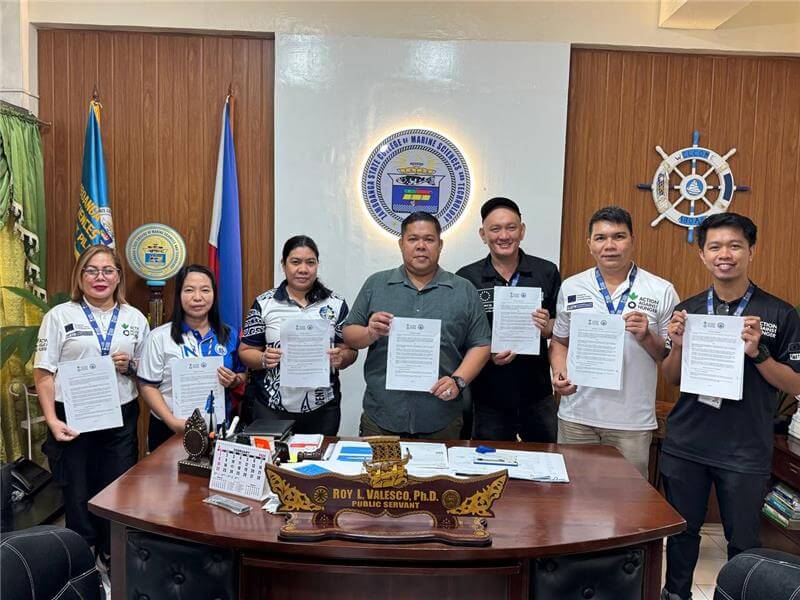
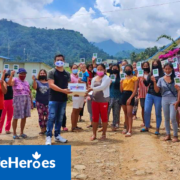
Action Against Hunger Philippines and Zamboanga State College of Marine Sciences and Technology (ZSCMST) officially signed a partnership to advance research and initiatives on Nature-based Solutions (NbS). This collaboration under the ECHO-funded EARTH Project will support studies on water quality, phytoremediation, and sustainable ecosystem management.
In photo: Dr. Roy Valesco, ZSCMST College President; Dr. Maila Pan, Officer in-Charge Vice President for Research, Innovation, and Extension of ZSCMST; Philipp Danao, Deputy Country Director for Action Against Hunger, and EARTH Project team members: Roberto Saballero, Jr., Head of Project; Engel Merl De Villa, Project Engineer, and Vanessa Matuguina, Field Officer.
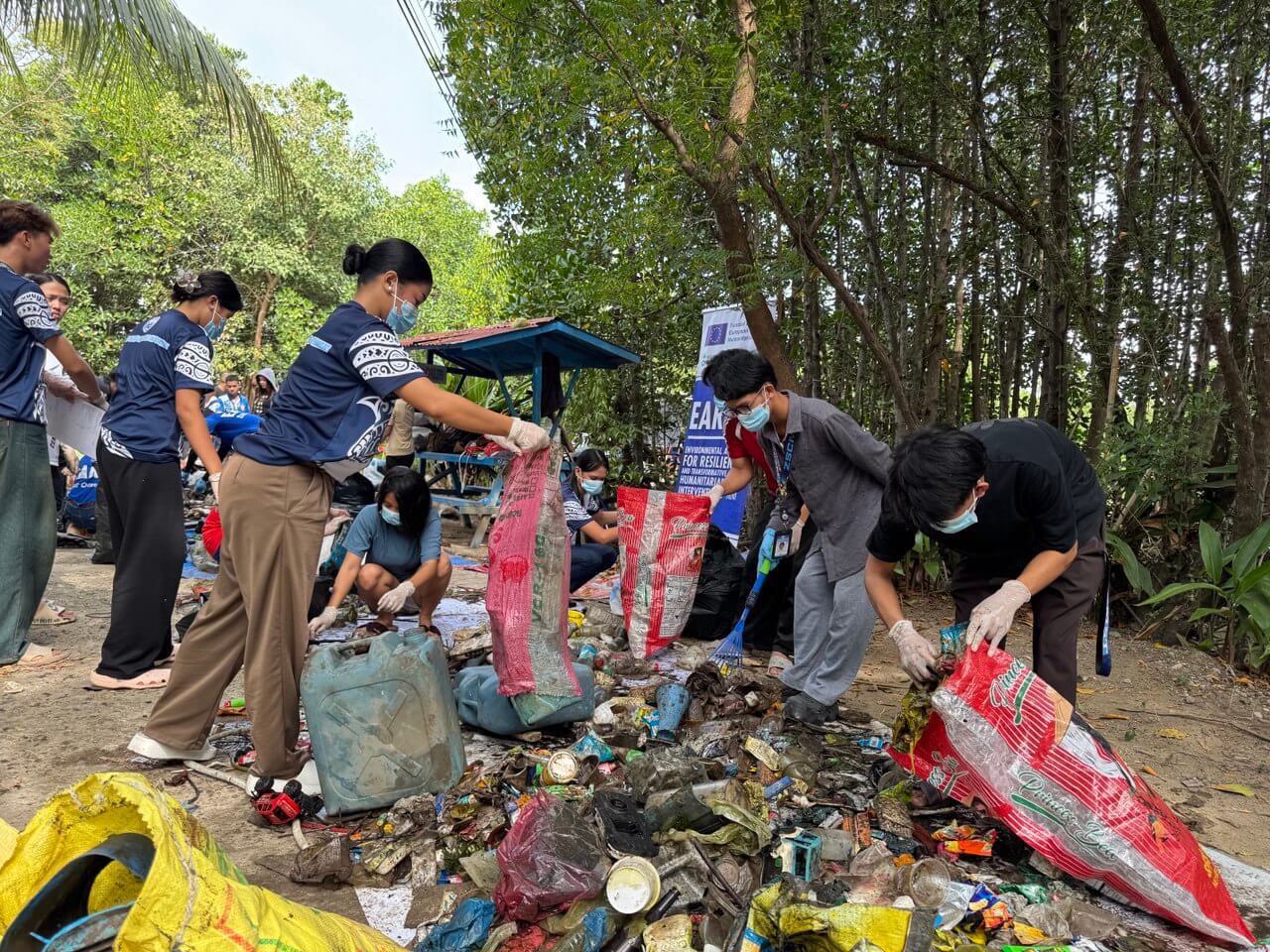
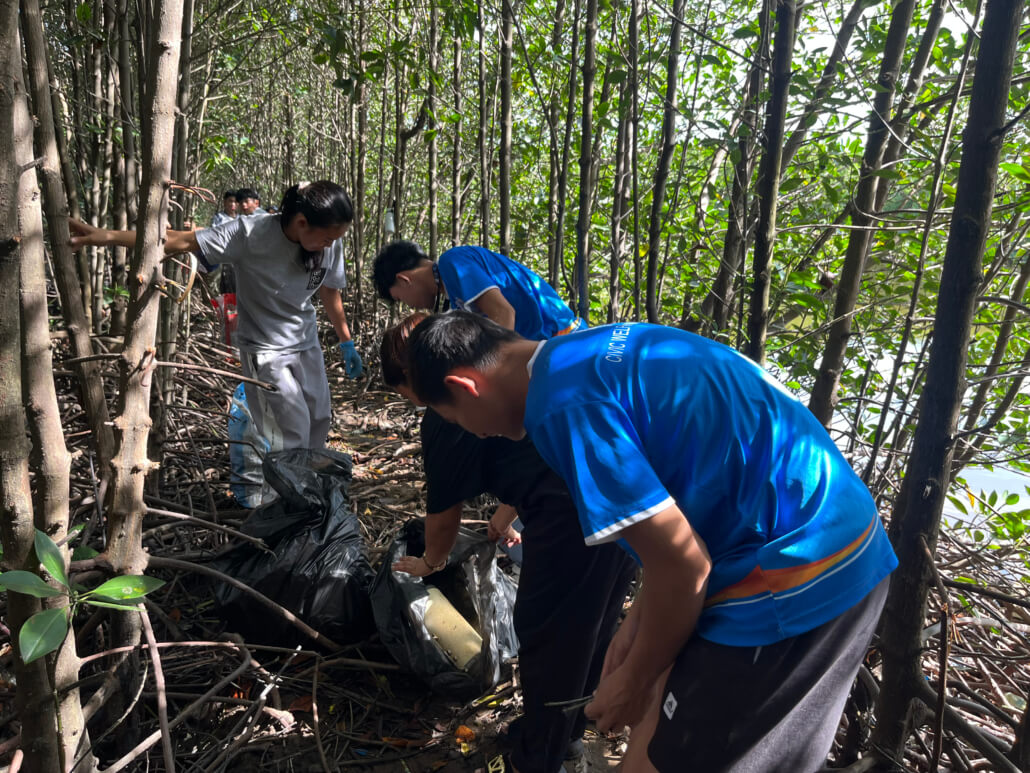
Following the agreement, ZSCMST students and faculty actively participated in the first field activities under the EARTH Project. On February 14 and 21, 2026, participants from the Bachelor of Science in Environmental Science, Bachelor of Science in Fisheries, and the NSTP-ROTC programs conducted a Clean-up Drive and Waste Quantification Activity in the mangrove area at Campus B, the proposed site for the Nature-based Solutions Laboratory.
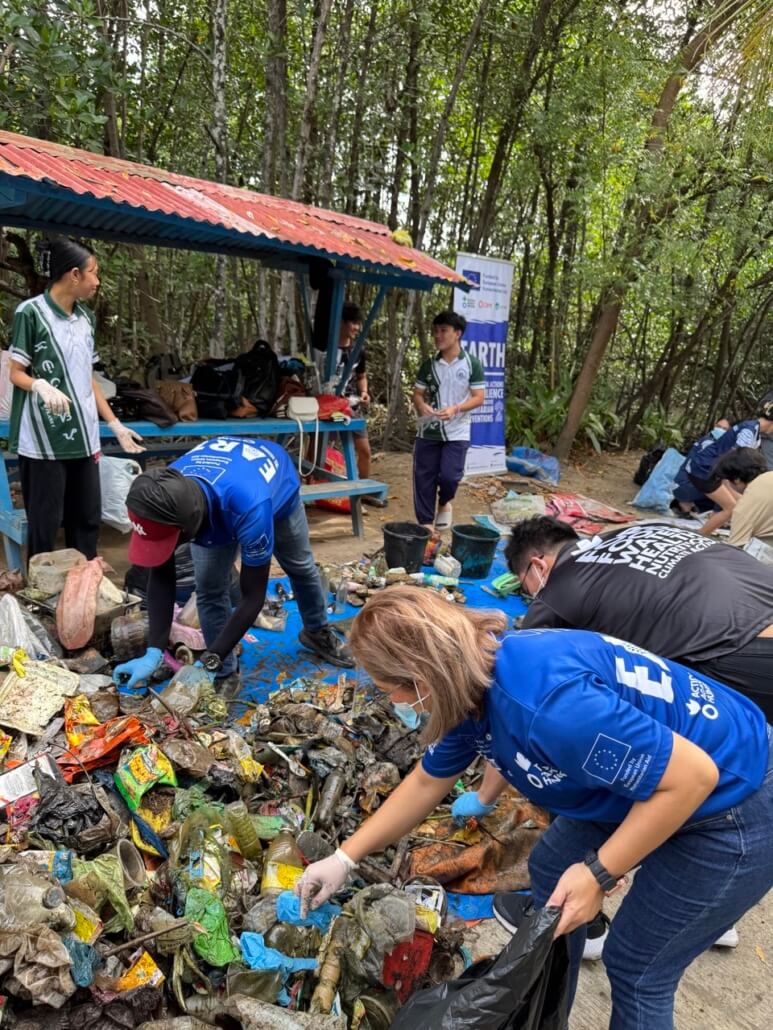
In photo: The Zamboanga State College of Marine Sciences and Technology (ZSCMST) students and faculty actively participated in the first field activities under the EARTH Project last February 14 and 21, 2026. (Photos by Roberto Saballero, Jr. and Engel Merl de Villa for Action Against Hunger)
Held in celebration of World Wetlands Day, the activity generated baseline data on solid waste in the mangrove ecosystem, supporting research on waste reduction, phytoremediation, and water quality improvement.
Faculty and students demonstrated environmental stewardship while strengthening collaboration between the academic and humanitarian sectors, underscoring the important role of ZSCMST in supporting Action Against Hunger’s initiatives in Zamboanga.
Through this partnership, Action Against Hunger and ZSCMST reaffirm their shared commitment to protecting coastal ecosystems, empowering communities, and promoting sustainable, nature-based approaches for the future.
About EARTH
The Environmental Actions for Resilience and Transformative Humanitarian Interventions (EARTH) project is a pilot initiative that integrates environmental safeguarding and restoration strategies into humanitarian action in the cities of Zamboanga and Malabon. Implemented by Action Against Hunger, CARE Philippines, and ACCORD, and funded by the EU Civil Protection and Humanitarian Aid, the two-year, community-led project strengthens urban resilience through people-centered, multisectoral, nature-based solutions.
EARTH promotes a nature-based solution model that integrates mangrove reforestation, solid waste management, water conservation, and sustainable livelihoods—reducing environmental risks while restoring vital ecosystems.
Written by: Joyce Sandajan
Contributors: Roberto Saballero Jr., Engel Merl De Villa, Philipp Danao