From Waste to Wetlands: Communities are restoring their environment through innovative solutions.
Across the cities of Zamboanga and Malabon, communities are already seeing the results of their efforts to restore ecosystems, improve waste management, and strengthen resilience through the EARTH project. Through community-led action, residents are restoring mangroves, testing innovative nature-based solutions, strengthening waste management systems, and working together through community savings groups.
From the waterways of urban Malabon to the coastal forests of Zamboanga, mangroves act as vital natural infrastructure, protecting coastlines from storms and flooding, improving water quality, supporting fisheries, sustaining local livelihoods, and providing habitat for diverse species.
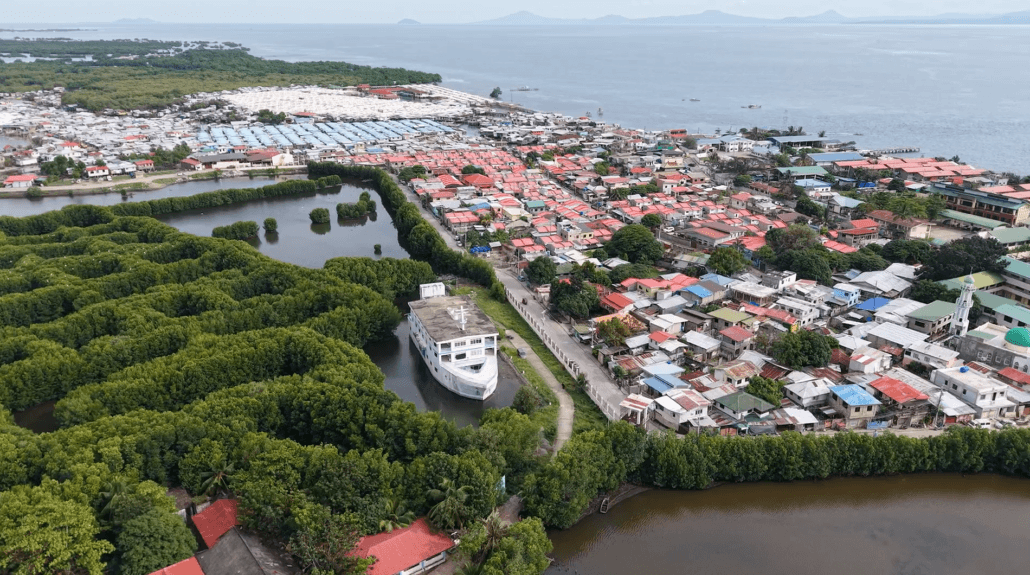
In photo: Aerial view of waterways and mangroves in Zamboanga City. (Drone shot by Junie Laguidao for Action Against Hunger)
In Zamboanga, conflict-related displacement, coupled with inadequate solid waste management and increasing waste accumulation in coastal communities have contributed to the degradation of mangrove ecosystems and surrounding coastal habitats. In Malabon, persistent waste pollution, continued land reclamation, clogged drainage systems, and highly modified waterways have reduced ecosystem health while increasing flood and environmental risks. These interconnected environmental pressures weaken the natural systems that communities rely on for protection, livelihoods, and long-term resilience.
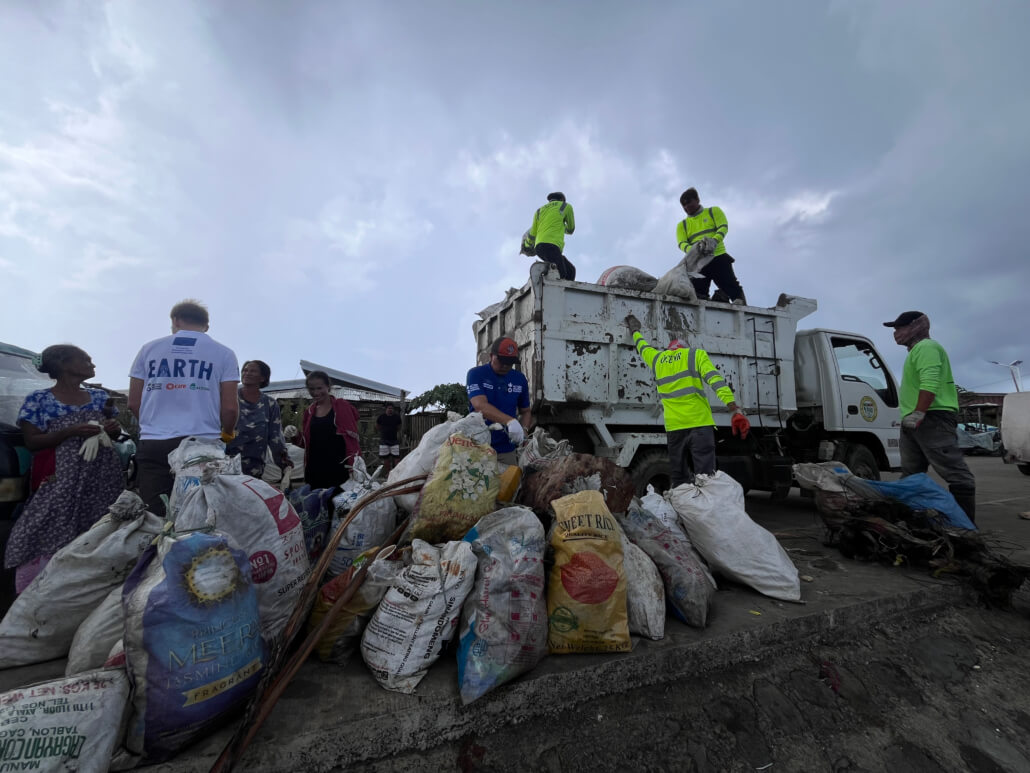
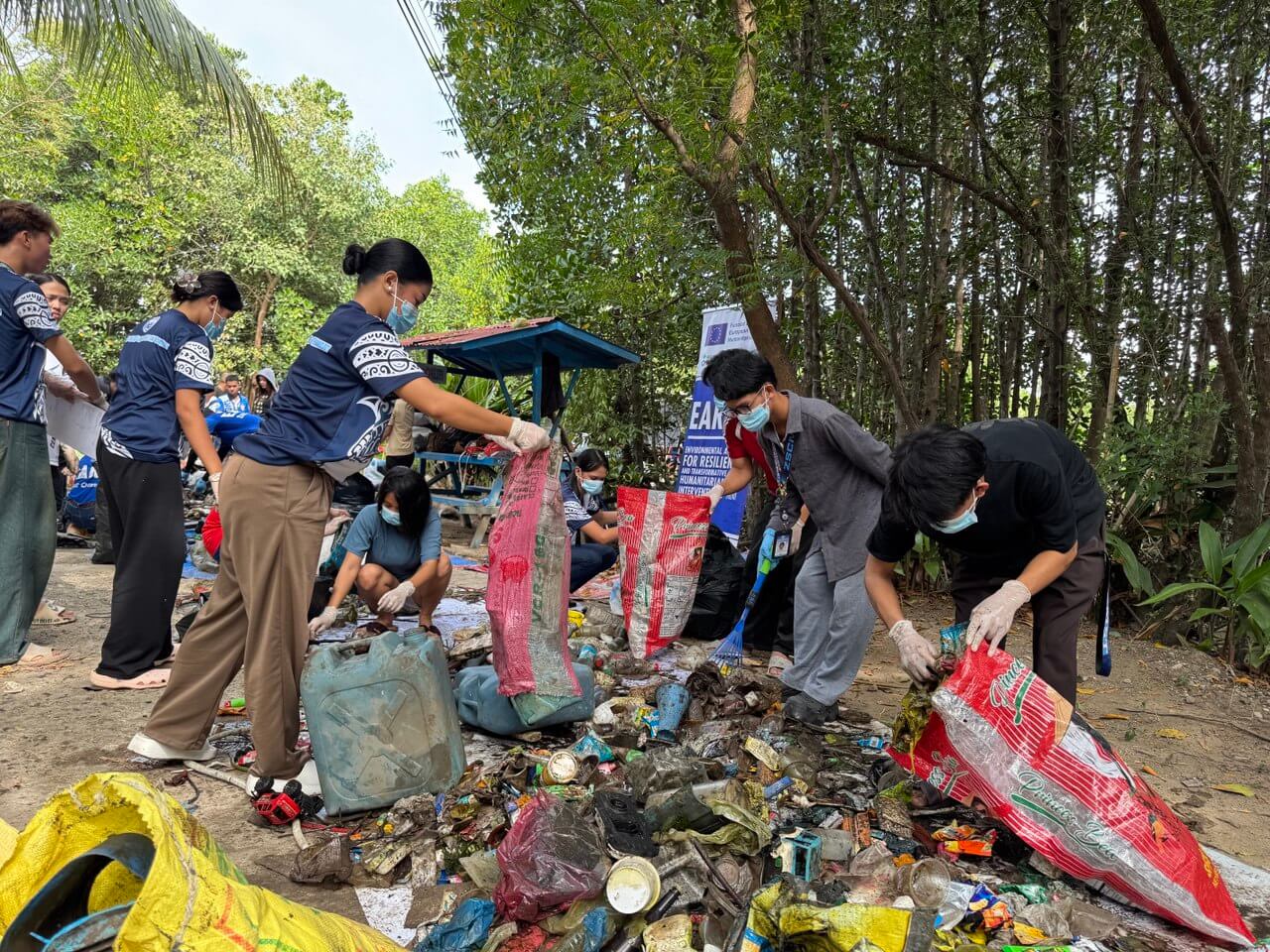
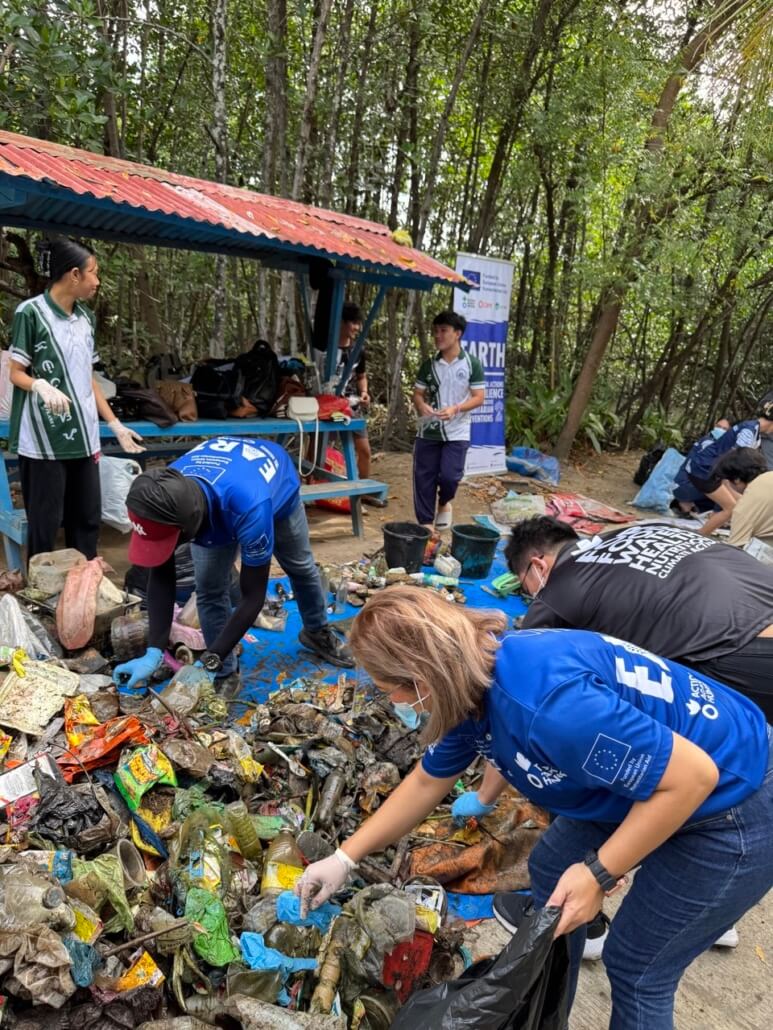
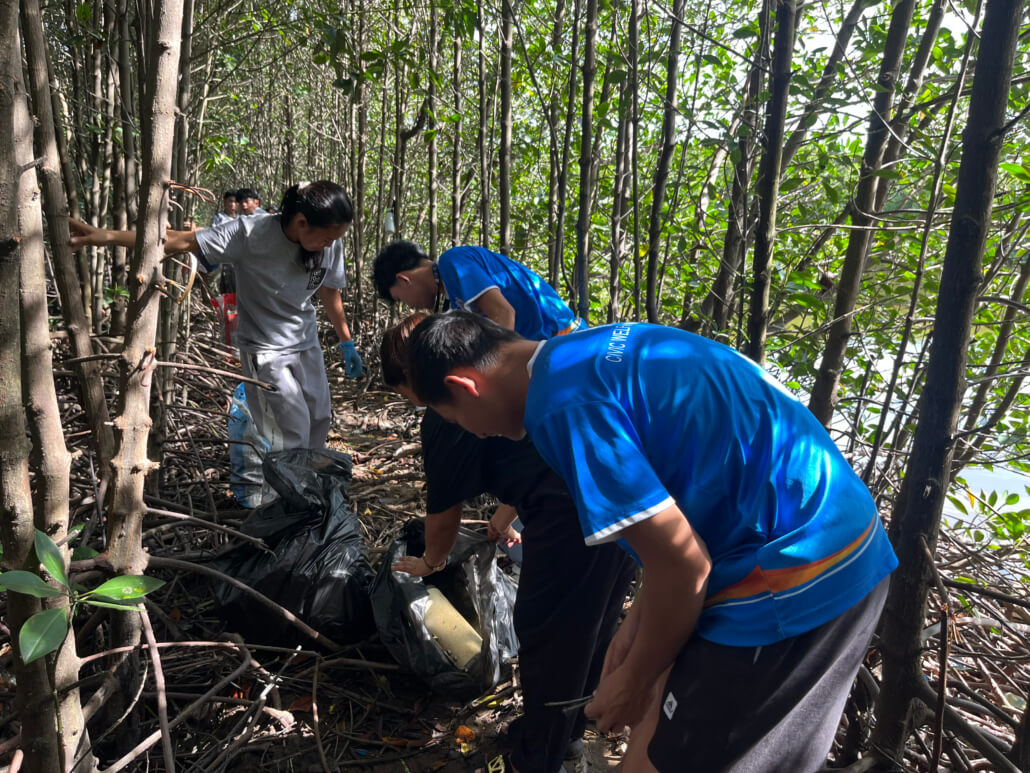
In photo: Action Against Hunger and Community EARTH Champions team up in a clean-up drive in Barangay Kasanyangan, Zamboanga City. (Photo by Engel Merl de Villa for Action Against Hunger)
The EARTH project was formed in response to the environmental impacts that can unintentionally result from humanitarian crises and response efforts, ensuring that support to vulnerable communities does not come at the expense of the ecosystems they depend on. Through EARTH, communities are taking action to restore and protect these ecosystems, strengthening the natural foundations that support livelihoods, reducing climate risks, and building resilience for the future.
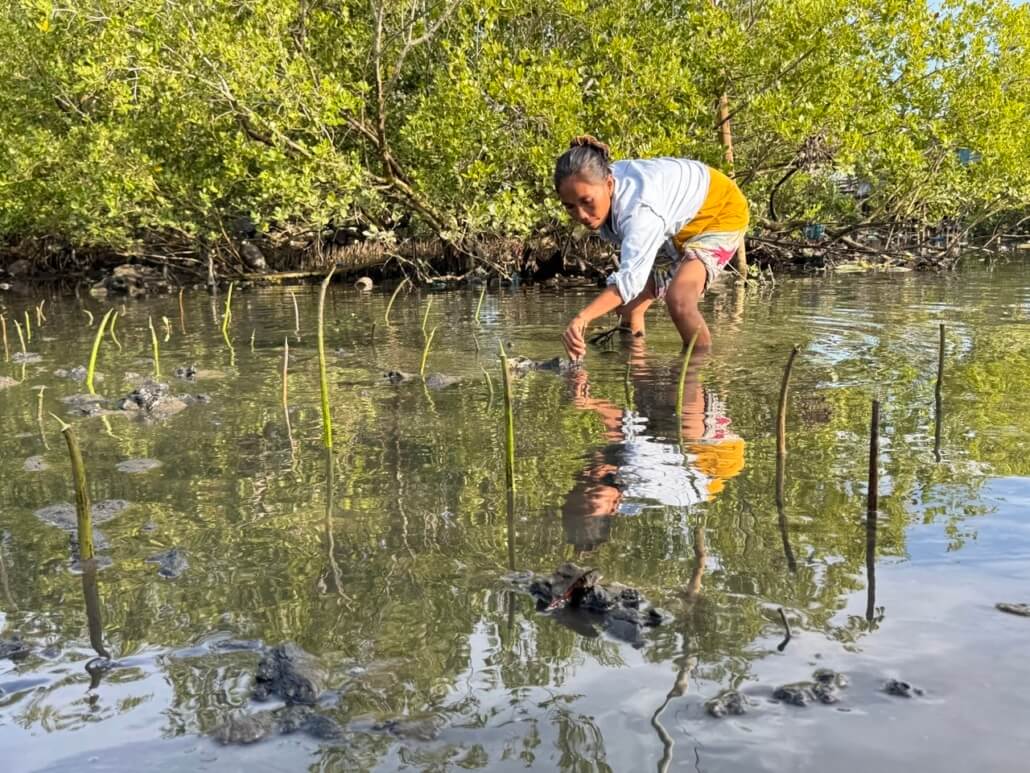
In photo: Community member planting mangroves. (Photo by Roberto Saballero, Jr.)
More than halfway through implementation, the EARTH project is already demonstrating tangible environmental and community-level results. Over June 2026 alone, three of four planned nature-based solution pilot infrastructures have also been installed, alongside new waste management and water access facilities that support healthier and more resilient communities. These actions are helping communities strengthen their capacity to withstand economic, environmental, and social shocks while protecting the natural resources they depend on.
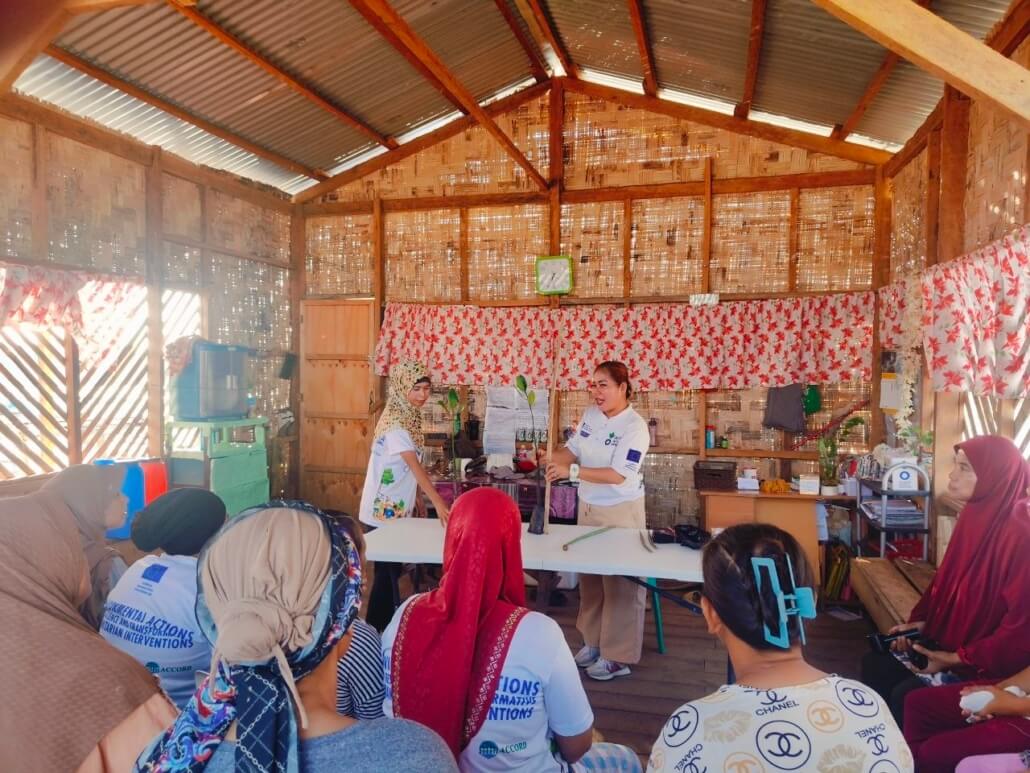
In photo: Propagation and Planting Training to community-saving group members who will be participating in the Mangrove planting. (Photo by Billy Brian Bahani)
Communities Leading Environmental Restoration
Through the EARTH project, community members are taking an active role in protecting and restoring their mangrove ecosystems. The mangrove propagation and planting training has attracted a growing number of community members. As new members continue to join, 169 established EARTH champions have participated in planting.
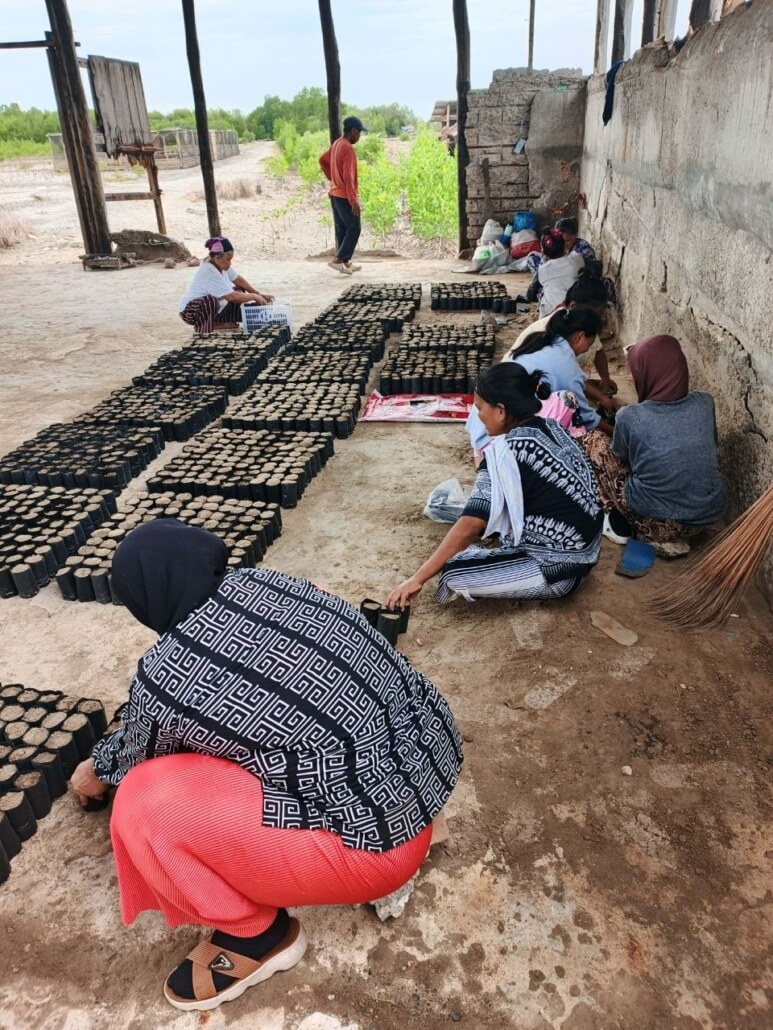
In photo: EARTH Champions supporting the Mangrove Nursery. (Photo by Vanessa Matuguina)
To date, communities have collectively restored 2.84 hectares of mangrove areas, with visible improvements in coastal landscapes and increasing participation from residents.
Innovation Rooted in Nature
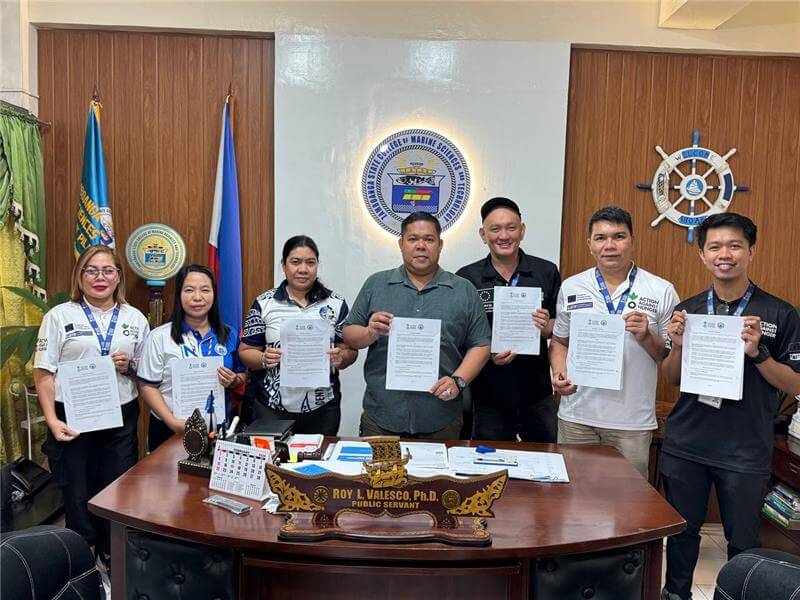
Beyond mangrove restoration, communities and local partners are testing innovative nature-based solutions. Working with the Zamboanga Peninsula Polytechnic State University (ZPPSU) and the Zamboanga State College of Marine Sciences and Technology (ZSCMST), the project is piloting locally appropriate technologies designed to capture waste, improve water quality, support biological remediation, and strengthen ecosystem health. Three of the four planned pilot infrastructures have already been installed.
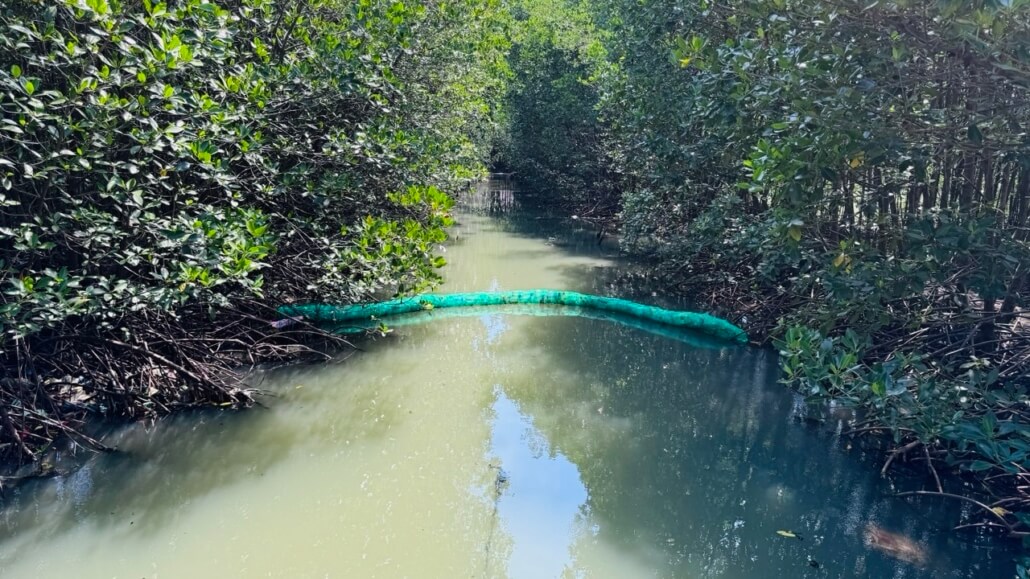
In photo: A Coco Coir Waste Trap in the intercepts solid waste, plastics, grease, and organic debris using recycled plastic bottles and coconut coir to reduce pollutants entering the system before regular cleaning and sorting by community members.
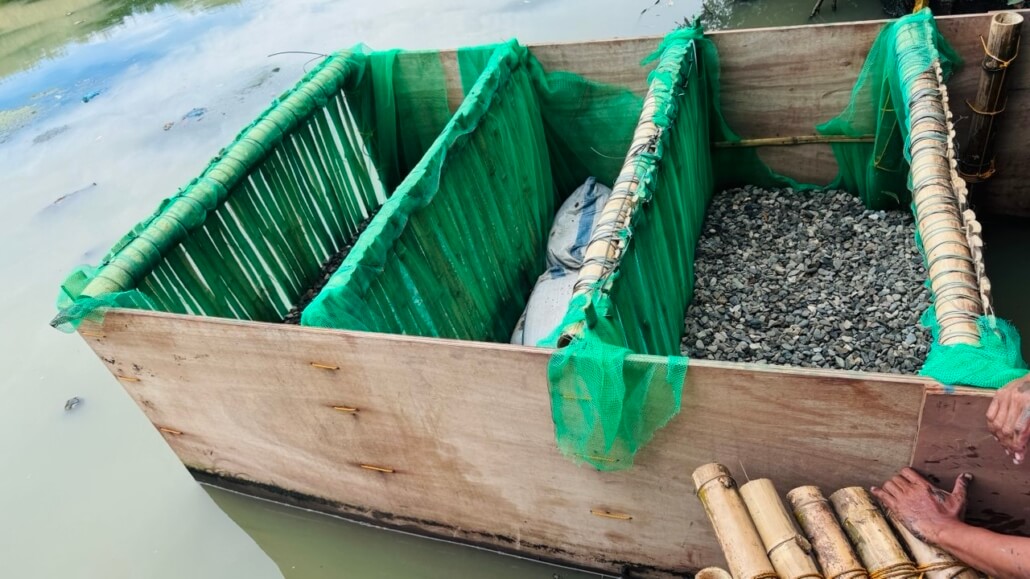
In photo: The Slow Filtration Unit, an NBS technology in the ZSCMST laboratory, uses native bamboo plants, aggregates, and activated carbon to absorb nutrients and heavy metals. (Photo by Roberto Saballero Jr)
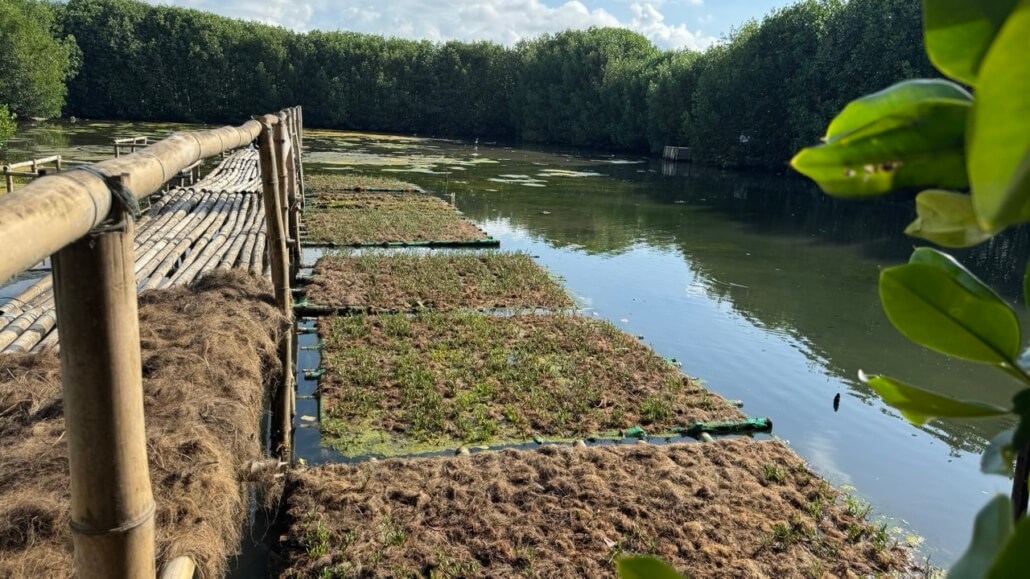
In photo: The Floating Treatment Wetland improves water quality by removing pollutants, reducing excess nutrients, and supporting a sustainable and healthy aquatic ecosystem. The root zones enhance microbial activity for further natural purification. (Photo by Roberto Saballero Jr)
The last, a Solar Powered Aerator with Filtration, is scheduled for installation, with ZPPSU leading technical design and installation.
These innovative nature-based solutions help to improve the water quality through various interconnected systems and contribute to the protection and conservation of mangroves and biodiversity in the pilot site.
Strengthening Solid Waste Management and Access to Water
In communities resettled following the 2013 Zamboanga siege, the lack of waste management systems has placed additional pressure on coastal ecosystems. Through collective action and community leadership, residents are now strengthening environmental stewardship and improving local waste management. Steady social and behavioral change has been growing through collective action and community monitoring.
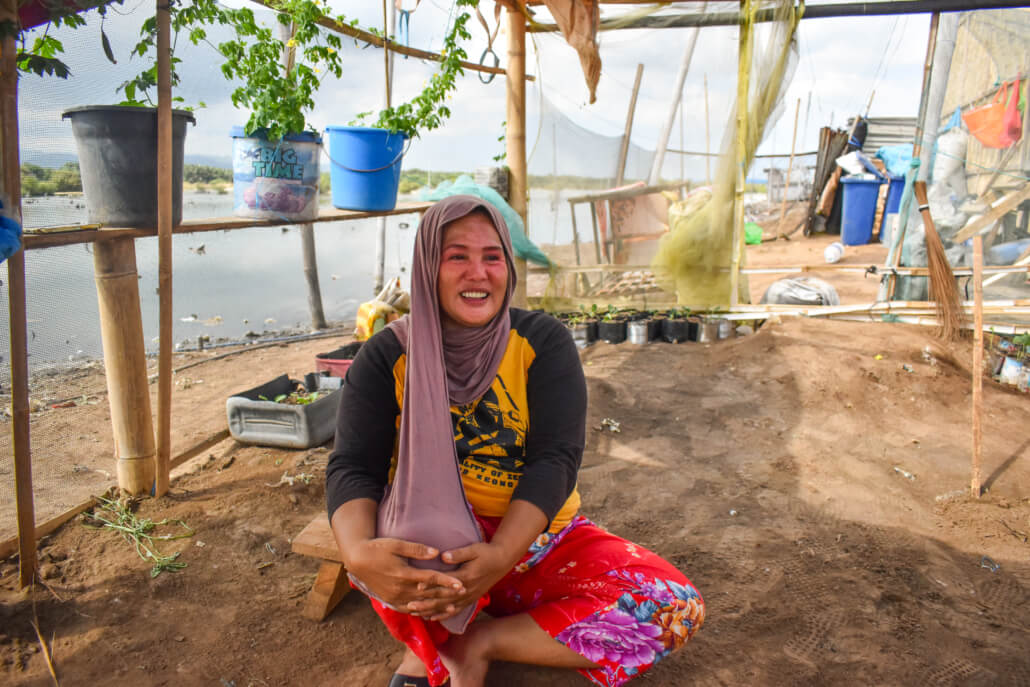
In photo: Hadija, EARTH Champion from Barangay Kasanyangan, talks about her experiencing supporting the EARTH Project. (Photo by Martina Vercoli for Action Against Hunger)
“Before, many people did not fully understand the importance of cleanliness, recycling, or protecting mangroves. Through my involvement, I have seen awareness slowly growing, and people are beginning to change their behavior.”
Hadija Hamsail, 50-year-old, resident of Barangay Kasanyangan and EARTH champion.
To support these clean-up efforts, community infrastructure is being built to improve waste collection systems and access to water for sanitation and hygiene.
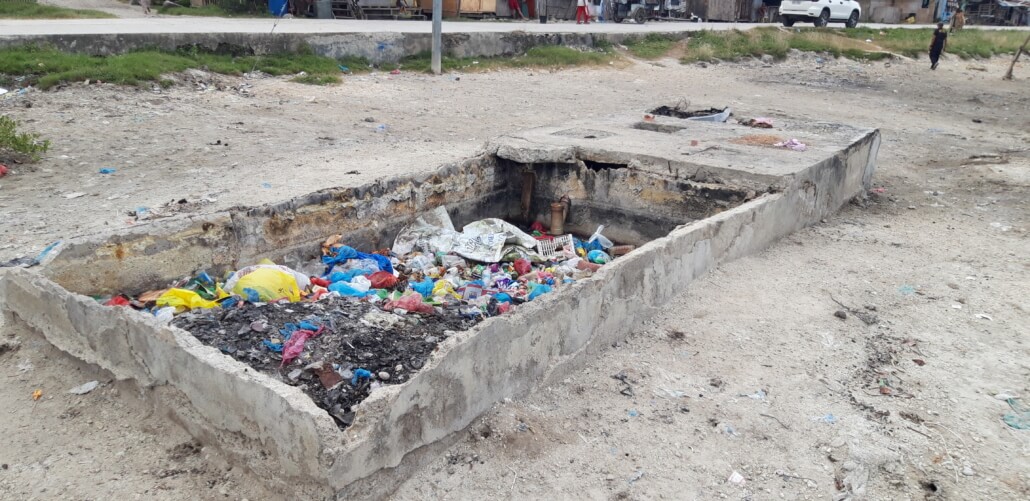
In photo: Before, improperly managed waste accumulated near homes, leaving residents surrounded by piles of trash. (Photos by Juan Blenn Huelgas for Action Against Hunger)

In June 2026, one material recovery facility (MRF) was installed at Vale Vista, Asinan, Barangay Kasanyangan, Zamboanga City. The unit reinforces waste segregation and diversion efforts in the community.
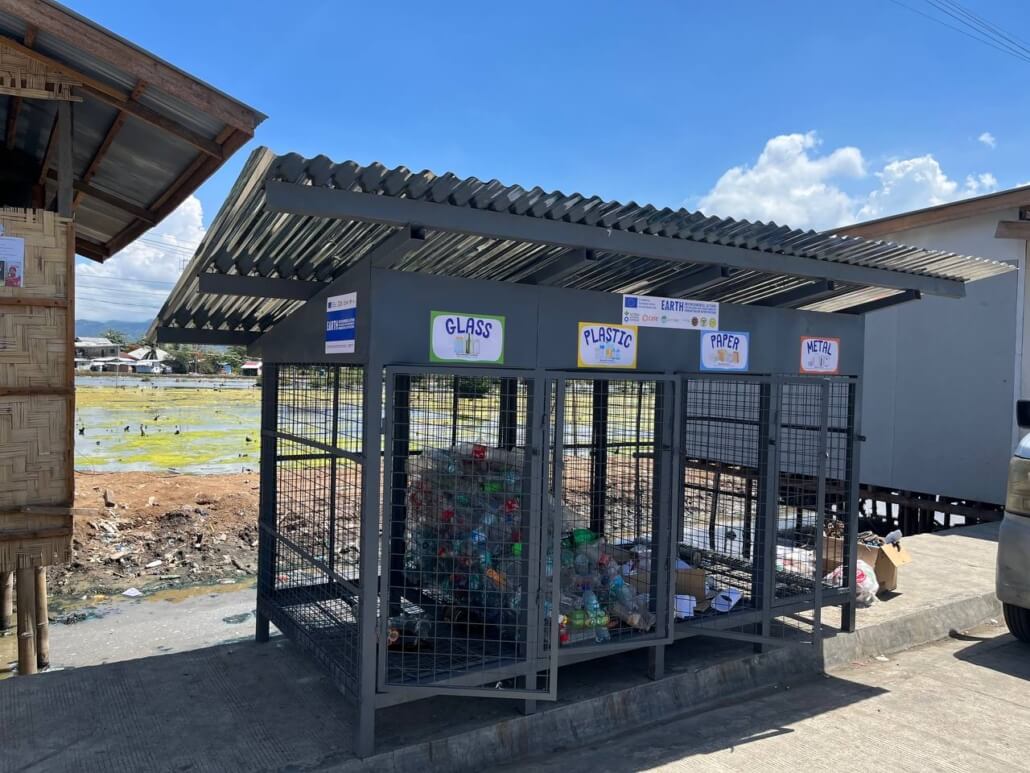
In photo: Now, the Material Recovery Facility (MRF) at Vale Vista in Barangays Asinan and Kasanyangan, Zamboanga City provides a dedicated space for proper waste segregation and management, helping keep the surrounding community cleaner. (Photo by Roberto Saballero, Jr.)
Additionally, one rainwater harvester (RWH) was installed, with an additional one positioned in the Kasanyangan Health Center and Asinan Vale Vista, which serves as a model to reinforce water conservation.
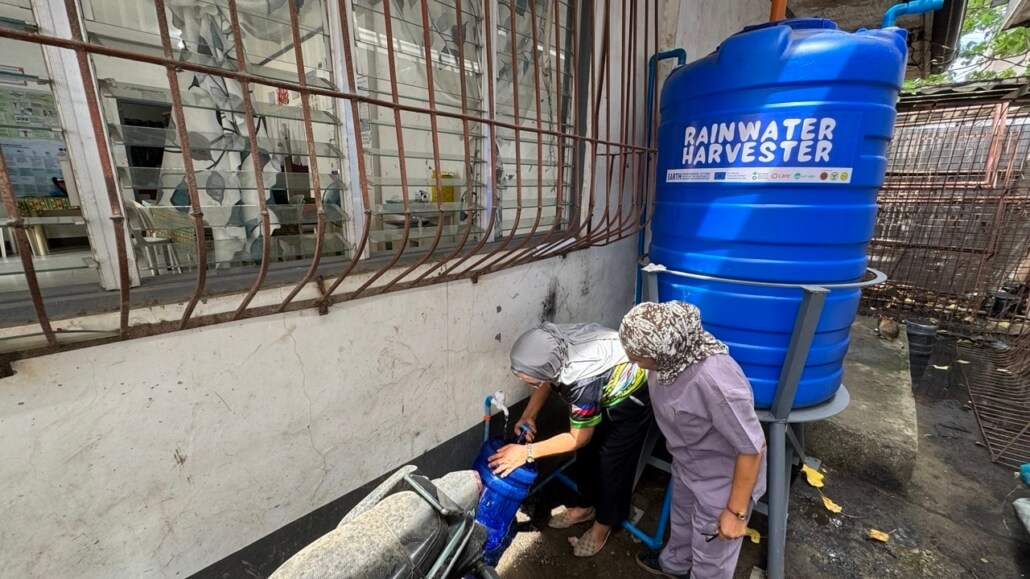
In photo: A Rainwater Harvester at Vale Vista, Asinan, Kasanyangan, Zamboanga City. (Photo by Roberto Saballero Jr)
The Floating Trash Traps (FTTs) are also a product of community innovation. Constructed by community members using recovered plastic bottles collected through the Material Recovery Facility and other local clean-up activities, the FTTs demonstrate how waste materials can be repurposed into practical environmental solutions.
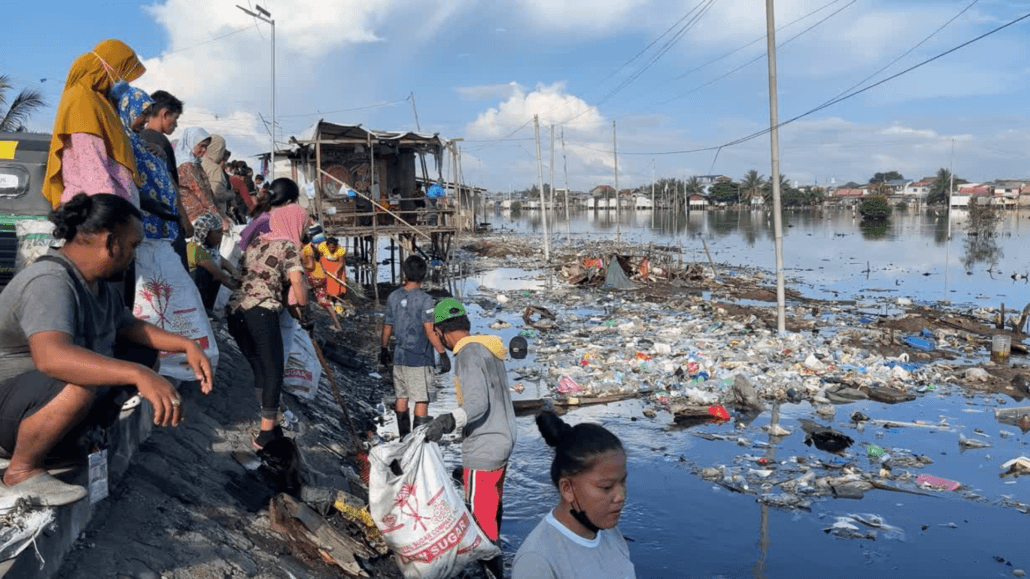
In photo: Before, the community in Kasanyangan regularly conducted clean-up activities, but without a system to capture and monitor incoming waste, trash kept accumulating in the waterway. (Photo by Engel Merl de Villa for Action Against Hunger)
These traps capture floating waste before it reaches sensitive mangrove ecosystems, making clean-up activities more efficient while enabling EARTH Champions to monitor pollution hotspots and prioritize areas requiring continued action.
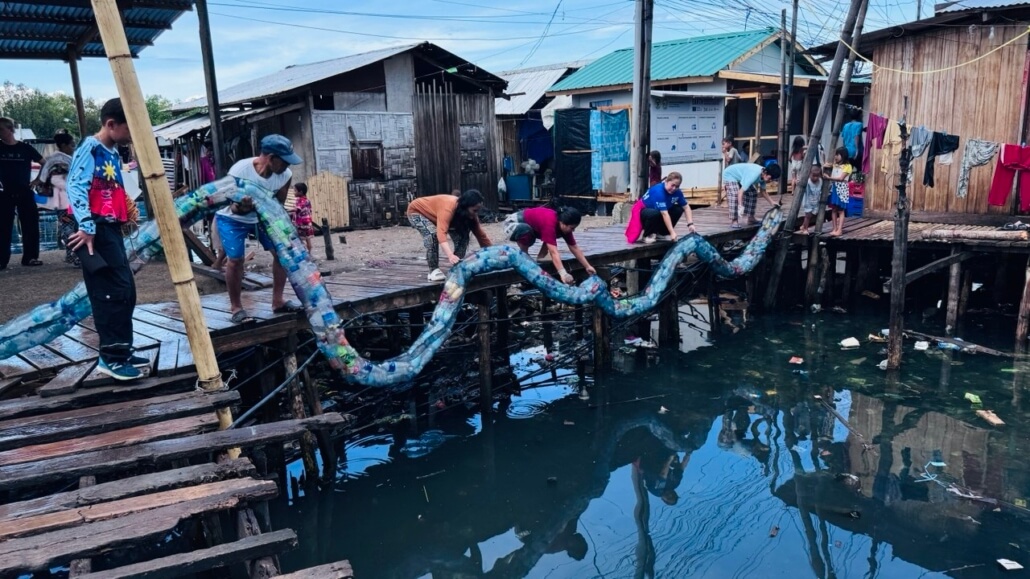
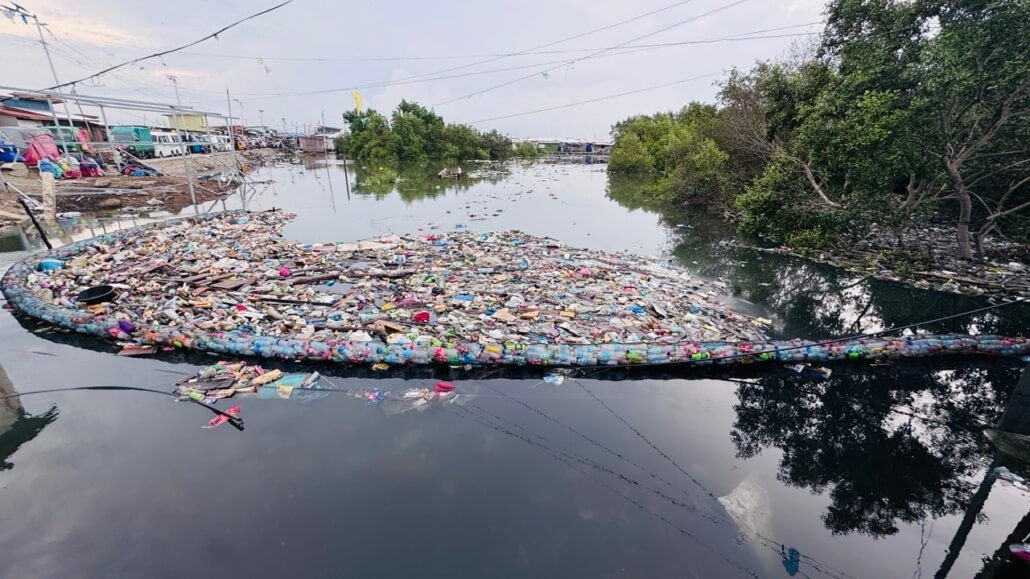
In photos: Floating Trash Trap (FTT) systems gathering waste in barangays Rio Hondo and Kasanyangan respectively, easing the clean-up process (Photos by Roberto Saballero Jr)
These improvements provide lasting systems in support of stronger community ownership of waste segregation, clean-ups and restorations.
Empowering Community Leadership
Increased community engagement and stewardship are fostering a growing sense of shared responsibility. As a result, participating communities are already demonstrating meaningful shifts in their day-to-day environmental practices that are providing visible changes to their surroundings.
As the EARTH project continues, activities will expand and deepen, continuing to implement community-led solutions, scaling nature-based approaches, and reinforcing local leadership.
“Through the EARTH project, communities are showing stronger ownership of solid waste management, clean-up drive activities, mangrove conservation, and environmental protection.
These efforts are promoting shared responsibility and positive behavioral change. We look forward to strengthening community-led solutions, expanding nature-based approaches, and supporting local leaders in sustaining these environmental initiatives for future generation.”
Mohammad Khan, Barangay Secretary of Kasanyangan
The most significant outcomes are not only the infrastructure installed or the hectares restored but the growing leadership of communities themselves. By managing local resources, restoring ecosystems, and taking collective action, communities are building resilience that will endure long after the project ends.
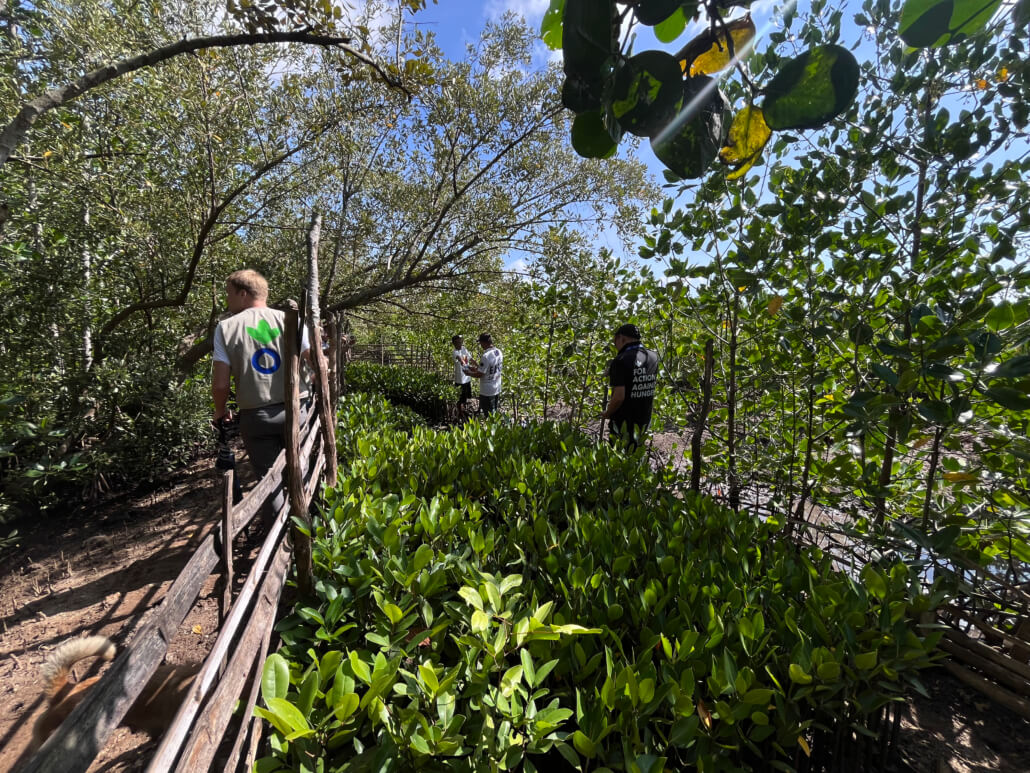
In photo: Action Against Hunger visits the mangrove nursery in Barangay Talon-Talon, Zamboanga City. (Photo by Engel Merl de Villa for Action Against Hunger)
Latest milestones:
- 2.84 hectares in Zamboanga and more than 0.13 hectares in Malabon have been planted as of June 2026
- 28,400 propagules have been planted with 7,600 being planted between June 25 and 27th in Zamboanga alone.
- 3 of 4 pilot infrastructures installed
- One Material Recovery Facility installed
- Two Rainwater Harvesters installed as of June
About EARTH
The Environmental Actions for Resilience and Transformative Humanitarian Interventions (EARTH) project is a pilot initiative that integrates environmental safeguarding and restoration strategies into humanitarian action in the cities of Zamboanga and Malabon. Implemented by Action Against Hunger, CARE Philippines, and ACCORD, and funded by the EU Civil Protection and Humanitarian Aid, the two-year, community-led project strengthens urban resilience through people-centered, multisectoral, nature-based solutions.
EARTH promotes a nature-based solution model that integrates mangrove reforestation, solid waste management, water conservation, and sustainable livelihoods—reducing environmental risks while restoring vital ecosystems.