Tag Archive for: #DRR

USAID-funded DRR Project Strengthens Community Resilience by Empowering Women

We recognize gender inequality as both a cause and effect of hunger. Until now, there are communities where women have less access and control over resources while also having limited participation or representation in decision-making, therefore putting them at risk.

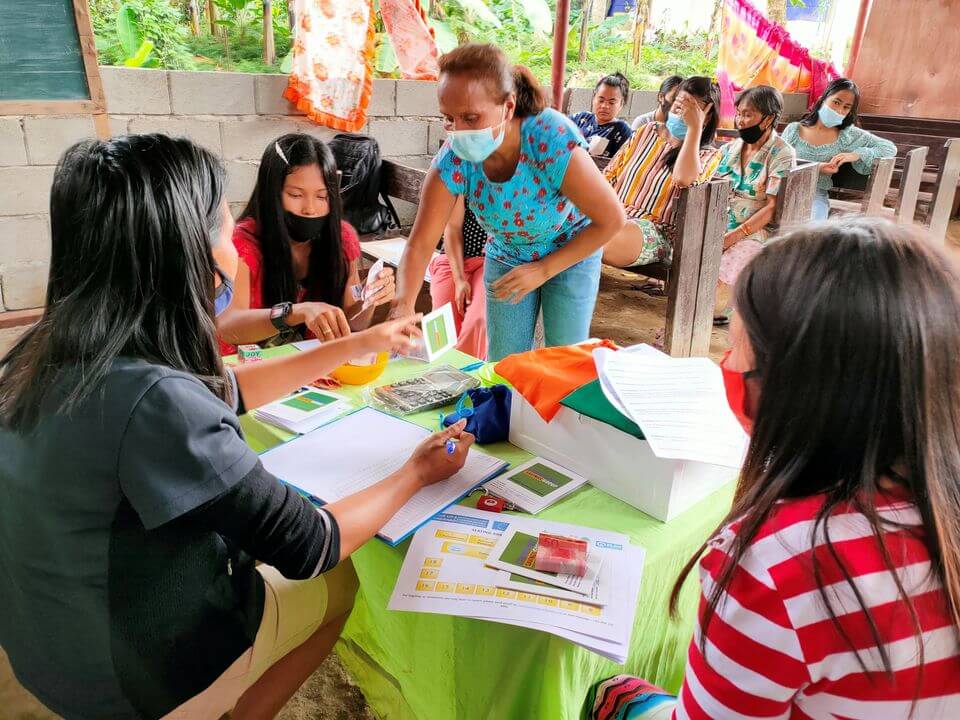
This is why one key strategy of our USAID-funded Disaster Risk Reduction (DRR) Project in the Bangsamoro Autonomous Region in Muslim Mindanao (BARMM) is empowering these women to strengthen their barangay’s resilience through community savings groups (CSG). The main goal of CSGs is to encourage and create a saving culture in the community while offering a unique financial opportunity for participating households.

Photo by Michael Ryan Queman for Action Against Hunger

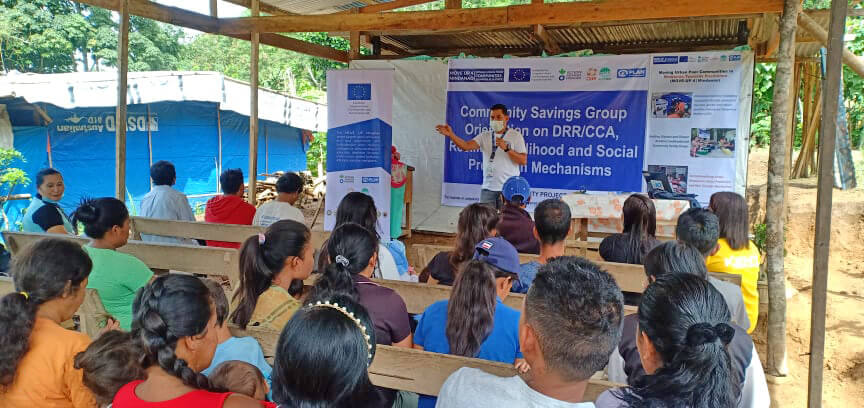
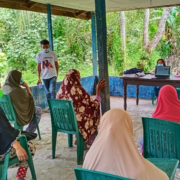
Last month, 30 women from Barangay Gawang of Datu Saudi Ampatuan, Maguindanao participated in the Community Savings Group Orientation held by Action Against Hunger on June 16, 2021.  Because CSGs provide a level of financial security even without any access to formal banking services, all women gave their commitment to creating a savings group for the barangay. Once established, the collective savings can offer a safety net for the members’ households in times of disasters and other emergency situations.

A community savings group (CSG) is a community-based program where a group of vulnerable and at-risk persons in a community agrees to save a certain amount periodically and depositing the savings in a group account. Savings groups are a way for people without access to formal banking services to access some financial security. Savings groups are owned, managed, and operated by the members, using a simple, transparent method where groups accumulate and convert small amounts of cash into savings that can be used in times of crisis. This way, economic security is increased and financial services are brought closer to communities for promoting secure investment with savings.

The group can further decide to focus on savings or invest in personal or collective livelihood activities to improve household income. In most cases, the group also engages in giving loans. Moreover, not only does the CSG provide potentially better financial opportunities for families but also empowers the participants—in this case, the women of Barangay Gawang—as they engage in financial planning, decision-making, and active community involvement.
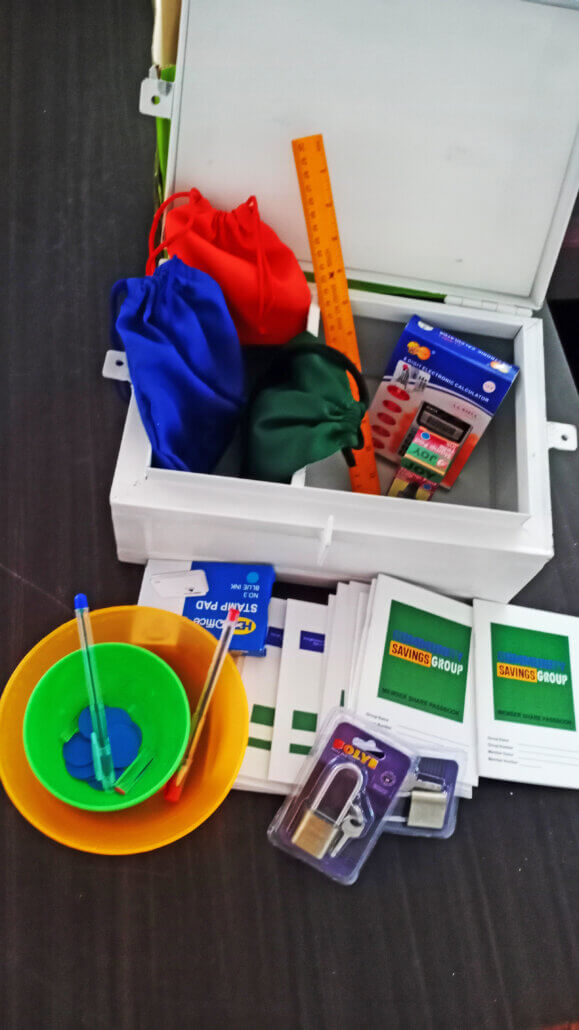
Photo by Michael Ryan Queman for Action Against Hunger

‘Strengthening Local Resilience and Building Capacities in Areas at High Risk of Natural Hazards in BARMM, Mindanao’ is a disaster risk reduction (DRR) project funded by the United States Agency for International Development’s Bureau for Humanitarian Assistance (USAID-BHA) and implemented by Action Against Hunger Philippines with the support of local government units and partner stakeholders.
Read more: Our Approach to Gender Equality Read more

Forming A Cash Savings Group (CSG) For Emergencies In Kidapawan City

One of the ways we empower women is through our livelihood programs. Across the communities we work with, we provide them with knowledge and proper tools to enable them to be financially resilient.

These women from Barangay Ilomavis in Kidapawan City are uniting their efforts in forming a cash savings group (CSG) for emergencies. Their barangay was one of the hardly affected barangays during the series of Mindanao Earthquakes back in 2019.

Photo by Louie Bullanday for Action Against Hunger

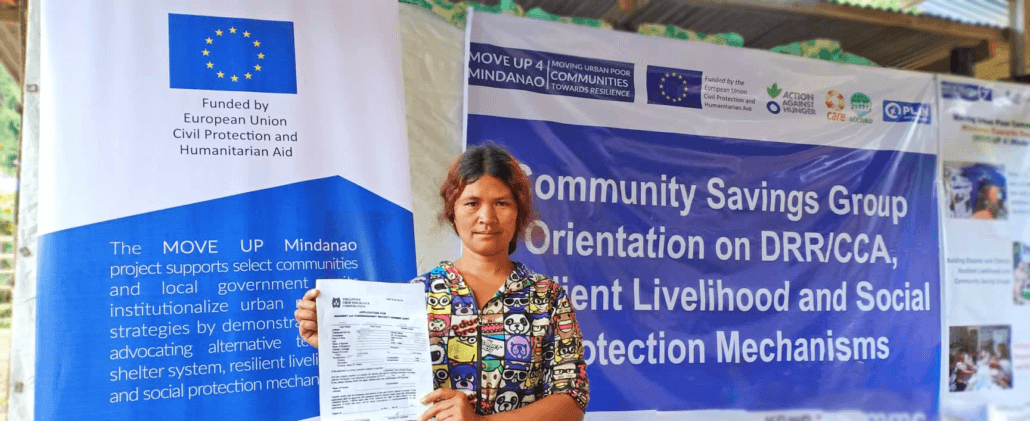
Following this, our MOVE UP 4 Project introduced these women to the CSG as one of the mechanisms to build financial independence and resilience for their households. Aside from the emergency funds they managed to save, they have also gained more confidence from being able to provide financial stability for their family during emergency situations like disasters or the pandemic.

We celebrate the success of these women and hope to empower more through the work that we do, one community at a time.

Written by Lyndon Arbes, Louie BullandayJoyce Sandajan
Disclaimer: The views and opinions expressed are those of the author(s) only and do not necessarily reflect those of the European Union, or the consortium members. Neither the European Union nor any of the consortium members can be held responsible for them.

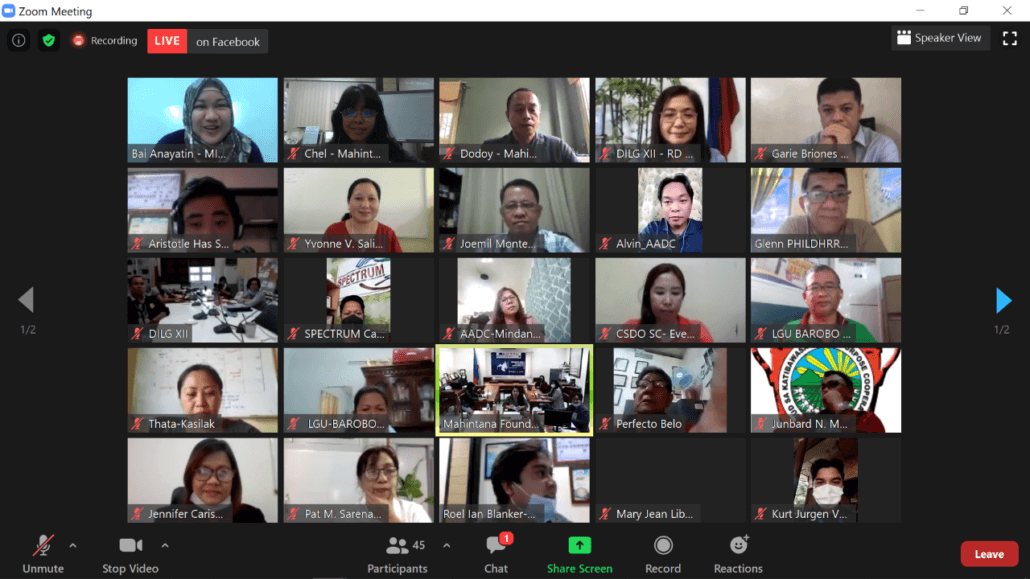
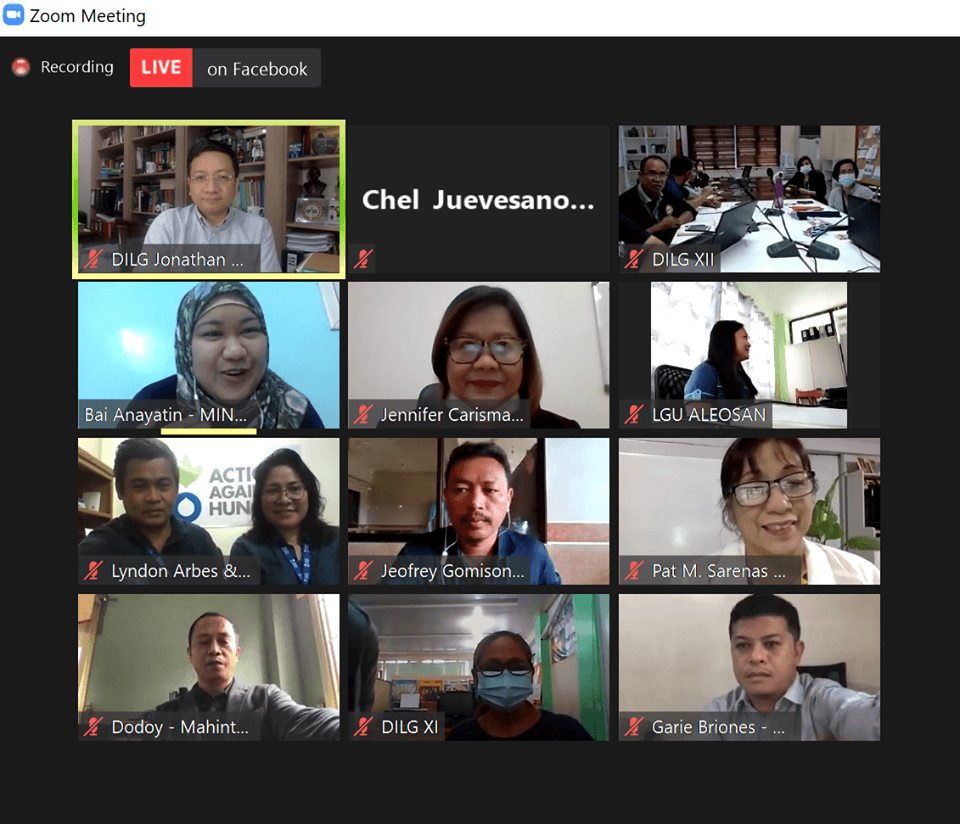
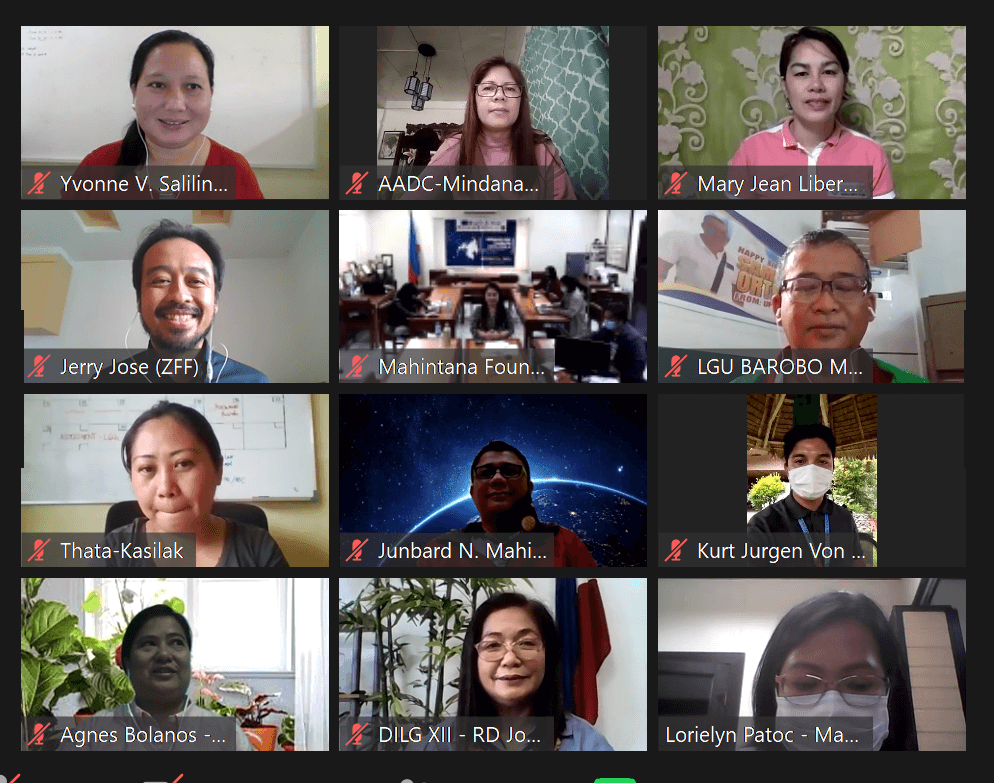
MOVE UP 4 joins Mindanao-wide Online Session about Response Strategy and Emergency Response

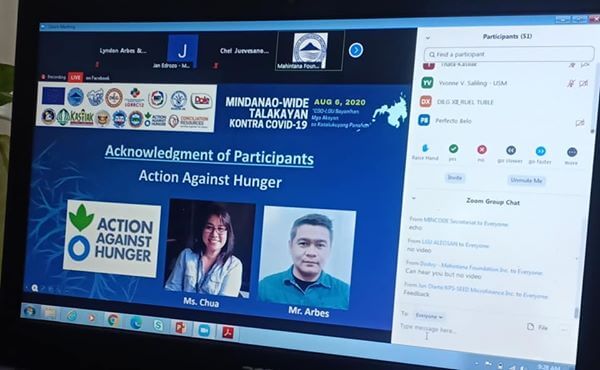
Mr. Lyndon Arbes (MOVE UP 4 DRR Officer) and Ms. Delilah Chua (Head of Cotabato Field Office) joined the Mindanao-wide ????????? ?????? ?????-?? via zoom as resource persons.
 
With the theme, “CSO-LGU Bayanihan: Mga Aksyon sa Kalukuyang Panahon,” the online session was organized by the RESOURCEGov Project in partnership with DILG XI, XII, and XIII, and the RTF-COVID19 & RIATF-EID XII. The activity supports the Listong Ugnayan, COVIUD-19 ay Labanan Online Talakayan Series rolled out by the DILG Philippines through the Local Government Academy (LGA).
 
During the session, Mr. Arbes and Ms. Chua shared Action Against Hunger’s COVID-Response Strategy and MOVE UP COVID Response activities implemented along with other consortium partners in the cities of Marawi, Iligan, Cagayan de Oro, Surigao, and the provinces of Misamis Oriental, Bukidnon, Surigao, and Cotabato.

Moving Urban Poor Communities Toward Resilience (MOVE UP 4) is funded by the European Union and implemented by a consortium of partners consisting of Action Against Hunger PhilippinesPlan International PhilippinesCARE Philippines, and ACCORD Incorporated.


Disclaimer: The views and opinions expressed are those of the author(s) only and do not necessarily reflect those of the European Union, or the consortium members. Neither the European Union nor any of the consortium members can be held responsible for them.

Preventing and Managing Risk in Communities that are Prone to Disaster and Strengthening Their Resilience to Future Shocks

The Philippines is ranked as the 8th most disaster-prone country all over the world in 2018.
 
At Action Against Hunger, we work to prevent and manage risk in communities that are prone to disaster and strengthen their resilience to future shocks. We help bolster local economies, improve infrastructure, and plan for long-term development.
 
We have been implementing community-based DRR projects over the last 10 years in the Philippines. Working alongside with the national government’s disaster risk reduction (DRR) law and climate change action plan, Action Against Hunger supports the local government units and local communities to be prepared, to mitigate and response to possible disaster events.
Between 2012-2017, we have supported 98,300 Filipinos through our DRR programs. ???? ?? ????? ????.
 
In the spirit of International Day of Disaster Risk Reduction, donate now. https://actionagainsthunger.ph/call-for-donations/
 
(Photo by EJ Villafranca for Action Against Hunger)

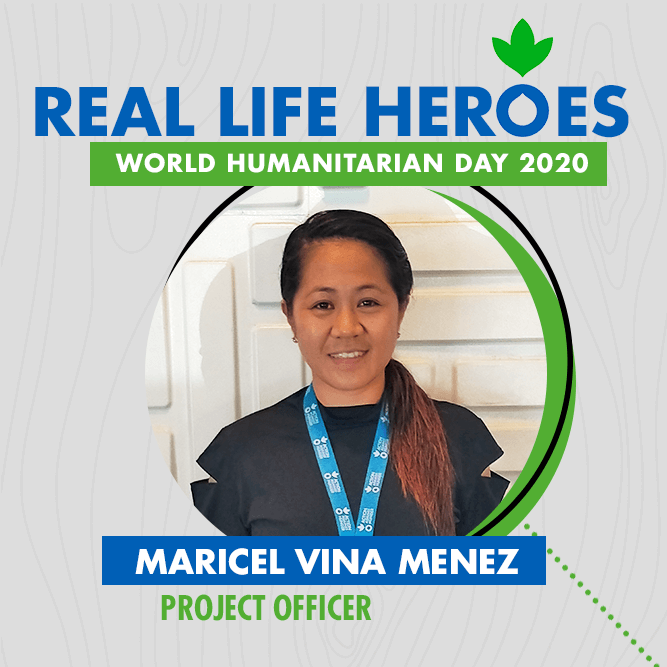
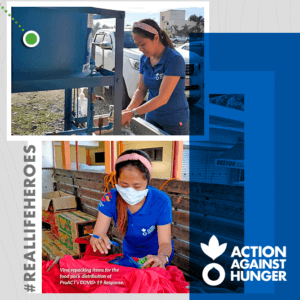
In celebration of #WorldHumanitarianDay, meet one of our #RealLifeHeroes: Maricel Vina Menez

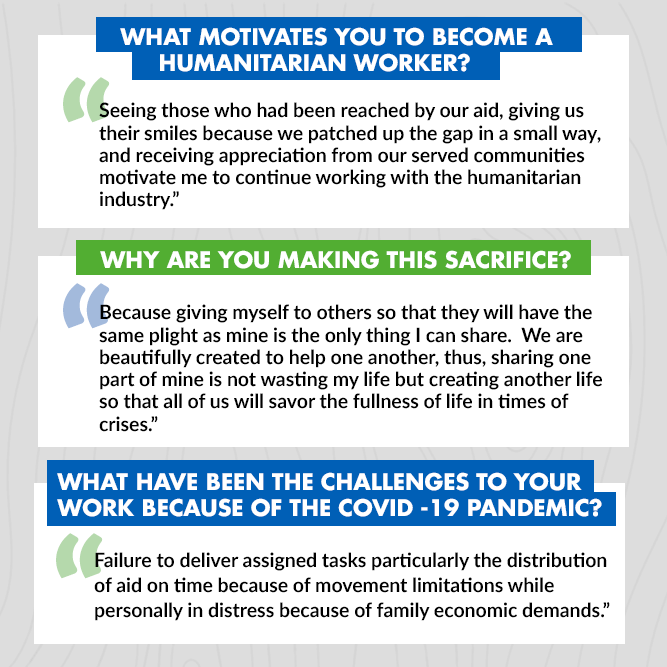
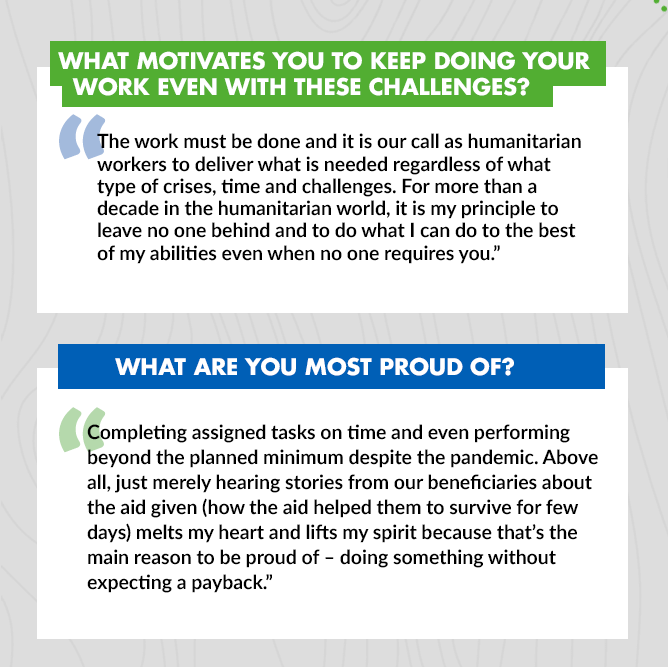
Meet Maricel Vina Menez. As a Project Officer, she takes charge of our ProACT project in the Province of Agusan del Sur, Surigao del Sur and Compostela Valley.  In celebration of #WorldHumanitarianDay, we honor Vina as a humanitarian worker and one of the many #RealLifeHeroes by sharing her story.


Read more

A Series of Orientations for Disaster Preparedness and Resilience Building in Barangay Ilomavis, Kidapawan City

A series of orientations was conducted in Barangay Ilomavis, Kidapawan City last July 29 and 30, 2020. The participants were members of 64 vulnerable households who were displaced due to the November 2019 earthquake and are currently more at risk because of the COVID-19 pandemic.

Photo by Lyndon Arbes for Action Against Hunger

The activity was launched to help raise awareness on the importance of disaster preparedness and resilience building, learning from the recent series of actual disasters and the effects of the pandemic that they experienced which had negatively affected their livelihoods and living condition. The activity was conducted in partnership with the City Government of Kidapawan City Agricultural Office, and the Philippine Crop Insurance Corporation Office in Kidapawan City.

Photo by Lyndon Arbes for Action Against Hunger

Written by Joyce Sandajan
Disclaimer: The views and opinions expressed are those of the author(s) only and do not necessarily reflect those of the European Union, or the consortium members. Neither the European Union nor any of the consortium members can be held responsible for them.

Read more

Moving Urban Poor in Mindanao Towards Resilience (MOVE UP 4) Project in Kidapawan, North Cotabato

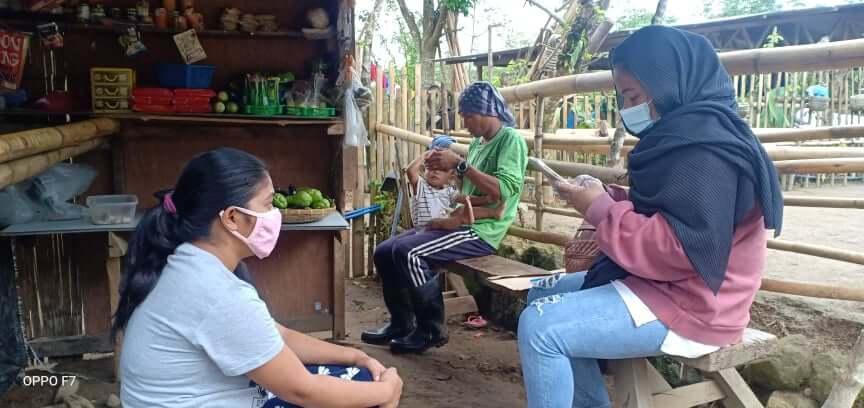
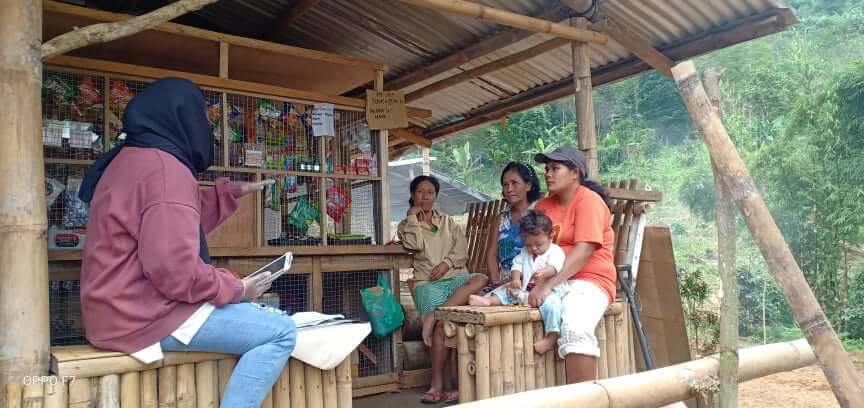
Our MOVE UP 4 Team conducted a household survey as part of the Community Risk Assessment (CRA) activity from July 20 – 31, 2021 in Kidapawan, North Cotabato. The survey aims to assess disaster awareness and preparedness, access to government social protection program,s and resilient livelihoods among others.

Photo by Lyndon Arbes / Louie Bullanday for Action Against Hunger

The information gathered will be used in designing appropriate urban DRR resilient intervention of the project in the city as well as will serve as the project baseline for impact evaluation at the end of the project.

Photo by Lyndon Arbes / Louie Bullanday for Action Against Hunger


Moving Urban Poor Communities Toward Resilience (MOVE UP 4) is funded by the European Union and implemented by a consortium of partners consisting of Action Against Hunger PhilippinesPlan International PhilippinesCARE Philippines, and ACCORD Incorporated.

Read more

Action Against Hunger Unites Local Resilience Efforts with Ministry of Agriculture Fisheries and Agrarian Reform in BARMM

Photo courtesy of MAFAR-BARMM

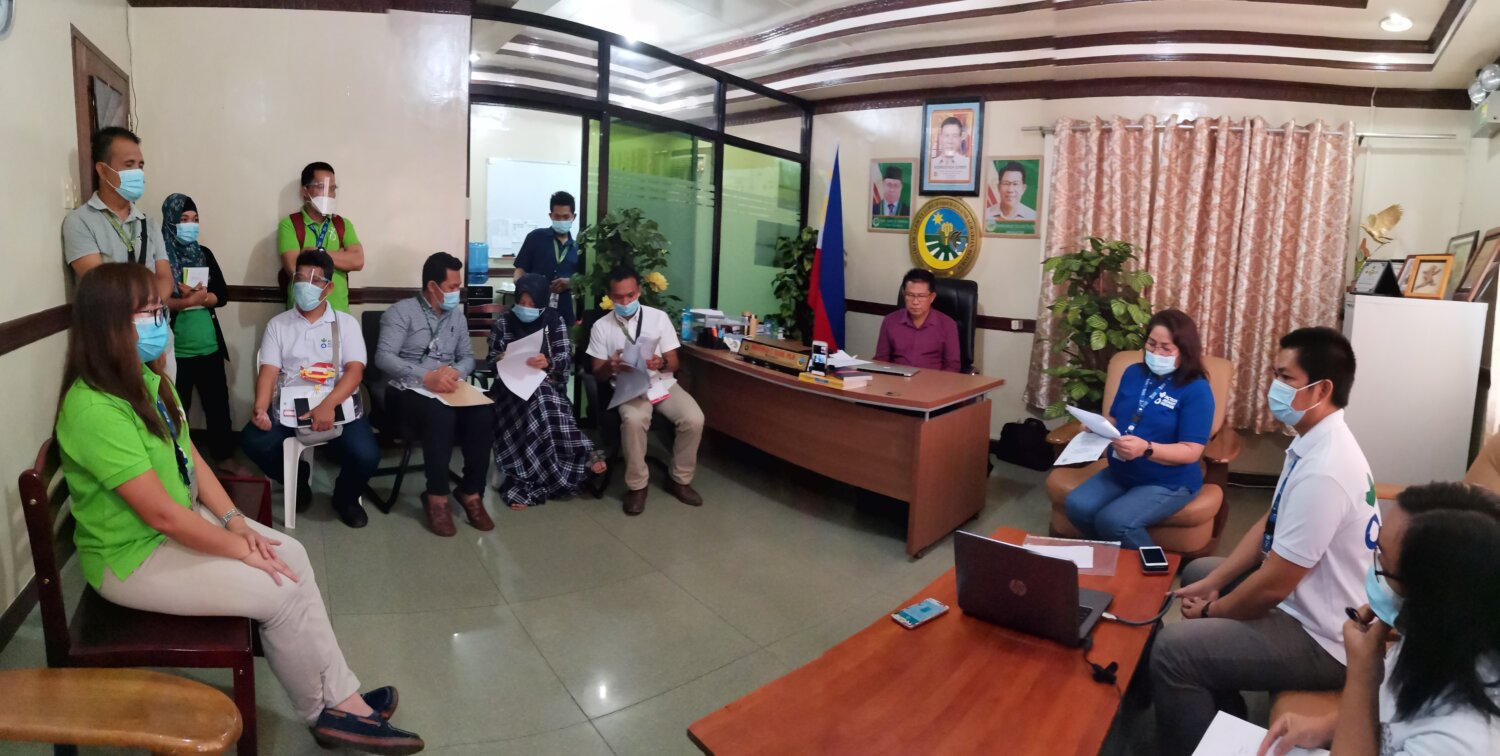
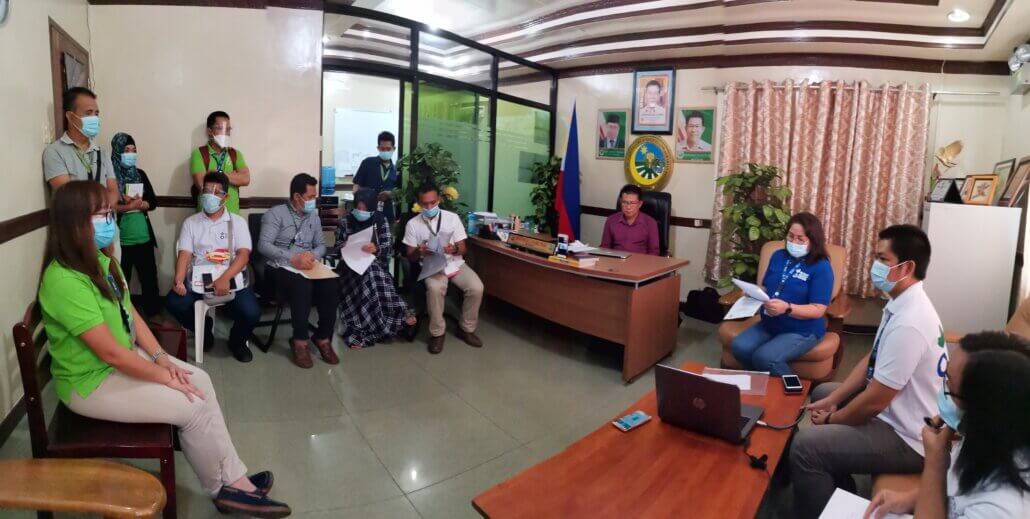
Action Against Hunger Philippines signed a memorandum of understanding (MOU) with the Ministry of Agriculture, Fisheries and Agrarian Reform in the Bangsamoro Autonomous Region of Muslim Mindanao (MAFAR-BARMM) on July 23, 2020, at the MAFAR Regional Office in Cotabato City, Maguindanao. The objective of the collaboration is to unite efforts in strengthening local resilience and within areas in the region that are greatly susceptible to natural hazards.


“Action Against Hunger’s mandate is to fight and to address food insecurity and nutrition insecurity, so I do believe that this MOU with MAFAR is key for us to jointly address issues that are affecting the most vulnerable in the BARMM Region in a collaborative and coordinated manner”
Thierry Laurent-Badin, Action Against Hunger Philippines Country Director


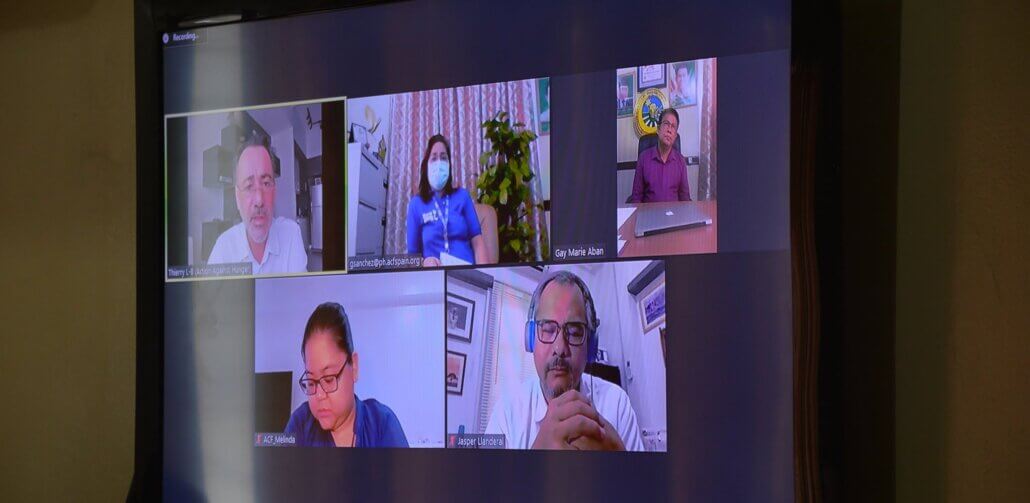
During the online ceremonial signing, Thierry Laurent-Badin, Country Director of Action Against Hunger Philippines, talked about the importance of the established partnership in promoting the organization’s advocacy. “Action Against Hunger’s mandate is to fight and to address food insecurity and nutrition insecurity, so I do believe that this MOU with MAFAR is key for us to jointly address issues that are affecting the most vulnerable in the BARMM Region in a collaborative and coordinated manner,” said the country director.
 
Dr. Mohammad S. Yacob, Minister of MAFAR-BARMM, on the other hand, expressed his enthusiasm for the collaboration, stating “I am happy to see this partnership, for me, it is a process of long engagement in the community and I am very grateful to continue the aspirations. I express my thanks to Action Against Hunger and we hope and pray that this is the beginning of a fruitful partnership.”

“I am happy to see this partnership, for me it is a process of long engagement in the community and I am very grateful to continue the aspirations. I express my thanks to Action Against Hunger and we hope and pray that this is the beginning of a fruitful partnership.”Dr. Mohammad S. Yacob, Minister of MAFAR-BARMM


Delilah Chua (Head of Cotabato Base) hosted the ceremony alongside Genaro Sanchez (Head of Project) and Gay Marie Aban (Human Resources Officer). Virtually present to witness the signing were Melinda Buensuceso (Operations Coordinator) and Jasper Llanderal (Head of Iligan Base).

Photo by Rhea Poliquin for Action Against Hunger

‘Strengthening Local Resilience and Building Capacities in Areas at High Risk of Natural Hazards in BARMM, Mindanao’ is a disaster risk reduction (DRR) project funded by the United States Agency for International Development’s Bureau for Humanitarian Assistance (USAID-BHA) and implemented by Action Against Hunger Philippines with the support of local government units.

Read more

STALLED BUSINESS MODEL TRANSFORMED INTO RESILIENT GROWTH

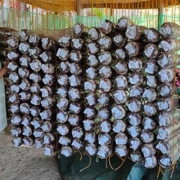
In 2015, MATATAG, a 98-member women-led community savings group Cluster Level Association (CLA) in Hugom, San Jose, Batangas started a mushroom production business after attending a Mushroom Production Training conducted by the Southern Tagalog Integrated Agricultural Research Center (STIARC) and the Municipal Agriculture Office (MAO) of San Juan, Batangas. Full of eagerness, they were able to start their first mushroom house using light materials. The former barangay captain lent them a space where they constructed the grow house. They started with 250 fruiting bags producing weekly harvest of at least seven kilos of fresh oyster mushrooms. Even with minimal produce, they were eager to introduce their products to the barangay.

By 2016, they needed to relocate and construct a new mushroom house in Sitio Biga since the owner needed the original space lent to them. Here, they were able to produce 800 grow bags in 6 months. In February 2016, STIARC introduced four varieties of oyster mushrooms and provided additional 2000 fruiting bags as assistance to the group. The following year, another 1,500 fruiting bags were provided. STIARC continued to support the group until 2018, providing materials that were unable in San Juan, in addition to technical assistance.

In November 2018, MATATAG began constructing a new mushroom house with their share of ₱50,000 and a grant amounting to ₱456,000 from STIARC. The house was finished in February 2019 and they were able to grow 5,000 fruiting bags but only 3,000 were harvested due to the hot temperature inside the house. In the original building plan from STIARC, the mushroom house did not include the needed insulation system which caused low production. Because of this, the business slowed down and was no longer growing. The low revenue, profit, and remuneration for working members of the group took its toll and manifested in the members’ low morale, lack of motivation to put more hours in the business, and lesser cooperation among each other.

By September 2019, the CLA participated in Action Against Hunger’s Resilient Livelihood Workshop, a component of the ‘Improving Resilience of the KNH NGO Partners to Natural Disasters Phase 2’ (I-Respond 2). The workshop proved to be the turning point for the group. They learned how to improve their business to become resilient amidst existing risks and impending hazards. They saw that all is not lost in the business that they started four years prior. The workshop further strengthened the connection between the disasters and livelihood in the context of resilience. Disaster and business were not new to the organization, as workshops were conducted prior to the livelihood workshop; however, the knowledge how to make their business more resilient towards disasters was the missing link. The realization that the negative effects of disasters especially on their livelihood are primarily due to human choices, the lack of understanding of their risks, and the lack of preparedness fueled their motivation to integrate resilience strategies in their business plan. The knowledge and tools they acquired from the training have therefore been used to implement different mitigation efforts to enhance their resilience.

Furthermore, the Resilient Livelihood Training allowed them to analyze their business and manage it efficiently. This made them realize the potential of their business, and if effectively managed, can provide a livelihood for all the members. The training also made the women members aware of the importance of working together and in the process increase the level of motivation amongst them. Experiencing the training had the working members stepping up and putting more effort into making the business flourish again as manifested by the members more active participation in the governance and operations of the business after the training

The CLA members were excited about the newly regained growth of the mushroom production business, which now allows them to start paying salaries for the 30 members working in the production of the mushrooms. The additional seed capital of ₱50,000 received from Action Against Hunger helped exponentially in regaining their growth by enabling them to buy essential to the business inputs and supporting administrative and labor costs.

Now, the CLA is motivated towards creating a more resilient and sustainable livelihood. Through the mushroom business, the CLA is optimistic that it will be able to provide support to the needs of its 98 women strong membership in the following years. They planned to expand from fresh mushrooms production to other product derivatives and they now understand that the increase in supply and demand in mushroom and its derivatives are key in doing so. The then CLA started to expand their production capacity by advocating mushroom as a viable livelihood option and teaching other barangays how to grow mushrooms. They continued this as an effort to involve more communities in their journey to create a resilient livelihood and better life for all.
The group was able to restart with 2,500 fruiting bags and started to expand their mushroom products to crispy mushroom chicharron with different flavors. By March 2020, they harvested 65 kilos with 1,200 bags worth ₱20,000.

Rowena Villarin, the Treasurer of MATATAG, in reflection to their group’s experiences shared, “when handling a business, you have to be focused and be prepared for any struggles that may come along. Never give up.”

MOVE UP HEADSTRAINING FOR COMMUNITY LEADERS

QUEZON CITY – Resilience through Financial Freedom and Preparedness: The Moving Urban Poor Communities towards Resilience Project (MOVE UP) holds its Training of Trainers on Financial Literacy and Community Savings Groups, Torre Venezia, Quezon City, March 6-9, 2018. Attended by around 60 participants representing barangays from MOVE UP target cities Malabon, Quezon City, Valenzuela, Caloocan and Navotas, the training aims to boost the understanding and skills of target communities on financial planning, insurance and investments while linking it to disaster risk reduction and management.

As an outcome, a pool of trainers is formed to deliver financial literacy sessions and form community savings groups in barangays.

The training is one of the series of projects of MOVE UP which seeks to demonstrate systems and models of Alternative Temporary Shelter, resilient livelihoods and risk transfer modalities to improve the disaster risk reduction and management in MOVE UP target cities in Metro Manila. Funded by the European Union Civil Protection and Humanitarian Aid (ECHO) under its Humanitarian Action Plan for Southeast Asia and the Pacific, MOVE UP is an urban disaster risk reduction project implemented by a consortium composed of Action Against Hunger Philippines, Plan International Philippines and CARE Nederland with its local partner, ACCORD Inc. ●