Tag Archive for: #AECID

Building a Zero-Waste Future Starts with Awareness, and with Children

SURIGAO DEL NORTE ─ As January closes and Zero Waste Month in the Philippines comes to an end, communities in Siargao Island are reflecting on a simple but important lesson: building a resilient, green economy begins with awareness, and it needs to start early.

In island communities facing increasing climate risks, unmanaged waste affects daily life in tangible ways. It blocks drainage systems, contributes to flooding during heavy rains, threatens public health, and complicates disaster preparedness efforts. These realities explain why the Siargao Green Economy Project places solid waste management at the center of its climate resilience and green economy approach, focusing not only on systems and policies, but also on everyday practices and decision-making at the community level.
Why waste awareness matters for climate resilience

Improving solid waste management is one of the most direct ways communities can reduce environmental and disaster risks. When waste is not properly segregated or disposed of, it often ends up in waterways and low-lying areas, increasing flood risks during typhoons and periods of intense rainfall. For island municipalities like those in Siargao, these impacts are felt more frequently as climate conditions become less predictable.

Addressing these risks requires more than infrastructure. It requires changes in how people understand waste and how they manage it in their homes, schools, and communities.

In support of the national Zero Waste Month theme, “R.A. 9003 at 25: Honoring our Past, Renewing Commitments, Innovating for a Cleaner Tomorrow,” Action Against Hunger, through the Siargao Green Economy Project conducted an awareness campaign on Waste Characterization and Management as part of the project’s behavior change and communication strategy. The campaign incorporated discussions on disaster risk reduction, climate change adaptation, and gender equality, reflecting the project’s integrated approach to resilience and sustainability.

What is R.A. 9003?

Republic Act No. 9003, or the Ecological Solid Waste Management Act of 2000, provides the legal framework for solid waste management in the Philippines. It emphasizes waste reduction at source, segregation, recycling, composting, reuse, and resource recovery, while prohibiting incineration.

The law places responsibility on local government units and encourages participation from communities and the private sector. It also highlights the role of education and public awareness by integrating waste management principles into both formal and non-formal learning settings.

Source: Philippine Environment Partnership Program, Department of Environment and Natural Resources

Inside the Awareness Campaign

The campaign reached elementary students, teaching and non-teaching staff, and barangay representatives in Barangays Baybay, Matin-ao, San Matero, and Bitaug in Burgos, Surigao del Norte, through activities conducted on January 20 to 21, 2026. The sessions were implemented with support from the Municipal Environment and Natural Resources Office (MENRO) and the Department of Environment and Natural Resources Environmental Management Bureau (DENR-EMB).
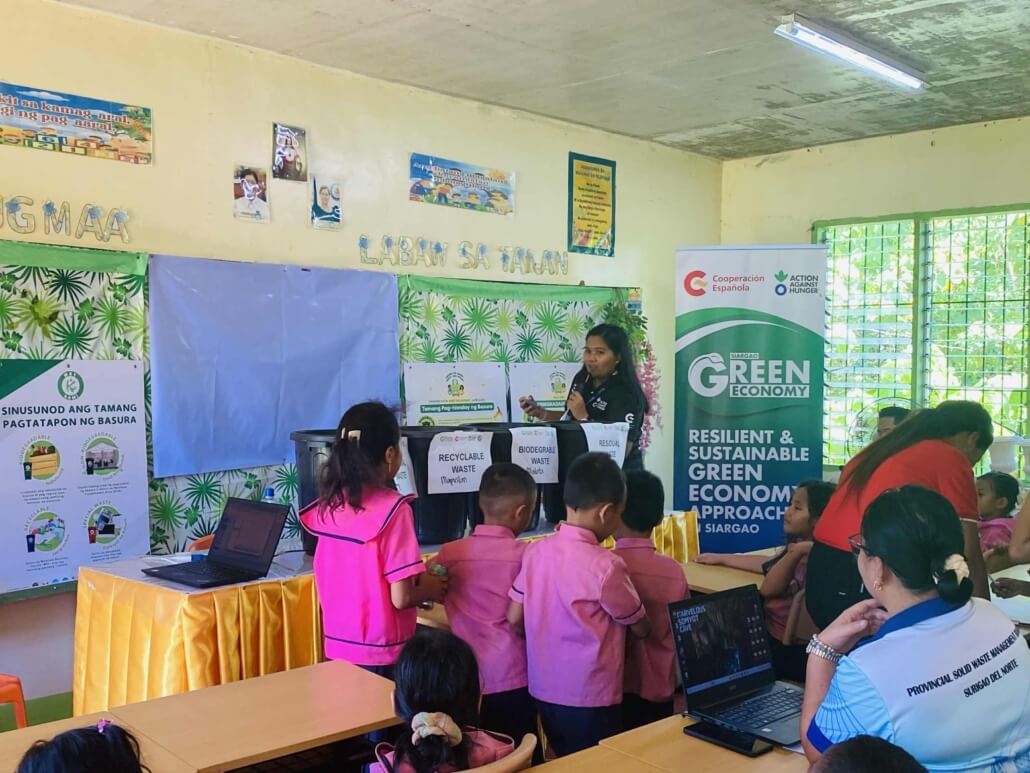
During the sessions, students were introduced to waste characterization and management, the key provisions of Republic Act No. 9003, and the basic principles of the circular economy. Facilitators used examples familiar to the students, such as common household and school waste, to explain how waste can pose risks when unmanaged and how some materials can still have value when properly segregated and reused.

Students participated in pre- and post-test activities, where they identified different types of waste and practiced classifying them into appropriate categories. These exercises surfaced a shared realization among many students: waste is not a single category, and each type carries different environmental, health, and safety implications.

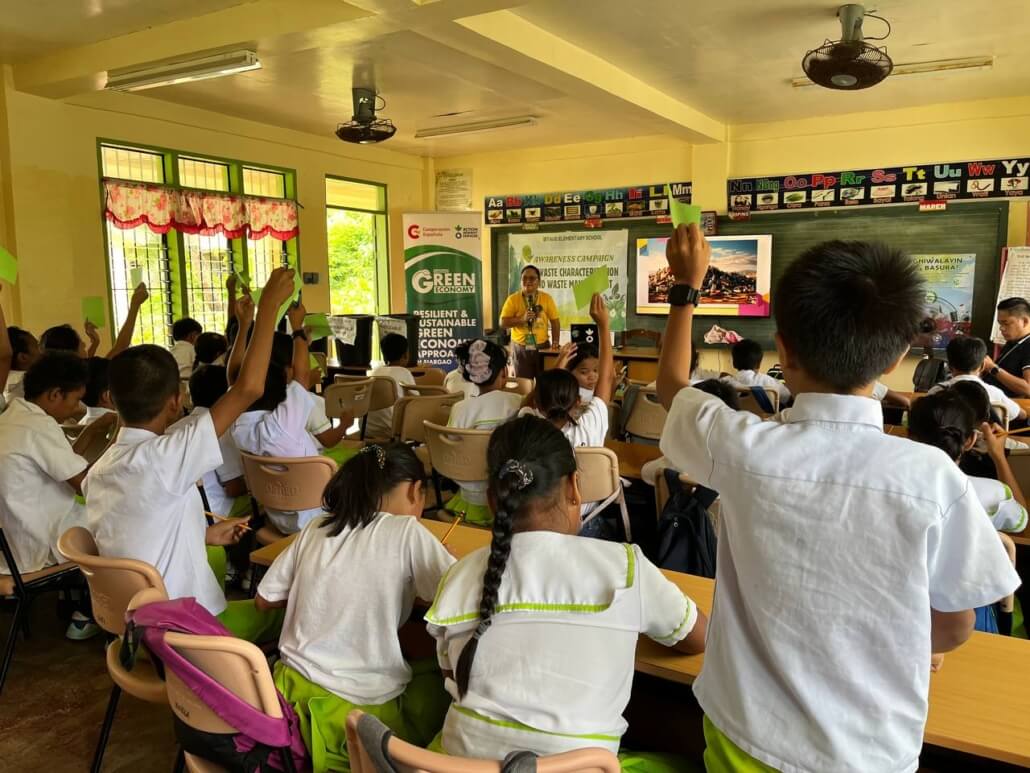
A short quiz followed, during which students shared their answers aloud and discussed them with classmates and facilitators. Questions raised during these exchanges allowed facilitators to clarify concepts related to segregation, disposal, and the links between waste management and disaster risks.

The campaign also included a creative activity, where students produced posters and slogans inspired by the Zero Waste Month 2026 theme. Through drawing and short messages, students expressed how they understood waste reduction and environmental responsibility. Selected outputs will be refined and used in future Information, Education, and Communication materials, extending the reach of the activity beyond the schools.

Why start with children?
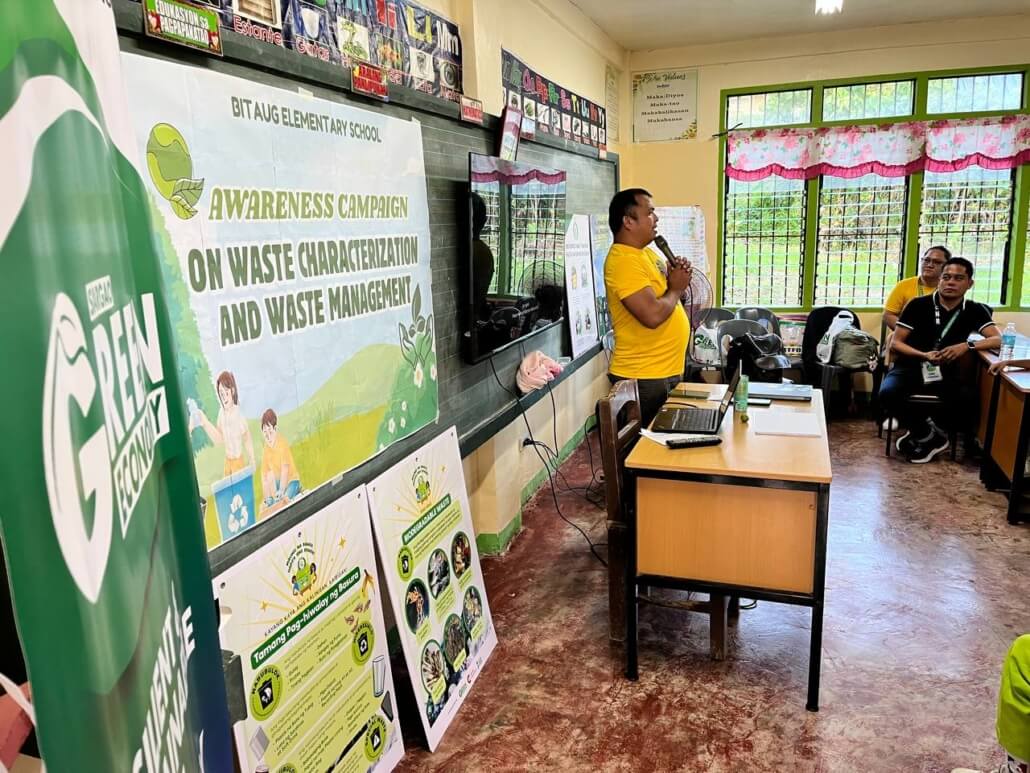
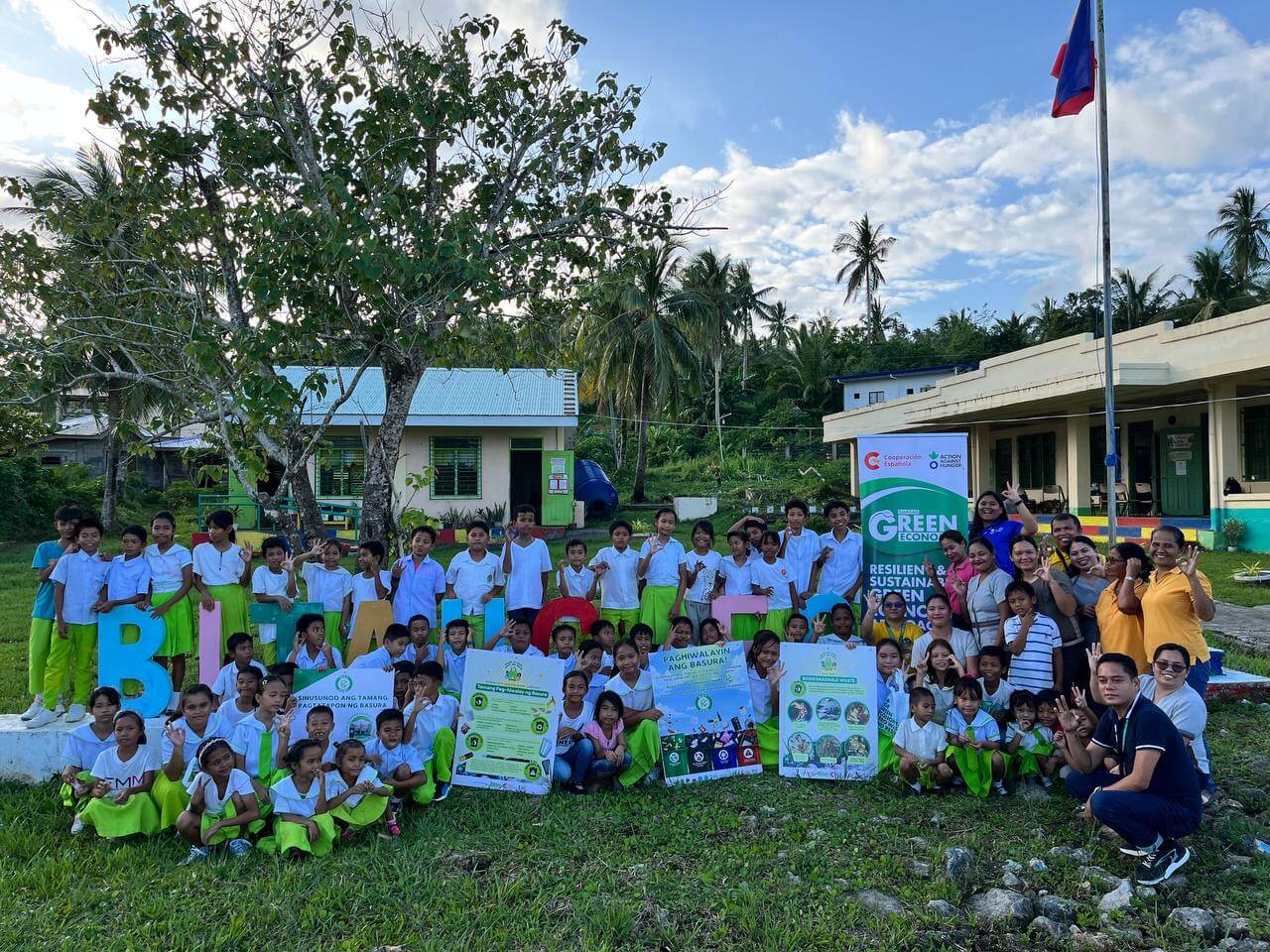
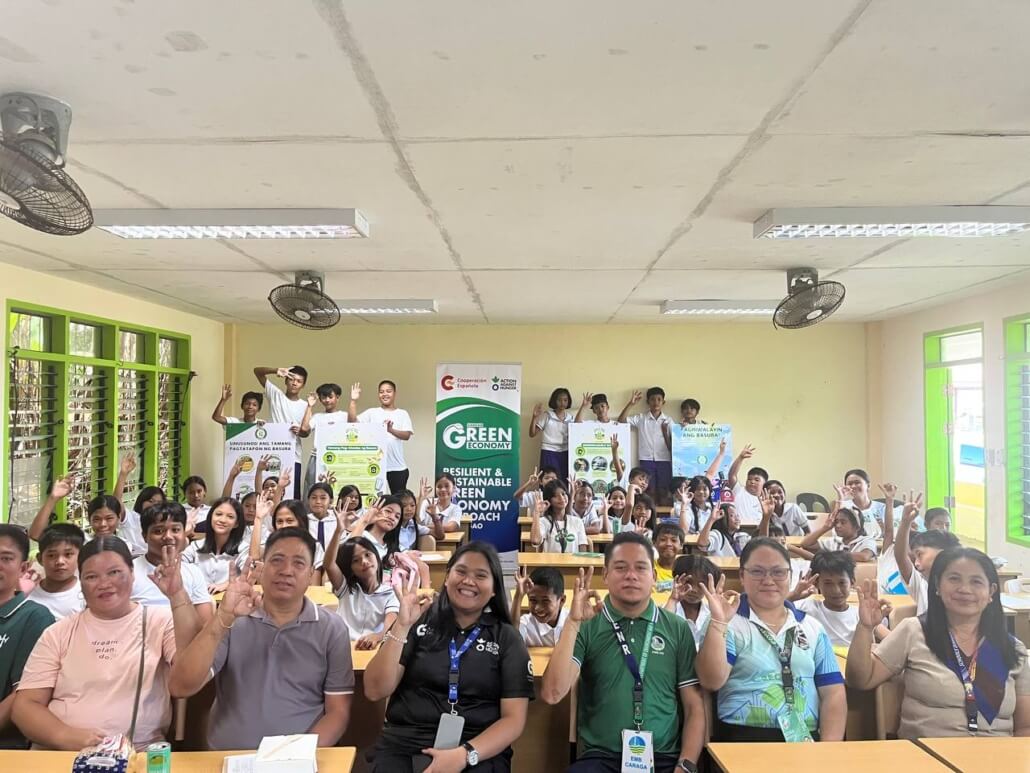
In photo: Florencio Betonio, Jr. of Barangay Bitaug and the students of Bitaug Elementary School. (Photo by Conie Isabel Ann Canto for Action Against Hunger)

Engaging children is a deliberate choice. Schools are spaces where habits and values are formed early. By introducing students to waste classification, segregation, and the links between waste, flooding, and health, the project works toward changes that can influence both school environments and household practices over time.

Teacher Marysol Astorbia, Head Teacher and School-in-Charge of Bitaug Elementary School, shared her perspective on the activity:

“School is not only a place for learning but also a home for discipline and responsibility. Through proper waste management, students learn the value of cleanliness, order, and care for the environment. This is a significant step toward a well-managed school.”

She also noted that revisiting waste management concepts helped reinforce lessons that students may have encountered before, underlining the need for regular and consistent awareness activities.
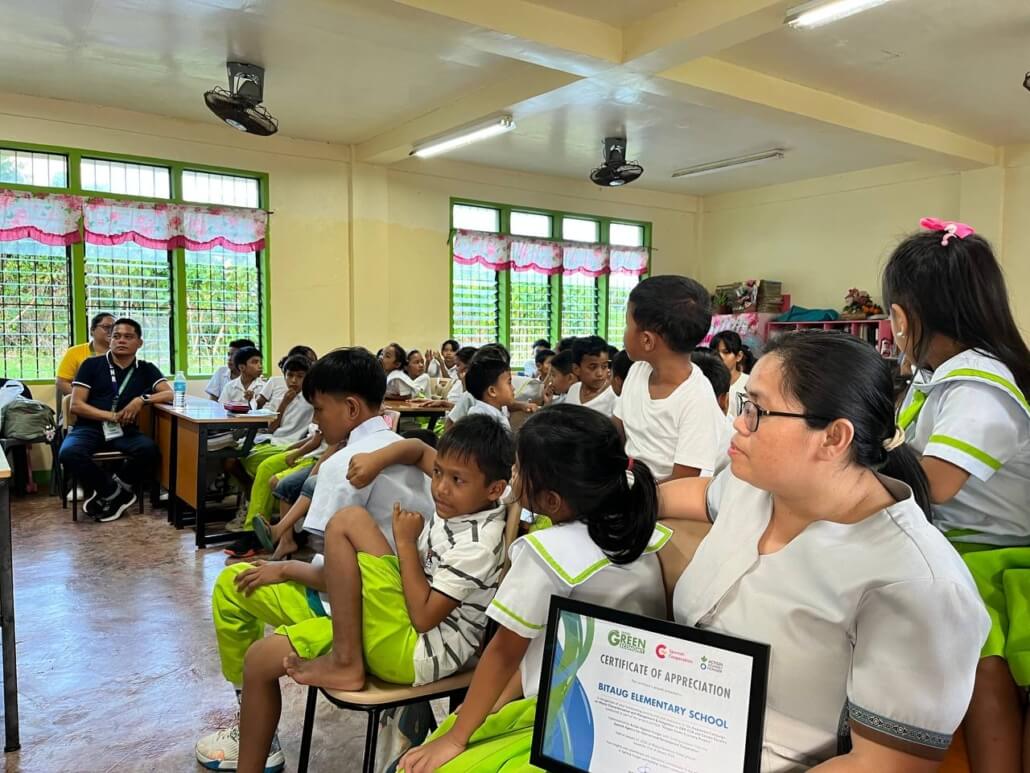
In photos (from left) are Mr. Racky Dryn D. Buenavista, students of Bitaug Elementary School and Ma’am Marysol A. Estorbia, Head Teacher-I/ School-In-Charge (Photo by Conie Ann Isabel Canto)

Did You Know?

    • Mismanaged solid waste can increase flood risks by blocking waterways, particularly in coastal and island municipalities. The Philippines generates approximately 35,580 tons of waste daily. According to the Solid Waste Management Status Report (2008–2018), waste generation reached 18.05 million tons in 2020 and is projected to increase to 23.61 million tons by 2025. (Source: Climate Transparency Platform)
    • Children often bring waste management practices learned in school back to their households, influencing how families manage waste at home. According to the World Bank, solid waste management systems often succeed or fail because of how people behave, not simply because of the technology in place. Practices such as segregation, recycling, composting, and waste reduction are shaped by people’s knowledge, attitudes, social norms, convenience, and the incentives available to them.

Awareness as a Foundation for Action

The campaign also highlighted the role of local leadership in sustaining waste management efforts. Barangay representatives participated alongside students and school staff, reinforcing the idea that responsibility for waste management extends beyond individual households.

“Awareness is the first step toward positive change,” shared Florencio Betonio, Jr., a representative of Barangay Bitaug. “What we have learned today should not end here. It should guide our actions, influence our decisions, and encourage us to share this knowledge with others.”

This perspective reflects the project’s approach, where awareness informs behavior, behavior supports systems, and functioning systems contribute to community resilience.
Linking waste management to a Green Economy

The Siargao Green Economy Project goes beyond waste reduction alone. It supports the development of circular economy solutions, strengthens local governance, and engages communities, women, and private sector actors in building resource-efficient and climate-resilient local economies.

By integrating gender equality, disaster risk reduction, and climate change considerations into waste awareness activities, the project situates environmental action within everyday community realities.

As Zero Waste Month comes to a close, these efforts continue. Awareness campaigns such as this contribute to stronger waste management practices, safer communities, and a future for Siargao where environmental responsibility is part of daily life, beginning at a young age.


About the Project

The Siargao Green Economy Project is implemented by Action Against Hunger Philippines with funding from the Spanish Agency for International Development Cooperation (AECID).

The project fosters climate resilience and green economies in Siargao Island through inclusive, gender-transformative governance, strengthened solid waste management systems, and circular economy initiatives—supporting communities in building a more sustainable and resilient future.
Real Life Heroes: Lea Añora

Last December, Lea Añora and the rest of our Tandag Field team were immediately deployed to Surigao City mere hours after Typhoon Odette made landfall—an experience that made her feel the proudest in being part of the most “hardworking humanitarian force of Action Against Hunger.”
On a regular day, Lea dedicates her time as a Disaster Risk Reduction (DRR) Supervisor in our AECID-funded PROact Project while empowering women in her field to break free from stereotypes.
Get to know Lea and what makes her one of our Real Life Heroes.

What is your role in Action Against Hunger?

I am part of the PROAct Project that aims to improve disaster and climate change resilience in communities. As DRR Supervisor, I lead in facilitating skills and capacity training, spearheading community drills, provision of DRR Equipment and Early Warning Devices, facilitating, assisting our partner local government units in crafting and enhancing their DRR-CCA and Development plans, implementing Alternative Resilient livelihoods including the provision of technical support to partner Peoples Organization and conducting emergency response to disaster-affected areas, especially within the AOR of the base and neighboring provinces.

How long have you been working as a humanitarian worker?

It’ll be my 5th year in the organization this coming March 2022

What motivates you to become a humanitarian worker?

The trust and confidence of our partners, believing us and the organization that we WILL and CAN make significant changes in their lives and into their communities.

Photo by Dale Divinagracia for Action Against Hunger

Why are you making this sacrifice?

To see more faces of hope and joy, encouraging others to be an instrument of positive change despite the cruelty of the world.

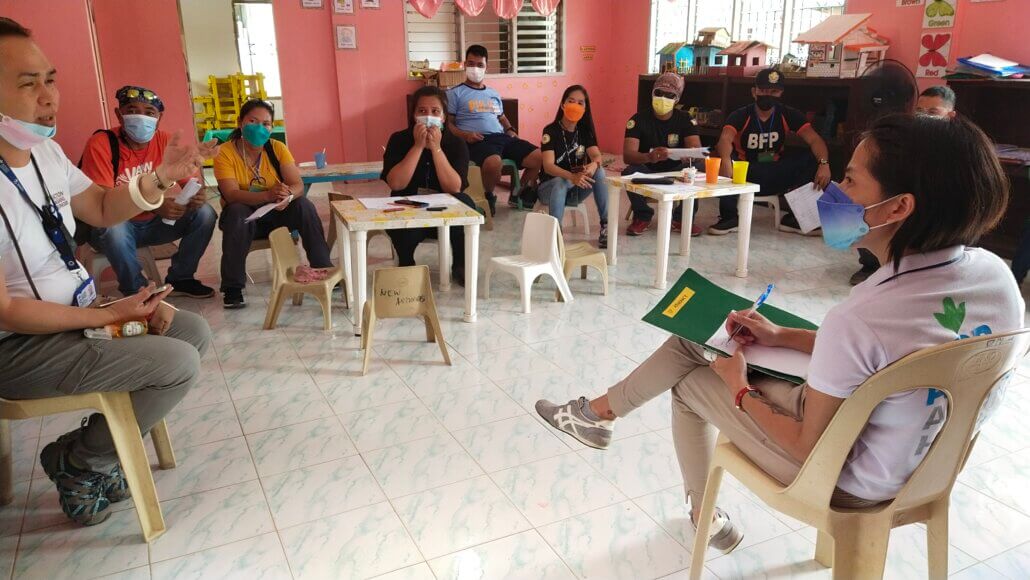
In photo: Lea (third from the right) in one of the activities of ProACT.

What have been the challenges to your work?

Engaging in a diverse environment, with people having different beliefs, stand-points, and characters.

What motivates you to keep doing your work even with these challenges?

Having the experience of being genuinely appreciated by the people that we are helping fuels me every day to do more beyond what is expected from me to accomplish.

What are you most proud of?

Recently, during our Typhoon Odette Emergency Response, I was part of the team that was deployed to Surigao City immediately after the aftermath of the typhoon. Everyone in our team, including our drivers, worked so hard that a 4-hour sleep and eating a full day’s meal was a luxury. There were times when we were all drenched in rain and in sweat during the first wave of our assessment and relief distribution. These challenges never stopped us.

Everyone extended an extra mile of heartful labor to aid the immediate needs of the typhoon survivors. This experience made me the PROUDEST – to be part of the most hardworking humanitarian force of Action Against Hunger.

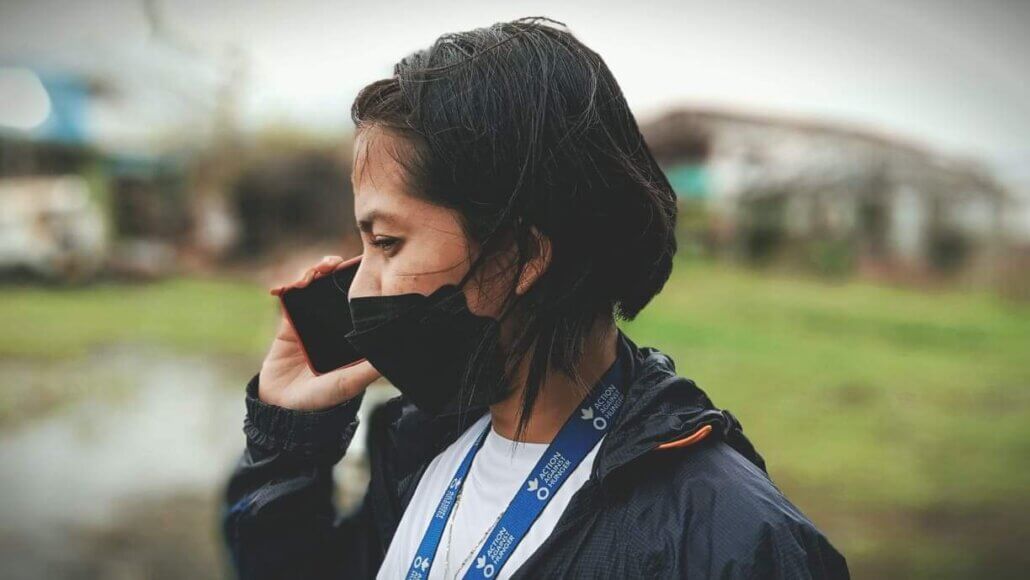
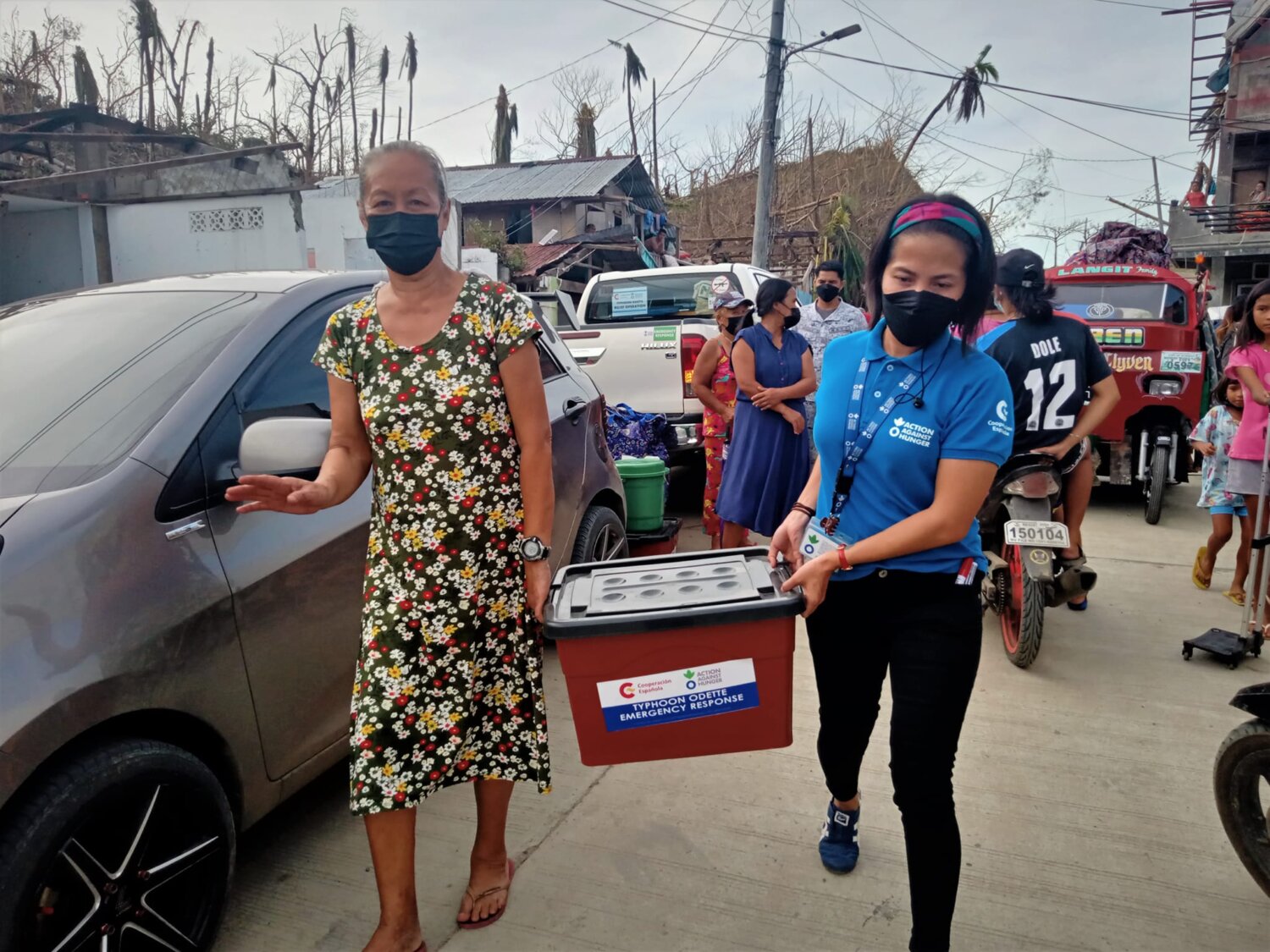
In photo: Lea hands over a hygiene kit during one of the Typhoon Odette Emergency Response distributions in Surigao City. (Photo by Dale Divinagracia for Action Against Hunger)

As a DRR Supervisor, what climate change impact have you seen with your own eyes?

Taking to countless farmers and fisherfolks through the years, the common lament is that their yield has been dwindling.  This is due to the extreme weather conditions that we are all experiencing today; change of weather pattern, severe heavy rainfall, long periods of the dry season, and rising sea level.  These not only directly affect the livelihood of the farmers and fisherfolks, but also of the average customer because of rising prices for food.


Photo by Nino Kim Diez for Action Against Hunger

How do you help in combating climate change?

It is a challenge fighting against climate change. We can’t stop it.  But, we can mitigate its impact. Strengthened advocacies on DRR-CCA, people’s increased resiliency, and capacities, and strong support from our local government units, concerned national government agencies, and non-government agencies or organizations are one of the most important keys in executing projects, programs, and activities that directly address the adverse impact of climate change in our communities.
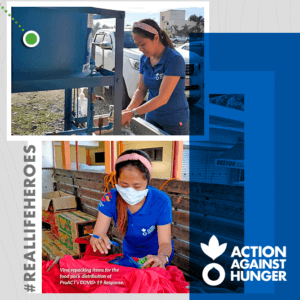
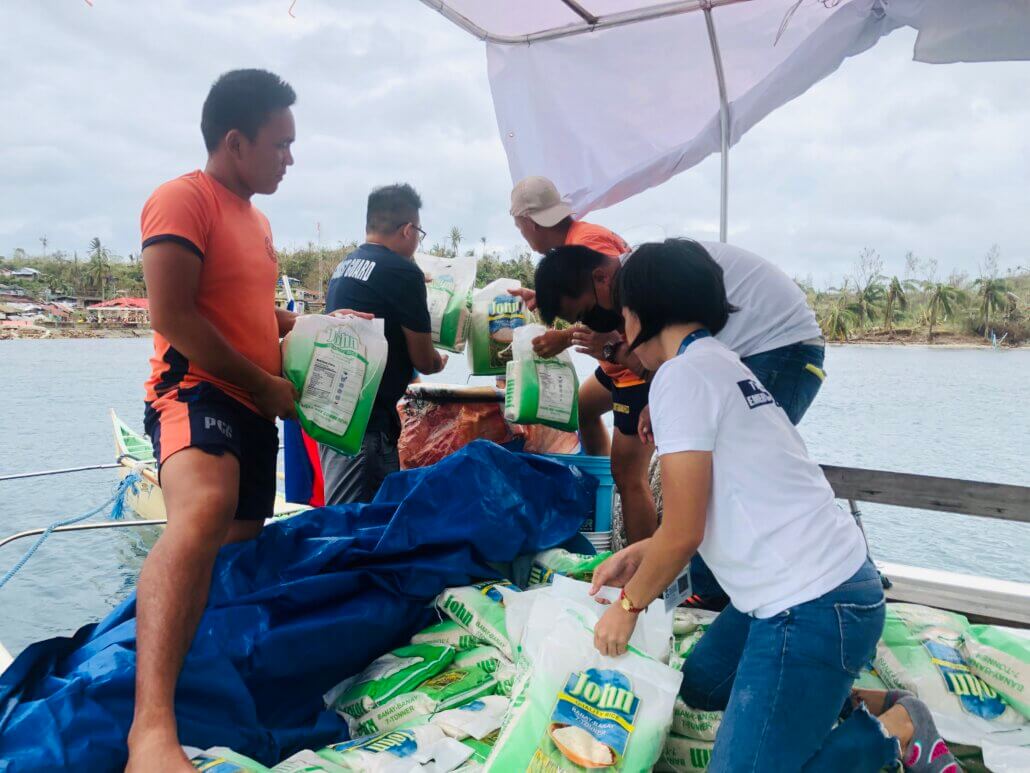
In photo: Lea helps load the sacks of rice for distribution to Typhoon Odette survivors in Surigao City (Photo by Nino Kim Diez for Action Against Hunger)

How do you #BreaktheBias in your line of work or day-to-day activities?

In the humanitarian world, there is no room for discrimination. Each of us is given the opportunity and responsibility in helping the needs of the people, especially in times of crisis. I myself work without any bias towards my gender, for my attitude and passion define my work ethic which radiates to the people that I am working with.

How do you envision a gender-equal world?

A gender-equal world is a world that gives rights, independence, power, and responsibilities to both women and men without discrimination and segregation.

Photo courtesy of Lea Anora


Advancing Climate and Disaster Resilience Transformation in the Provinces of Agusan Del Sur, Surigao Del Sur, and Davao de Oro’ (ProACT) is a consortium project funded by the Spanish Agency for International Development Cooperation (AECID) and implemented by Action Against Hunger & Fundacion CODESPA.

ProACT project launches first Localized Climate Outlook Forum in Davao De Oro

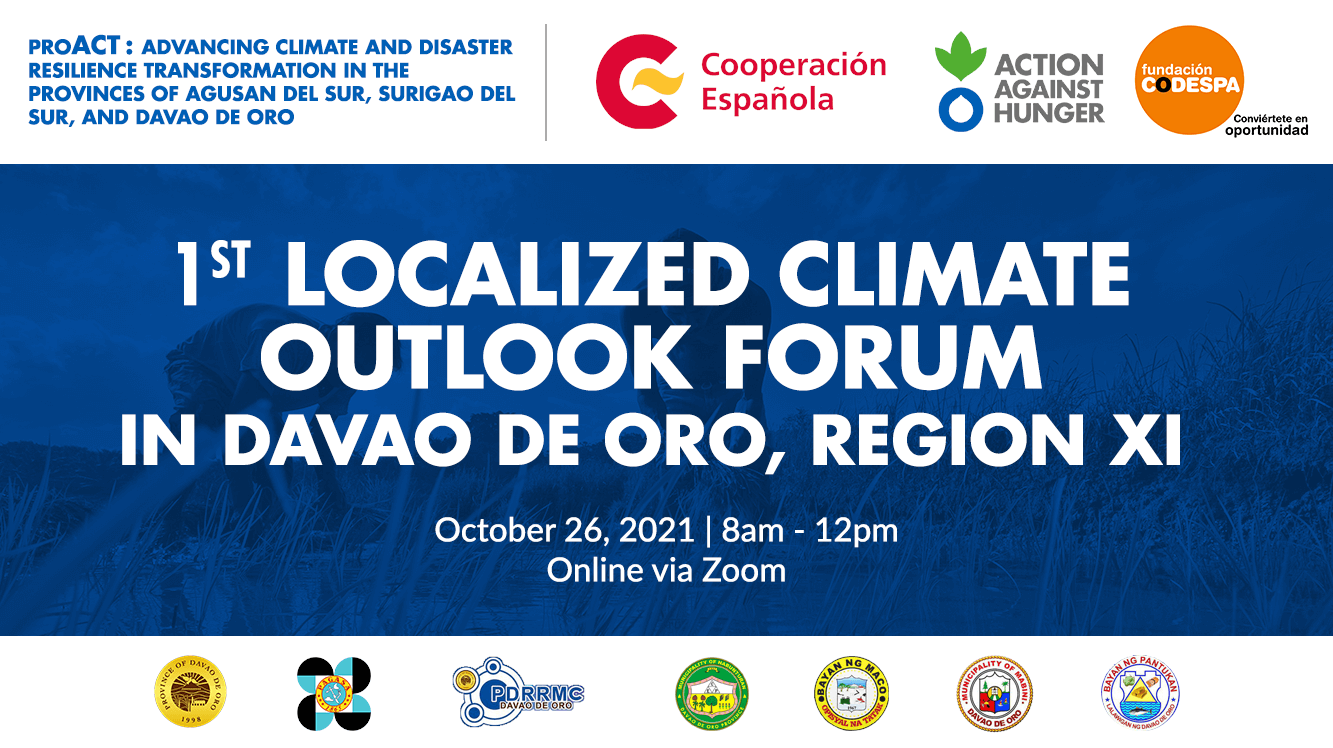
The 1st Localized Climate Outlook Forum in Davao De Oro is launched online today via zoom. This is spearheaded by the ProACT project in partnership with the Provincial Government of Davao de Oro, particularly the Provincial Disaster Risk Reduction Management Office (DRRMO) and Provincial Agricultural Office (PAGRO) together with the Department of Science and Technology – Philippine Atmospheric, Geophysical and Astronomical Services Administration (DOST-PAGASA) in Region XI.

The forum attempts to bring information on climatic conditions and changing weather patterns to the most vulnerable and most affected sectors. The goal is to strengthen resilient livelihoods by having efficient preparation for impacts of climate-related risks especially among agricultural communities and other vulnerable groups.

In compliance with COVID-19 safety protocols, the forum will be facilitated online in however, face-to-face localized and translated sessions are expected to roll out at the municipal and barangay levels once restrictions have been lifted.

Watch the 1st Localized Climate Outlook Forum in Davao De Oro


Advancing Climate and Disaster Resilience Transformation in the Provinces of Agusan Del Sur, Surigao Del Sur, and Davao de Oro’ (ProACT) is a consortium project funded by the Spanish Agency for International Development Cooperation (AECID) and implemented by Action Against Hunger & Fundacion CODESPA.

Read more

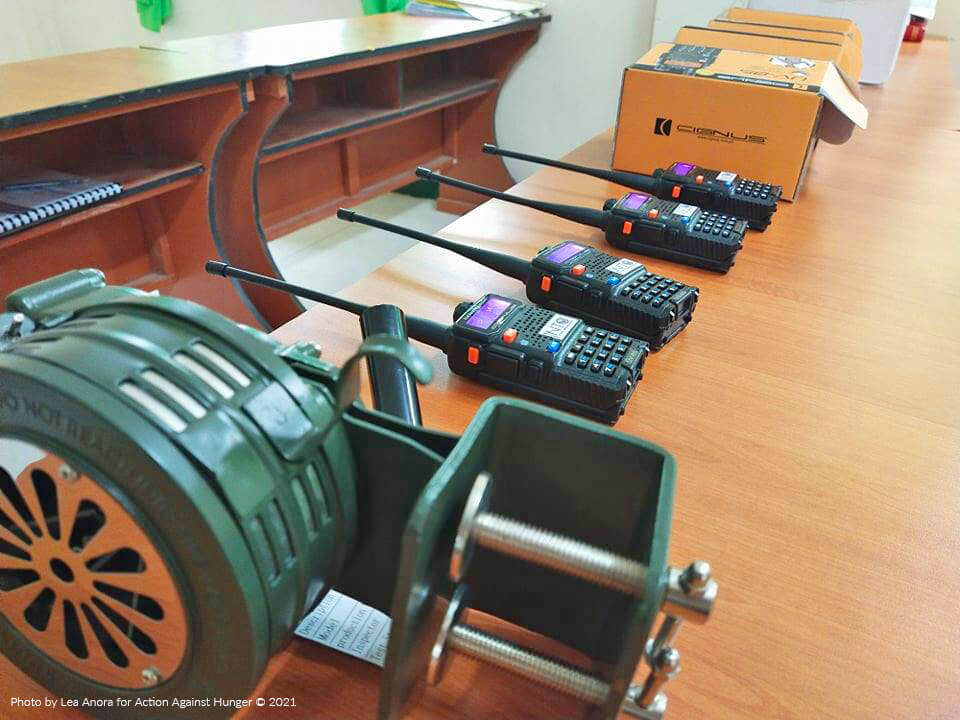
Barangays in Davao de Oro receive early warning devices

Photo by Lea Anora for Action Against Hunger (2021)

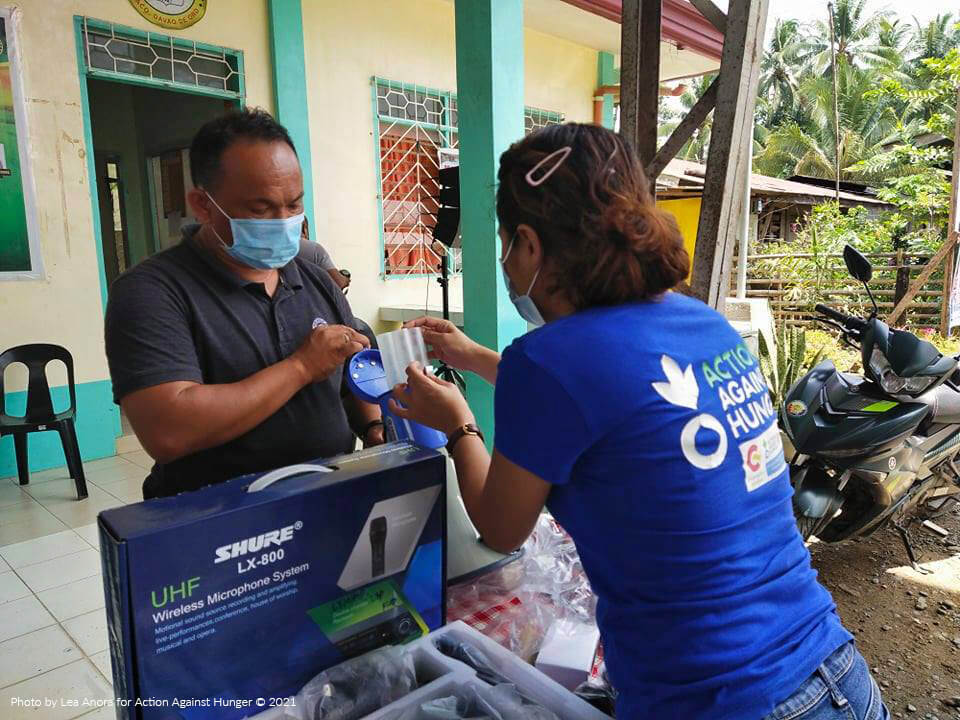
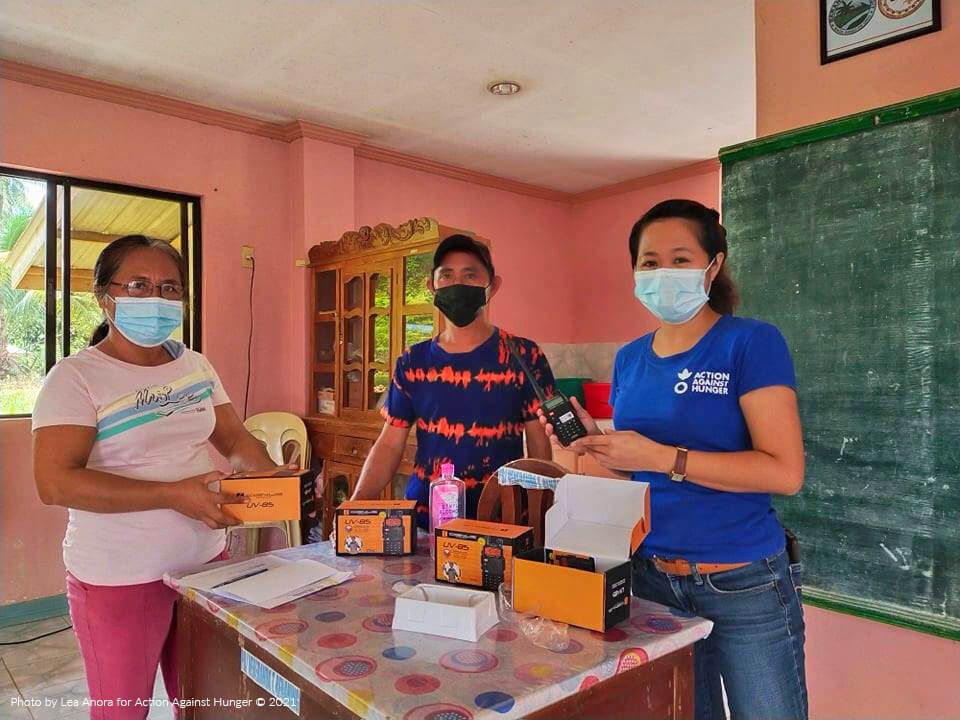
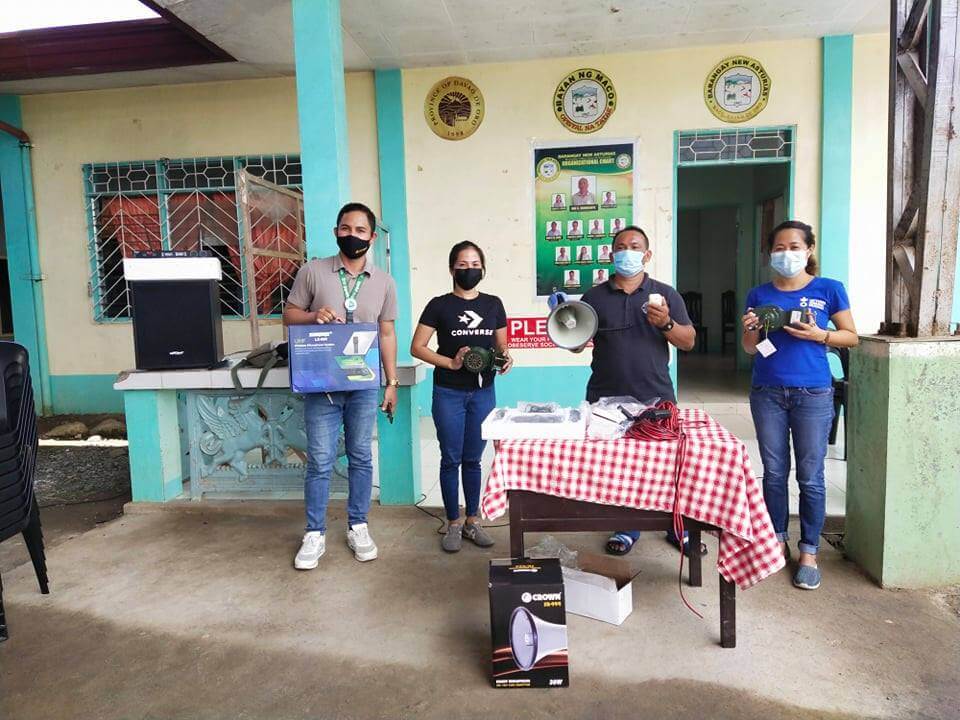
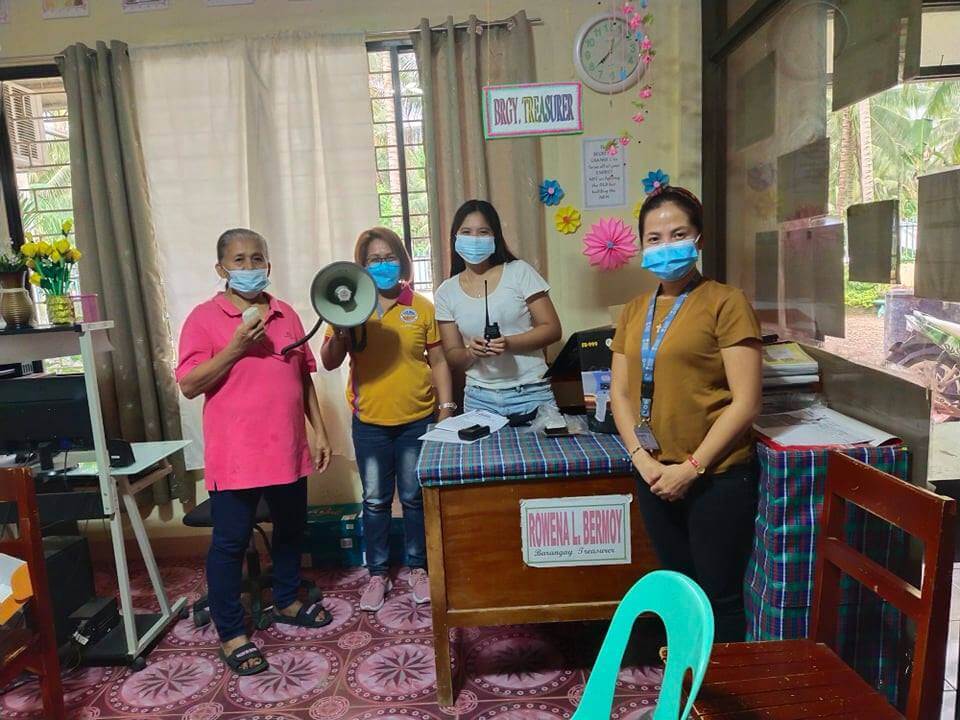
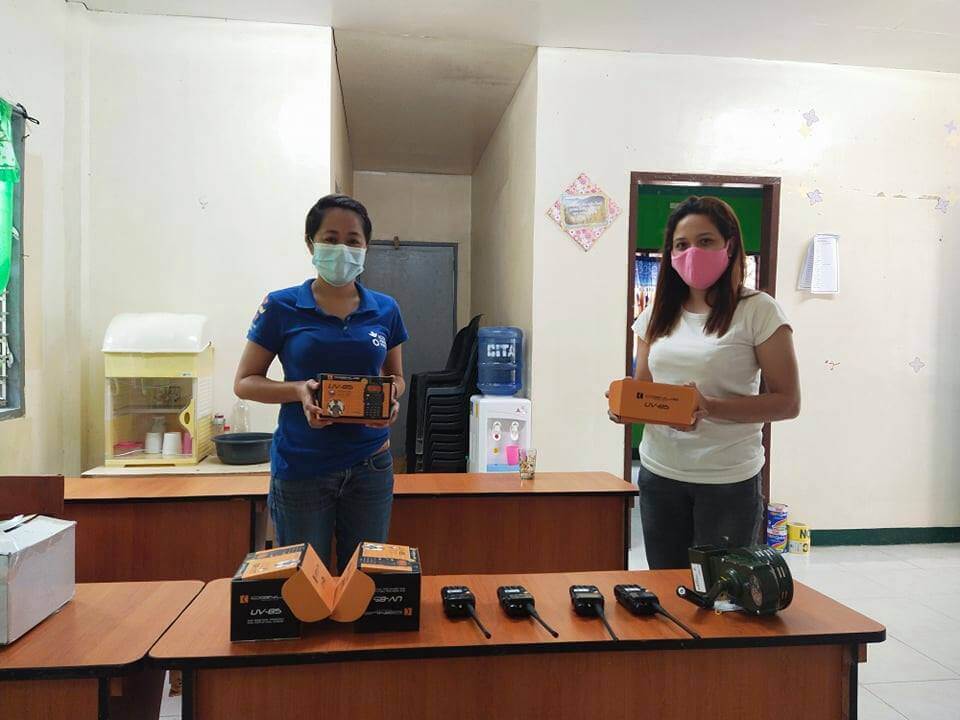
DAVAO DE ORO — Just last August 13, 2021,  twenty (20) barangays in Maco and Mabini, Davao de Oro had received early warning devices from Action Against Hunger through our ProACT Project.

Weather patterns have become unpredictable due to climate change. Many communities in the area have been experiencing various weather events and calamities. Because of this, we wanted to ensure that these communities are well informed and duly prepared in the event of a disaster.

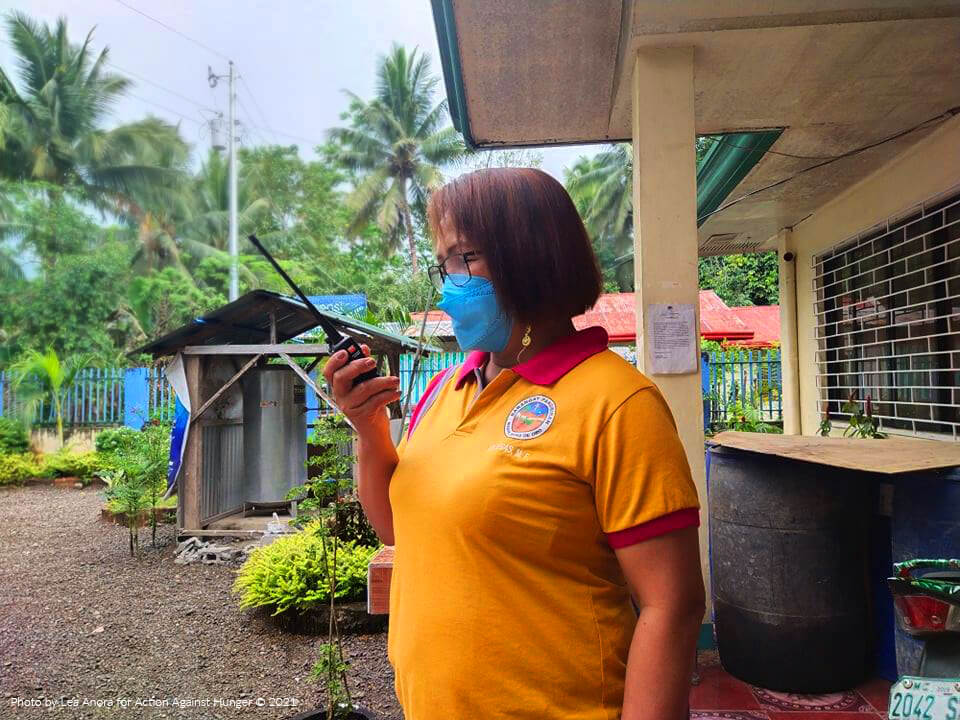
Photo by Lea Anora for Action Against Hunger (2021)

These early warning devices will be tested during community drills which are scheduled to occur within the months of August to September, during which increased rainfall will be expected.

Photo by Lea Anora for Action Against Hunger (2021)

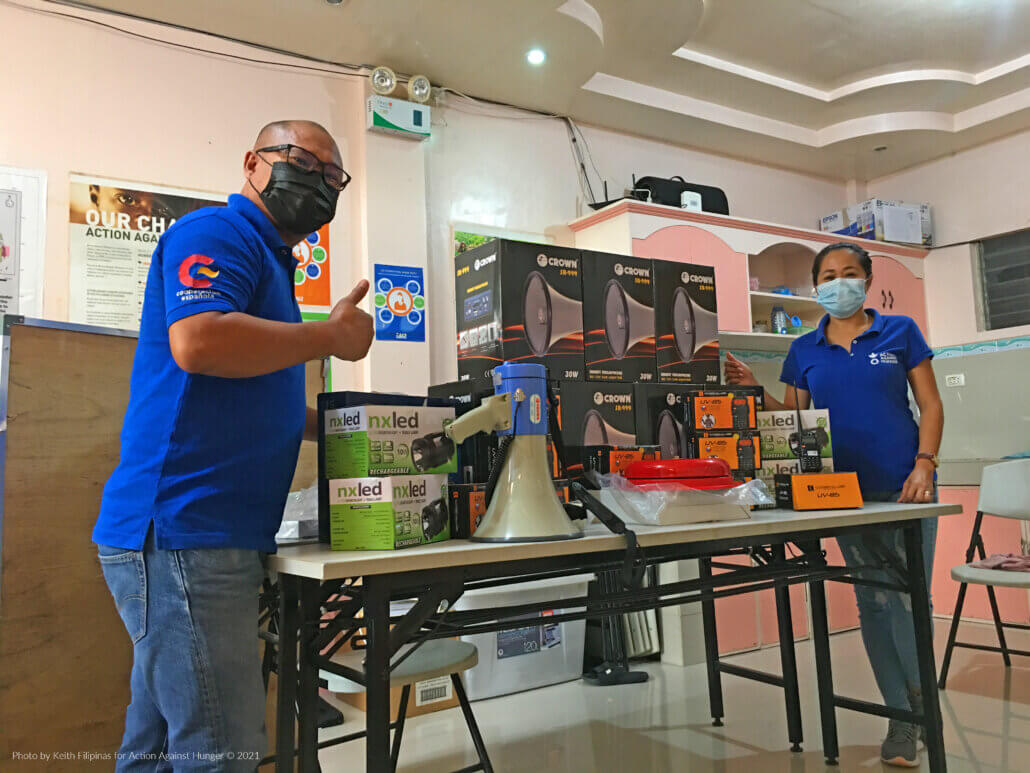
This disaster risk reduction (DRR) support is part of our commitment to building resilient communities by supporting barangays to have efficient early warning protocols, while improving the information dissemination community members and other groups, coming from the barangay level or local government units (BLGU).

Photo by Keith Filipinas for Action Against Hunger (2021)

ProACT aims to strengthen the partner communities’ capacities with regard to climate change adaptation, promotion of food security, and also income generation. To do so, the project uses a value chain approach for 3,650 families affected by disasters in the provinces of Agusan del Sur, Surigao del Sur, and Davao de Oro.

The main goal is to improve disaster, climate resilience, and socio-economic conditions of vulnerable communities we work with.


‘Advancing Climate and Disaster Resilience Transformation in the Provinces of Agusan Del Sur, Surigao Del Sur, and Davao de Oro’ (ProACT) is a consortium project funded by the Spanish Agency for International Development Cooperation or Agencia Española de Cooperación Internacional para el Desarrollo (AECID), and implemented by Action Against Hunger and Fundacion CODESPA.


Written by Vina Menez. Edited by Joyce Anne Sandajan.

Read more

ProAct spearheads ‘New Normal’ Disaster Community Drill in Davao de Oro

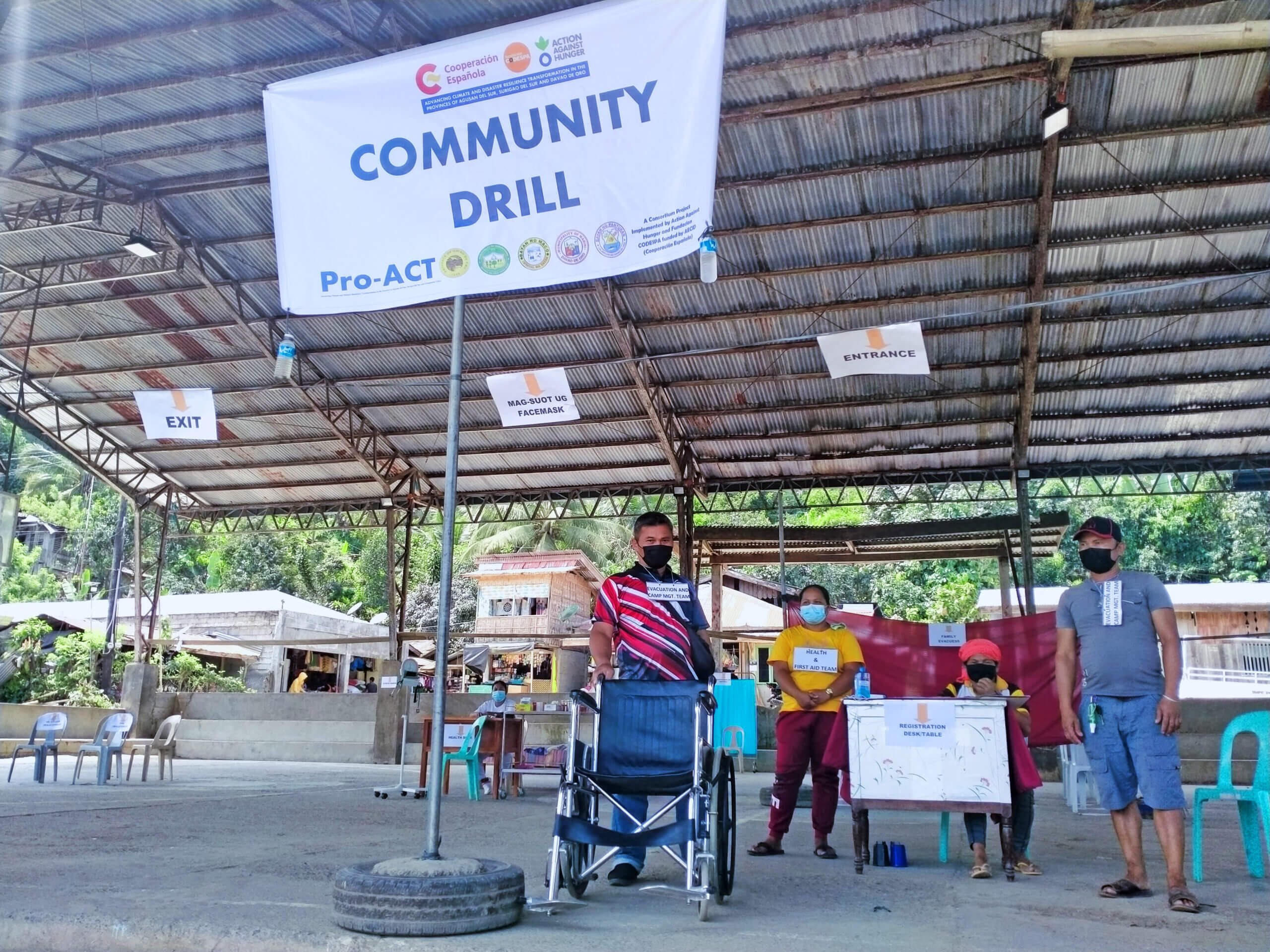
Representatives for Barangay Anitapan on stand-by at evacuation camp stations while waiting for ‘evacuees’ of the landslide simulation last July 28, 2021 | Barangay Anitapan, Mabini, Davao de Oro (Photo by Vina Menez for Action Against Hunger)

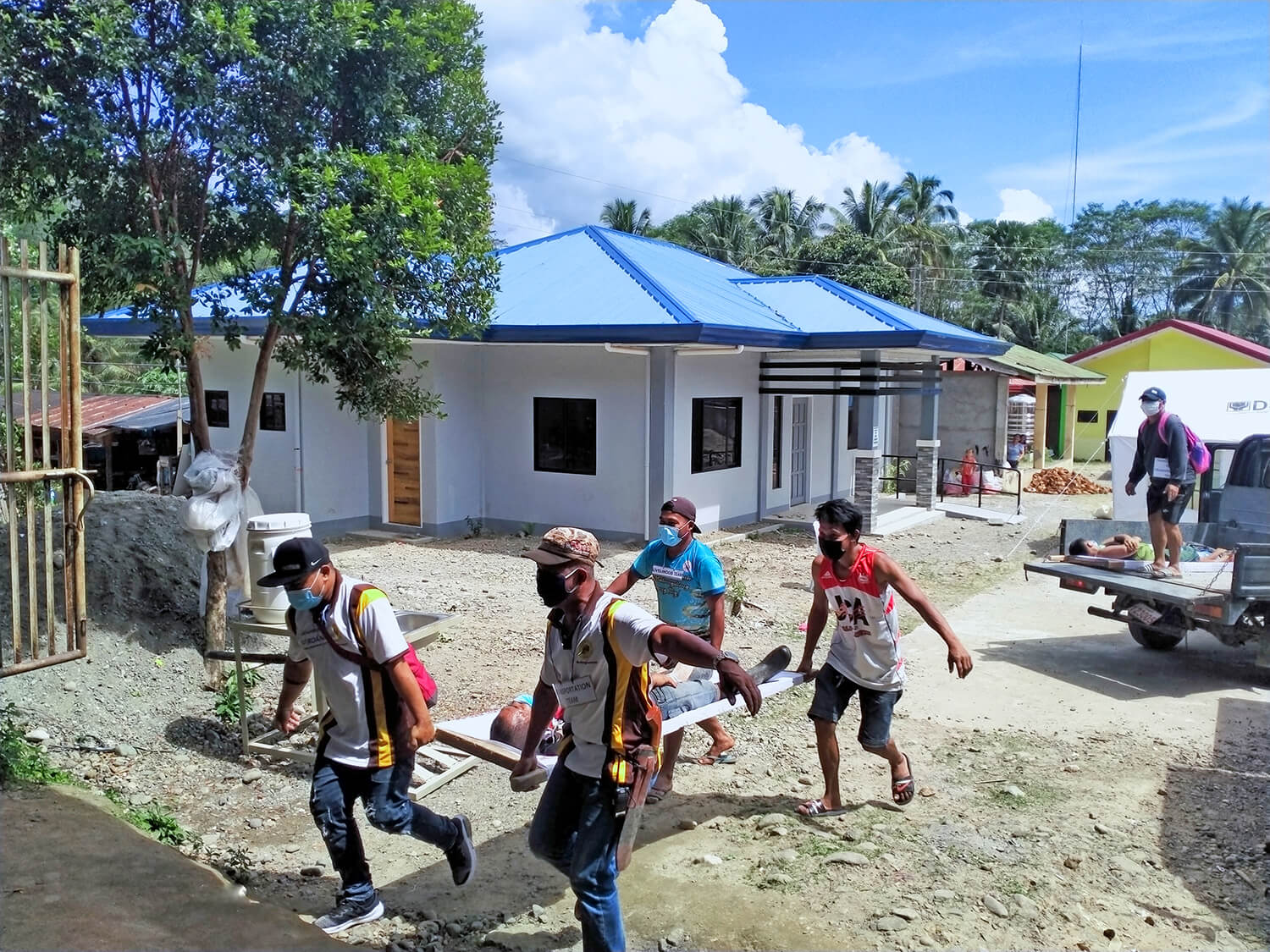
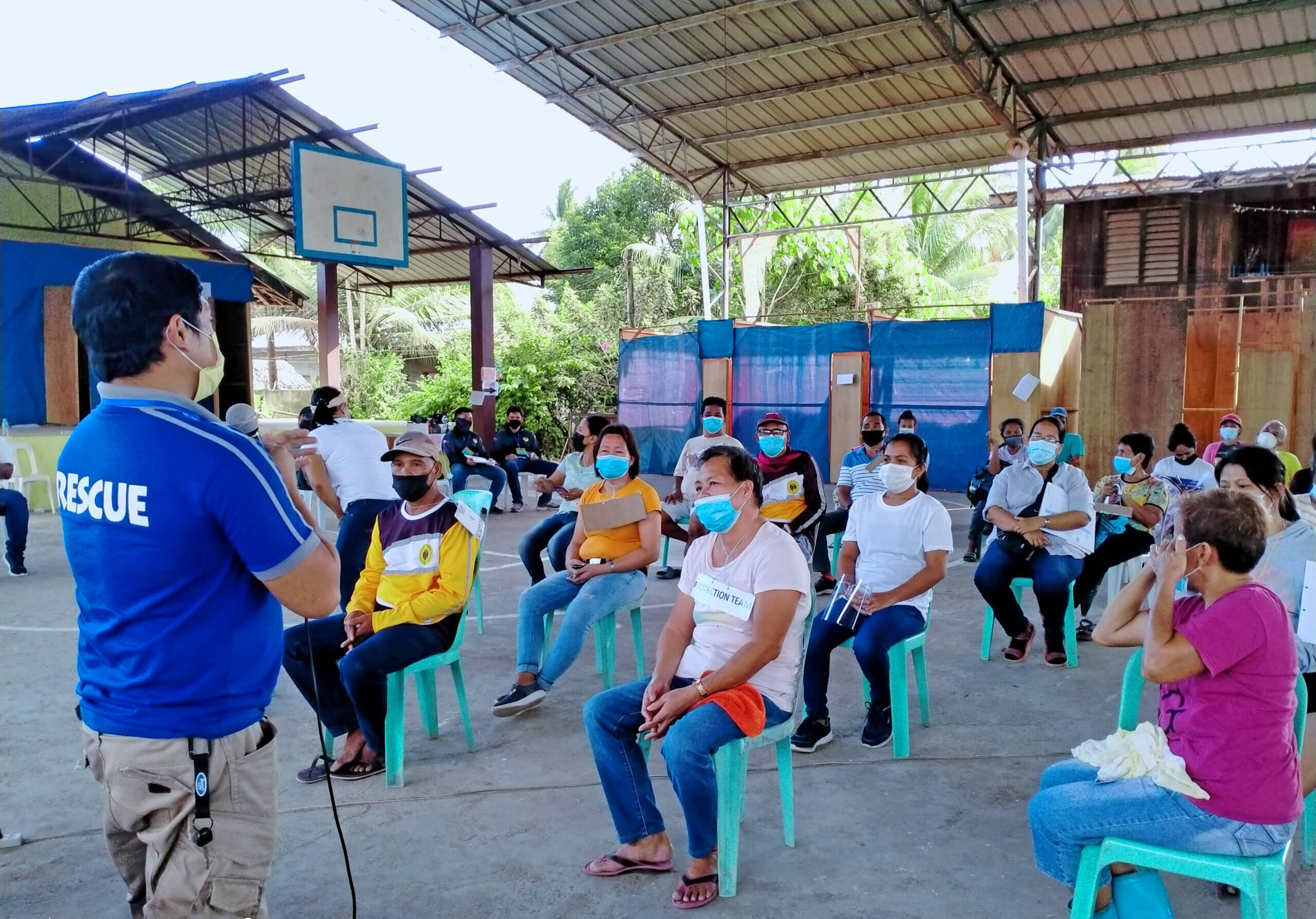
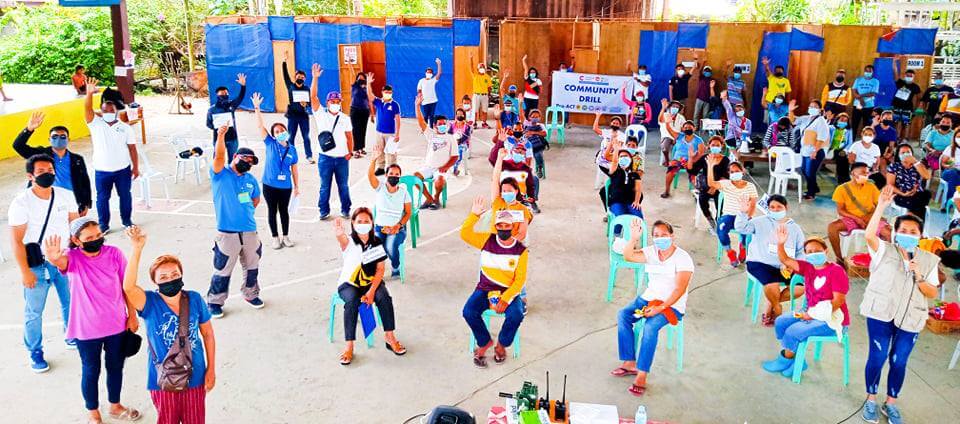
MABINI, DAVAO DE ORO — In order to increase community awareness on disaster risks, our ProAct Project team initiated an activity entitled, “Community Drill Towards a Resilient Disaster Governance in the New Normal” last July 28 and 30, 2021. This was conducted in partnership with the Disaster Risk Reduction Management Office (DRRMO) and Municipal Social Welfare Department (MSWD) of the Municipality of Mabini, Davao de Oro.

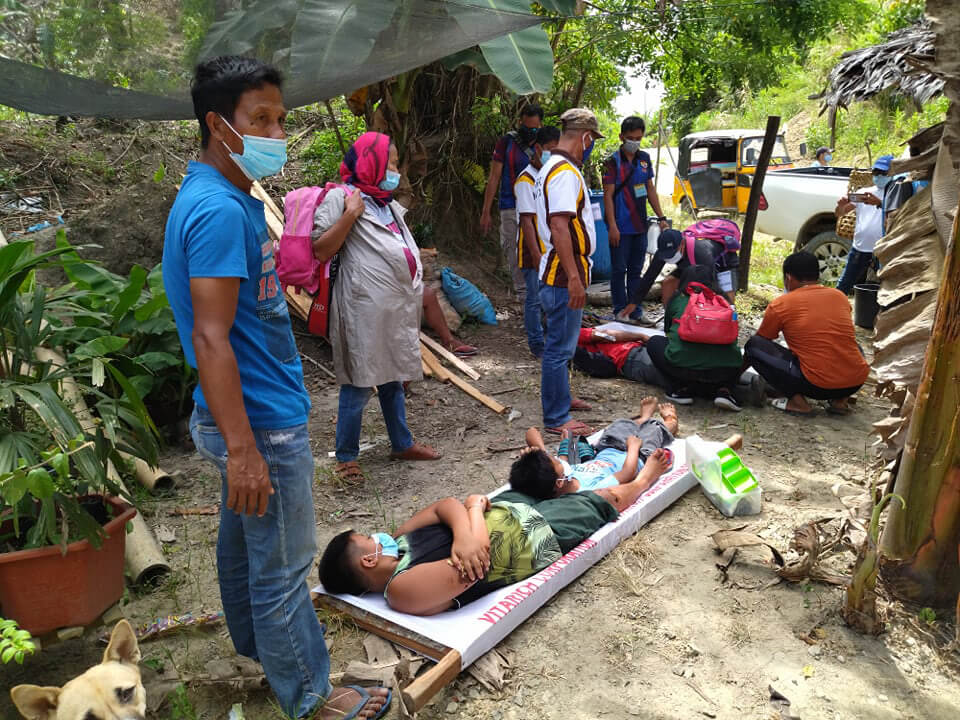
Community members of Barangay Anitapan participate in the landslide simulation during the community drill last July 28, 2021 | Anitapan, Mabini, Davao De Oro (Photo by Mark Dalin-as for Action Against Hunger)

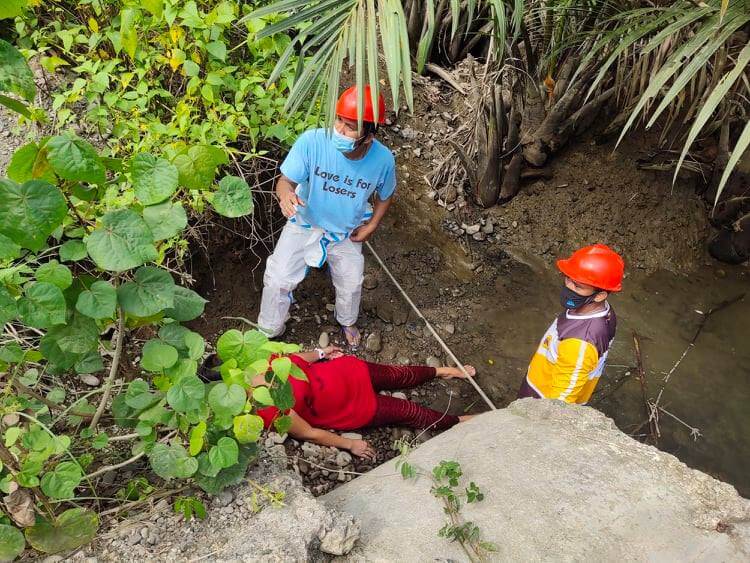
Community residents of Barangays Anitapan, and San Antonio actively participated in the simulation exercises focusing on landslides and flooding.

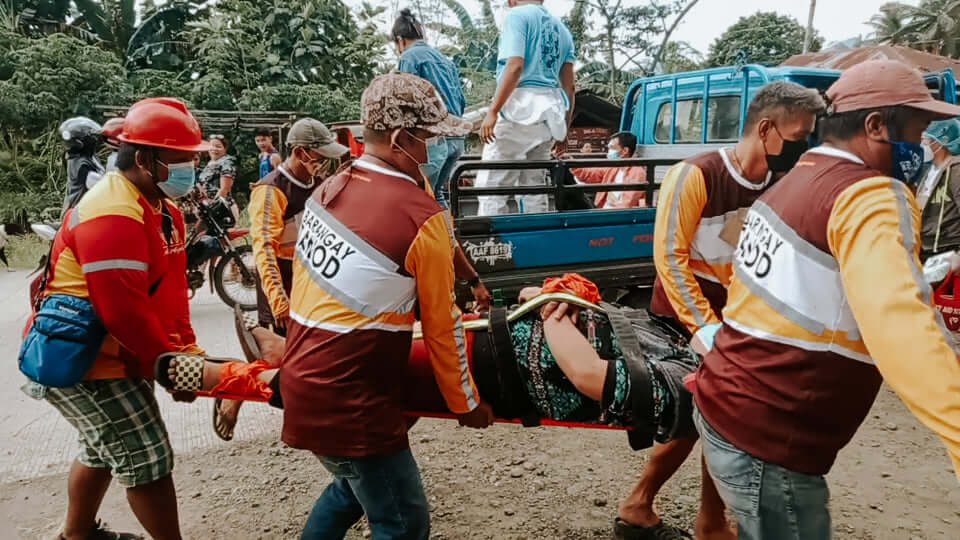
MDRRMO representatives demonstrate emergency response through a simulation during the community drill at San Antonio, Mabini, Davao De Oro | July 30, 2021 (Photo by Nino Diez for Action Against Hunger)

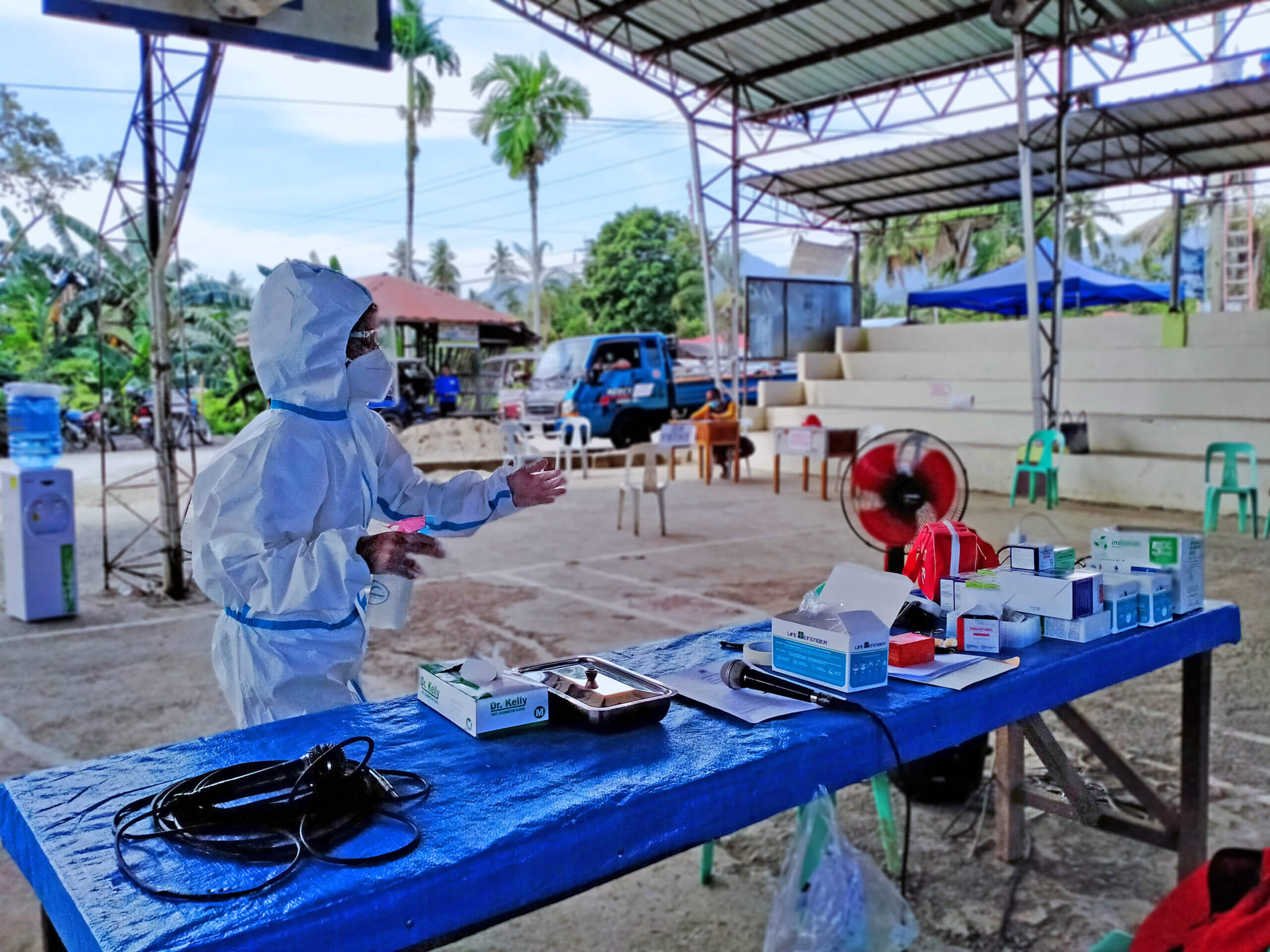
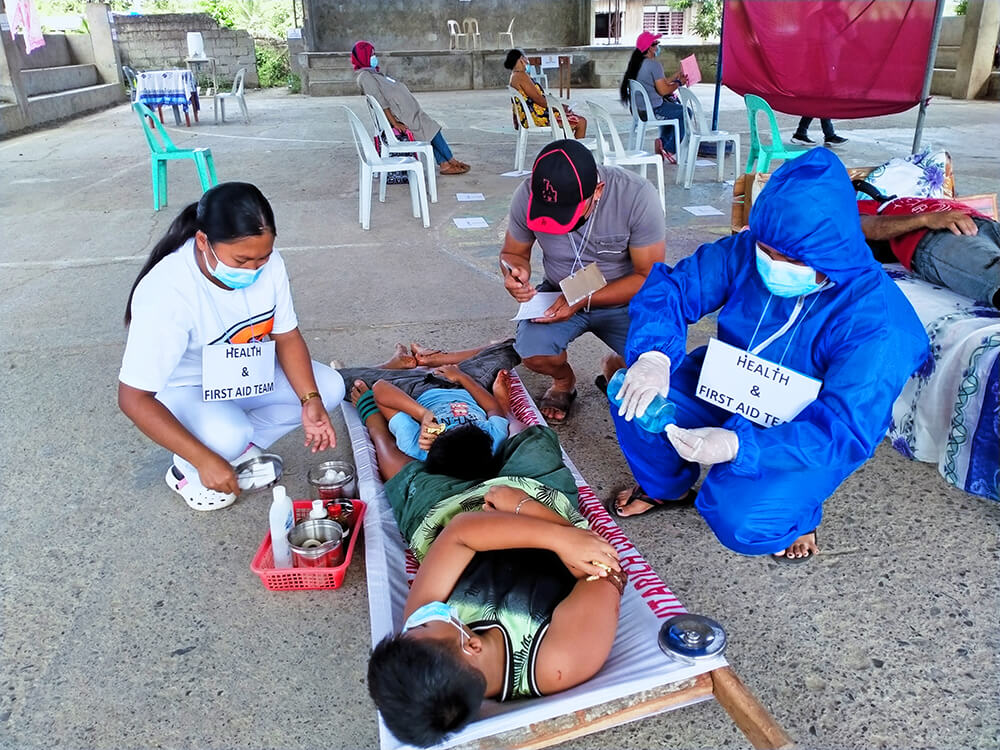
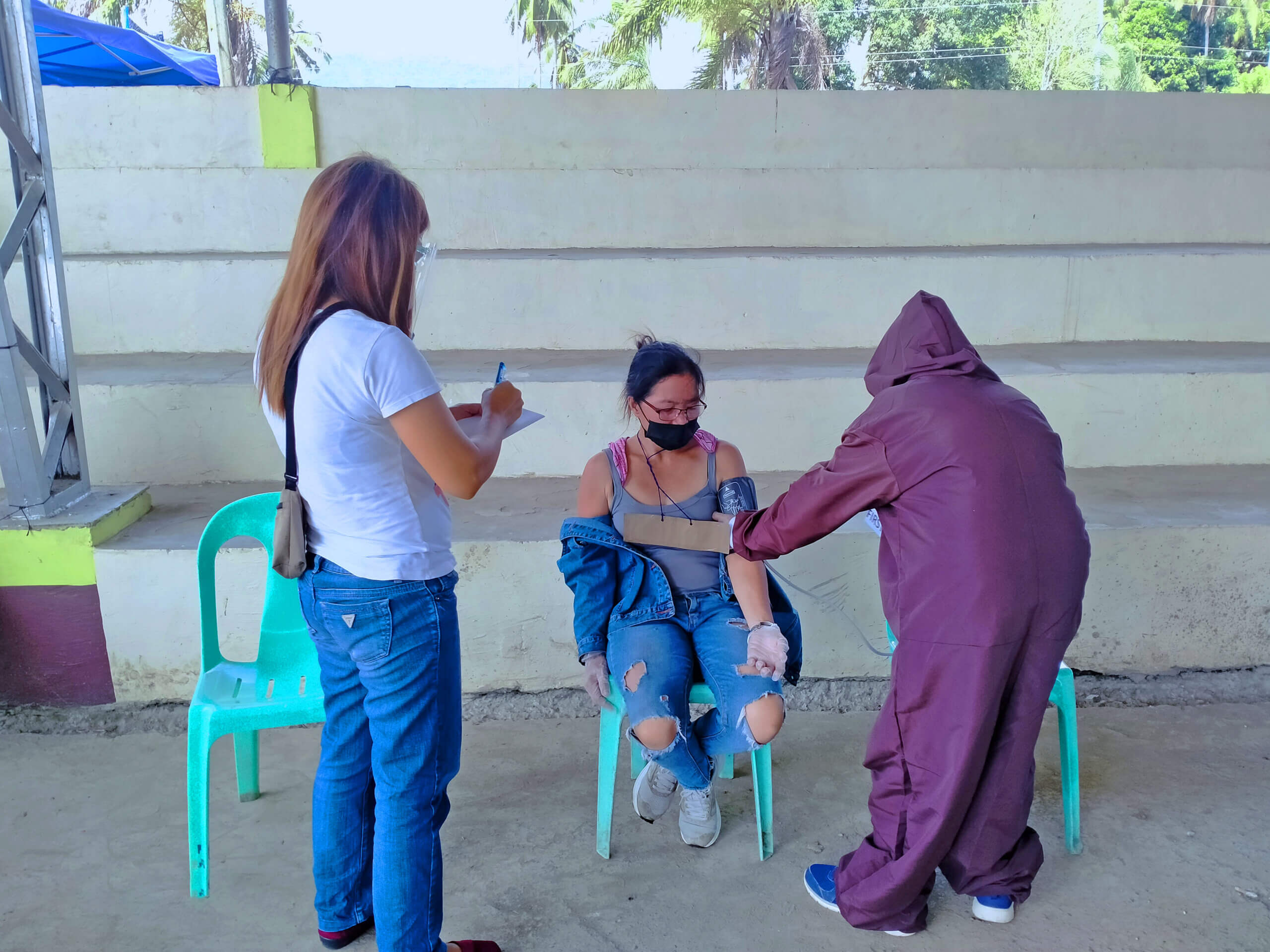
COVID-related scenarios and standard health protocols were also included in the drill to test BDRRMC’s capacity in handling multiple hazards. The early warning actions, evacuation camp and management protocols, and community responses had been assessed and evaluated using pre-designed criteria identified in the contingency plans.

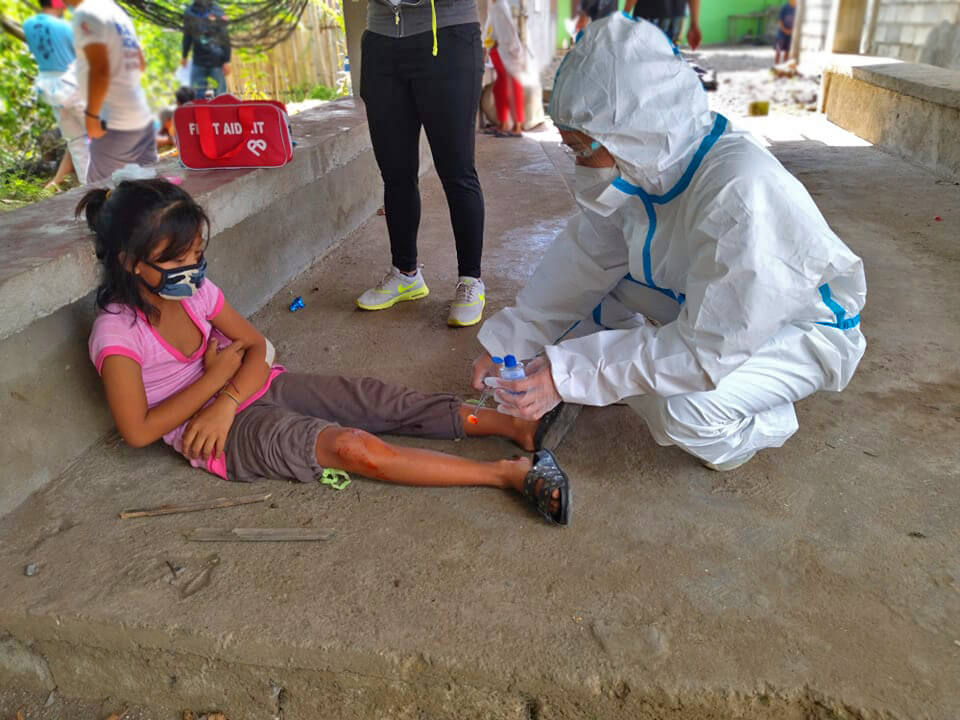
Health volunteer in full PPE during the ProACT community drill at Anitapan, Mabini, Davao De Oro | July 28, 2021 (Photo by Vina Menez for Action Against Hunger)

The activities were also held in observance of National Disaster Resilience Month 2021, putting more emphasis on strengthening the capacities of local communities for effective response, and adhering to in-depth rehabilitation and recovery efforts in the midst of a pandemic.

Simulation of emergency rescue operations during the community drill at Anitapan, Mabini, Davao De Oro | July 28, 2021 (Photo by Vina Menez for Action Against Hunger)

Advancing Climate and Disaster Resilience Transformation in the Provinces of Agusan Del Sur, Surigao Del Sur, And Davao De Oro orProACT‘ is a consortium project implemented by Action Against Hunger Philippines and Fundacion CODESPA, with funding from the Spanish Agency for International Development Cooperation (AECID).

Read more

The Alternative Resilient Livelihood Program Under Our ProACT Project Was Officially Launched During the First Sikpaw Festival Held at Tuyawan Aqua Park, Magsaysay, Nabunturan

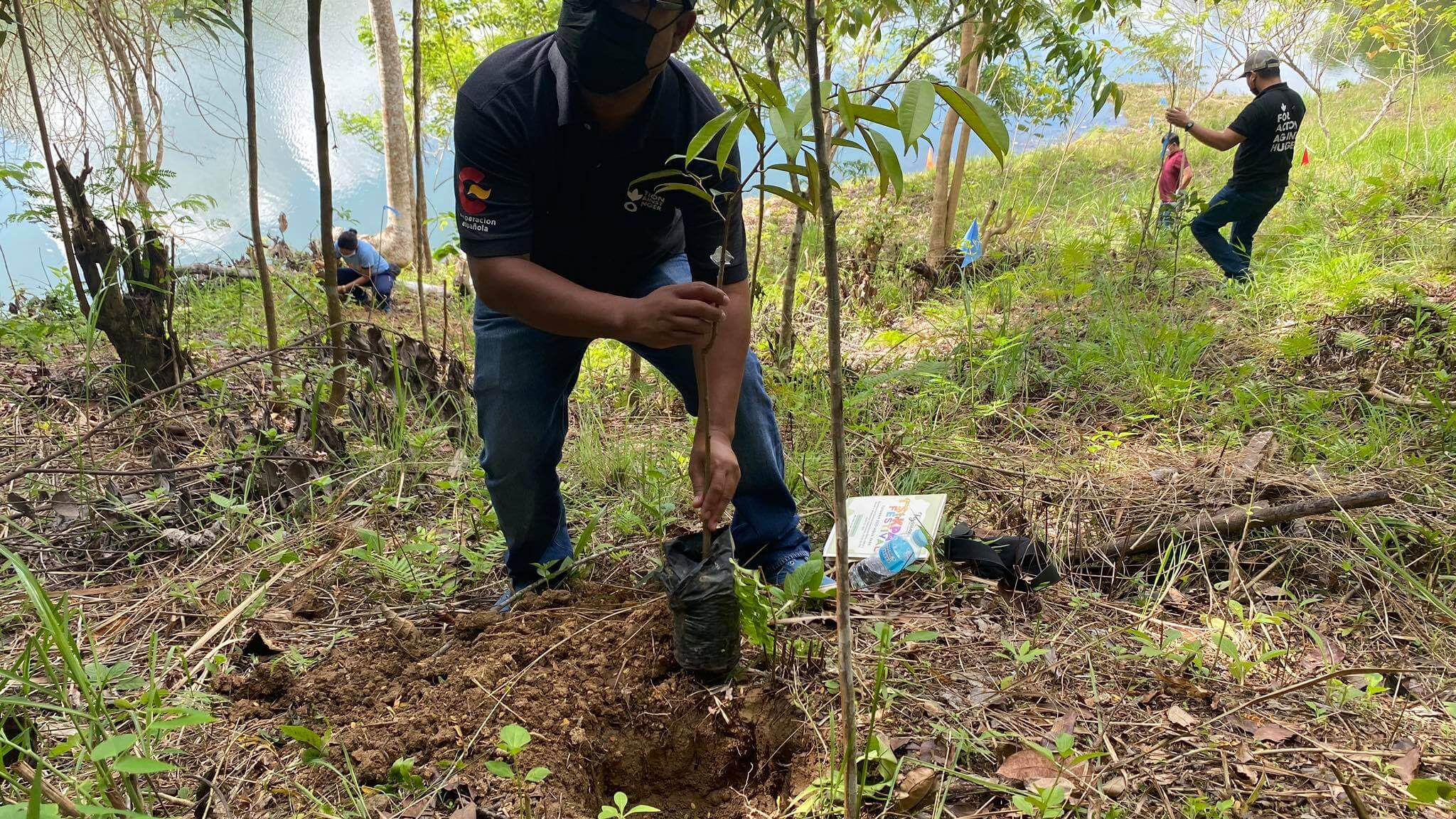
The Alternative Resilient Livelihood program under our ProACT project was officially launched last April 14, 2021, during the first Sikpaw Festival held at Tuyawan Aqua Park, Magsaysay, Nabunturan.

The festival is derived from the local term ‘Sikpaw’, which in Nabunturan means “harvesting using fishnets.” The concept originated from the Municipal Agriculture Office of Nabunturan in 2020 with support from ProAct and the local government unit of Barangay Magsaysay. It wasn’t until this year that the concept had come to fruition through the efforts of government agencies, private organizations, and local government units.

A series of livelihood technologies and services were introduced during the festival which includes tilapia harvesting and processing—a venture that will be supported by Action Against Hunger Philippines in coordination with the DTI PhilippinesDepartment of Labor and Employment – DOLE and TESDA.

ProACT is a consortium project implemented by Action Against Hunger Philippines and Fundación CODESPA, with funding from AECID Philippines.

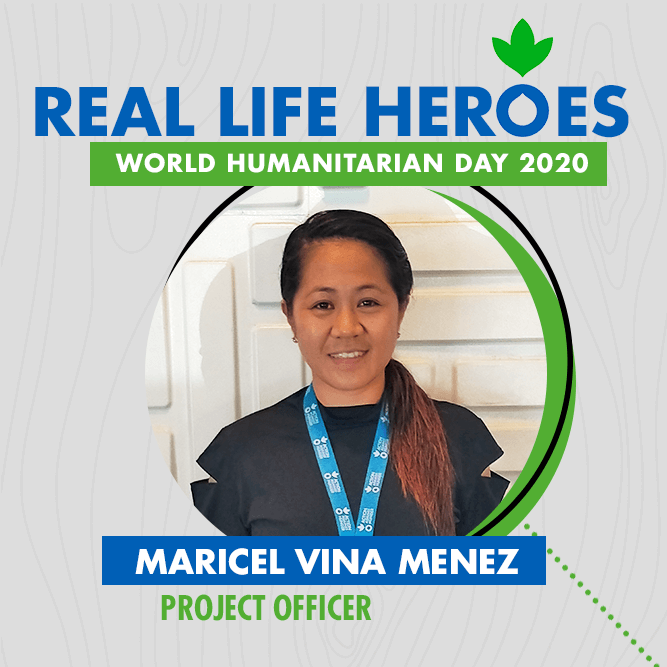
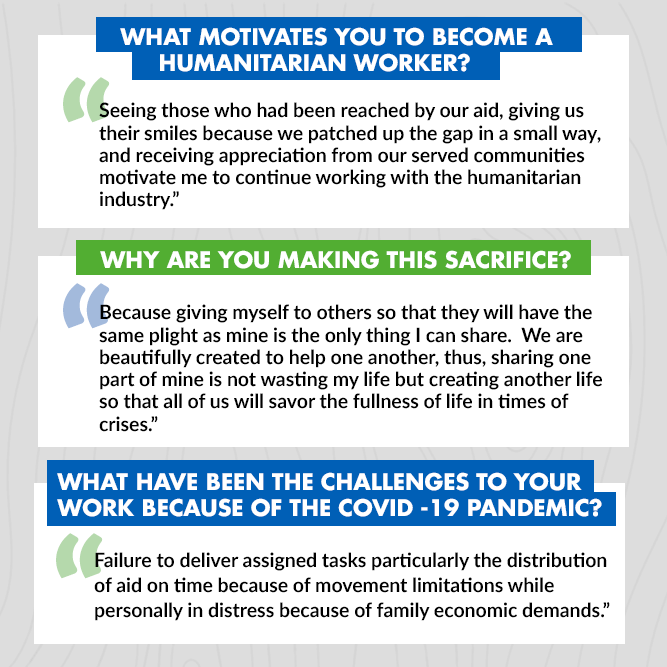
In celebration of #WorldHumanitarianDay, meet one of our #RealLifeHeroes: Maricel Vina Menez

Meet Maricel Vina Menez. As a Project Officer, she takes charge of our ProACT project in the Province of Agusan del Sur, Surigao del Sur and Compostela Valley.  In celebration of #WorldHumanitarianDay, we honor Vina as a humanitarian worker and one of the many #RealLifeHeroes by sharing her story.


Read more

STORIES FROM THE FIELD: A WOMAN’S INITIATIVE TO SUPPORT FELLOW EVACUEES

Malou Mendoza-Mamerto is an evacuee residing in the improvised evacuation center at Barangay Poblacion in Talisay, Batangas. She stepped up and volunteered to manage the 150 families staying in their camp. As a volunteer camp manager, Malou posted a call for help on social media to raise awareness on their current situation to potential donors. Because of her initiative, their camp received several donations and even temporary shelters built to house pregnant and lactating women, children, senior citizens, and differently-abled individuals. As the camp leader, Malou takes initiative in referring her fellow evacuees to nearby health centers and clinics in case they need medical assistance.

Malou used to live in Pulo, Talisay, Batangas with her husband and three kids prior to the eruption of the Taal Volcano. She worked as a vendor and often made a living out of the thriving tourism in the area. Now, they are living in an improvised evacuation center in Poblacion, Talisay, Batangas with no stable source of income. She mentions that their current situation in the camp is quite difficult especially for the women in terms of privacy in sanitation facilities, but she says that everyone eventually helps each other out.

As a mother, Malou also worries that she cannot give the same amount of time and attention she gives to her children prior their evacuation especially since the situation has urged Malou to have two of her children stay with their relatives for the mean time. “As much as I would like to look for a job so that we can have some income and I could provide my children’s needs, it’s hard,” she said, explaining that the entire camp’s needs have kept her preoccupied.

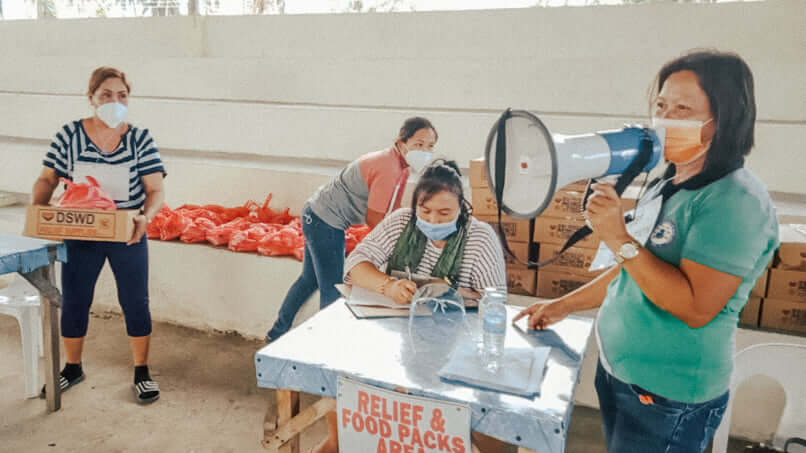
Malou’s family is one of the 2,697 families who received emergency humanitarian WASH assistance from Action Against Hunger through the funding of the Spanish Agency for International Development (AECID). Food packs and hygiene kits were also provided to 801 individuals through the support of Grab Philippines.

The Taal Volcano is the second most active volcano in the Philippines. On the afternoon of January 12, 2020, the Philippine Institute of Volcanology and Seismology (PHIVOLCS) detected increasing activity of the Taal Volcano causing heavy ashfall, volcanic tremors and lightning, and lava fountains. This affected approximately 468,000 people. Our Mission Emergency Response Team (MERT) was immediately on the ground on January 15 to conduct an assessment in Batangas province to assess the immediate needs of evacuees.

OMPONG LEAVES TRAIL OF DEVASTATION

In the morning of September 15, Sinamar’s home in Barangay Camp 3 of Tuba, Benguet was caught in a landslide due to Typhoon Ompong. Sinamar, her husband Dennis, their 6-year-old son and other relatives managed to safely evacuate the area. Unfortunately, they also lost a family member as Dennis’ aunt was initially trapped under the eroded soil that buried her home. Four months after their ordeal, Sinamar and her family were left without a home and had to temporarily reside in the evacuation center located at their Barangay’s elementary school.    “We couldn’t pass through the main road because it was already eroded by then, so we climbed through the mountain despite the landslide. When we got to the hospital, we stayed there for a week because the children were traumatized,” recalled Sinamar.

Fifty-five-year-old Editha had a similar experience as she, her husband Philip, and their 3 youngest children had to leave their home after the typhoon left damages to their area. They, along with several other families, were no longer allowed to return to their home in Barangay Gumatdang, Itogon, Benguet after it was categorized as part of the danger zone. This left them no choice but to rent a house nearby at ₱3,000 per month. Before Ompong, Philip used to have a stable income by working in the mines. Since the mines needed to be closed for safety purposes, for the time being he creates soft reed brooms which Editha sells in the city. Editha also takes laundry and cleaning jobs as added income. “I hope there won’t be another typhoon like Ompong. Right now, I just wish we’ll be able to go back to our old home so that we won’t have to pay monthly rent,” said Editha.

Editha shares her story how they had to evacuate from their home after a landslide occurred in their neighborhood due to Ompong.

Typhoon Ompong, internationally referred to as Mangkhut, made landfall on September 15, 2018 as a category 4 typhoon with sustained wind speeds of over 200 km/h and gusts of up to over 300 km/h.  The large diameter of the typhoon, close to 900 km, affected Regions I, II, III, Cordillera Administrative Region (CAR), IV-A, IV-B and Metro Manila. Damages to infrastructure and agricultural resulted to an estimated 33.9 Billion Pesos – the 4th costliest typhoon in Philippine history.

The families of Sinamar and Editha including more than 2.14 Million individuals were affected by the typhoon. The landslides proved fatal for families in Benguet, with a total of 71 deaths and 50 injuries confirmed by the National Disaster Risk Reduction and Management Council (NDRRMC).

Action Against Hunger’s Mission Emergency Response Team were on the ground immediately after Typhoon Ompong made landfall and assessed the humanitarian needs of the affected communities in Benguet from September 15 to 20 and have since provided necessary interventions thereafter since provided necessary interventions. Sinamar and Editha’s families were some of the beneficiaries that were given hygiene kits and financial aid as part of Action Against Hunger’s water, sanitation and hygiene (WASH) and food security, & livelihood (FSL) projects funded by the Spanish Agency for International Development Cooperation (AECID), European Union – Civil Protection & Humanitarian Aid (ECHO), and the United Nations Children’s Fund (UNICEF). ●


VALUING PWD’S CAPACITIES IN MANAGING RESILIENT LIVELIHOOD OPPORTUNITIES

Epitacio, 53 years old and a father of three, has been living with optimism despite his physical deformities. He is a polio survivor, a disease that attacks the nervous system leading to paralysis. Despite his condition, Epitacio was determined to live like a normal person and strived hard to provide food and other basic needs to his family. He is an elected councilor of Barangay Balete and the federation president of Bayabas Special Persons Organization (BASPO).

“My husband is a good provider because he accepts carpentry works, shoe repair and did hair cutting just to provide our needs. Even both of us are working, still it is difficult to catch up the needs of our children,” says Morninggrace, wife of Epitacio.

As voice of persons-with-disabilities, he started the lobbying for an income generating project for BASPO years ago. He talked with

government agencies and private organizations about the condition of his members and their hopes to have an extra source of income. But because of limited funds, his requests were denied. Action Against Hunger introduced the concept of resilient livelihood under the Disaster Risk Reduction and Management – Climate Change Adaptation (DRRM-CCA) project funded by Spanish Agency for International Development Cooperation (AECID). BASPO was chosen based on their identified needs, existing capacities, availability of managed projects and recommendations of the Local Chief Executive.

“It was our first time to be involved in discussion like this asking about our needs, views and opinions on our desired livelihood. We

appreciate consultations and sharing like these as we realized that we are part of the community also, not as hopeless people but capable individuals that can contribute in any community undertakings,” explains Rene Dumanhog, treasurer of BASPO. After exploring various livelihood options suitable for persons-with-disabilities, a community-based mushroom production was chosen and formally started last April 19, 2018. As pilot, 30 members and immediate family members of BASPO were trained on tissue culture, spawn making, substrate making, bagging, monitoring and harvesting.

To date, an aggregate volume of 13 kilos have been harvested out of the 390 fruiting bags and gained about Php 2,600.00. Members

including Epitacio are appreciative of their efforts because they are beginning to savour the fruits of their labor. Initial profit was used for motorcycle maintenance that has been mobilized for rice straw gathering and other operational expenses like replenishment of fruiting bags.

To ensure resiliency during emergencies, a Community-Managed Savings and Credit Association (CoMSCA) was adopted to encourage the culture of savings among members. Part of the savings mechanism is to establish a social fund that will be pulled out in times of need aside from the individual savings. Epitacio further says that “I am hopeful that this livelihood project will help us augment our income to and to increase our participation as vulnerable group in disaster risk reduction activities of the municipality.”

Action Against Hunger is working closely with the Municipal Mayor’s Office, Municipal Agriculture Office and Municipal Social Welfare and Development Office (MSWDO) to expand the production facility particularly the construction of laboratory, incubation and sterilization areas. Trainings on financial management, product development and roll-out of savings mechanism are also pipelined to be implemented by month of May 2018 aside from marketing and product development activities. ●