
From Research to Resilience: A New Partnership for Climate Action in Zamboanga City
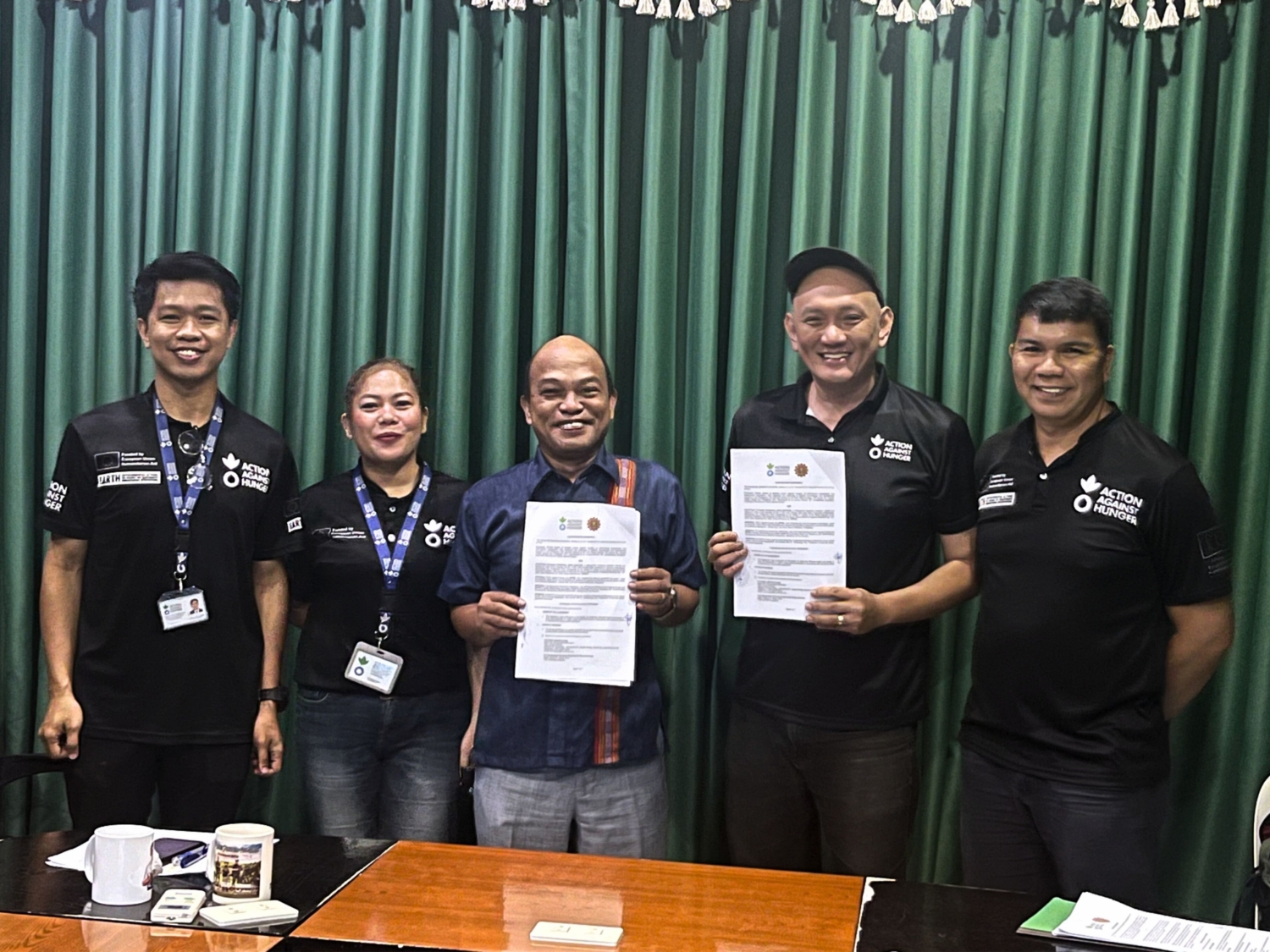
ZAMBOANGA CITY ─ Action Against Hunger and Zamboanga Peninsula Polytechnic State University (ZPPSU) have formalized a partnership under the Environmental Actions for Resilience and Transformative Humanitarian Interventions (EARTH) Project to advance science-driven, community-led climate solutions in Zamboanga City.
Led by Action Against Hunger and funded by the EU Civil Protection and Humanitarian Aid Operations, EARTH is a pilot initiative that integrates environmental safeguarding and ecosystem restoration into humanitarian action.
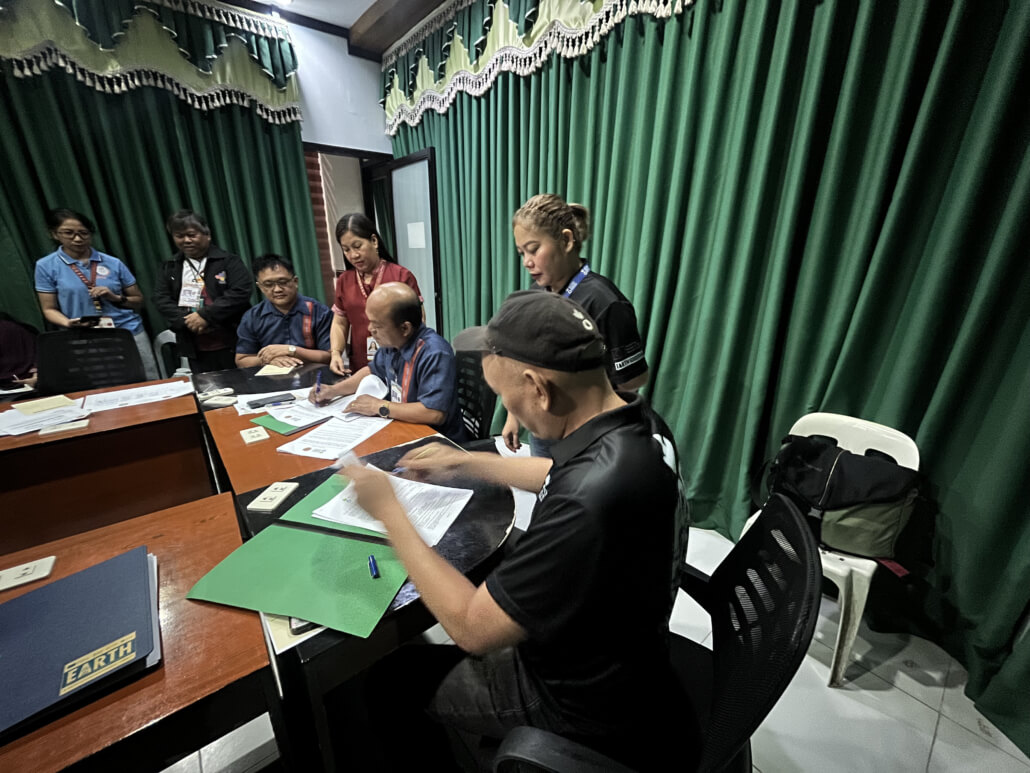
Through this collaboration, academic expertise and humanitarian practice come together to design, test, and implement nature-based solutions, including rainwater harvesting systems, mangrove nurseries, floating wetlands, and improved waste management infrastructure.
The partnership strengthens research, capacity building, and shared learning to ensure that innovations are evidence-based, locally owned, and scalable. By linking people-centered approaches with environmental action, EARTH aims to reduce climate and environmental risks, restore critical ecosystems, and strengthen the resilience of coastal and urban communities.
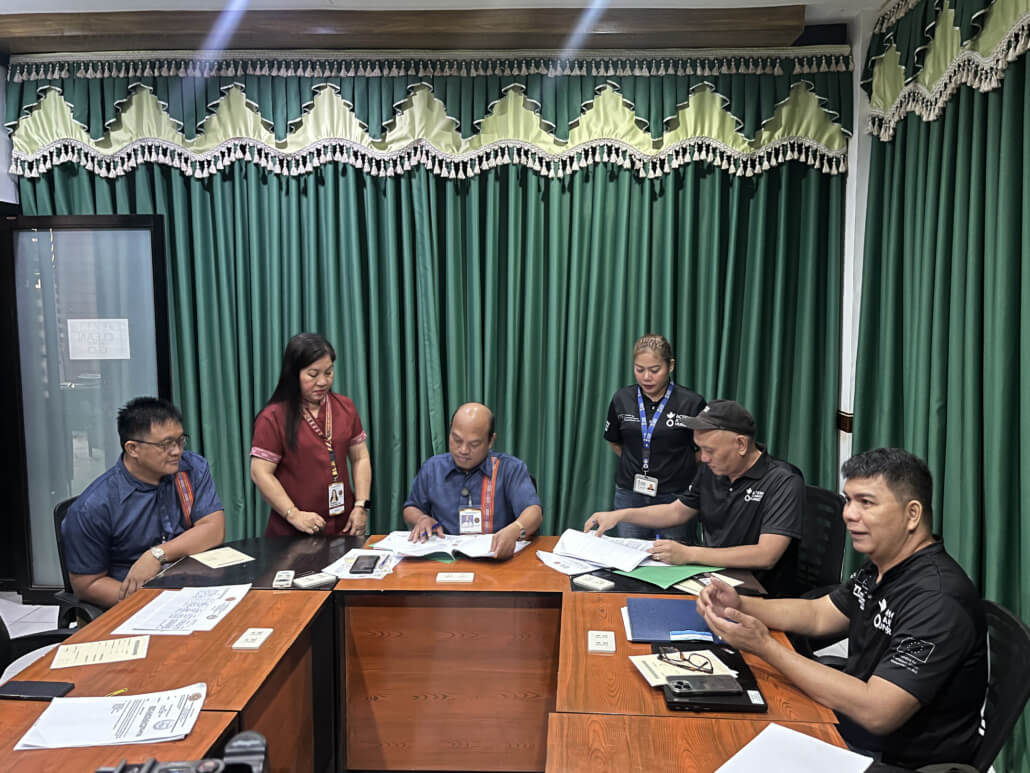
Photo by Engel Merl De Villa
The project is co-implemented with CARE Philippines and ACCORD in Malabon City, contributing to shared learning and models that can be adapted and replicated in other urban contexts nationwide.
About EARTH
The Environmental Actions for Resilience and Transformative Humanitarian Interventions (EARTH) project is a pilot initiative that integrates environmental safeguarding and restoration strategies into humanitarian action in the cities of Zamboanga and Malabon. Implemented by Action Against Hunger, CARE Philippines, and ACCORD, and funded by the EU Civil Protection and Humanitarian Aid, the two-year, community-led project strengthens urban resilience through people-centered, multisectoral, nature-based solutions.
EARTH promotes a nature-based solution model that integrates mangrove reforestation, solid waste management, water conservation, and sustainable livelihoods—reducing environmental risks while restoring vital ecosystems.