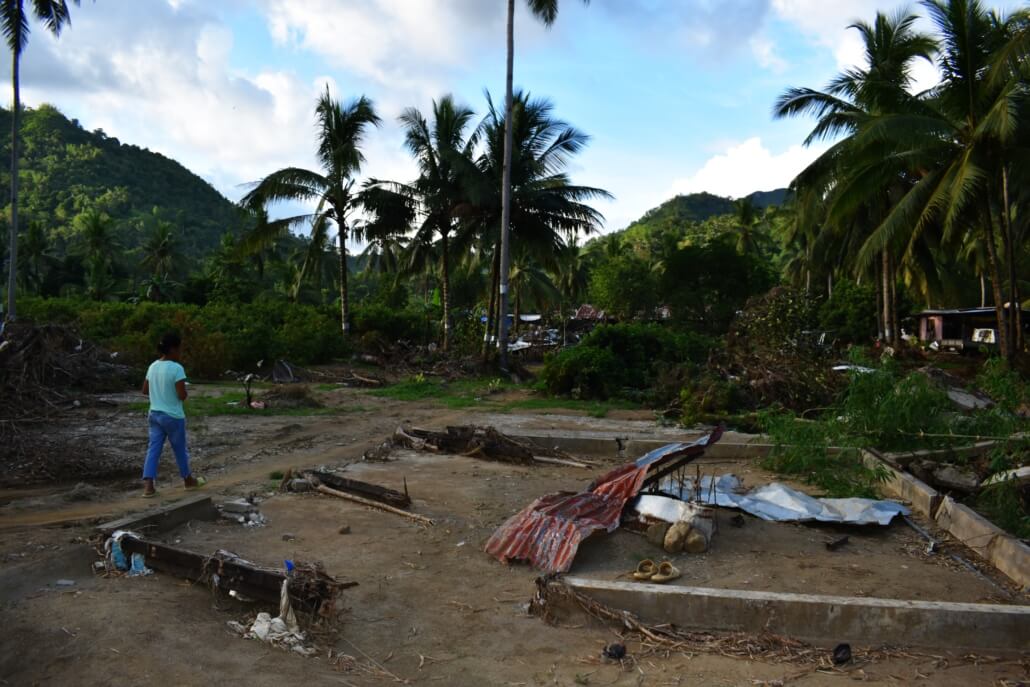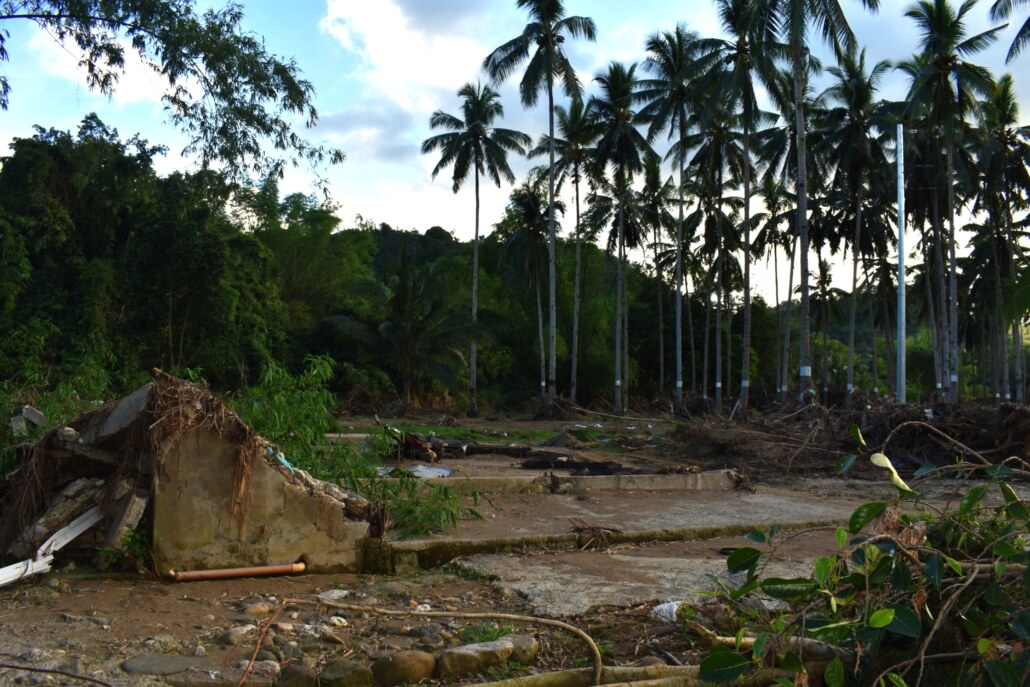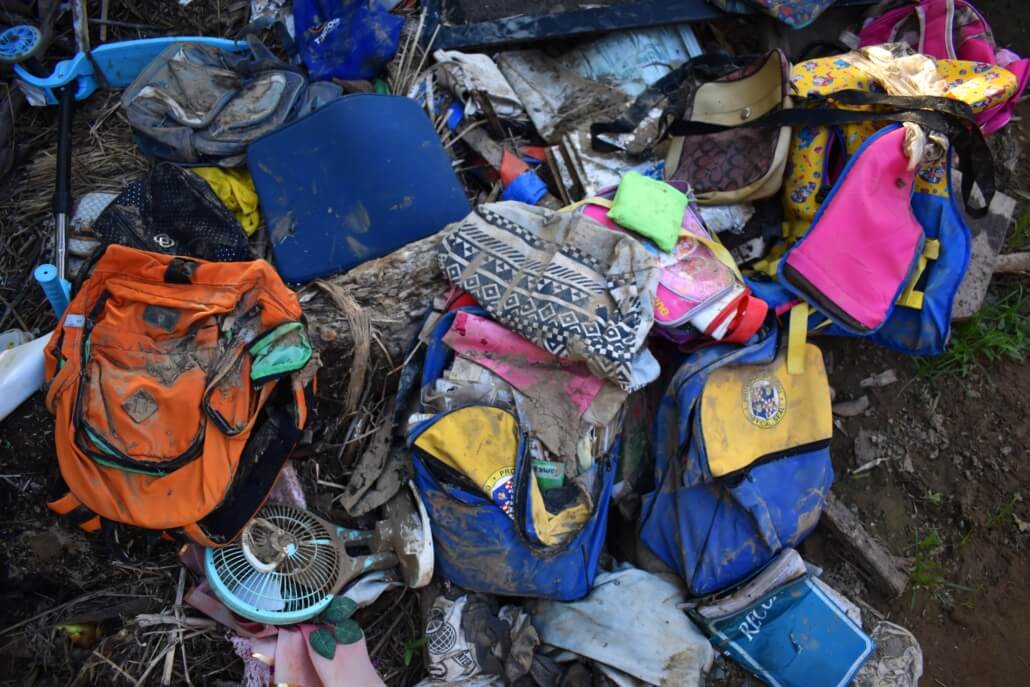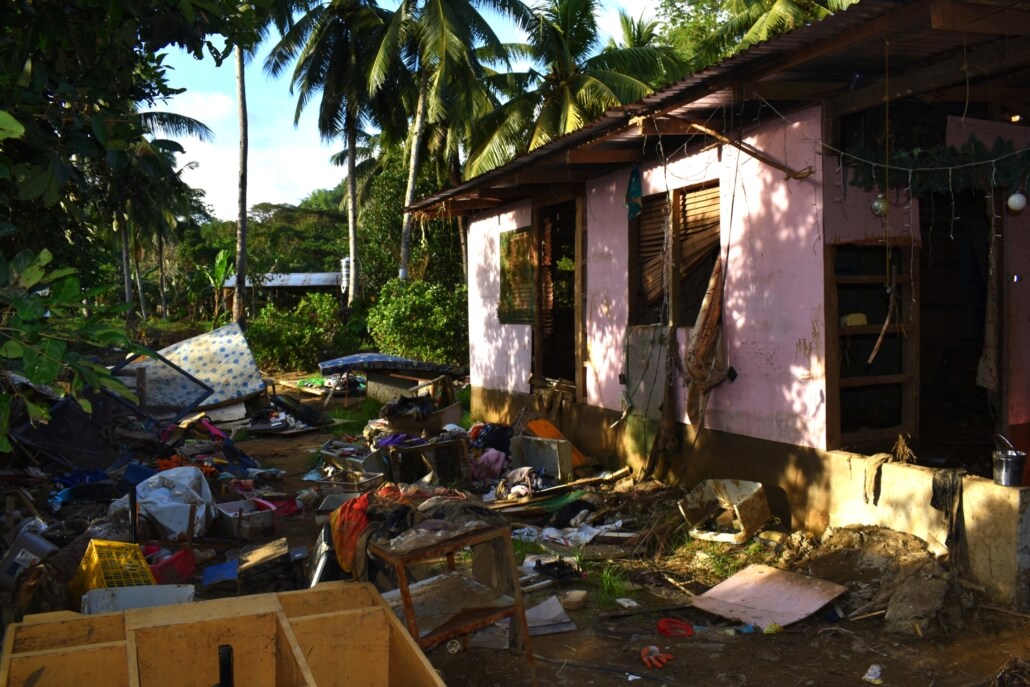
Nature-based Solutions Strengthen Climate Resilience in Zamboanga City

ZAMBOANGA CITY ─ Momentum for environmental restoration is rising in Barangay Kasanyangan, where EARTH Champions and community representatives carried out another major mangrove rehabilitation and clean-up effort on November 30, 2025—further strengthening the barangay’s defenses against climate risks. The initiative advances ongoing community-led efforts to restore damaged ecosystems due to the relocated population affected by the Zamboanga Siege back in 2013.

This activity supports Zamboanga City’s Central Mangrove Management Plan, which prioritizes the protection and rehabilitation of coastal areas to enhance climate resilience, enrich biodiversity, and reduce exposure to flooding, storm surges, and tsunamis.

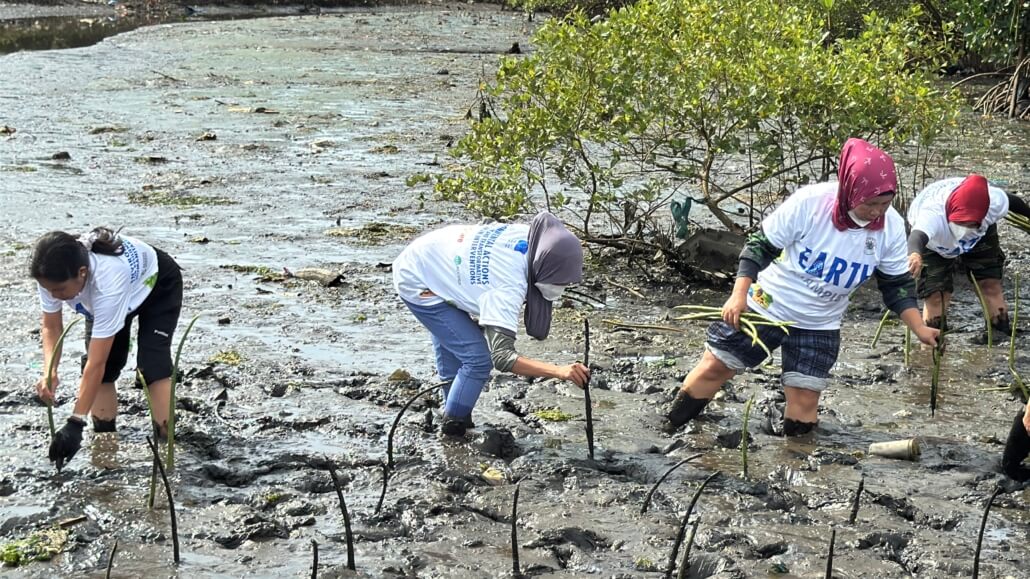
During the event, volunteers planted 1,500 mangrove propagules, helping stabilize the shoreline and improve habitat conditions for marine species.

Kali Halima, Monitoring Officer of Barangay Kasanyangan shared, “each tree we plant and every piece of trash we remove helps build a healthier, more sustainable future.”

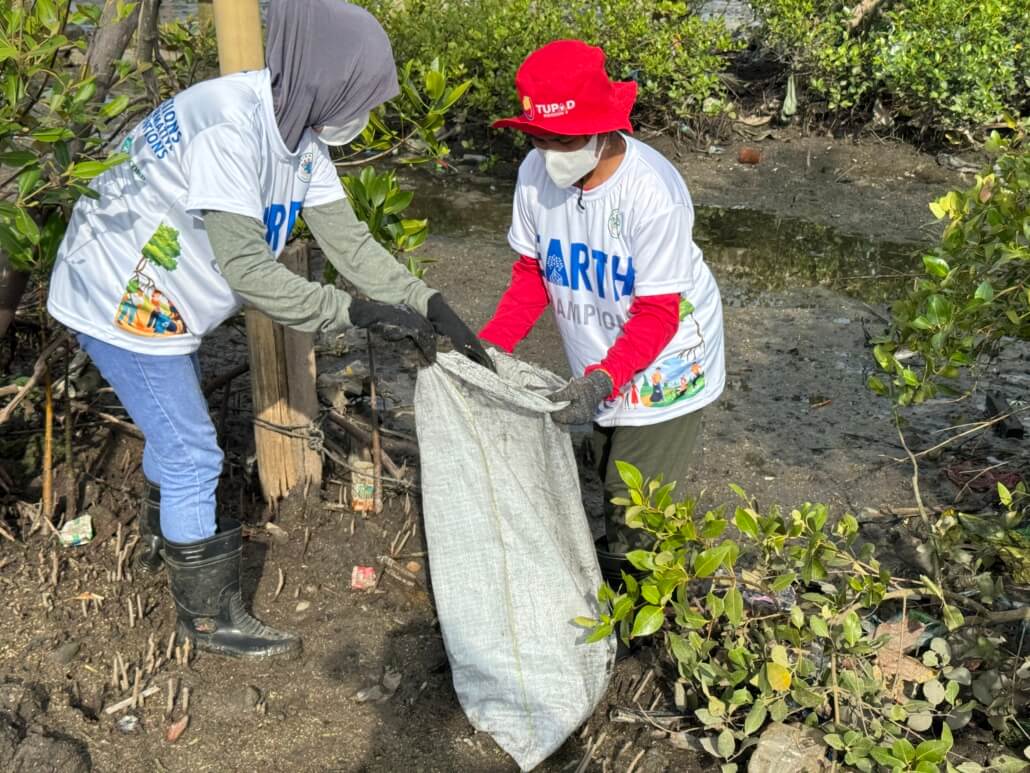
In addition to planting, EARTH Champions collected 15 sacks of non-biodegradable waste—52 kilograms in total—from the mangrove roots and intertidal zone.

In photo: EARTH champions collecting waste during the clean-up drive in Barangay Kasanyangan, last November 30. Photo by Roberto Saballero, Jr.

This clean-up addressed persistent pollution that hinders mangrove growth and disrupts the balance of the coastal ecosystem. The activity demonstrated strong community stewardship and the growing commitment of residents to care for their environment.

“Each tree we plant and every piece of trash we remove helps build a healthier, more sustainable future.”  — Kali Halima

Strengthening waste management through local action

A significant development under the EARTH Project in Zamboanga City is the improved system for waste collection in Kasanyangan and Rio Hondo. Initially, the city’s Office of the City Environment and Natural Resources (OCENR) supported waste collection during clean-up drives, but as city-wide clean-up operations intensified, regular collection at the EARTH project site became difficult to maintain.

Previously, the community relied on a smaller truck for waste collection. Recognizing this gap, the barangay local government unit of Kasanyangan purchased a solid waste dump truck to ensure consistent waste collection and prevent accumulated debris from returning to rehabilitated areas. It took an additional month to mobilize personnel, including a dedicated truck driver and waste collectors.

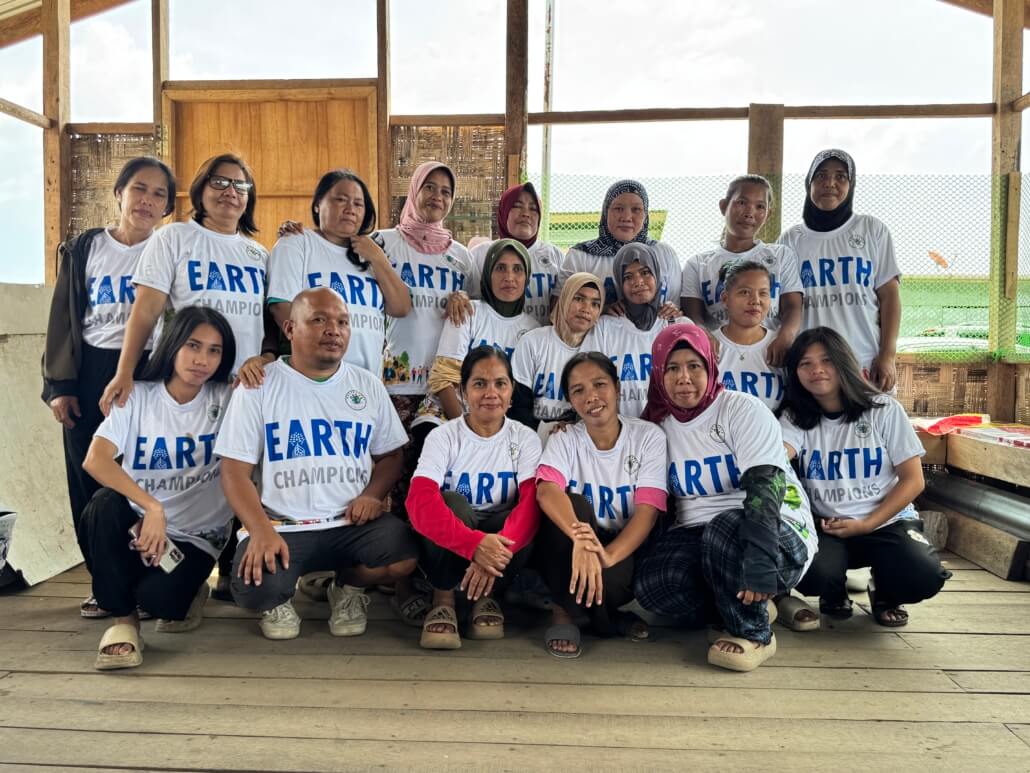
Volunteer mobilization has likewise grown significantly. Recent clean-up drives have gathered as many as 304 volunteers, including EARTH Champions, barangay officials, community members, and 4Ps beneficiaries. This expanded participation demonstrates how the EARTH Project has strengthened community ownership of waste management and environmental protection—ensuring that rehabilitation gains are not undermined by unmanaged solid waste. “By working together, we can make a meaningful impact one step at a time,” Kali added.

In photo: The EARTH campions take a group photo before the clean=up drive and mangrove planting. Photo by Roberto Saballero, Jr.

What are EARTH Champions?

A central focus of the EARTH Project is empowering community members to lead and sustain environmental initiatives. EARTH Champions are residents organized through the Community Savings Groups (CSGs), either established or supported by the project. While CSGs function as savings and resilience mechanisms, they also serve as platforms for environmental advocacy, enabling members to promote nature-based solutions at the barangay level.

Trained in solid waste management and environmental monitoring, the EARTH Champions are mobilizing their neighbors, supporting restoration activities, and championing responsible environmental practices. Throughout the course of the project, these champions will also be trained on mangrove nursery management and water conservation. Their leadership ensures that the project’s outcomes are community-driven, locally owned, and sustained beyond the project cycle.

Participation in the barangay’s mangrove enrichment and clean-up drive continues to expand. The latest effort saw more than 40 new EARTH Champions, alongside returning volunteers and barangay representatives. This growing engagement reflects the strengthening capacity of residents, who are not only contributing to restoration efforts but are also emerging as advocates for long-term environmental protection in their community.


Why these efforts matter

Beyond the numbers, these efforts are crucial because mangroves serve as natural barriers that protect coastal communities from storm surges, erosion, and flooding—hazards that are becoming more frequent due to climate change. By planting local mangrove species such as Bakauan Babae (Rhizophora mucronata), Bakauan Lalaki (Rhizophora apiculate) and Bangkauan Bato or Bangkaw (Rhizophora stylosa), volunteers are helping restore a vital ecosystem that supports marine biodiversity, and strengthens community livelihoods.

By removing waste and restoring degraded areas, EARTH Champions and community volunteers are not only protecting their coastline but also ensuring that future generations benefit from a more stable, productive, and climate-resilient environment. These activities show how small, consistent actions can collectively rebuild ecosystems that shield and sustain coastal communities.

In photo: EARTH champions plant the mangrove propagules in Barangay Kasanyangan, last November 30. Photo by Roberto Saballero, Jr.

About EARTH

The Environmental Actions for Resilience and Transformative Humanitarian Interventions (EARTH) project is a pilot initiative that integrates environmental safeguarding and restoration strategies into humanitarian action in the cities of Zamboanga and Malabon. Implemented by Action Against Hunger, CARE Philippines, and ACCORD, and funded by the EU Civil Protection and Humanitarian Aid, the two-year, community-led project strengthens urban resilience through people-centered, multisectoral, nature-based solutions.

EARTH promotes a nature-based solution model that integrates mangrove reforestation, solid waste management, water conservation, and sustainable livelihoods—reducing environmental risks while restoring vital ecosystems.


Written by: Joyce Sandajan
Contributors: Roberto Saballero, Jr. and Vanessa Matuguina
Edited by: Philipp Danao

Surviving the Quake: The Sinangote Family’s Story of Survival

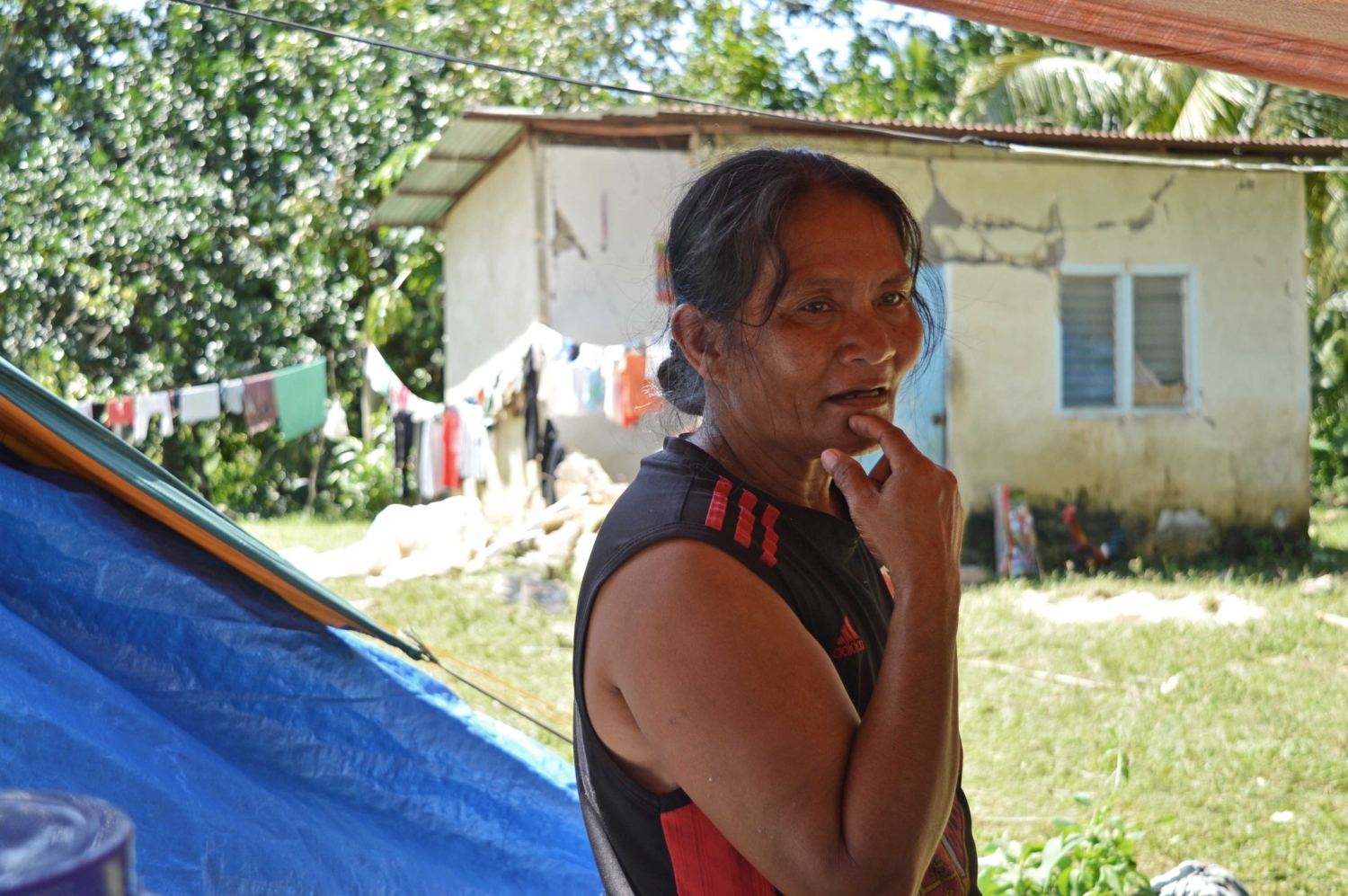
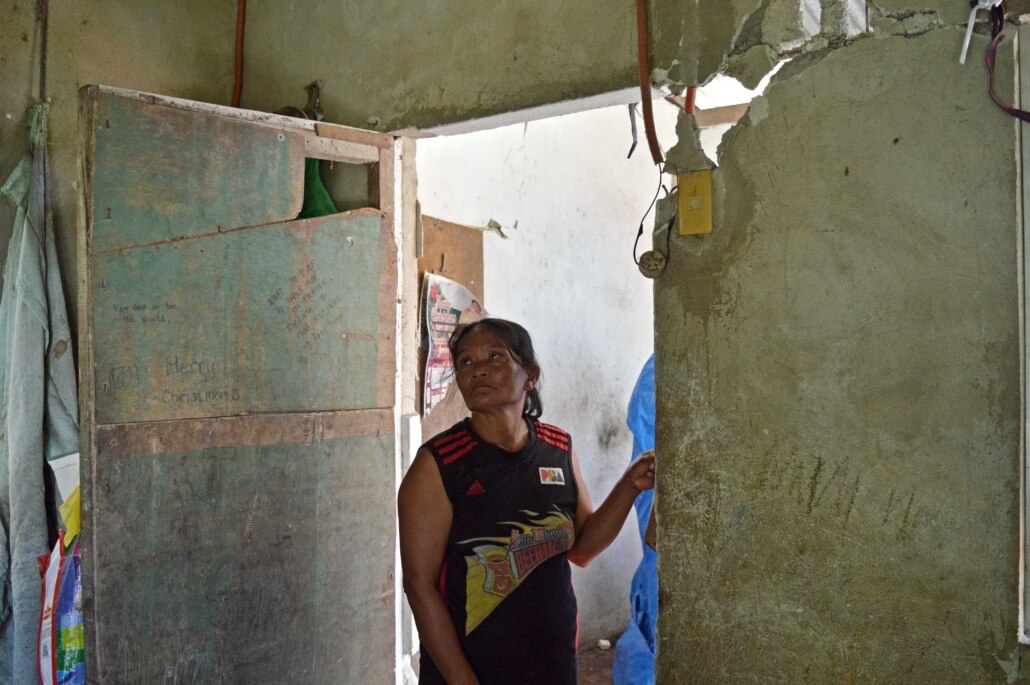
SAN REMIGIO, CEBU  ─  On the night of September 30, 2025, Henry and Tessie Sinangote were at their small sari-sari or sundry store by the beach in Purok Sineguelas of Barangay Tambongon when the earth began to shake violently. The magnitude 6.9 earthquake that struck Bogo City changed their lives in a matter of minutes.

“When the earthquake happened, it was around 9:55 p.m., and it lasted for maybe a couple of minutes, but it felt longer. When it stopped, Henry went straight home,” Tessie recalls. Only three of their four children were home as one was working in Cebu City.

“We were calling out to the other children, but they weren’t answering. We felt hopeless. We thought they were gone.” – Tessie Sinangote

Henry and Tessie shared that at the time of the incident, the eldest and the youngest were in the bedroom, while the other was working online in a separate room. When the earthquake hit, the walls of the bedroom collapsed. “My other son, who was awake and working at the time, managed to get out, but the other two children who were sleeping were left buried by the debris,” Tessie says, her voice shaking. “When Henry and I got to the house, we were calling out to the other children, but they weren’t answering. We felt hopeless. We thought they were gone.”

For almost an hour, the family and relatives worked to lift the debris. “Luckily, our nieces and nephews were there to help because we couldn’t move the walls ourselves. I told them to get wood or anything to help lift the heavy cement. We all worked together, and ultimately, we managed to save my two children,” Henry recalls.

A parent’s nightmare

The youngest, thankfully, did not sustain any injuries. However, the eldest child had minor wounds and what they thought was a potential head injury at the time after he had shielded his sibling when the house was collapsing. Their neighbors all helped and brought them to the hospital, but by the time they arrived, patients and health workers had already evacuated outside due to the aftershocks.

Tessie stayed with her eldest at the hospital, but the ordeal did not end there. “We were outside and it started raining. People kept arriving, many were injured, and we even saw the body bags,” she shared. She said she cannot forget the fear she felt when she thought her child could have been among the casualties. “When our children weren’t responding to our screams, we thought they were no longer alive. They could easily have been one of the cases brought in that night. The trauma for a parent seeing that is unimaginable.”

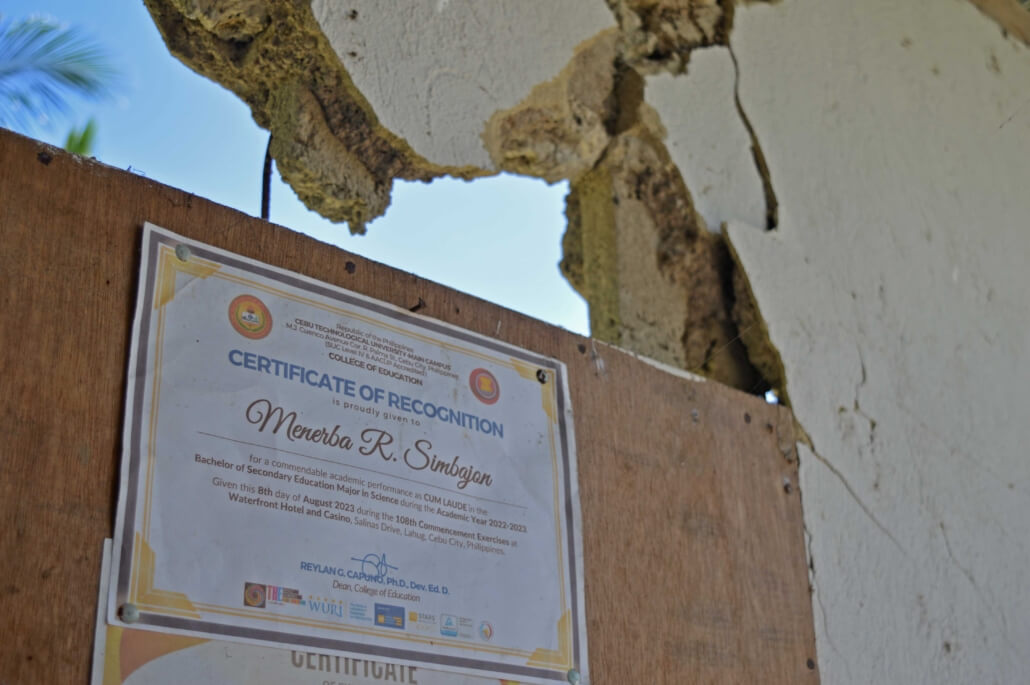
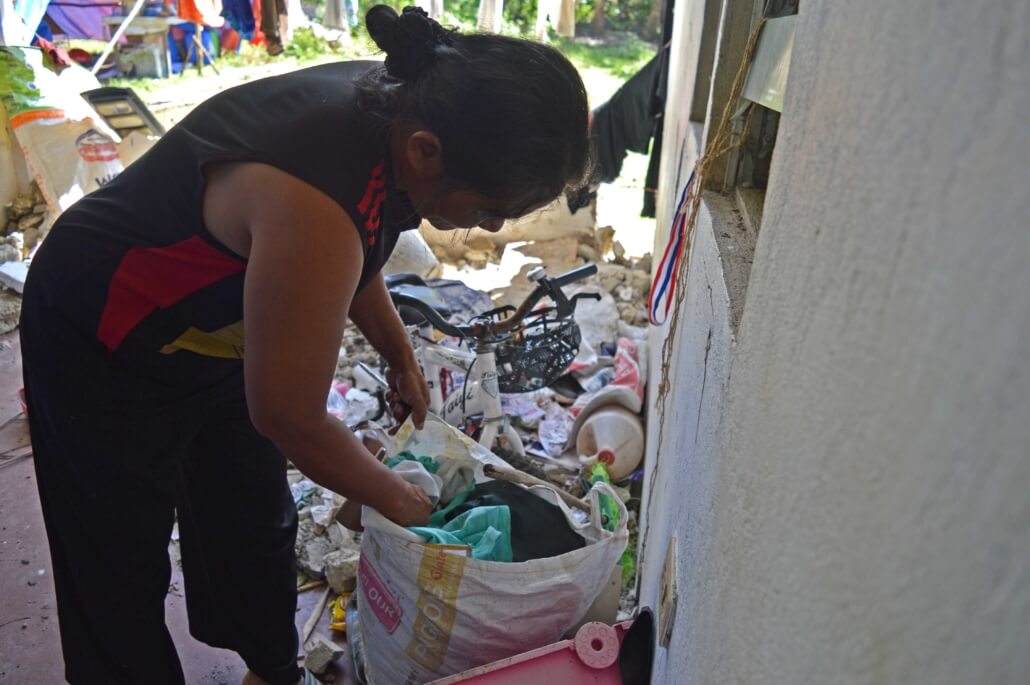
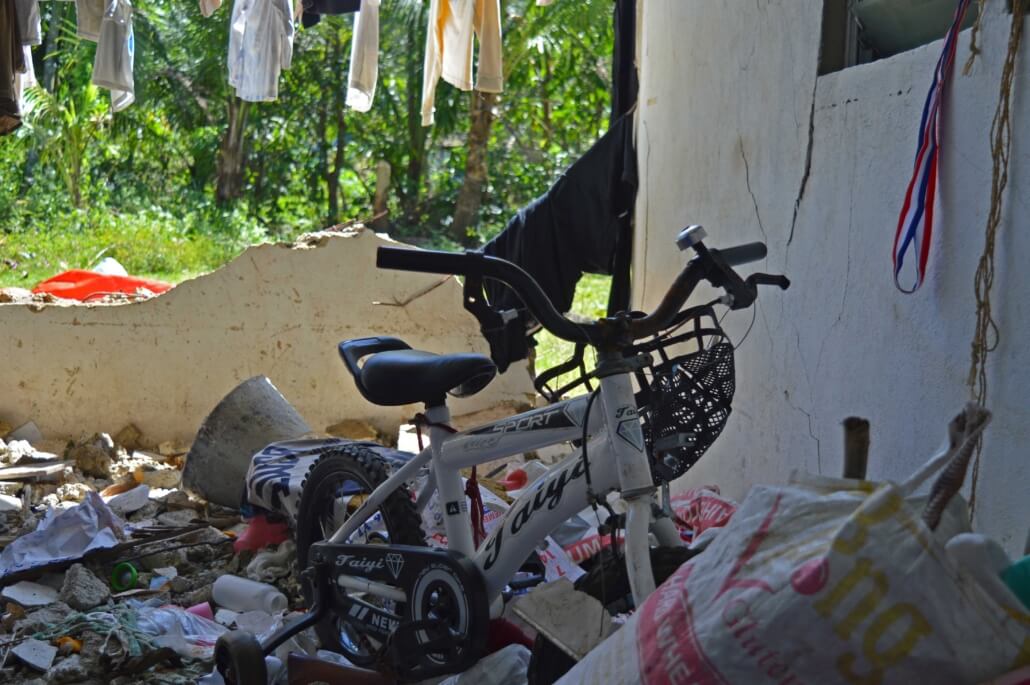
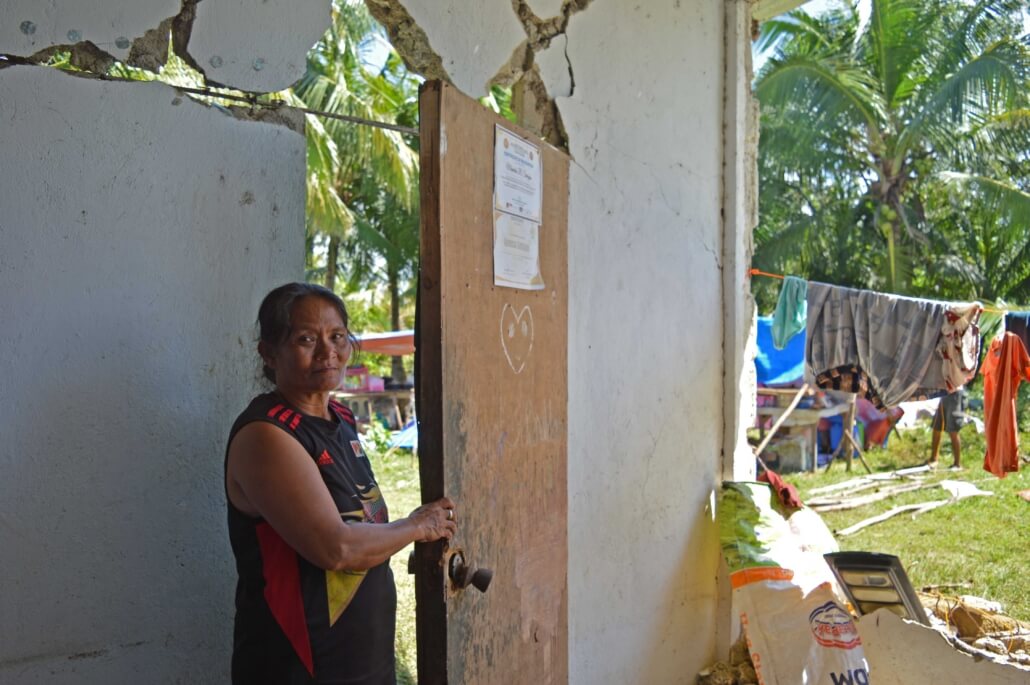
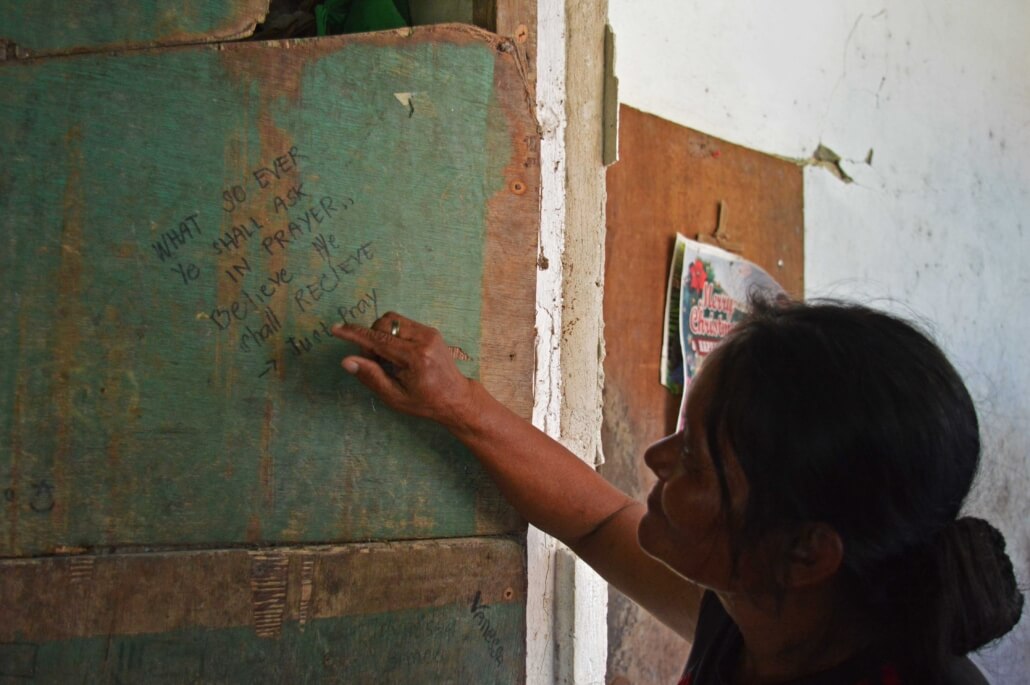
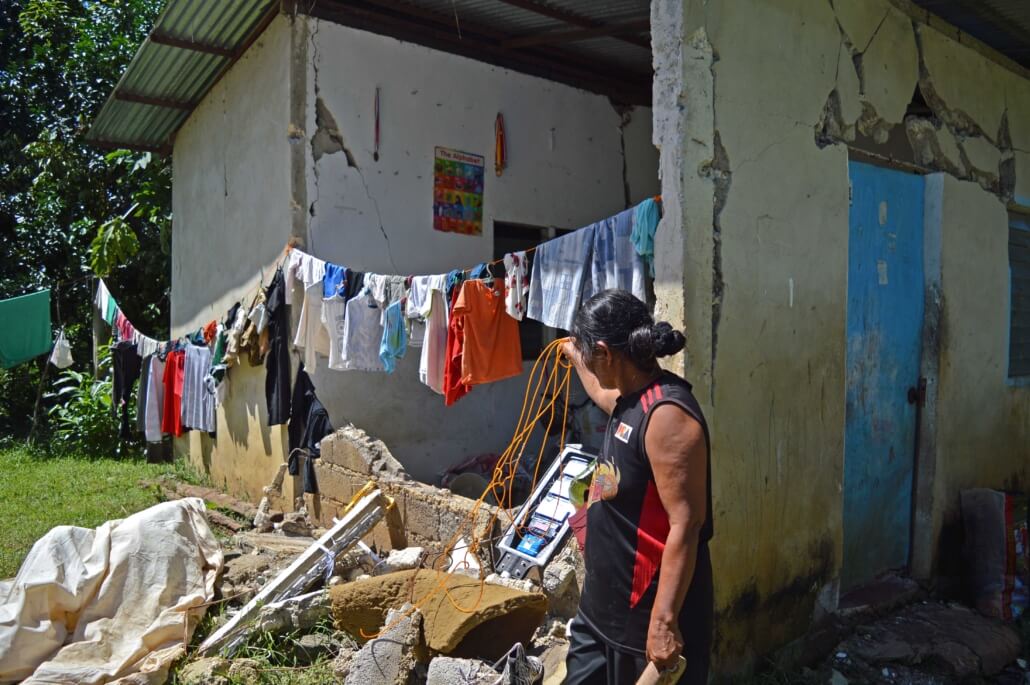
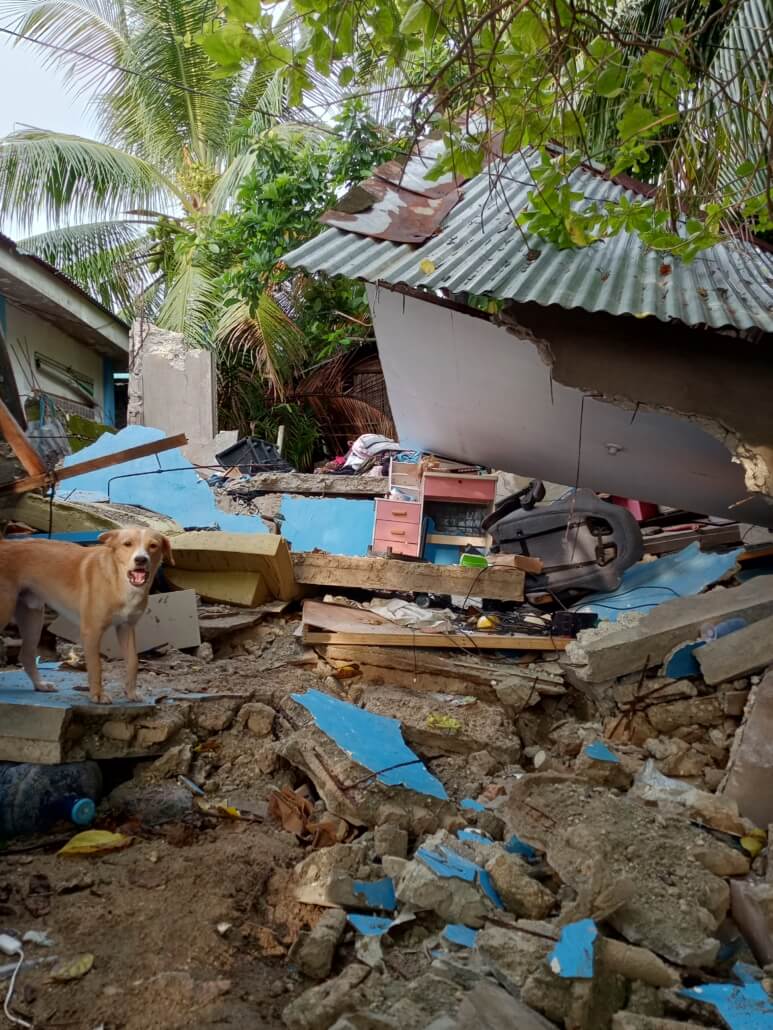
In photo: Sinangote family’s home, now a pile of rubble and debris, after the 6.9 magnitude earthquake on September 30, 2025. Photo courtesy of Tessie Sinangote.

Fleeing to safety: Evacuation and temporary shelter

Meanwhile, Henry and the other two children went to the San Remigio evacuation site, which is now referred to as “tent city” due to the evacuation tents. Because of tsunami alerts, evacuees had to move to higher ground. This meant they had to stay the night in makeshift tents made from tarpaulins. “We barely slept that night. It was wet because of the rain, uncomfortable, and we were constantly worried about aftershocks and a possible tsunami,” Henry remembers.

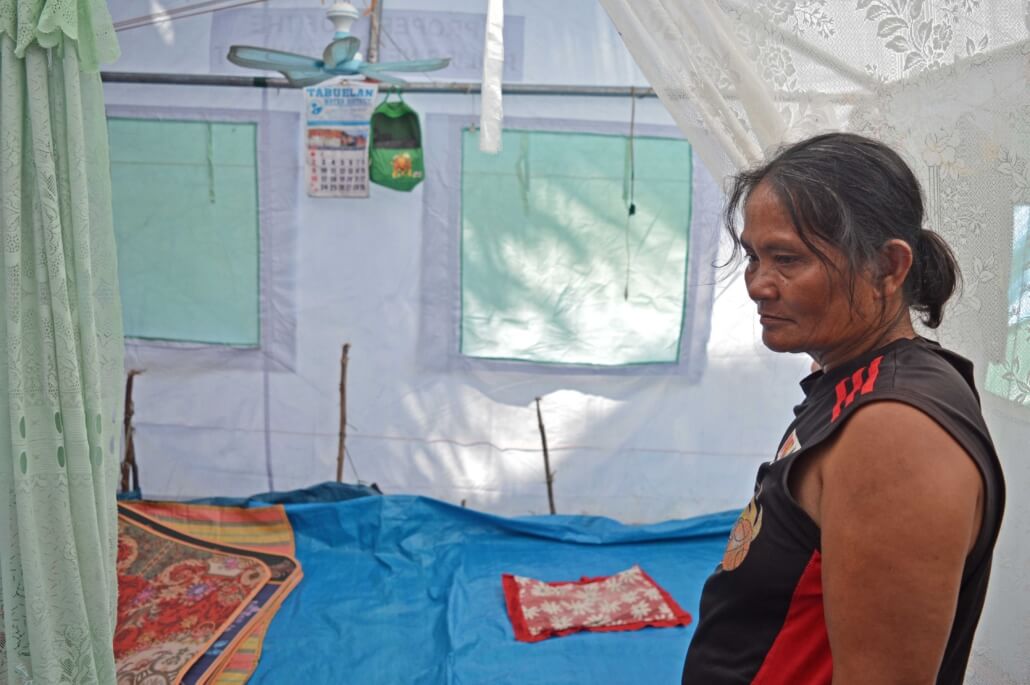
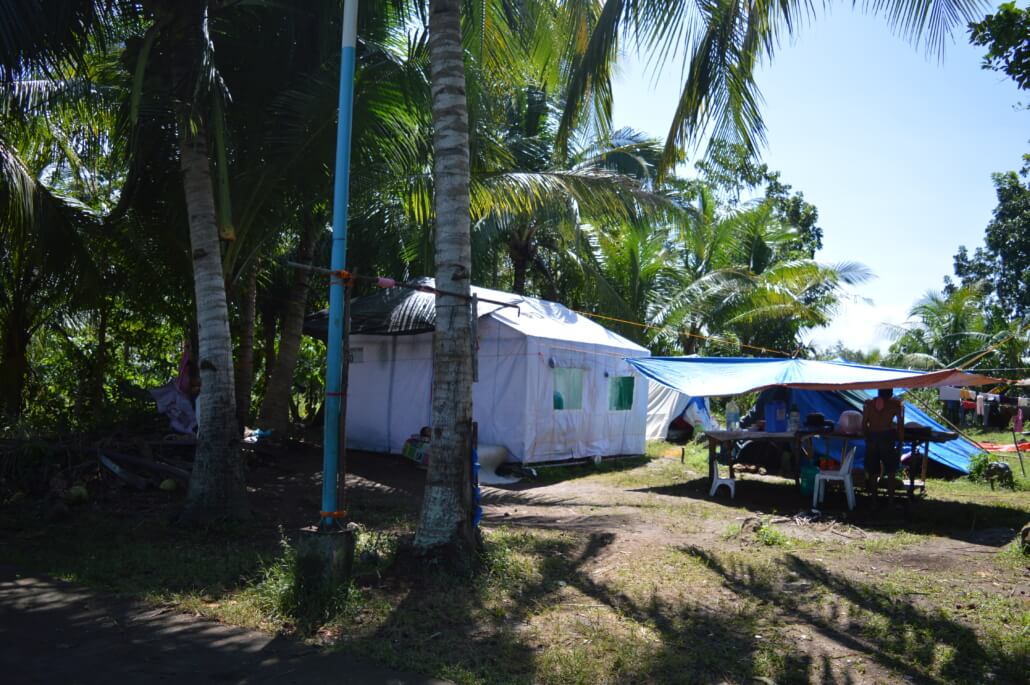
Afterward, they were moved to one of the evacuation tents and later to a smart house provided by the government. “Until now, we have been staying in the smart house. On weekdays, it’s just five of us; on weekends, when our third child comes home, all six of us share the small space along with our one dog,” Tessie says.

Henry still visits their damaged home occasionally to care for the dogs left behind. “In our purok, almost everything was destroyed—not just our home. Many houses were unsafe to return to, and sinkholes had formed,” Tessie recalls. The landscape of the sitio has been permanently altered, with numerous homes beyond repair and several hazardous sinkholes scattered throughout the area.

“I thought of the birds—they don’t worry about where they’ll get food, but they survive until now. That’s how I think of our situation. I try not to worry too much about our struggles and just take it day by day.”

Life Before Disaster: Livelihood and Daily Life

Before the earthquake, the Sinangotes ran a small sari-sari store near the beach, depending on tourists and beachgoers for income. “Our store would earn well whenever there were a lot of tourists. But we can’t go back because the beach is not allowed to operate due to sinkholes,” Tessie explains.

Their daily income, averaging around 300 pesos (approximately 4.80 euros), was previously enough to cover food and household expenses. Now, with no steady source of livelihood, the family relies on financial support from friends and relatives and sometimes even has to borrow money to get by.

Despite the loss, Tessie reflects on their past with warmth. “Our home lasted 25 years, and all our memories are there. But the earthquake taught us that concrete isn’t always safe. We’ll have to think differently if we rebuild.”

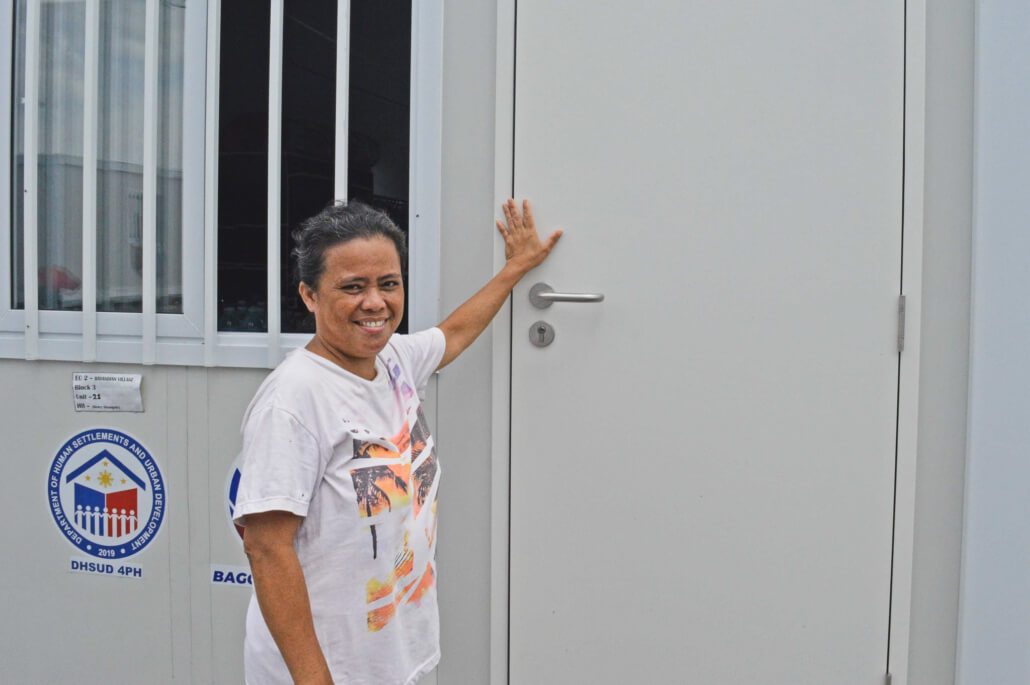
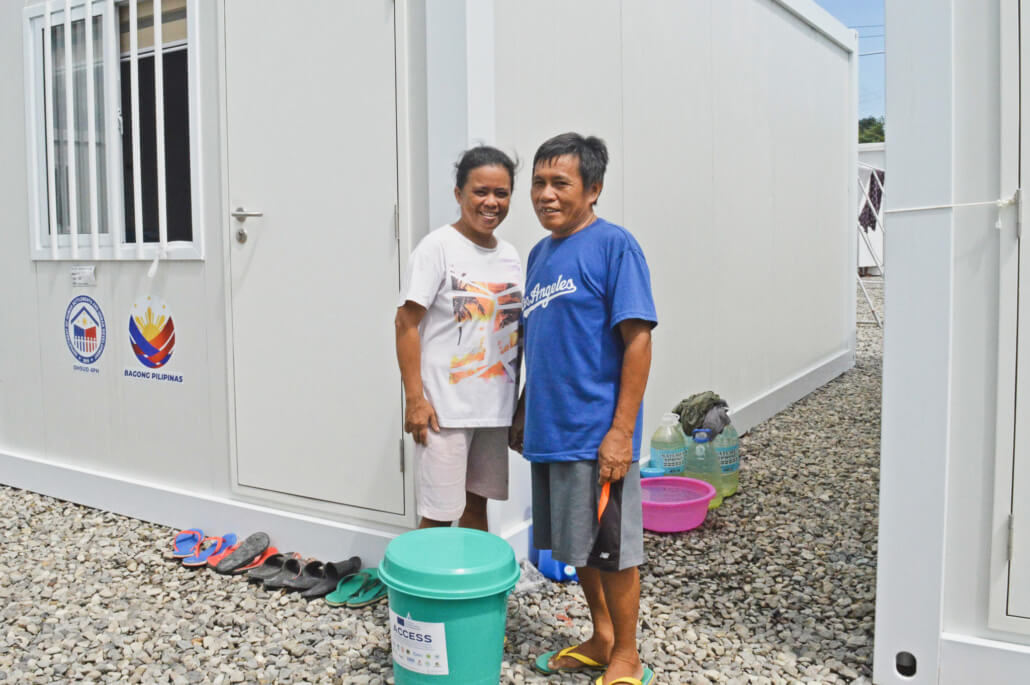
In photo: Tessie stand outside the temporary smart home provided by the government. The smart home is where they will live for at most a year since their home was totally damaged by the magnitude 6.9 earthquake last September 30, 2025. (Photo by Joyce Sandajan for Action Against Hunger)

Essential support: Humanitarian aid from ACCESS

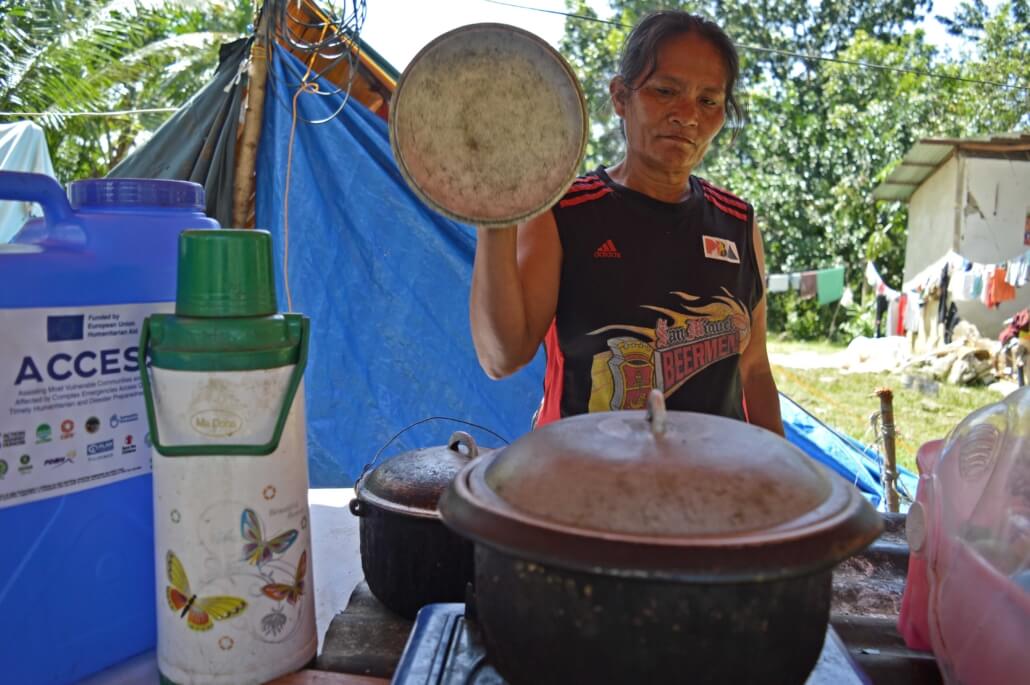
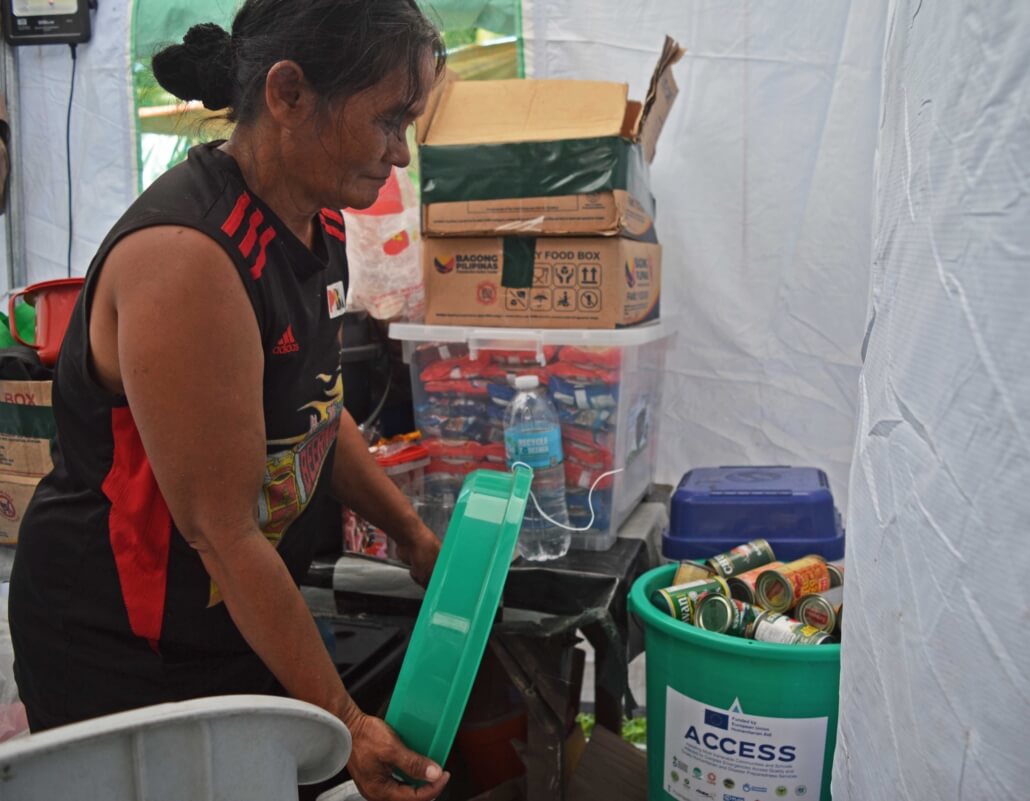
In the aftermath of the quake, the Sinangote family and many others affected received vital support through the ACCESS program, funded by the EU Civil Protection and Humanitarian Aid Operations (ECHO). With homes destroyed and water systems heavily damaged, many families were left without even the most basic necessities.

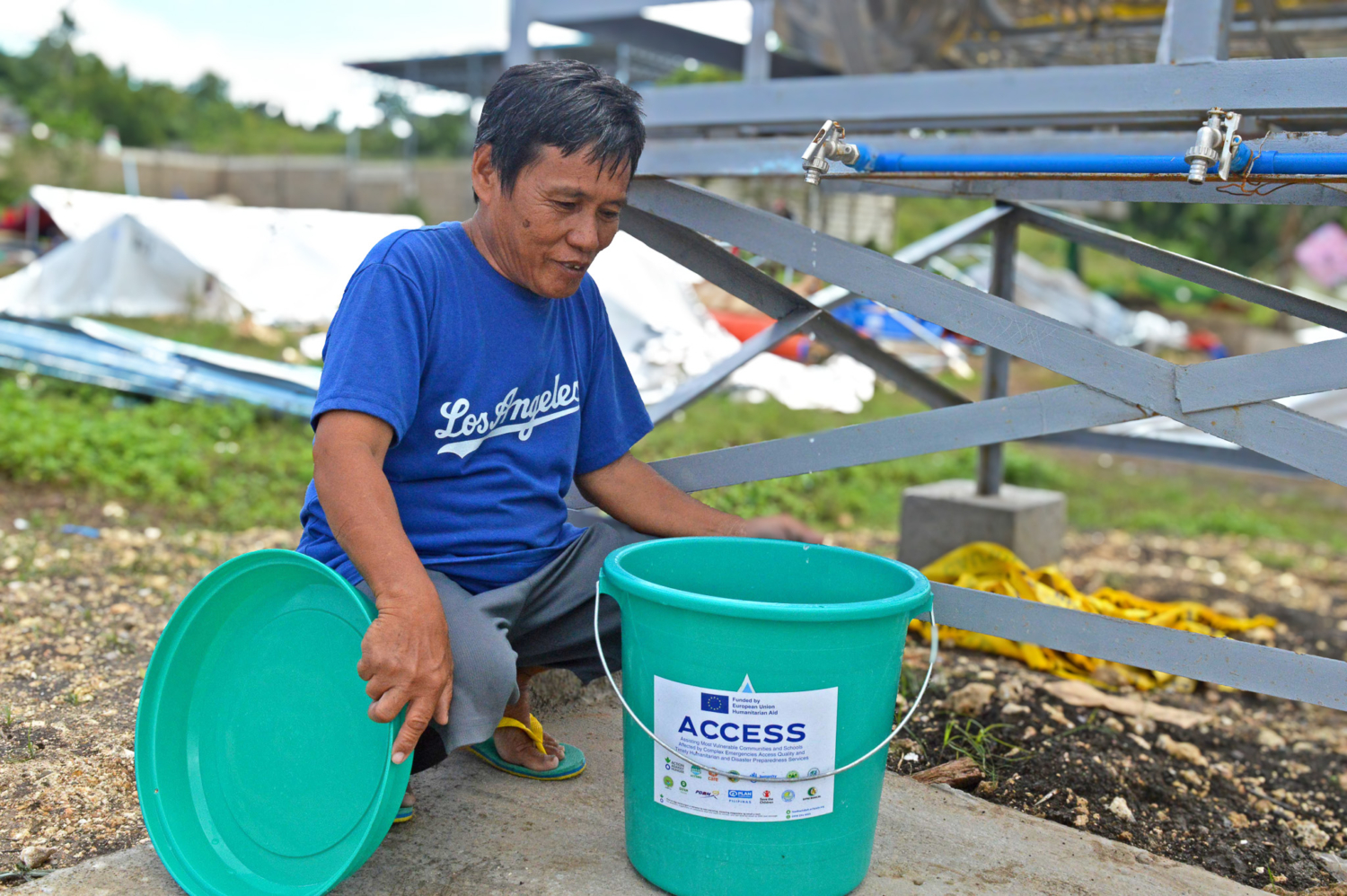
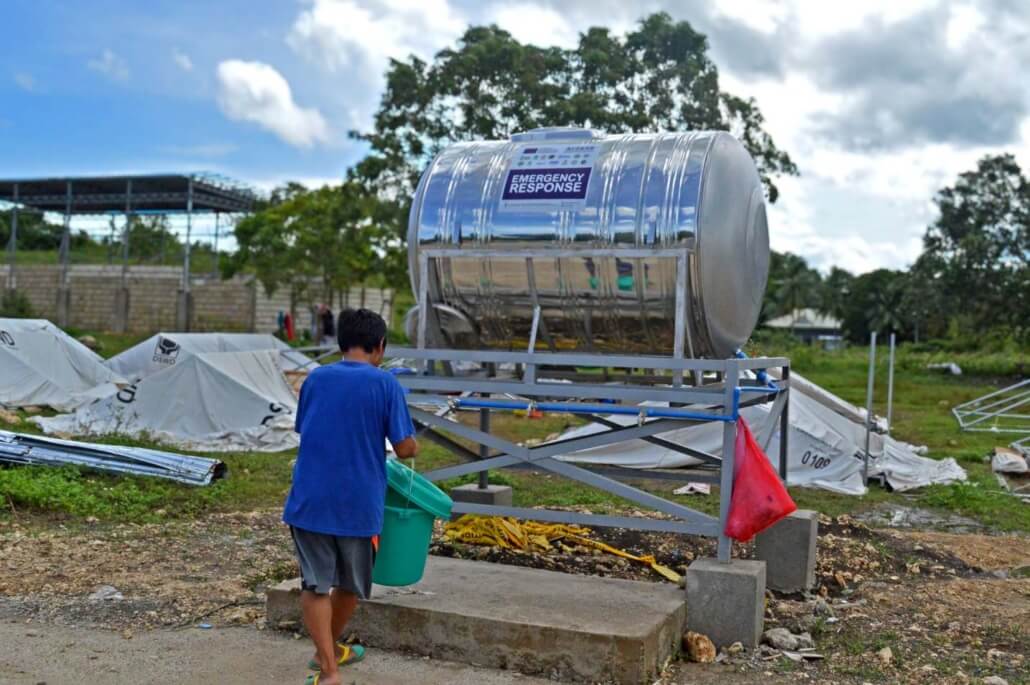
Within days, Action Against Hunger, as one of the implementing partners of ACCESS, together with the Mindanao Organization for Social and Economic Progress (MOSEP), provided WASH kits to affected households and installed a temporary water tank at the evacuation site. This tank was supplied regularly through water trucking to ensure families could access safe water. The ACCESS team also worked with the Pangi Water Service Cooperative (Pawasco) and local authorities to deliver water trucking services to hard-hit communities whose pipelines and water sources had been disrupted.

In photo: Henry makes his way to the water tank built by Action Against Hunger as part of the ACCESS emergency response, with funding from the EU Civil Protection and Humanitarian Aid. (Photo by Joyce Sandajan for Action Against Hunger)

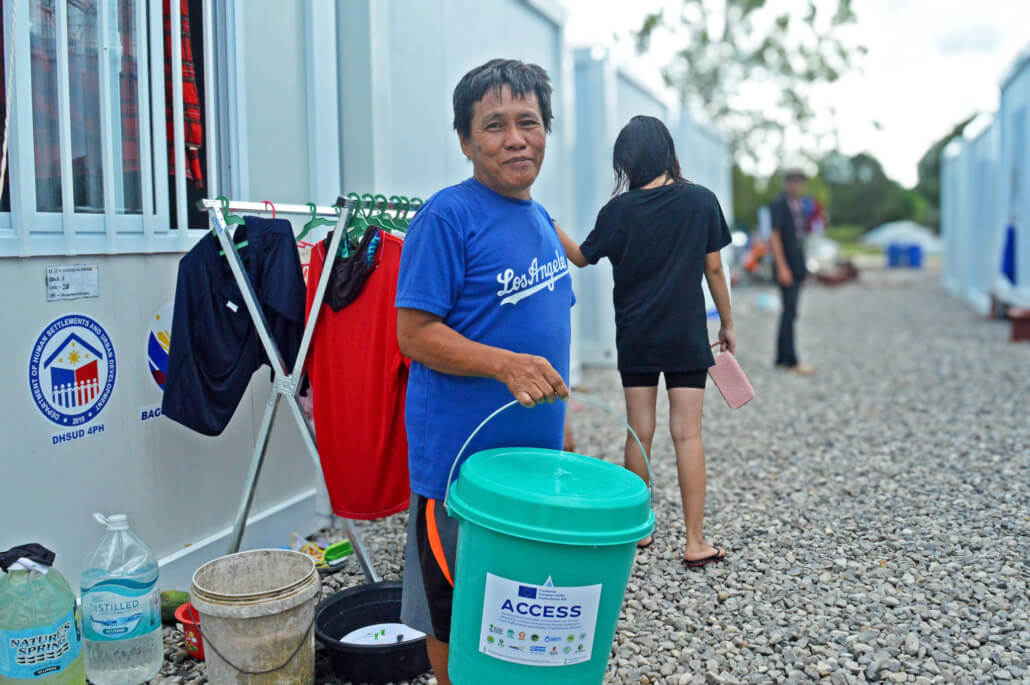
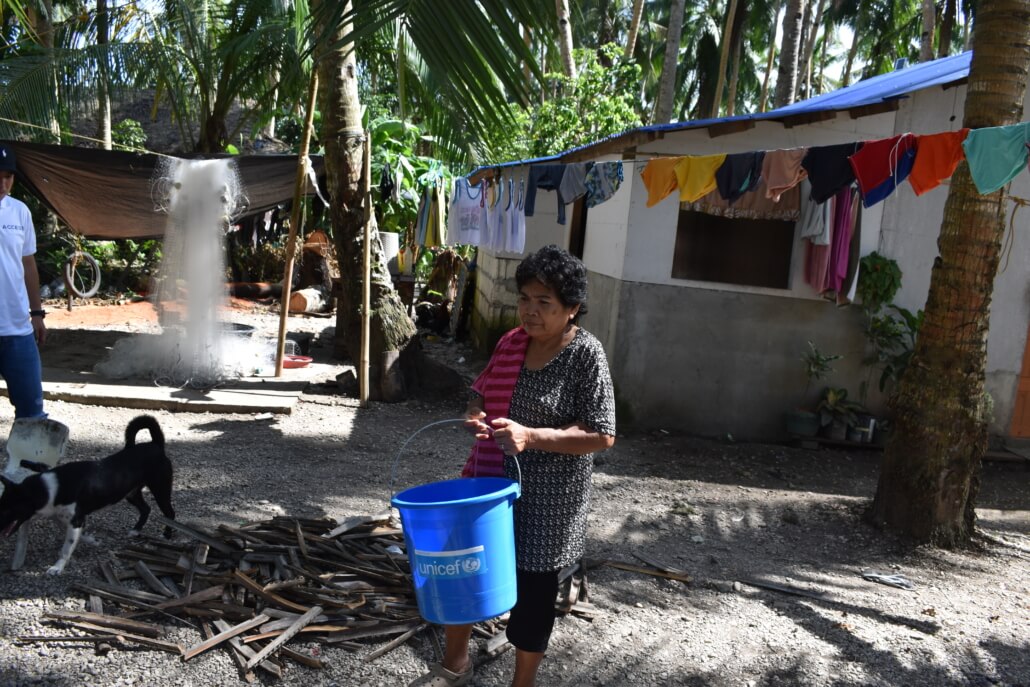
Tessie recalls how these early interventions helped them get through the most difficult days. “We received water and hygiene kits from ACCESS, which were very helpful,” she says. “The water tank at the evacuation site was very close to us, so that we could use it easily. The hygiene kits were a huge help because we had nothing at the time. We didn’t even have a bucket, so those items were really a big help.”

Although relief distributions are less frequent now than they were during the first days after the disaster, the family still receives occasional government support, such as food and basic supplies. “For now, we still have relief goods. They help us survive while we figure out the next steps,” Tessie adds.

“We received water and hygiene kits from ACCESS, which were very helpful…the water tank at the evacuation site was very close to us, so that we could use it easily. The hygiene kits were a huge help because we had nothing at the time. We didn’t even have a bucket, so those items were really a big help.”

For camp coordinator Pamila of the evacuation site in San Remigio, the situation of the Sinangotes reflects the experience of many displaced families. She explains that continued humanitarian assistance remains essential. “Many internally displaced persons have similar stories. Organizations like Action Against Hunger and ACCESS partners are vital.”

Facing the Unknown: Life After the Quake

Life after the quake is filled with uncertainty. The smart house is temporary, and relocation plans remain unclear. “Right now, it hasn’t sunk in whether we can stand again after one year. If this is a no-build zone, we’ll have to find another place to build a house,” Tessie says.

Their livelihood cannot restart until the beaches are open and safe again. Relatives have offered financial help, which the family is saving to reopen their sari-sari store.

Despite everything, hope persists. Tessie draws strength from positivity and faith. “I thought of the birds—they don’t worry about where they’ll get food, but they survive until now. That’s how I think of our situation. I try not to worry too much about our struggles and just take it day by day.” She prays for clarity and strength to rebuild. “I hope we can have work. It’s not easy to go back to zero. No house, no belongings. But thankfully, many gave us help, things we could use.”

Henry and Tessie continue to navigate daily life under difficult circumstances. Their story is a stark reminder of the long road to recovery that families face after disasters, where survival often means managing what little is left and making difficult decisions about the future.

In photo: Henry and Tessie stand outside the temporary smart home provided by the government. The smart home is where they will live for at most a year since their home was totally damaged by the magnitude 6.9 earthquake last September 30, 2025. (Photo by Joyce Sandajan for Action Against Hunger)


ABOUT THE RESPONSE

The ACCESS Emergency Response provided urgent support to communities affected by the successive impacts of Tropical Cyclones Mirasol (Mitag), Nando (Ragasa), Opong (Bualoi), the enhanced Southwest Monsoon, and the magnitude 6.9 earthquake that struck offshore Cebu on 30 September 2025. Across Bicol, Northern Luzon, BARMM, and northern Cebu, the response delivers water, sanitation, and hygiene support; shelter and settlements support; multi-purpose cash assistance; and protection services.

ACCESS is a European Cilvil Protection and Humanitarian Aid-funded project serving the most affected and underserved communities in the Philippines, where chronic armed conflict, natural hazards, recurrent displacement, and intensifying climate-related risks continue to threaten lives and livelihoods. It is implemented by a consortium of 14 local and international organizations: ACCORD, Action Against Hunger Philippines, CARE Philippines, Community Organizers Multiversity (COM), Humanity & Inclusion Philippines, Integrated Mindanaons Association for Natives (IMAN), Kadtabanga Foundation for Peace and Development Advocates, Mindanao Organization for Social and Economic Progress (MOSEP), Oxfam Pilipinas, People’s Disaster Risk Reduction Network (PDRRN), Plan International Pilipinas, Save the Children Philippines, United Youth for Peace and Development (UNYPAD), and United Youth of the Philippines – Women (UnYPhil-Women).


Written by: Joyce Sandajan

Philippines in state of national calamity after Typhoon Tino (Kalmaegi) leaves widespread devastation

Barely recovering from a series of calamities in the last month, another disaster, Typhoon Tino (international name: Kalmaegi), caused extensive destruction across several regions in the Philippines. After intensifying into a typhoon on 3 November 2025, Tino moved across the Visayas and Caraga regions before exiting the Philippine Area of Responsibility, leaving widespread displacement and severe damage behind. Typhoon Tino marks as the 20th storm to hit the Philippines this year alone.

More than 2.6 million people, or around 746,000 families, have been affected nationwide, based on government reports as of 7 November 2025. Of these, more than 1.4 million people are reportedly displaced and currently staying in evacuation centers or with relatives. At least 188 people have died, 135 remain missing, and more than 137 have been injured. Authorities caution that these figures may rise as assessments continue, and as access to remote areas improves.

The regions of Western Visayas (Region 6), Central Visayas (Region 7), and Caraga (Region 13) sustained the most severe impacts.

  • In Western Visayas, the provinces of Aklan, Capiz, and Iloilo reported the largest number of displaced families, with Capiz alone accounting for 55,310 families (163,799 individuals). Evacuations were conducted across several municipalities and Roxas City, where significant housing damage is being verified by local authorities.
  • In Central Visayas, Cebu Province, now under a State of Calamity, has recorded 87,504 affected families (271,336 individuals) across 38 municipalities and cities. The province also reported 92 deaths, including 36 in Liloan. Widespread power and water supply interruptions persist, while food and sanitation shortages are worsening conditions in evacuation centers. In some communities, residents have been forced to collect water from natural sources, and the destruction of toilets has increased public health risks.

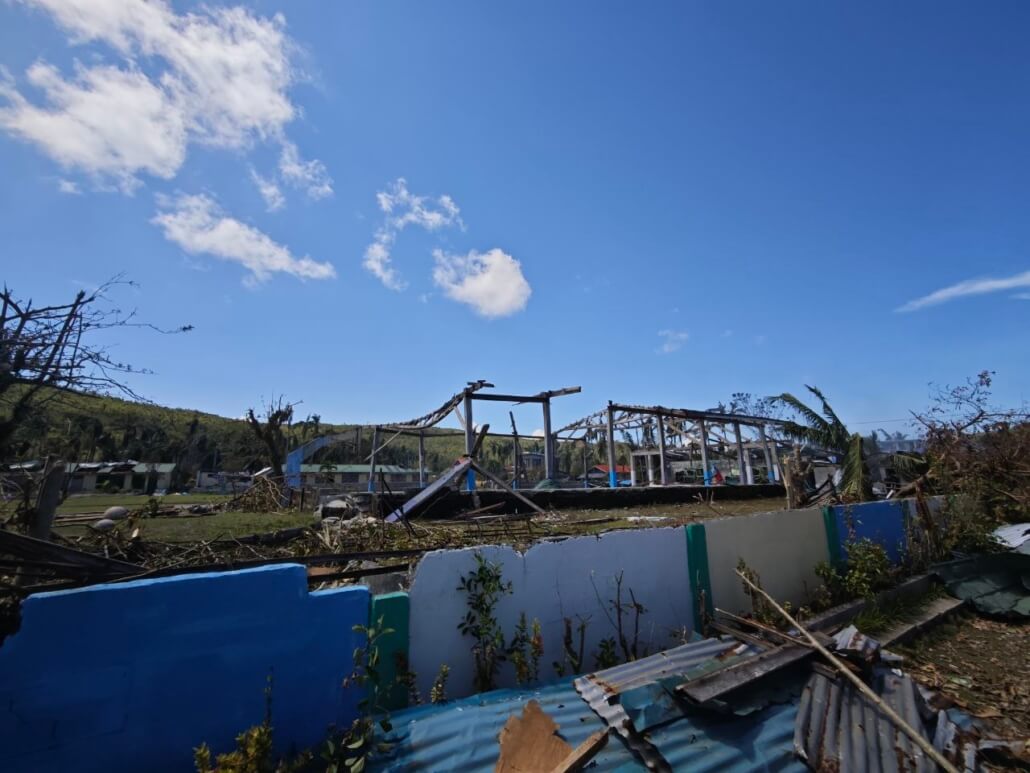
In photos: Emergency Response team assess damages in Barangay Liberty Hibusong Island, Loreto, Province of Dinagat Islands. (Photos by Jaz Dajuya for Action Against Hunger)

  • In Caraga, the Dinagat Islands have also declared a State of Calamity after 11,019 families (32,431 individuals) were displaced, representing about 36% of the province’s population. The typhoon severely damaged infrastructure and disrupted essential utilities, especially in the municipalities of Loreto and Tubajon. Two fatalities were recorded in Loreto due to storm surges. Preliminary reports indicate 4,497 houses were totally destroyed and 2,887 partially damaged, based on initial assessments. Cases of leptospirosis and diarrheal illness have also been reported, particularly in flood-affected areas.

Cebu is still reeling from the magnitude 6.9 earthquake that struck on September 30 and continues to experience aftershocks and tremors in recent weeks. Now, the province faces yet another challenge as one of the areas most affected by Typhoon Tino. Many families whose homes were damaged by the earthquake remain in temporary shelters and tents. The typhoon has further worsened their situation, bringing heavy rains and strong winds that left most of the province without electricity and telecommunications signal for days, with some areas still awaiting restoration. These conditions have heightened the risks and deepened the vulnerability of affected families as they struggle to recover from successive disasters.

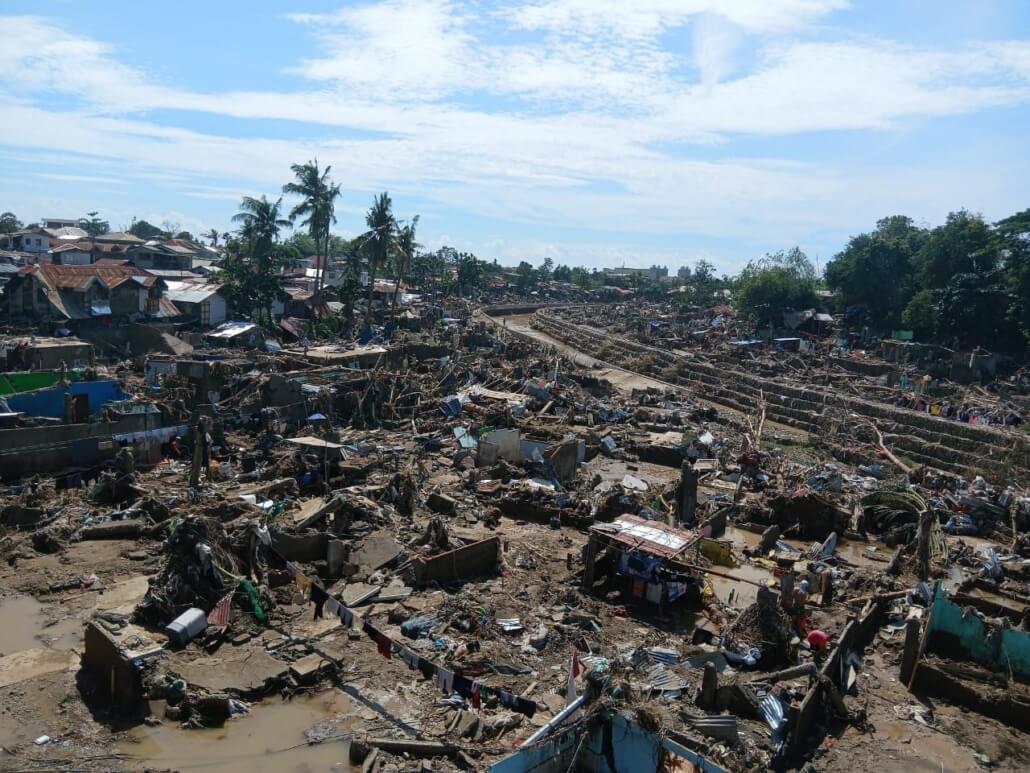
In Talisay City, Cebu, Action Against Hunger teams are on the ground assessing the impact of Typhoon Tino. Initial findings indicate that six barangays were among the most affected, with damage to homes, water systems, and health centers. In coordination with the local government, the team is conducting rapid assessments and supporting efforts to assist affected families and restore essential services. (Photo by Vicente Delector Jr. for Action Against Hunger).

“As I move through the affected communities, I’ve seen firsthand how devastating the compounded impacts of the earthquake and Typhoon Tino are—days without water or electricity, homes and livelihoods lost, and families trying to rebuild while already wondering how to prepare for the next disaster. These moments underscore how critical it is to invest in long-term resilience so communities can withstand the escalating effects of a changing climate,” shares Cristina Izquierda Ribas, Nutrition Coordinator, Emergency Team and OIC-Head of Cebu field office for Action Against Hunger Philippines.


In photo: Damages in Talisay Cebu. (Photo by Vicente Delector Jr. for Action Against Hunger).

The humanitarian situation remains critical as hundreds of thousands of families remain displaced. Assessments of damage to homes, roads, bridges, schools, and health facilities are still ongoing, but initial reports indicate moderate to heavy destruction across affected provinces.

Key immediate needs include:

  • Food assistance and early livelihood support to meet basic needs and prevent negative coping mechanisms.
  • Safe drinking water, hygiene kits, and temporary sanitation facilities to address contamination of water sources and prevent disease outbreaks.
  • Emergency shelter materials such as tarpaulins, tents, blankets, and cooking sets to support families who lost their homes.

Moreover, protection and privacy concerns are also increasing in overcrowded evacuation centers, with women, children, the elderly, and persons with disabilities particularly at risk due to limited space and unsafe conditions.

In response to the widespread devastation, the Philippine Government has declared a State of National Calamity and released 760 million pesos in assistance to affected regions. National agencies, local governments, and humanitarian organizations have mobilized to deliver life-saving aid, restore basic services, and coordinate damage assessments.

While responding to overlapping emergencies such as the earthquakes in Cebu and Davao and the impacts of Typhoons Opong and Tino, the Philippines is now bracing for another potential disaster as Super Typhoon Uwan (international name: Fung-wong) is expected to affect parts of Luzon and Visayas on Monday, November 11.

Action Against Hunger Philippines continues to monitor the evolving situation and coordinate closely with partners, including the Office of Civil Defense (OCD), the Department of Health (DOH), the WASH Cluster, and the EU Civil Protection and Humanitarian Aid-funded ACCESS Consortium. Since November 5, our emergency response teams have been deployed to conduct Rapid Damage and Needs Assessments in Cebu, Surigao del Norte, and the Dinagat Islands to guide the prioritization of emergency relief and early recovery interventions.

Our team continues to monitor the trajectory of Typhoon Uwan alongside ongoing emergency response operations to ensure timely and coordinated action for affected communities.

We are actively engaging with our resource partners to secure additional funding for our Typhoon Tino response, while jumpstarting small-scale initial interventions by pivoting available resources. Our planned response will focus on Cebu and Dinagat Islands, while we continue conducting assessments in coordination with partners and local government units.

Water, Hygiene, and Hope: The Morales Family’s Recovery After Typhoon Opong (Bualoi)

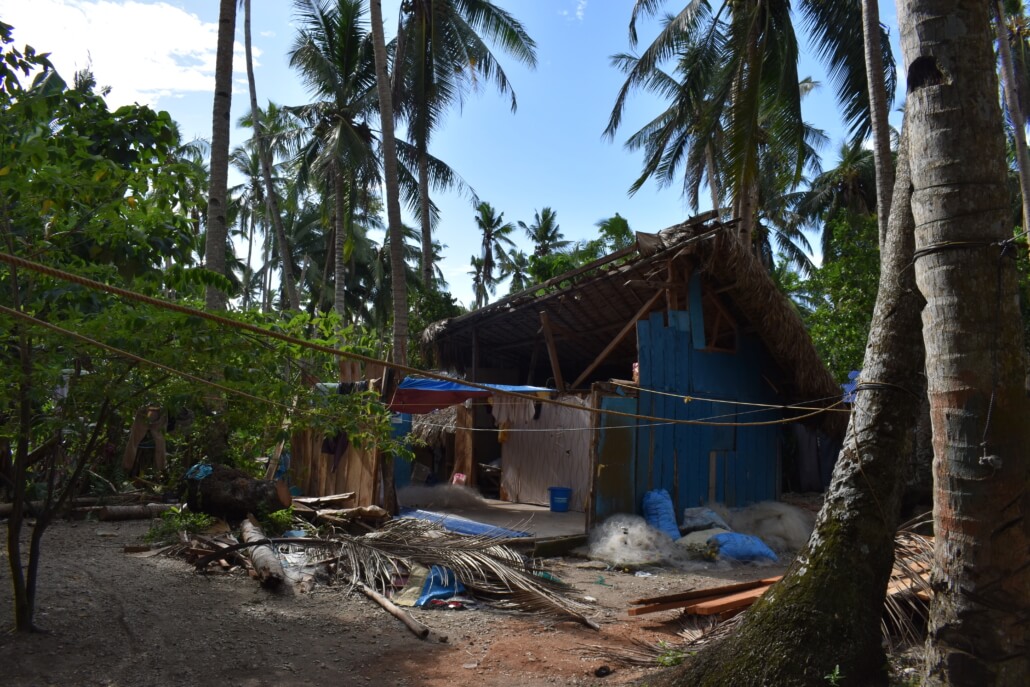
PALANAS, MASBATE — After Typhoon Opong (international name: Bualoi) devastated their home in the municipality of Palanas, Masbate, on the night of September 26, Diolito and Lorna Morales faced unimaginable challenges. With only a small kitchen left as their shelter and the prices of basic goods rising, ensuring that their five-year-old grandchild and family had enough food, water, and hygiene essentials became a daily struggle.

When Typhoon Opong struck their community, Diolito (59) and Lorna Morales (64) thought they had already endured the worst, but this time was different. “The wind was so strong it felt like it was tearing our house apart in the middle of the night,” they recalled. Coconuts and branches fell all around them until a tree finally crashed onto their roof. As water quickly rose to their knees, they fled to their son’s house nearby to seek shelter.

For three long hours, the water kept rising. “All I could think was, if the typhoon doesn’t stop, there won’t be any houses left,” Diolito recalls their experience. When morning came, they sadly realized that their home was destroyed. They stood in front of what was left and cried. “I was sure I was not going to be able to recover,” he said. “My fishing net, I can fix that. But my house? How can I fix it without any income?

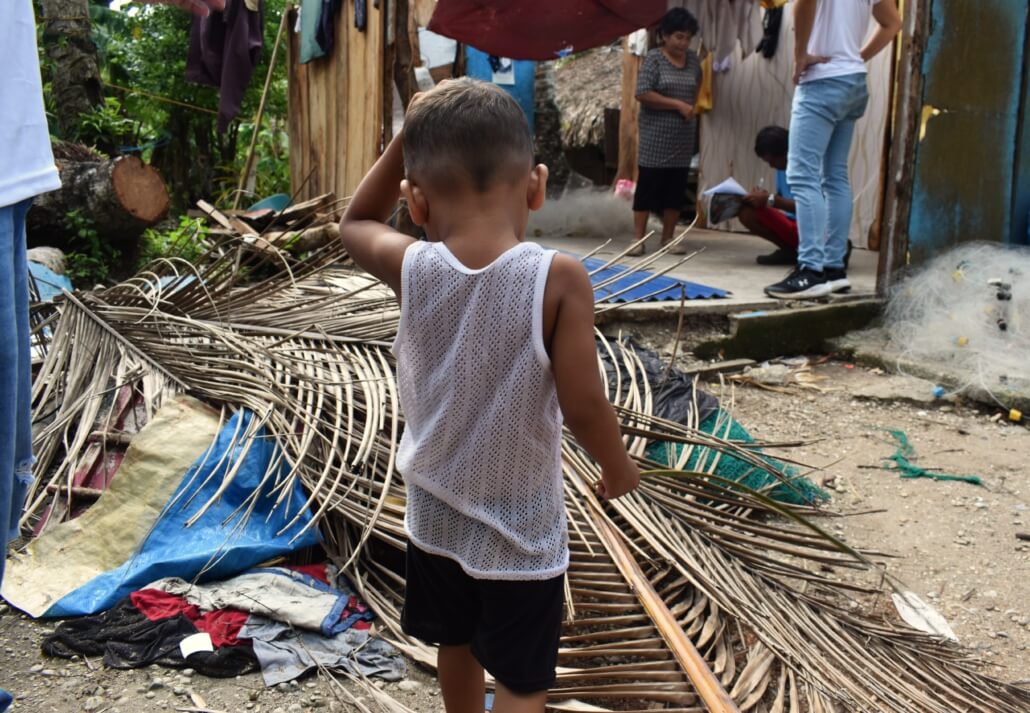
In the first days after the typhoon, the family felt lost and powerless. They didn’t know what to do first—whether to repair their house, go fishing, or try to dry what was left of their belongings. Life since then has been a daily struggle, especially for their five-year-old grandchild, who lives with them in their household of seven and had never experienced anything like this before.

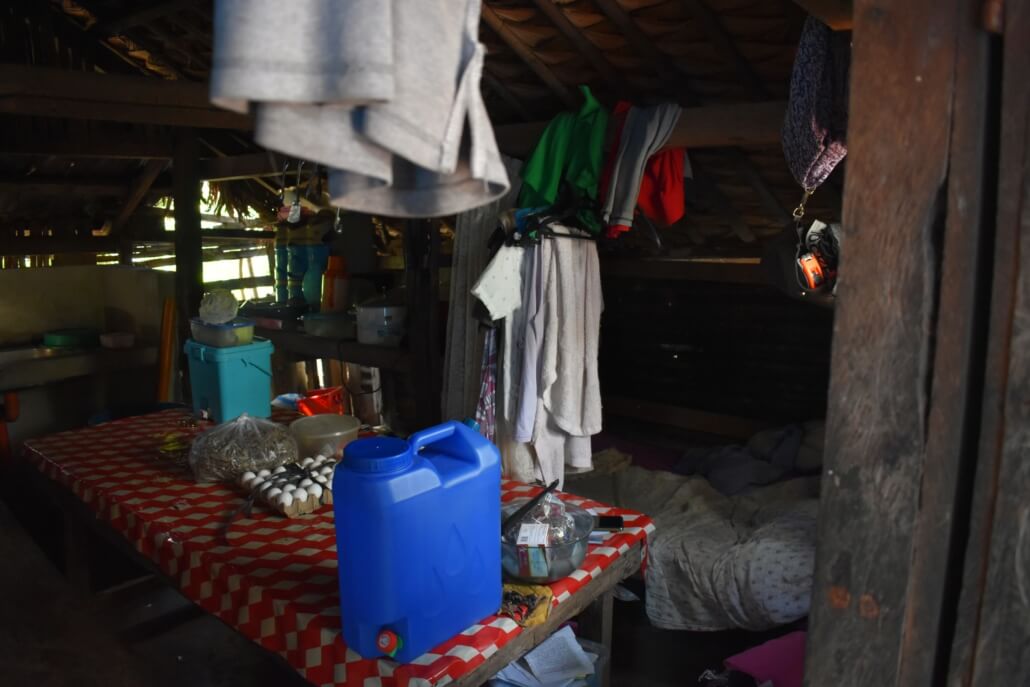
In photo: Diolito and Lorna Morales’ kitchen, where they have now been sleeping since their house was destroyed by Typhoon Opong. Photo by Martina Vercoli for Action Against Hunger.

Diolito and Lorna now sleep in their small kitchen, the only part of the main house that survived the typhoon, and which was once a separate structure. The rest of the family stays in their son’s house nearby, as there is not enough space in the kitchen to accommodate everyone.

The family’s income has been heavily affected as well. Diolito now goes out to the sea twice a day to fish, hoping to bring home enough to feed everyone. Before the typhoon, he earned around 20 pesos a day, but now he often earns only 5 or 10 pesos. Lorna, from her side, does her best to care for everyone at home, especially their little grandchild. “The little one feels the hardship too,” mentions Lorna as she looks at him playing in the courtyard. “I always feel like we have to work even harder for him, to give him a better future.” 

Despite a government-mandated price freeze on basic commodities during the state of calamity, some stores in their area still doubled their prices, even for water. The family buys drinking water from a local refilling station and uses tap water for cleaning and cooking. Since the typhoon struck their community, food and other essentials have become increasingly expensive. This is why, when aid arrived, it brought them much-needed relief.

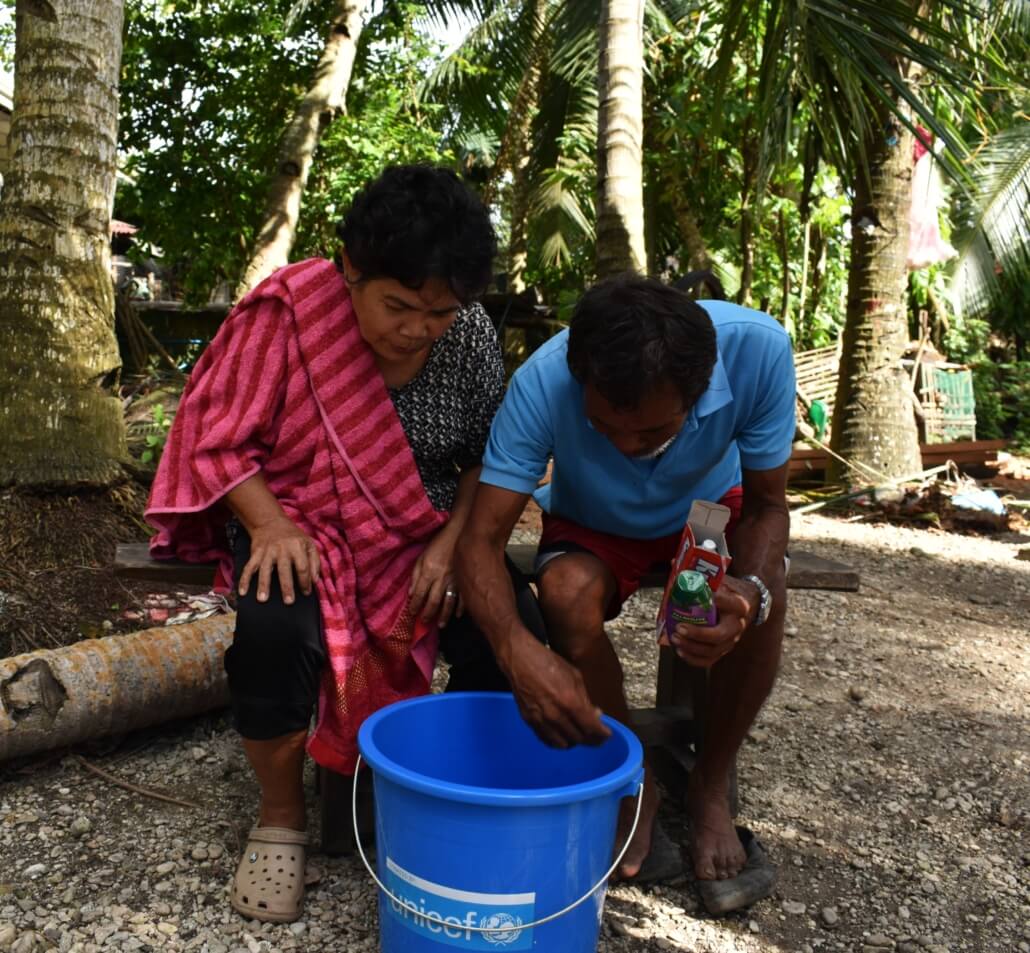
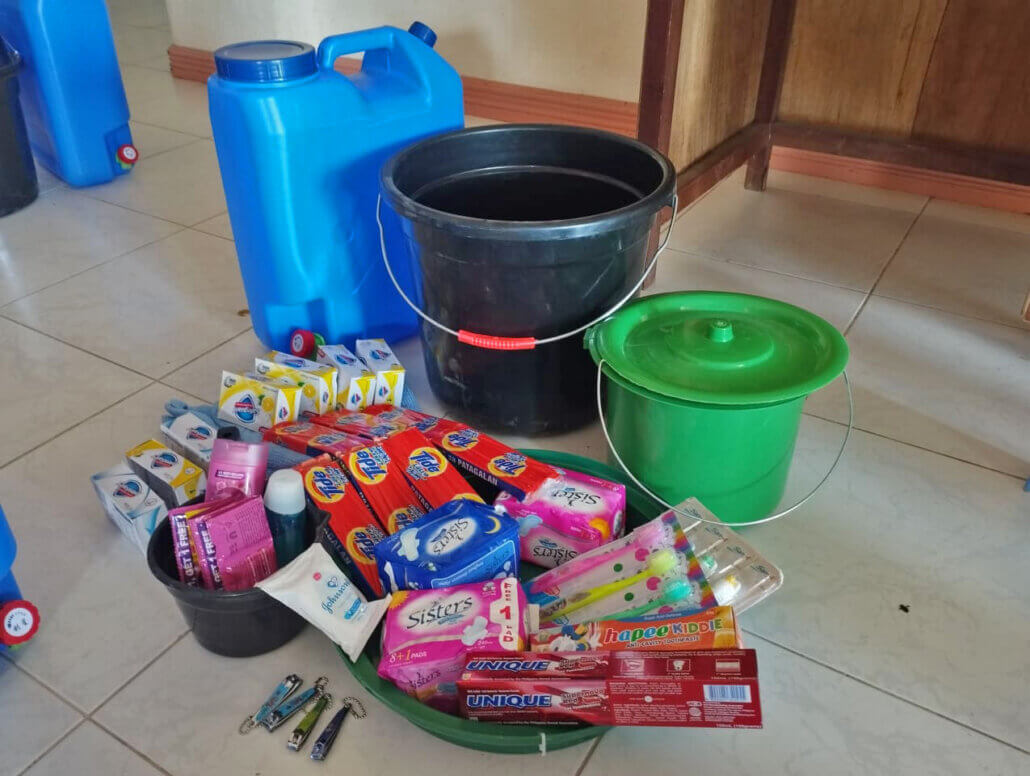
“When we received the hygiene kit, it brought us hope and relief during such a difficult time” states Lorna. Inside, there were soap, shampoo, towels, toothbrushes, blankets, and other essential sanitary and cleaning items. The hygiene supplies they had lost in the storm — items that had been hard to find in nearby stores — were finally within their reach.

For Diolito and Lorna, receiving the kit lifted a huge weight off their shoulders. Knowing that their family’s hygiene needs were covered meant they could redirect what little money they had toward putting food on the table or buying materials to rebuild their home. 

Lorna, wrapped in a blanket from the hygiene kit, shares, “I still haven’t had the time to properly wash all our belongings that were soaked during the typhoon, especially our towels and blankets. I don’t have much time during the day since I have to take care of my family.”

The whole family uses the soap and towels from the kit, but it’s the toothbrushes and towels that mean the most to them. These items have been difficult to find in the community since the typhoon. For their grandchild, these small things brought back a sense of normal life and a feeling of being cared for.

In photo: Diolito and Lorna Morales’ grandchild stands in front of their destroyed home. Photo by Martina Vercoli for Action Against Hunger.

Their little one benefited directly from the shampoo and toothpaste. Lorna said it made her happy to see the child clean and smiling again, despite the despair around them. For a family that lost almost everything, these small things give them back dignity and hope. Even though the kit was meant for their household, they also chose to share some of the items with their son’s family living nearby. “It is the least we can do … to help our family by sharing,” admits Diolito proudly.

In the photo: Lorna Morales walking with the pail they received from the hygiene kit from UNICEF. Photo by Martina Vercoli for Action Against Hunger.

For Diolito and Lorna, the support meant much more than supplies. It meant that their grandchild and their entire family could stay clean, healthy, and safe even after the strongest typhoon they had ever experienced. “It is the first time we received such aid.” They said. It brought hope for the next generation and reminded them that they were not forgotten. 


Written by Martina Vercoli

SIARGAO GREEN ECONOMY PROJECT: BUILDING A SUSTAINABLE FUTURE

Siargao, a world-renowned island in the Philippines famous for its heavenly beaches, is more than just a paradise for surfers and travelers. It is home to many communities facing significant environmental and economic challenges. Climate change, unsustainable waste management, and socio-economic vulnerabilities threaten the livelihoods of its residents. Recognizing the urgency of these issues, Action Against Hunger, with the support of the Spanish Agency for International Development Cooperation (AECID), has launched the Resilient and Sustainable Green Economy Project, also known as the Siargao Green Economy Project. 

The Philippines, an archipelago of more than 7,000 islands, is one of the most disaster-prone countries in the world. Siargao, located within the Caraga region (Region XIII) of Mindanao, is no exception. The island faces multiple threats due to climate change, including rising sea levels, intensifying tropical storms, and the degradation of its marine ecosystems. 

These environmental risks are not only catastrophic for ecosystems but also have a direct impact on the local population, particularly fisherfolks who depend on natural resources for their livelihoods.  

In December 2021, Super Typhoon Odette (internationally known as Rai) made landfall in Siargao, bringing catastrophic damage to the island. Nationwide, the typhoon affected almost 8 million people across 11 regions. In Siargao alone, Odette displaced around 14,000 families and generally affected more 130,000 people.

The devastation extended beyond the tourism sector, severely impacting local communities: homes were destroyed, livelihoods — particularly those dependent on agriculture and fishing — were disrupted, and essential services such as education and healthcare were interrupted. The recovery process was arduous; while the initial restoration of power and communications occurred within a month, it took residents a year or more to rebuild their homes and reestablish their livelihoods.  

Additionally, the rapid increase in tourism has placed significant stress on Siargao’s limited natural resources and fragile ecosystems. While tourism is an important source of income for the island, it also presents serious environmental challenges. One of the most pressing being the surge in municipal solid waste production. 

According to a study by the United Nations Environment Programme, tourism is expected to generate a 251% increase in solid waste disposal by 2050. 

Without sustainable waste management solutions and green economic alternatives, the long-term health of Siargao’s environment and communities remains at risk.

THE SIARGAO GREEN ECONOMY PROJECT 

Since 2020, Action Against Hunger Philippines has been actively working in Siargao, supporting communities affected by Typhoon Odette through emergency response, recovery, and resilience programs. Since the devastating storm, we have helped rebuild livelihoods, improve food security, and strengthen disaster preparedness in the island. 

As Siargao continues to face environmental and socio-economic challenges, we are expanding our efforts to promote sustainable development and climate resilience – ensuring that communities are not only recovering but thriving in the long term.

Recognizing these challenges, the Siargao Green Economy Project, implemented by Action Against Hunger with funding from the Spanish Agency for International Development Cooperation (AECID), aims to improve solid waste management and promote green economic initiatives across the island.

By enhancing community resilience and environmental sustainability in four municipalities  : General Luna, San Isidro, Del Carmen, and Burgos. There, we are working to improve waste reduction, promote sustainable economic practices, foster climate resilience, and strengthen disaster risk reduction. Our approach is community-driven and gender-inclusive, ensuring that solutions are both sustainable and equitable.

The success of the Siargao Green Economy Project relies on strong partnerships. We are collaborating closely with local government units (LGUs), private sector stakeholders, and local communities to develop locally driven, long-term solutions. By integrating environmental sustainability into economic development and governance, we aim to create a resilient, self-sustaining green economy in Siargao.

Through this initiative, we are not just addressing immediate concerns — we are investing in a greener, more resilient future for Siargao and its people.


According to the United Nations Environment Programme (UNEP), a green economy is one that results in improved human well-being and social equity while significantly reducing environmental risks and ecological scarcities. It is a low-carbon, resource-efficient, and socially inclusive economic model that focuses initiatives such as renewable energy, efficient waste management, circular economy practices, and eco-friendly technologies to improve human well-being without harming the environment. 

Source: National Economic and Development Authority (NEDA)


KEY COMPONENTS FOR A LASTING IMPACT 

Building a sustainable future for island communities requires a multi-faceted approach that addresses both environmental and socio-economic challenges. The Siargao Green Economy Project focuses on practical, community-driven solutions that not only protect natural resources but also create long-term opportunities for local residents. 

From improving waste management to promoting inclusive economic growth, the project is built on four key components that work together in building a resilient, thriving, and sustainable Siargao: 

Sustainable Solid Waste Management plan 

Proper waste management is essential for both environmental conservation and disaster resilience. The Siargao Green Economy Project actively supports communities by improving waste reduction, recycling, and safe disposal methods through the establishment of Materials Recovery Facilities (MRFs). These initiatives not only curb pollution but also raise public awareness, encouraging long-term behavioral shifts toward responsible waste management. 

Disaster Risk Reduction (DRR) and Climate Change Adaptation (CCA) 

To further strengthen these initiatives, our project integrates waste management strategies into disaster risk reduction (DRR) programs. Indeed, it remains crucial to develop contingency plans for waste management during natural disasters such as floods and earthquakes. The objective? To enable communities to significantly reduce the effects of disasters, better prevent damage and impacts on the environment.  

In parallel, educational programs and awareness campaigns are conducted to encourage responsible waste disposal practices and climate change mitigation. 

Trade and rural development  

A thriving green economy depends on sustainable livelihoods. The Siargao Green Economy Project promotes circular economy practices by supporting community-led recycling initiatives and repurposing waste materials into livelihood opportunities. Additionally, the project encourages the development of eco-friendly alternatives to plastic-based packaging, providing sustainable income sources for local businesses. 

Public awareness platforms also play a key role in promoting green initiatives, ensuring that residents, businesses, and tourists actively participate and commit to a collective action toward a greener economy. 

Gender-inclusive climate resilience and governance 

A truly sustainable future must be inclusive. The Siargao Green Economy Project ensures that women, persons with disabilities, and older people have meaningful participation in solid waste management, DRR, and climate change adaptation efforts. By fostering inclusive governance, the project not only promotes gender equality but also ensures that all sectors of society not only benefit from but also contribute to shaping a resilient, greener and sustainable community. 


At Action Against Hunger, we believe that addressing environmental challenges is key to breaking the cycle of hunger and poverty. Through the Siargao Green Economy Project, we are paving the way for a future where communities are empowered to thrive despite climate and economic challenges. 

To know more about the Siargao Green Economy project,  click here to consult the

Project Briefer 


This publication was produced with the support of the Spanish Cooperation through the Spanish Agency for International Development Cooperation (AECID). The content is the sole responsibility of Action Against Hunger and does not necessarily reflect the views of AECID.


WHEN THE FLOODWATERS RISE, PREPAREDNESS SAVES LIVES

MAGUINDANAO DEL SUR In the flood-prone and disaster-prone municipality of Pagalungan, Maguindanao del Sur, preparedness is a necessity : it saves lives. Among the most vulnerable communities is Barangay Bagoenged, where families face recurring floods, droughts, and conflicts. To equip the community with vital skills and strengthen local disaster response, residents recently participated in a flood community drill, supported by EU Humanitarian Aid through the ACCESS project. Ultimately, this initiative of Action Against Hunger, will ensure that no one is left behind during the next emergency.

Pagalungan, a low-lying municipality in the Bangsamoro Autonomous Region in Muslim Mindanao (BARMM), faces persistent flood risks due to its geographical location. Its vulnerability is further exacerbated by factors such as topography, climate conditions, deforestation, and inadequate infrastructure, leaving many of its barangays highly exposed to recurring disasters. 

Among these barangays is Bagoenged, situated along the Mindanao River. Its proximity to the waterway makes it particularly prone to flooding, forcing residents to evacuate multiple times to ensure their safety. Aside from floods, the community also faces hazards such as drought and local conflict, making disaster preparedness an essential priority for its residents. 

Recognizing the urgency of building resilience, and thanks to the support of the EU Humanitarian Aid,  Action Against Hunger organized a drill through the ACCESS project. Community members of Barangay Bagoenged took a proactive step by participating in this flood drill on February 11. The drill included simulation activities aim to enhance local disaster response and equipping residents with crucial emergency response and management skills. 

More than 270 households participated in the simulation, underscoring the community’s commitment to disaster preparedness and safety. The activity engaged not only residents, but also key members of the local government, barangay emergency response teams, and health and medical personnel trained through the ACCESS project. 

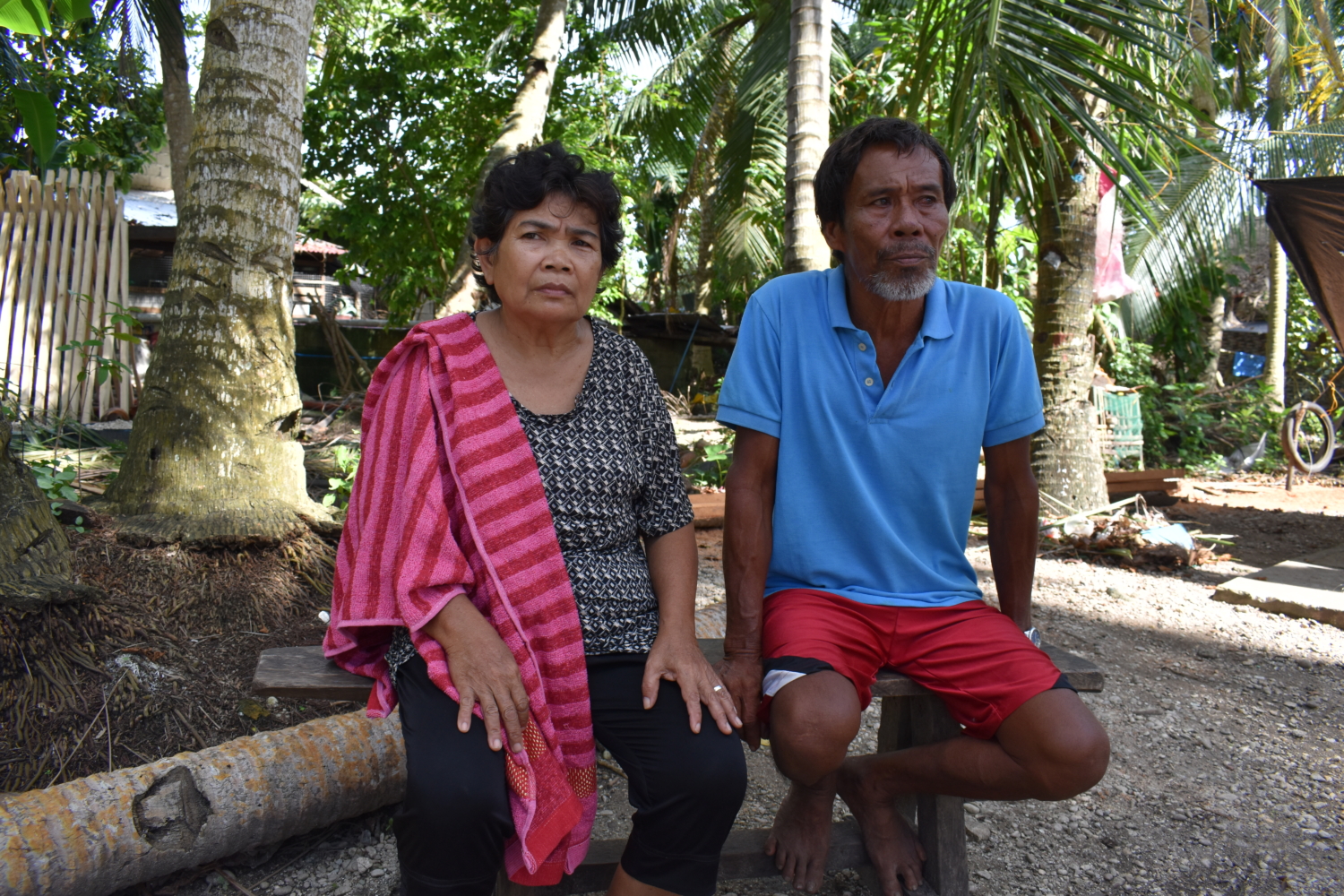
In picture : Mariam Abas, barangay health worker and a member of the community’s medical team.

Beyond the drill, the initiative focused on equipping residents with practical knowledge on emergency response. “Isa sa mga naitulong sa amin ng ACCESS ay ang skills development (One of the things ACCESS has helped us with is skills development),” shared Bai Abas, a barangay health worker and a member of the community’s medical team. Dahil sa skills development sessions namin, natuto kami kung paano namin isasagawa ang aming leadership training tungkol sa, halimbawa, early warning systems kapag may sakuna, at naibabahagi namin ito sa kapwa naming health workers at barangay officials. (Because of our skills development sessions, we learned how to conduct leadership training on, for example, early warning systems during disasters, and we are able to share this knowledge with our fellow health workers and barangay officials.)” 

The flood drill tested the community’s ability to respond effectively to severe flooding – ensuring that families knew where to go, what actions to take, and how to stay safe in an actual emergency. With support from the Municipal Disaster Risk Reduction and Management Office (MDRRMO), barangay officials, emergency responders, and community volunteers, the drill covered key preparedness measures. These include the activation of an early warning system for timely flood alerts, safe and efficient evacuation procedures with a focus on vulnerable groups, and rescue and first aid demonstrations. Coordination exercises between responders and local government units further reinforced collaboration for a more effective disaster response. 

MDRRM Officer Benjamin Alip emphasized the critical role of such drills in saving lives and reducing risks, particularly in flood-prone communities like Bagoenged.

In picture : Abdulgapor Maneged, acting Barangay Disaster Risk Reduction Management Chairperson

“Malaking bagay na natutunan ito ng mga tao para malaman nila kung paano yung mabilis at wastong paglikas tuwing may sakuna, lalo na pag may baha
(It is a great thing that people have learned this so that they know how to evacuate quickly and properly during disasters, especially floods),” – Abdulgapor Maneged MDRRM Chairperson 

Abdulgapor Maneged, acting Barangay Disaster Risk Reduction Management Chairperson also highlighted how community cooperation played a crucial role in the barangay’s progress, stating, “Malaki rin ang naging development ng aming barangay hindi lang dahil sa suporta ng ACCESS, pero dahil na rin sa kooperasyon ng aming mga kasamahan na sibilyan. (Our barangay has also developed greatly not only because of the support of ACCESS but also because of the cooperation of our community members.)” 

While community drills play a vital role in strengthening emergency response, they can only go so far. Gaps in emergency preparedness and mitigation, such as the need for improved infrastructure, sustainable early warning systems, and long-term climate adaptation strategies, must also be addressed. However, activities like this ensure that no one is left behind when disasters strike. By providing residents with life-saving skills and fostering a culture of preparedness, these initiatives help safeguard lives and enhance community resilience against future hazards. 

Action Against Hunger has been working with vulnerable and hazard-prone communities in Mindanao for 25 years, supporting efforts to strengthen resilience against disasters and improve food security, nutrition, and access to safe water. Through projects like ACCESS, the organization continues to empower communities with the knowledge, skills, and resources needed to mitigate risks and respond effectively to emergencies 

ABOUT THE ACCESS PROJECT 

This community drill is part of a broader effort under the program, ‘Assisting the Most Vulnerable Communities and Schools Affected by Complex Emergencies to Access Quality and Timely Humanitarian and Disaster Preparedness Services’ better known as the ACCESS project. The multi-year program, which began in 2023 and will conclude in June 2025, addresses intersecting and compounding risks, including chronic conflict and violence, that continue to plague Mindanao and other parts of the country. Over the past five years, the consortium partners have worked to establish and strengthen the Equitable Partnership Alliance, a network of competent and committed organizations ready to respond rapidly to humanitarian crises and address the unmet needs of the most vulnerable populations. 

Through this initiative, the consortium has provided multi-sectoral humanitarian assistance, including food aid, shelter and settlements, water, sanitation, and hygiene (WASH), primary health and mental health and psychosocial support (MHPSS), education in emergencies, and protection services. Additionally, the project has bolstered disaster preparedness, anticipatory action, and rapid response capacities among local government units, communities, and civil society organizations. 

The ACCESS consortium, funded by the EU Humanitarian Aid, comprises both international and local organizations, namely, CARE, Action Against Hunger, Save the Children, Humanity and Inclusion, Assistance and Cooperation for Community Resilience and Development (ACCORD), Pambansang Koalisyon ng Kababaihan sa Kanayunan (PKKK), Community Organizers Multiversity (COM), Mindanao Organization for Social and Economic Progress (MOSEP), Integrated Mindanaoans Association for Natives (IMAN), Notre Dame of Jolo College Community Extension Services and Peace Center (NDJC), Nagdilaab Foundation, and Leading Individuals to Flourish and Thrive (LIFT). 


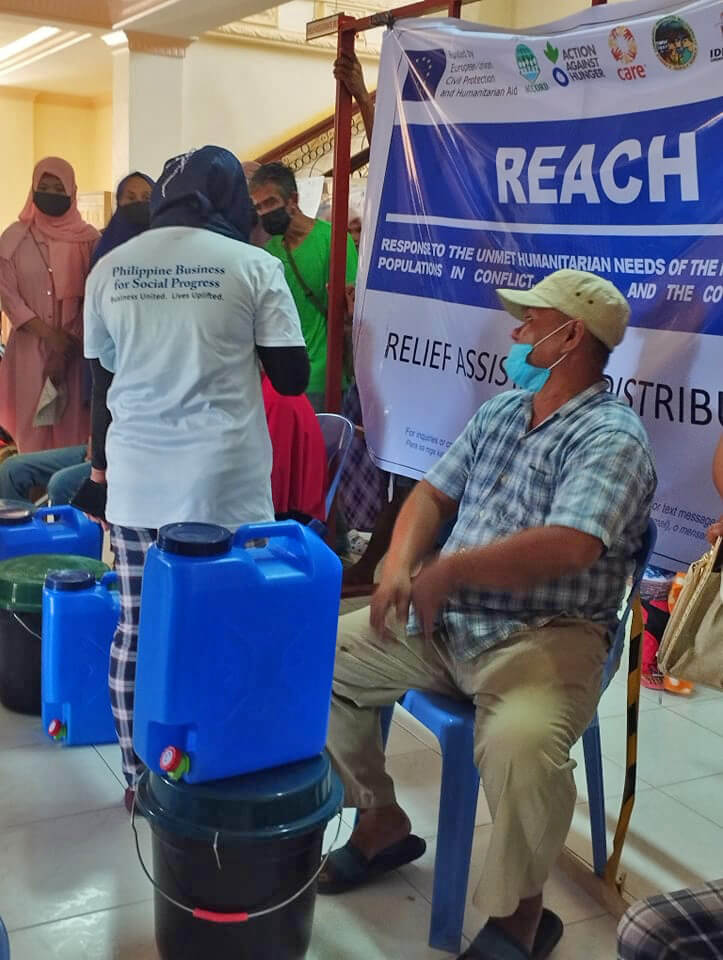
Around 1,250 flood-affected residents receive hygiene kits through REACH

Almost four months after Typhoon Odette, the central and southern parts of the Philippines are faced with another mishap when Tropical Storm Agaton (internationally named Megi) had left almost 307,500 people displaced.

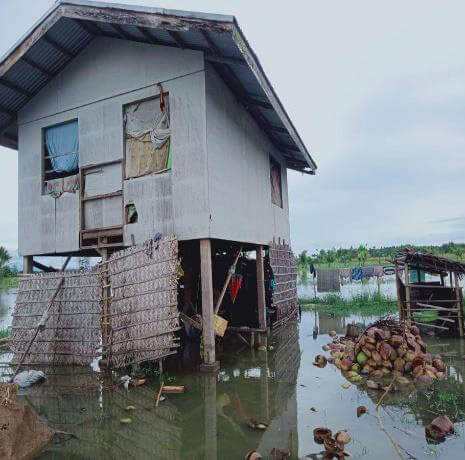
Heavy rainfall had left Maguindanao flooded for two weeks since April 7, 2022. This has caused a tremendous impact on the health and livelihood of families living in all 14 barangays in Mamasapano—especially in accessing and maintaining hygiene and health protection.

In photo: Barangay Lusay, Mamasapano (Photo courtesy of Mamasapano Municipal Disaster Risk Reduction & Management Office)

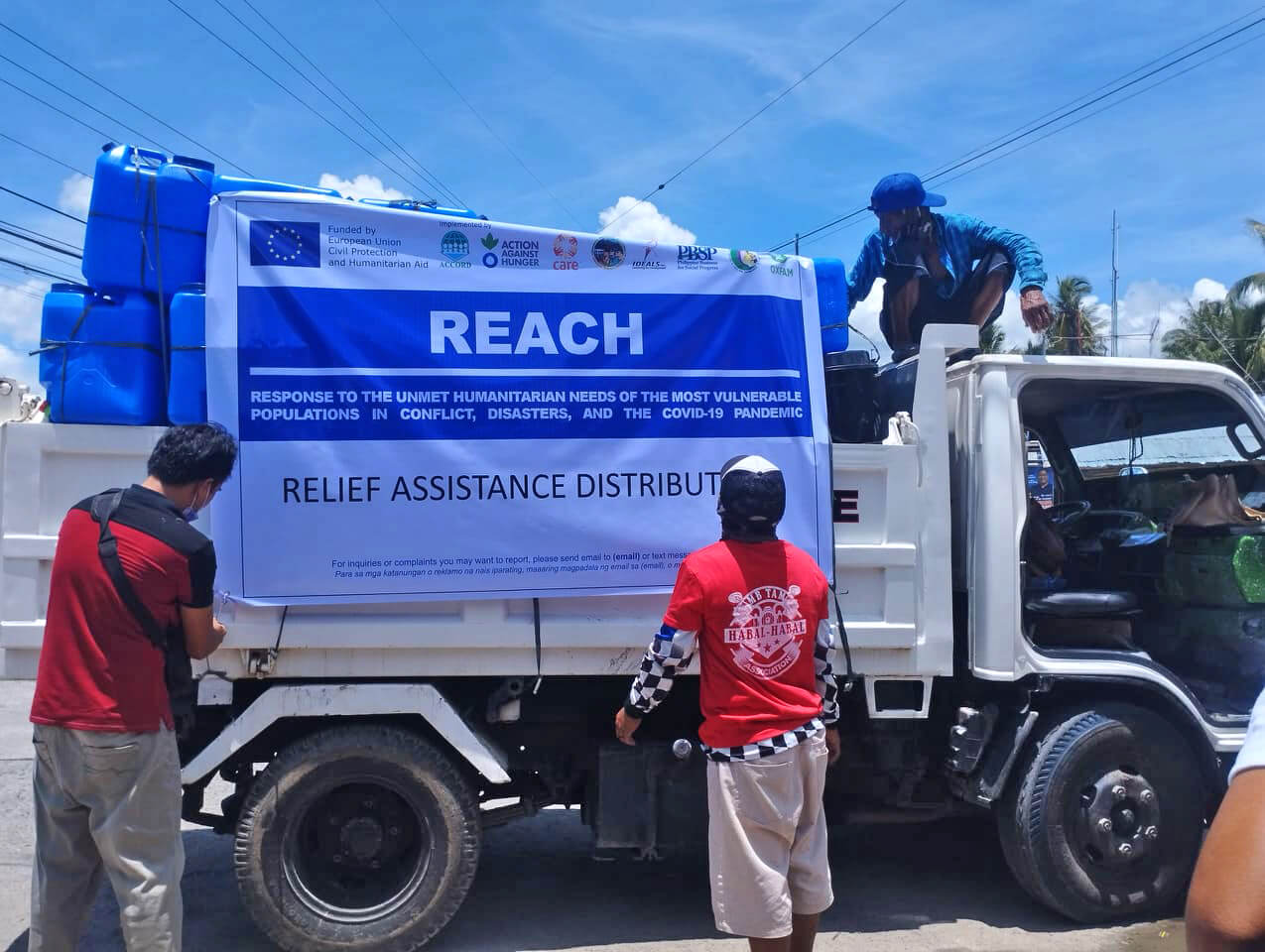
With funding support from the European Union Humanitarian Aid, the REACH project launched an emergency kit distribution last April 21 to support almost 1,250 flood-affected families in Maguindanao. The distribution was facilitated by Action Against Hunger and the Philippine Business for Social Progress (PBSP).

Many of the participating families rely on agriculture as their main source of income. Now that crops have been damaged by the flooding, they worry that the lack of sustainable income will deprive them of access to their health and hygiene needs.

Working closely with the Municipal Disaster Risk Reduction Office (MDRRMO) and Municipal Social Welfare and Development Office (MSWDO) of Mamasapano, we identified persons with disabilities to be prioritized in the said distribution. A total of 250 families were able to receive hygiene kits.

The selection of PWDs was advised by the MDRRMO and MSWDO due to the group’s increased vulnerability to health risks brought about by the flooding. In Mamasapano alone, more than 4,000 families are reportedly affected by the storm.

The ‘Response to the Unmet Humanitarian Needs of the Most Vulnerable Populations in Mindanao and the Visayas Affected by Conflict, Disasters, and the COVID-19 Pandemic’ (REACH) Project is funded by the European Civil Protection and Humanitarian Aid (ECHO) and is implemented by ACCORD IncorporatedAction Against Hunger PhilippinesCARE PhilippinesCommunity Organizers MultiversityInitiatives for Dialogue and Empowerment through Alternative Legal Services (IDEALS) Inc.Philippine Business for Social Progress (PBSP)United Youth of the Philippines-Women and Oxfam Pilipinas.


Written by Dennis Alcy Ellorimo | Edited by Joyce Sandajan Read more
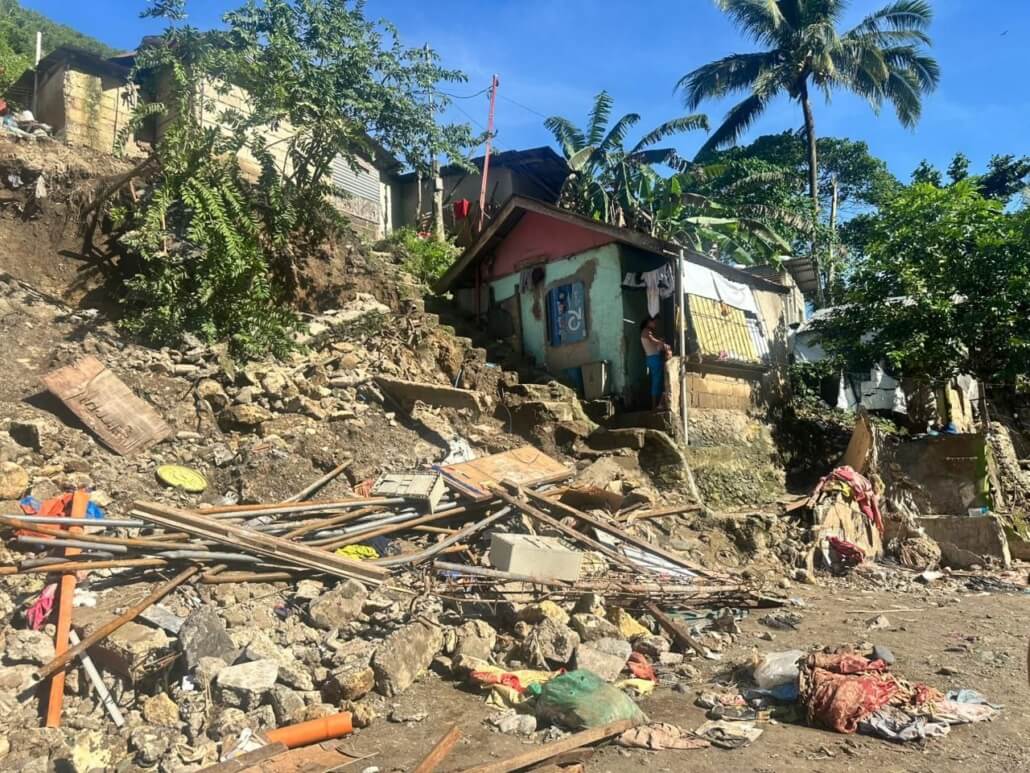
CALL FOR DONATIONS: Help families affected by Typhoon Odette (Rai)

Thousands of families will be greeting the new year without a roof above their heads or food on their tables. Families affected by Typhoon Odette have barely any access to food, potable water, health services, and other basic needs.

People’s living conditions in severely-affected areas worsen as electricity, water supply, and telecommunication lines have yet to be restored. Food supplies are depleting by the day and the weather has been unforgiving, making it more difficult for the many people who lost their livelihoods and homes. Both government and humanitarian agencies have been steadfast in responding to people’s needs, but with the catastrophic impact of the typhoon more support is needed.
Make a donation today and help save lives.


Now, Ca

Questions about The Invisible Monster? We’ll answer them for you!

Have some questions about The Invisible Monster? We’ll answer them for you! ???’? ???? ???, ????? ??? ???? ???: https://youtu.be/xy0mohAZ3qc

Read all the frequently asked questions on The Invisible Monster:
https://bit.ly/3mcivjJ

The online premiere is supported by Action Against Hunger ambassadors, Chefs Rolando and Jacqueline Laudico, and in collaboration with The Spanish Chamber of Commerce in The Philippines – La CámaraOur Awesome PlanetNyxsys Philippines, Inc.Pitchworks Inc.Summit Outdoor Media, and Guevarra’s.

Multi-Sectoral Assistance to Conflict-Affected Populations in Marawi City

The economic downturn predicted for this year will have a direct impact on the food security of millions of people. According to the National Nutrition Council (Official), ensuring healthy diets is challenging during emergencies because of mobility restrictions to gain access to food supply.

One of our priorities is to cover the immediate needs of vulnerable populations that have limited access to food by providing food packs, cash distribution, and livelihood support or implementing cash-for-work programs.

Last September 2 to 4, more than 200 families in Marawi City received cash for food assistance as part of our ?????-???????? ?????????? ?? ????????-???????? ??????????? ?? ??? ?????? ?????, with the help of Task Force Bangon Marawi and City Government of Marawi. Funded by the Swedish International Cooperation Agency (SIDA), the food aid assistance aims to support a total of 1,900 beneficiaries overall.

Subscribe to our newsletter to learn more about our food security & livelihood programs: https://actionagainsthunger.ph/

(Photos by Levy Marcon and Albert Cuales for Action Against Hunger)

Sida – Styrelsen för Internationellt Utvecklingssamarbete

#TogetherAgainstHunger #EndHungerPH #COVID19PH #covid19 #donation #donate #charity #love #nonprofit #volunteer #help #education #giveback #ngo #support #community #fundraiser #children #fundraising #change #makeadifference #philanthropy #socialgood #causes #PHF7AK