Burgos Environment Week: Siargao strengthens its environmental action through community-led initiatives
Siargao, Philippines — Communities, local leaders, and partner organizations came together in Burgos, Siargao, for Adlaw nan Burgos and the Philippine Environment Month, reaffirming a shared commitment to environmental protection, climate resilience, and sustainable development across the island.
Held from June 10 to 17, Burgos Environment Week highlighted ongoing environmental initiatives, community-led efforts, and partnerships that continue to strengthen collective action and promote sustainable solutions in Siargao.
As Siargao continues to face increasing climate-related hazards alongside growing environmental pressures, community-led environmental action plays an important role in protecting livelihoods, reducing disaster risks, and promoting sustainable local development.
Action Against Hunger Philippines contributed to the week’s activities through the Siargao Green Economy Project, supported by the Spanish Agency for International Development Cooperation (AECID). The project promotes environmental sustainability while strengthening community resilience, local governance, and inclusive green economic development.
“As part of the Celebration of the Philippine Environment Month 2026 that coincides with “Adlaw Nan Burgos”, the series of environmental activities conducted continuously supports the LGU Burgos and its Barangays in the implementation of sustained awareness-raising and behavior change campaigns. This initiative aims to strengthen community and youth and children participation by promoting responsible environmental practices, inclusive leadership, and gender-responsive actions that contribute to long-term resilience and sustainable local development.”
Conie Ann Isabel Canto, Field Officer
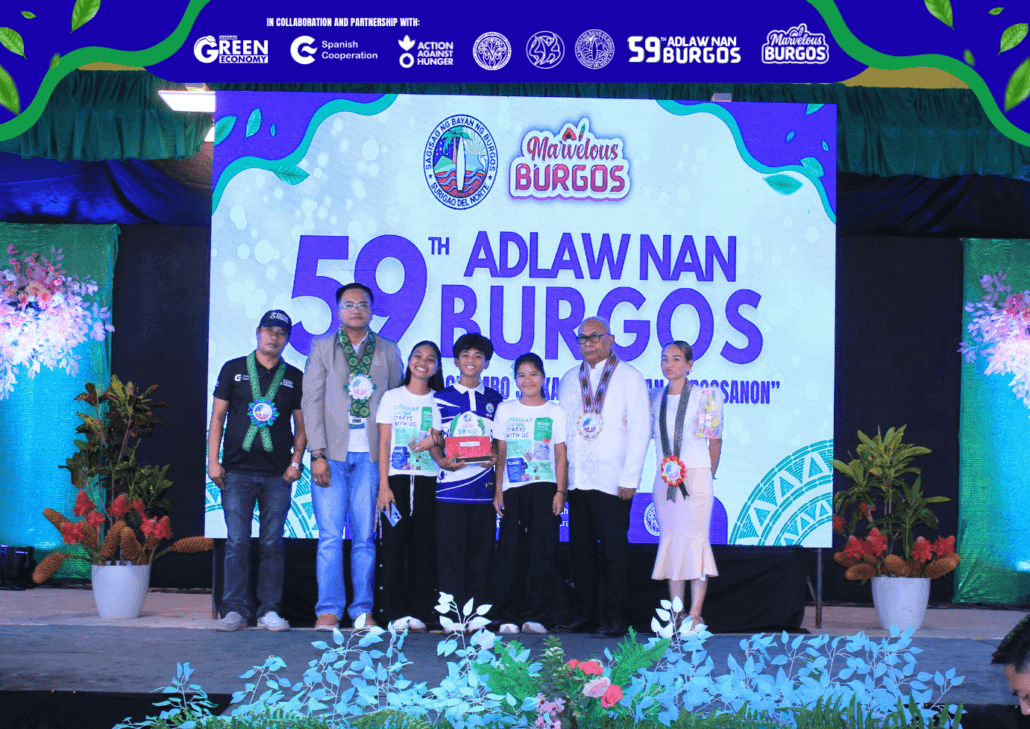
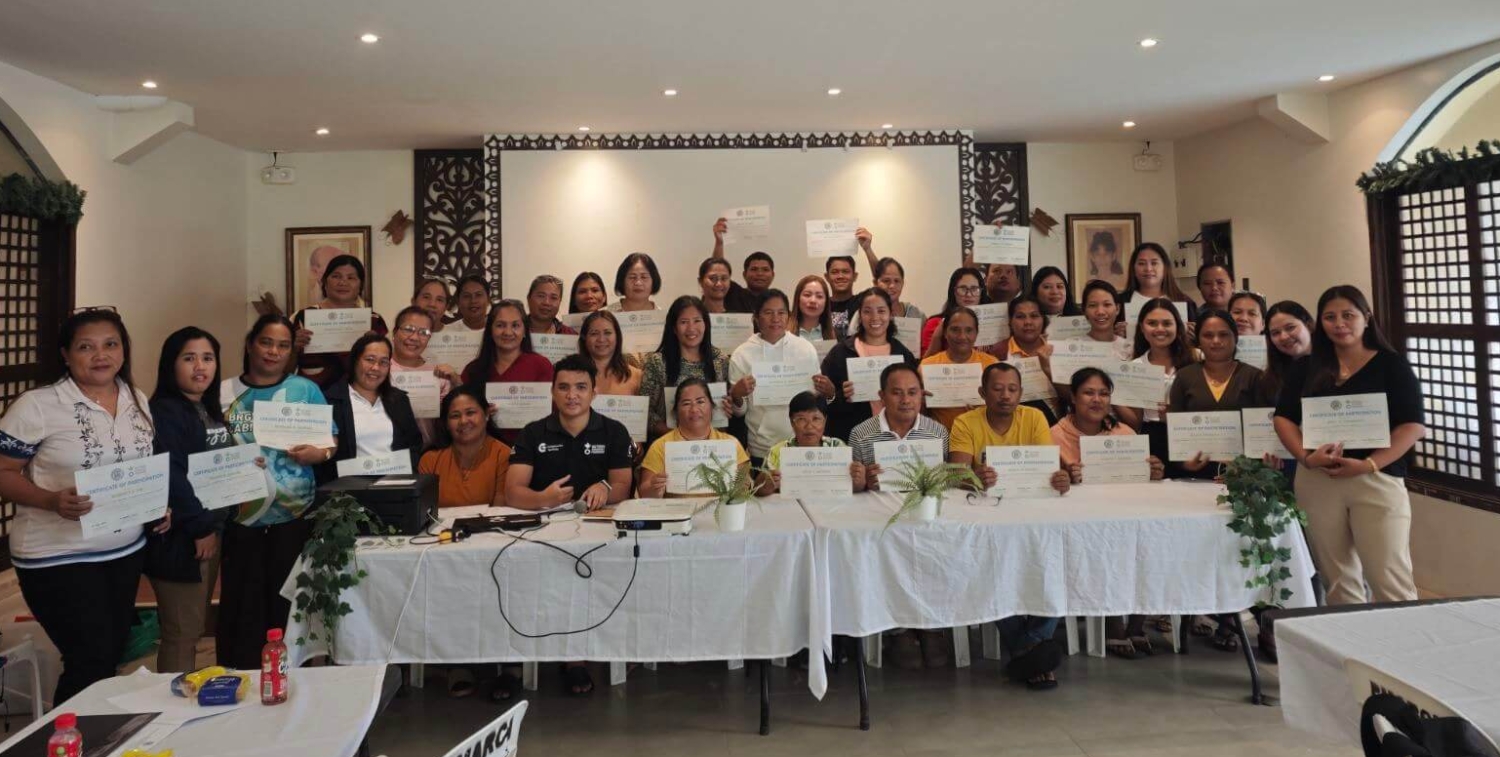
In photo: Final awarding ceremony after a week of activities highlighting a shared commitment to environmental action. (Photo by Nick Estebe for the Burgos local government unit)
Environmental Protection in Siargao
Siargao’s rich biodiversity and coastal ecosystems sustain local livelihoods, food systems, and a growing tourism economy. The island has also been increasingly exposed to climate-related hazards, including stronger typhoons, flooding, coastal erosion, and changing weather patterns. These challenges, compounded by growing waste management concerns and tourism pressures, threaten ecosystems, livelihoods, and community well-being.
In this context, protecting the environment remains closely linked to food security and resilience. Healthy ecosystems support fisheries, agriculture, tourism, and other local livelihoods, while providing essential ecosystem services that help communities withstand climate and disaster-related shocks. By protecting natural resources, communities are better able to secure food, income, and long-term resilience.
Highlights of Burgos Environmental Week
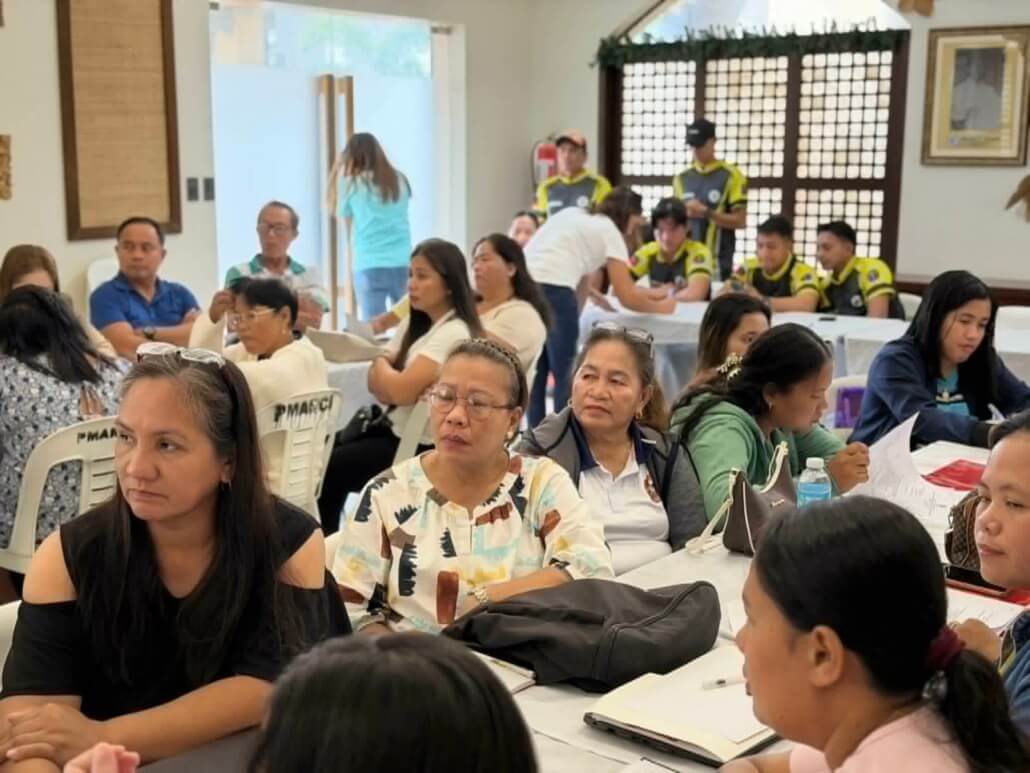
The program brought together local government offices, youth groups, and community members through activities designed to encourage sustained behavior change and strengthen environmental stewardship.
Simultaneous Coastal and Community Clean-Up Drive
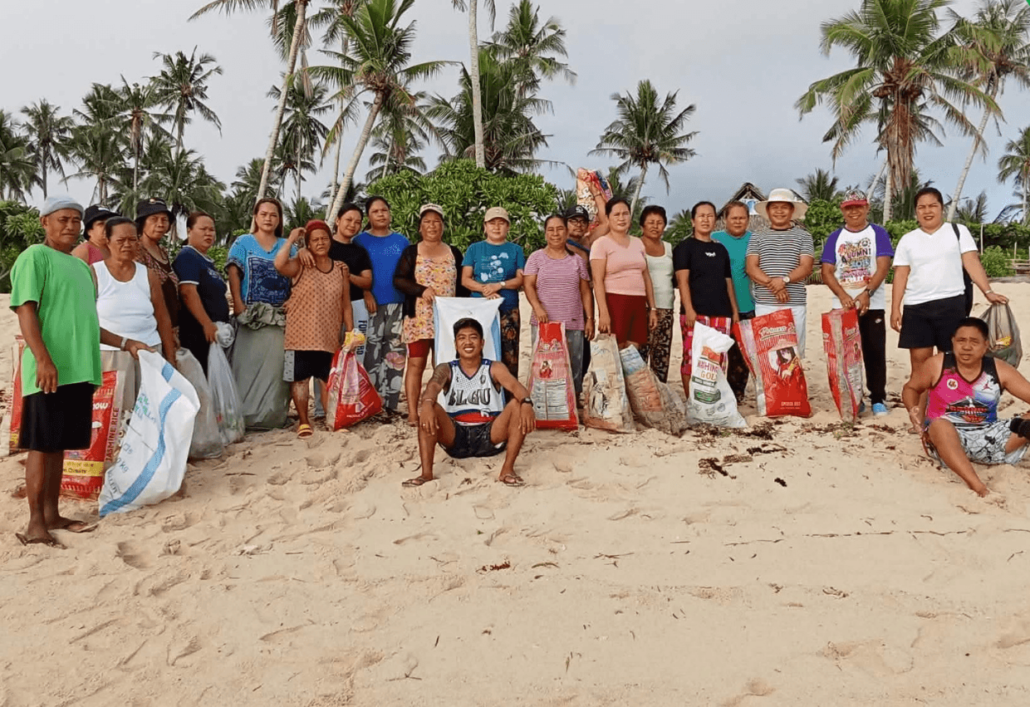
Conducted across Burgos’ six barangays and participated by national government agencies, the barangay and local government unit officials, community volunteers, youth and children, led to the collection of about 90 kilograms of waste. This activity builds on earlier efforts during the Month of the Ocean—where over 130 kilograms of waste were collected. The June activities further demonstrated the impact of collective community action to maintain clean environments and foster shared responsibility.
Tabanog-Sa-North Competition
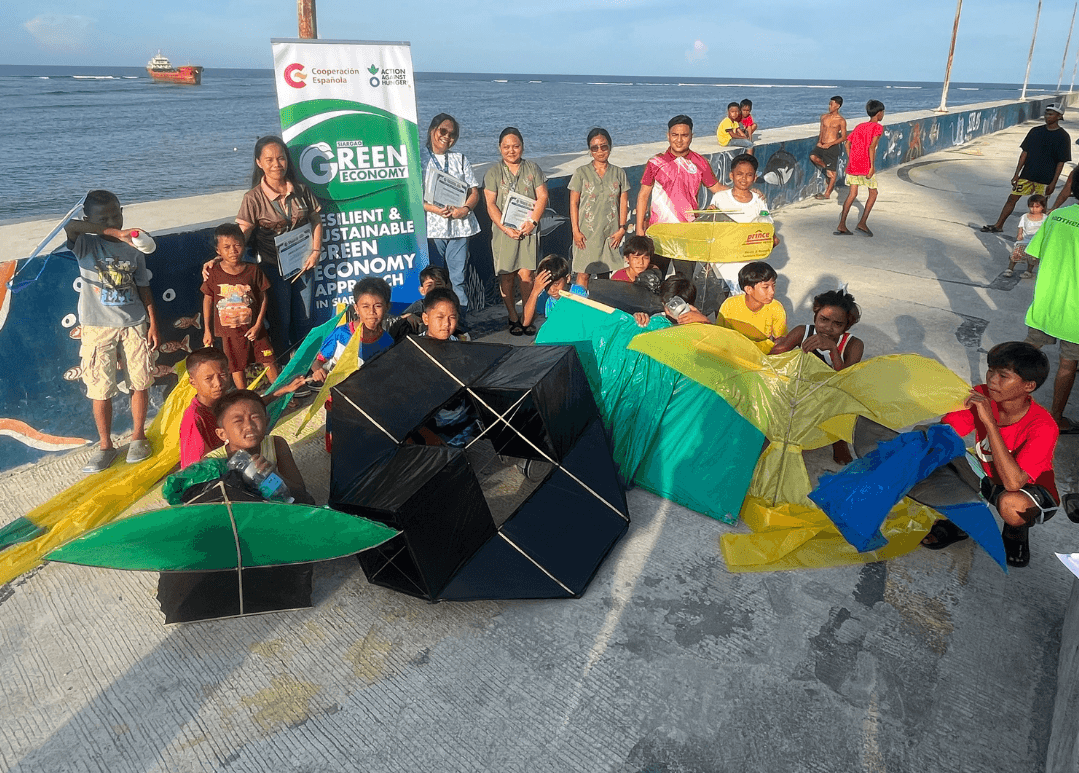
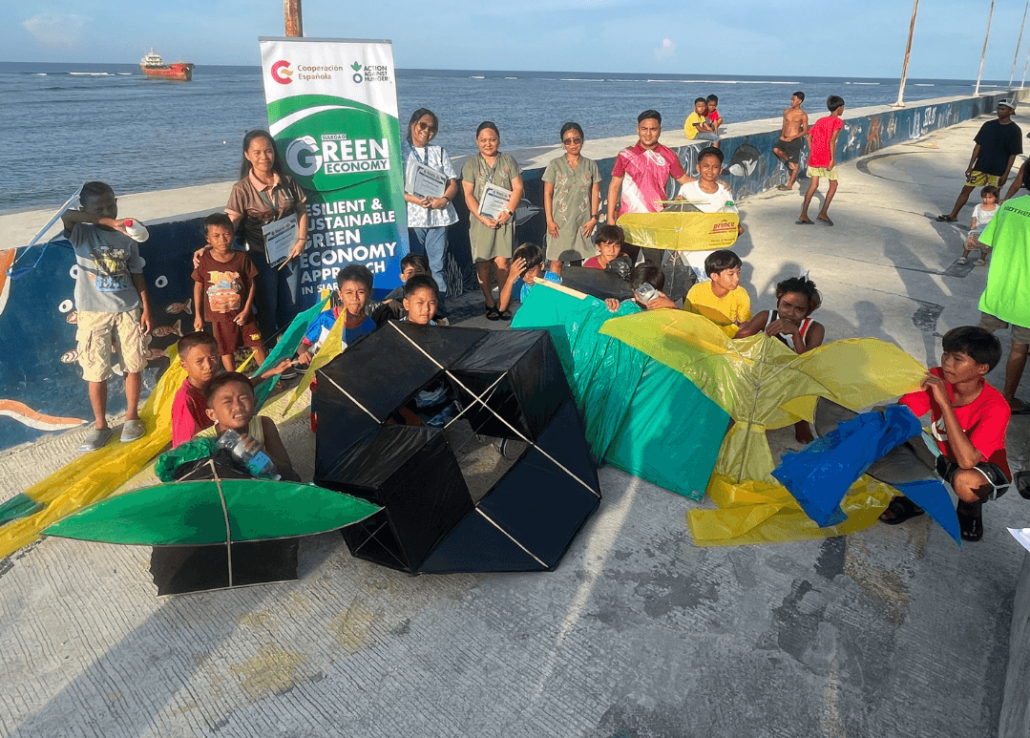
Led by the Municipal Tourism Office, children took part in kite-making using recyclable and reusable materials. The activity encouraged environmental awareness and creativity while strengthening appreciation for the island’s natural environment.
Search for Cleanest and Greenest Barangays
Spearheaded by the Municipal Environment and Natural Resources Office (MENRO), this initiative recognized barangays demonstrating strong waste management practices. Barangay leaders, youth, and volunteers reinforced positive environmental practices, highlighting that protecting the environment is a shared responsibility that starts within the community.
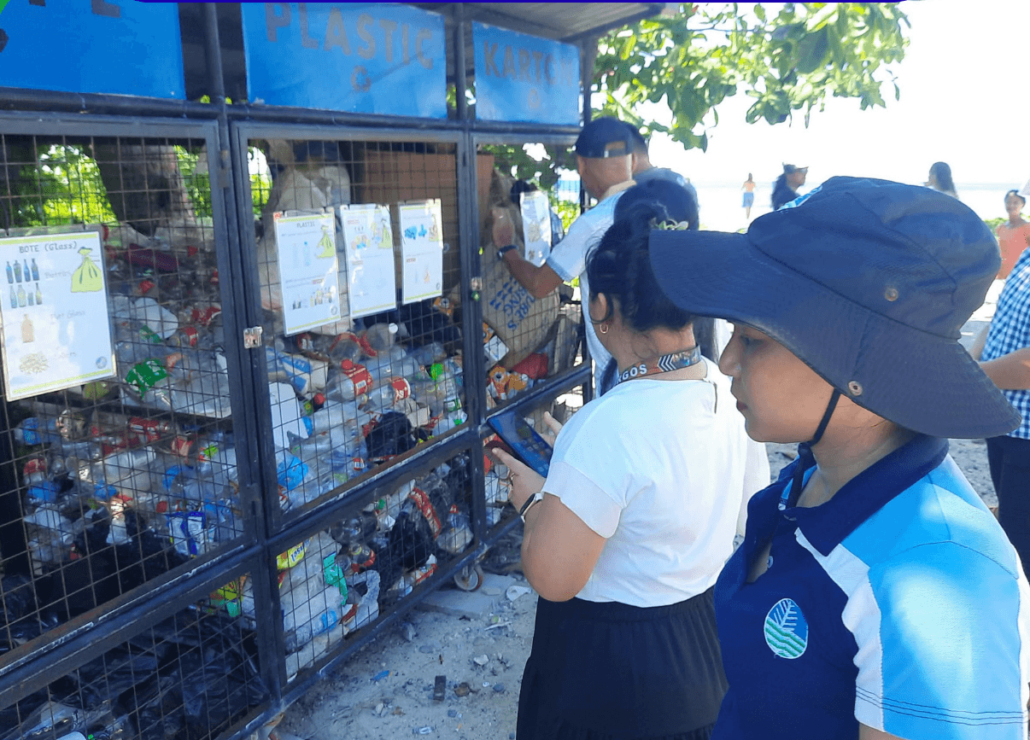
“We express our gratitude to Action Against Hunger, the Spanish Cooperation and Green Economy Project for organizing and supporting this great program that encourages communities to become cleaner, greener, and more responsible in managing the environment. Your initiative is a great inspiration to further strengthen our activities for sustainable development.
Jose Goña, Jr., Barangay Captain, Barangay Baybay, Burgos
Jingle-Go-Green: Youth-Led Jingle Composition
Organized by the Local Youth Development Office, young participants developed creative jingles promoting waste reduction, recycling, and environmental responsibility. Through music, youth advocates amplified key environmental messages within their communities.
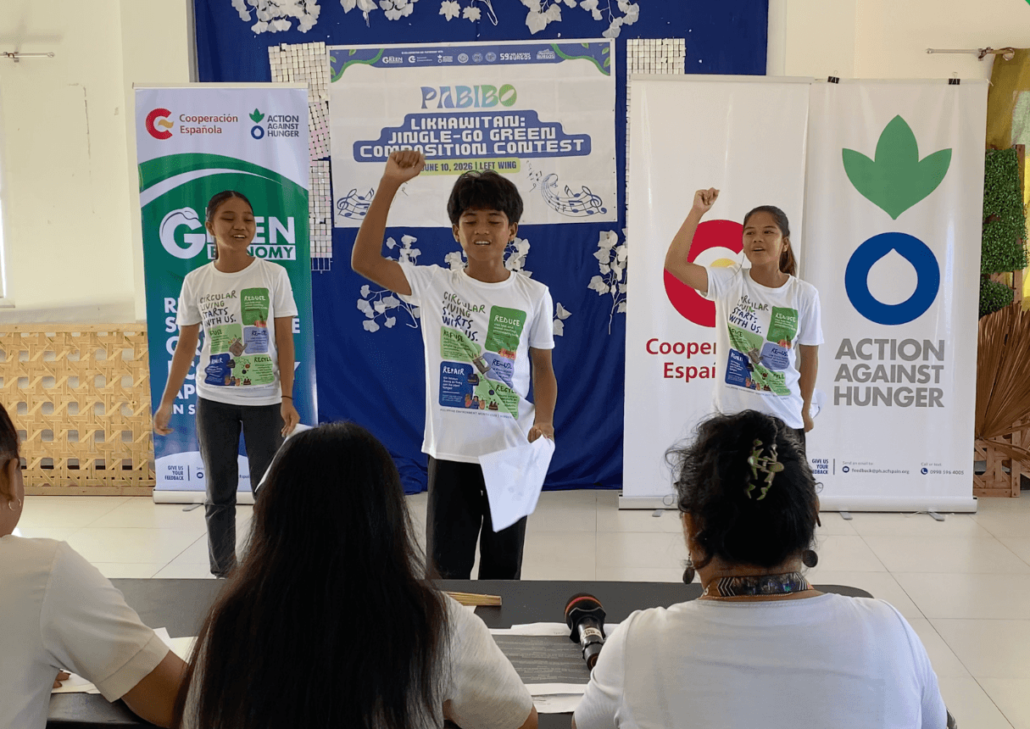
Go Green Burgos, Walay Mabiyaan!
By: Fides Vasquez, Rey John Dogmoc, & Jelaiza Bare
IV
Klima magbag-o, mag-andam kita
Magkahiusa
Magtanom ug puno, tubig atong itipid
Alang sa kinaiyahan (2x)
V
We’re going up, up. Up
Babae’g laki,
Pantay nga kusog, walay mabiyaan
Marvelous Burgos, Green ug asenso para sa tanan! (repeat)
The Amazing Race: Discover Burgos- Race for Sustainable Tourism
Participants joined a team-based race across Burgos’ scenic locations, promoting sustainable tourism while strengthening community engagement and environmental awareness.
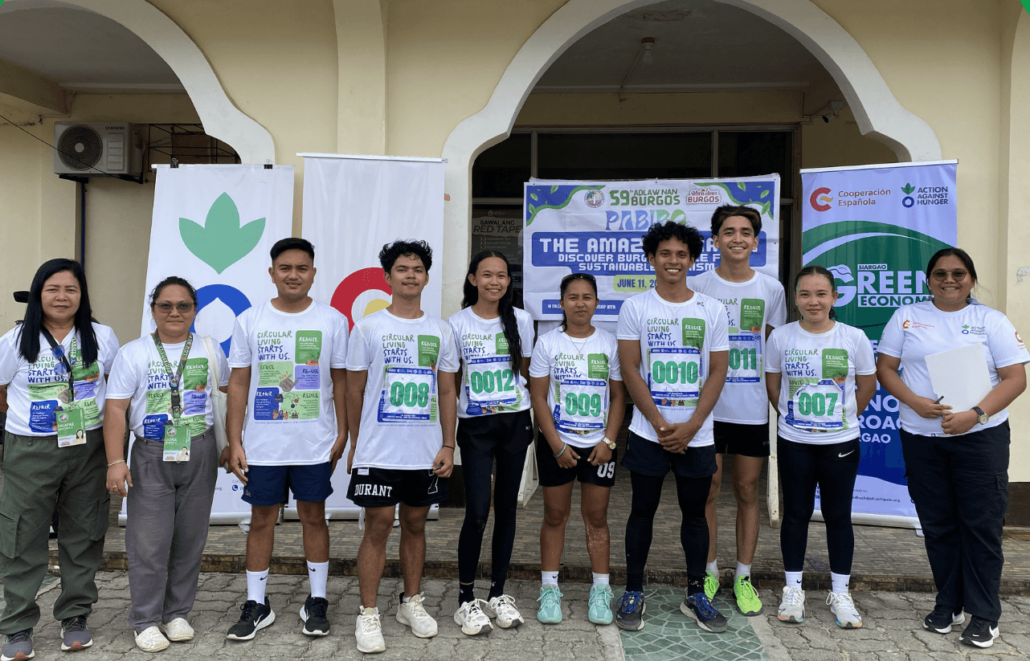
Burgos Environment Week brought to light the sustained collective action being carried out across the municipality to protect the environment and strengthen resilience. The activities served as a platform for shared learning, coordination, and renewed commitment among stakeholders working toward a more sustainable Siargao.
To conclude the week, Sangguniang Kabataan (youth council) Officials will conduct an awareness campaign on the 24th of June to promote proper waste segregation and sustainable practices, showcasing the role of youth leadership in protecting the environment.
Action Against Hunger in Siargao
Action Against Hunger Philippines continues to support long-term development efforts on the island. Beyond disaster response and recovery, its work integrates disaster preparedness, water, sanitation and hygiene (WASH), and environmental sustainability into community-based programming.
These efforts recognize that environmental protection plays a critical role in improving community health, strengthening food security, and building resilience.
About the Siargao Green Economy Project
The Siargao Green Economy Project, supported by the Spanish Agency for International Development Cooperation (AECID), aims to promote sustainable and inclusive economic development while strengthening environmental protection in Siargao. The project works with local government units, communities, and partner organizations to support green livelihoods, strengthen local environmental governance, improve resource management, and enhance resilience to climate and disaster risks.