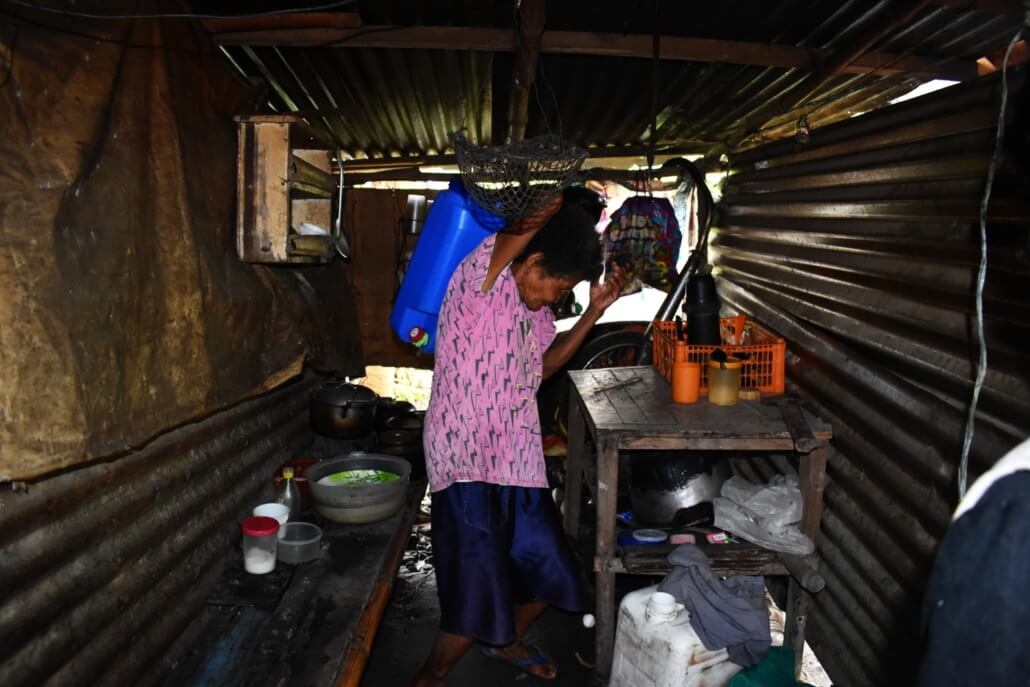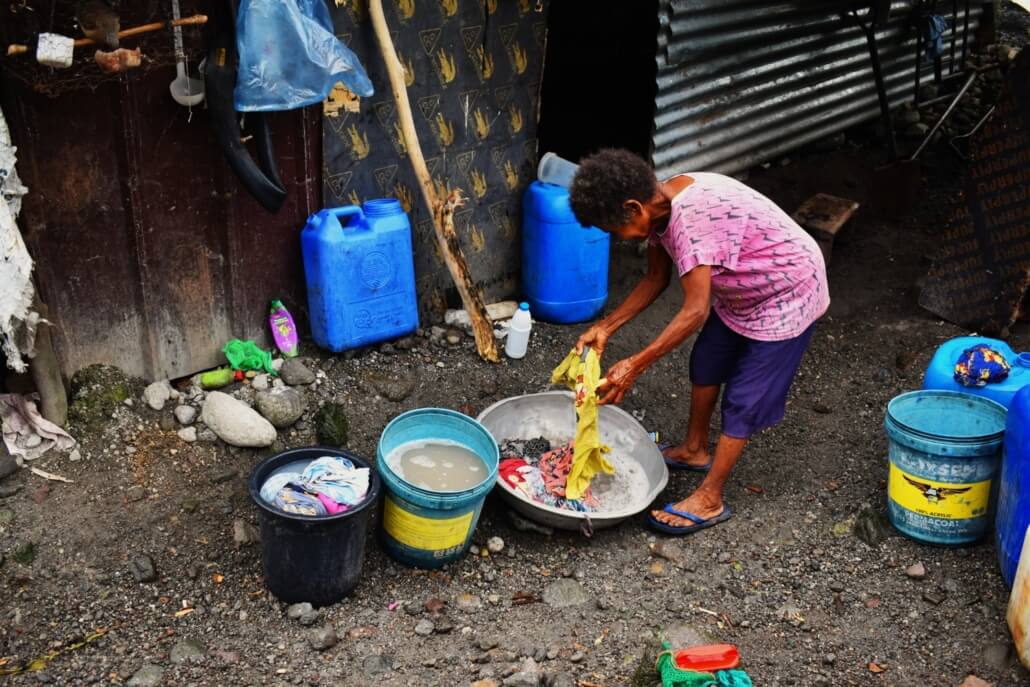
Surviving the Quake: The Sinangote Family’s Story of Survival

SAN REMIGIO, CEBU  ─  On the night of September 30, 2025, Henry and Tessie Sinangote were at their small sari-sari or sundry store by the beach in Purok Sineguelas of Barangay Tambongon when the earth began to shake violently. The magnitude 6.9 earthquake that struck Bogo City changed their lives in a matter of minutes.

“When the earthquake happened, it was around 9:55 p.m., and it lasted for maybe a couple of minutes, but it felt longer. When it stopped, Henry went straight home,” Tessie recalls. Only three of their four children were home as one was working in Cebu City.

“We were calling out to the other children, but they weren’t answering. We felt hopeless. We thought they were gone.” – Tessie Sinangote

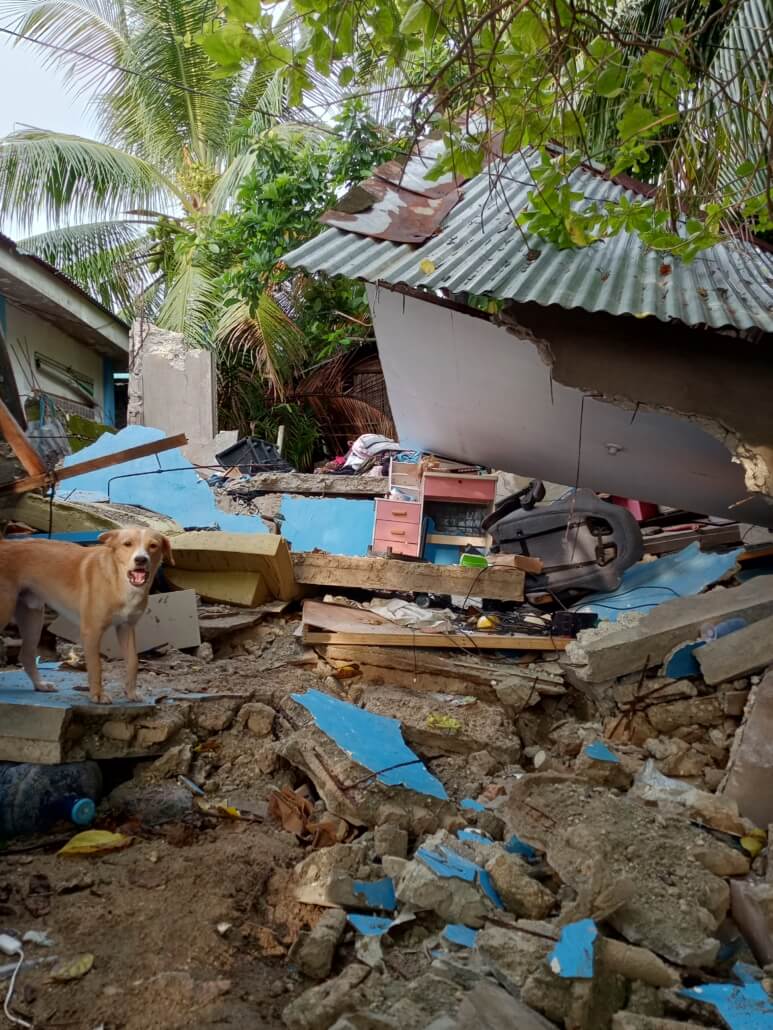
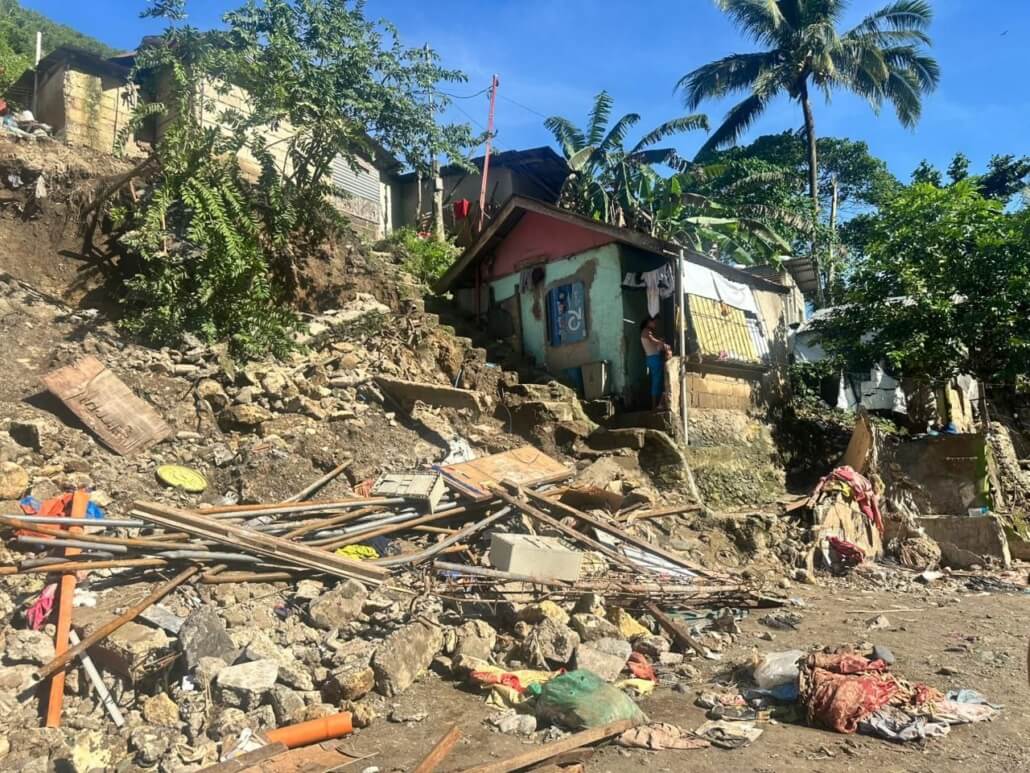
Henry and Tessie shared that at the time of the incident, the eldest and the youngest were in the bedroom, while the other was working online in a separate room. When the earthquake hit, the walls of the bedroom collapsed. “My other son, who was awake and working at the time, managed to get out, but the other two children who were sleeping were left buried by the debris,” Tessie says, her voice shaking. “When Henry and I got to the house, we were calling out to the other children, but they weren’t answering. We felt hopeless. We thought they were gone.”

For almost an hour, the family and relatives worked to lift the debris. “Luckily, our nieces and nephews were there to help because we couldn’t move the walls ourselves. I told them to get wood or anything to help lift the heavy cement. We all worked together, and ultimately, we managed to save my two children,” Henry recalls.

A parent’s nightmare

The youngest, thankfully, did not sustain any injuries. However, the eldest child had minor wounds and what they thought was a potential head injury at the time after he had shielded his sibling when the house was collapsing. Their neighbors all helped and brought them to the hospital, but by the time they arrived, patients and health workers had already evacuated outside due to the aftershocks.

Tessie stayed with her eldest at the hospital, but the ordeal did not end there. “We were outside and it started raining. People kept arriving, many were injured, and we even saw the body bags,” she shared. She said she cannot forget the fear she felt when she thought her child could have been among the casualties. “When our children weren’t responding to our screams, we thought they were no longer alive. They could easily have been one of the cases brought in that night. The trauma for a parent seeing that is unimaginable.”

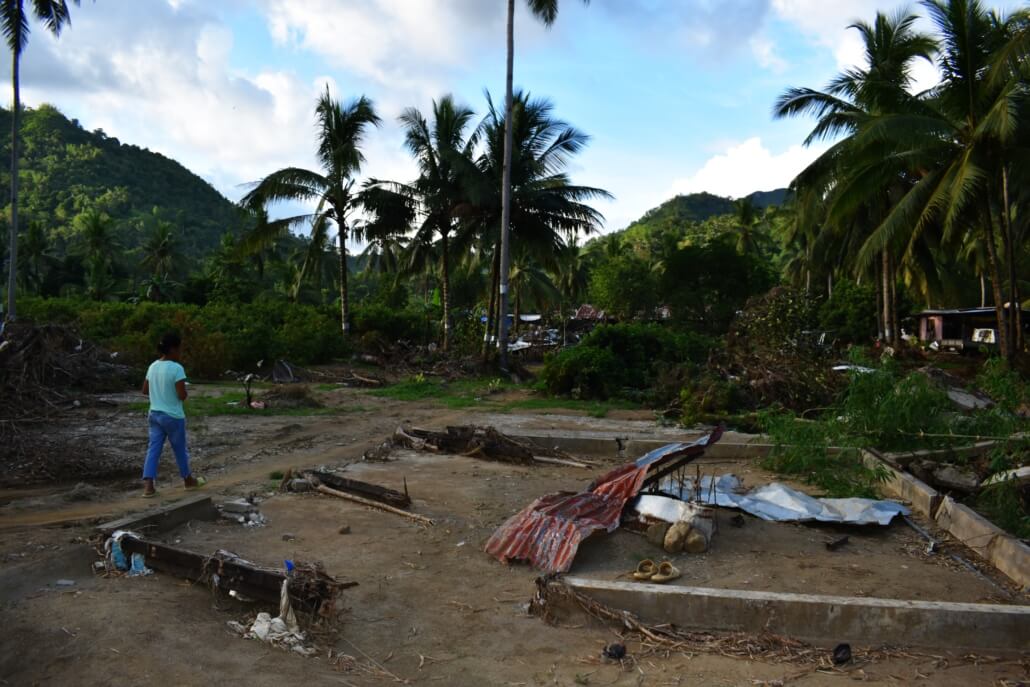
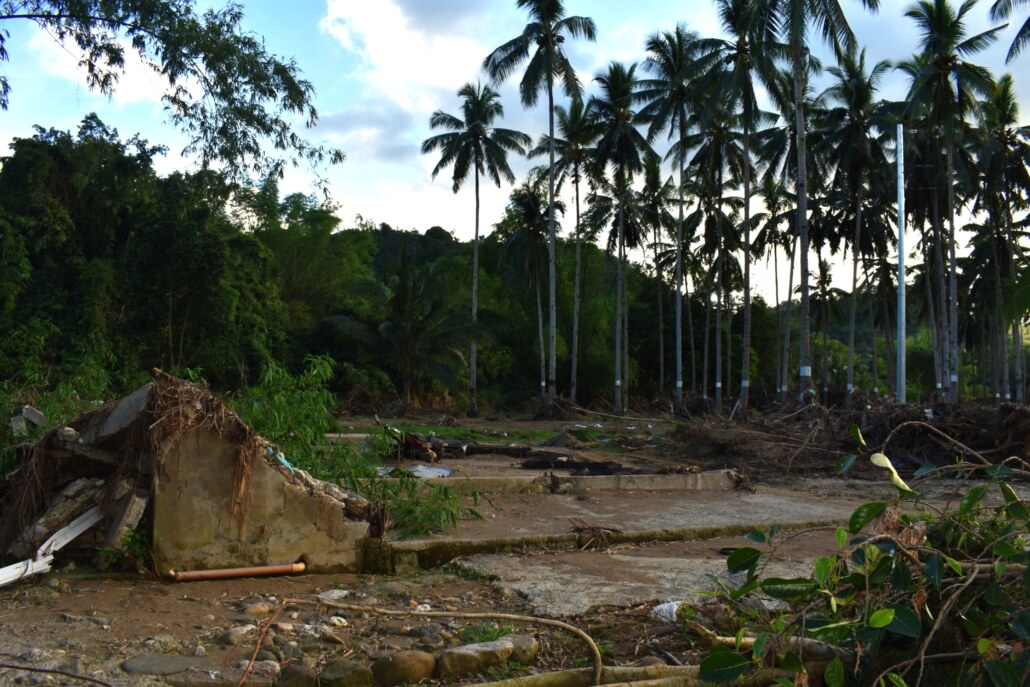
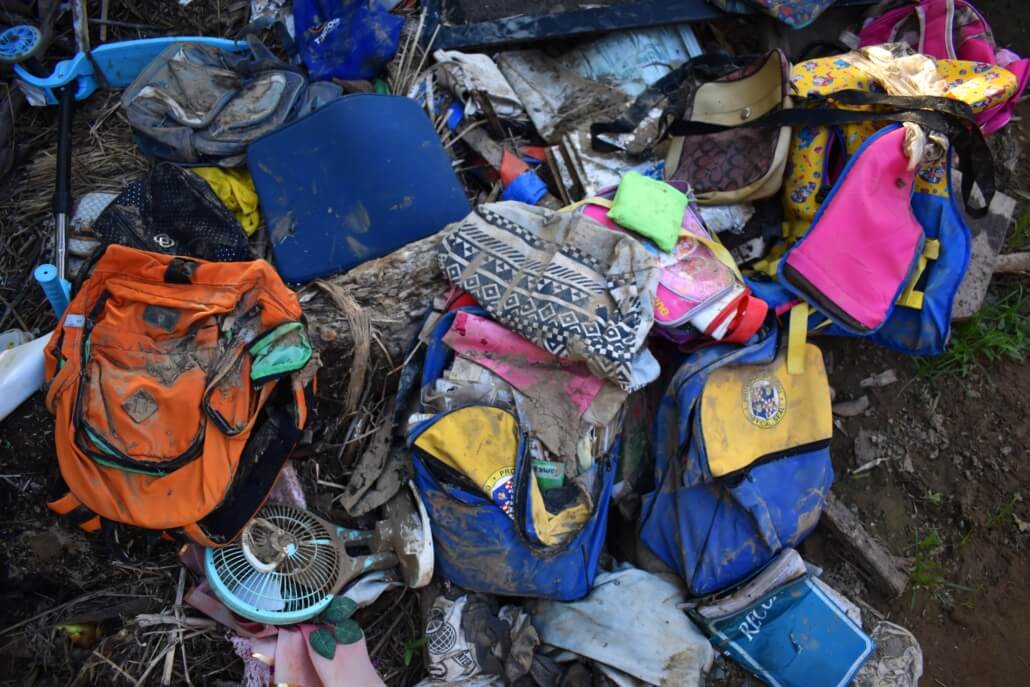
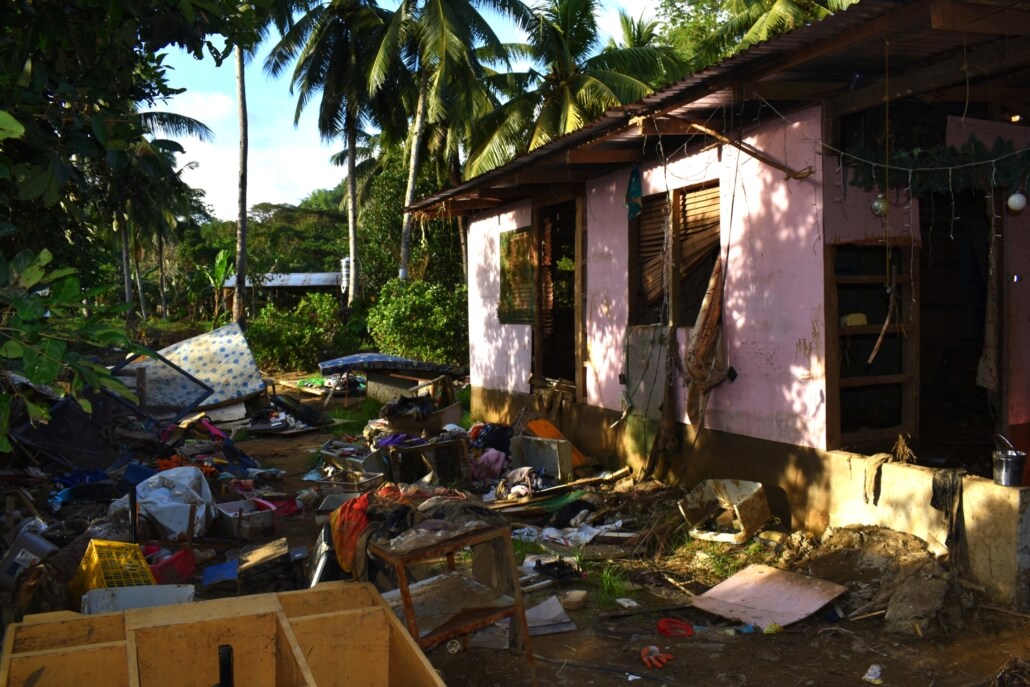
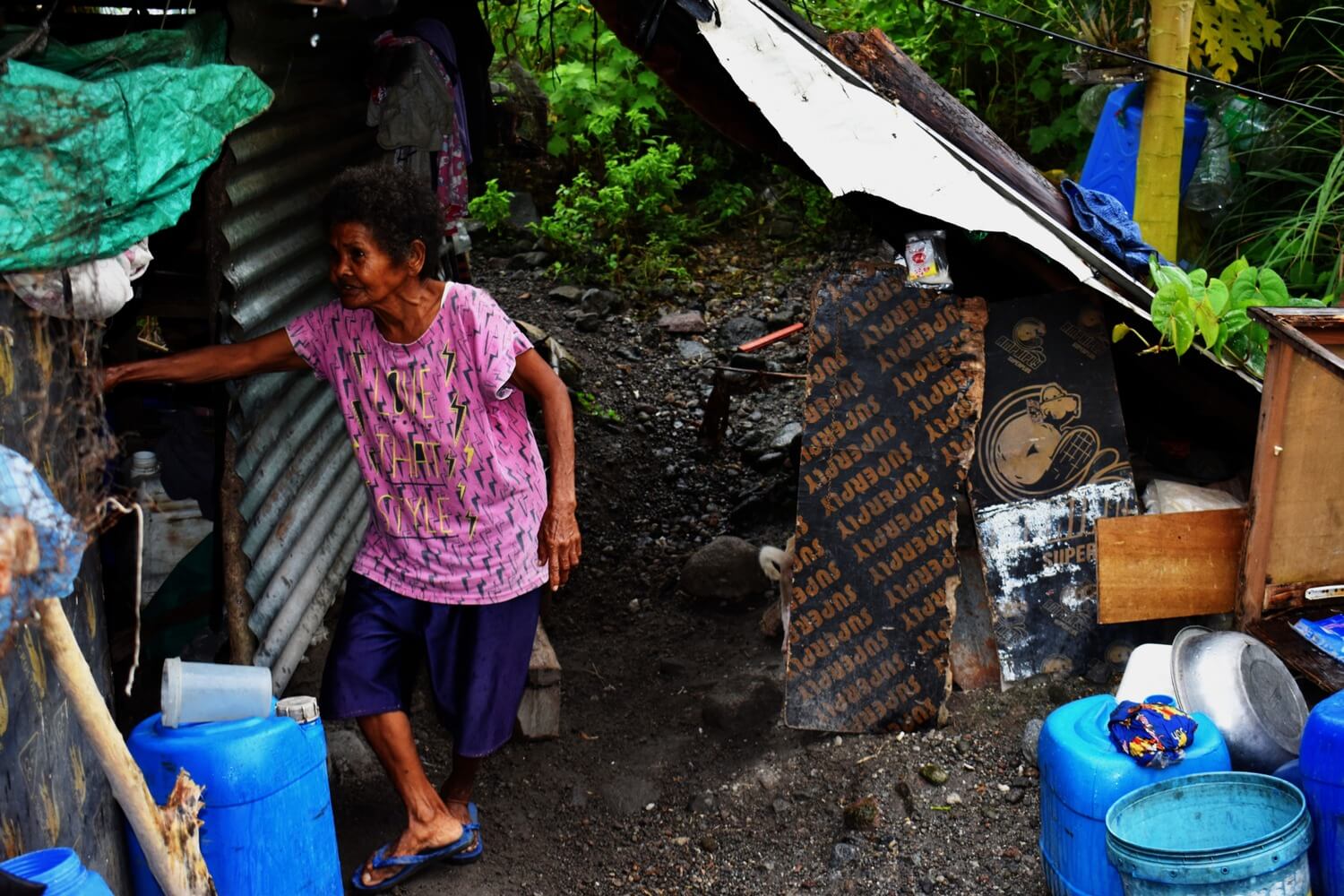
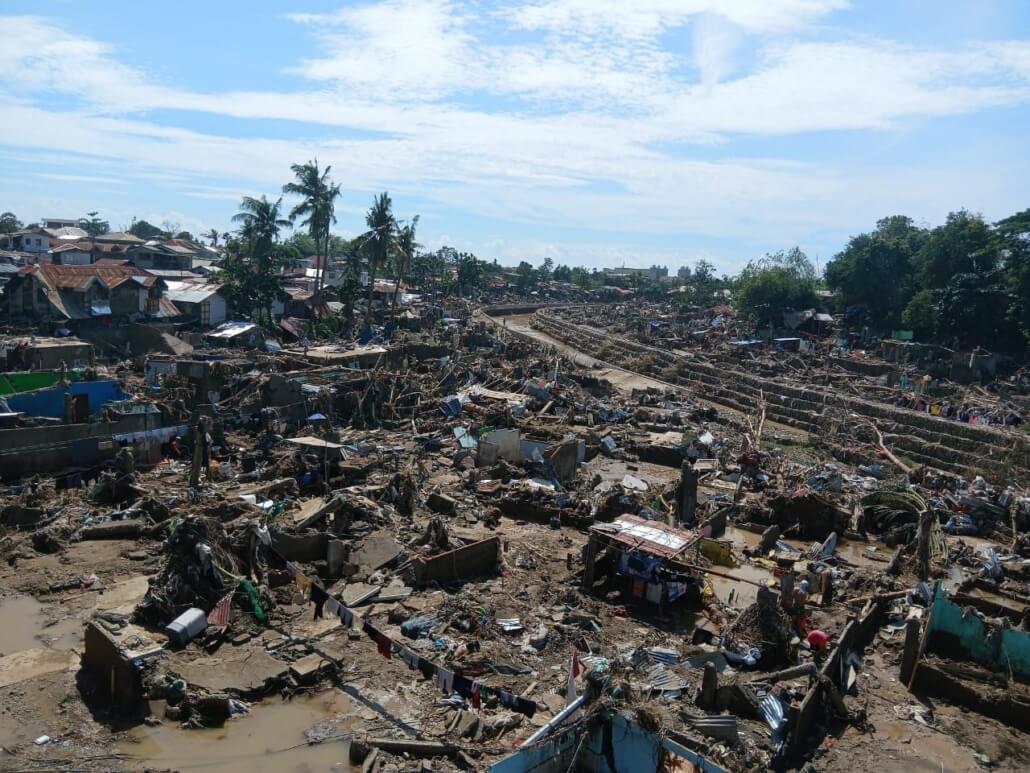
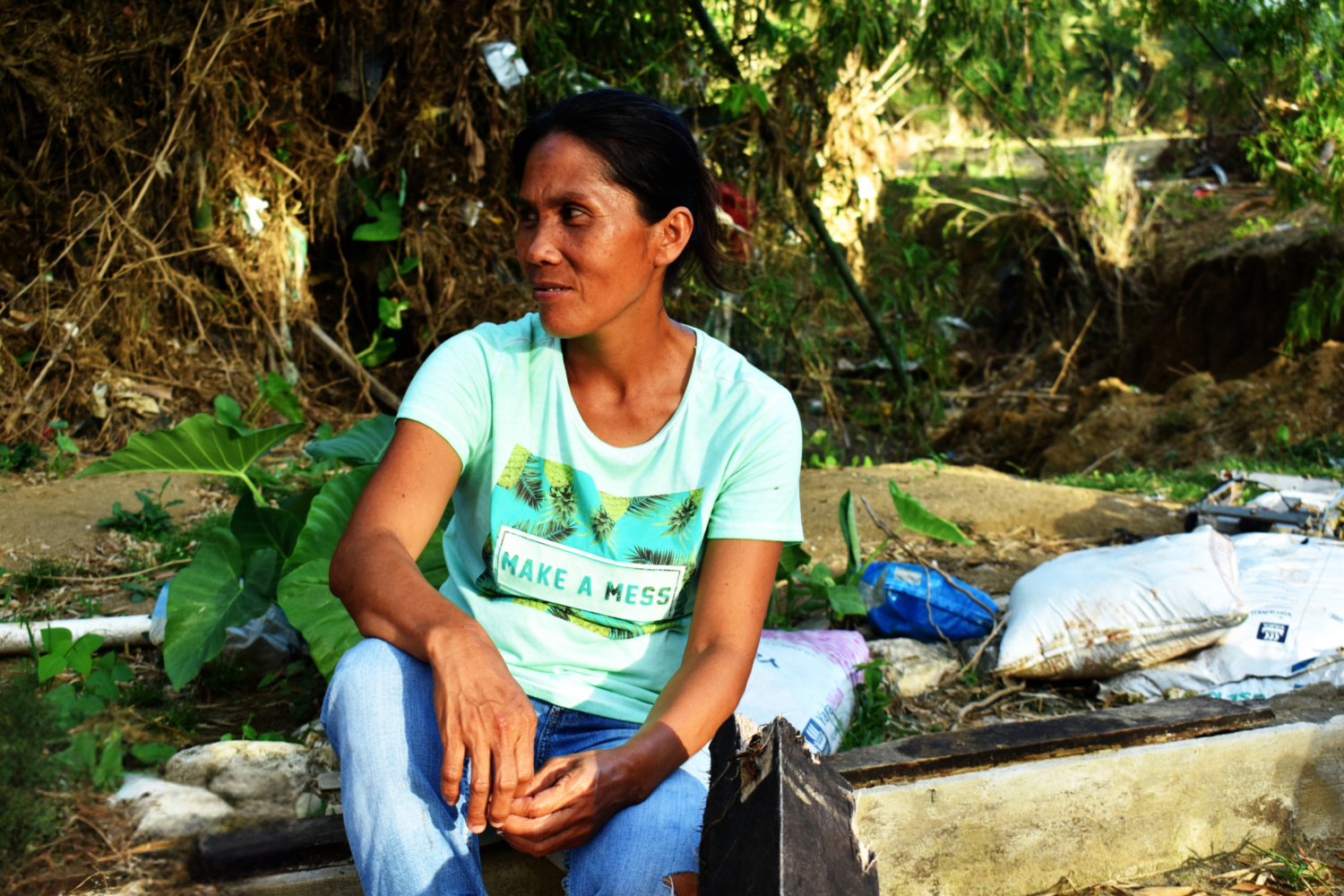
In photo: Sinangote family’s home, now a pile of rubble and debris, after the 6.9 magnitude earthquake on September 30, 2025. Photo courtesy of Tessie Sinangote.

Fleeing to safety: Evacuation and temporary shelter

Meanwhile, Henry and the other two children went to the San Remigio evacuation site, which is now referred to as “tent city” due to the evacuation tents. Because of tsunami alerts, evacuees had to move to higher ground. This meant they had to stay the night in makeshift tents made from tarpaulins. “We barely slept that night. It was wet because of the rain, uncomfortable, and we were constantly worried about aftershocks and a possible tsunami,” Henry remembers.

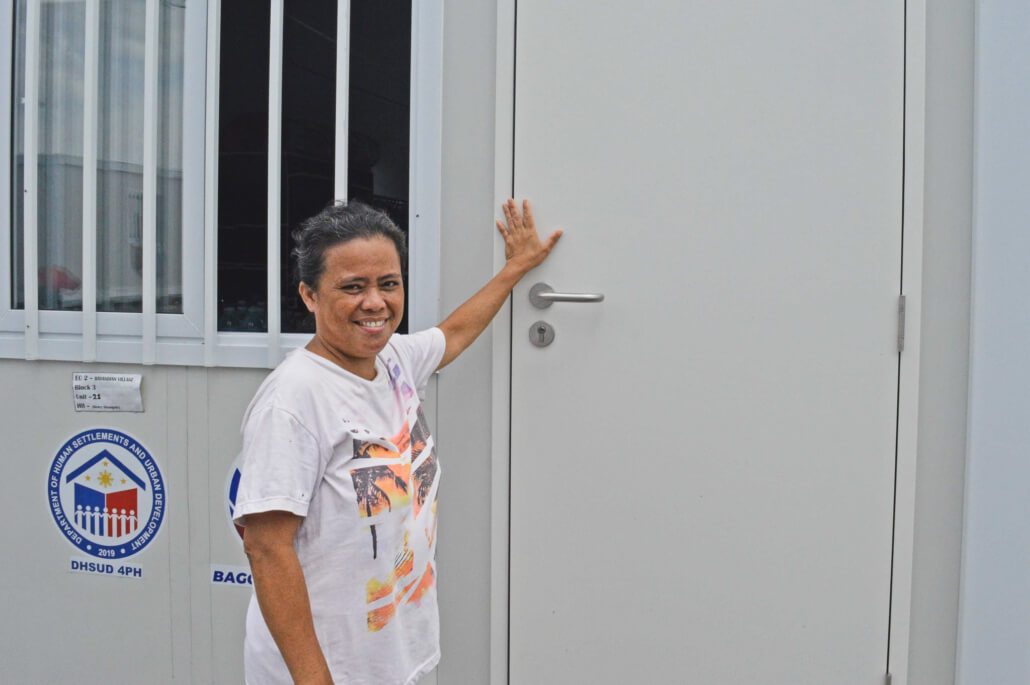
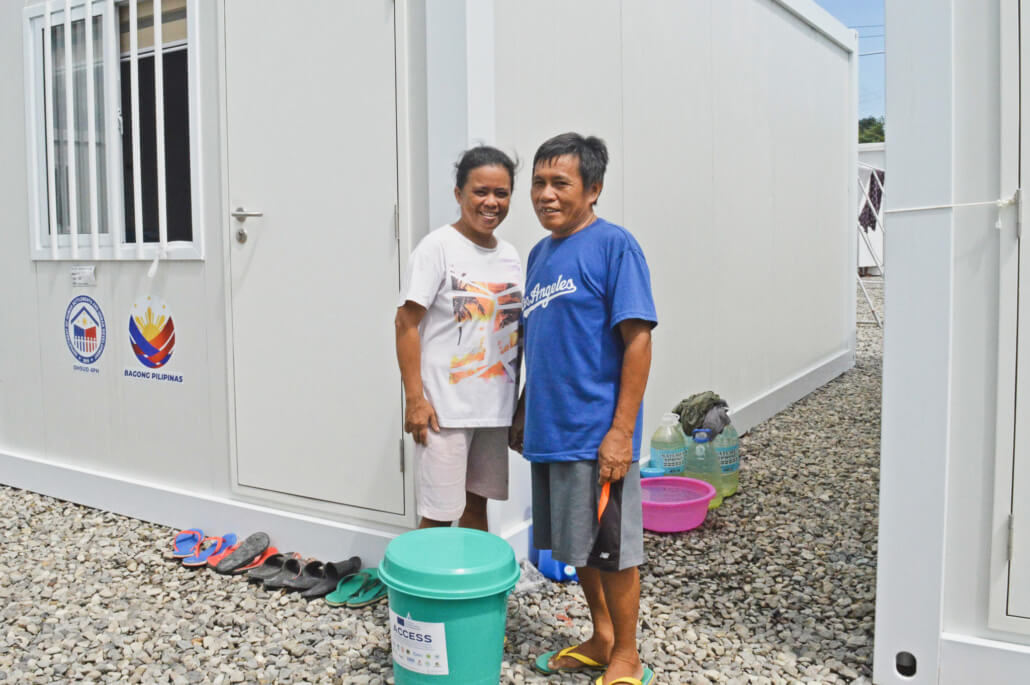
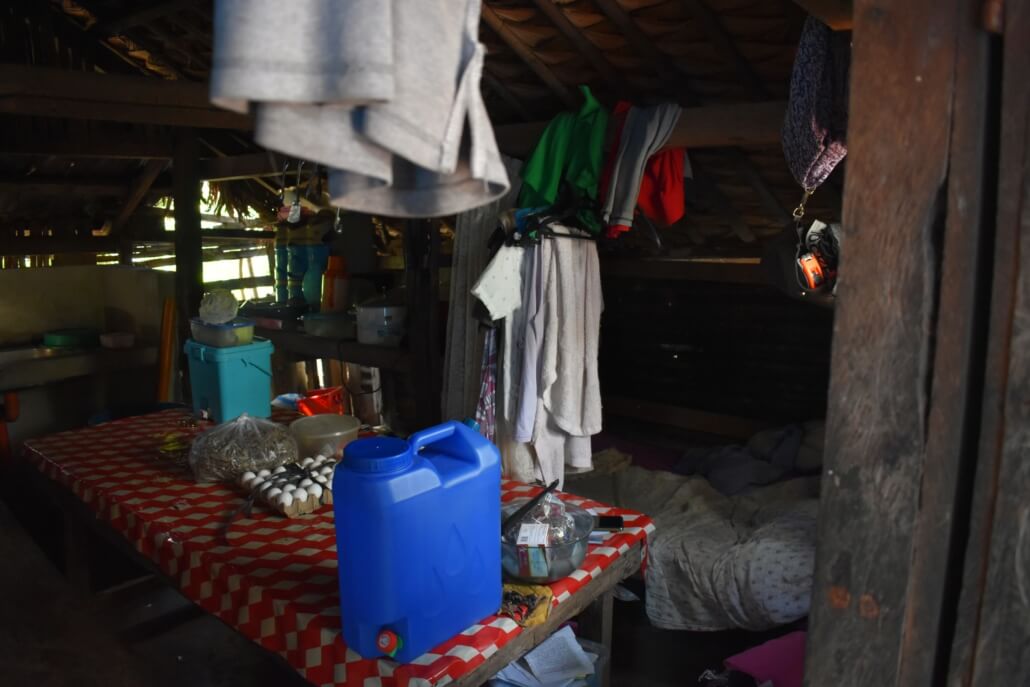
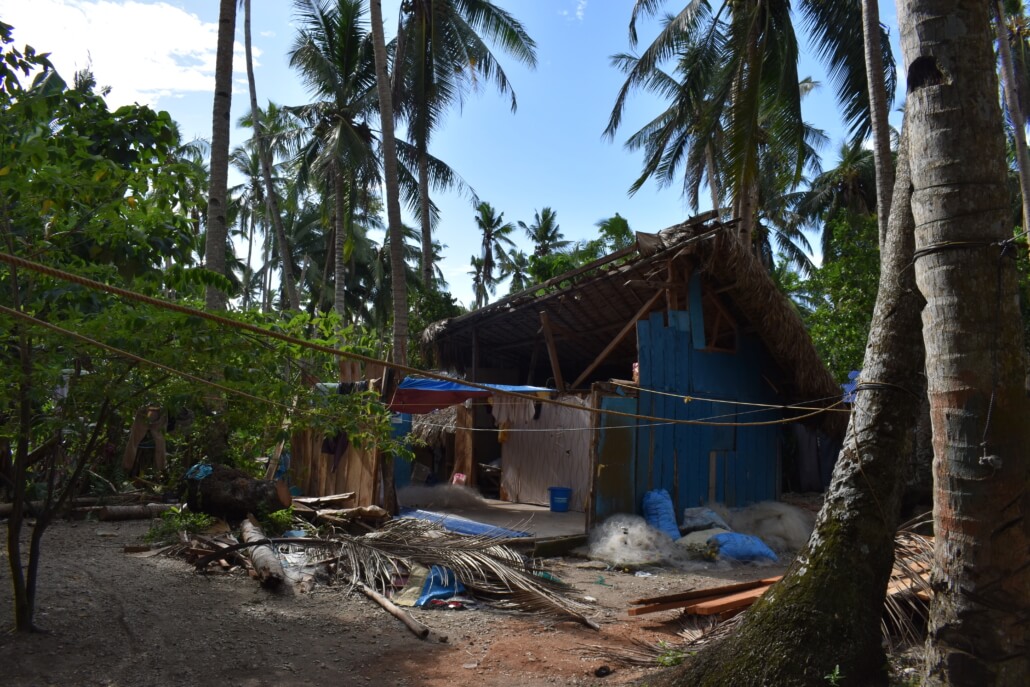
Afterward, they were moved to one of the evacuation tents and later to a smart house provided by the government. “Until now, we have been staying in the smart house. On weekdays, it’s just five of us; on weekends, when our third child comes home, all six of us share the small space along with our one dog,” Tessie says.

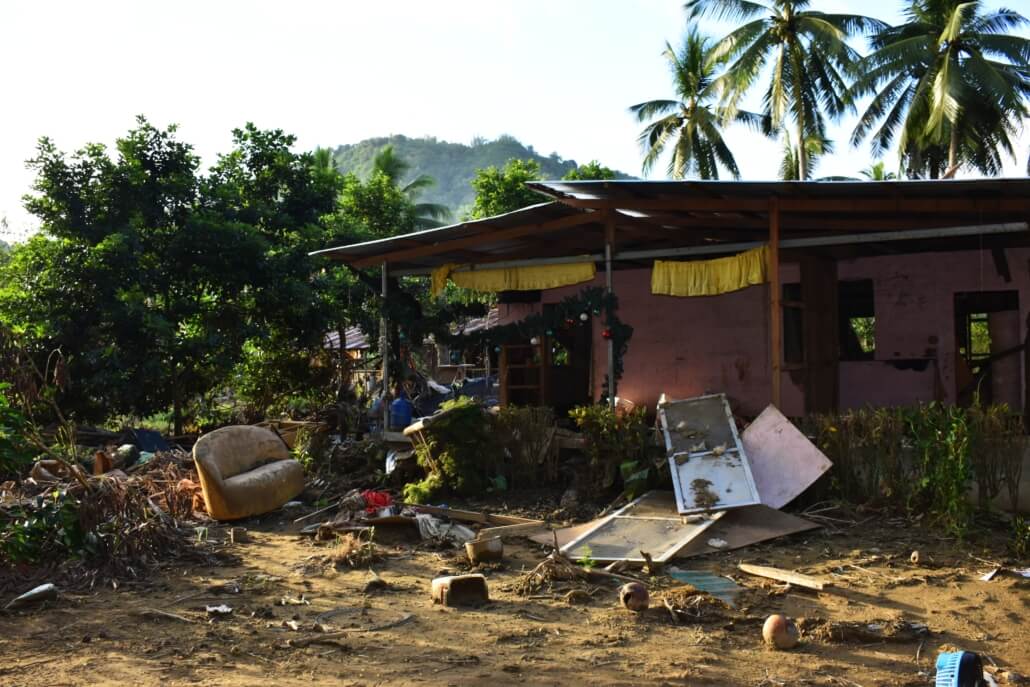
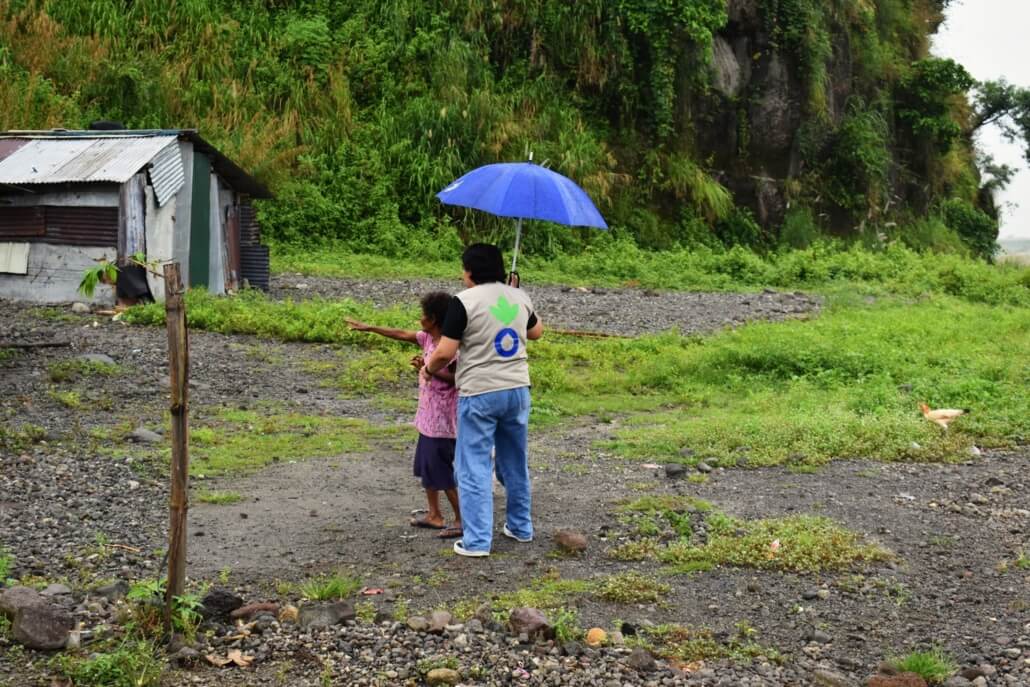
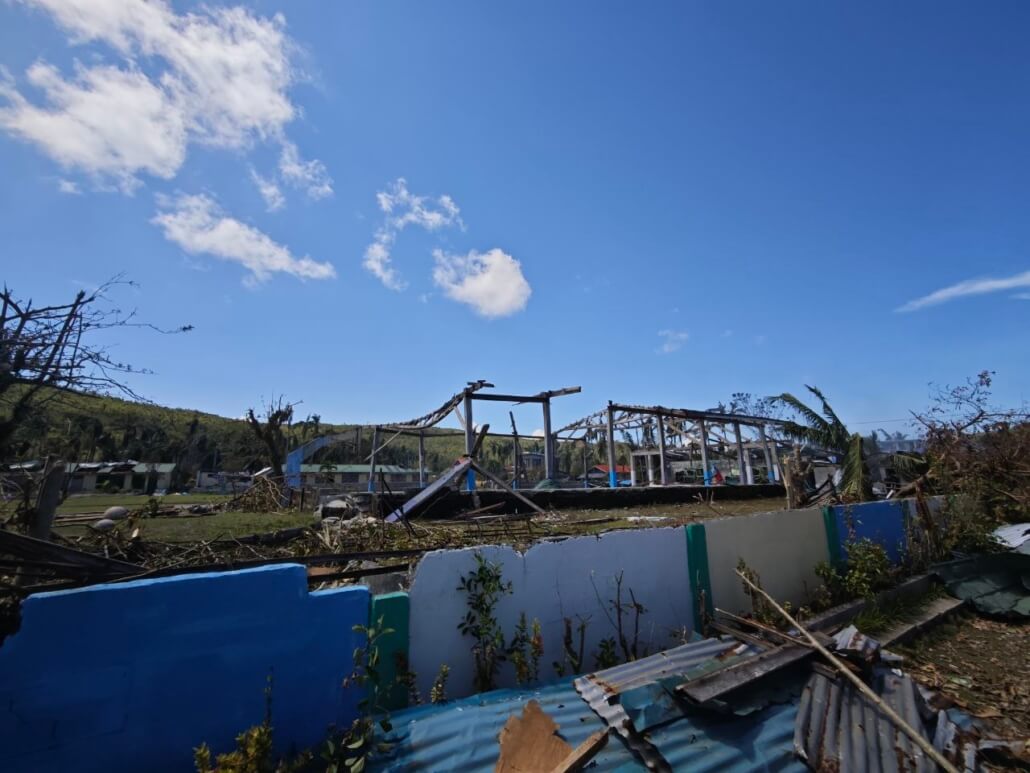
Henry still visits their damaged home occasionally to care for the dogs left behind. “In our purok, almost everything was destroyed—not just our home. Many houses were unsafe to return to, and sinkholes had formed,” Tessie recalls. The landscape of the sitio has been permanently altered, with numerous homes beyond repair and several hazardous sinkholes scattered throughout the area.

“I thought of the birds—they don’t worry about where they’ll get food, but they survive until now. That’s how I think of our situation. I try not to worry too much about our struggles and just take it day by day.”

Life Before Disaster: Livelihood and Daily Life

Before the earthquake, the Sinangotes ran a small sari-sari store near the beach, depending on tourists and beachgoers for income. “Our store would earn well whenever there were a lot of tourists. But we can’t go back because the beach is not allowed to operate due to sinkholes,” Tessie explains.

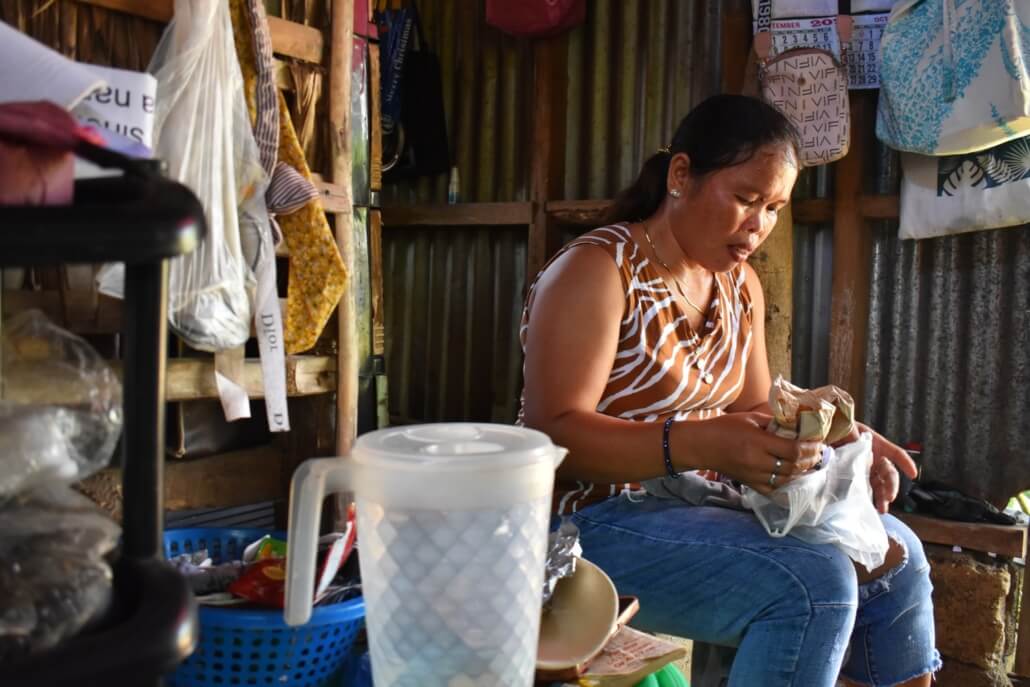
Their daily income, averaging around 300 pesos (approximately 4.80 euros), was previously enough to cover food and household expenses. Now, with no steady source of livelihood, the family relies on financial support from friends and relatives and sometimes even has to borrow money to get by.

Despite the loss, Tessie reflects on their past with warmth. “Our home lasted 25 years, and all our memories are there. But the earthquake taught us that concrete isn’t always safe. We’ll have to think differently if we rebuild.”

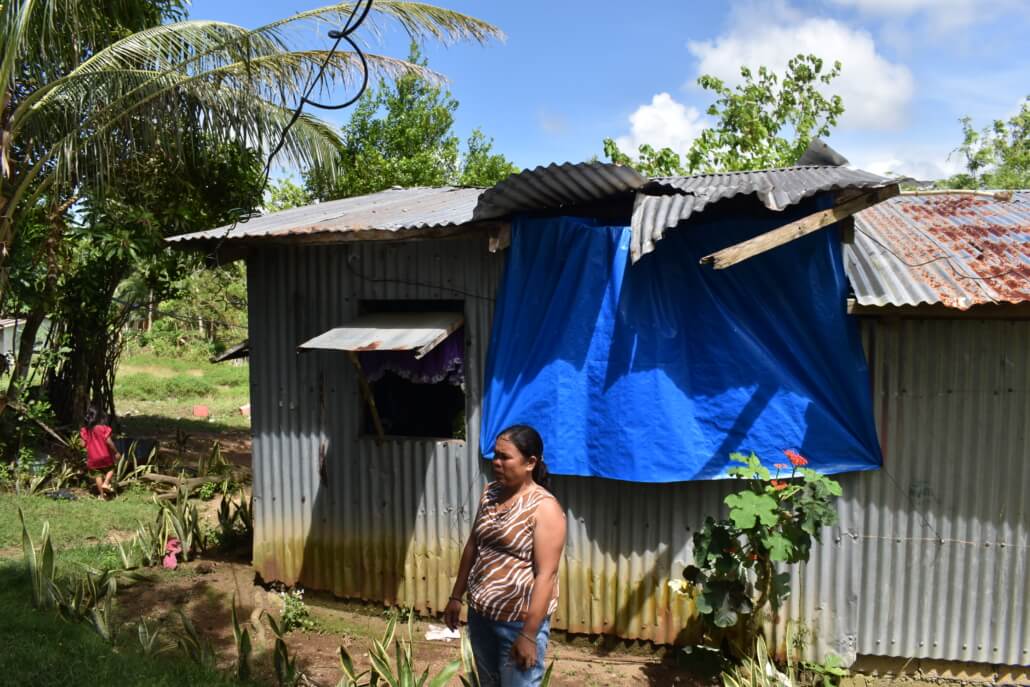
In photo: Tessie stand outside the temporary smart home provided by the government. The smart home is where they will live for at most a year since their home was totally damaged by the magnitude 6.9 earthquake last September 30, 2025. (Photo by Joyce Sandajan for Action Against Hunger)

Essential support: Humanitarian aid from ACCESS

In the aftermath of the quake, the Sinangote family and many others affected received vital support through the ACCESS program, funded by the EU Civil Protection and Humanitarian Aid Operations (ECHO). With homes destroyed and water systems heavily damaged, many families were left without even the most basic necessities.

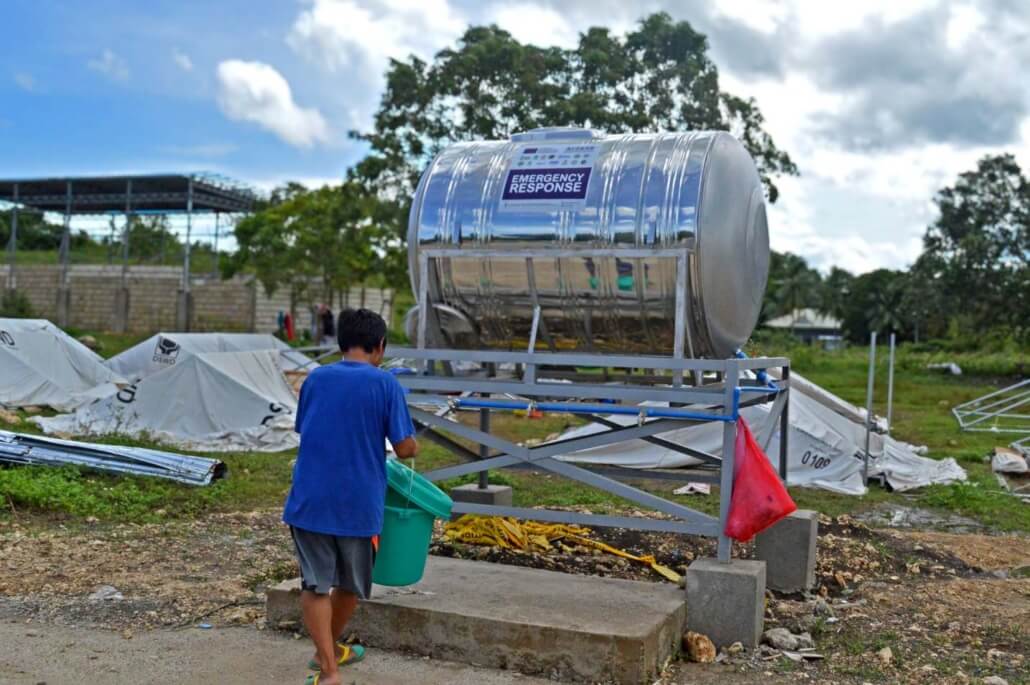
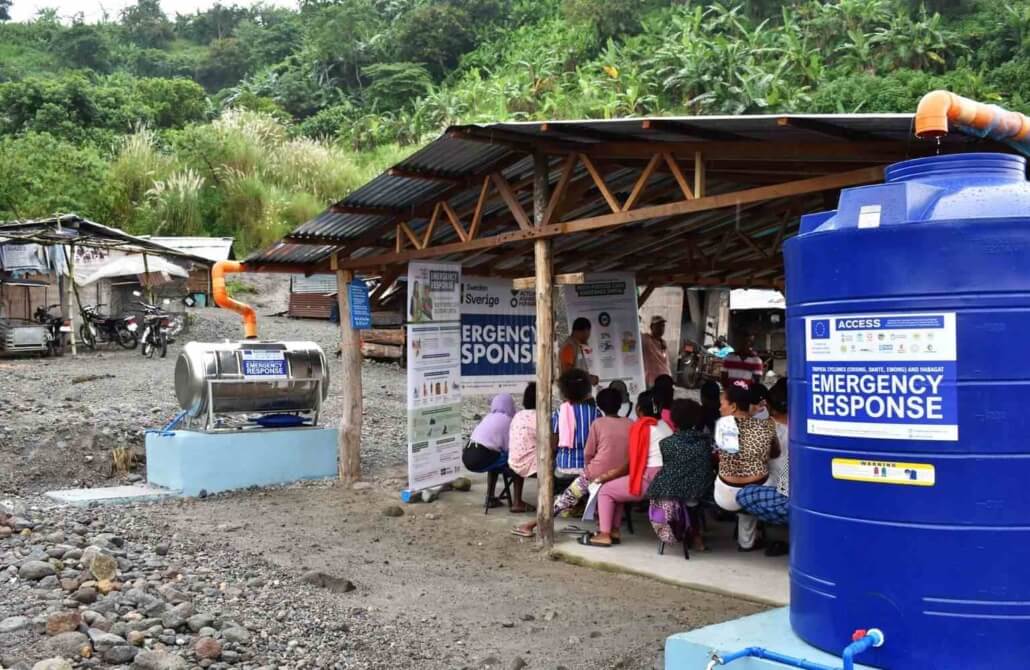
Within days, Action Against Hunger, as one of the implementing partners of ACCESS, together with the Mindanao Organization for Social and Economic Progress (MOSEP), provided WASH kits to affected households and installed a temporary water tank at the evacuation site. This tank was supplied regularly through water trucking to ensure families could access safe water. The ACCESS team also worked with the Pangi Water Service Cooperative (Pawasco) and local authorities to deliver water trucking services to hard-hit communities whose pipelines and water sources had been disrupted.

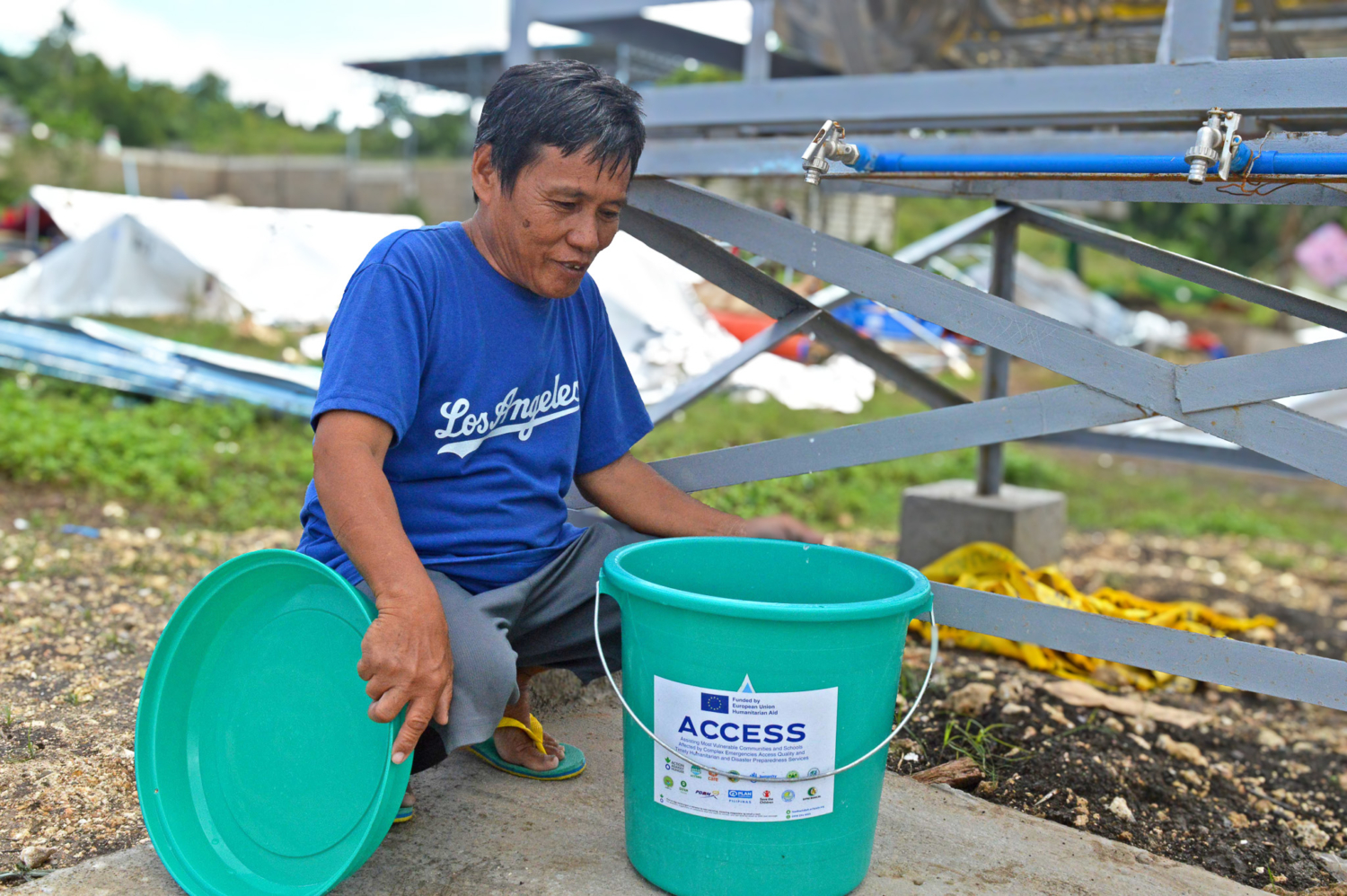
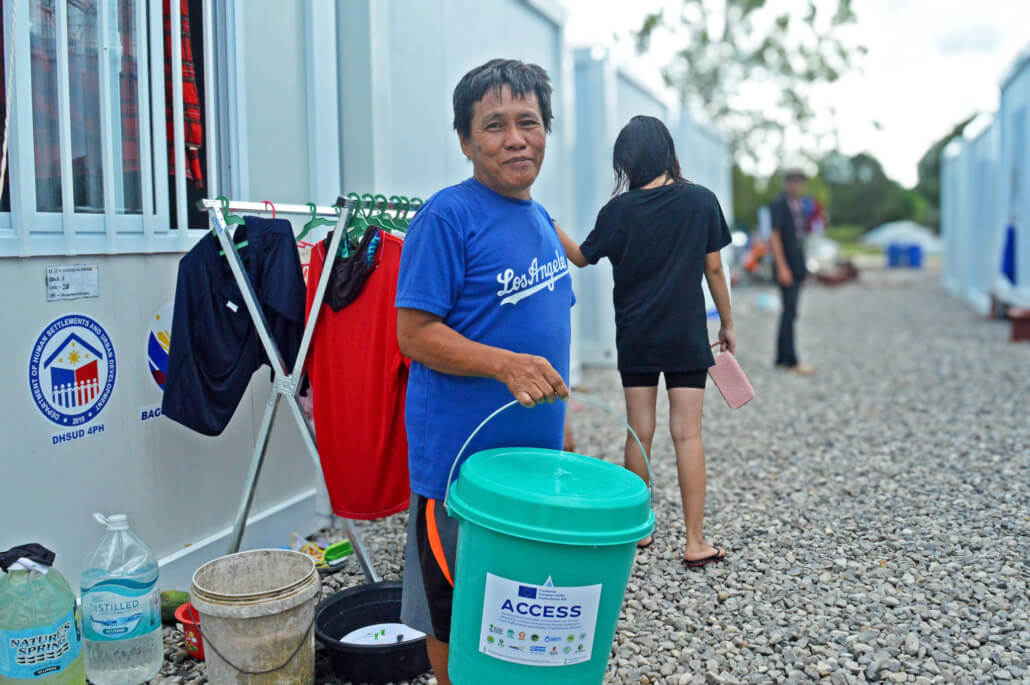
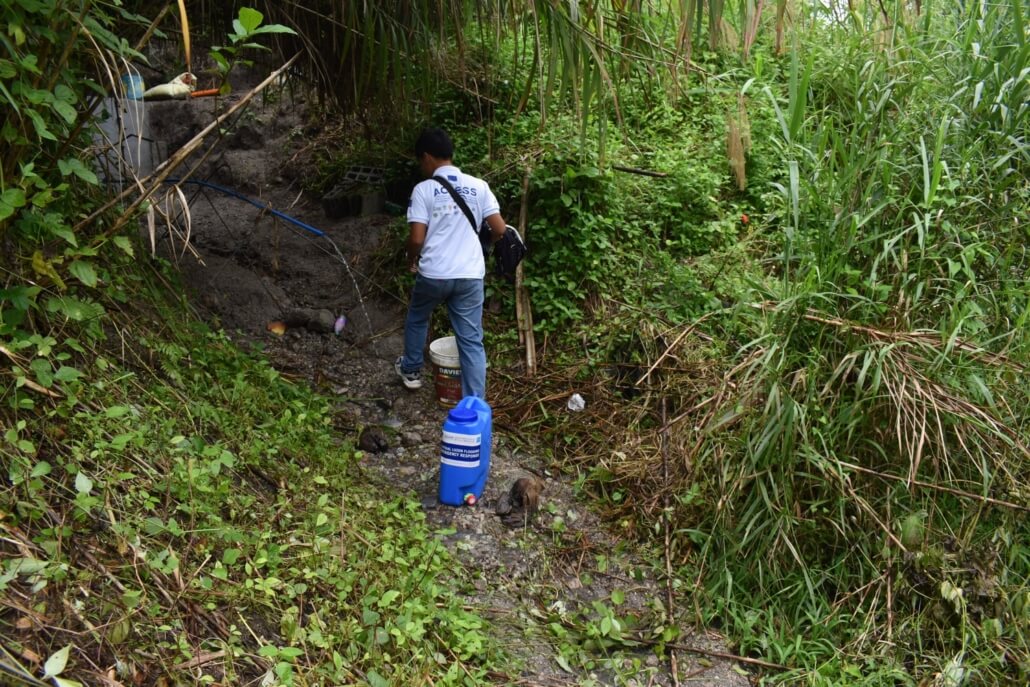
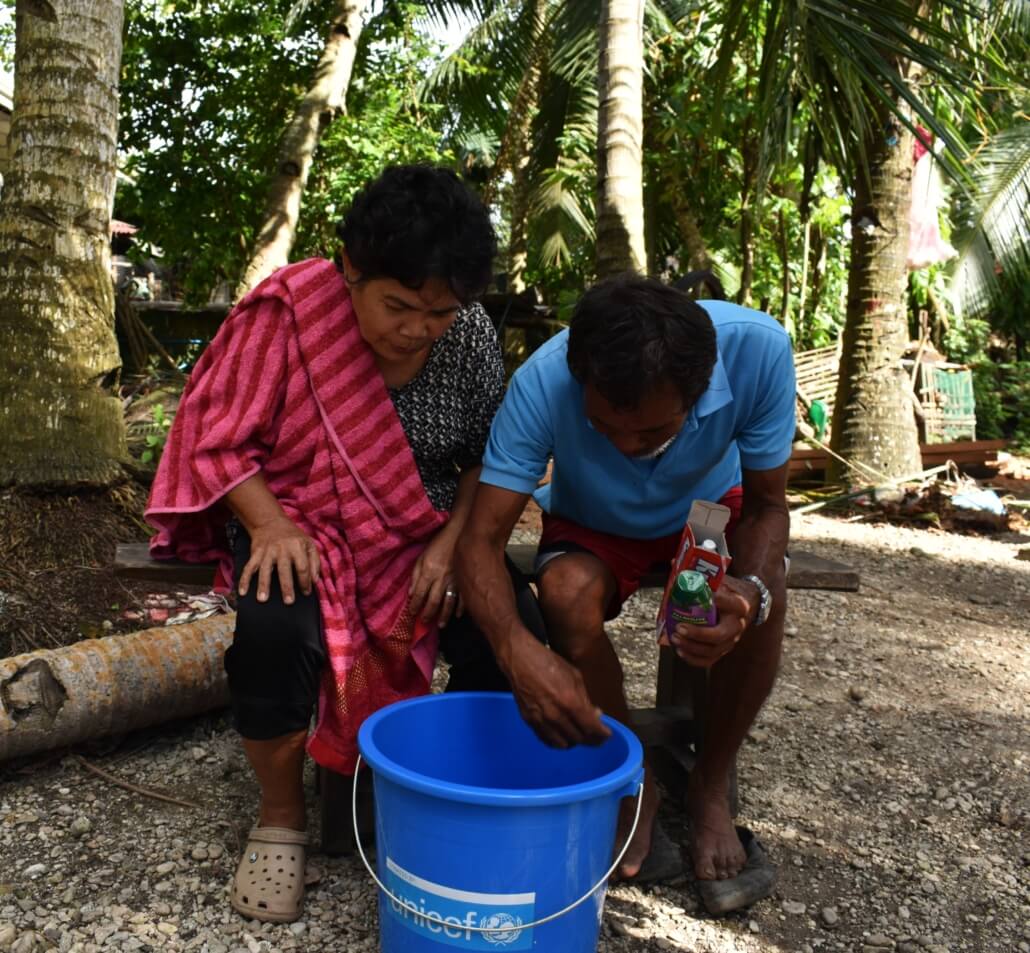
In photo: Henry makes his way to the water tank built by Action Against Hunger as part of the ACCESS emergency response, with funding from the EU Civil Protection and Humanitarian Aid. (Photo by Joyce Sandajan for Action Against Hunger)

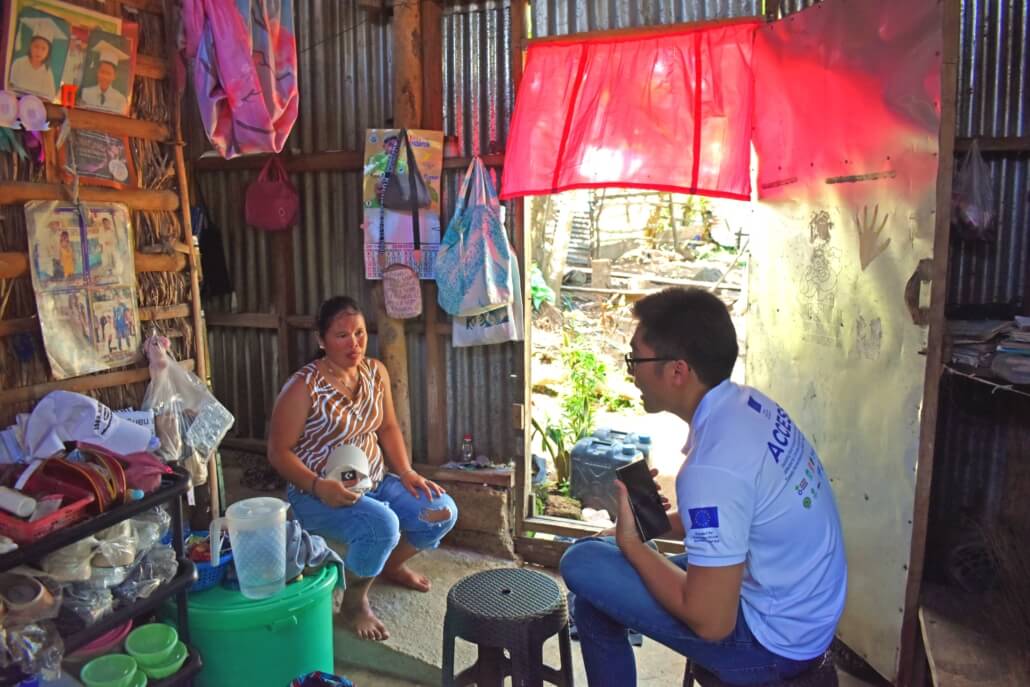
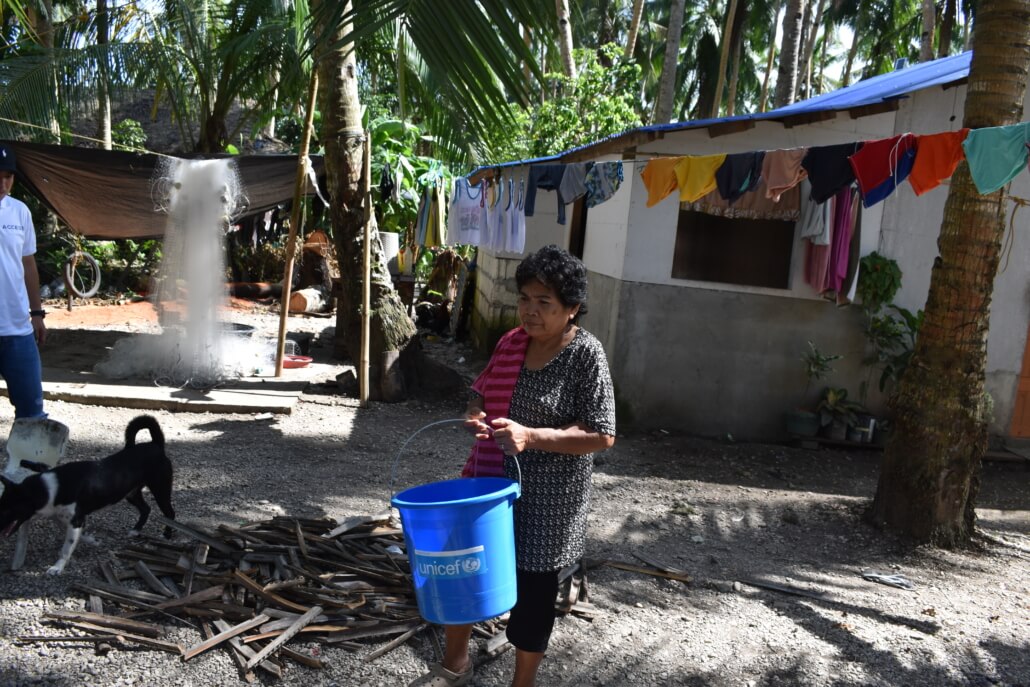
Tessie recalls how these early interventions helped them get through the most difficult days. “We received water and hygiene kits from ACCESS, which were very helpful,” she says. “The water tank at the evacuation site was very close to us, so that we could use it easily. The hygiene kits were a huge help because we had nothing at the time. We didn’t even have a bucket, so those items were really a big help.”

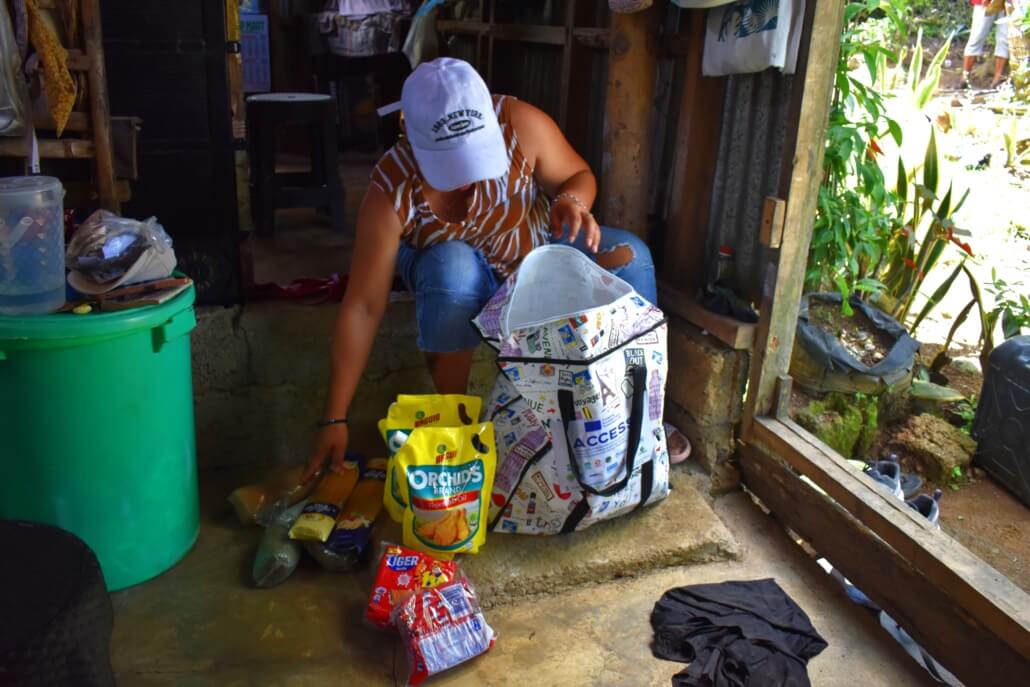
Although relief distributions are less frequent now than they were during the first days after the disaster, the family still receives occasional government support, such as food and basic supplies. “For now, we still have relief goods. They help us survive while we figure out the next steps,” Tessie adds.

“We received water and hygiene kits from ACCESS, which were very helpful…the water tank at the evacuation site was very close to us, so that we could use it easily. The hygiene kits were a huge help because we had nothing at the time. We didn’t even have a bucket, so those items were really a big help.”

For camp coordinator Pamila of the evacuation site in San Remigio, the situation of the Sinangotes reflects the experience of many displaced families. She explains that continued humanitarian assistance remains essential. “Many internally displaced persons have similar stories. Organizations like Action Against Hunger and ACCESS partners are vital.”

Facing the Unknown: Life After the Quake

Life after the quake is filled with uncertainty. The smart house is temporary, and relocation plans remain unclear. “Right now, it hasn’t sunk in whether we can stand again after one year. If this is a no-build zone, we’ll have to find another place to build a house,” Tessie says.

Their livelihood cannot restart until the beaches are open and safe again. Relatives have offered financial help, which the family is saving to reopen their sari-sari store.

Despite everything, hope persists. Tessie draws strength from positivity and faith. “I thought of the birds—they don’t worry about where they’ll get food, but they survive until now. That’s how I think of our situation. I try not to worry too much about our struggles and just take it day by day.” She prays for clarity and strength to rebuild. “I hope we can have work. It’s not easy to go back to zero. No house, no belongings. But thankfully, many gave us help, things we could use.”

Henry and Tessie continue to navigate daily life under difficult circumstances. Their story is a stark reminder of the long road to recovery that families face after disasters, where survival often means managing what little is left and making difficult decisions about the future.

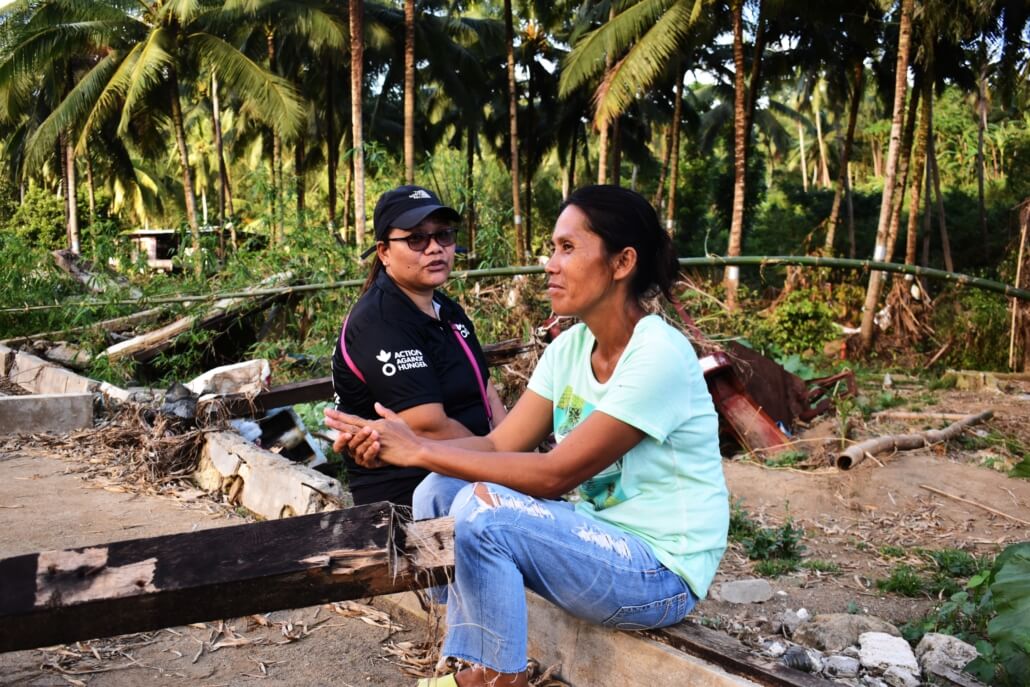
In photo: Henry and Tessie stand outside the temporary smart home provided by the government. The smart home is where they will live for at most a year since their home was totally damaged by the magnitude 6.9 earthquake last September 30, 2025. (Photo by Joyce Sandajan for Action Against Hunger)


ABOUT THE RESPONSE

The ACCESS Emergency Response provided urgent support to communities affected by the successive impacts of Tropical Cyclones Mirasol (Mitag), Nando (Ragasa), Opong (Bualoi), the enhanced Southwest Monsoon, and the magnitude 6.9 earthquake that struck offshore Cebu on 30 September 2025. Across Bicol, Northern Luzon, BARMM, and northern Cebu, the response delivers water, sanitation, and hygiene support; shelter and settlements support; multi-purpose cash assistance; and protection services.

ACCESS is a European Cilvil Protection and Humanitarian Aid-funded project serving the most affected and underserved communities in the Philippines, where chronic armed conflict, natural hazards, recurrent displacement, and intensifying climate-related risks continue to threaten lives and livelihoods. It is implemented by a consortium of 14 local and international organizations: ACCORD, Action Against Hunger Philippines, CARE Philippines, Community Organizers Multiversity (COM), Humanity & Inclusion Philippines, Integrated Mindanaons Association for Natives (IMAN), Kadtabanga Foundation for Peace and Development Advocates, Mindanao Organization for Social and Economic Progress (MOSEP), Oxfam Pilipinas, People’s Disaster Risk Reduction Network (PDRRN), Plan International Pilipinas, Save the Children Philippines, United Youth for Peace and Development (UNYPAD), and United Youth of the Philippines – Women (UnYPhil-Women).


Written by: Joyce Sandajan

When Disasters Hit the Mountains: Beatriz’s Story from an Isolated Indigenous Community

PORAC, PAMPANGA ─ Living in a geographically isolated upland area, the Aeta community of Sitio Pidpid in Barangay Sapang Uwak, faces daily challenges in meeting basic needs—especially access to food, clean water, and a stable income. When climate disasters hit, these struggles become even more difficult to overcome.

Beatriz, 75, who has spent her entire life in Sitio Pidpid and knows these hardships by heart, shares her story: the challenges she faced during the recent tropical cyclones, how life has been in their aftermath, and how the support she received helped her recover and regain a sense of hope.

In the Wake of the Storms

In mid to late July 2025, successive tropical cyclones—Crising (Wipha), Dante (Francisco), and Typhoon Emong (Co-May)—intensified the Southwest Monsoon (Habagat) and brought heavy, prolonged rains across Northern Philippines. Central Luzon was among the hardest hit. Widespread flooding and landslides submerged entire communities, disrupted livelihoods, and forced thousands of families to evacuate.

In Pampanga alone, more than 500,000 residents were reportedly affected, prompting the province to declare a state of calamity on July 24. Other provinces in Central Luzon faced similar challenges, particularly remote upland and indigenous communities cut off by damaged roads, swollen rivers, and unsafe terrain.

In Sitio Pidpid, an upland Aeta community in Porac, the disaster turned long-standing challenges into life-threatening conditions. For Beatriz, 75, and many others like her, isolation—already part of daily life in the mountains—became a heavy burden. Roads were blocked, electricity and mobile signal were lost, and the community waited anxiously for help, unsure when support might reach them.

In photo: Beatriz is showing Action Against Hunger, the mountain from which water flowed directly into her house when the typhoon hit Sitio Pidpid. Photo by Martina Vercoli for Action Against Hunger.

“The water came from everywhere.”

When Typhoon Emong struck, water entered Beatriz’s home from two directions: heavy rain from above and runoff cascading down the mountain behind her house. Panic set in—her husband, now bedridden, could not move on his own. With the help of a neighbor, she tried to get him to safety while lifting their belongings onto an elevated wooden platform inside the house. Despite their efforts, two to three feet of floodwater quickly filled the room.

Amid the chaos, Beatriz courageously climbed up to the roof in the middle of the storm to try to secure it with stones and keep it from being torn away. While up there, she broke down in tears, feeling completely helpless. “The winds were too strong,” she recalls. “The roof was eventually blown off.” With nothing left to protect them, she and her husband huddled in a corner, covering themselves only with a sheet of plastic.

The next morning, exhausted and overwhelmed, they wept together. With relatives away and access routes blocked, help felt distant—until, she says, “Action Against Hunger came to offer assistance right after the tropical storm.” Their home still needs repairs, but the support brought relief, stability, and hope at a time when they had little left to hold on to.

Life in the uplands

For Beatriz, access to water has always been one of the hardest parts of daily life. Before any support reached Sitio Pidpid, residents depended on a river about one kilometer away. Each day, Beatriz would walk to the river, fill four large jerry cans, and carry them back to her home. The weight, combined with the distance and steep terrain, made the task physically exhausting. With her husband now bedridden and fully dependent on her, the responsibility of ensuring their household had enough water rested entirely on her shoulders.

In photo: Beatriz is showing Action Against Hunger how she used to fetch water from the river before the rainwater collection system of the ECHO-funded ACCESS project, was built in the barangay. Photo by Martina Vercoli for Action Against Hunger.

Food was another constant worry. Even before the storms, finding something to cook often meant hiking up the nearby mountain to gather puso ng saging or banana hearts, sweet potatoes, and root crops. After the disasters, the difficulty intensified. With no stable income and limited mobility due to her caregiving duties, there were days when she had to ask strangers for food or money just to get by.

Life had been different two years earlier, when her husband was still able to walk. They farmed together outside the village and stayed in a small shelter near their fields. But with his illness worsening, Beatriz now carries the full burden of providing, caring, and managing everything at home.

In photo: Beatriz does laundry using the water collected from the rain water system installed by the ACCESS project.

Despite these hardships, she places immense value on education. Having reached only grade one herself, she sees schooling as a path to freedom: a way for her grandchildren to break free from poverty and challenge the discrimination faced by Indigenous communities. One of her grandchildren is about to finish elementary school, something that fills her with pride. Whenever she can save even a small amount, she gives it to them to support their studies.

When asked how she copes with stress, especially with the increasing threats brought by climate hazards, Beatriz shared that most days she “has no one to talk to.” Her granddaughter, who studies away from home, only visits on Fridays. The rest of the week, Beatriz faces her burdens alone. “It is very liberating for me to cry,” she said, describing how tears have become her release in moments of overwhelm.

Aid reaches the most isolated

In the days following the storm, communities in remote upland areas like Sitio Pidpid, home to many Indigenous families, were among the hardest to reach. Blocked and damaged roads made movement nearly impossible, leaving families cut off from essential services and support.

To respond, Action Against Hunger deployed emergency teams across Central Luzon to conduct rapid needs assessments in the most affected and geographically isolated areas. Despite the challenging terrain, coordinated multi-sectoral interventions were mobilized within 36 hours through the swift support of multiple funding agencies and partners.

In photo: The WASH engineer shows Action Against Hunger staff in Sitio Pidpid a component of the water collection system installed in the community and funded by the EU Civil Protection and Humanitarian Aid Operations. (Photo by Martina Vercoli for Action Against Hunger.)

One of the most urgent needs was water. With support from the EU Civil Protection and Humanitarian Aid, the ACCESS consortium, with Action Against Hunger as an implementing partner, installed a rainwater collection system in Sitio Pidpid. The new system now provides families with a reliable and accessible water source, easing the everyday burden of fetching and storing water. ACCESS also distributed advocacy materials to help residents safely clean, store, and use harvested rainwater for daily needs.

In photo: In photo: The rainwater collection system in Sitio Pidpid is funded by the EU Civil Protection and Humanitarian Aid Operations. (Photo by Martina Vercoli for Action Against Hunger.


For families like Beatriz’s, this improved access to water brought immediate relief. Complementing this, the multi-purpose cash assistance provided by Action Against Hunger through the support of the Swedish International Development Cooperation Agency (SIDA), enabled her to buy food and essential household items at a time when traveling to the town proper and earning an income were extremely difficult. “The support meant everything,” she shared, especially because she cannot leave her husband alone for long periods.

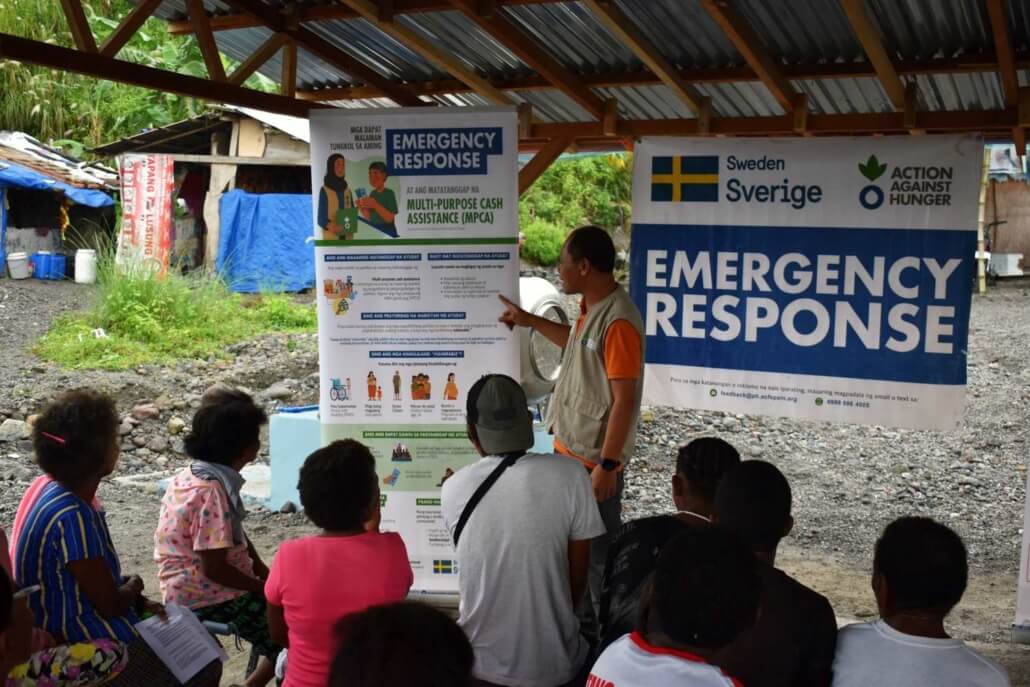
In photo: Action Against Hunger staff conduct an awareness-raising session on the cash assistance supported by SIDA in the community of Sitio Pidpid. (Photo by Martina Vercoli for Action Against Hunger.)

Beatriz’s story reflects the strength of Indigenous communities as they face the increasing impacts of climate change. It shows how timely support and recovery initiatives play a crucial role, not only in providing basic needs to the communities affected by natural disasters, but also, in restoring dignity and hope, encouraging those affected to move forward when everything seems hopeless.

Every form of assistance, from emergency relief to lasting access to clean water, says Beatriz, “It is a step toward a safer and more secure future for my home, Sitio Pidpid.”
Written by: Martina Vercoli
Edited by: Joyce Sandajan
Returning to the life they knew: Joanna’s story after Typhoon Opong (Bualoi)

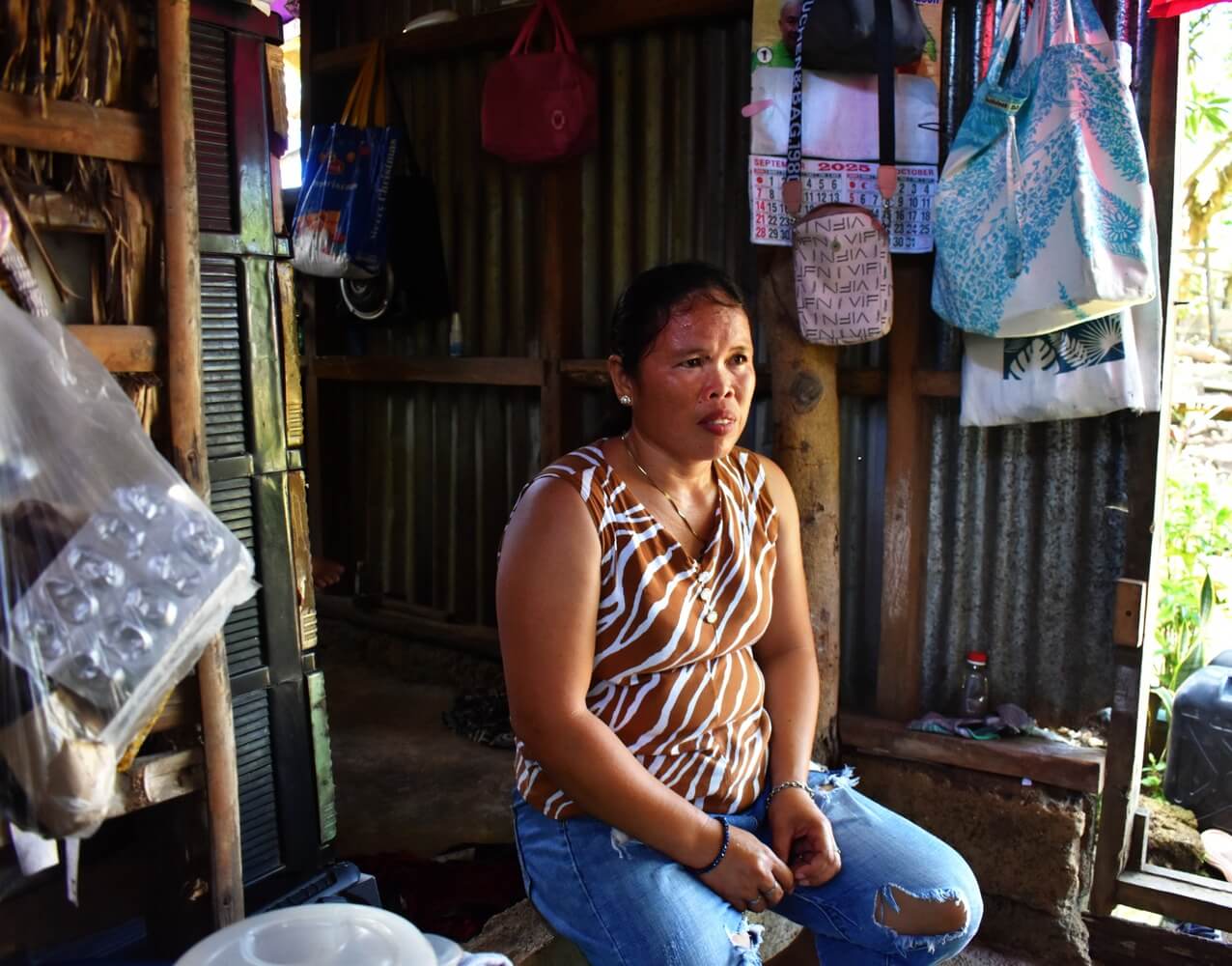
PALANAS, MASBATE ─ Joanna Pilapil, 40 years old, grew up in the same barangay where she and her husband, Richie, are now raising their three children. In Barangay Miabas, their humble home kept them safe for years. Now, Joanna and her family find themselves struggling to rebuild the life they had before the devastation left by Typhoon Opong (International name: Bualoi).

In photo: Joanna Pilapil shows Action Against Hunger staff the way to her house in Barangay Miabas, Palanas, Masbate. Photo by Martina Vercoli for Action Against Hunger

When Typhoon Opong hit the municipality of Palanas, in the province of Masbate, in the early hours of September 26, 2025, Joanna’s family had already evacuated to the local high school, which became their barangay’s designated evacuation center. When they returned, a bitter surprise awaited them; their house was severely damaged.

In photo: Joanna talks to Action Against Hunger team member inside her home in Barangay Miabas. Photo by Martina Vercoli for Action Against Hunger. 

“When I saw my house in that state, I just couldn’t believe it. Many things were wet; others were broken,” Joanna recalls. “I couldn’t stop crying.”

“We can’t sleep when it rains; the children can’t rest properly,” she says. “We have to keep removing the water from the tarp.”

The storm left large parts of the roof torn off and weakened the wooden foundation. To keep the rain out, Richie and Joanna covered one section of the roof with tarpaulin. Their youngest child’s school supplies were irreparably ruined and had to be thrown away, which affected her schoolwork for several days.

Before Typhoon Opong, the family could sleep peacefully in their home. But after the storm, everything changed. Even light rain now makes them extremely anxious. “We just sit all together under a thick tarpaulin that covers the sleeping area of our house,” Joanna explains. The rest of the roof leaks badly, so the family gathers under the only dry spot. The tarpaulin catches the rainwater, and when the water starts pooling, they would try to drain it by poking the tarp with a stick so it does not collapse under its weight. “We can’t sleep when it rains; the children can’t rest properly,” she says. “We have to keep removing the water from the tarp.”

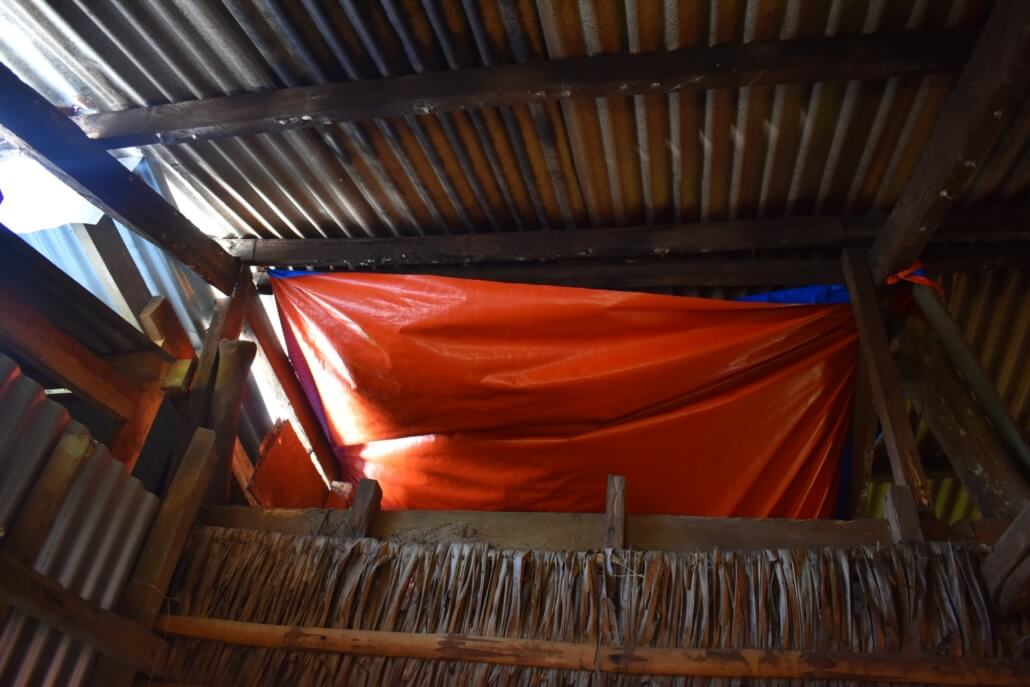
In photo: The tarpaulin covering the sleeping area of Joanna Pilapil’s house in Barangay Miabas, Palanas, Masbate. The family put it in place after the typhoon to protect themselves from rainwater leaking into the house. Photo by Martina Vercoli for Action Against Hunger.

Her husband, Richie, works in construction, but his job is unstable. He only earns when there are construction projects in the community, usually around 400 pesos a day, and considers himself lucky if he can work four days a week. Sometimes, he takes jobs in Manila, which is far from home. Joanna also works whenever she can, doing laundry and cleaning houses. These small jobs bring in 1,000 to 2,000 pesos a month when there is work available in the community. Their eldest child, now 19, could not go to college due to financial constraints. After finishing high school, he began working in a bakery to help with the family’s expenses.

“Everyone was affected by the storm,” Joanna explains. “The farmers who used to hire him, their crops are gone.”

After the typhoon, their main source of income was severely affected. Richie found it difficult to get construction jobs. “Everyone was affected by the storm,” Joanna explains. “The farmers who used to hire him, their crops are gone.”

The family’s financial situation worsened when their youngest child’s epilepsy required continuous medical care. Her medicines cost around 5,000 pesos a month, an amount the family can no longer afford. “I can’t even work that much anymore because I have to take proper care of her,” Joanna says, looking sadly through the empty wrappers of her daughter’s medicines. Then, she adds, “this month, I haven’t been able to bring her to her monthly check-up with the doctor. We have no money left. Now, food is our main priority.”

In photo: Joanna Pilapil, a resident of Barangay Miabas, Palanas, Masbate, looks through the empty wrappers of her daughter’s medicines, which she can no longer afford. Photo by Martina Vercoli for Action Against Hunger.

Access to clean water has also become a daily concern. Before the typhoon, the family bought a blue jerry can of mineral water for 35 pesos, enough for a week. Now, they cannot even afford to sustain it. “We get water from a well,” Joanna says, “not knowing whether it is safe or not. It is the only way we have to drink water.”

According to one of the residents, people in the community get their water from a well. After the typhoon, the water turned brown for a week, and there were reported cases of diarrhea and stomach aches. Even now, although the water appears clean, its safety remains in doubt. Residents boil it to make it drinkable, but cases of stomach aches and diarrhea are still being reported.

“Me and my husband prioritize our children’s nutrition,” Joanna says. “We give them food, and then he and I would share what is left.”

Food prices in the market have risen considerably. Despite a price freeze on commodities, nearby stores were selling goods at higher prices due to limited supplies. The family now buys one kilogram of the cheapest fish they can find for 200 pesos and makes it last for two weeks. Sometimes, they must buy on credit from the local store. They currently eat only twice a day instead of three times. Joanna then specifies: “Me and my husband prioritize our children’s nutrition,” Joanna says. “We give them food, and then he and I would share what is left.”

She worries especially about her youngest child, whose condition requires proper nutrition to prevent seizures.

Joanna shares the many responsibilities she manages at home while also working to support her family alongside her husband, and since the typhoon, even more has fallen on her plate. “Sometimes it is very hard for me,” Joanna admits. “I feel like I have a lot of responsibilities: managing household finances, taking care of the children and the house, working outside, and now also looking after some animals. Since the typhoon, it feels like I have even more to handle.”

In photo: Joanna Pilapil stands in front of her damaged house in Barangay Miabas, Palanas, Masbate. Photo by Martina Vercoli for Action Against Hunger.

When Joanna talks about the food kit they received from the European Civil Protection and Humanitarian Aid Operations (ECHO), she bursts into tears. “It is such a big help,” she says. “It is the first time we received this much. The food received is going to last at least two months,” Joanna states. “I will try to make it last as long as possible.”

In photo: Joanna Pilapil, a resident of Barangay Miabas, Baleno, Masbate with the food kit she received from ECHO. Photo by Martina Vercoli for Action Against Hunger.

The assistance will allow her family to redirect the money they would have spent on food toward other priorities, such as their child’s medicines or repairs to their damaged house.

“It is such a big help,” she says. “It is the first time we received this much. The food received is going to last at least two months,” Joanna states. “I will try to make it last as long as possible.”

Even with this help, fear remains. “I am so scared another typhoon will hit our community,” Joanna admits. “Right now, we don’t have livelihoods, we do not have jobs, and we do not have money.”

Still, the aid they received gave Joanna and her family a much-needed sense of relief in a time of powerlessness. “We still haven’t returned to how things were before the typhoon,” she says quietly. “It is very far. Everything was gone when the disaster struck.” Yet, she adds with hope, “the help we received from ECHO will ease our worries. It is the beginning of our recovery. Our children will be able to have proper nutrition again.”


ACCESS (Assisting the Most Vulnerable Communities and Schools Affected by Complex Emergencies in Accessing Quality and Timely Humanitarian and Disaster Preparedness Services) is funded by the EU Humanitarian Aid. ​

This ACCESS Emergency Response provides multi-sectoral support to the most vulnerable indigenous peoples in hard-to-reach communities in Cagayan and Masbate that are affected by the impacts of habagat or southwest monsoon, and tropical cyclones Mirasol, Nando, and Opong; and in Northern Cebu that are affected by the impacts of the magnitude 6.9 Cebu Earthquake. This particular response is jointly implemented by ACCORD, CARE Philippines, Action Against Hunger, Community Organizers Multiversity, Humanity & Inclusion Philippines, Mindanao Organization for Social and Economic Progress (MOSEP), Oxfam Pilipinas, People’s Disaster Risk Reduction Network, Inc., Save the Children Philippines, and the United Youth of the Philippines-Women.


Written by: Martina Vercoli
Edited by: Joyce Sandajan
Philippines in state of national calamity after Typhoon Tino (Kalmaegi) leaves widespread devastation

Barely recovering from a series of calamities in the last month, another disaster, Typhoon Tino (international name: Kalmaegi), caused extensive destruction across several regions in the Philippines. After intensifying into a typhoon on 3 November 2025, Tino moved across the Visayas and Caraga regions before exiting the Philippine Area of Responsibility, leaving widespread displacement and severe damage behind. Typhoon Tino marks as the 20th storm to hit the Philippines this year alone.

More than 2.6 million people, or around 746,000 families, have been affected nationwide, based on government reports as of 7 November 2025. Of these, more than 1.4 million people are reportedly displaced and currently staying in evacuation centers or with relatives. At least 188 people have died, 135 remain missing, and more than 137 have been injured. Authorities caution that these figures may rise as assessments continue, and as access to remote areas improves.

The regions of Western Visayas (Region 6), Central Visayas (Region 7), and Caraga (Region 13) sustained the most severe impacts.

  • In Western Visayas, the provinces of Aklan, Capiz, and Iloilo reported the largest number of displaced families, with Capiz alone accounting for 55,310 families (163,799 individuals). Evacuations were conducted across several municipalities and Roxas City, where significant housing damage is being verified by local authorities.
  • In Central Visayas, Cebu Province, now under a State of Calamity, has recorded 87,504 affected families (271,336 individuals) across 38 municipalities and cities. The province also reported 92 deaths, including 36 in Liloan. Widespread power and water supply interruptions persist, while food and sanitation shortages are worsening conditions in evacuation centers. In some communities, residents have been forced to collect water from natural sources, and the destruction of toilets has increased public health risks.

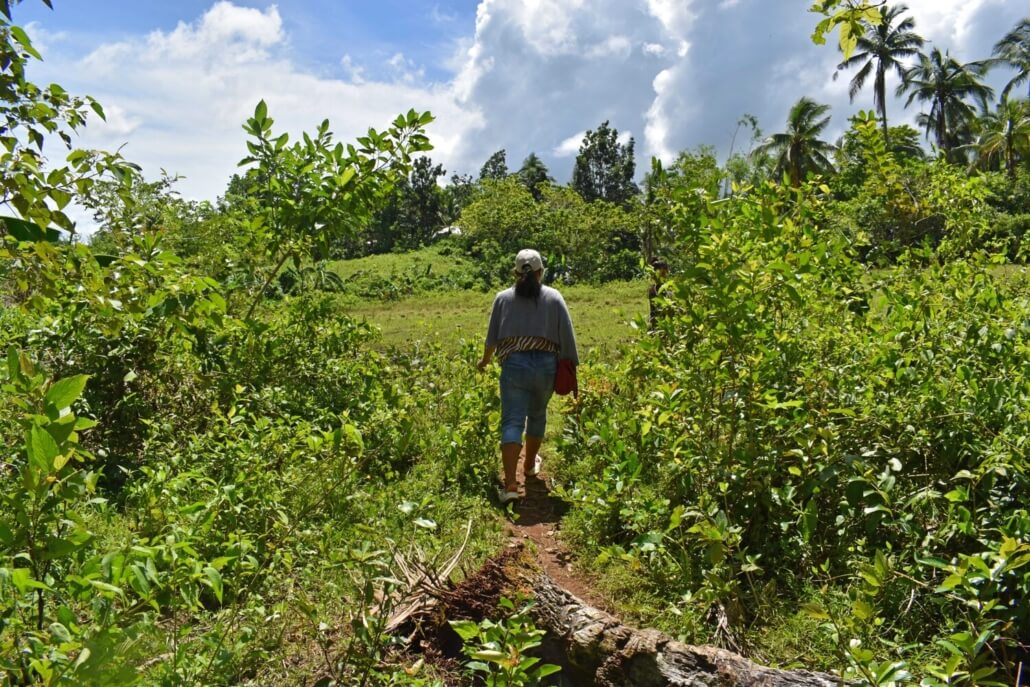
In photos: Emergency Response team assess damages in Barangay Liberty Hibusong Island, Loreto, Province of Dinagat Islands. (Photos by Jaz Dajuya for Action Against Hunger)

  • In Caraga, the Dinagat Islands have also declared a State of Calamity after 11,019 families (32,431 individuals) were displaced, representing about 36% of the province’s population. The typhoon severely damaged infrastructure and disrupted essential utilities, especially in the municipalities of Loreto and Tubajon. Two fatalities were recorded in Loreto due to storm surges. Preliminary reports indicate 4,497 houses were totally destroyed and 2,887 partially damaged, based on initial assessments. Cases of leptospirosis and diarrheal illness have also been reported, particularly in flood-affected areas.

Cebu is still reeling from the magnitude 6.9 earthquake that struck on September 30 and continues to experience aftershocks and tremors in recent weeks. Now, the province faces yet another challenge as one of the areas most affected by Typhoon Tino. Many families whose homes were damaged by the earthquake remain in temporary shelters and tents. The typhoon has further worsened their situation, bringing heavy rains and strong winds that left most of the province without electricity and telecommunications signal for days, with some areas still awaiting restoration. These conditions have heightened the risks and deepened the vulnerability of affected families as they struggle to recover from successive disasters.

In Talisay City, Cebu, Action Against Hunger teams are on the ground assessing the impact of Typhoon Tino. Initial findings indicate that six barangays were among the most affected, with damage to homes, water systems, and health centers. In coordination with the local government, the team is conducting rapid assessments and supporting efforts to assist affected families and restore essential services. (Photo by Vicente Delector Jr. for Action Against Hunger).

“As I move through the affected communities, I’ve seen firsthand how devastating the compounded impacts of the earthquake and Typhoon Tino are—days without water or electricity, homes and livelihoods lost, and families trying to rebuild while already wondering how to prepare for the next disaster. These moments underscore how critical it is to invest in long-term resilience so communities can withstand the escalating effects of a changing climate,” shares Cristina Izquierda Ribas, Nutrition Coordinator, Emergency Team and OIC-Head of Cebu field office for Action Against Hunger Philippines.


In photo: Damages in Talisay Cebu. (Photo by Vicente Delector Jr. for Action Against Hunger).

The humanitarian situation remains critical as hundreds of thousands of families remain displaced. Assessments of damage to homes, roads, bridges, schools, and health facilities are still ongoing, but initial reports indicate moderate to heavy destruction across affected provinces.

Key immediate needs include:

  • Food assistance and early livelihood support to meet basic needs and prevent negative coping mechanisms.
  • Safe drinking water, hygiene kits, and temporary sanitation facilities to address contamination of water sources and prevent disease outbreaks.
  • Emergency shelter materials such as tarpaulins, tents, blankets, and cooking sets to support families who lost their homes.

Moreover, protection and privacy concerns are also increasing in overcrowded evacuation centers, with women, children, the elderly, and persons with disabilities particularly at risk due to limited space and unsafe conditions.

In response to the widespread devastation, the Philippine Government has declared a State of National Calamity and released 760 million pesos in assistance to affected regions. National agencies, local governments, and humanitarian organizations have mobilized to deliver life-saving aid, restore basic services, and coordinate damage assessments.

While responding to overlapping emergencies such as the earthquakes in Cebu and Davao and the impacts of Typhoons Opong and Tino, the Philippines is now bracing for another potential disaster as Super Typhoon Uwan (international name: Fung-wong) is expected to affect parts of Luzon and Visayas on Monday, November 11.

Action Against Hunger Philippines continues to monitor the evolving situation and coordinate closely with partners, including the Office of Civil Defense (OCD), the Department of Health (DOH), the WASH Cluster, and the EU Civil Protection and Humanitarian Aid-funded ACCESS Consortium. Since November 5, our emergency response teams have been deployed to conduct Rapid Damage and Needs Assessments in Cebu, Surigao del Norte, and the Dinagat Islands to guide the prioritization of emergency relief and early recovery interventions.

Our team continues to monitor the trajectory of Typhoon Uwan alongside ongoing emergency response operations to ensure timely and coordinated action for affected communities.

We are actively engaging with our resource partners to secure additional funding for our Typhoon Tino response, while jumpstarting small-scale initial interventions by pivoting available resources. Our planned response will focus on Cebu and Dinagat Islands, while we continue conducting assessments in coordination with partners and local government units.

Water, Hygiene, and Hope: The Morales Family’s Recovery After Typhoon Opong (Bualoi)

PALANAS, MASBATE — After Typhoon Opong (international name: Bualoi) devastated their home in the municipality of Palanas, Masbate, on the night of September 26, Diolito and Lorna Morales faced unimaginable challenges. With only a small kitchen left as their shelter and the prices of basic goods rising, ensuring that their five-year-old grandchild and family had enough food, water, and hygiene essentials became a daily struggle.

When Typhoon Opong struck their community, Diolito (59) and Lorna Morales (64) thought they had already endured the worst, but this time was different. “The wind was so strong it felt like it was tearing our house apart in the middle of the night,” they recalled. Coconuts and branches fell all around them until a tree finally crashed onto their roof. As water quickly rose to their knees, they fled to their son’s house nearby to seek shelter.

For three long hours, the water kept rising. “All I could think was, if the typhoon doesn’t stop, there won’t be any houses left,” Diolito recalls their experience. When morning came, they sadly realized that their home was destroyed. They stood in front of what was left and cried. “I was sure I was not going to be able to recover,” he said. “My fishing net, I can fix that. But my house? How can I fix it without any income?

In the first days after the typhoon, the family felt lost and powerless. They didn’t know what to do first—whether to repair their house, go fishing, or try to dry what was left of their belongings. Life since then has been a daily struggle, especially for their five-year-old grandchild, who lives with them in their household of seven and had never experienced anything like this before.

In photo: Diolito and Lorna Morales’ kitchen, where they have now been sleeping since their house was destroyed by Typhoon Opong. Photo by Martina Vercoli for Action Against Hunger.

Diolito and Lorna now sleep in their small kitchen, the only part of the main house that survived the typhoon, and which was once a separate structure. The rest of the family stays in their son’s house nearby, as there is not enough space in the kitchen to accommodate everyone.

The family’s income has been heavily affected as well. Diolito now goes out to the sea twice a day to fish, hoping to bring home enough to feed everyone. Before the typhoon, he earned around 20 pesos a day, but now he often earns only 5 or 10 pesos. Lorna, from her side, does her best to care for everyone at home, especially their little grandchild. “The little one feels the hardship too,” mentions Lorna as she looks at him playing in the courtyard. “I always feel like we have to work even harder for him, to give him a better future.” 

Despite a government-mandated price freeze on basic commodities during the state of calamity, some stores in their area still doubled their prices, even for water. The family buys drinking water from a local refilling station and uses tap water for cleaning and cooking. Since the typhoon struck their community, food and other essentials have become increasingly expensive. This is why, when aid arrived, it brought them much-needed relief.

“When we received the hygiene kit, it brought us hope and relief during such a difficult time” states Lorna. Inside, there were soap, shampoo, towels, toothbrushes, blankets, and other essential sanitary and cleaning items. The hygiene supplies they had lost in the storm — items that had been hard to find in nearby stores — were finally within their reach.

For Diolito and Lorna, receiving the kit lifted a huge weight off their shoulders. Knowing that their family’s hygiene needs were covered meant they could redirect what little money they had toward putting food on the table or buying materials to rebuild their home. 

Lorna, wrapped in a blanket from the hygiene kit, shares, “I still haven’t had the time to properly wash all our belongings that were soaked during the typhoon, especially our towels and blankets. I don’t have much time during the day since I have to take care of my family.”

The whole family uses the soap and towels from the kit, but it’s the toothbrushes and towels that mean the most to them. These items have been difficult to find in the community since the typhoon. For their grandchild, these small things brought back a sense of normal life and a feeling of being cared for.

In photo: Diolito and Lorna Morales’ grandchild stands in front of their destroyed home. Photo by Martina Vercoli for Action Against Hunger.

Their little one benefited directly from the shampoo and toothpaste. Lorna said it made her happy to see the child clean and smiling again, despite the despair around them. For a family that lost almost everything, these small things give them back dignity and hope. Even though the kit was meant for their household, they also chose to share some of the items with their son’s family living nearby. “It is the least we can do … to help our family by sharing,” admits Diolito proudly.

In the photo: Lorna Morales walking with the pail they received from the hygiene kit from UNICEF. Photo by Martina Vercoli for Action Against Hunger.

For Diolito and Lorna, the support meant much more than supplies. It meant that their grandchild and their entire family could stay clean, healthy, and safe even after the strongest typhoon they had ever experienced. “It is the first time we received such aid.” They said. It brought hope for the next generation and reminded them that they were not forgotten. 


Written by Martina Vercoli

MERT Assessment in Hermosa Bataan

ACTION AGAINST HUNGER DELIVERS LIFESAVING AID AFTER TRIPLE STORM EMERGENCY IN THE PHILIPPINES

Within just one week, three consecutive tropical cyclones—Crising, Dante, and Typhoon Emong (internationally named Wipha, Francisco, and Co-may, respectively)—struck the Philippines, affecting 34 provinces across Luzon, Visayas, and some parts of Mindanao. These storms, intensified by the Southwest Monsoon, unleashed widespread flooding, landslides, and destruction, underscoring the growing toll of climate change on the country’s most vulnerable communities.

The compounding impacts have affected an estimated 7.5 million people or over 2 million families according to the Department of Social Welfare and Development[1], with more than 203,000 individuals displaced and nearly 30,000 homes damaged. Typhoon Emong, the strongest among the three, made two landfalls in Pangasinan and Ilocos Sur, submerging towns, destroying farmlands, and cutting off access to basic services.

Since July 22, Action Against Hunger has been actively responding to the crisis through coordinated humanitarian operations and joint rapid needs assessments. Our Mission Emergency Response Team (MERT) in the Philippines was immediately deployed to affected areas in Metro Manila, as well as devastated municipalities in the provinces of Rizal, Bulacan, Bataan, and Pangasinan.

These efforts are being carried out in close collaboration with local stakeholders as well as partners under the ACCESS Consortium with funding from the European Union Humanitarian Aid (ECHO). Emergency response interventions are also being carried out with funding support from the Spanish Agency for International Development Cooperation (AECID).

Department of Social Welfare and Development (2025). DSWD DROMIC Report #26 on the Combined Effects of Southwest Monsoon and Tropical Cyclones “Crising”, “Dante”, and “Emong” as of 30 July 2025, 6AM. Accessed online on 29 July 2025 from https://dromic.dswd.gov.ph/effects-of-southwest-monsoon-and-tropical-depression-crising-17-jul-2025/

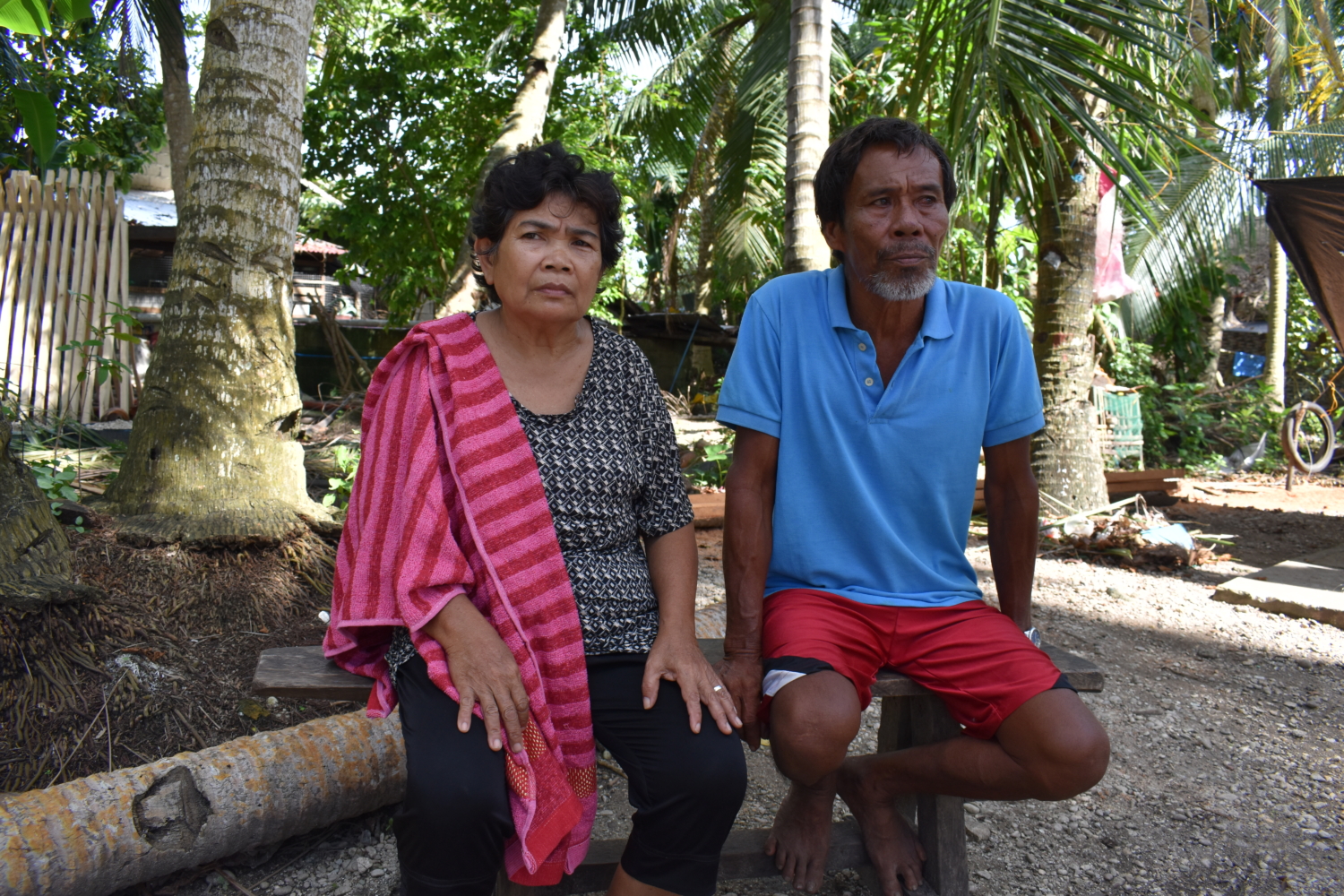
In photo: Action Against Hunger MERT visits one of the affected indigenous peoples’ communities in Payangan, Dinalupihan, Bataan. (Photo by Lorena Sanz for Action Against Hunger)

“We didn’t expect the water to rise and reach our house because we live in what’s considered a high area. We let our guard down, so we didn’t move our things to higher ground. But the flood reached us anyway,” said Janice (not her real name), a 44-year-old mother from one of the river-adjacent barangays in the Municipality of Rodriguez (formerly Montalban), Province of Rizal. “I had to carry my 5-year-old child as we made our way to the evacuation center. The water was chest-deep.”


In photo: Barangay Manggahan in Rodiguez, Rizal is covered in thick mud in the aftermath of the flooding that occurred due to the heavy rains caused by the multiple storms and southwest monsoon.(Photo by Tom Lamache for Action Against Hunger)

According to Janice, flooding has become a regular part of their lives. Just last year, during Super Typhoon Carina (international name: Gaemi), the floodwaters rose all the way to their ceiling. “I just want to experience a life where we don’t always have to evacuate whenever it rains,” she added.

With the support of European Union Humanitarian Aid (ECHO), Action Against Hunger activated its Rapid Response Mechanism (RRM) under the ACCESS Project. Through this, we were able to distribute emergency water and hygiene kits to 150 displaced families in Rizal, 67 in Hagonoy, Bulacan, and 25 in Dinalupihan, Bataan by July 30. These distributions were complemented by awareness sessions on water, sanitation, and hygiene (WASH), disease prevention, Protection from Sexual Exploitation and Abuse (PSEA), child safeguarding, and camp coordination and management. Simultaneously, with support from AECID, hygiene kits were distributed to more than 80 families in the province of Rizal. These efforts form part of a broader emergency response in Rizal Province, where Action Against Hunger is set to reach at least 700 families with Multi-Purpose Cash Assistance (MPCA) and additional WASH support.

In photo: Janice unpacks the contents of the WASH kit she received from Action Against Hunger’s AECID-funded emergency response. (Photo by Joyce Sandajan for Action Against Hunger)
Despite these coordinated efforts, assessments highlight deepening vulnerabilities. Many families have lost access to food and income, creating urgent needs for extended food assistance and livelihood recovery. Contaminated water sources, flooded latrines, and the lack of hygiene supplies continue to increase public health risks. Mental health and psychosocial support services remain limited, with few safe spaces and unclear referral pathways for those in distress. Overcrowded shelters have raised protection concerns, including heightened GBV risks, while damaged homes and disrupted schools add further pressure on already vulnerable families.

In the coming weeks, Action Against Hunger will continue conducting rapid needs assessments in underserved areas, especially those not yet reached by other responders. These efforts will inform expanded interventions, including the distribution of hygiene and water kits, hygiene promotion sessions, minor WASH infrastructure repairs in evacuation centers, and sensitization activities on camp coordination and inclusive protection practices. We are committed to ensuring that our humanitarian response is inclusive, gender-sensitive, and responsive to the specific needs of indigenous peoples, women, and persons with disabilities.

In photo: Members of the Ayta Ambala community in Barangay Payangan, Dinalupihan receive WASH kits funded by the EU Humanitarian Aid through ACCESS. (Photo by Beverly Dycoco for Action Against Hunger)

To support long-term recovery, we will scale up emergency food security and livelihood programs, particularly in areas where flooding has disrupted markets and agriculture. We also aim to expand support for WASH facility repairs, mental health and psychosocial services, and GBV mitigation. Recognizing the environmental dimension of the crisis, Action Against Hunger is also working with local partners to integrate waste management and sanitation into a broader WASH strategy, especially in urban flood-prone areas.

Amid increasingly frequent and intense climate-related emergencies, Action Against Hunger remains committed to delivering life-saving, inclusive, and environmentally responsible humanitarian assistance. By working hand-in-hand with local governments, national agencies, humanitarian partners, and affected communities, we strive to bridge critical response gaps and ensure that vulnerable populations are not left behind in the face of growing climate risks.

Check out our latest situation report for more information about our emergency response.


A SPIRIT OF BAYANIHAN IN ACTION : WORKING TOGETHER FOR SAFER SCHOOLS AND EMPOWERED CHILDREN

Action Against Hunger Philippines, in partnership with UNICEF and with funding from the New Zealand Ministry of Foreign Affairs and Trade, continues to work closely with local governments to implement the “Typhoon Odette Recovery and Rehabilitation Towards Climate-Resilient Programme”, in Siargao Island. At the heart of this initiative is a shared commitment to improve WASH (Water, Sanitation, and Hygiene) services and governance, while also promoting climate adaptation strategies. This June, during the 2025 national campaign “Brigada Eskwela”, we joined hands with local government units (LGUs), schools, and communities to raise awareness and inspire action—especially among children and youth.

In the Philippines, Brigada Eskwela, also known as the National Schools Maintenance Week, is an annual program led by the Department of Education that mobilizes community stakeholders and volunteers to prepare public schools for the start of the next academic year. This year, Brigada Eskwela placed a special emphasis on the Filipino spirit of bayanihan (community spirit / cooperation) , a spirit that aligns closely with our vision.

In fact, at Action Against Hunger, we believe that building a world free from hunger begins with empowering communities, especially the youngest among them. Children are not only among the most vulnerable, but they are also the future advocates, leaders, and changemakers of their communities. That’s why our work doesn’t stop at delivering aid: we also focus on education, prevention, and building lasting partnerships.

And, in Siargao, where we implement two ongoing projects, our efforts highlight the power of cooperation and collaboration. When local governments, schools, and humanitarian actors work together, we can create spaces where children are not only protected but also empowered.

In this way and in the spirit of Bayanihan, we joined hands with local government units (LGUs), schools, and communities by participating at Brigada Eskwela 2025 through several awareness-raising activities focused on engaging children and youth, teachers and health workers. At the heart of our engagement remains the shared goal to strengthen WASH services, while promoting climate-resilient practices.

CHILDREN’S MURAL PAINTING

From June 6 to 17, 2025, as part of the Araw ng Burgos commemoration, we co-organized a Children’s Mural Painting activity along the Burgos seawall. In collaboration with the LGU, and community members, over 170 children expressed their hopes and commitments through colorful, climate-conscious murals focused on water conservation. Many tourists, local artists, and other representatives from tourism-related establishments also participated. 

This vibrant activity not only beautified a public space but also became a platform for children and youth-led climate action.

STRENGTHENING YOUTH PARTICIPATION THROUGH WASH

Alongside the mural, on June 17, a WASH-focused exhibit booth was installed. This promotion session directly engaged 33 children who learned about safe hygiene practices and water-saving behaviors.

In picture : Photo by Victoria Valderama and Roland Pereyra for Action Against Hunger.

Meanwhile, in preparation for the start of classes, we supported the Brigada Eskwela 2025 campaign. Working closely with the Siargao Schools Division of the Department of Education, twelve partner schools from the municipalities of Burgos, Del Carmen, Pilar, San Benito and Santa Monica participated in our WASH initiatives.

Awareness-raising activities on hygiene, handwashing, and the distribution of cleaning kits in these twelve schools were conducted by Action Against Hunger team, to ensure that every child learns in a clean, safe, and healthy environment. 

The main goal of this activity was to raise awareness among teachers and parents about improving WASH in Schools (WinS), to address waterborne related diseases, thereby ensuring a healthy environment for children since it directly affects children’s learning performance.

This initiative aligns with our commitment to help schools improve their WINS star ratings, a Department of Education benchmark that promotes better water and sanitation facilities, regular hygiene practices, and health education.

STRONG LOCAL PARTNERSHIPS

The impact of these activities and the work of our teams on the ground, was recognized during the State of the Municipality Address, where the Mayor of Burgos cited Action Against Hunger’s contributions to local WASH and Circular Economy. 

But its important to remember that our work is possible thanks to the commitment of local leaders — barangay officials, school heads, health workers — who understand that building resilience begins with investing in children. They help open doors, engage communities, and foster a shared sense of responsibility. 

Through our projects like  Typhoon Odette Recovery and Rehabilitation Towards Climate-Resilient Programme and Siargao Green Economy Project in Siargao, we continue to support these actors by providing technical guidance, resources, and capacity-building opportunities. Our goal is to ensure that awareness-raising efforts are not only impactful but also community-owned and sustainable.

By working together, and by integrating WASH education into cultural events and national school campaigns, like Brigada Eskwela, we strengthen the local systems that protect children and promote healthier futures.

SIARGAO YOUTH TAKING THE LEAD IN CLIMATE ACTION

On March 27, Action Against Hunger Philippines, in partnership with UNICEF, organized a meeting with youth leaders from the Sangguniang Kabataan (SK) and Local Youth Development Office (LYDO) to strengthen Social and Behaviour Change (SBC) strategies for climate action. 

Seven youth leaders from the municipalities of Burgos, Del Carmen, Santa Monica, and San Isidro sat down with Action Against Hunger last March 27 to share their ideas, voice the challenges in their communities, and help shape practical solutions for climate action and clean water access. This meaningful discussion marked the start of a series of activities aimed at empowering young leaders in Siargao to take the lead in creating safer, more climate-resilient communities.

This collaboration is one of the initiatives to strengthen climate-resilient Water,  Sanitation, and Hygiene (WASH) services in disaster-affected areas, which is part of the Typhoon Odette Recovery and Rehabilitation Towards Climate-Resilient Programme, a partnership between Action Against Hunger Philippines and UNICEF, funded by New Zealand Ministry of Foreign Affairs and Trade. The program is focused on improving local government WASH services, governance mechanisms, and climate adaptation strategies. 

For one year, the program will focus on improving local government WASH services, strengthening governance systems, and supporting climate adaptation strategies across the municipalities of Burgos, San Benito, Del Carmen, Pilar, and Santa Monica in Siargao — emphasizing both technical upgrades and community empowerment.

YOUTH LEADERS AT THE CENTER OF CHANGE

Our meeting with the youth leaders marks the beginning of deeper conversations and lasting collaboration with youth representatives in Siargao. Our goal is clear: to ensure young leaders — especially from the Sangguniang Kabataan and the Local Youth Development Office — are not just included but actively engaged in our efforts. As key advocates for their peers, they play a vital role in raising awareness on clean water, sanitation, and climate change. By equipping them with practical tools and knowledge, we’re helping empower the next generation to lead meaningful, sustainable change in their communities.

Through this collaboration, we also aim to support youth leaders by helping them develop the skills and knowledge they need to guide positive and lasting changes in their communities, especially as part of local decision-making and leadership. Their unique perspective and strong connection to their communities make them essential in promoting lasting behavior change and ensuring that the voices of young people are heard and reflected in local development efforts.

In photo: Louie Ville Oro, the Municipal Agriculturist in Santa Monica and LYDO Designate of Santa Monica in-charge to perform and supervise all youth programs.

“Young people are crucial in influencing local government policies and implementing sustainable solutions for climate resilience and WASH improvements,” said Louie Ville Oro, the Municipal Agriculturist of Santa Monica and LYDO representative. “I’m positive that through this session, we can harmonize our outcomes at the LYDO level and integrate them into the Local Youth Development Plan. That way, whenever there are financial opportunities or budget alignments, the municipality can support.”

The initial meeting served as a vital space to align youth leaders on shared strategies and directions for climate action, while also laying the groundwork for deeper collaboration.  Importantly, this is only the beginning. This is the first session of planned engagements with this youth leader. Future sessions will support them in developing clear and actionable social and behavior change strategies tailored to the context of their community, ensuring their ideas and initiatives are translated into concrete actions and integrated into local development planning.

During the discussion, Louie emphasized how young leaders can lead locally grounded solutions, even with minimal resources. “The facilitator gave us a toolkit from UNICEF — that is the one I was looking for, and I’m excited to go deeper. Because that toolkit will be the guide for the SK to roll it out at the barangay level: to identify the problem, to analyze a possible solution that can be feasible at the SK level considering the minimal budget.”

Through dynamic focus group discussions, participants carried out a rapid behavior assessment, providing valuable insights into the challenges their communities face around WASH and climate resilience. Working together in a spirit of openness and mutual learning, the youth leaders thoughtfully analyzed key local issues. This process helped them identify specific behavioral changes needed in their communities and propose concrete solutions to address them.


This initiative underlines the crucial role youth play in shaping their future, especially in the face of a climate crisis that disproportionately affects the Philippines.  Between 2016 and 2021, nearly nine million Filipino youth were impacted by climate change-related disasters, according to UNICEF. 

And it’s more than true in Siargao where the environmental pressure is growing. Not just from natural factors but also from tourism, waste management challenges, and fragile ecosystems. 

The island also experiences limited freshwater supply, with local springs drying up during summer and groundwater sources experiencing saltwater intrusion. These issues disproportionately affect disadvantaged and remote communities, leaving them without potable water for drinking and domestic use. 

“I’m expecting that we will go deeper as we move forward…It’s an eye opener because it’s a new challenge but we’re going to be involved more, especially since we live in an island community and taking climate action is very important,” said Louie. 

These young leaders in Siargao are determined now more than ever to dedicate time and energy in helping shape how their communities approach water, sanitation, and hygiene — especially in the face of disasters and a changing climate. Their fresh perspectives and creative ideas open up new ways of tackling long-standing challenges, often bringing to light practical solutions that may not have been considered before.

Additionally, youth leaders are digitally savvy and can leverage technology for awareness campaigns, data collection, and communication about WASH, DRR, and Climate Change Adaptation (CCA). Their ability to harness technology and digital communication tools allows them to run effective awareness campaigns, collect data, and engage peers in positive WASH behaviors and DRR practices.

“I think that [a strong familiarity with technology and digital tools] is one of the best assets of today’s youth. Considering the technology available, it is possible that the SK can elevate strategies and drive changes,” said Louie. However, he also points out that not all communities can rely on digital tools alone, so a combination of traditional and modern channels must be explored and there’s a growing need for adaptive communication strategies. “Maybe we can utilize another platform of communication. Some barangays in Siargao have public audio systems : they can broadcast. Those are early warning systems or even for barangay assemblies.”

A NEW GENERATION DRIVING LOCAL SOLUTIONS FOR THE FUTURE

Action Against Hunger and UNICEF are fostering a new generation of climate advocates who will drive sustainable change in their communities by equipping youth leaders with the knowledge, skills, and tools they need. This initiative affirms the influence and capability of youth-led solutions to tackle the pressing environmental challenges affecting vulnerable populations across the Philippines, especially in Siargao.

COMMUNITIES IN MAGUINDANAO DEL SUR GRAPPLE WITH WIDESPREAD FLOODING AND URGENT NEEDS

Maguindanao del Sur, Philippines — When the rain started pouring hard on May 14, 76-year-old Lambaino from Barangay Dabenayan did not think much of it. “We saw the clouds and thought it would rain,” she said. “But we didn’t expect it would be that strong. Before we knew it, the flood was inside our house.” 

Since May 14, 2025, more than 230,000 individuals across Maguindanao del Sur have been affected by massive flooding following days of continuous heavy rain, according to the National Disaster Risk Reduction and Management Council (NDRRMC). The floods have submerged over 100 barangays across the province. The municipalities of Ampatuan, Datu Piang, and Mamasapano have officially declared a state of calamity as floodwaters continue to rise and disrupt daily life. Flooding has also reached parts of Maguindanao del Norte.

Based on our initial rapid assessments, only limited aid has reached some communities since the flooding began. As a result, there is a growing need for food, clean water, sanitation, and hygiene kits, medicines, and other essential support. Illnesses such as fever, diarrhea, and skin infections are spreading, and mental health support is becoming increasingly important as families cope with stress and uncertainty.

More than 1,000 families in Mamasapano were initially displaced to evacuation centers, but have recently returned to their homes or are staying with relatives in higher areas. People are relying on small loans and borrowing goods from local stores to get by. Others are waiting for the floodwaters to subside so they can return to farming.

Lambaino’s family is one of the families in Mamasapano facing this difficult situation. While they did not evacuate, she shares that ever since the flooding started, whenever it rains, they would seek shelter far from coconut trees or large branches that may fall on their home which they fear may not withstand the impact.

Her family also depends on farming for their daily survival. But the recent floods have destroyed their crops such as rice, vegetables, and even newly planted fields. “Now we’re borrowing rice from stores along the highway just to eat,” she said.

In photo: Lambaino with the emergency kits her family received from ACCESS. (Photo by Aladin Dadir for Action Against Hunger)

Action Against Hunger is rapidly responding to these needs, delivering emergency aid through the ACCESS project, with funding support from EU Humanitarian Aid. In Mamasapano, we are reaching at least 552 families—including those in Barangay Dabenayan—with water, sanitation, and hygiene (WASH) kits and basic food pack, including 10 kilograms of rice per household as an effort to complement the local government’s ongoing initiatives.

When asked how they plan to move forward, Lambaino reflects, “if we ever rebuild, it needs to be a two-story house. You can’t build too high because of the strong winds, but it’s not safe to stay low either.”

In photo: Families from Barangay Dabenayan, Mamasapano affected by the flood received WASH kits and food aid consisting of basic food supplies and 10 kg of rice as part of ACCESS’ rapid response. (Photo by Aladin Dadir for Action Against Hunger)

Recovery will take time, but through the collective efforts of the ACCESS consortium and with the support of EU Humanitarian Aid, we are working with communities in Mamasapano so that affected families like Lambaino’s receive the urgent assistance they need to cope during these hard times. Action Against Hunger is continuously coordinating with local stakeholders and partners to respond to this emergency and identify remaining gaps in access to clean water, food, and safety.

The ACCESS consortium, funded by the EU Humanitarian Aid, comprises five international and nine national and local organizations, including CARE, Action Against Hunger, Save the Children, Humanity and Inclusion, Assistance and Cooperation for Community Resilience and Development (ACCORD), Pambansang Koalisyon ng Kababaihan sa Kanayunan (PKKK), Community Organizers Multiversity (COM), Mindanao Organization for Social and Economic Progress (MOSEP), Integrated Mindanaoans Association for Natives (IMAN), Notre Dame of Jolo College Community Extension Services and Peace Center (NDJC), Nagdilaab Foundation, and Leading Individuals to Flourish and Thrive (LIFT).

 Written by: Joyce Anne Sandajan
 

SIARGAO GREEN ECONOMY PROJECT: BUILDING A SUSTAINABLE FUTURE

Siargao, a world-renowned island in the Philippines famous for its heavenly beaches, is more than just a paradise for surfers and travelers. It is home to many communities facing significant environmental and economic challenges. Climate change, unsustainable waste management, and socio-economic vulnerabilities threaten the livelihoods of its residents. Recognizing the urgency of these issues, Action Against Hunger, with the support of the Spanish Agency for International Development Cooperation (AECID), has launched the Resilient and Sustainable Green Economy Project, also known as the Siargao Green Economy Project. 

The Philippines, an archipelago of more than 7,000 islands, is one of the most disaster-prone countries in the world. Siargao, located within the Caraga region (Region XIII) of Mindanao, is no exception. The island faces multiple threats due to climate change, including rising sea levels, intensifying tropical storms, and the degradation of its marine ecosystems. 

These environmental risks are not only catastrophic for ecosystems but also have a direct impact on the local population, particularly fisherfolks who depend on natural resources for their livelihoods.  

In December 2021, Super Typhoon Odette (internationally known as Rai) made landfall in Siargao, bringing catastrophic damage to the island. Nationwide, the typhoon affected almost 8 million people across 11 regions. In Siargao alone, Odette displaced around 14,000 families and generally affected more 130,000 people.

The devastation extended beyond the tourism sector, severely impacting local communities: homes were destroyed, livelihoods — particularly those dependent on agriculture and fishing — were disrupted, and essential services such as education and healthcare were interrupted. The recovery process was arduous; while the initial restoration of power and communications occurred within a month, it took residents a year or more to rebuild their homes and reestablish their livelihoods.  

Additionally, the rapid increase in tourism has placed significant stress on Siargao’s limited natural resources and fragile ecosystems. While tourism is an important source of income for the island, it also presents serious environmental challenges. One of the most pressing being the surge in municipal solid waste production. 

According to a study by the United Nations Environment Programme, tourism is expected to generate a 251% increase in solid waste disposal by 2050. 

Without sustainable waste management solutions and green economic alternatives, the long-term health of Siargao’s environment and communities remains at risk.

THE SIARGAO GREEN ECONOMY PROJECT 

Since 2020, Action Against Hunger Philippines has been actively working in Siargao, supporting communities affected by Typhoon Odette through emergency response, recovery, and resilience programs. Since the devastating storm, we have helped rebuild livelihoods, improve food security, and strengthen disaster preparedness in the island. 

As Siargao continues to face environmental and socio-economic challenges, we are expanding our efforts to promote sustainable development and climate resilience – ensuring that communities are not only recovering but thriving in the long term.

Recognizing these challenges, the Siargao Green Economy Project, implemented by Action Against Hunger with funding from the Spanish Agency for International Development Cooperation (AECID), aims to improve solid waste management and promote green economic initiatives across the island.

By enhancing community resilience and environmental sustainability in four municipalities  : General Luna, San Isidro, Del Carmen, and Burgos. There, we are working to improve waste reduction, promote sustainable economic practices, foster climate resilience, and strengthen disaster risk reduction. Our approach is community-driven and gender-inclusive, ensuring that solutions are both sustainable and equitable.

The success of the Siargao Green Economy Project relies on strong partnerships. We are collaborating closely with local government units (LGUs), private sector stakeholders, and local communities to develop locally driven, long-term solutions. By integrating environmental sustainability into economic development and governance, we aim to create a resilient, self-sustaining green economy in Siargao.

Through this initiative, we are not just addressing immediate concerns — we are investing in a greener, more resilient future for Siargao and its people.


According to the United Nations Environment Programme (UNEP), a green economy is one that results in improved human well-being and social equity while significantly reducing environmental risks and ecological scarcities. It is a low-carbon, resource-efficient, and socially inclusive economic model that focuses initiatives such as renewable energy, efficient waste management, circular economy practices, and eco-friendly technologies to improve human well-being without harming the environment. 

Source: National Economic and Development Authority (NEDA)


KEY COMPONENTS FOR A LASTING IMPACT 

Building a sustainable future for island communities requires a multi-faceted approach that addresses both environmental and socio-economic challenges. The Siargao Green Economy Project focuses on practical, community-driven solutions that not only protect natural resources but also create long-term opportunities for local residents. 

From improving waste management to promoting inclusive economic growth, the project is built on four key components that work together in building a resilient, thriving, and sustainable Siargao: 

Sustainable Solid Waste Management plan 

Proper waste management is essential for both environmental conservation and disaster resilience. The Siargao Green Economy Project actively supports communities by improving waste reduction, recycling, and safe disposal methods through the establishment of Materials Recovery Facilities (MRFs). These initiatives not only curb pollution but also raise public awareness, encouraging long-term behavioral shifts toward responsible waste management. 

Disaster Risk Reduction (DRR) and Climate Change Adaptation (CCA) 

To further strengthen these initiatives, our project integrates waste management strategies into disaster risk reduction (DRR) programs. Indeed, it remains crucial to develop contingency plans for waste management during natural disasters such as floods and earthquakes. The objective? To enable communities to significantly reduce the effects of disasters, better prevent damage and impacts on the environment.  

In parallel, educational programs and awareness campaigns are conducted to encourage responsible waste disposal practices and climate change mitigation. 

Trade and rural development  

A thriving green economy depends on sustainable livelihoods. The Siargao Green Economy Project promotes circular economy practices by supporting community-led recycling initiatives and repurposing waste materials into livelihood opportunities. Additionally, the project encourages the development of eco-friendly alternatives to plastic-based packaging, providing sustainable income sources for local businesses. 

Public awareness platforms also play a key role in promoting green initiatives, ensuring that residents, businesses, and tourists actively participate and commit to a collective action toward a greener economy. 

Gender-inclusive climate resilience and governance 

A truly sustainable future must be inclusive. The Siargao Green Economy Project ensures that women, persons with disabilities, and older people have meaningful participation in solid waste management, DRR, and climate change adaptation efforts. By fostering inclusive governance, the project not only promotes gender equality but also ensures that all sectors of society not only benefit from but also contribute to shaping a resilient, greener and sustainable community. 


At Action Against Hunger, we believe that addressing environmental challenges is key to breaking the cycle of hunger and poverty. Through the Siargao Green Economy Project, we are paving the way for a future where communities are empowered to thrive despite climate and economic challenges. 

To know more about the Siargao Green Economy project,  click here to consult the

Project Briefer 


This publication was produced with the support of the Spanish Cooperation through the Spanish Agency for International Development Cooperation (AECID). The content is the sole responsibility of Action Against Hunger and does not necessarily reflect the views of AECID.